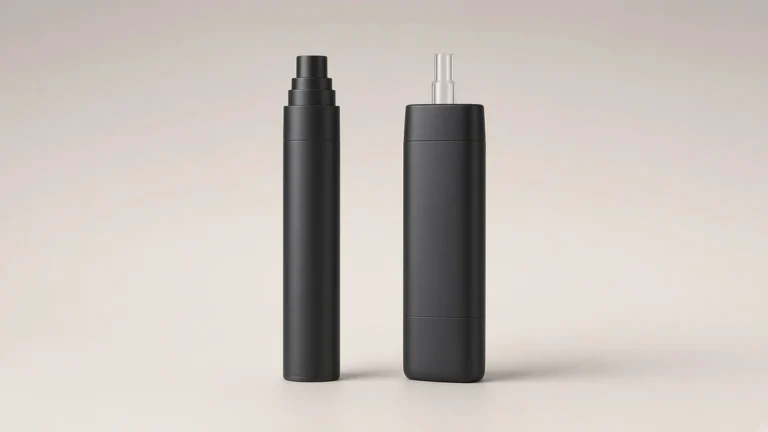
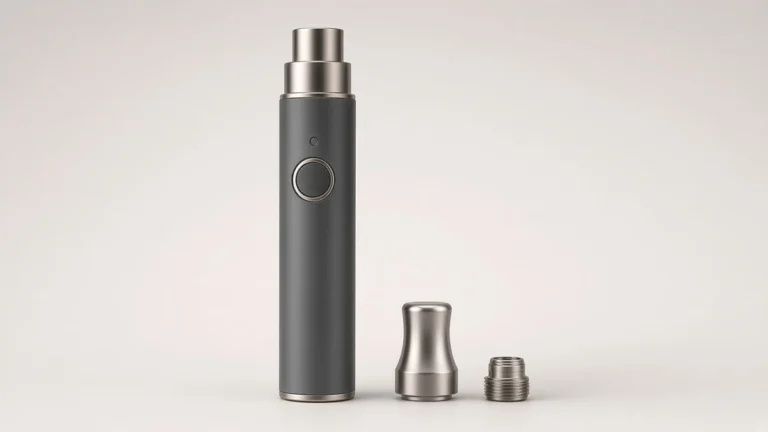
A wax pen has to give the user a way to reach the heating surface, and that way is not always a single unscrew. On some versions, a mouthpiece comes off and the coil is already in view. On others, the mouthpiece comes off first and a separate coil cap, lid, or chamber cover still has to be removed before concentrate can be placed on the coil or in the cup. A third layout uses a tube or globe that lifts off a connection, and a cap may still sit under it. Two pens can share a similar outline and still ask for different parts to be taken off before a load.
That distinction is easy to collapse into a heater story or a magnet story. It should not be. Quartz Coil in a Wax Pen: Rods, Wires and Care already treats the visible rod-and-wire assembly as a heater identification. Magnetic Dab Pens: Which Part Does the Magnet Hold? already asks which part a magnet is actually holding. Dab Pen Globes: Glass Only or a Complete Atomizer? already separates a glass shell from a complete atomizer. The present guide stays on loading access: which parts the version manual says to remove, and in what order, before concentrate is placed.
🔎 1. Loading Access Is Not Heater Type and Not a Firing Cycle
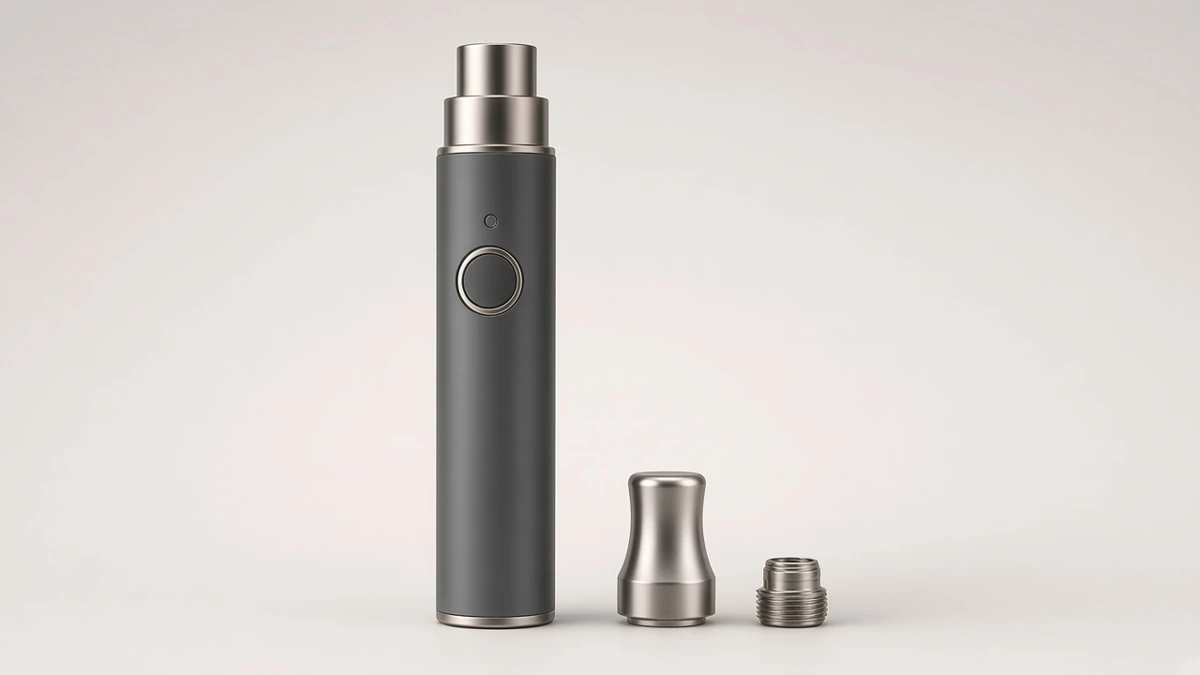
The first cut is simple. Which covers come off so the heating surface can be loaded is an access question. Whether the surface is a quartz rod, a ceramic donut, or a cup is a heater-type question. Whether the pen heats only while a button is held, or runs a session cycle, is a firing-cycle question. Those identifications can live on the same device, but they are not interchangeable.
On-Demand Fire or a Session Cycle: How a Wax Pen Stays On already treats the heat cycle. Dab Coil Labels: Identify the Heater and Replacement Assembly already treats what a replacement “coil” listing actually includes. This guide does not retell either subject. It only asks the buyer to name the covers before borrowing a loading habit from a different pen.
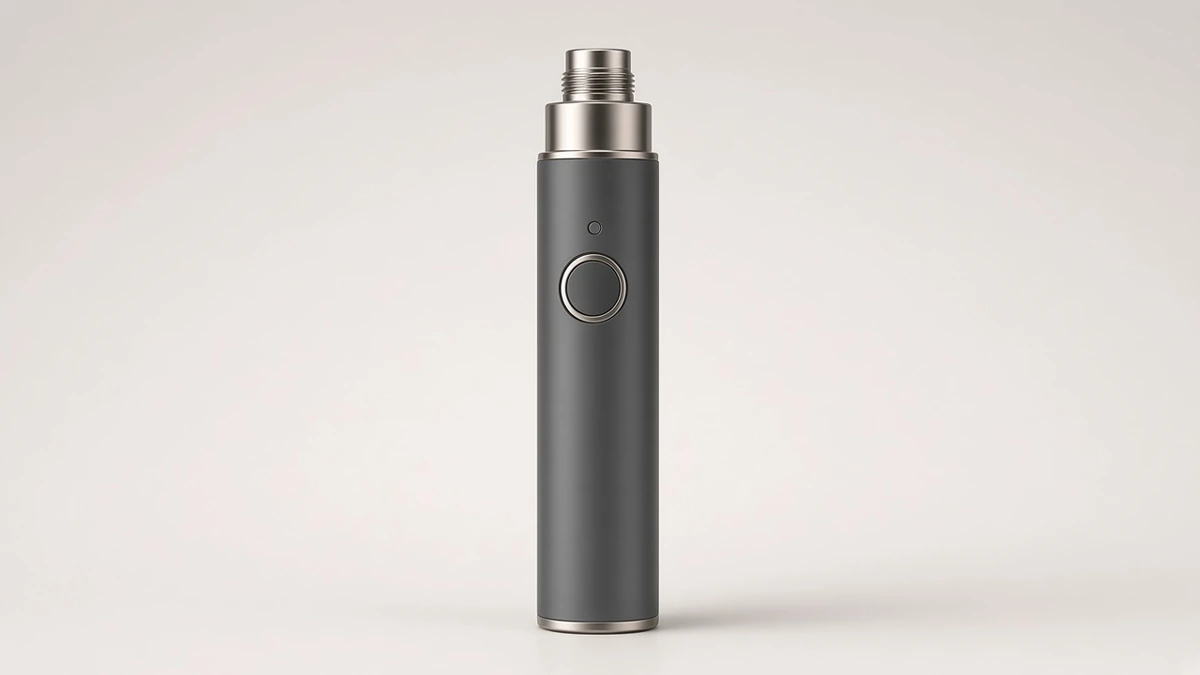
A mouthpiece is the part the user draws through. A coil cap, coil lid, or chamber cover is a separate part that protects or encloses the heating surface. The two parts can share a thread, a magnet, or a friction fit, and they can still be two parts. If the manual names both, write both down. If it names only one, do not invent a second.
🧩 2. Mouthpiece and Coil Cap Can Be Two Different Parts
On some wax pens, the documented loading sequence removes two covers in a stated order. A Yocan Canada support page titled “Yocan Evolve Plus and Evolve Plus XL Manual: Setup, Coils and Fixes,” updated 12 November 2026, and stating that the loading sequence comes from Yocan’s Evolve Plus manual, is a named example of that two-part access, not a map for other pens. That page instructs the user to unscrew the mouthpiece, then the coil cap; to place a small amount of concentrate into the coil with the pick tool, with a warning not to stab the heating elements; and to screw the coil cap and mouthpiece back on before pressing and holding the button. Those sentences are useful as an access illustration: this version treats the mouthpiece and the coil cap as two parts that both come off before a load. They are not a specification for any other wax pen, and they are not treated here as a performance result.
The useful identification on a sample is therefore modest. Count the covers above the heating surface. If a mouthpiece comes off and a second cap remains, the loading path is not complete until that cap is identified and the manual assigns it a job. Do not assume that every mouthpiece hides a coil cap, and do not assume that a single unscrew is enough because another model used two.
The same official example also shows why a parts tray can be misleading. A pick tool, a spare coil, and a cap can sit together in a kit. Dab Pen Boxes: How to Read the Parts Tray is the place to inventory the tray. This guide only asks that the cap and the mouthpiece be named as separate access parts when the version actually has both.
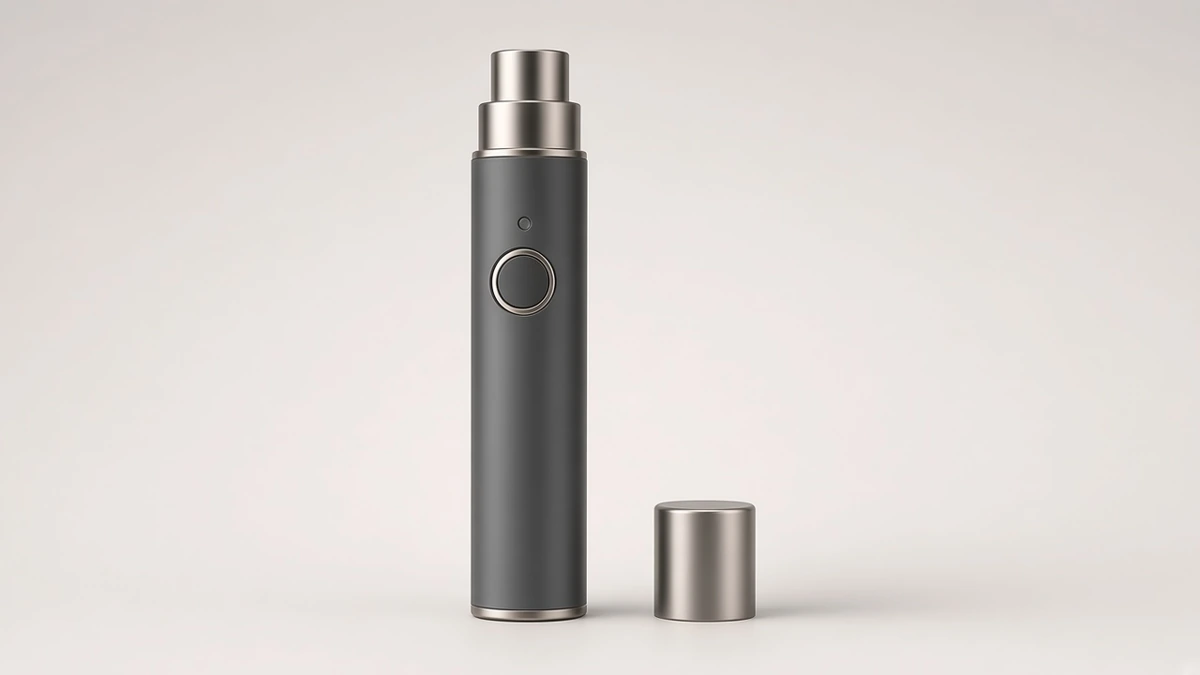
🧲 3. A Magnetic Tube or Globe May Still Hide a Cap
A cover that lifts off magnetically is still a cover. It may be the mouthpiece, the chamber tube, a globe, or a complete atomizer housing. The same Yocan Canada page, in its Evolve Plus XL section, describes a different access sequence on that sibling model: lift the atomizer tube off its magnetic connection, remove the coil cap, load a small amount onto the coil, then replace the cap and seat the tube until the magnet holds it. That is useful only as a reminder that a magnetic lift and a coil cap can both be present on one version. It is not a reason to treat every magnetic wax pen as an XL, and it is not a substitute for the magnet-location guide already on this site.
Electric Nectar Collector vs. Wax Pen: Which Format Fits Your Routine? already separates a dip-style tip from a loadable chamber. If the sample in front of you is a loadable chamber, stay on the covers. If a globe unscrews or lifts off, ask whether that globe is only glass or a complete atomizer, using the globe guide, and then ask whether a cap still sits over the coil. One motion can expose glass. It may not expose the heating surface.
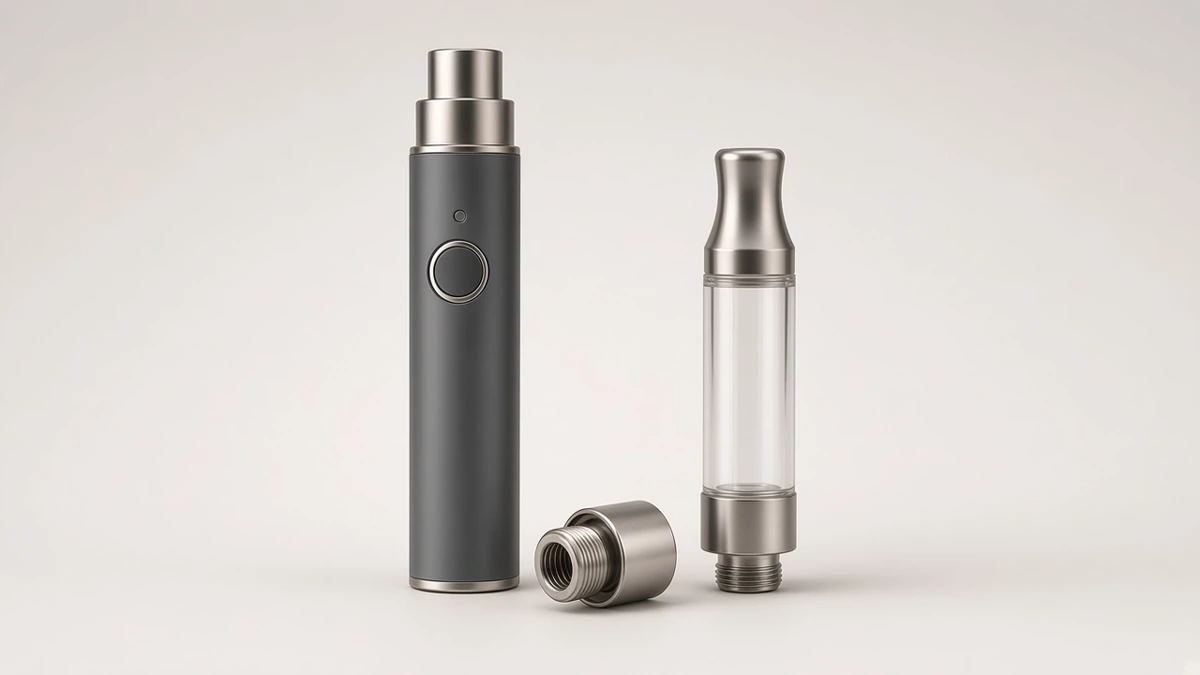
🔄 4. Unscrewing One Piece Is Not a Complete Instruction
Catalog language often says “unscrew the top,” “open the chamber,” or “remove the mouthpiece to load.” Those phrases do not say how many parts that top contains. A buyer who removes only the mouthpiece and then tries to load against a still-fitted cap can damage the cap, spill material, or conclude that the coil is missing. A buyer who removes a cap and leaves a mouthpiece dangling on a thread can misread the parts list.
The identification step is to follow the version manual’s order, then confirm it on the sample. If the manual names two parts, both should come off, in that order, before a load. If it names one, stop at one. If the sample has a part the manual does not name, or the manual names a part the sample lacks, stop and confirm the revision before writing a brief.
Replacement parts make this easier to confuse. Custom Dab Pens: Which Parts of a Refillable Wax Pen Can Be Replaced? already treats replaceable assemblies. A spare “coil” may arrive with its own cap, or without one. A spare mouthpiece may not include the cap that actually covers the coil. Match the access parts as well as the heater family.
📷 5. What a Listing Photograph Can Hide
A listing photograph can support an access identification if the mouthpiece, any cap, and the heating surface are shown both assembled and separated. Often they are not. An assembled beauty shot hides the cap entirely. An exploded kit photo can show a cap without saying it must come off for every load. A globe-only image can look like an open chamber when a coil cap still sits inside.
The photograph is also the wrong place to borrow a sequence. A hand removing one part, even when a publish-ready illustration has no hands, cannot assign a two-part or one-part procedure to this version. That assignment comes from the manual. If the listing says “easy load” and shows a single unscrew, write both facts down and reconcile them on the sample.
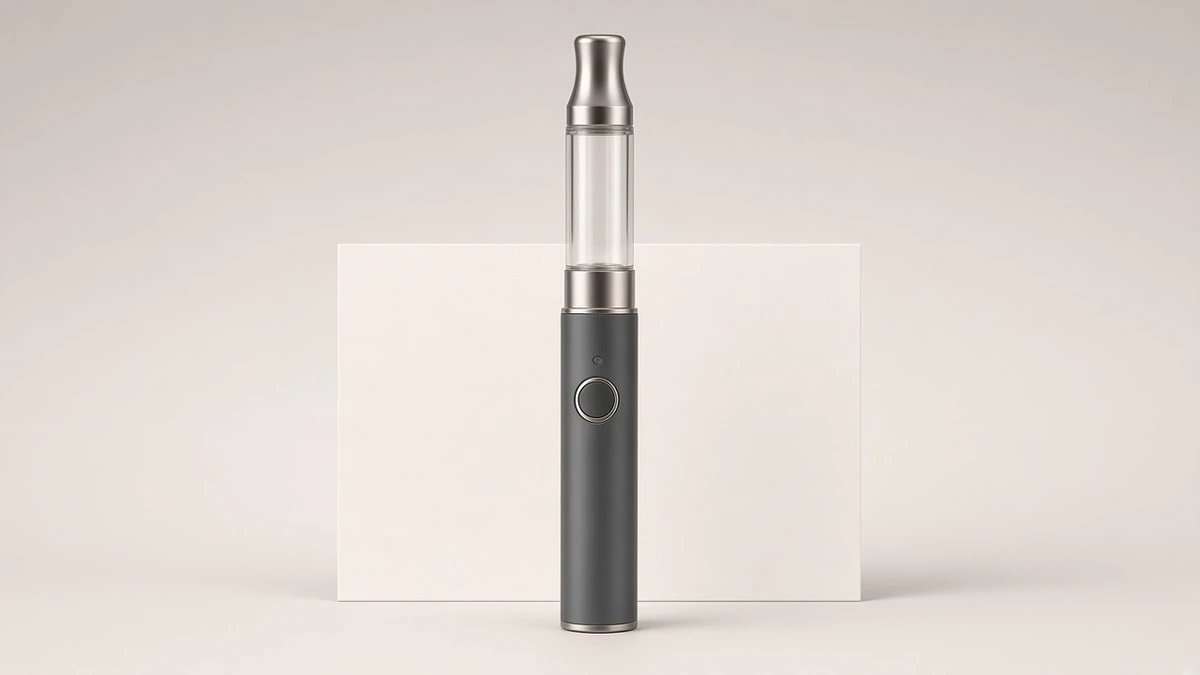
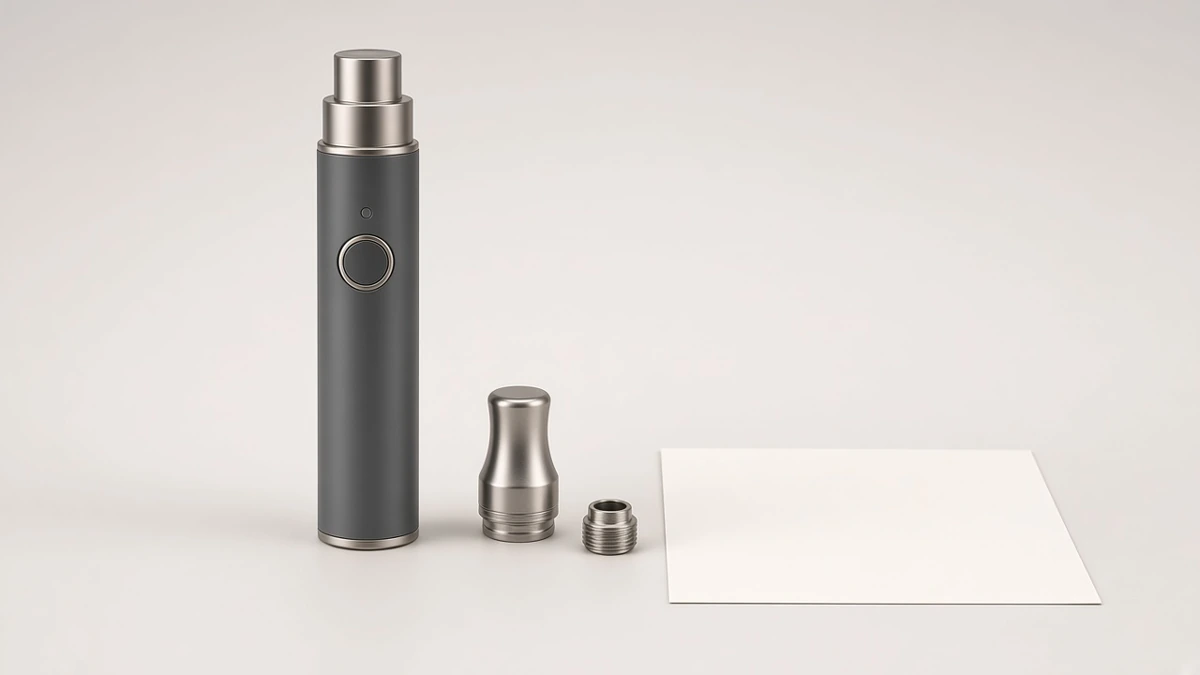
✅ 6. What to Check on a Sample, a Manual, and a Listing
A one-line description a team can reuse should name the access parts and the documented order. Example: “Wax pen, loadable coil; version manual requires the mouthpiece, then a separate coil cap, to be unscrewed before loading; both parts are threaded.” Or: “Wax pen with a magnetic atomizer tube; version manual requires the tube to be lifted and a coil cap removed before loading.”
On the sample, with the device off and cool:
- Count the covers above the heating surface: mouthpiece, cap, tube, globe, or another named part.
- See whether a second cover remains after the mouthpiece is removed.
- Do not force a part that the manual does not say comes off, and do not load material in order to “discover” the path.
On the manual for that exact version:
- List the parts to remove before loading, in the stated order.
- Note how each part is retained: thread, magnet, or friction fit.
- Keep heater type and firing cycle on separate lines.
- If the manual and the sample disagree, stop and confirm the revision.
On the listing:
- Treat “unscrew the top,” “magnetic mouthpiece,” and “easy load” as labels to reconcile with the sample and the manual.
- A two-part sequence stated for a named official or support example is that version’s documentation, not a default for the next pen in the same outline.
Questions worth sending with a sample request:
- Which parts, in which order, does the current manual say to remove before loading?
- After the mouthpiece is off, is a coil cap or other cover still in place?
- If a tube or globe lifts magnetically, does a cap still have to come off the coil?
- Which spare parts include a cap, and which include only the heater?
- Which statements in the listing are access descriptions, and which would require the version manual to interpret?
❓ 7. Short Answers a Brief Can Reuse
❓ 7.1 Identification Questions
What comes off a wax pen before loading? Whatever the version manual names. On some pens that is only the mouthpiece. On others it is a mouthpiece and a separate coil cap. On others a magnetic tube lifts off and a cap may still remain.
If the mouthpiece is off, can concentrate be loaded? Not always. A coil cap or chamber cover may still be in place. Look at the heating surface, and read the manual, before treating the pen as open.
Is a magnetic cover the same as a coil cap? Not necessarily. A magnet may hold a mouthpiece, a tube, a globe, or a cap. Name the part, then name how it is retained.
Does one official two-part sequence apply to other wax pens? No. A support page that follows a named official manual documents that version. It is not a shared loading map.
Can a listing photograph settle the access path? It can support an identification if the parts are shown separated and named. An assembled shot often hides a cap. Confirm the path on the sample and in the version manual.