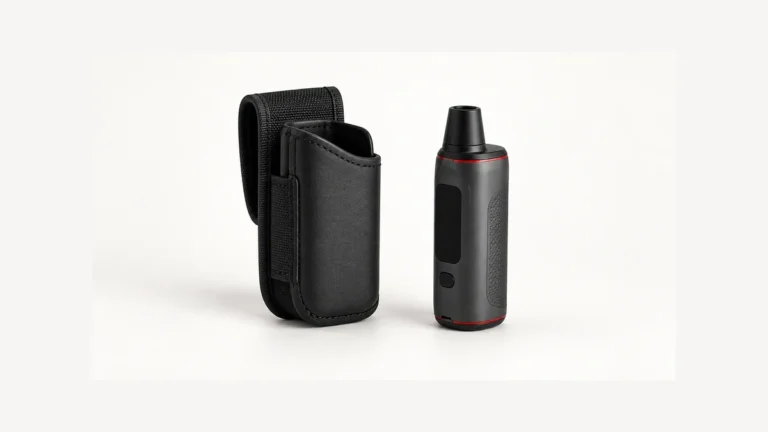
The balls inside a ball vape don’t wear out on a fixed schedule the way a lighter’s flint or a disposable battery does. A single set of media balls can roll through hundreds of sessions with no real change in how they perform, because their job is to store and transfer heat, not to burn, absorb, or degrade the way a wick or coil does. What actually takes a set of balls out of service is physical condition — a chip, a crack, a missing ball, or a coating that won’t come clean — not a calendar date.
That distinction matters because most of the confusion around “how often do I replace the balls” comes from treating them like a consumable part with a known lifespan, when they’re closer to reusable hardware. This guide separates the media balls from the heater body they sit in, explains what normal wear looks like compared to what actually calls for replacement, and flags where a manufacturer’s instructions should override any general rule of thumb.
🧭 1. There is no standard replacement clock
No manufacturer publishes a universal “replace every X sessions” figure for ball media, and for good reason: the variables are too different from one device to the next. Ball count, diameter, material, chamber design, how often the device is used, and how consistently it’s cleaned all affect how a given set of balls holds up. A device used daily and cleaned rarely will show buildup faster than one used occasionally and wiped down after most sessions, but neither pattern tells you a fixed number of days or sessions after which the balls are automatically “done.”
What some long-term users report is that a set of balls can last for years of normal use if it’s inspected and cleaned regularly and never took physical damage. Others replace balls sooner simply because a ball went missing, cracked, or picked up residue that wouldn’t lift with normal cleaning. Both outcomes are consistent with the same underlying rule: condition drives replacement, not time. Trying to force a schedule onto that process — replacing balls monthly “just in case,” or assuming a device is broken because the original balls are still in it a year later — misreads how this type of media actually behaves.
🧩 2. What the balls do inside the heater
Inside a ball vape, the balls sit in the heating chamber and act as a thermal mass: they absorb heat from the heater body, hold it, and pass it into the ground material around them as you draw or shake the device. Shaking also redistributes the material and knocks loose particles off the balls’ surface, which is part of why ball-style chambers are built the way they are instead of using a flat conduction surface or a convection-only airpath. If you’re not sure how that heat-transfer approach compares to a standard conduction or convection dry-herb heater, that comparison is worth understanding before you start diagnosing wear, because it changes what “normal operation” looks like.
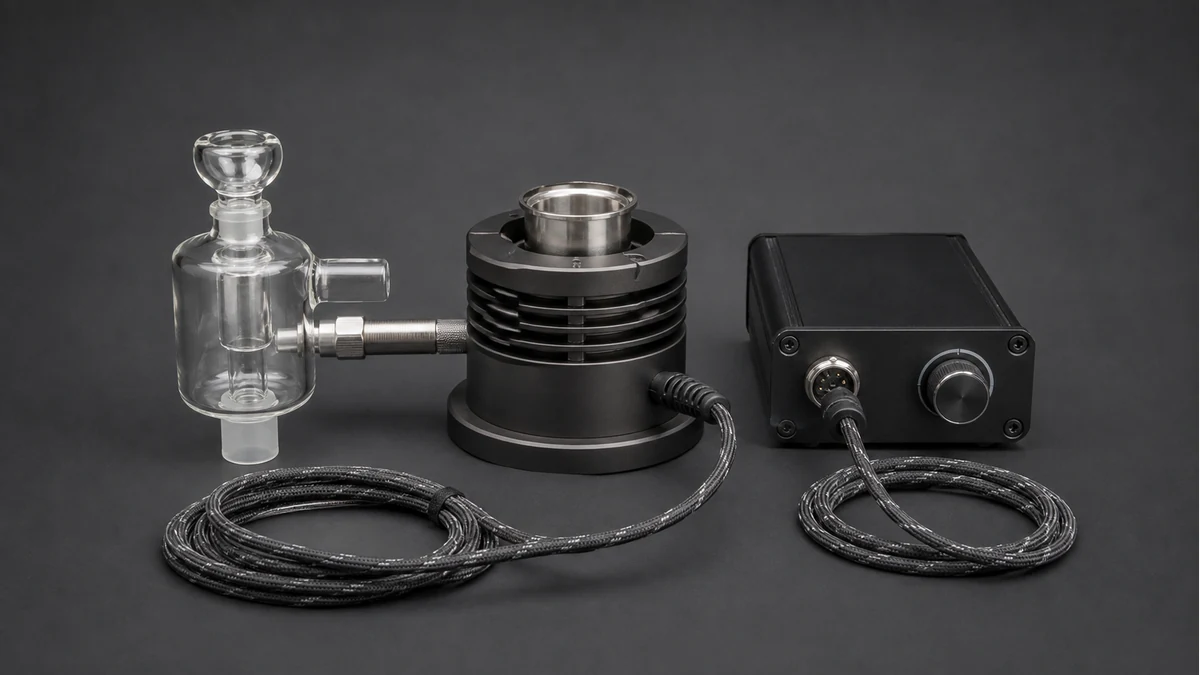
Because the balls are doing a heat-transfer job rather than a filtration or wicking job, they don’t have a built-in expiration point tied to use. A wick or coil changes chemically as it’s used — it can dry out, scorch, or corrode in ways that measurably reduce performance. A solid ceramic or metal ball heats up and cools down repeatedly without that kind of internal degradation. The practical wear that does occur shows up on the surface, which is why visual inspection matters more than counting sessions.
🛠️ 3. Normal discoloration is not the same as failure
Media balls almost always darken with use. Repeated heat cycling combined with plant residue will typically leave a tan, brown, or near-black tint on the surface over time, and that discoloration by itself isn’t a defect. It’s a cosmetic byproduct of doing exactly what the balls are designed to do. Users who expect the balls to stay looking new are often the ones who conclude — incorrectly — that staining means the balls have “gone bad” and need to be swapped out.
The more useful question isn’t “do they look different than when I bought the device,” but “does the staining come off with normal cleaning, and does the device still heat evenly.” If a light-to-moderate scrub with an appropriate cleaning method restores the balls to a usable condition, and heating still feels consistent, discoloration alone isn’t a reason to replace them. Where that changes is covered next.
🌡️ 4. Replace damaged, missing, or contaminated media
There are a handful of conditions that do call for replacing the balls rather than just cleaning them. A cracked or chipped ball can shed small fragments into the chamber or airpath, and a ball that’s visibly deformed or pitted may no longer transfer heat the way the rest of the set does. A missing ball changes the balance of the set — you may notice a different rattle when you shake the device, uneven heating, or material sitting in a spot the balls used to cover — and mismatched replacements aren’t a safe assumption; the goal is restoring the maker’s original count and size, not just filling the gap with any available ball.
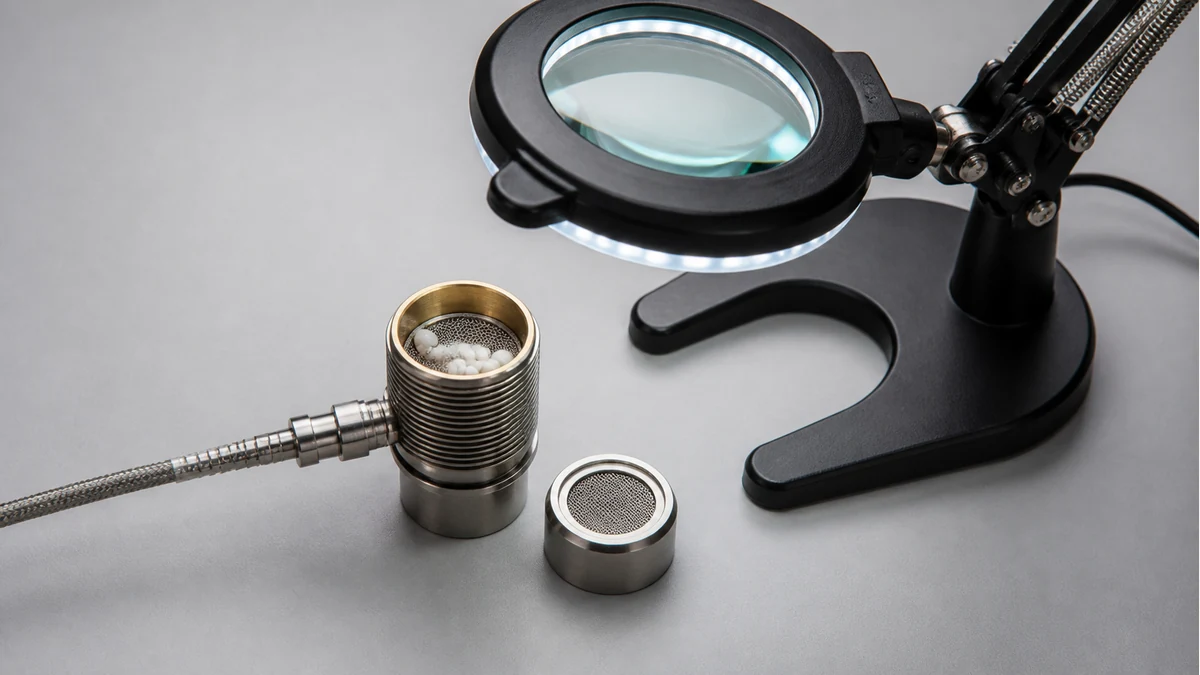
Contamination is the other trigger, and it’s a cleaning problem before it’s a replacement problem. Built-up residue that’s been baked on repeatedly can reach a point where normal cleaning tools won’t fully lift it. Before assuming that means the balls need to be replaced, it’s worth working through a proper cleaning pass — the kind of process covered in a dry-herb vape cleaning kit guide — since a lot of what looks like permanent contamination responds to the right tools and technique. Balls that still won’t come clean after a genuine attempt, or that were exposed to material or substances outside what the device is meant to run, are the ones worth retiring.
💨 5. Why ruby, zirconia, and silicon carbide are not automatic substitutes
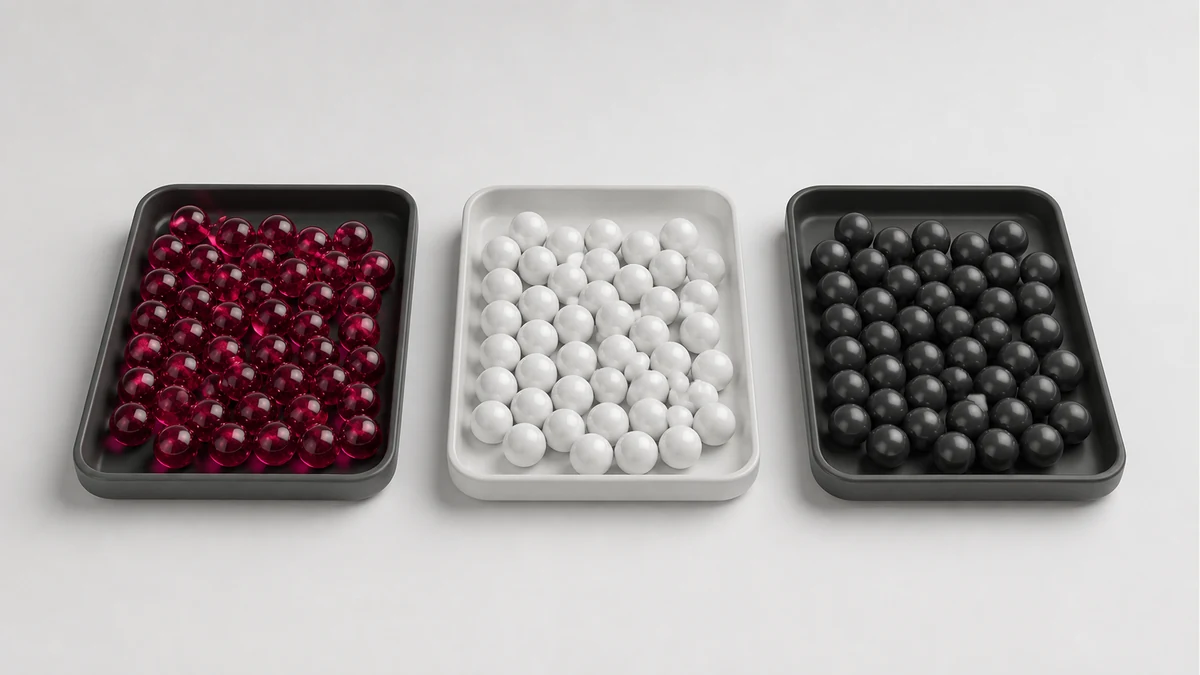
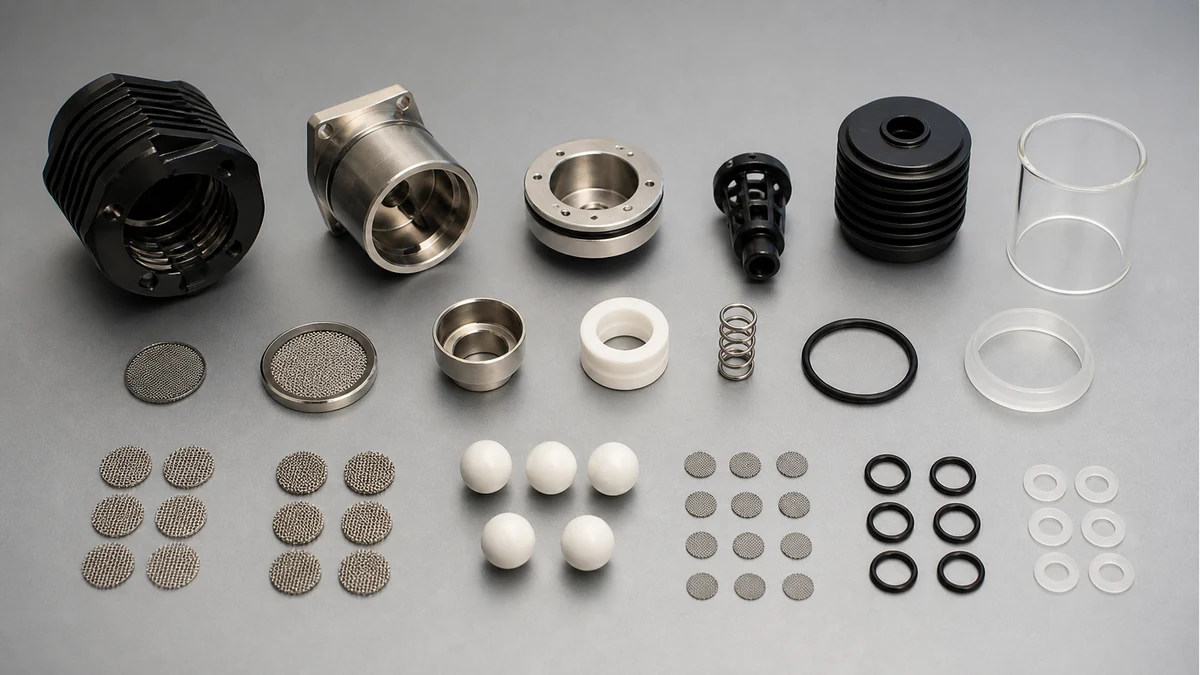
It’s common to see different ball vapes ship with different materials — ruby, zirconia, and silicon carbide are all used across various devices — and it’s tempting to assume any of them can be swapped in for any other as long as the size looks close. That assumption doesn’t hold up. Each material has its own density, hardness, and thermal mass, which affects how quickly it heats, how much heat it holds, and how it interacts with the specific chamber geometry it was designed for. A ball that’s slightly the wrong diameter can also sit differently against a retention screen or seal, which isn’t something that’s visible just by eyeballing it next to the original.
This is a case where the safest approach is following what the manufacturer specifies rather than mixing materials based on general reputation. Claims that one material is universally “better” for heat distribution than another don’t account for how a given chamber was engineered around its original media, and swapping without that context can affect fit and airflow in ways that are hard to predict from outside the device. If replacement media is needed, matching the maker’s specified material and size is the reliable path, not substituting based on what happens to be available.
🧼 6. Inspect without opening a sealed hot assembly
Some ball vape heating assemblies are sealed or semi-sealed by design, and forcing one open to inspect the balls — especially while it’s still warm — isn’t a safe or supported way to check on them. Let the device cool fully before handling the chamber at all, and rely first on the inspection methods that don’t require disassembly: listening for a rattle that sounds different from when the device was new, checking that draw resistance and heating feel consistent, and looking through whatever opening the manufacturer provides (a mouthpiece, screen, or loading chamber) rather than prying at seams that weren’t meant to be separated by hand.
A cleaning pass, done through the access points the manufacturer intends, is also a natural time to visually check the balls without opening anything that isn’t meant to open. If something feels wrong beyond what cleaning and a visual check can resolve — persistent uneven heating, a rattle that doesn’t match the original, or visible damage through the accessible opening — that’s the point to stop troubleshooting on your own and follow the manufacturer’s actual service or disassembly instructions instead of guessing at how the unit comes apart.
🧩 6.1 Inspect the system, not just the media
A change in performance does not prove the balls have worn out. Check the bowl seal, screen condition, airflow openings, heater seating, controller connection, and residue first. A loose joint or restricted screen can change draw and heat transfer while every ball remains intact. Troubleshooting one component in isolation can lead to an unnecessary material swap that introduces a new variable.
Listen only when the device is cold and the manual allows handling. A new rattle may indicate movement, a missing retaining part, or media that shifted after impact, but some designs normally allow movement. Do not shake a hot head or open a retained assembly to investigate sound. The stored heat and small loose media make that a poor place for improvisation.
🧩 6.2 Replacement is a specification job
If the manufacturer permits media replacement, record the original material, diameter, count or fill level, and retention method before removing anything. A ball that is slightly larger can reduce airflow; one that is smaller may escape a screen; changing the number can alter both resistance and thermal behavior. Similar-looking ruby, zirconia, quartz, stainless steel, and silicon carbide media are not universal drop-in upgrades.
Community comparisons can suggest questions to ask, but they cannot validate an unknown supplier’s composition or finish. Buy the exact replacement specified by the device maker or obtain written compatibility guidance. Do not use craft beads, jewelry media, or parts of unknown purity in a heated airpath.
🧩 6.3 Damage creates a different decision from discoloration
Stable color change on the exterior heater body may be normal heat patina, depending on the material. Chips, cracks, spalling, powder, a damaged retaining screen, or contamination that cannot be removed by the approved process are different. Stop using the heater until the affected parts are inspected or replaced.
A drop can also damage the bowl or connection while leaving the internal balls visually inaccessible. After impact, let everything cool, unplug the controller, and inspect the complete assembly according to the manual. The best replacement interval is therefore condition-based and manufacturer-specific: intact, clean, correctly retained media may not need a calendar replacement, while damaged or contaminated media should not wait for one.
⚖️ 7. Follow the maker’s count, size, and service procedure
Every point in this guide comes back to the same conclusion: ball count, diameter, material, and how the chamber is meant to be accessed are all set by the specific device, not by a general standard across ball vapes. A device built around four small zirconia balls and one built around a dozen larger ones aren’t interchangeable in how they should be filled, cleaned, or serviced, even if both fall under the same “ball vape” category.
Before replacing media, opening a chamber, or assuming a wear pattern is normal or abnormal, check the manufacturer’s documentation for that specific device. It’s the only source that reliably tells you the correct ball count, size, and material, along with the sanctioned way to access the chamber for cleaning or replacement. General principles — that balls don’t wear out on a schedule, that discoloration alone isn’t failure, that damage and contamination are the real replacement triggers — hold across ball vapes broadly. The specifics of how to act on those principles for your device don’t.
📚 8. Sources and Reader Questions Reviewed
Reddit discussions informed reader questions and failure scenarios only; they were not used as proof of technical, health, safety, or legal claims. Technical statements follow manufacturer-specific instructions where applicable.