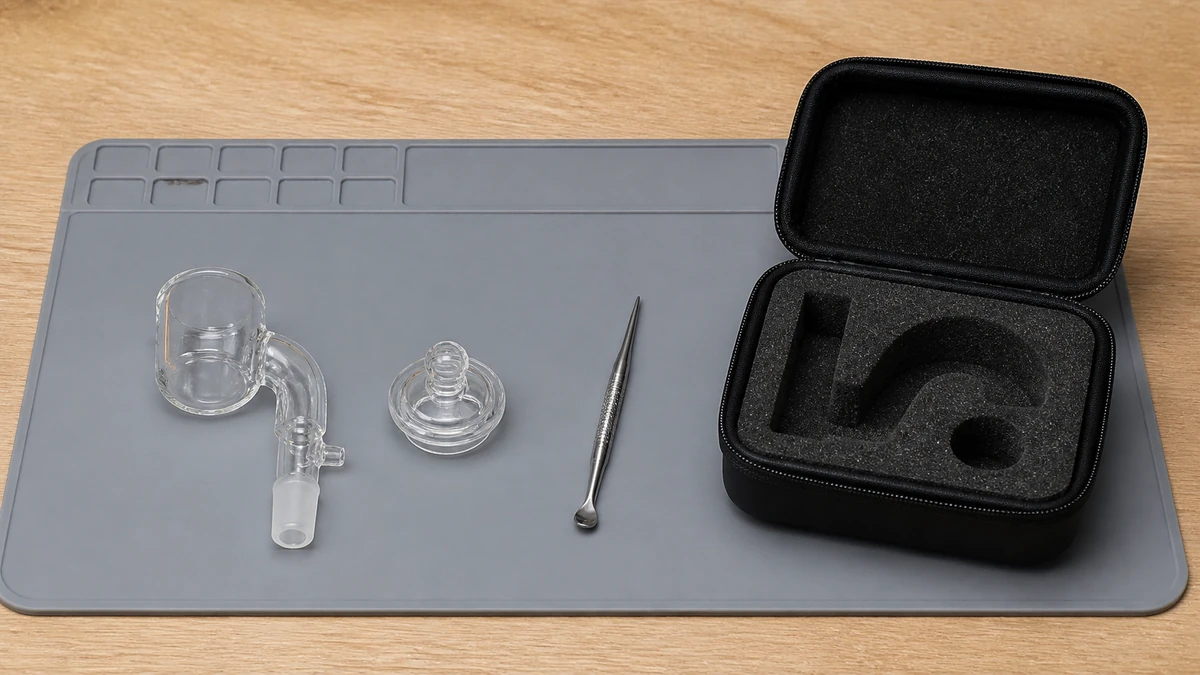
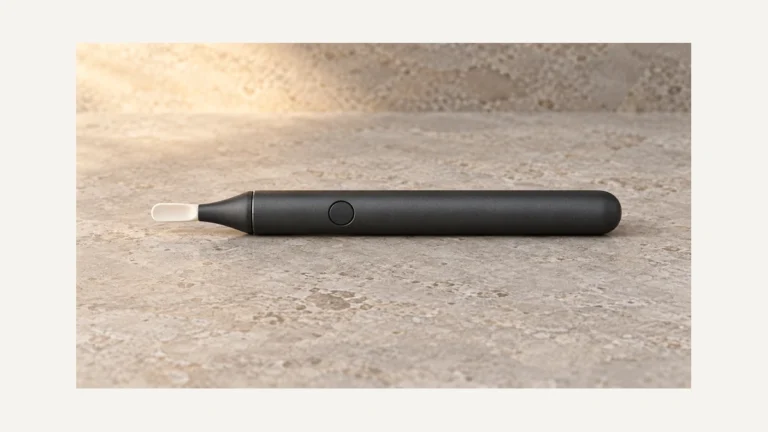
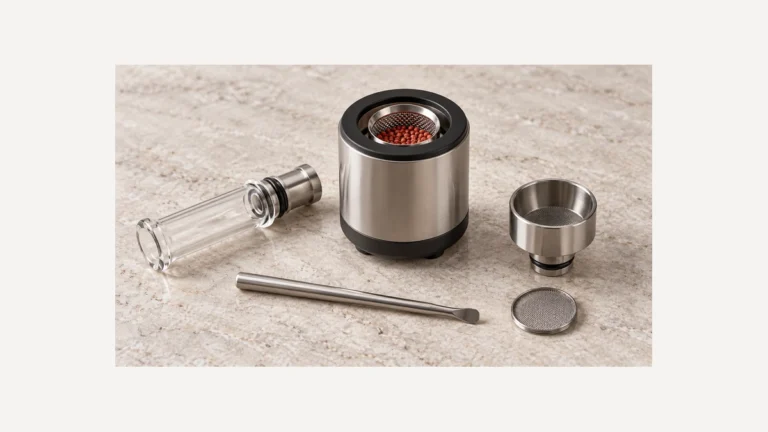
A dab storage box is failing at its most basic job the moment a used nail slides into the same compartment as a clean cap, dial-in tool, or spare jar lid. That single point of contact—sticky metal resting against a surface meant to stay usable—is where organized storage turns into a case that needs scrubbing out every few weeks. The fix isn’t a bigger box; it’s one built around separating tools by condition, giving hot parts room to cool before the lid closes, and choosing surfaces that actually wipe clean instead of foam that absorbs whatever touches it.
🧭 1. A storage box fails when clean tools touch sticky parts
Most storage boxes are sold on capacity: how many jars, how many tools, how much total volume. That framing misses the actual failure mode. A box with plenty of room can still turn into a mess if a used dabber and a clean carb cap share one open tray. Residue doesn’t stay on the tool it came from—it transfers to whatever sits next to it, and from there to the foam, the fabric lining, or the next tool that gets pulled out.
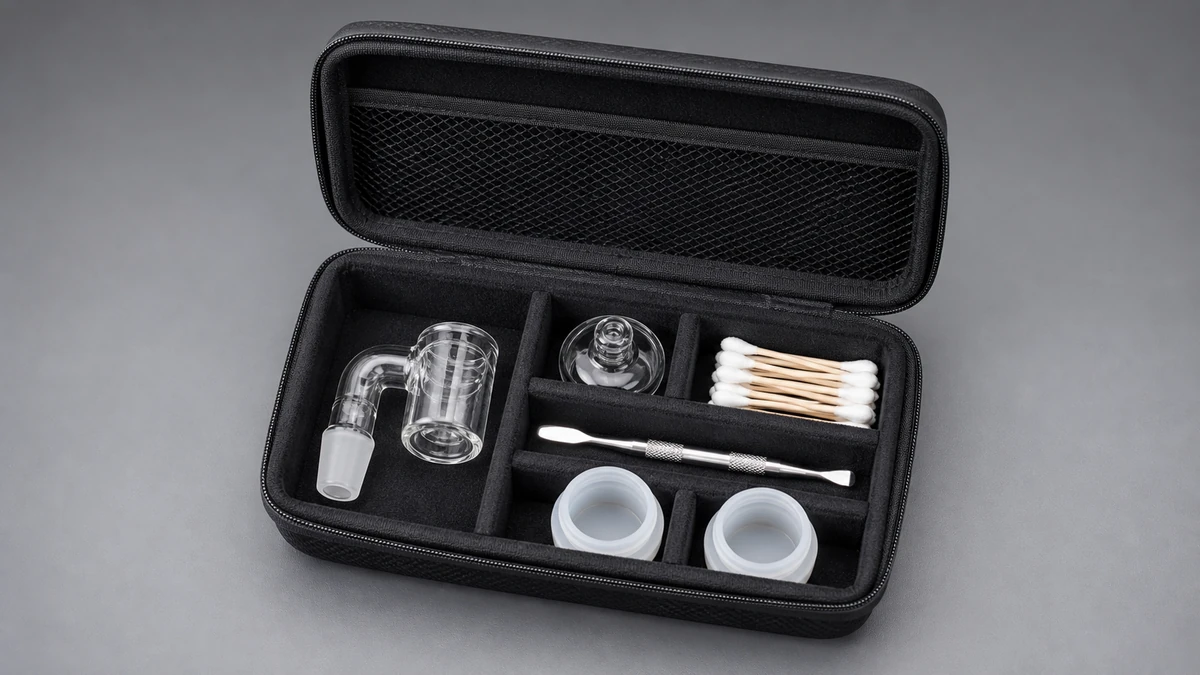
The practical fix is compartmentalization by function, not just by size. A box that dedicates one zone to tools that have touched concentrate and a separate, sealed-off zone to spares, caps, and jars keeps the mess contained to a single area that’s easy to clean, instead of spreading it across the whole case. This is the same logic covered in more detail in this guide to dab tools, which walks through how different tool types pick up and hold residue differently depending on their shape and material.
🧩 2. Separate tools by condition rather than by size alone
It’s tempting to organize a box the way a toolbox gets organized—by size, so everything nests together efficiently. But a dab kit doesn’t behave like a toolbox. A dabber, a carb cap, and a cleaning swab might be similar in size but represent three very different conditions: used and hot, clean and ready, or wet with cleaning solution. Storing them by size instead of by condition means all three end up in adjoining slots, and the wet swab or the used dabber compromises whatever’s next to it.
A more durable approach groups tools by what state they’re likely to be in during normal use. Clean, ready-to-use tools go in one compartment. Tools that have just been used—and haven’t been cleaned or cooled yet—go somewhere separate, ideally with its own liner or tray that can be pulled out and wiped down independently. Jars and caps that don’t touch heat at all can share space with either group since they’re the least likely to introduce residue. The dab tool holder guide covers holder designs that build this separation into the tool itself, which reduces how much the box has to compensate for.
🔍 3. Foam protects glass but can trap residue
Cut foam is the default lining in most cases because it’s good at one job: keeping glass pieces from knocking into each other during transport. That protection comes with a tradeoff. Foam is porous and absorbent, which means any residue that reaches it doesn’t stay on the surface—it works into the material and stays there. Once foam has absorbed residue, wiping it down doesn’t fully resolve the problem the way wiping a hard surface does.
This matters most in compartments that hold anything that’s touched concentrate, whether that’s a dabber, a nail, or a cap. If those items sit directly against foam, the foam becomes the long-term storage for whatever they leave behind. A box with a hard-shell or silicone-lined compartment for those specific items—reserving foam only for glass that stays clean, like an empty rig chamber or a spare mouthpiece—keeps the absorbent material away from the parts most likely to need it.
Ventilation is a separate consideration from residue containment, and the two get conflated often. A box that vents to let residual odor escape is not the same as a box designed to keep that residue off adjoining surfaces; airflow can carry a scent out of a sealed case without doing anything about a sticky nail resting on foam. This breakdown of dab odor goes into how airflow and containment work differently and where each one matters.
⚙️ 4. Portable and desktop boxes prioritize different access
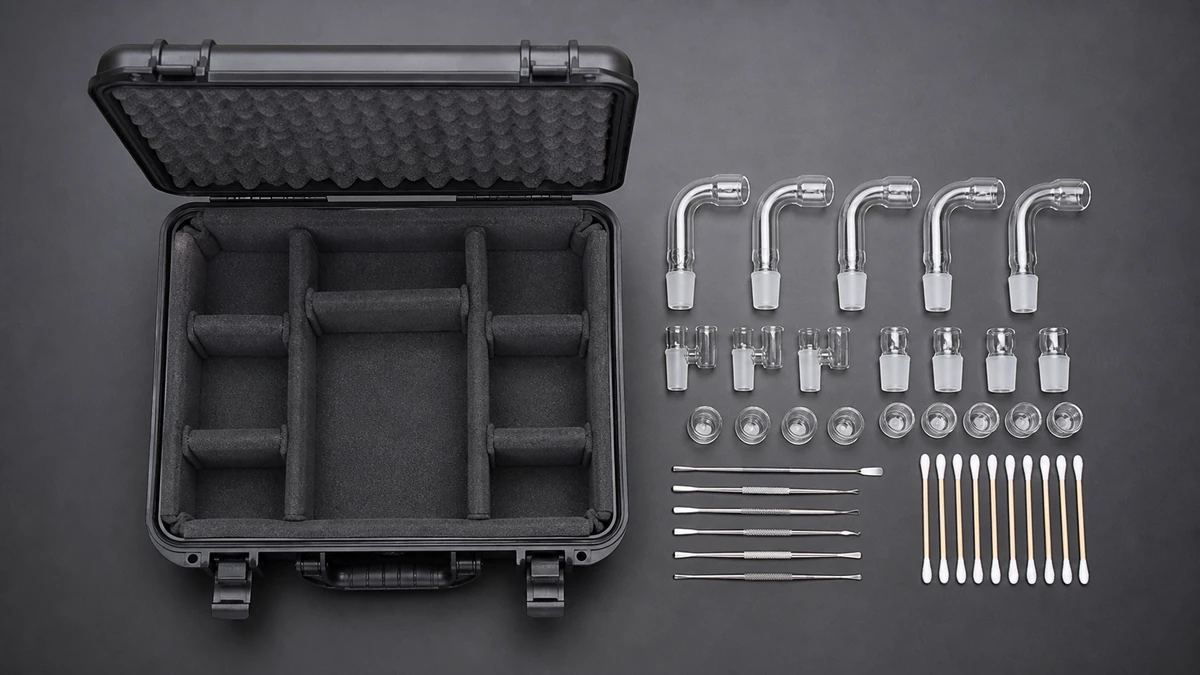
A desktop organizer and a portable hard case are solving two different problems, even though both get called “dab storage.” A desktop box sits in one place and gets opened repeatedly throughout a session—it’s built for quick, frequent access, with tools visible and reachable rather than packed tightly away. Depth and drop protection matter less here than layout: can a hand find the right tool without digging.
A portable case is built around the opposite priority. It gets closed, moved, and opened again later, so protection during transit matters more than speed of access during use. That usually means a tighter foam or insert layout, a latching lid, and less exposed surface area overall, since anything left uncovered risks shifting or knocking against something else while the case is in a bag or a vehicle.
Trying to use one box for both jobs usually means compromising on both. A desktop layout that’s loose enough for quick access won’t hold pieces securely in transit, and a travel case packed tight enough to survive a bag won’t let a hand grab the right tool mid-session without unpacking half the case first. Matching the box to how it’s actually used—stationary versus mobile—matters more than matching it to total tool count.
🧼 5. Everything must cool before the lid closes
Heated tools—nails, bangers, dabbers that have just touched a hot surface—need time to cool before they go back into any enclosed compartment, foam-lined or not. Closing a lid on something still hot does two things at once: it traps heat against whatever material lines that compartment, and it removes the airflow that would otherwise help the tool cool down on its own.
This is a universal hardware principle that applies across materials—metal retains heat differently than glass, and a heat-resistant silicone insert tolerates residual warmth better than foam or fabric does—but the actual safe-to-store timeframe and material tolerances vary by product. Anyone unsure how long a specific tool or insert needs before it can be closed away should check that manufacturer’s guidance rather than assume a universal number.
Boxes with a dedicated open tray or slot for tools that just came out of use give heat somewhere to dissipate before storage, rather than forcing an immediate choice between leaving tools out or closing them into a compartment while still warm.
🛠️ 6. Lockable storage supports an adult household routine
A locking case serves a straightforward household function: keeping a shared or high-traffic space from having concentrate tools and containers left out in the open. That’s a routine and access-control decision, not a statement about what’s inside beyond restricting who can open it. A lockable box works the same way a locked cabinet or drawer would for any adult household item that shouldn’t be casually accessible.
The lock itself is worth evaluating on the same terms as any other hardware—key versus combination, how the latch holds up over repeated use, whether the case is rigid enough that the lock is actually doing something rather than being defeated by flexing the case body. None of that changes what the box needs to do internally: separate clean from used, protect glass without trapping residue, and let hot parts cool. Locking is an added layer of access control on top of an otherwise well-organized box, not a substitute for that organization.
✅ 6.1 Design the insert around cleanability
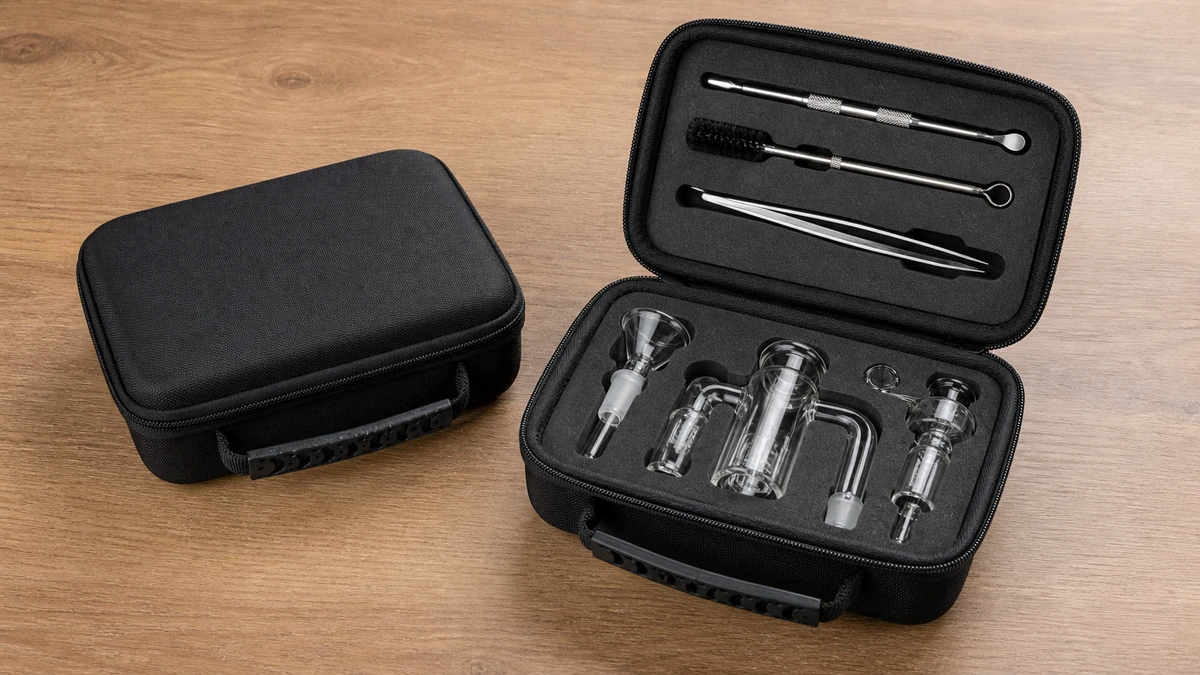
Pick-up foam is convenient for arranging glass, but its open cells can capture oil and fibers. Smooth removable dividers are easier to wipe. If foam is necessary, use separate washable sleeves or containers for any part that may retain residue and replace contaminated foam rather than soaking an unknown adhesive assembly.
Test the box with cold, clean parts. Close it gently and reopen it to confirm that lids, caps, and glass do not contact each other. A snug organizer should restrain movement without compressing fragile joints.
📦 6.2 Separate storage from cooling
A box is the last step, not the cooling surface. Let the banger, cap, and tools return to room temperature on their intended stands. Wipe accessible residue according to the product instructions before placing anything near foam, fabric, or a closed lid.
Portable cases need the same rule. A hard shell protects against impact but can also trap heat and odor. Never close a powered device, warm glass, or a part with cleaning liquid still present.
🧭 6.3 Use an inventory that reflects condition
List the intended contents as clean glass, clean tools, powered devices, consumables, and items awaiting cleaning. If the same compartment must serve more than one condition, add a removable washable container rather than relying on memory.
Review the box periodically. Discard damaged swabs and packaging, clean the insert, inspect glass joints, and confirm that labels still match the contents. An organized case should make a missing or contaminated item obvious before the next setup.
🧩 6.4 Test the carrying position
Close the clean case and turn it through the orientations expected in normal carrying. Reopen it and check whether tools migrated, glass contacted the lid, or removable cups lifted from their pockets. Adjust dividers before placing any fragile or sticky part inside.
Choose a lid that opens without tipping the base or sweeping across tall tools. Hardware should stay visible as the box opens, so a loose glass part is discovered before it can fall. Handles and latches should be inspected for play because a secure-looking shell is useful only when its closure remains dependable.
✅ 7. Choose inserts and surfaces you can actually remove and clean
The single most useful feature in a dab storage box, and the easiest to overlook while comparing tool counts and compartment layouts, is whether the interior lining comes out. A fixed foam insert glued into the case can’t be cleaned separately from the box itself—any residue that reaches it stays there, and any cleaning has to happen in place, inside a case that’s awkward to reach into fully. A removable tray or insert can be pulled out, wiped down or rinsed depending on the material, and dried before going back in.
Surface material matters as much as removability. Silicone and hard plastic wipe clean in a way foam and fabric don’t, since residue sits on top of the surface instead of soaking into it. A box that uses removable silicone or plastic inserts specifically in the compartments most likely to hold used tools—while reserving fixed foam for glass that stays clean—gets the benefit of foam’s protection without foam’s tendency to absorb whatever touches it.
None of this requires buying an entirely new case if a current one is already close. Swapping a fixed foam tray for a removable silicone one, or adding a dedicated slot for used tools separate from clean ones, addresses most of the failure points described above without starting over. The goal isn’t the biggest box or the most compartments—it’s a layout where clean stays clean, hot parts get time to cool, and every surface that touches residue can be pulled out and cleaned on its own.