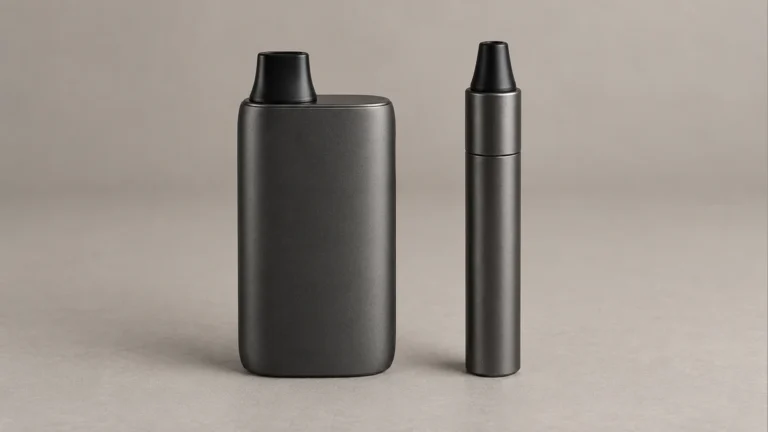
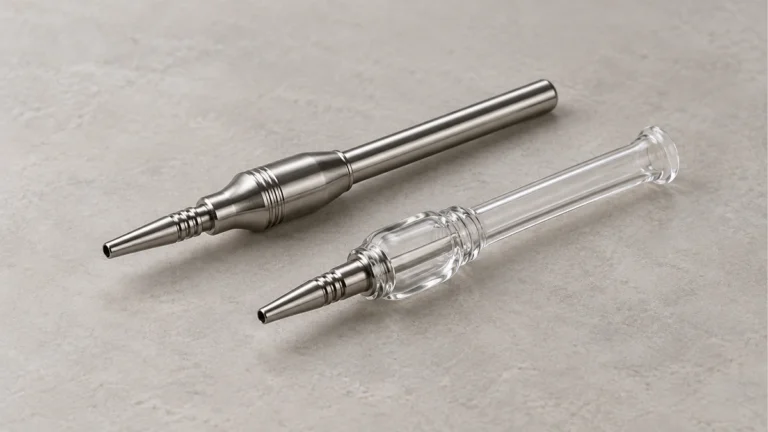
A small, cautious melt observation tells you more than copying a universal temperature number. It can show whether the material liquefies readily, leaves a heavy particulate layer, or needs hardware intended to support and contain residue. That observation should guide the setup and cleaning plan.
Dabbing bubble hash begins with identifying how cleanly that specific sample melts. “Bubble hash” covers material with very different amounts of plant matter, so two products bearing the same category name can behave differently on the same surface.
🫧 1. Bubble hash is a category, not one uniform melt
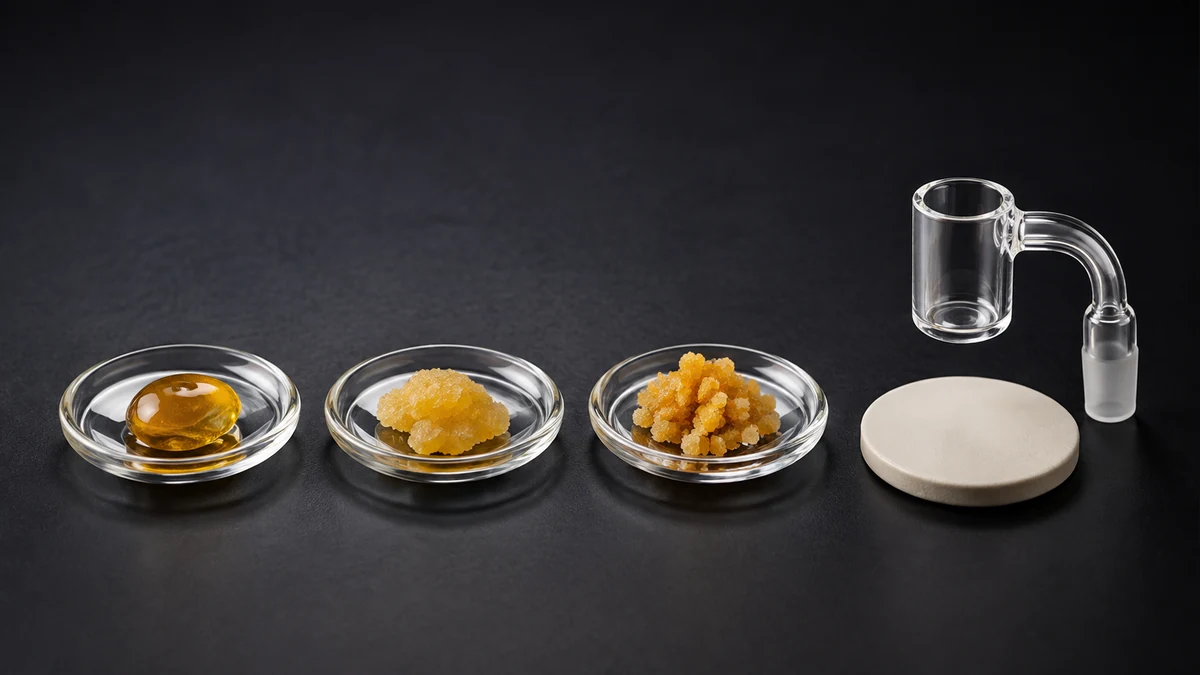
“Bubble hash” describes a production method, not a fixed outcome. Ice, water, and agitation separate trichome heads from plant material across a range of micron screens, and the resulting product can span from soft, pliable hash that flattens under gentle pressure to drier, more granular material that behaves more like kief pressed into a puck. Two bags labeled the same way can melt in noticeably different ways on the same piece of equipment.
This matters for dabbing because your banger, e-nail, or concentrate vaporizer doesn’t know what the label says. It only responds to what’s actually in the material — moisture content, particle size, and how much plant matter rode along with the resin heads. Treating every bubble hash purchase as an identical experience is where most frustration with melt quality starts.
Micron rating is a useful clue, but it’s not a promise. Material pulled from the finest bags tends to have fewer plant fragments mixed in, which generally supports a cleaner melt, but growing conditions, drying method, and how the hash was pressed or handled afterward all still shape the final texture. A small visual and behavioral check before you commit a whole session’s worth of hardware time will tell you more than the bag number alone.
🧼 2. Plant particles decide how much residue remains
When bubble hash is made, the goal is to isolate trichome heads and leave behind stalks, leaf fragments, and other plant debris. In practice, some of that debris almost always comes along for the ride, especially in hash pulled from coarser screens or batches that weren’t fully re-screened after the wash. Those plant particles don’t vaporize the same way resin does — they scorch, char, or simply sit there as a solid residue that a low-quality nail can’t dissolve.
This is the practical reason full-melt hash gets talked about separately from lower-grade bubble hash. The less plant material present, the less residue is structurally guaranteed to remain after a dab, regardless of how well the device is heated. If a hash sample consistently leaves behind a dry, dark smear no matter how the temperature is adjusted, that’s often a particle-content issue rather than a technique or equipment failure.
Knowing this changes how you think about cleanup and hardware wear before you even start dabbing. A batch with visible plant fragments — tiny green or brown specks scattered through the hash — is telling you upfront that some residue is expected, and planning your session and your cleaning routine around that expectation saves frustration later.
🫧 3. Full-melt language still needs a small hardware test
“Full-melt” is a widely used term in the bubble hash world, generally describing hash that liquefies almost completely with minimal leftover residue. It’s a helpful shorthand, but it’s also applied inconsistently across sellers and communities, and it isn’t a certification or a guaranteed spec. The same label can be attached to material with noticeably different real-world behavior depending on who’s using the term and how they define it.
Because of that variability, a small test on your own equipment tells you more than the label does. Before dedicating an entire dab session to a new batch, try a modest amount on the piece you actually plan to use it with. Watch what happens: does it pool and bubble cleanly, or does it sit stubbornly in place? Does it leave a thin, easily wiped film, or a thicker residue that clings to the surface?
This kind of small-scale check is especially useful if you’re switching between different concentrate hardware setups, since melt behavior on one style of nail or vaporizer chamber doesn’t automatically predict what will happen on another. If you’re still working out which hardware style suits your habits in the first place, a broader look at concentrate vaporizer options can help frame what to expect from different chamber and heating designs before you start comparing hash batches against them.
Treat the term “full-melt” as a starting expectation, not a fixed outcome. Your own hardware, in your own hands, is the only thing that can confirm how a specific batch actually behaves.
🧩 3.1 What a quick test can reveal
- Whether the hash pools into a liquid or stays semi-solid
- How much visible residue remains on the surface afterward
- Whether the residue wipes away easily or requires extra effort
- How the texture compares to hash you’ve used successfully before
🔥 4. Temperature numbers do not transfer perfectly between surfaces
It’s tempting to look for a single ideal number and apply it across every device, but heat behaves differently depending on the material and geometry of what’s holding it. A quartz banger, a titanium nail, and a concentrate vaporizer’s ceramic or glass chamber don’t retain or distribute heat identically, even when a thermometer reads the same value at the surface.
Bubble hash adds another layer of variability on top of that. Softer, moisture-retaining hash may need a bit more time or heat to fully liquefy compared to a drier, more brittle batch, and residual plant particles can char before the resin around them has finished melting. That means a setting that worked well for one batch, on one device, isn’t a guaranteed match for a different batch or a different piece of hardware.
Rather than chasing a universal number, it helps to think about how your specific setup responds. Manufacturer guidance for your device — including any digital controls or recommended ranges built into an e-nail or portable concentrate vaporizer — is a more reliable starting point than a general figure pulled from an unrelated source. A closer look at how temperature and dab quality relate on the equipment you own can help you calibrate expectations device by device rather than relying on one borrowed setting for everything.
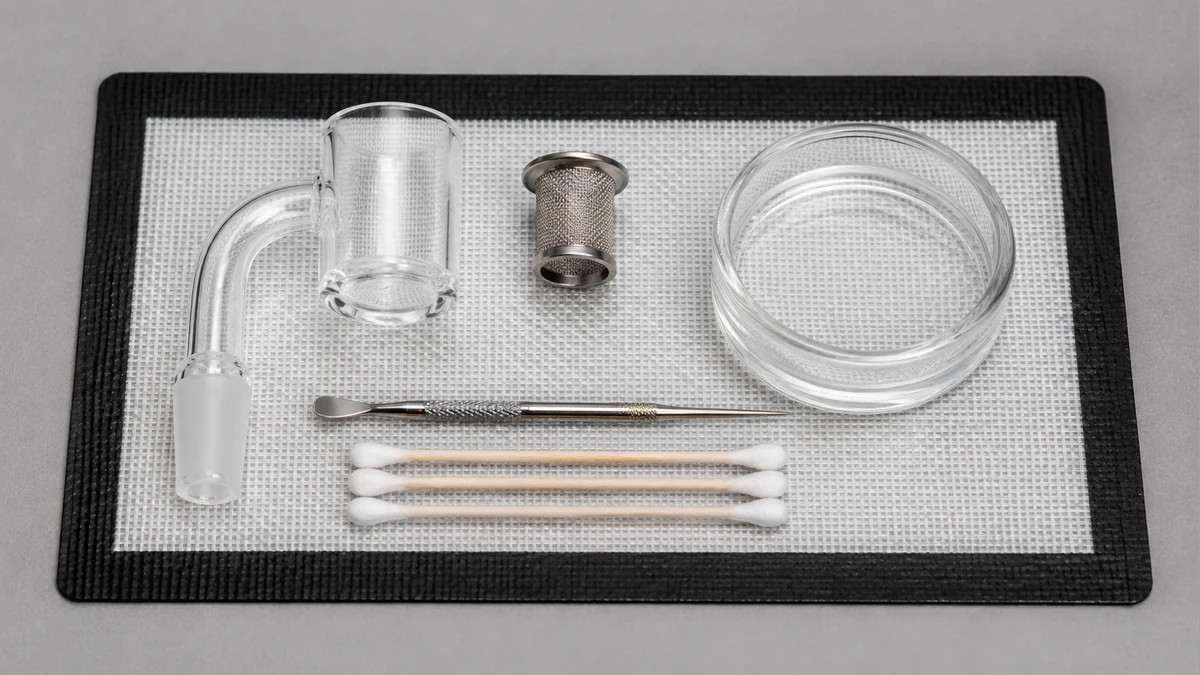
If a batch of hash consistently underperforms at a setting that normally works well for you, that’s a signal to reconsider the hash itself — its particle content, moisture, or overall grade — before assuming your device or your technique is at fault.
📐 5. Screens and inserts must fit the device design
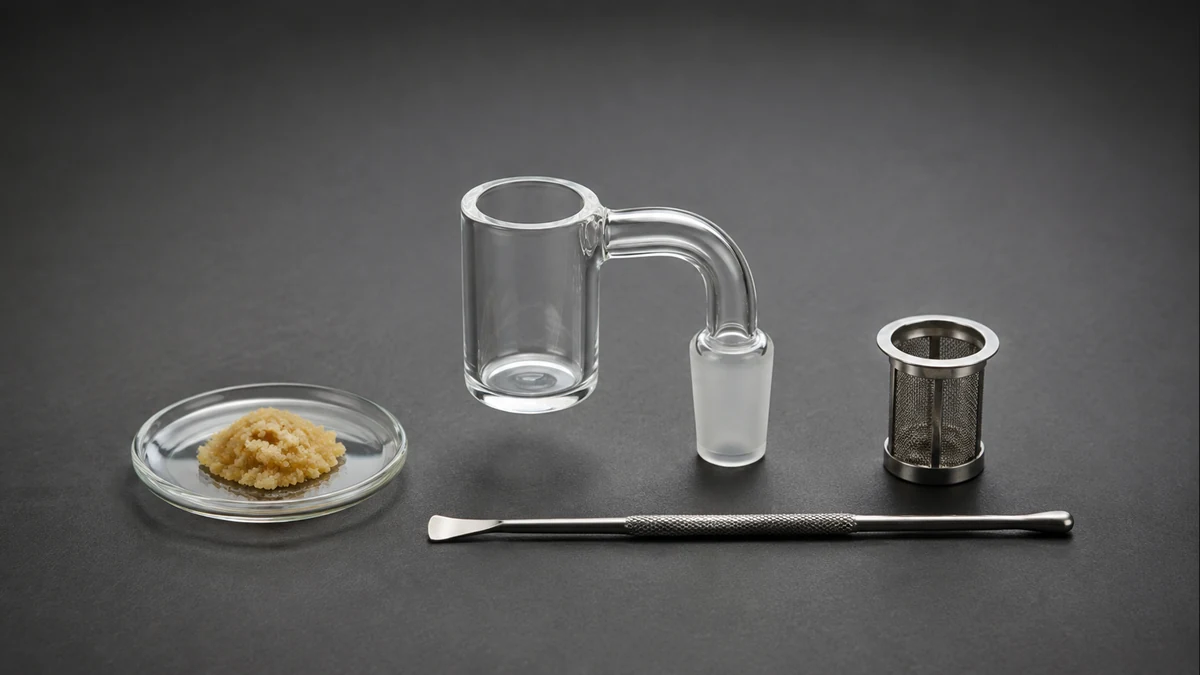
Mesh screens, quartz inserts, and reclaim catchers show up often in discussions about dabbing bubble hash, usually as a way to manage material that doesn’t fully melt or to keep smaller fragments contained. These accessories can be genuinely useful, but only when they’re actually compatible with the piece they’re being used on.
Not every banger or vaporizer chamber is designed to accommodate an insert or screen, and forcing one into a setup it wasn’t built for can interfere with airflow, heat distribution, or the seal of the joint. Some manufacturers explicitly support certain accessories as part of their product line; others design their hardware without that expectation in mind. Checking what the maker of your specific device actually recommends is a more dependable approach than assuming a screen that worked on one rig will work the same way on another.
For readers still assembling their setup, a broader rundown of accessories and their intended uses — including where screens, dabbers, and carb caps fit into the overall process — is covered in a general dab tools guide, which is a reasonable place to check compatibility questions before adding anything extra to your existing hardware.
When a screen or insert is appropriate for your device, it can help catch stray plant particles from lower-grade bubble hash before they scorch directly against a hot surface. When it isn’t appropriate, it can just as easily create a cleaning headache or an airflow problem that didn’t exist before. Match the accessory to the device design first, and use it to manage residue second.
🧼 6. Residue should shape the cleanup plan
Once you understand that some bubble hash batches will leave more residue than others, cleanup stops being an afterthought and becomes part of the planning. A batch that melted cleanly with minimal leftover film needs a lighter touch — a quick wipe while the surface still holds some warmth is often enough. A batch with more plant content baked onto the surface needs a more deliberate approach, and trying to rush that step tends to just push residue around rather than removing it.
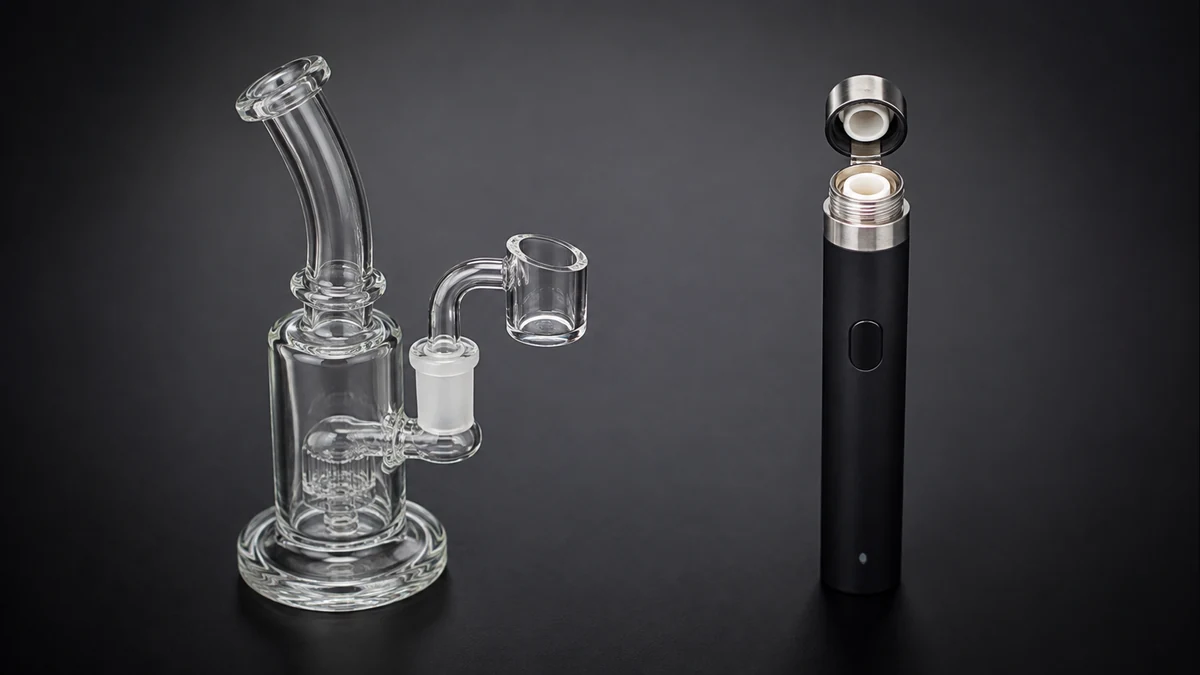
A few habits make this easier regardless of which type of hash you’re using:
- Clean the surface while it still retains some heat, before residue has a chance to fully harden
- Use tools appropriate to the material your device is made from, since abrasive tools can scratch quartz or glass
- Address visible plant residue promptly rather than letting it accumulate across multiple sessions
- Keep any maker-approved screens or inserts on a separate cleaning schedule, since trapped particles there can affect airflow over time
Skipping cleanup after a heavier-residue batch tends to compound the problem. Buildup from one session makes the next dab less consistent, since accumulated residue changes how heat reaches the surface and how the next batch of hash spreads across it. Treating cleanup as tied to what you actually observed during the dab — rather than a generic once-in-a-while chore — keeps your hardware performing the way it did when it was new.
🫧 7. Choose the hardware after observing melt behavior
The most useful order of operations is the reverse of how a lot of people approach it. Instead of picking hardware first and hoping a given bubble hash grade adapts to it, watch how a small amount of your actual hash behaves — how it melts, how much residue it leaves, whether it responds well to your current heat range — and let that observation guide any adjustments you make to your setup.
If a batch consistently leaves noticeable plant residue, that’s useful information whether or not you change anything about your hardware. It might mean adjusting your cleanup routine, reconsidering whether a maker-approved screen makes sense for your device, or simply setting realistic expectations for that particular batch rather than assuming something is wrong with your rig or vaporizer.
If a batch melts cleanly with minimal residue, that’s worth noting too — not as proof that a label was accurate, but as a data point about how that specific hash performs on your specific equipment. Over time, these small observations build a more reliable picture than any single term or number ever could.
Bubble hash rewards attentiveness more than it rewards chasing a perfect spec sheet. Small tests, device-specific temperature awareness, accessory choices that respect your hardware’s actual design, and a cleanup routine matched to what you observe will consistently serve you better than trying to find one universal answer for a category of concentrate that was never uniform to begin with.
🧼 8. Plan the cleanup before heating anything
Bubble hash that carries plant particles can leave a dry, granular layer as well as sticky residue. Pick hardware whose surface can be inspected and cleaned according to its maker’s instructions. Screens or inserts should be supported by the device design, not balanced in a joint or cut from an unknown material.
Prepare a stable landing place for warm parts and allow them to cool appropriately before cleaning. If a small test leaves a layer the chosen chamber cannot release without scraping, forcing, or extreme heat, the better answer may be different compatible hardware rather than a more aggressive technique.
For related setup decisions, compare AOVAPE’s guide to the best temperature approach for dabs, review how common dab tools differ, and use the concentrate vaporizer guide when a controlled chamber better matches the material.