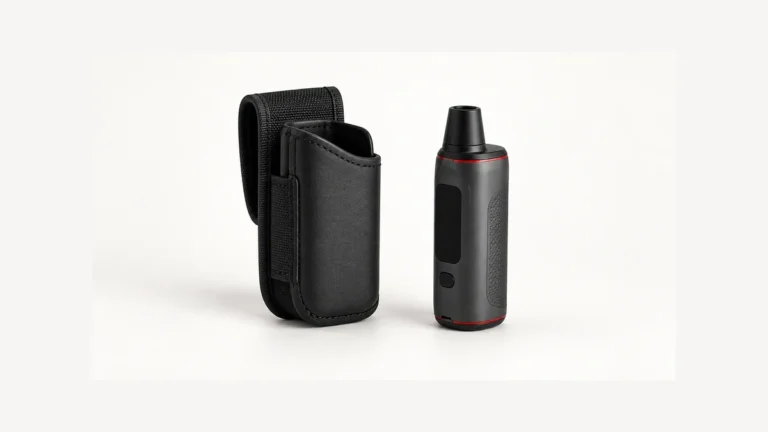
Yes, a dab pen can smell, and the smell doesn’t come from just one place. Picture pulling a device out of a bag an hour after a session: the mouthpiece has a faint waxy note, the chamber holds a toasted or slightly burnt smell when it’s opened, and the room where you used it carries a trailing scent for a while after the vapor clears. Each of those is a different odor source with its own cause, and understanding which one you’re smelling is more useful than a flat yes-or-no answer.
This guide breaks the smell question into its real parts: the raw concentrate itself, the heat cycle inside the chamber, the aerosol you exhale, and the residue that builds up on the hardware over time. None of these can be engineered away completely, and this article won’t claim otherwise.
🧭 1. Yes, a dab pen can smell
A dab pen produces odor because it heats a concentrate to the point of vaporization, and that process releases aromatic compounds into the air. The degree of smell varies by concentrate type, chamber temperature, and airflow in the room, but the basic fact holds: heating a cannabis concentrate creates a detectable scent, whether that’s a light herbal note or something sharper and more chemical-smelling depending on the material.
It helps to compare this to raw flower or fresh concentrate sitting in a jar. As covered in do dabs smell, unheated concentrate already has an aroma of its own, and that baseline smell is only the starting point. Once heat is introduced, volatile compounds that were otherwise contained in the material get released into the air as vapor, which is a stronger and more far-reaching version of the same underlying scent.
🧩 2. Separate source odor from session odor
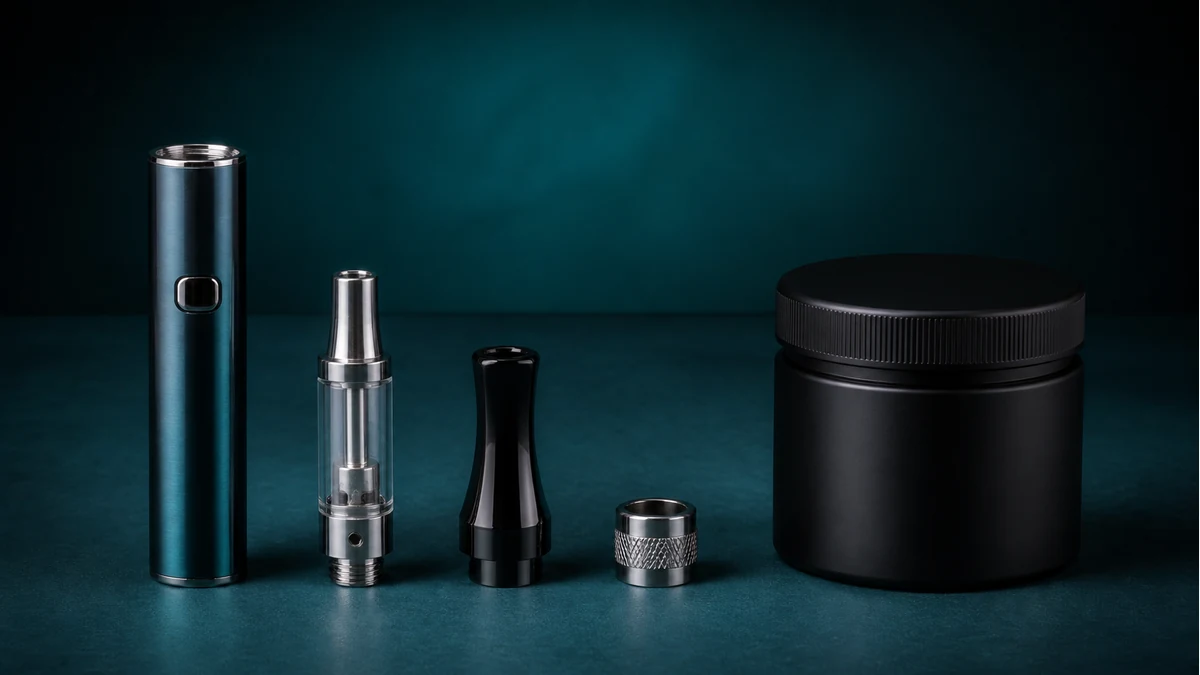
It’s worth drawing a clear line between two different things people often lump together: the smell of the concentrate itself before it’s heated, and the smell that fills a room during and after a session. Source odor is what you’d notice opening a container of concentrate — it’s present whether or not a pen is ever turned on. Session odor is what happens once that same material is vaporized and exhaled into open air.
Session odor is generally stronger and travels farther than source odor because heat mobilizes compounds that stay mostly locked in place at room temperature. It also behaves differently depending on ventilation, humidity, and the size of the space. A small, closed room holds session odor far longer than an open area with airflow, even if the same device and the same amount of concentrate were used in both cases.
Recognizing this distinction matters because troubleshooting an odor complaint depends on which one you’re dealing with. If a stored device or a sealed concentrate container has a smell before anything is heated, that’s a storage or source issue. If the smell only appears during use and lingers in the room afterward, that’s a session and ventilation issue, and the fixes for each are not interchangeable.
🛠️ 3. Why a dab pen can smell stronger than a cart
People who’ve used both a dab pen and a vape cartridge sometimes notice the dab pen produces a more noticeable smell for a comparable amount of material. Several structural differences explain this. Cartridges typically use a wick-and-coil system designed for consistent, lower-temperature vaporization of a thinner oil, while dab pens are built around a chamber — often a coil, ceramic, or quartz bowl — that heats a thicker, more concentrated substance directly.
That higher heat and more direct contact with a denser concentrate tends to release aromatic compounds more aggressively than the steadier, lower-temperature draw of a cartridge. The type of concentrate matters too: some concentrates are more viscous or contain more residual plant material than a refined vape oil, and that composition affects how much scent gets carried into the aerosol when it’s heated.
The comparison isn’t just anecdotal. As detailed in do carts smell, cartridge vapor does carry its own detectable odor, just generally a lighter one. The difference between the two device types comes down to how each one applies heat and what kind of material it’s designed to vaporize, not a case of one method being odor-free and the other not.
🌡️ 4. What makes odor linger
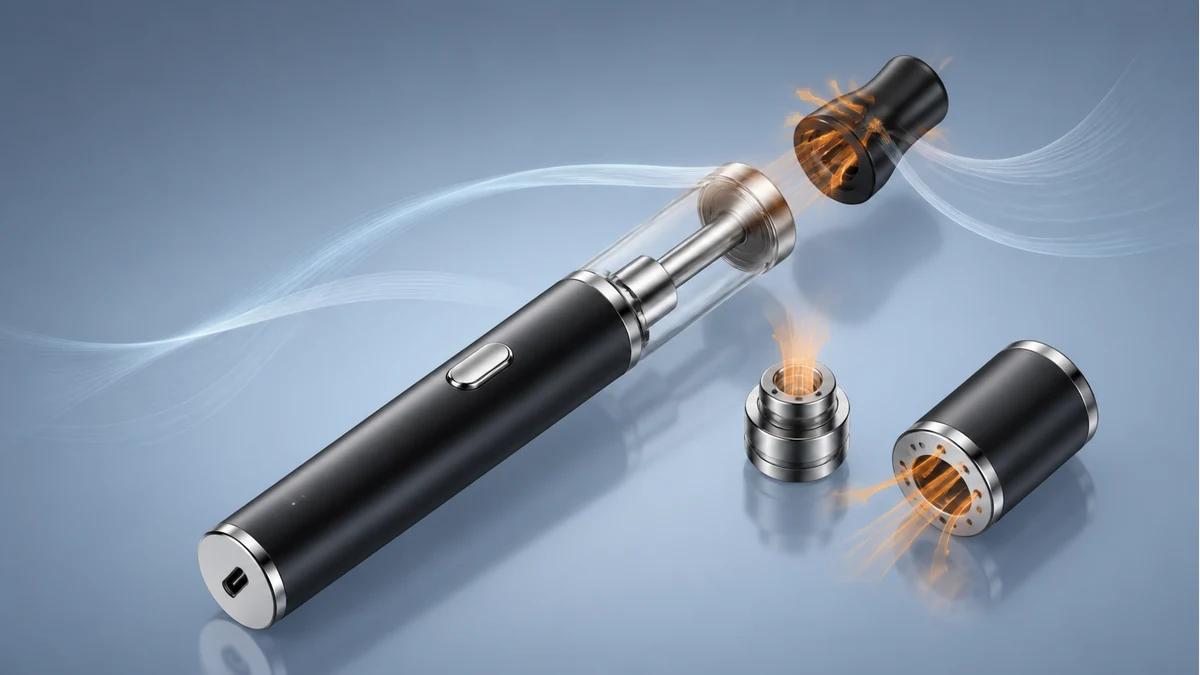
The exhaled aerosol from a dab pen isn’t simple water vapor. According to the CDC’s overview of e-cigarette health effects, the aerosol produced by vaping devices contains a mix of fine particles and chemical compounds rather than plain water vapor, and that composition is part of why it can be detected by smell well after exhalation and can settle onto surfaces in a room.
Several environmental factors determine how long that lingering smell sticks around. Room size and airflow are the biggest variables — a small, poorly ventilated space traps aerosol particles against surfaces like curtains, fabric, or carpet, while an open window or active air circulation disperses them much faster. Humidity can also affect how particles settle, and porous materials in a room, from upholstery to clothing, tend to absorb and hold onto scent longer than hard, non-porous surfaces.
Temperature of the heat cycle plays a role as well. A chamber run at a higher temperature tends to push more compounds into the aerosol at once, which can translate to a stronger initial smell that takes longer to fully dissipate compared to a lower, steadier heat setting, though the specific temperature behavior of any given device should be checked against its own manual rather than assumed.
💨 5. Residue and storage are often the overlooked sources
A lot of the smell attributed to “using a dab pen” actually comes from the device sitting unused rather than from active sessions. Concentrate residue builds up inside the chamber and on the mouthpiece every time the pen is used, and that residue doesn’t disappear on its own — it sits there, slowly off-gassing a faint but persistent smell even when the device is off and stored away.
This is why a pen that’s been used a handful of times and never cleaned can smell noticeably stronger, just sitting in a drawer or bag, than a freshly cleaned one. The residue accumulates in small amounts each session: a bit of unvaporized concentrate left behind in the chamber, some condensation in the airway, and a thin film on the mouthpiece from direct contact. Over time, these small deposits add up to a hardware smell that’s separate from anything happening during a session.
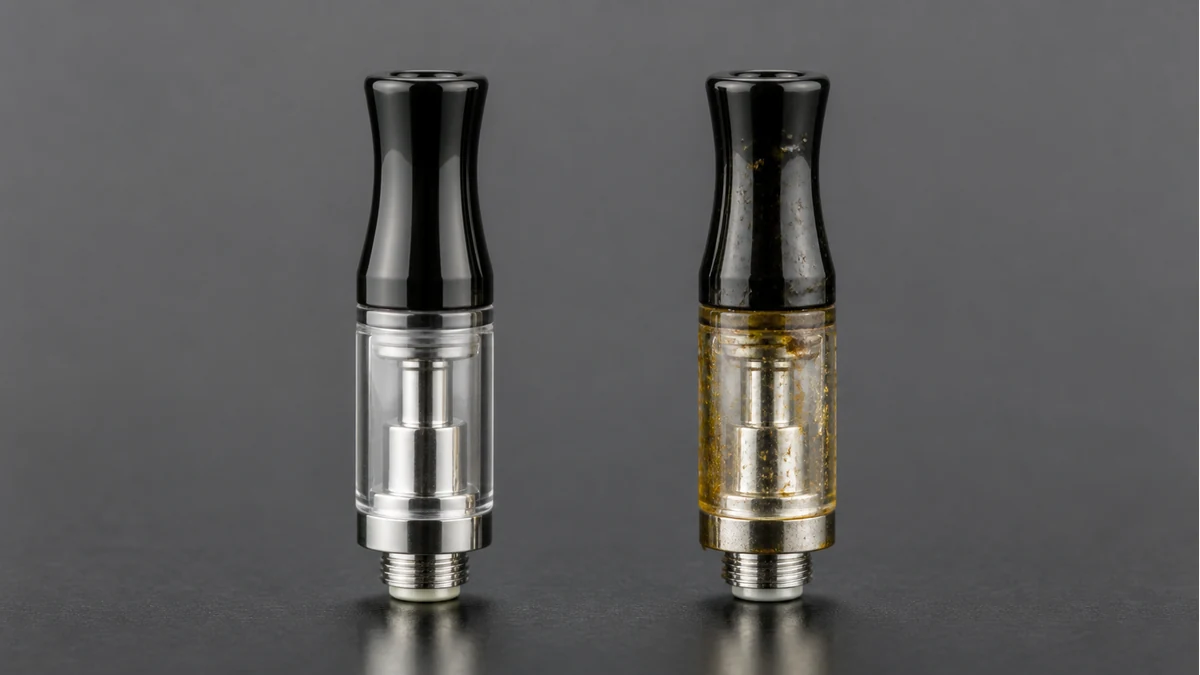
Storage conditions compound this. A device kept in a closed bag or case traps whatever residue smell exists, and that smell can transfer to nearby items — a pocket, a case liner, or other objects stored alongside it. This is a common but easy-to-miss source of odor complaints, since people often assume any smell must be coming from active use rather than from a device that’s simply been carrying uncleaned residue for a while.
🧼 6. Cleaning controls stale hardware odor
Regular cleaning is the most direct way to manage the residue-driven portion of dab pen odor, since it removes the buildup that causes a stored, unused device to smell in the first place. Cleaning won’t touch the smell generated during an active session — that’s a function of heating concentrate and exhaling aerosol — but it does address the separate, often longer-lasting smell that comes from residue sitting in the chamber and on the mouthpiece.
The right cleaning method depends heavily on the specific device, since chamber materials, coil types, and manufacturer guidance vary widely between models. A ceramic chamber may tolerate a different cleaning approach than a quartz or coil-based one, and some components are not meant to get wet at all. Rather than applying a one-size-fits-all method, it’s worth following the manufacturer’s manual for the specific device in question, since using the wrong approach can damage components that aren’t built to handle it.
For a general walkthrough of universal cleaning principles that apply across most dab pen designs — along with a reminder to always check device-specific instructions first — see how to clean a dab pen. Establishing a routine cleaning habit, rather than waiting until residue has built up heavily, tends to keep the stored-device smell to a minimum between sessions.
🧩 6.1 Run a cold smell check before blaming the vapor
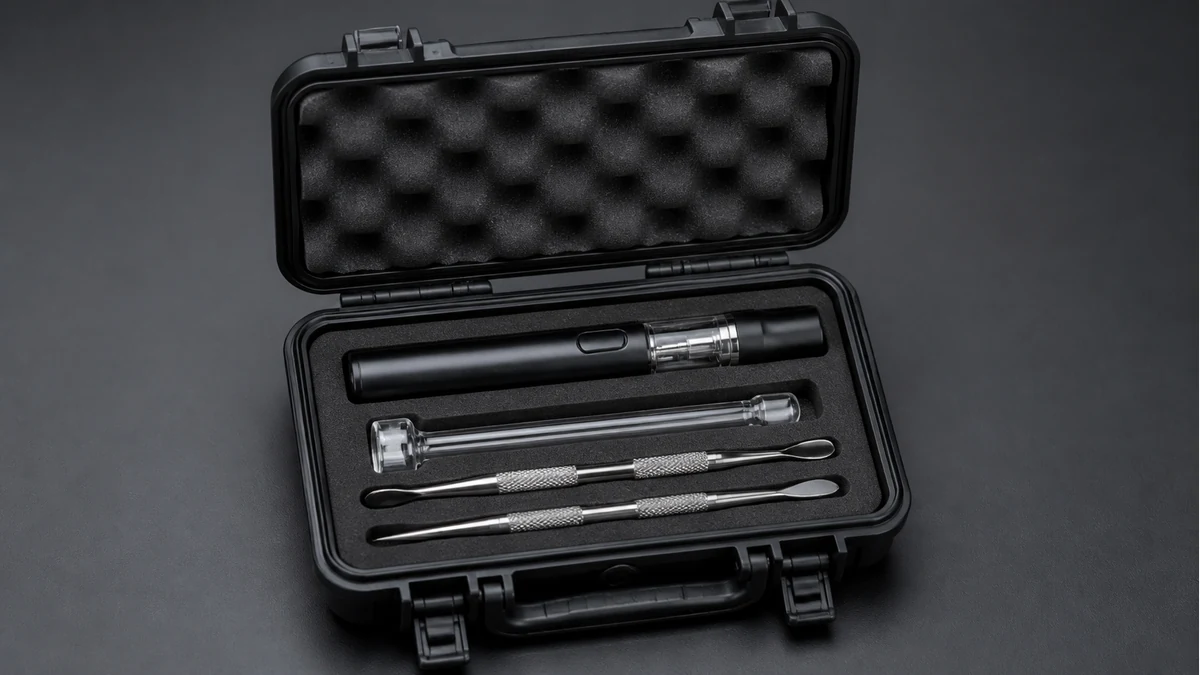
Leave the fully cooled pen unused for a few minutes, then smell the mouthpiece, chamber area, cap, and case separately. If the strongest odor is present while the device is cold, the main source is likely stored concentrate or residue rather than the brief visible aerosol. That distinction changes the useful response: heating less will not fix a dirty cap, and cleaning the mouthpiece will not change the aroma of the material in an open chamber.
A removable chamber can also transfer odor to fingers, tools, and fabric. A small smear on a loading tool may be more persistent than the cloud from a short session because it remains concentrated on a surface. Keep loading tools clean, close concentrate containers promptly, and let approved cleaned parts dry before returning them to a case.
🧩 6.2 Why “no smell” is the wrong promise
People perceive aroma differently, ventilation varies, and concentrates do not share one odor profile. A person using the device may also adapt to the smell faster than someone entering the room later. That makes any universal claim such as “gone in five minutes” unreliable. A pen can produce less persistent odor than a combusted product in many situations and still be obvious to another person nearby.
Do not use fragrance to treat odor as proof that the air is clear. A scented spray can mask one smell while adding another; it does not remove aerosol or residue. Where indoor use is prohibited or other people have not agreed to exposure, the practical answer is to follow the rule and use the device only in an appropriate place. Hardware maintenance can reduce stale device odor, but it cannot guarantee discretion.
⚖️ 7. What nobody can honestly promise about indoor discretion
There’s no configuration of device, concentrate, or cleaning routine that eliminates odor entirely. Anyone claiming a dab pen is smell-proof indoors is overstating what the physics of heating and exhaling a concentrate actually allow. Ventilation, room size, and how recently the device was cleaned all shift the intensity and duration of the smell, but they don’t remove it as a possibility.
Where and how a device is used is governed by the rules of the specific space — a private residence, a rental property, a workplace, or any other location — and those rules are set by the people responsible for that space, not by any feature of the hardware itself. This article isn’t offering guidance on concealment or working around those rules; it’s simply laying out the honest technical reality that heating a concentrate and exhaling aerosol produces a detectable smell, full stop, regardless of the device used.
Understanding the separate sources — the source material, the heated chamber, the exhaled aerosol, and the residue on the hardware — gives a more accurate picture than treating “does it smell” as a single yes-or-no question. Each source responds differently to ventilation, cleaning, and time, and none of them can be fully eliminated through hardware choice alone.
📚 8. Sources and Reader Questions Reviewed
Reddit discussions informed reader questions and failure scenarios only; they were not used as proof of technical, health, safety, or legal claims. Technical statements follow manufacturer-specific instructions where applicable.