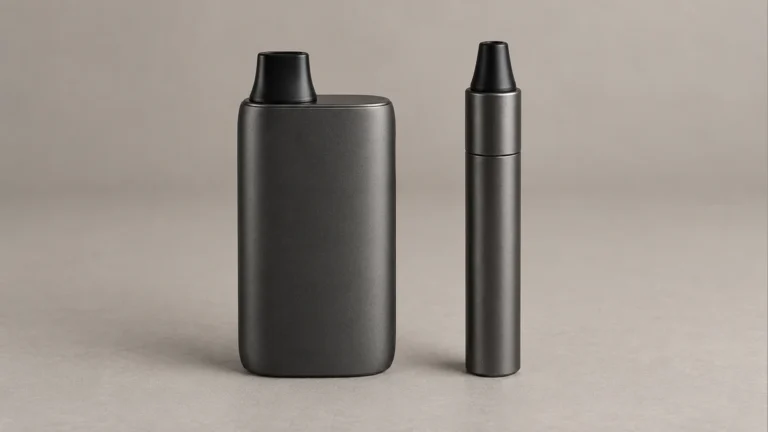
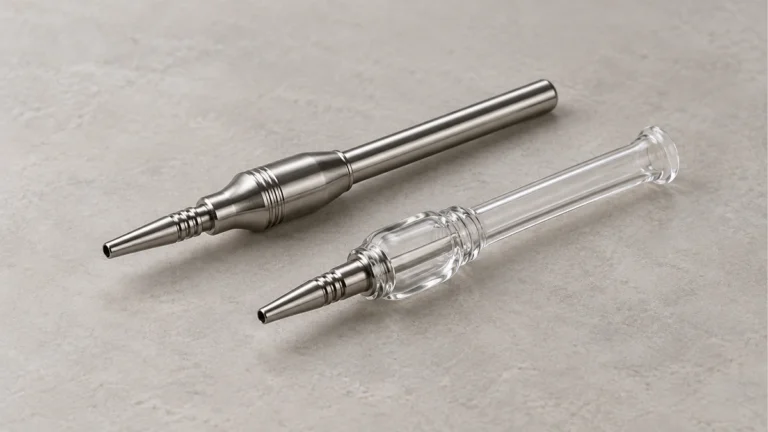
An electric dab pen looks simple from the outside: a battery, a button, and a mouthpiece. But the way those three pieces work together determines almost everything about the experience — how evenly the wax melts, how thick the vapor feels, and how long the device lasts before something needs attention. Understanding the chamber, the power system, and the airflow path helps explain why two pens that look nearly identical can behave so differently.
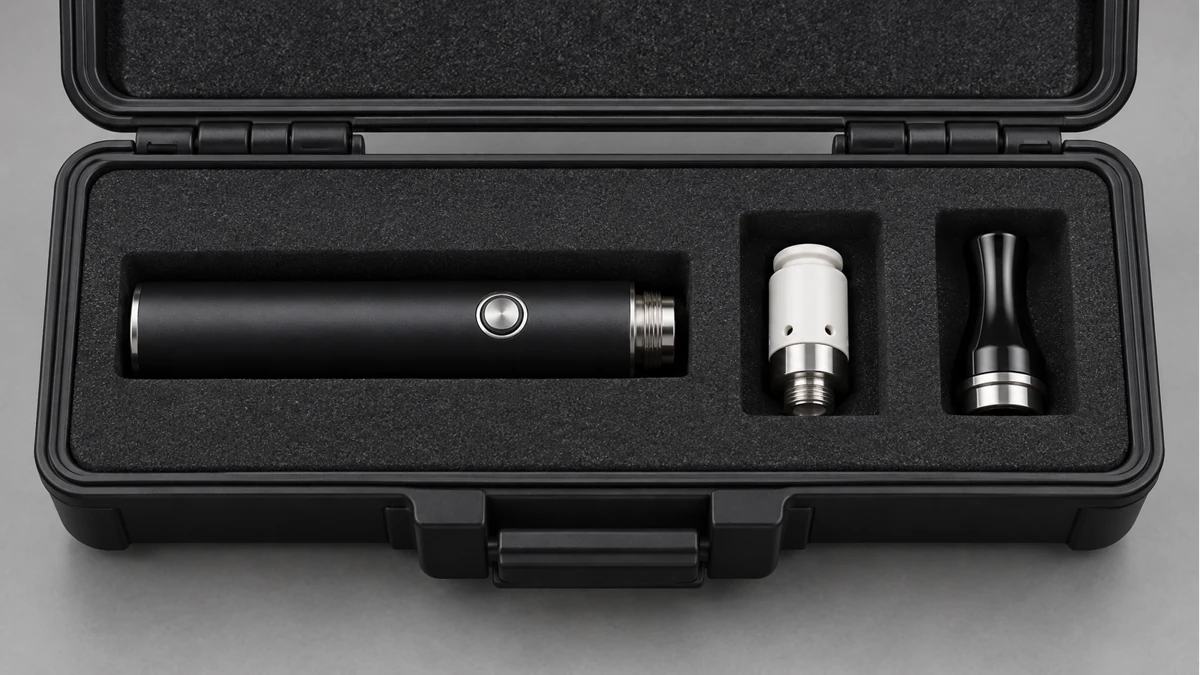
Before storing the pen, separate any part that remains warm and keep it out of contact with cables, seals and case foam until it cools. Use the documented power-off or lock sequence. A fitted case should restrain the battery body without pressing the button and should keep the chamber from carrying side load through the connector.
🧭 1. What's Actually Inside the Chamber
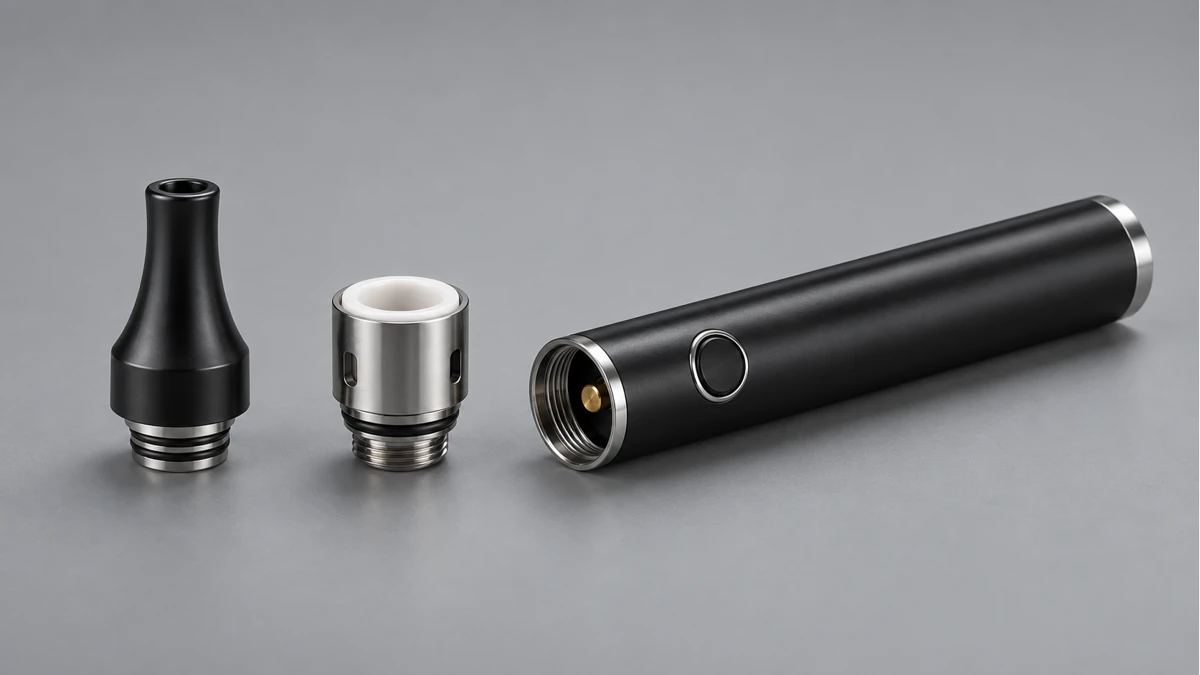
The chamber is where wax makes contact with heat, and its design shapes almost every complaint people have about performance. Most electric dab pens use one of two heating approaches: a coil wrapped around or embedded in a wick, or a coilless design where a flat or cupped heating surface touches the concentrate directly.
Coil-based chambers heat quickly and tend to produce denser vapor because the wick pulls material toward the heat source as it liquefies. The tradeoff is that coils degrade with repeated heating cycles, and residue can build up on the wraps over time, which is why flavor often shifts after weeks of use.
Coilless chambers heat more evenly across a flat surface, which reduces the chance of scorching one spot while the rest of the wax sits untouched. They also tend to be easier to clean since there’s no wire wrap to trap gunk. The downside is that coilless designs can be slower to reach working temperature, since heat has to conduct outward from a single plate or cup rather than surrounding the material directly.
🔎 1.1 Coil vs Coilless Design
Neither approach is objectively better; they solve different problems. A coil setup favors speed and vapor density. A coilless setup favors even heating and easier maintenance. People who complain about “burnt hits” early in a pen’s life are often dealing with a coil that’s being run too hot for the amount of wax loaded, not a defective unit.
📏 1.2 Why Chamber Material Matters
Quartz, ceramic, and titanium are the three materials most commonly used inside these chambers, and each responds to heat differently. Quartz heats fast and cools fast, which some people like because it gives more control between hits. Ceramic holds heat longer and distributes it more evenly, which can mean smoother pulls but slower cooldown between draws. Titanium is durable and heats efficiently, though it’s less commonly used in pen-style devices compared to rigs. None of these materials are inherently “correct” — the right choice depends on whether someone values quick temperature swings or steady, even heat.
this related AOVAPE hardware guide
⚙️ 2. How Power Actually Reaches the Wax
The battery and button are where a lot of confusion starts, especially for people who assume a dab pen works like a regular vape. It doesn’t, mainly because concentrates need more sustained heat than e-liquid to fully vaporize.
Most electric dab pens run at a fixed voltage or offer two to three preset levels, rather than the continuous variable-voltage dials found on some e-liquid devices. That’s intentional. Because the chamber has to heat a solid or semi-solid material rather than a liquid already sitting in a wick, the device needs a more stable and often higher power draw to get consistent results.
🔎 2.1 Voltage and Preheat Buttons
Many pens include a preheat or “pulse” function — a short burst of power before the main draw — specifically to soften wax that’s gone slightly hard or cold. This isn’t a gimmick; wax viscosity changes with temperature, and a chamber that’s too cold at the start of a session will produce weak, thin vapor no matter how good the coil is. A quick preheat pulse brings the material to a workable consistency before full power kicks in.
📏 2.2 Battery Behavior Over a Session
Vapor output naturally decreases as a battery drains, since lower voltage means less energy reaching the coil per second. This is a common source of the “it worked great this morning but weak tonight” complaint. It’s not usually a sign of coil failure — it’s just how lithium batteries discharge under load. Devices with voltage regulation compensate for this somewhat, but even regulated batteries eventually can’t maintain full output as they approach empty.
🧩 3. Airflow: The Part Nobody Explains
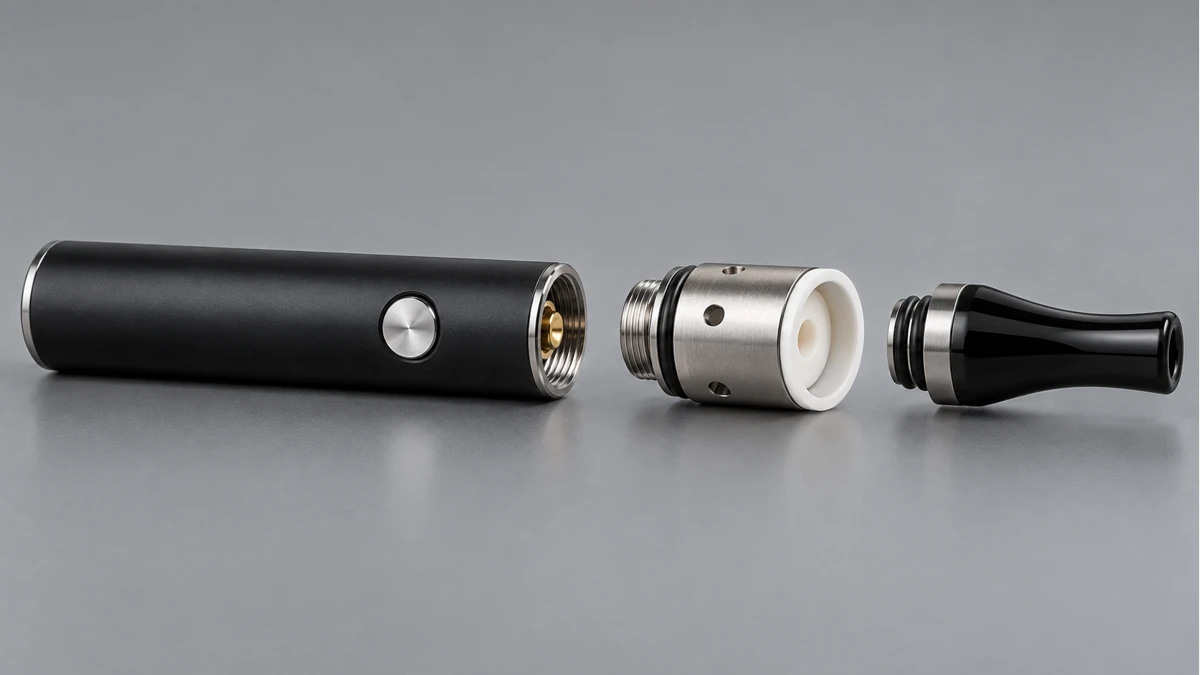
Airflow gets far less attention than the chamber or battery, but it has a direct effect on both flavor and vapor thickness. The path air takes from the intake holes, past the heating element, and up through the mouthpiece determines how much vapor is pulled off the coil per second and how hot that vapor feels by the time it reaches the mouth.
🔎 3.1 Draw Resistance and Vapor Density
A tighter draw — meaning more resistance when inhaling — usually pulls air across the heating surface more slowly, which can concentrate vapor and make it taste stronger per pull. A looser, airier draw moves more air volume quickly, which can feel smoother but sometimes thinner in flavor. Neither is a malfunction; it’s a design choice tied to how the intake holes and airpath are sized. People who find their pen “too harsh” or “too weak” compared to a friend’s device are often just experiencing a different airflow profile, not a quality difference.
📏 3.2 Airpath Length and Cooling
The distance vapor travels between the chamber and the mouthpiece affects temperature. A short, direct path delivers hotter, more immediate vapor. A longer path with more turns gives the vapor time to cool before inhalation, which some people prefer for comfort but which can also mean slightly less flavor makes it through, since some compounds condense along the way.
this related AOVAPE hardware guide
🔬 4. Mouthpiece Choices and What They Change
Mouthpieces come in glass, silicone, and hard plastic, and the material isn’t just about feel in the mouth — it affects heat transfer and cleaning. Glass mouthpieces don’t retain heat or flavor from previous sessions the way plastic can, which is why they’re common on higher-end pens. Silicone tips insulate against heat better, making them more comfortable during longer sessions, but they can pick up odors over time if not cleaned regularly.
Removable mouthpieces are worth paying attention to during setup, since they usually attach through a friction fit or a small O-ring seal. If that seal isn’t seated properly, air can leak in around the edges instead of being pulled through the chamber, which weakens draw and dilutes vapor. This is one of the most common fixable issues people run into, and it’s often mistaken for a battery or coil problem.
🧼 5. Cleaning Without Damaging the Chamber
Residue buildup is the single biggest driver of flavor degradation in electric dab pens, and it happens gradually enough that many people don’t notice until the taste has shifted significantly.
🔎 5.1 Between-Session Habits
Wiping down the chamber and mouthpiece after each session, while everything is still slightly warm, removes soft residue before it hardens. Once residue cools and sets, it becomes much harder to remove without scraping, which risks damaging the coil wraps or the surface of a coilless plate.
- Let the chamber cool slightly before touching it, but don’t let residue fully harden overnight.
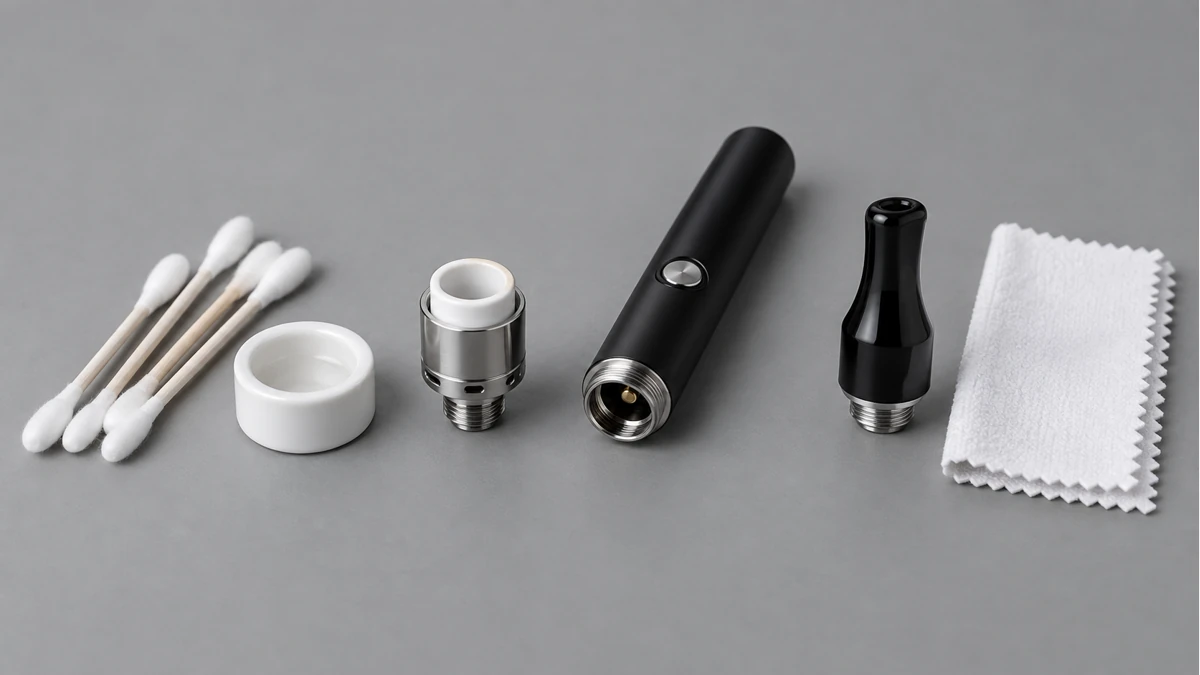
- Use a cotton swab for tight corners rather than metal tools that can scratch quartz or ceramic surfaces.
- Keep the mouthpiece separate from the chamber during cleaning so buildup in one area doesn’t transfer to the other.
📏 5.2 Deep Cleaning Boundaries
Isopropyl alcohol is the standard for dissolving hardened residue on glass or quartz components, but it should never be applied while the device is powered on or still hot, since alcohol vapor and heat together create a real fire risk. Coils and wick-based components generally shouldn’t be soaked in liquid at all — alcohol can degrade the wick material or leave a residue that burns off unpleasantly on the next use. Knowing which parts are liquid-safe and which aren’t is the difference between a clean chamber and a damaged one.
📐 6. Diagnose an Electric Dab Pen by Following Four Paths
When a wax pen behaves unexpectedly, separate the airflow, electrical, chamber and residue paths. A tight draw with normal indicator behavior points first toward the mouthpiece or inlet. A free draw with no indicator points toward battery state or control logic. An indicator with no chamber response shifts attention to contacts and the heater assembly.
🔎 6.1 Check Airflow Without Power
With the device off and cool, remove the chamber if the manual allows it and inspect the mouthpiece, inlet holes and seals. Do not force a tool through a narrow airway. A dry swab or brush can remove accessible loose residue, while hardened buildup may require the documented cleaning method for that removable part.
📏 6.2 Check Power Before Replacing the Chamber
Use the supplied or specified charger, observe the documented indicator pattern and test the battery with a known-compatible chamber when available. A charging light confirms only that some part of the charging path is active; it does not prove the chamber connection is sound. Record the indicator sequence before taking parts apart.
🧪 6.3 Inspect Contact Depth and Cleanliness
Residue on a threaded or magnetic contact can add resistance or keep surfaces from seating. Power off, separate the parts and wipe accessible contacts with a dry lint-free swab. Avoid prying a center pin or stacking improvised adapters. Reassemble finger-tight and check whether the symptom follows the chamber or stays with the battery.
🔋 6.4 Keep the Service Boundary Clear
The chamber, mouthpiece and seals may have different cleaning instructions from the powered body. Treat each as a separate service part. Let cleaned pieces dry fully, inspect seals before reassembly and keep liquid away from the charging port and control openings. This boundary makes later troubleshooting far easier.
🔍 7. Repair vs Replace: Reading the Signs
Every heating component has a working lifespan, and recognizing the signs of normal wear versus a fixable issue saves both money and frustration.
A persistent burnt or metallic taste that doesn’t go away after a thorough cleaning usually points to a coil or wick that’s reached the end of its life, since the wick material itself can carbonize with extended use. This is different from an occasional burnt hit caused by overloading the chamber or running too high a power setting, which cleaning and technique can resolve.
Weak vapor that doesn’t improve with a full charge and a clean chamber often points to a connection issue between the battery and the heating element, sometimes caused by residue buildup on the threading or contact points rather than the coil itself. Cleaning the threads with a dry cotton swab resolves this more often than people expect, before assuming a full replacement is needed.
A device that won’t power on at all, especially after being dropped or exposed to moisture, is usually a battery or button-contact issue rather than something related to the chamber. These are mechanical failures, separate from the wear patterns that come from normal heating cycles, and they’re worth distinguishing before assuming the whole unit needs replacing.
Ultimately, most of what feels like inconsistent performance in an electric dab pen traces back to one of a few explainable factors: chamber material and design, power delivery at a given battery level, airflow resistance, or residue that’s changed how heat and air move through the device. Learning to read those signals turns troubleshooting from guesswork into something closer to routine maintenance.