Somewhere in a kitchen drawer or a glovebox, there’s a wax pen battery that looks perfectly fine and does absolutely nothing useful. The threading lines up, the cartridge or coil twists on with a satisfying click, and then… nothing. No heat, a blinking light, or worse, a scorched taste on the first pull. The instinct is to blame a dead battery or a bad coil, but the more common culprit is quieter than that: the parts were never actually compatible in the first place. They just happened to share a thread size.
That gap between “it screws on” and “it works correctly” is where most wax pen battery frustration lives. Threading is a mechanical spec. Everything that actually makes a wax pen heat, regulate, and protect itself is electrical and electronic, and those two things don’t automatically travel together. Understanding the difference is the single most useful thing you can do before buying a replacement battery, and it’s the focus of this guide.
📏 1. Why a Matching Thread Doesn’t Guarantee Compatibility
Most people shopping for a wax pen battery are doing so because something broke, wore out, or got lost, not because they woke up wanting to learn electronics terminology. So the natural move is to find a battery with the same connector as the old one and call it a day. That works often enough to be dangerous as a habit, because “often” isn’t “always,” and the failure modes range from mildly annoying to genuinely unpleasant.
🧩 1.1 Threaded connection vs. electrical compatibility
A threaded connection tells you two pieces of hardware can be physically joined. It says nothing about whether the battery can supply the current the coil needs, whether the battery’s firmware recognizes the coil’s resistance, or whether the contact points inside are shaped the same way. Two batteries can share an identical thread pitch and diameter while running completely different control boards underneath, built by different manufacturers for different coil types.
🧩 1.2 The 510 thread standard and its limits
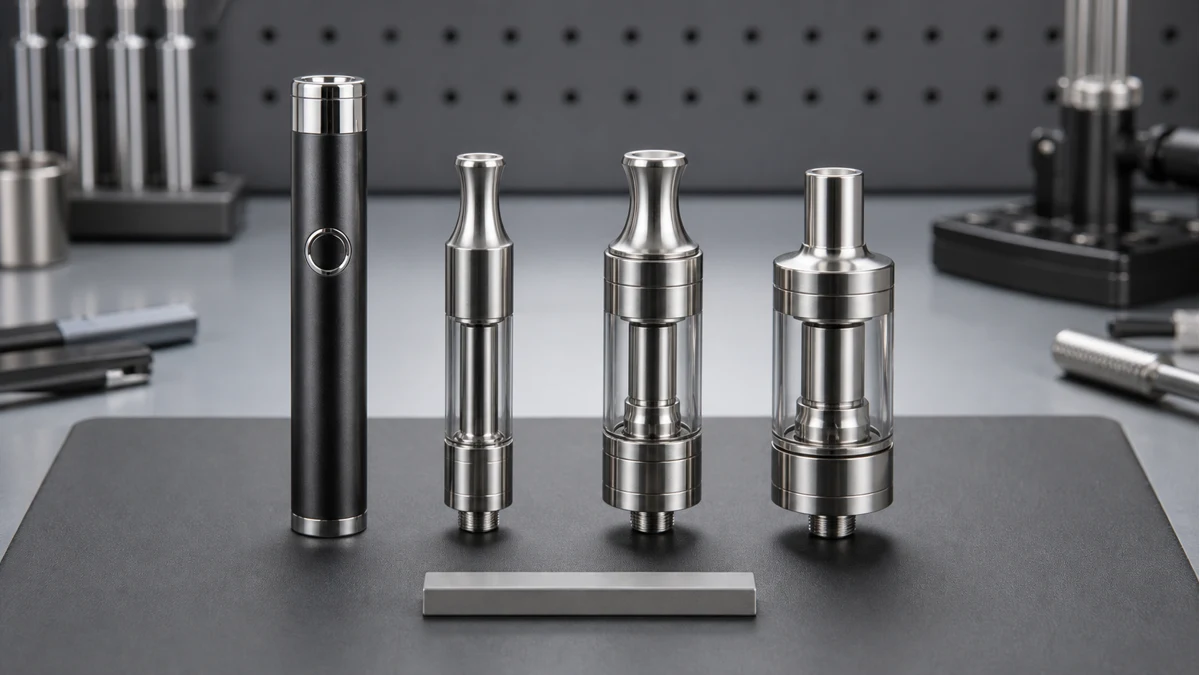
The threading most wax pen batteries and cartridges use is commonly called 510 thread, a naming and sizing convention that’s become close to universal across vape hardware. It’s genuinely useful as a baseline, because it means a huge range of batteries and attachments can be physically joined without an adapter. But 510 thread was never meant to guarantee performance matching, only mechanical fit. Our 510 cartridge guide goes deeper into how this standard works and where its guarantees stop, which is worth reading if you’re mixing and matching parts from different brands. The practical takeaway here is simple: treat “it fits” as step one of a two-step check, not the whole answer.
⚡ 2. Resistance Support and Power Output
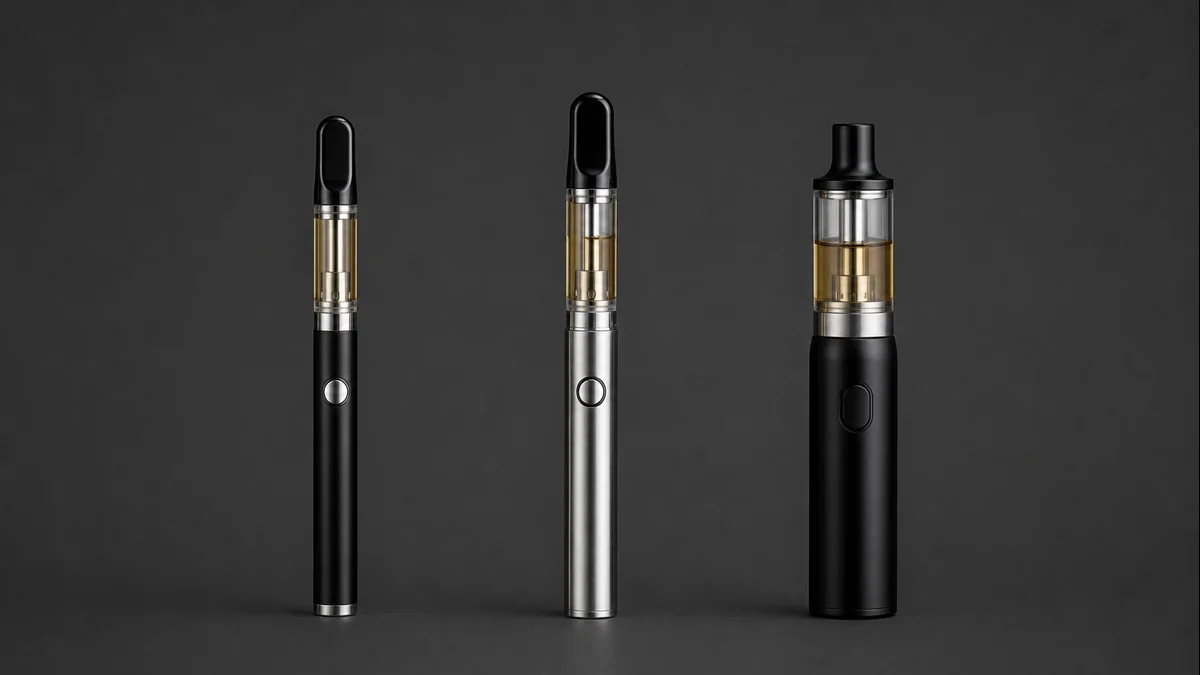
Once the physical fit is settled, the next question is whether the battery can actually drive the coil correctly. This is where resistance and power range come in, and it’s the part most people skip because it sounds more technical than it needs to be.
🧩 2.1 Reading coil resistance
Every coil has a resistance rating, measured in ohms, and it’s usually printed somewhere on the coil housing or listed in the product documentation. Resistance affects how much current flows through the coil at a given voltage, which in turn affects how hot it gets and how quickly. A battery designed around one resistance range can underperform, overheat, or shut down when paired with a coil well outside that range. This is a case where the coil material itself matters too; our quartz coil vs. ceramic comparison covers how different coil materials heat and respond, which affects what resistance and power range you’ll actually want to look for.
🧩 2.2 Matching voltage and wattage output
Batteries typically list a voltage range, a wattage range, or both, and coils are built to perform within a corresponding window. A mismatch doesn’t always announce itself immediately. Sometimes it shows up as weak, inconsistent vapor. Sometimes it’s a burnt taste because the coil is being pushed harder than it was designed for. Sometimes the battery’s own protection circuitry just refuses to fire at all, which indicates that the device’s protective logic has intervened. If you’re replacing a battery for an existing coil or cartridge you like, the coil’s documented range should be your starting point, not the battery’s marketing copy.
⚡ 3. Power Modes and Button Controls
Beyond raw power output, the way a battery lets you control that power is its own compatibility question, and it’s one that trips up people who assume “battery is battery.”
🧩 3.1 Preheat, variable voltage, and single-setting modes
Some wax pen batteries offer a single fixed output. Others include variable voltage or variable wattage settings you adjust yourself. Others still include a preheat function, which ramps power up gradually before the main heating cycle, intended to soften material before full vaporization. None of these modes are universal, and a coil optimized for a steady, single-temperature draw can behave unpredictably on a battery built around ramping or pulsed output, and vice versa.
🧩 3.2 Button patterns and firmware quirks
Click patterns are another place where “it should just work” quietly falls apart. Three clicks to power on, five clicks to lock, two clicks mid-draw for preheat: these patterns vary by manufacturer and sometimes by product line within the same manufacturer. A battery that seems unresponsive is sometimes just running a different control scheme than the one you’re used to. This is a case where actually reading the instructions that came with the specific battery saves more frustration than any troubleshooting guide, including this one.
📏 4. Center Pin, Contact, and Physical Fit
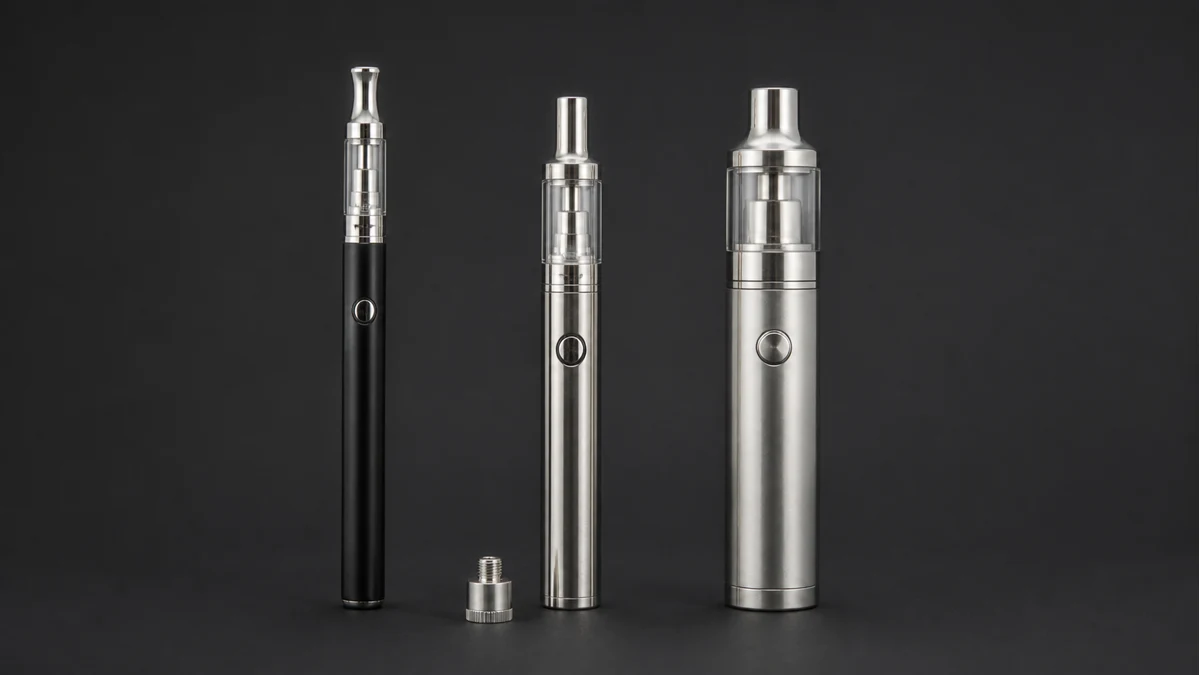
Threading gets a battery and a coil physically joined, but the quality of that connection depends on details most people never think to check.
🧩 4.1 Center pin depth and spring contact
Inside the threaded connector sits a center pin or spring-loaded contact that completes the electrical circuit. Pin height and spring tension vary between manufacturers. A pin that sits too low may never make contact with the coil above it, producing a battery that powers on but never actually fires. A pin that sits too high, or a spring with too much travel, can create a loose or intermittent connection that cuts in and out during a draw. If you’ve ever twisted a battery and cartridge together an extra half-turn hoping it would suddenly work, you’ve run into exactly this issue.
🧩 4.2 Diameter and airflow alignment
Even within the same thread standard, body diameter isn’t perfectly uniform across brands, and a slightly mismatched diameter can leave gaps around the connection point that affect airflow. For pens that rely on precise airflow to regulate draw resistance and vapor delivery, a loose physical seal changes the experience even when the electrical connection is fine. It’s a small mechanical detail, but it’s one more reason two “510-compatible” parts from different manufacturers don’t always perform identically together.
🧼 5. Charging and Battery Care Basics
A replacement battery is also a new charging relationship, and it’s worth understanding before you assume your existing charger and habits carry over.
🧩 5.1 Charging ports and cable types
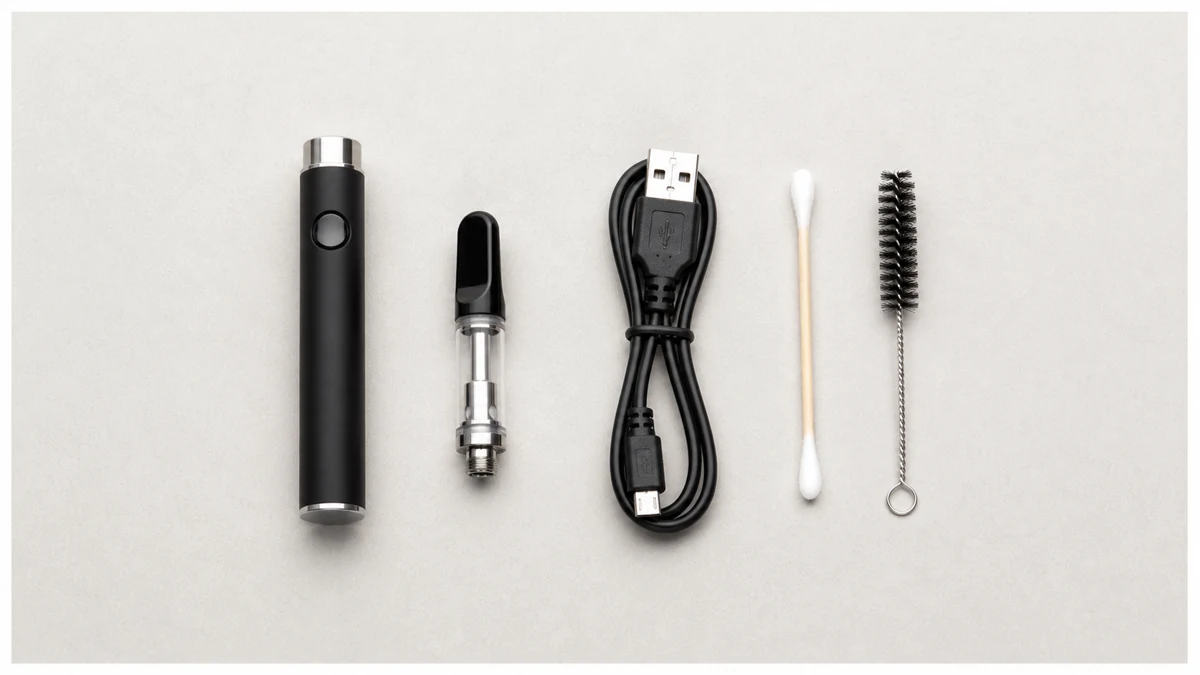
Charging ports vary by battery, from USB-C to micro-USB to proprietary magnetic connectors, and not every battery ships with a cable that matches what you already own. Before buying, it’s worth confirming what port the replacement uses so you’re not stuck ordering a separate cable just to charge it. For a broader look at charger types, output ratings, and how they interact with different battery designs, our vape battery charger guide is a useful reference.
🧩 5.2 Handling lithium batteries responsibly
Wax pen batteries, like the vast majority of small rechargeable vape and electronics batteries, use lithium-based cells. The U.S. Consumer Product Safety Commission’s guidance on high-energy batteries lays out the general principles worth keeping in mind: avoid physical damage, extreme heat, and charging with mismatched or damaged cables, and never attempt to charge a battery that shows signs of swelling or physical damage. None of that is specific to wax pens, but it applies to them just as much as it applies to phones and laptops, and it’s a good habit to carry into any replacement purchase.
⚡ 6. Matching a Replacement Battery: What to Actually Check
Pulling all of this together, the compatibility question isn’t really about finding “a 510 battery.” It’s about confirming a specific set of details line up between the battery and whatever it’s going to power. A quick comparison table makes the checklist easier to hold in your head while shopping.
| Factor | Why it matters | Where to find it |
|---|---|---|
| Thread type | Determines whether parts physically connect at all | Battery and cartridge/coil listings |
| Resistance range | Affects heat output and coil lifespan | Coil housing or product documentation |
| Voltage/wattage output | Needs to align with what the coil is rated for | Battery specification sheet |
| Power mode/controls | Preheat, variable voltage, or fixed output changes behavior | Battery manual or manufacturer page |
| Center pin/contact style | Determines connection reliability, not just fit | Manufacturer documentation, physical inspection |
| Charging port | Determines what cable and charger you’ll need | Battery listing or included manual |
🧩 6.1 Why documentation beats guesswork
Reddit threads about wax pen batteries follow a recognizable pattern: someone describes a battery that seemed identical to their old one but behaves differently, and the replies are a mix of guesses about voltage, pin depth, and firmware, because nobody involved actually has the specification sheet in front of them. That back-and-forth is a reasonable reflection of how confusing this space can feel from the outside, but it’s not a substitute for checking documented specs. Community discussion is useful for understanding what questions to ask; it’s not a reliable source for what any particular battery actually outputs. If you’re troubleshooting a full setup rather than just the battery, our wax pen overview and general vape parts guide are useful starting points for understanding how the pieces are supposed to relate to each other before you start swapping components.
❓ 7. Frequently Asked Questions
🧩 7.1 Can I use any 510-thread battery with any 510-thread coil?
Physically, in most cases, yes. Electrically, not necessarily. The thread confirms fit, not that the resistance range, power output, and contact style are actually suited to each other.
🧩 7.2 Why does my new battery feel weaker than my old one?
This usually points to a difference in voltage or wattage output, a different power mode (such as no preheat function), or a center pin that isn’t seating as firmly as the old one did. Checking the battery’s documented output range against the coil’s rated range is the first troubleshooting step.
🧩 7.3 Does battery brand matter if the thread size is correct?
It can. Different manufacturers build different control boards, contact designs, and firmware behind the same thread standard, so brand differences often explain performance differences even when the connector looks identical.
🧩 7.4 How do I know what charging cable my replacement battery needs?
Check the battery’s product listing or included manual for the port type before you buy, since it isn’t always the same as your previous battery, and confirm your charger’s output is appropriate for the cell inside.
🧩 7.5 Is it normal for a battery to have a preheat or click-lock feature my old one didn’t?
Yes, feature sets vary by model and manufacturer even within the same general product category, which is part of why reading the specific battery’s instructions matters more than assuming it behaves like your last one.
⚡ 8. The Bottom Line: Buy the Documentation, Not Just the Battery
The fastest way to avoid another drawer-dwelling dead battery is to shift what you’re actually shopping for. You’re not just buying a part that threads onto your existing setup; you’re buying a battery whose resistance range, power output, control scheme, contact design, and charging requirements need to line up with the coil or cartridge you plan to run. Thread compatibility gets you in the door. Everything else on that list determines whether the pen actually works the way you expect once you’re through it.
Before you check out on a replacement, pull up the documented specs for both the coil you’re keeping and the battery you’re considering, and compare them side by side rather than trusting that a matching connector means a matching experience. That five-minute comparison is the difference between a battery that works the first time and one more part destined for the drawer.