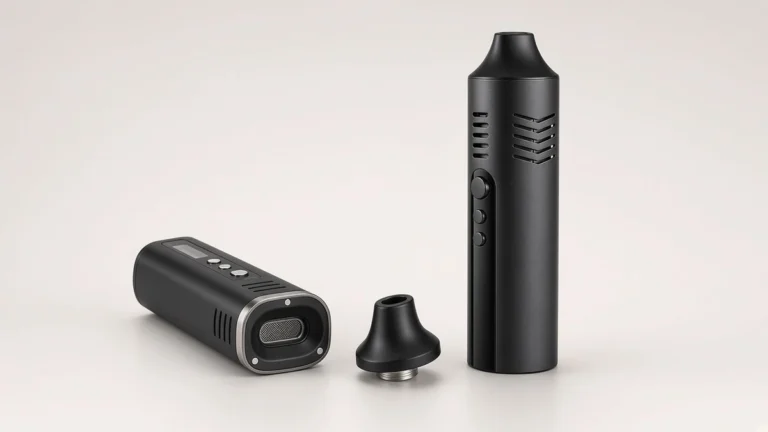
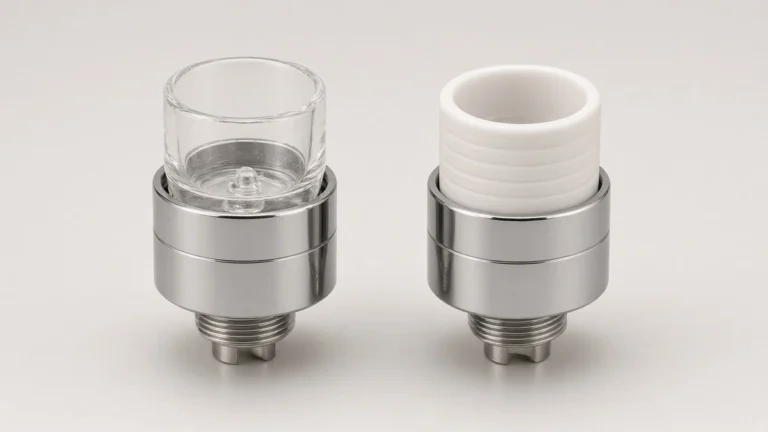
A dry herb vaporizer listing often leads with “large oven,” “spacious chamber,” “microdose,” or a gram-style capacity phrase, as if those words all named the same quantity. They do not. One figure is the volume of the oven, or a documented chamber capacity, as the version states it. A different figure is a recommended load: how much material the version says to place in that oven. An oven can be described as large and still have a smaller recommended load than the cavity appears to hold. A “microdose” label can describe a suggested amount without naming the oven volume at all. The two figures have to be written as separate lines.
That distinction is not the same as naming the oven wall material, and it is not the same as choosing a dosing cup or a loading door. Ceramic Oven or a Metal Chamber: What a Dry Herb Load Contacts already treats the contact surface. Top-Load Oven or a Side-Load Door: How a Dry Herb Vaporizer Is Filled already treats how the oven is accessed. Dosing Capsules Vape Guide: Fit, Airflow and Cleaning and Dry Herb Vaporizer Cups: Fit and Heat Path already treat inserts that sit inside some chambers. This guide does not retell those subjects. It stays on two loading figures that still have to be named on their own: the oven volume, the recommended load, and what a listing photograph cannot prove.
🔎 1. The Oven Volume and the Recommended Load Are Not the Same Figure
The first cut is simple. An oven volume is a capacity figure the version treats as the size of the chamber, usually stated as a volume or as another documented chamber-capacity phrase. A recommended load is a use figure the version treats as the amount of material that should be placed in that chamber. One names the cavity, or a documented capacity for that cavity. The other names a suggested or specified fill. They can both appear on the same device, and they can be omitted or substituted independently.
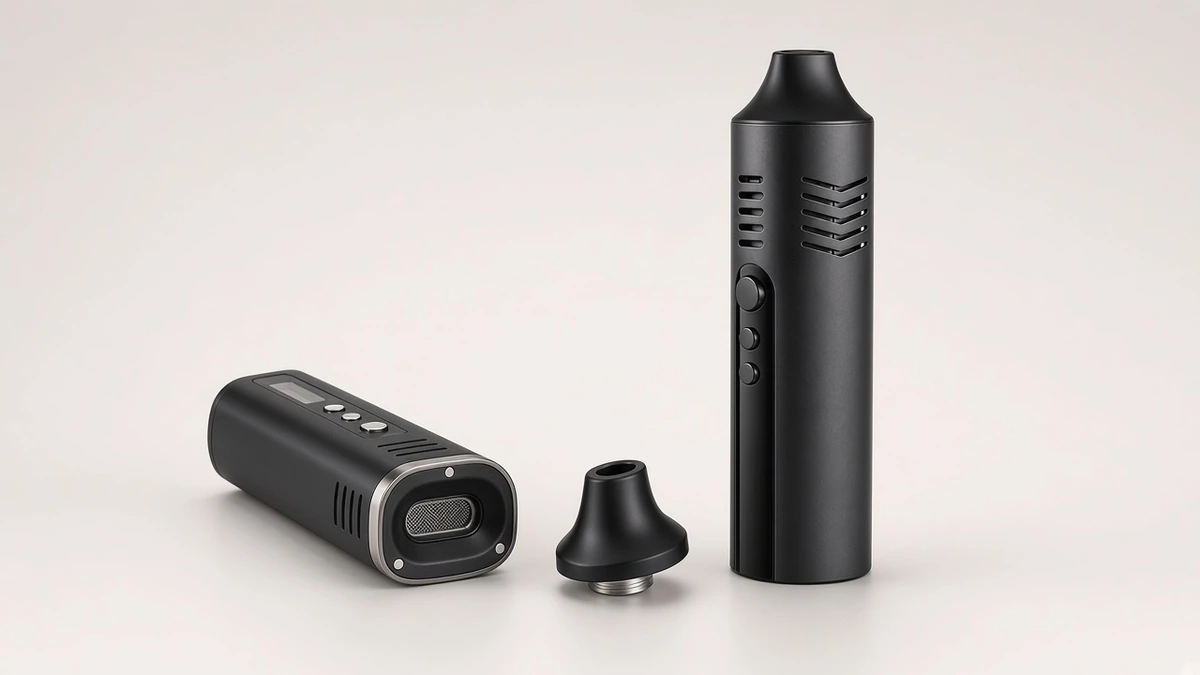
A “large oven” label does not identify a volume figure. A “microdose” label does not identify a recommended load weight or volume unless the version actually names one. A photograph of a wide or deep chamber does not prove either figure. Two vaporizers can share a similar outline and still differ on the volume that is actually specified, the load that is actually recommended, or both. Do not assign both figures from one capacity phrase, and do not treat a full-looking pack in a beauty shot as the documented load.
This cut is adjacent to, not a retelling of, the same distinction on a wax pen. Chamber Volume or a Recommended Load: What a Wax Pen Is Specified to Hold already treats a concentrate chamber’s volume and a recommended concentrate load. A dry herb oven is a different vessel, with a different material and a different loading brief. This guide does not borrow wax-pen figures or rewrite that article. It only asks the buyer to write the dry-herb oven volume and the dry-herb recommended load as their own lines, including which of them the drawing or the manual actually names.
🏷️ 2. A “Large Oven” or “Microdose” Label Is Not a Complete Loading Specification
“Large oven,” “XL chamber,” “microdose,” “full bowl,” and loose gram-style nicknames are starting labels, not finished loading specifications. A size claim tells you that someone is talking about the oven’s apparent capacity. It does not tell you the documented volume, the unit that volume uses, or whether that number is the geometric cavity, a usable fill volume, or a marketing shorthand. A “microdose” or “full bowl” claim tells you that someone is talking about how much to load. It does not tell you the oven volume, the unit of the recommended amount, or whether a load range is specified at all.
A volume figure does not become a recommended load on its own. Filling the cavity to the rim is not automatically the specified load, and leaving the oven partly empty is not automatically a departure from the manual. If a project needs both figures, write the oven volume from the drawing or the manual, write the recommended load as its own line, and keep any packing or grind notes that belong to that version on a third line. Do not invent a gram amount, a milliliter amount, or a conversion between them.
Dry Herb Vaporizer Cups: Fit and Heat Path already notes that cup geometry and fit come before treating cup capacity as a stand-alone number. This guide does not retell cup fit. It only asks the buyer not to treat a dosing cup, or the absence of a cup, as a substitute for the oven’s own volume and recommended-load lines. If the listing says only “large oven” or only “microdose,” write that wording down and ask which quantity it is, whether the other quantity is documented, and which revision the manual actually names.
🧩 3. Identifying the Oven Volume on a Sample and a Drawing
The version drawing or the current manual is the right place to look for an oven-volume callout. The documentation may name a chamber volume, a bowl size, or another capacity phrase, and it may or may not include a unit. Record the exact wording, the unit if one is given, and the revision. If the drawing shows an internal cavity with a volume callout, write that callout down. Do not replace it with a “large oven” or gram-style nickname from the catalog title.
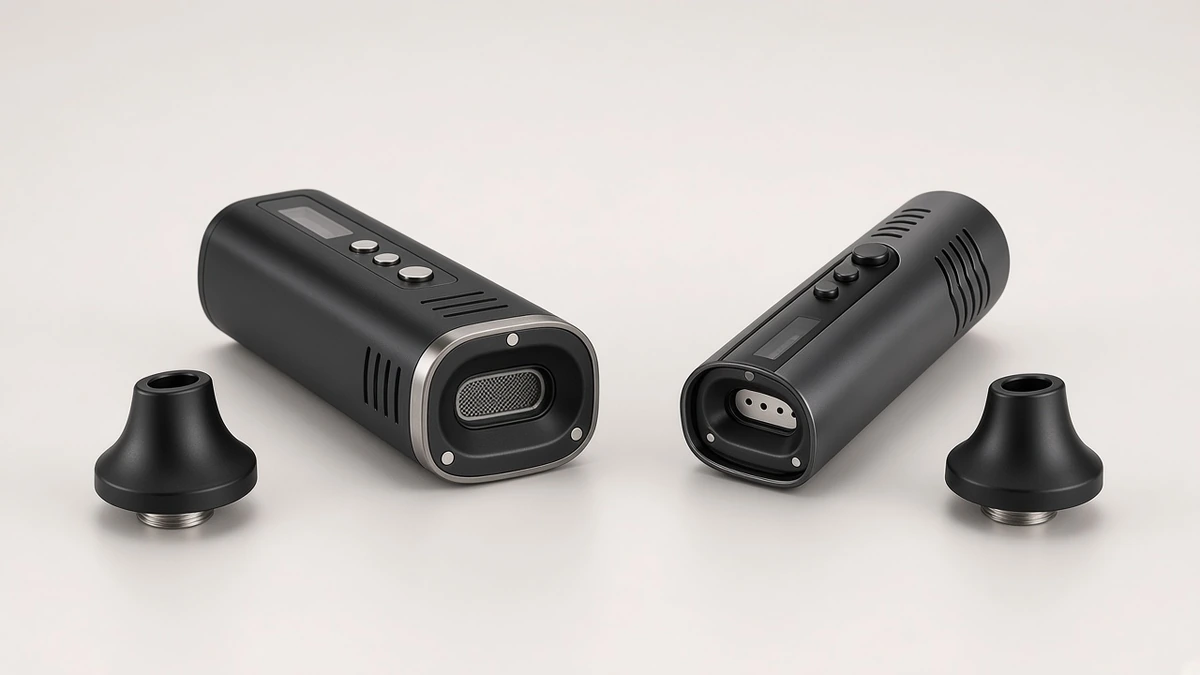
An empty sample can support that identification, but it cannot invent the number. Look at the cold, empty oven and record the accessible shape—the opening, the depth you can actually see, and whether a screen, lid, or cup changes the usable cavity. Compare that hardware with the drawing. Top-Load Oven or a Side-Load Door: How a Dry Herb Vaporizer Is Filled already treats how the chamber is opened; the access method is not a volume figure. Do not estimate milliliters or grams from a photograph, and do not treat a wider mouth as a larger documented volume.
If you only have a packed beauty shot, you may be able to see material in the oven and still not know the specified volume. Record that limit. Ask for the drawing or the manual and the named oven-volume figure before a capacity line is written into a brief.
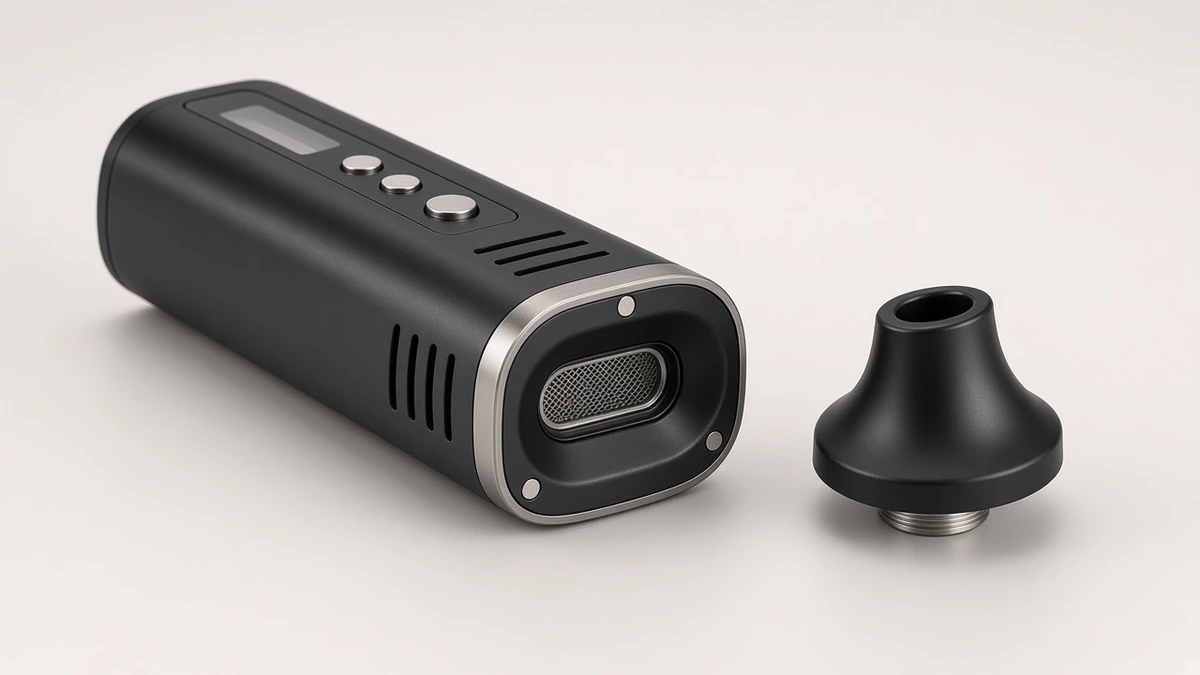
📐 4. The Recommended Load Still Has to Be Named as Its Own Figure
Once the oven volume is recorded, or recorded as absent, the recommended load still has to be named as its own figure, or recorded as not specified. A recommended load is a statement about how much material the version says to place in the oven. It is not the cavity volume. It is not proved by a heaped or sparse pack in a photograph, and it is not proved by a volume callout on the drawing.
If the catalog says “large chamber” and the manual names a recommended load, those are still two facts. They may be used together on the same project, but one does not replace the other. If only a volume is present, write it as a volume claim and ask whether a recommended load is also documented. If only a load suggestion is present, write it as a use claim and ask whether an oven volume is also specified.
Do not settle the load by filling the oven until it looks full, and do not convert a volume figure into a weight with an assumed density or grind. Herb is not a single, uniform fill. If a brief needs a mass target, that target has to be documented for the version in front of you. Dosing Capsules Vape Guide: Fit, Airflow and Cleaning already treats a capsule as a separate insert with its own fit and airflow questions. A capsule’s own stated fill, if one exists, is not automatically the oven’s recommended load, and the oven’s recommended load is not automatically the capsule fill. If the drawing and the catalog disagree, stop and confirm the revision before either figure is treated as approved.
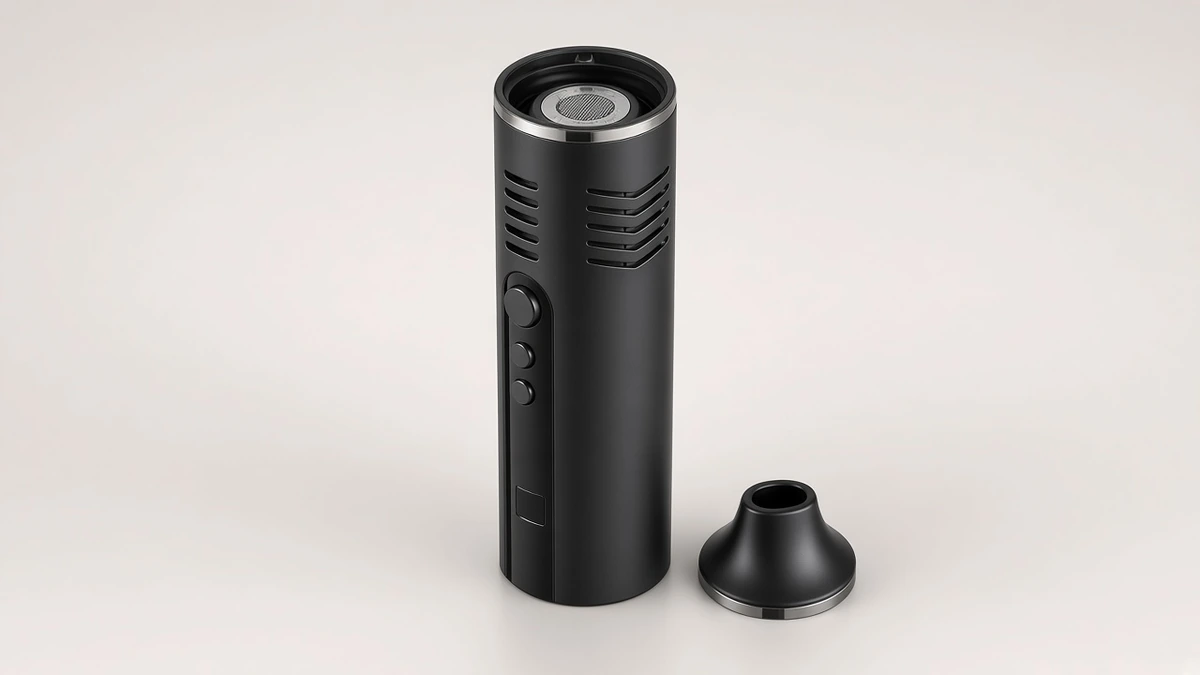
📷 5. What a Listing Photograph Can Hide
A listing photograph is a poor place to finish a loading specification. A wide oven can be photographed from above and look larger than the documented volume. A shallow oven can be shot at close range and look deeper than it is. A packed bowl can hide the empty geometry, and an empty oven can hide the fact that no volume figure was ever named. A “large oven” overlay, or a cropped lid, can also hide a screen, a cup, or a smaller usable cavity.
The photograph is also the wrong place to borrow a load amount. A marketing image that shows a heaped chamber does not prove that this is the recommended load, and a sparse “microdose” image does not prove the documented amount for your revision. Those assignments come from the manual, the drawing, and a sample of the exact version. If the listing says only “large oven” or only “microdose” and shows an open chamber, write both quantity types down and request the documented oven volume and the documented recommended load.
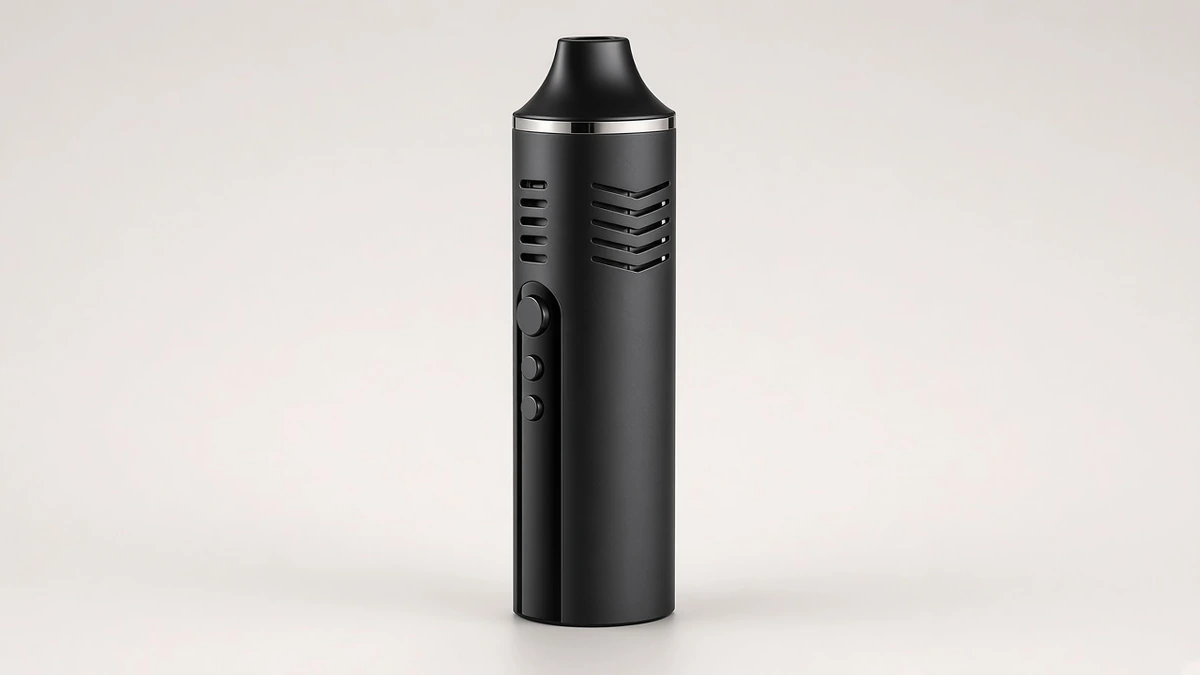
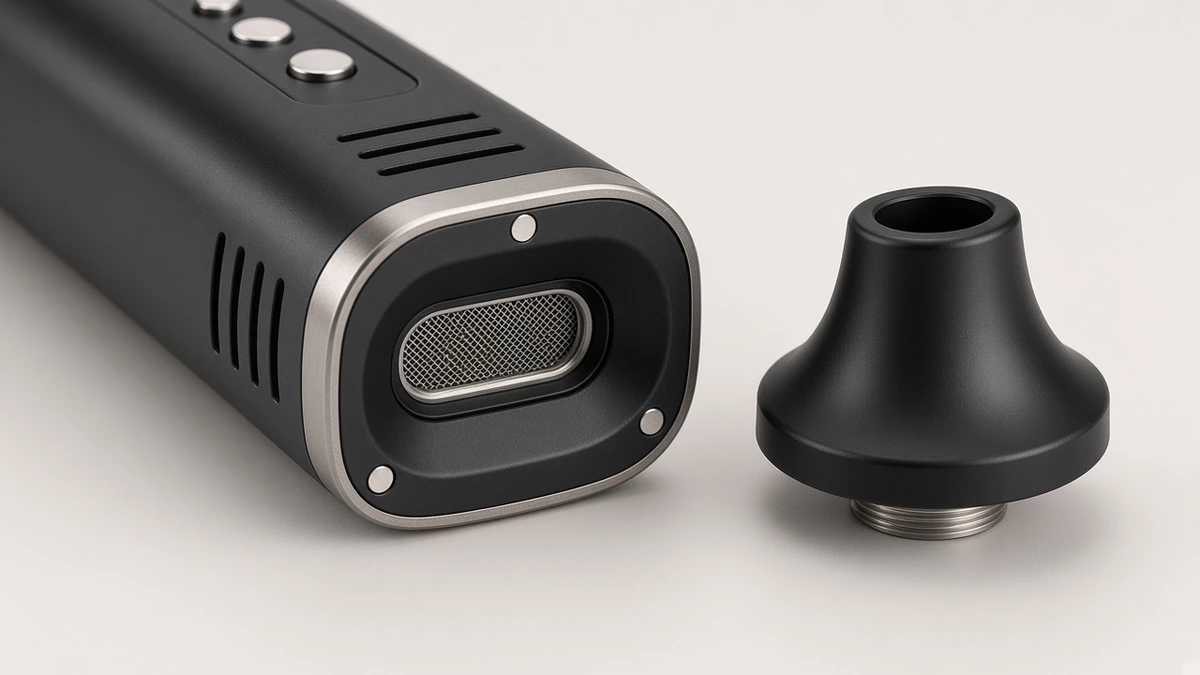
✅ 6. What to Check on a Sample, a Manual, and a Brief
A one-line description a team can reuse should name the two figures and should keep them apart from oven material, loading access, and any dosing cup. Example: “Dry herb vaporizer; oven or chamber volume and recommended load as named on the version drawing or manual; oven material, loading access, and any dosing cup or capsule are documented separately.”
On the sample:
- Look at the cold, empty oven as hardware, not as a proof of a number, and record whether any volume or load marking is actually present on the part.
- Do not treat a wider opening, a deeper-looking cavity, or a “large oven” outline as a documented volume or a recommended load.
- Note whether a screen, lid, or insert changes the usable cavity, and compare the empty oven with the drawing or manual.
- Record that a packed sample can hide empty geometry, and that an empty sample cannot invent a recommended load.
On the drawing, the manual, and the current brief for that exact version:
- Record the oven volume, if one is named, including the unit and whether the wording is a geometric volume or another capacity phrase, and record the revision.
- Record the recommended load, if one is named, as its own line, not as a renamed volume figure.
- Do not convert one figure into the other with an assumed density, grind, or packing rule.
- If the drawing and the catalog disagree, stop and confirm the revision before writing a loading specification.
On the listing:
- Treat “large oven,” “XL chamber,” “microdose,” and gram-style nicknames as labels to reconcile with the two quantity types.
- A volume or load figure shown for a named catalog example is that page’s documentation, not a default for the next vaporizer in the same photograph style.
Questions worth sending with a sample request:
- What oven or chamber volume does this exact version specify, and in what unit?
- What recommended load, if any, does the current manual name, and is that figure a single amount or a range?
- If the listing says only “large oven” or only “microdose,” is the other figure also documented?
- If a dosing cup or capsule is used, does that insert have its own stated fill, and is that fill different from the oven’s recommended load?
- Do the quotation, the drawing or manual, and the sample all use the same loading figures?
❓ 7. Short Answers a Brief Can Reuse
❓ 7.1 Identification Questions
What is oven volume on a dry herb vaporizer?
It is a capacity figure the version treats as the size of the chamber, as named in the drawing or the manual. It names the cavity, or a documented capacity for that cavity, not the amount the user is told to load.
Is a recommended load the same fact as the oven volume?
No. A recommended load is a use figure: how much material the version says to place in the oven. The oven volume is a capacity figure. They have to be identified separately, including which of them the documentation actually names.
Does a “large oven” or “microdose” label complete the loading specification?
No. Those phrases are starting labels. They do not, by themselves, say whether the claim is a volume, a recommended amount, both, or a shorthand for a different figure.
Can the oven volume be converted into a load weight from the device alone?
Not from the device, and not from a borrowed density or grind. If a project needs both a volume and a mass target, each figure has to be documented for that version.
Is a dosing cup the same thing as the oven volume or the recommended load?
No. A dosing cup or capsule is an insert that sits in some chambers. Its fit, and any fill the insert itself is specified to hold, are separate from the oven’s own volume and recommended-load lines.
Can a listing photograph settle both figures?
It can support an identification if the named figures match the manual and the sample is the same revision. It often exaggerates cavity size, shows a packed or sparse bowl that is not the documented load, or treats a “large oven” nickname as a measurement. Confirm both figures in the version documentation.