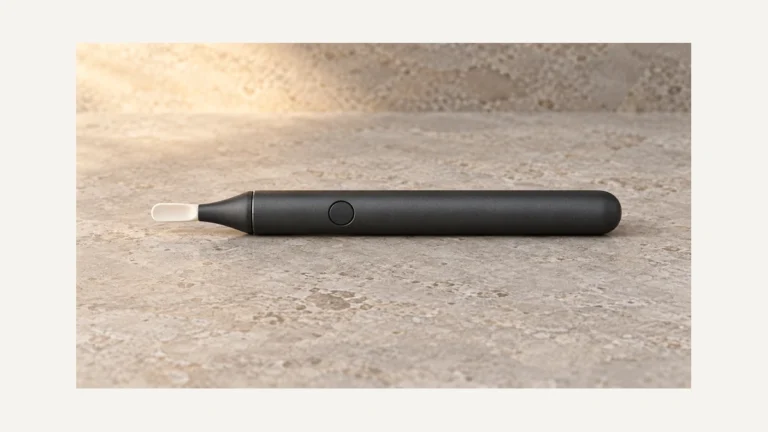
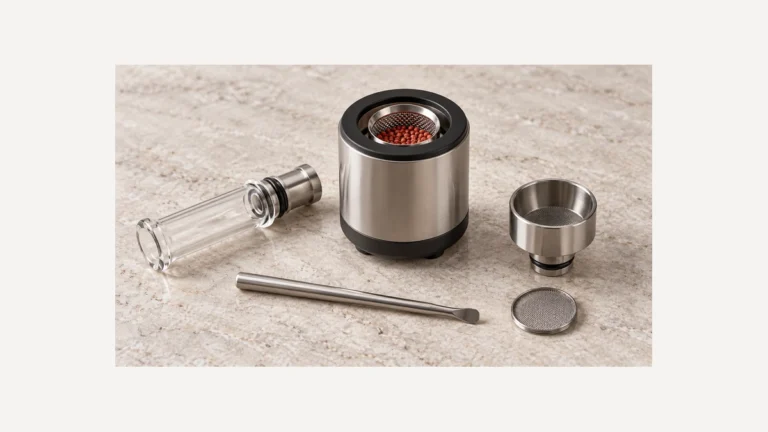
Search for “quartz dab rig” and you’ll find bongs, bangers, full rig kits, and standalone nails all wearing the same label. The phrase gets used loosely because quartz shows up in more than one part of a dab setup, and most buyers only notice the piece they interact with most: the banger. Understanding which part is actually quartz, which part is borosilicate glass, and how those pieces connect will save you money and prevent you from buying the wrong accessory twice.
🔍 1. What People Mean by “Quartz Dab Rig”
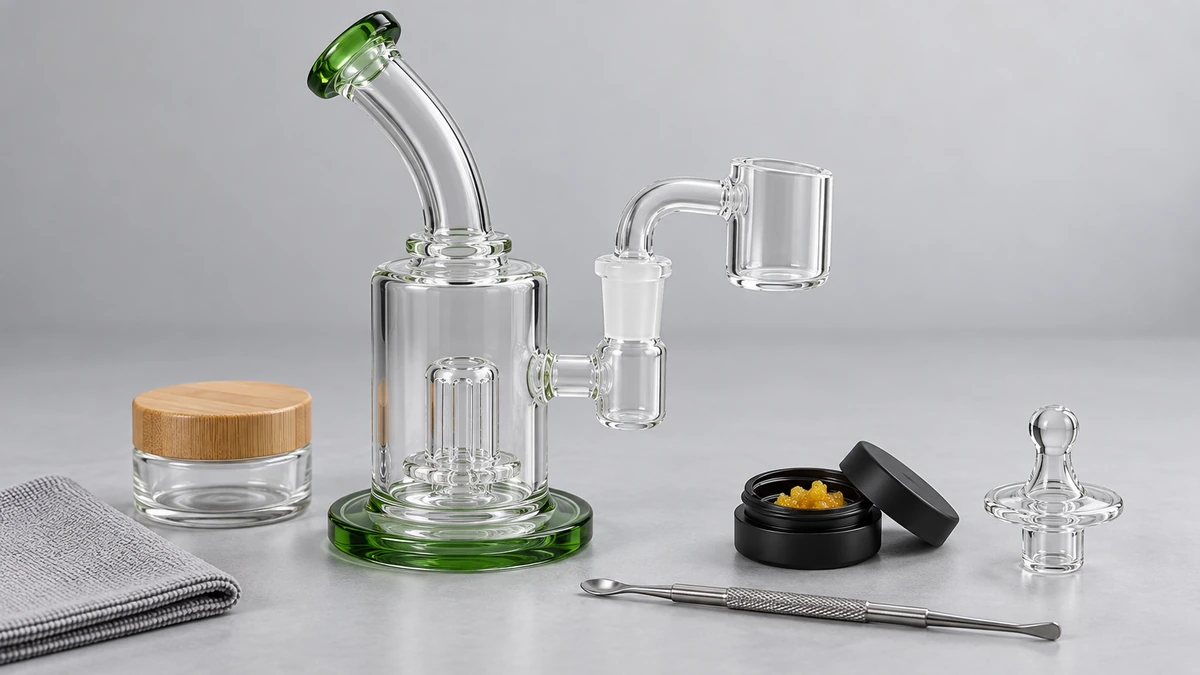
When someone says “quartz dab rig,” they’re almost never describing a rig built entirely from quartz. They’re describing a standard borosilicate glass water pipe paired with a quartz banger as the heated surface. The two materials serve different jobs, and conflating them is where most of the confusion starts.
⚠️ 1.1 Why the Name Is Misleading
Quartz is prized for one specific job: holding and transferring heat evenly without cracking under rapid temperature swings. That makes it excellent for a nail or banger, which goes from a torch flame to room temperature and back multiple times in a session. But quartz is a poor choice for an entire rig body. It’s more expensive to manufacture at scale, harder to shape into complex percolators, and offers no functional advantage in the parts of the rig that never touch direct heat, like the chamber or mouthpiece. So when a listing says “quartz rig,” it’s shorthand for “glass rig with a quartz banger,” not a literal description of the whole piece.
🧪 1.2 Borosilicate Body, Quartz Banger: The Real Setup
Borosilicate glass is the industry standard for rig bodies because it resists thermal shock reasonably well, is easy to blow into percolators and chambers, and costs far less than quartz at the sizes needed for a full rig. The banger — the small cup-shaped piece that actually holds concentrate — is where quartz does its job. This is why almost every “quartz dab rig” sold online is really a two-material system: a glass body doing the water filtration and structural work, and a quartz insert doing the heat work. If you’re shopping for compatible parts, our quartz banger and carb cap fit guide breaks down how to match those two components correctly, which matters more than most buyers expect.
🧩 2. Anatomy of a Quartz Dab Rig
Once you separate “the rig” from “the banger,” the rest of the terminology gets easier to sort out. A dab rig is made of several distinct parts, each with its own material and function. Knowing them by name helps you troubleshoot fit issues, buy replacement parts, and understand what you’re actually cleaning or replacing when something wears out.
🔗 2.1 Joint: Where Banger Meets Rig
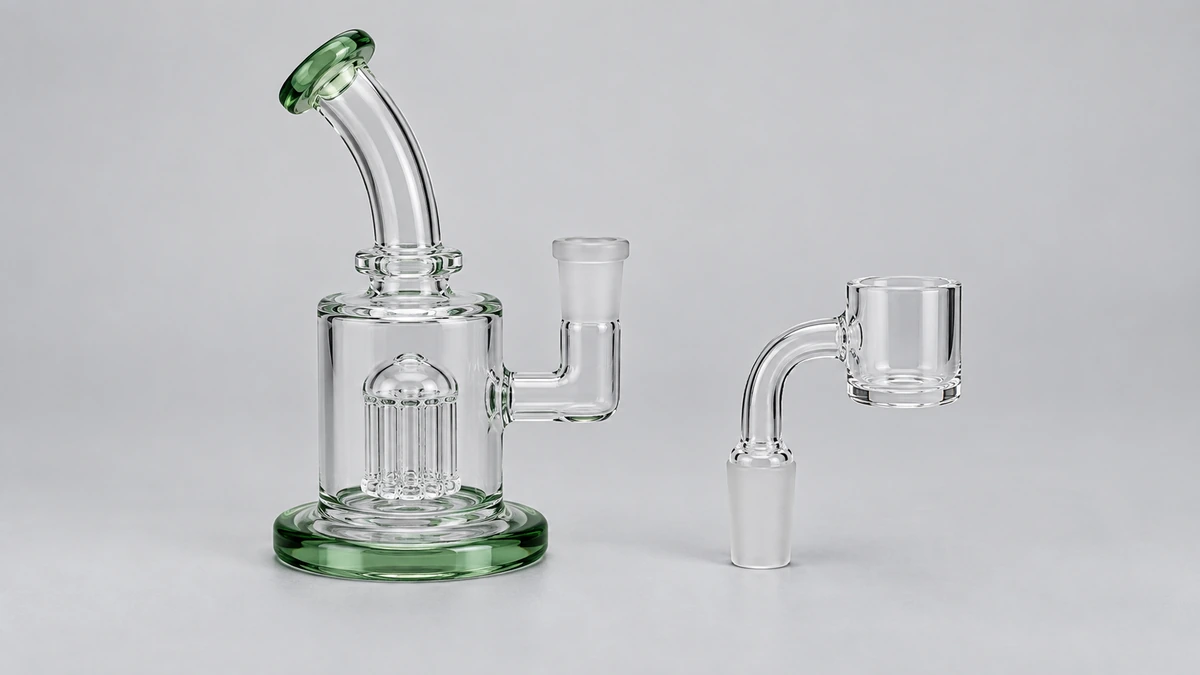
The joint is the ground-glass connection point on the rig where the banger inserts. Joints come in standard sizes — typically 10mm, 14mm, or 18mm — and in male or female orientation. This is the single most common source of “wrong part” purchases: a quartz banger sized for an 18mm female joint simply won’t seat correctly in a 14mm male joint, no matter how good the quartz itself is. Joint size is a rig spec, not a banger spec, so it needs to be checked against your specific piece every time you buy a replacement.
🔥 2.2 Banger: The Actual Quartz Thermal Surface
The banger is the removable cup where concentrate is placed and heated. It’s almost always the only quartz component in the entire setup. Banger styles vary — flat-bottom, bucket, quartz-and-titanium hybrids, terp slurp designs — but the material doing the heavy lifting is quartz in the vast majority of cases sold today. Because it’s removable, it’s also the part that wears out or gets swapped most often, which is part of why “quartz” became the descriptor people reach for when talking about the whole rig.
💧 2.3 Chamber and Percolator
The chamber is the main body of the rig, and it often houses a percolator — a diffusion piece that breaks vapor into smaller bubbles as it passes through water. Percolators add filtration and cooling but also add surface area that needs cleaning. Chamber and percolator design is entirely a glass consideration; quartz has no role here. For a full breakdown of how these pieces fit together structurally, the dab rig parts guide covers each component in more depth than this article can.
〰️ 2.4 Waterline: How Much Water Is Enough
The waterline is the fill level inside the chamber, and getting it right affects both filtration and the risk of splashback. Too little water reduces cooling and filtration; too much can pull water up through the joint and into the banger when you inhale. A good rule of thumb is filling just enough to submerge the percolator’s slits or holes without creeping toward the joint opening. This is a glass-and-airflow issue, not a quartz issue, but it’s frequently lumped into “rig maintenance” conversations because it affects how clean your sessions feel overall.
🧽 2.5 Cleaning Access: Design That Helps or Hurts
Cleaning access refers to how easy it is to reach every internal surface of the rig with a brush, pipe cleaner, or cleaning solution. Rigs with tight percolator chambers or narrow necks are harder to clean thoroughly, and that difficulty applies to both the glass chamber and the quartz banger, which needs separate attention since it’s removable. Rigs designed with wider openings or removable percolators tend to stay cleaner with less effort, which matters more than most buyers realize until residue starts building up.
💬 3. Why the Terminology Gets Confused Online
The mixing of “quartz” and “rig” isn’t just a marketing quirk — it shows up constantly in community discussions, where people default to talking about the banger even when the conversation is technically about the whole setup. A few recurring patterns from actual dabber conversations explain why.
⚖️ 3.1 Routine vs Tool Tradeoffs
In one r/DabRigs discussion, users debated how much their daily routine — torch timing, cooldown periods, carb cap technique — mattered compared to the specific quartz piece they were using. The consensus leaned toward routine mattering more than most people assume: a mediocre banger used with good technique often outperforms an expensive one used carelessly. This reinforces that “quartz dab rig” quality isn’t just about the material spec sheet; it’s about how the whole system, glass and quartz together, is used session to session.
🟤 3.2 Neglected Quartz Residue
A thread in r/Dabs centered on quartz bangers that had been left uncleaned for extended periods, with residue building up to the point of affecting flavor and even function. The responses made clear that quartz’s biggest maintenance weakness isn’t the material itself failing — it’s users assuming the banger is low-maintenance because it’s marketed as durable. Durability against heat isn’t the same as resistance to residue buildup, and that distinction gets lost when people shorthand the whole rig as “quartz.”
📦 3.3 Small Rigs and Included-Parts Confusion
A post in r/mainetrees highlighted confusion around smaller rigs and what accessories actually ship with them — whether a banger, carb cap, or dabber tool is included, or needs to be purchased separately. This kind of confusion is common with compact or budget rigs, where product listings aren’t always clear about which parts are bundled. It’s a reminder that “quartz dab rig” as a search term often really means “starter kit,” and buyers should double-check the parts list before assuming a banger is included.
🛠️ 4. Choosing and Maintaining a Quartz Dab Rig
With the terminology and anatomy sorted out, the practical part is picking a setup that fits your habits and keeping it running well over time.
📏 4.1 Matching Banger to Joint Size
Before buying a replacement quartz banger, confirm your rig’s joint size and gender. This single check eliminates the most common return reason for banger purchases. If you’re unsure how to measure or verify fit, the banger and carb cap fit guide walks through how joint size interacts with carb cap sizing too, since an ill-fitting cap can undo the benefit of an otherwise well-matched banger.
🧴 4.2 A Cleaning Routine That Actually Works
Given how often uncleaned quartz residue comes up in community discussions, a basic routine goes a long way: a quick alcohol wipe or soak for the banger after heavy use, and a periodic full soak for the glass chamber to keep percolator slits clear. Cleaning the quartz separately from the glass body is easier since it’s removable, and doing both regularly prevents the kind of buildup that dulls flavor and eventually affects airflow.
🎯 4.3 Picking the Right Rig Style for You
Rig styles vary widely — mini rigs, recyclers, straight tubes, and more — and each trades off portability, filtration, and cleaning ease differently. If you’re still deciding what body style fits your habits, the types of dab rigs guide compares the major categories so you can weigh those tradeoffs before you also commit to a specific quartz banger. Choosing rig style first, then matching a banger to its joint, tends to produce fewer mismatched-parts headaches than buying pieces separately without a plan.
“Quartz dab rig” will likely keep getting used as an umbrella term, but once you know it usually means a borosilicate body plus a quartz banger, the rest of your buying and maintenance decisions get a lot more straightforward. Check the joint, clean both materials on their own schedule, and pick a body style that matches how often and how portably you actually dab.
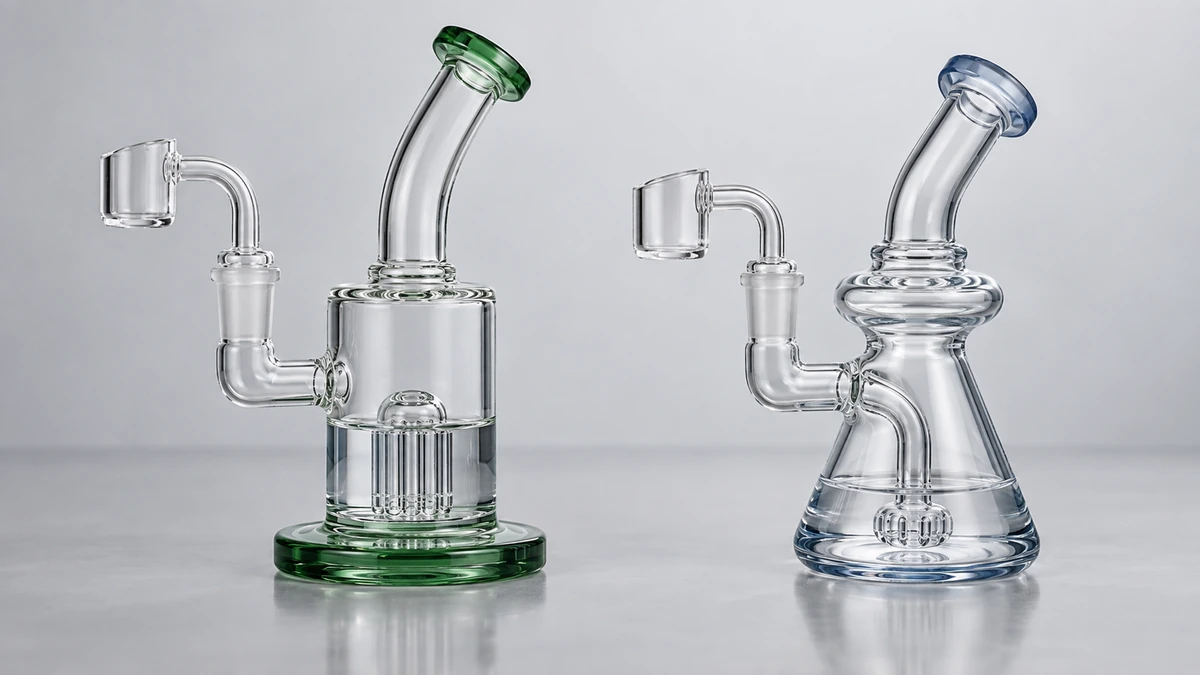
🧭 5. Use “Quartz Dab Rig” Carefully
In most product conversations, the phrase describes a glass water rig supplied with a quartz banger. The rig body is usually borosilicate glass; quartz is the removable heated cup. Calling the whole object quartz hides the boundary that matters for handling, replacement, and cleaning.
🧪 5.1 The Heated Surface and Water Chamber Do Different Jobs
The banger receives heat and holds material. The joint carries the banger, while the chamber and perc route air through water. Each part has its own geometry and failure points. A thick quartz cup does not tell you whether the base is stable or whether the perc is easy to rinse.
📐 5.2 Joint Fit Comes Before Style
Record joint diameter, gender, and angle, then check clearance between the banger and the rig body. Two attractive parts can share a nominal size yet place the hot cup too close to the neck or table. An assembled side view is more informative than separate catalog photographs.
🧼 6. Cleaning Access Shapes Daily Use
A compact chamber may deliver a short air path but leave narrow turns that retain water or residue. Inspect whether the banger can be removed without side loading the joint and whether the rig can be emptied fully. Quartz and borosilicate parts should be treated according to their own care instructions rather than as one fused object.
📦 6.1 Store the Banger Separately
A fitted joint is not a transport lock. Remove cooled accessories and support them in separate padded compartments so the quartz cup cannot lever against the glass joint. This also makes chips, clouding, and seal wear easier to inspect before reassembly.
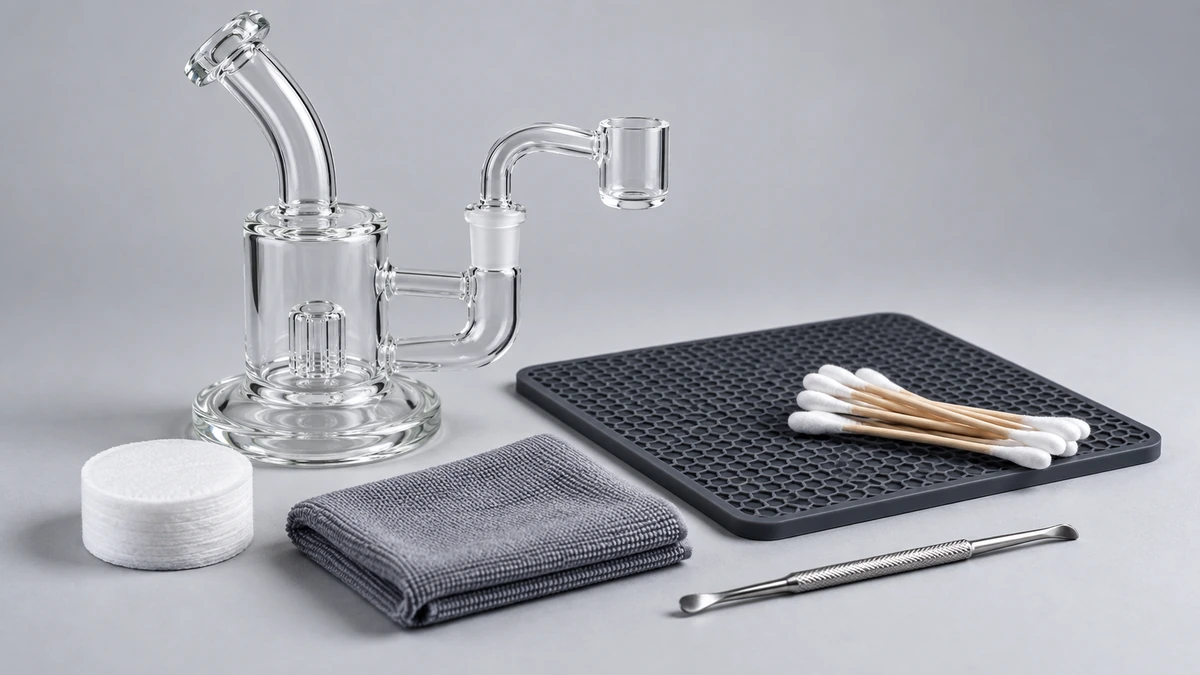
✅ 7. Compare the Complete System
A useful comparison lists rig glass, banger material, joint geometry, perc location, working waterline, base width, and cleaning access. That vocabulary is less dramatic than “all quartz,” but it tells a reader what is actually present and which component can be replaced.
Photograph the assembled rig from the side before ordering replacement parts. A clear image of the joint, banger angle, and surrounding clearance preserves information that a product nickname cannot. Keep the measured joint details with that image so future comparisons begin with the actual interface.