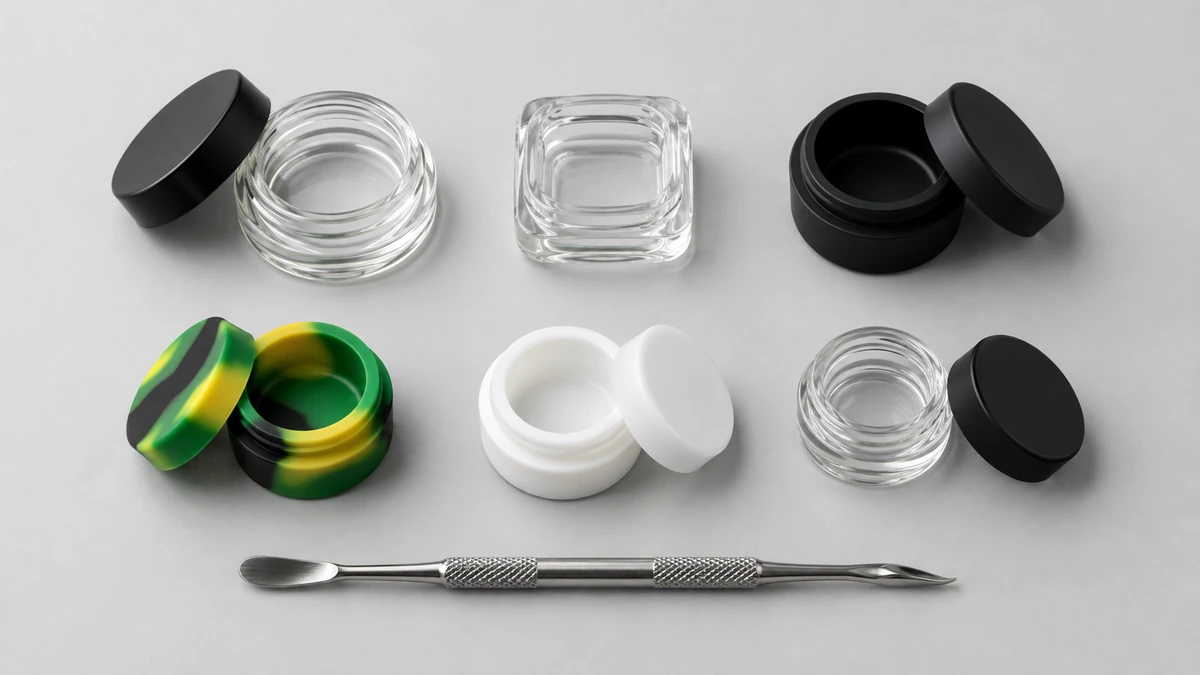
Wax concentrate needs a container that does more than hold a blob of material. It has to resist the concentrate’s tendency to stick, melt, or oxidize, seal well enough to preserve texture, and survive daily handling near heat sources, dab tools, and torches. The category “wax container for dabs” covers a range of construction types — glass, silicone, and rigid polymer — each with different tradeoffs around breakage, residue loss, and cleaning. This article looks at how these containers are built, where they tend to fail, and what habits keep them functional over time.
🧪 1. Material Basics: Glass, Silicone, and Polymer
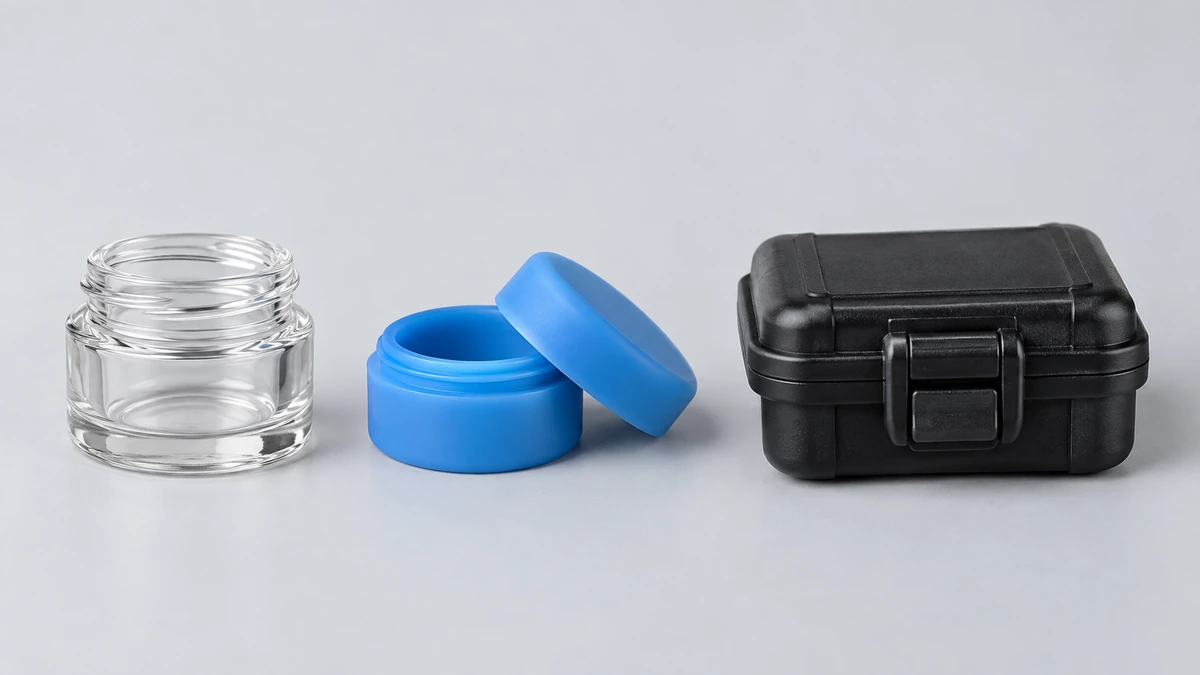
Most wax containers fall into three material families. The choice affects how the container handles heat, how easily wax releases from the interior surface, and how long the container lasts under regular use.
🔍 1.1 Glass
Glass jars are common for wax storage because glass is chemically inert — it won’t react with terpenes or leach flavor into the concentrate the way some plastics can. Borosilicate glass, the same material used in many dab rig components, tolerates modest temperature swings better than soda-lime glass, though neither is designed to sit near an active torch flame. Glass also lets you see the contents without opening the lid, which matters when checking consistency or color before a session.
The tradeoff is fragility. A glass jar dropped on a tile floor or knocked off a tray can shatter, and unlike a dropped tool, a broken wax jar usually means lost material along with the mess. This is a recurring complaint among dabbers — one discussion thread on breakage highlights how often a single drop turns into a full loss of both the jar and the wax inside, especially with softer concentrates that are hard to scrape off glass shards safely.
🧵 1.2 Silicone
Silicone containers, often called “silicone jars” or “non-stick containers,” are popular specifically because wax doesn’t bond tightly to cured silicone the way it does to glass or bare plastic. This makes scraping out the last bit of material easier and reduces residue buildup on the walls. Food-grade silicone also flexes without cracking, so it survives drops that would shatter glass.
The downside is that silicone can retain odor over time and, if the surface isn’t fully cured or is a low-grade blend, it may absorb terpenes and slightly discolor. Silicone containers are generally not rated for direct torch contact, and setting a hot dab tool tip directly against the interior can leave a permanent mark or, in worse cases, degrade the material.
🧱 1.3 Rigid Polymer
Hard plastic containers — usually polypropylene or similar polymers — are the lightest and least expensive option. They resist shattering better than glass, though they can crack under sharp impact or degrade with repeated exposure to solvents used in cleaning. Polymer containers vary widely in quality: some are built with thick walls and tight-tolerance lids, while others are thin and prone to warping if left somewhere warm, such as a car dashboard or near a heat lamp.
🔩 2. Jar Lip, Lid Seal, and Airtightness
The seal between the lid and the jar body determines whether wax stays fresh or slowly hardens and oxidizes. A few construction details matter more than the material itself:
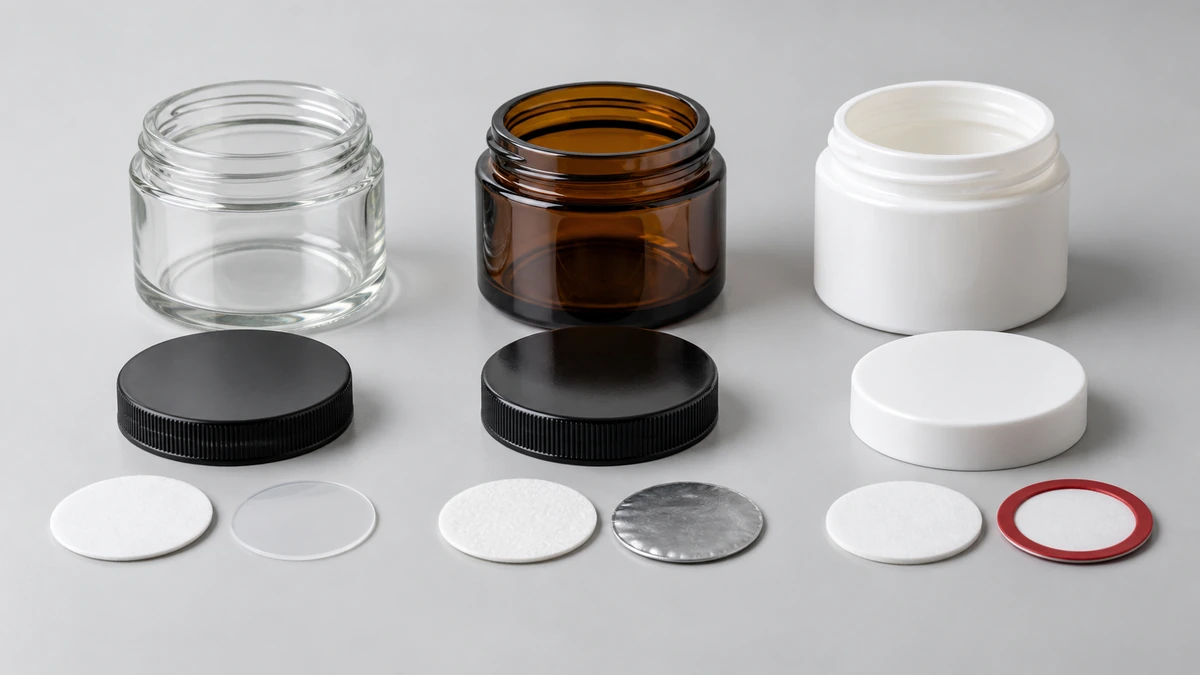
- Lip design: A wide, flat lip gives the lid gasket more surface area to compress against, reducing air exchange. Narrow or beveled lips are more prone to gaps if the lid is slightly warped or the jar is over-tightened.
- Gasket or O-ring: Screw-top jars with a separate silicone gasket generally seal better than snap-lid designs that rely on plastic-to-plastic contact. Over time, gaskets can compress, crack, or pick up debris, which weakens the seal even if the jar looks intact.
- Threading quality: Cheap injection-molded threads sometimes don’t align consistently, leading to a lid that feels tight but doesn’t actually compress the seal evenly around the circumference.
A compromised seal doesn’t just dry out concentrate — it can also let odor escape, which matters for anyone storing containers alongside other gear in a bag or drawer.
🗂️ 3. Liners, Compartments, and Multi-Use Layouts
Some containers include a removable liner, typically a thin silicone or PTFE insert that sits inside the jar. Liners serve two purposes: they make cleanup easier since wax releases from the liner rather than the jar wall, and they let a single jar handle small batches of different material by swapping liners instead of scrubbing the whole container between uses.
Multi-compartment containers go a step further, combining a wax chamber with a separate slot for a dab tool, a small pick, or even a folded parchment sheet. This layout responds to a fairly common want — one thread on integrated storage discusses the appeal of keeping wax and the tool used to handle it in one case, rather than juggling a separate jar and a loose tool that can roll away or pick up lint. The tradeoff is that combined compartments are usually smaller per section, so they suit portable use more than bulk storage. For anyone comparing dedicated tool options against a built-in compartment, a closer look at tool shapes and materials is covered in this guide to custom dab tools.
🧯 4. Residue Recovery and Why Corners/Seams Matter
Container geometry has a direct effect on how much wax you can actually recover. Jars with sharp interior corners or visible mold seams create pockets where concentrate collects and hardens, out of reach of a standard dab tool. Rounded interiors, or containers with a slight funnel shape toward the base, let material pool in one spot instead of spreading thin across the walls.
Silicone containers tend to perform better here because the flexible wall can be pushed inward to pop stuck material loose, similar to flexing a silicone baking mold. Rigid jars, glass or plastic, don’t offer that option, so residue recovery depends more on the tool used to scrape the surface than on the container itself. Over weeks of use, that leftover film is also where most of the buildup discussed in the cleaning section below actually originates.
💥 5. Breakage Risk and Handling Glass Safely
Glass containers deserve a dedicated note on handling, since breakage is the most-cited downside of the material. A few practical points reduce risk without requiring a material switch:
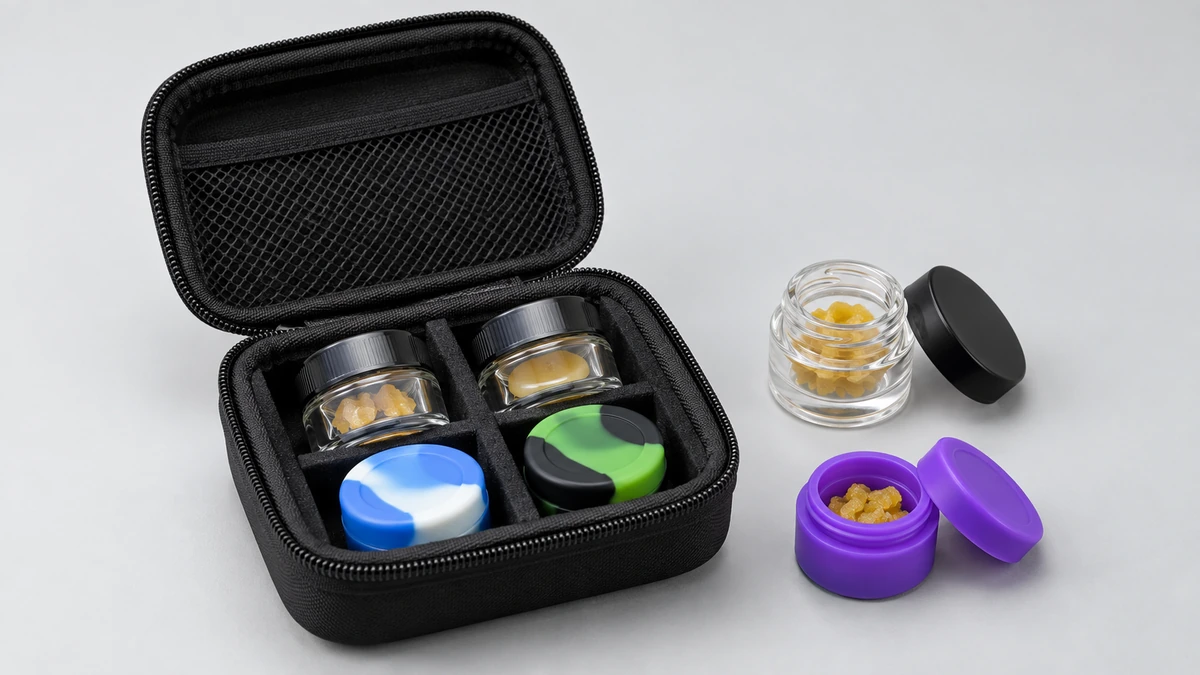
- Store glass jars in a fixed spot — a drawer compartment or a padded case — rather than loose on a tray where a stray elbow can knock them off.
- Avoid stacking glass jars directly on top of each other; lid-to-base contact under pressure is a common failure point.
- If a jar does crack, don’t attempt to scrape wax off visible glass fragments with a bare tool tip near the fingers — transfer the intact portion to a new container and discard the rest.
These aren’t unique risks to wax jars specifically, but the combination of a slippery, sometimes oily exterior and a hard interior surface makes glass wax containers slightly more prone to slipping out of hand than an empty jar would be.
🏷️ 6. Labeling Practices for Strain and Batch Tracking
Once someone has more than one or two containers in rotation, labeling becomes a practical necessity rather than an organizational nicety. Simple approaches include:
- A strip of painter’s tape or a small adhesive label on the jar base (not the lid, which may get swapped between jars during cleaning).
- Writing directly on frosted or etched glass with a fine-tip permanent marker, which resists smudging better than labels in humid storage.
- Color-coded lids for different concentrate types (live resin, rosin, shatter) when a household or shared space has multiple people pulling from the same drawer.
Labels matter most for tracking consistency changes over time — knowing when a batch was opened helps explain why a wax that started pliable has become brittle or overly sticky after a few weeks of air exposure.
🧼 7. Cleaning Without Damaging the Container
Cleaning method should match the material. Isopropyl alcohol is generally safe on glass and most silicone, but repeated soaking can dull certain plastics or cause lower-grade silicone to swell slightly. A few guidelines:
- Glass: Warm isopropyl alcohol loosens hardened residue; a soft brush or cotton swab reaches corners without scratching the interior.
- Silicone: Many silicone containers tolerate boiling water, which softens residue without solvents — check the product’s rated heat tolerance first, since not all silicone blends are food-safe or heat-stable to the same degree.
- Polymer: Stick to isopropyl alcohol rather than stronger solvents, which can cause some plastics to become brittle or cloudy over repeated exposure.
Cleaning the container is really one part of a broader routine that also covers tools, rigs, and nails. A fuller breakdown of solvents, brushes, and safe soak times is available in this vape cleaning kit guide, which applies to most of the same materials used in wax containers.
🔥 8. Keeping Containers Separated from Heated Tools
One of the more overlooked storage issues is proximity between wax containers and heated equipment — torches, hot dab tools, or a nail that’s still cooling down. Setting a warm tool directly on or near a silicone or plastic container can warp the lid seal or leave a permanent mark on the surface, and even glass can crack from sudden, uneven heat exposure if a hot object rests against one side of the jar.
A dedicated mat or station layout addresses this by giving the torch, tool, and container their own fixed positions, so nothing hot ends up resting against a jar by accident during a session. That kind of layout is covered in more detail in this dab mat station guide, which looks at heat-resistant surfaces and spacing between components.
📦 9. Where Containers Fit in a Broader Storage Routine
General storage habits often decide how long a container performs well, independent of its build quality. A recurring theme in discussions about storage is that even well-made containers get compromised by inconsistent conditions — leaving a jar in direct sunlight, tossing it loose into a bag with keys and coins, or reusing food containers that weren’t designed to seal against air at all. None of these issues are about the wax container’s material or shape; they’re about the environment it’s kept in.
A few habits extend the life of any container type:
- Store away from direct light and heat sources, including car interiors in warm weather.
- Keep containers upright when possible to avoid uneven pooling against the lid seal.
- Separate wax containers from sharp tools in the same bag or drawer to avoid scratches or seal punctures.
Choosing between glass, silicone, and polymer ultimately comes down to which tradeoff matters most for a given routine: visibility and inertness (glass), non-stick recovery and drop resistance (silicone), or light weight and low cost (polymer). Whichever material is used, the details that most affect day-to-day performance — seal quality, interior shape, and distance from heat — apply across all three.
🧭 10. Match the Container to the Handling Routine
A useful wax container protects its contents while remaining easy to identify, open, scrape, and clean. Wide mouths improve tool access, but the lid and liner still need enough clearance to avoid picking up residue. Deep narrow jars may protect the center area yet make corners difficult to reach.
📦 10.1 Separate Storage From Transport
A jar can close securely without surviving a drop inside a loose bag. Transport adds impact, vibration, and contact with tools. A padded case with divided compartments protects glass walls and keeps metal tools from pressing against lids or rims.
🧼 10.2 Inspect the Lip Before Closing
Residue across threads or sealing faces changes how a lid seats. Wipe accessible edges with a material-compatible method and allow every part to dry before closing. Do not force a cross-threaded lid, because damaged threads can make later opening and containment less predictable.