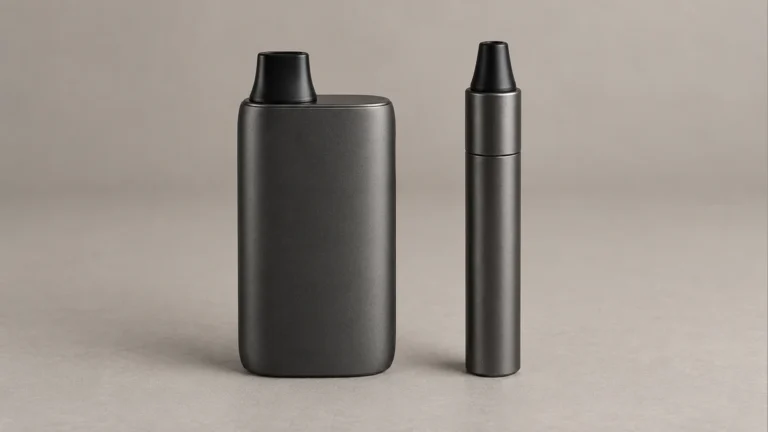
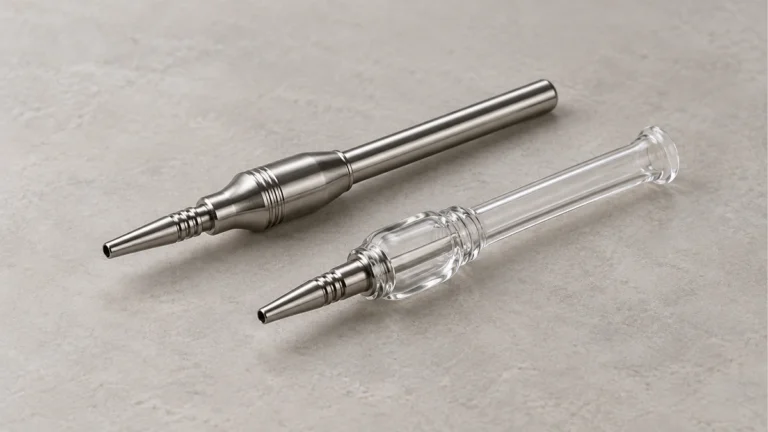
The keyword is often typed as “silicon containers dab,” but silicon is an element used in electronics and glassmaking; silicone is the flexible polymer used for many small concentrate containers. That spelling difference helps you search for the intended hardware and ask suppliers the right material question.
A silicone dab container is useful when a flexible, light vessel makes short-term handling easier. It is not automatically the best place for every concentrate or every storage period. Formulation, lid design, temperature exposure, cleaning instructions, and the material producer’s storage guidance all matter.
🧱 1. Silicon and silicone are not the same word
This mix-up shows up constantly in casual conversation, and it’s worth untangling before anything else. Silicon is the element—the same one used in computer chips and semiconductors. Silicone is a synthetic polymer built from silicon, oxygen, and organic groups, and it’s what actually makes up flexible dab containers, spatula heads, and rig components with rubbery parts.
When people search for silicon containers dab, they’re almost always looking for silicone ones. The distinction matters practically, not just semantically. Silicone comes in different formulations and grades, and those differences affect how a container handles heat, how residue interacts with its surface, and how it responds to solvents during cleaning. Two containers can look identical and behave very differently once concentrate has been sitting in them for a few weeks.
Manufacturers don’t always disclose which formulation they used, and retail packaging rarely specifies it. That’s part of why experiences with these containers vary so widely—one person’s nonstick miracle jar is another person’s sticky mess.
📦 2. Flexible containers solve handling problems
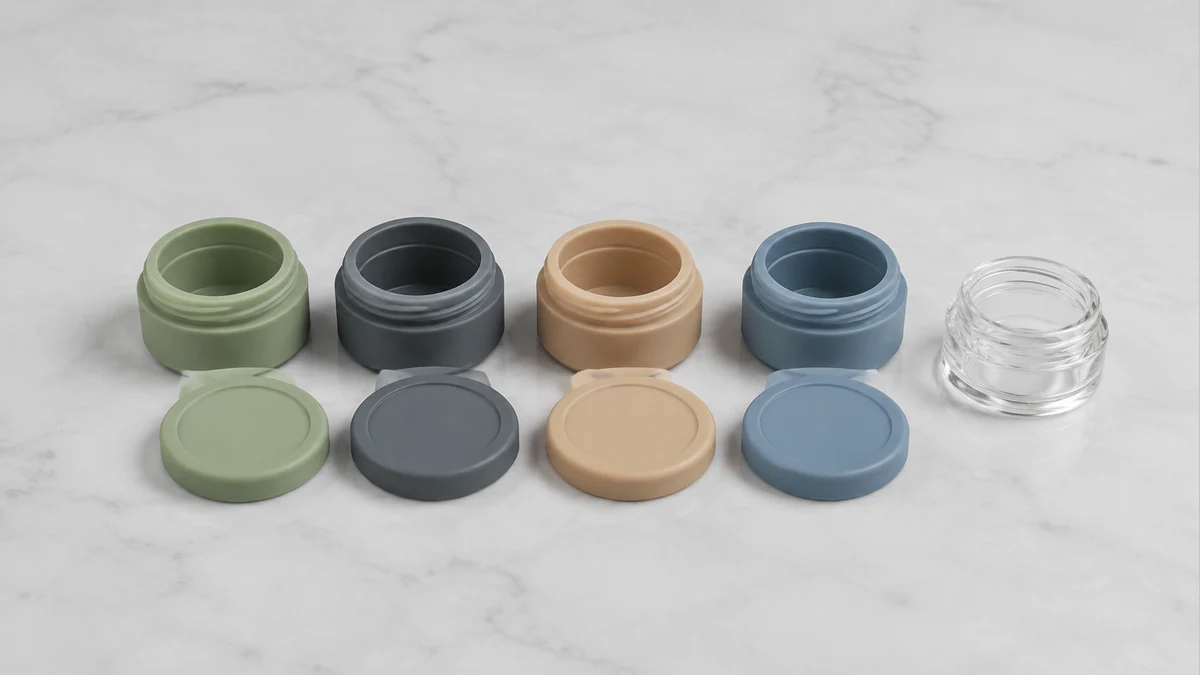
The reason silicone containers exist for this purpose in the first place comes down to handling. Sticky, viscous concentrates cling to glass and metal in ways that make transferring them frustrating. A flexible silicone container lets you flex the walls, pop the material loose, and scrape out the last bit without fighting a rigid surface.
This is especially useful for short-term handling—moving concentrate from a parchment sheet into a container, portioning it out, or carrying a small amount somewhere for the day. The nonstick surface reduces waste during that transfer step, which is the main practical advantage over glass or metal in the short term.
Where this gets complicated is when “short-term” turns into “however long it’s been sitting in my bag.” A container designed for quick handling isn’t necessarily built with the same priorities as one meant for extended storage. If you’re trying to figure out which container type fits which situation, our dab storage box guide breaks down the tradeoffs between formats in more detail.
🧼 3. Surface residue can migrate into lid seams
Here’s a failure pattern that catches a lot of people off guard: the container itself looks fine, but the lid stops sealing properly. What’s happening is that residue works its way into the seam where the lid meets the body, and over repeated openings, it builds up in a spot that’s hard to see and even harder to clean.
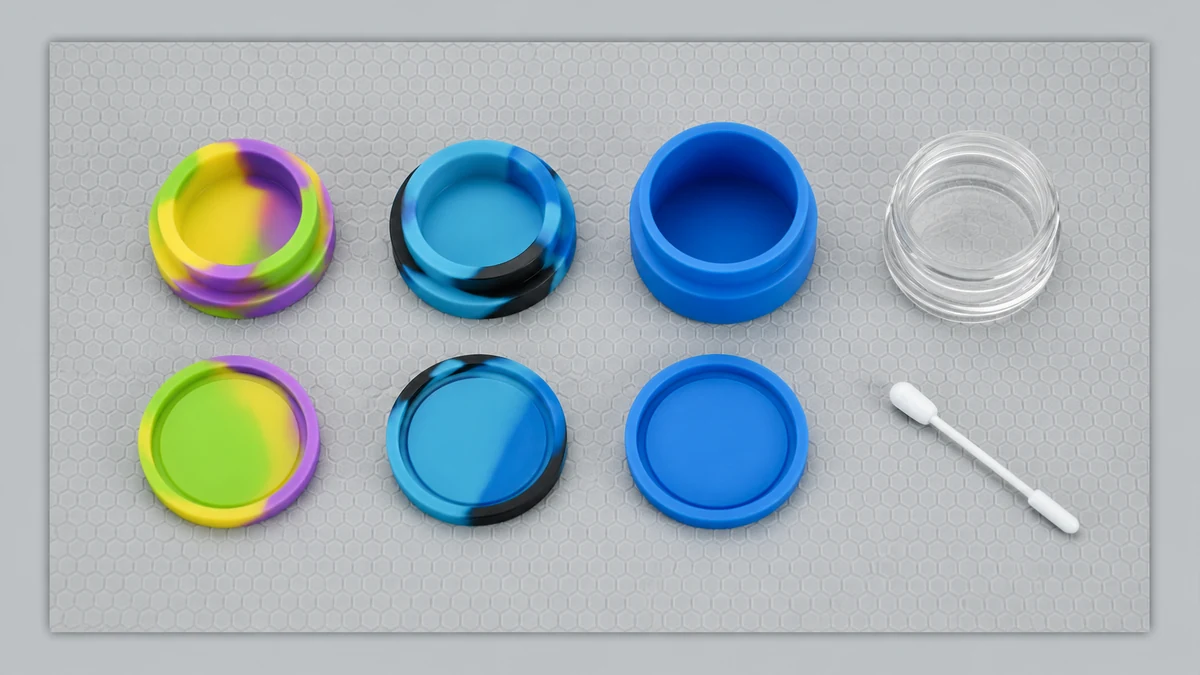
Unlike a glass jar with a simple threaded lid, many silicone containers use a snap-fit or friction-fit design. Those seams have more surface area for material to hide in, and the flexible material can distort slightly under pressure, opening tiny gaps that let air—and odor—through.
This matters more than it seems like it should. A container that seals well on day one but loosens after a few weeks of use isn’t actually failing structurally; it’s just accumulating buildup in places you don’t routinely clean. If odor containment is a priority for you, checking the lid seam periodically is worth the ten seconds it takes.
🧩 3.1 What this looks like in practice
- A lid that used to snap shut with resistance now closes loosely
- A thin, slightly tacky line visible where the lid meets the container wall
- Odor noticeable from a closed container that wasn’t noticeable when it was new
None of these are dramatic problems, but they’re the kind of small signals that tell you it’s time for a deeper cleaning pass rather than a quick wipe.
🔥 4. Heat and tool contact need clear boundaries
Silicone has a reputation for being heat-tolerant, and in many contexts that’s fair. But “heat-tolerant” doesn’t mean “immune to damage from direct contact with a hot tool.” Pressing a heated dab tool into the wall of a silicone container, even briefly, can leave a mark, a soft spot, or a slight discoloration depending on the formulation.
The practical boundary here is simple: use silicone containers for storage and transfer, not as a surface to rest hot tools on. That’s a job better suited to a dedicated resting spot or a heat-resistant mat. If you’re working out where different tools belong in your setup, our dab Q-tips guide covers cleaning tool boundaries that apply here too—knowing what touches what, and when, keeps both your tools and your containers in better shape longer.
Tool contact issues also compound over time. A container that’s been nicked by a hot dabber once might look fine, but repeated contact in the same spot can create a weak point where the material behaves differently—collecting more residue, flexing oddly, or losing its nonstick quality in that localized area.
🧼 5. Cleaning depends on the exact formulation
This is the section where a lot of general advice falls apart, because cleaning silicone containers isn’t a one-size-fits-all process. Different silicone formulations respond differently to isopropyl alcohol, hot water, and physical scrubbing. Some hold up fine to repeated alcohol soaks; others can become slightly tacky or dull if you clean them too aggressively too often.
Since packaging rarely tells you which formulation you’re dealing with, a cautious approach works better than an aggressive one:
- Start with warm water and mild soap before reaching for solvents
- If residue is stubborn, use isopropyl alcohol sparingly and rinse thoroughly afterward
- Avoid abrasive scrubbing pads, which can dull the nonstick surface over time
- Let the container fully dry before sealing it back up, since trapped moisture behaves like trapped residue
If you’ve noticed a container that used to clean up easily now seems to hold onto residue no matter what you do, that’s often a sign the surface has changed at a small scale—something that’s hard to reverse with cleaning alone.
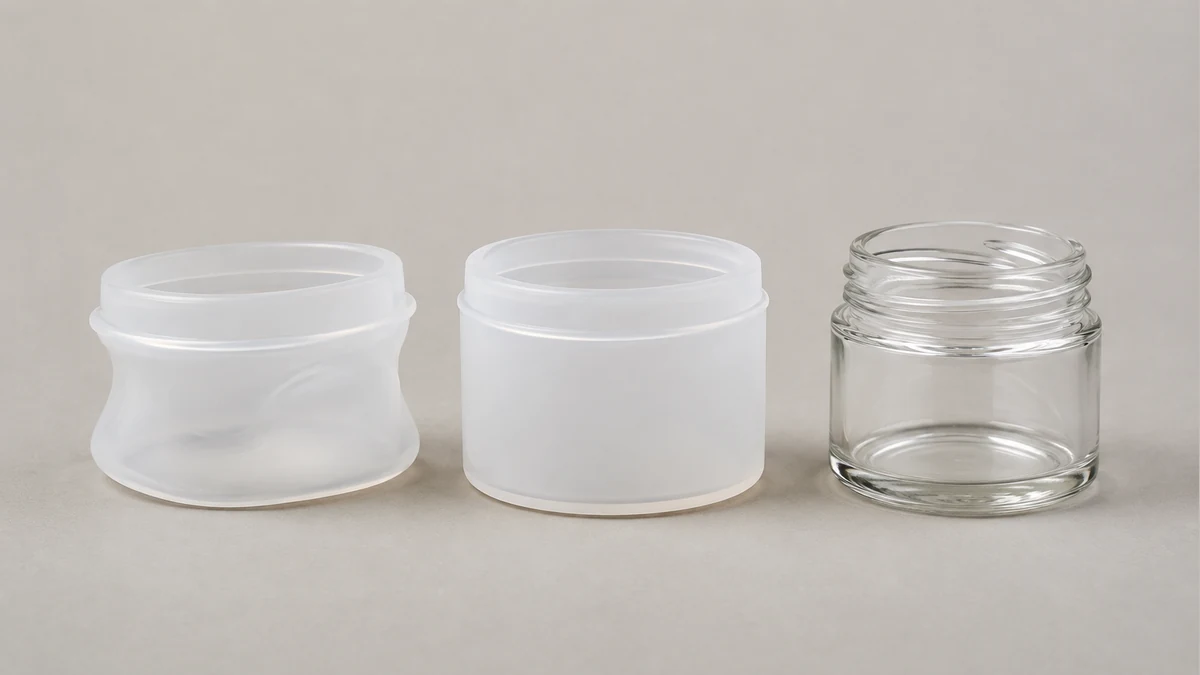
🔍 6. Glass is easier to inspect for long storage
For anything you plan to store longer than a few days, glass has one advantage silicone can’t match: you can actually see what’s happening inside. A glass jar lets you check color, consistency, and buildup at a glance. A silicone container, especially an opaque or colored one, hides all of that.
This is a genuine tradeoff, not a knock against silicone. Silicone still wins on nonstick handling and portability. But if you’re setting something aside for weeks rather than days, being able to visually check on it without opening the lid is a meaningful convenience—and it removes some of the guesswork around whether a container needs cleaning.
Glass also doesn’t have seams the way snap-fit silicone lids do. A simple threaded glass jar has fewer places for residue to hide, which makes both inspection and cleaning more straightforward. For a fuller comparison of how these two materials perform across different use cases, our silicone dab rig vs. glass breakdown covers a lot of the same tradeoffs that apply to storage containers, not just rigs.
🧩 6.1 Quick comparison
| Factor | Silicone Container | Glass Container |
|---|---|---|
| Nonstick handling | Strong | Weaker |
| Visual inspection | Limited (often opaque) | Easy |
| Lid seam residue risk | Higher (snap-fit seams) | Lower (threaded seal) |
| Heat/tool contact tolerance | Formulation-dependent | More consistent |
| Best for | Short-term handling, transfer | Longer-term storage |
📦 7. Choose the container around the storage window
The most useful way to think about this isn’t “silicone versus glass” as a permanent choice—it’s matching the container to how long the material will actually sit in it. A quick transfer from parchment to a jar, or a same-day carry, plays to silicone’s strengths. Concentrate you’re setting aside for weeks benefits from a container you can inspect and clean thoroughly without worrying about hidden seams.
Some people end up using both: a flexible silicone container for the handling and portioning stage, then moving anything meant for longer storage into glass. That approach sidesteps most of the seam and residue issues described above, since the silicone container is only holding material briefly before cleaning.
If you’re building out a small collection of containers rather than relying on whatever came free with a purchase, it’s worth thinking about which jobs you actually need covered—quick handling, odor control, long-term storage—and picking materials accordingly rather than assuming one container type should do everything.
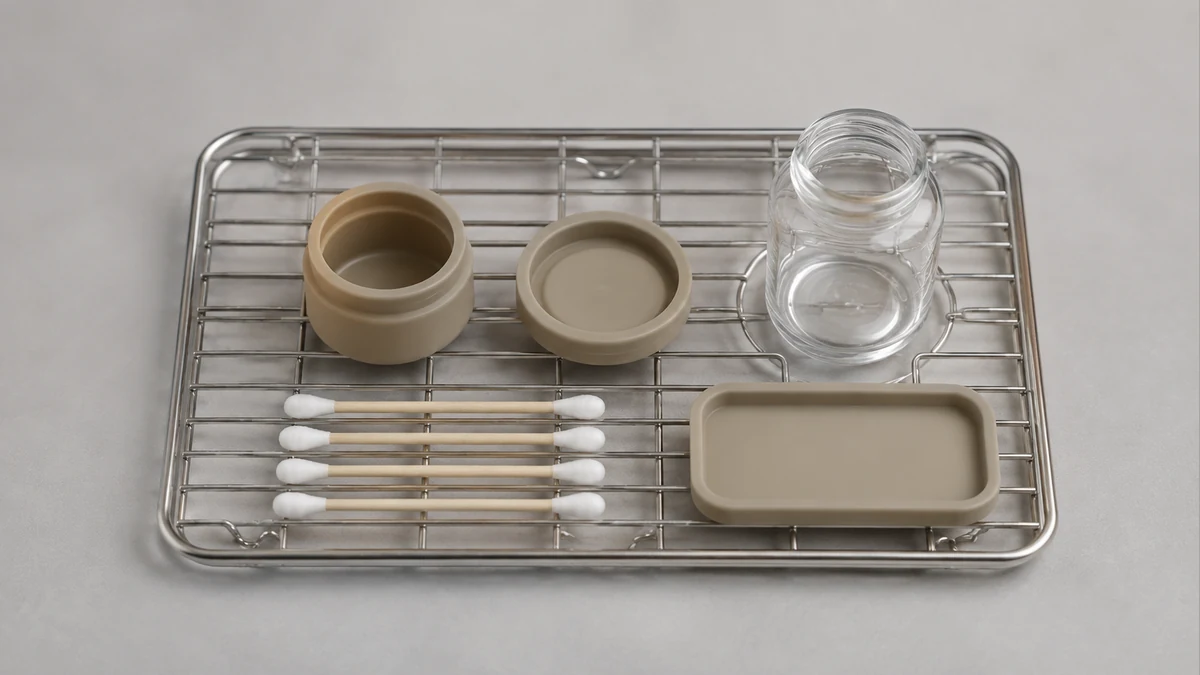
None of this means silicone containers are a bad choice. They solve a real problem—sticky material that doesn’t want to leave a rigid surface—better than almost anything else available. The key is recognizing that the same flexibility and nonstick quality that make them great for short-term handling also come with tradeoffs around seam cleaning, heat exposure, and visual inspection that matter more the longer material sits inside.
📦 8. Define “short term” before choosing the container
A container used during a single organized session faces a different job from one expected to hold material for days or weeks. Short handling emphasizes grip, drop resistance, a lid that opens without launching the contents, and a shape that a tool can reach. Longer storage puts more weight on an inspectable seal, material compatibility, stable temperature, and the ability to confirm that the vessel is fully clean and dry.
Ask what the concentrate producer recommends, especially when aroma, consistency, or formulation matters. Do not assume that every flexible container marketed for concentrates has the same polymer recipe or the same guidance. A useful listing identifies the material, its intended contact use, cleaning limits, and whether the lid is designed for transport or only for bench-top handling.
🧱 8.1 Shape controls how much material is recoverable
Deep narrow cups protect the center but can leave a ring in the lower corner that is hard to reach without scraping. Very shallow dishes provide access but give a warm concentrate more room to spread toward the lid seam. A broad rounded transition between the wall and floor is easier to inspect and wipe than a sharp internal step.
Choose the smallest vessel that leaves comfortable tool clearance around the amount being handled. Oversized containers create more interior surface area, while an overfilled tiny cup pushes material into the lid. Neither extreme improves storage merely because the container still closes.
🔄 8.2 Use a transfer routine that protects both vessels
Set the receiving container on a stable washable mat, open both vessels, and plan where the tool will rest before beginning. Avoid balancing an open cup in one hand. A flexible wall can deform when squeezed, changing the angle of the tool and moving material toward the seam.
If material is being moved into glass for longer storage, follow its producer’s temperature and handling guidance rather than heating either vessel as a shortcut. Inspect the silicone afterward, clean it with the method specified for that exact item, and let the lid and cup dry separately. Persistent odor, tackiness, swelling, cracking, or a distorted sealing edge are reasons to stop using the container and consult the supplier. Keep the original care information with the vessel so later cleaning decisions do not depend on memory.
A final pre-storage check should confirm that the container is clean, fully dry, correctly closed, and suitable for the intended time window. When those answers are uncertain, move the material into a documented compatible vessel instead of extending temporary storage by habit.