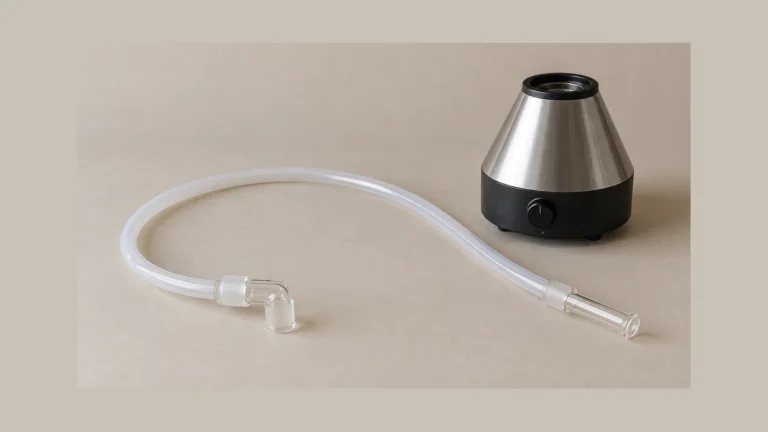
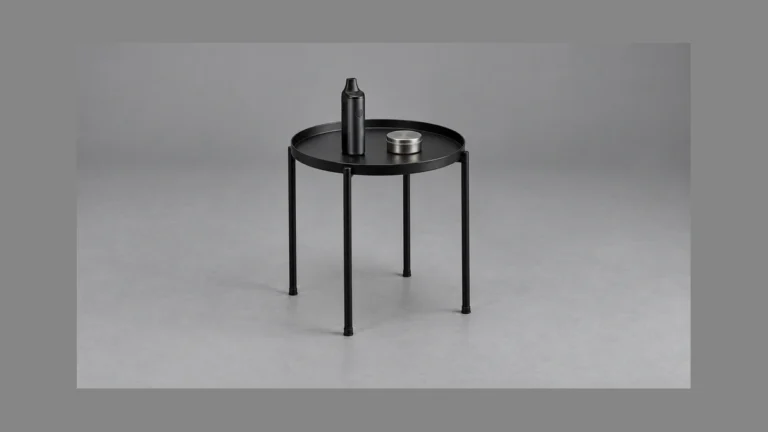
A terp pearl is a small loose sphere used as an accessory in a compatible dab chamber. It has no motor, and its movement depends on the surrounding airflow arrangement. A pearl that is not spinning does not, on its own, tell you which part is responsible. Before changing a cap or adding another sphere, identify whether the chamber permits the accessory and which part is actually being questioned: the loose pearl, the cap or the powered device. Those are different hardware problems, even when they first appear as one still object at the bottom of a cup.
🧩 1. What a Terp Pearl Actually Is
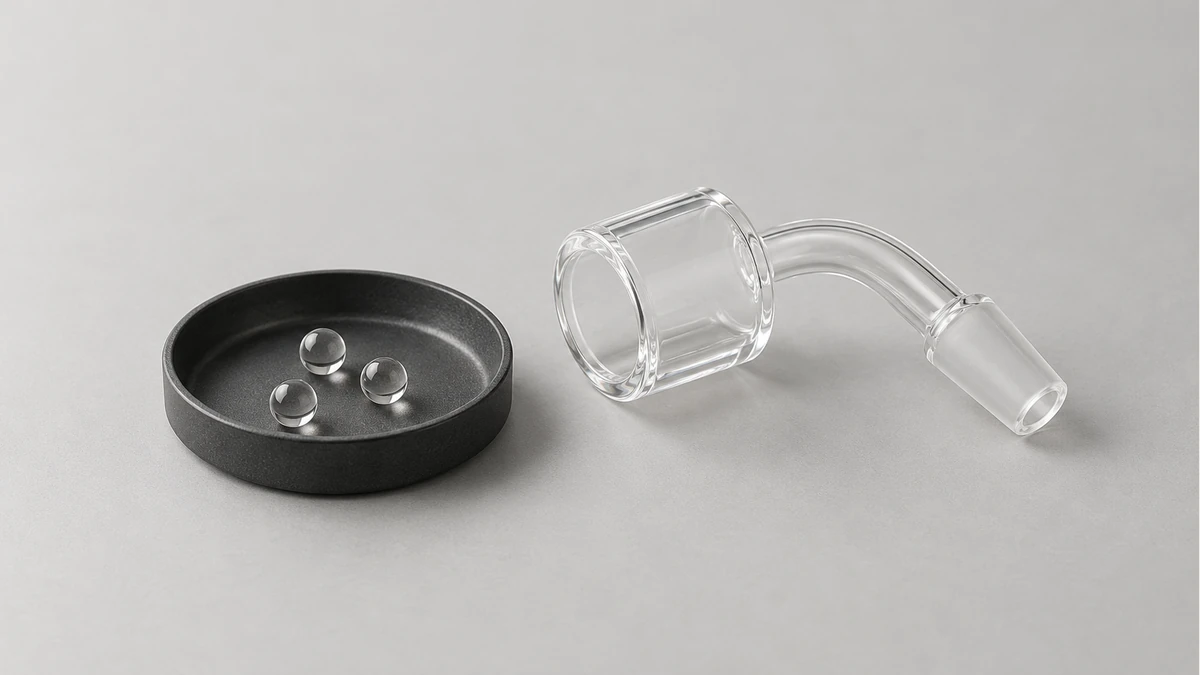
A pearl is a separate accessory rather than the powered heater. Puffco’s educational description places the small sphere inside a chamber and describes movement associated with airflow. That is the limited physical distinction used here. It does not establish an improvement in performance, a particular movement in every chamber or a universal requirement to use one. The sphere can receive heat without being an electrically powered heating element itself.
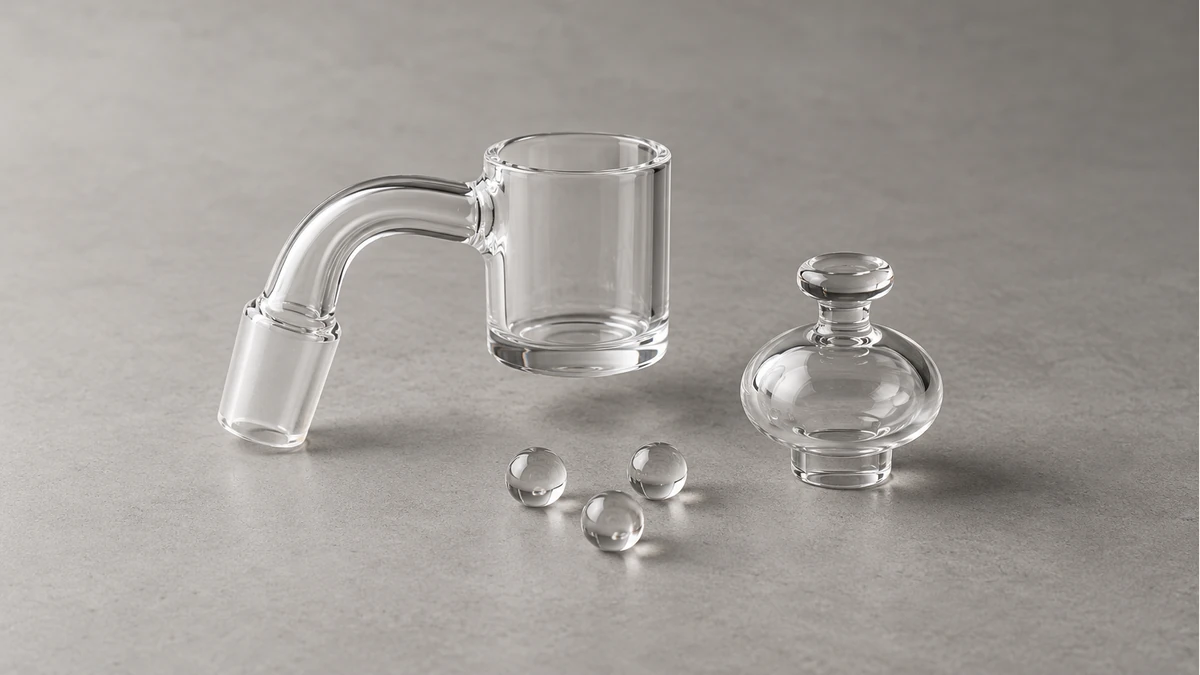
Shape helps keep several accessories separate. A small spherical pearl rests inside a chamber. An elongated pillar or rod has a different geometry and may belong to a different chamber system; it should not be assumed fixed in place. A marble-style cap belongs at the top opening in the design intended for it. The fact that all three can be loose glass-like pieces does not make their positions interchangeable. Identify the component and its intended seat before applying advice about another shape.
🌀 2. Movement Depends on the Airflow Arrangement, Not a Motor
Because a pearl has no mechanism of its own, whether it spins, rolls, or sits still in a given session comes down to the complete airflow arrangement at that moment — chamber shape, how the cap is seated, where air enters and exits, and how the draw itself is shaped. None of that makes a harder or faster draw a reliable fix. Forcing a stronger pull to “test” a pearl doesn’t tell you anything dependable about whether the piece or the setup is at fault; it just temporarily changes how much air moves past one part of the chamber.
🌀 2.1 Check the Cap and Chamber as a Pair
In a discussion about pearls that would not spin, replies pointed toward spinner-cap arrangements, while another commenter questioned whether pearls were needed at all. These are different responses to the same observation, rather than a controlled comparison of caps. The useful question is what the actual chamber and cap are designed to do together. Our guide to banger and cap fit explains why the opening where a cap sits is a separate dimension from the glass joint below. A loose sphere cannot correct an unidentified mismatch elsewhere in that assembly.
📐 3. Diameter Lives Inside the Chamber, Not at the Joint
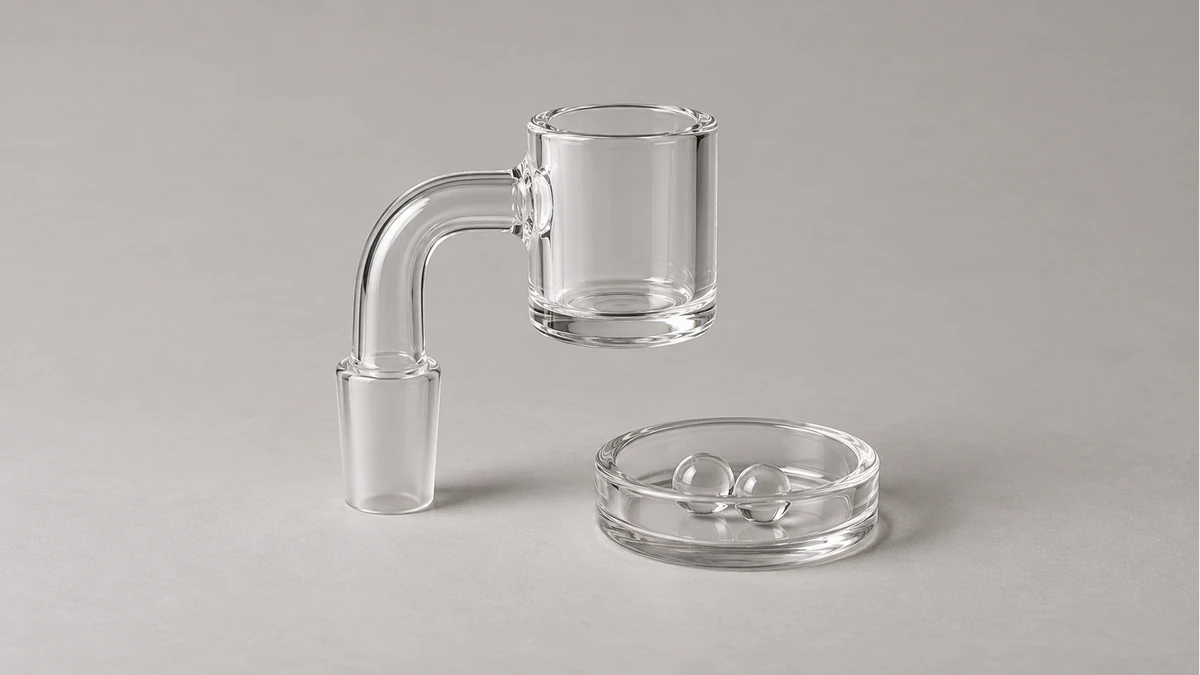
When people ask what size pearl they need, the honest first answer is that it depends on the inside dimensions of that specific chamber, not on the outer glass joint that’s visible from the outside. A joint describes where two pieces of glass connect to each other; it says nothing about how wide or deep the cavity is inside the chamber itself. A pearl correctly matched to a chamber’s interior can look like an odd fit if someone is only eyeballing the piece from outside and guessing based on overall size.
📐 3.1 Keep a Size Recommendation Attached to Its Chamber
A separate sizing thread contains different size suggestions and disagreement about whether the accessory was useful. One commenter speculates about wear; that comment is not a verified material test. The short exchange demonstrates why a quoted size needs its chamber context, rather than establishing a preferred diameter. A recommendation for one specific arrangement does not identify what fits inside another chamber with a different floor, depth, inlet or lid clearance.
🧾 4. Is the Accessory Required?
For one documented example, Puffco’s Proxy Core support page identifies its associated pearls as ceramic and says using a pearl is optional. The page also gives a model-specific size range and cleaning instructions for identified removable parts. This is evidence about that product’s documented arrangement. It is not a universal size recommendation, solvent approval or statement that every dab chamber permits loose accessories.
🧽 5. Residue, Puddles and What They Don’t Prove
A related question that comes up often is what leftover residue around or under a pearl actually means. One thread asks whether pearls help clear remaining residue — often described informally as “puddles” — left behind in the chamber after a session. The honest answer sits in that same observation-versus-diagnosis gap: people report different outcomes, and informal forum reports aren’t a verified account of how any one chamber behaves across use.
What can be said without overreaching is that residue accumulating near or under a pearl doesn’t, by itself, prove anything is missing, broken, or installed incorrectly. Chambers accumulate residue through normal use whether or not a pearl is present. Distinguishing residue from damage matters here: a visible coating raises a surface-care question without establishing the condition beneath it, and a thorough cleaning pass on the surrounding chamber — covered separately in this guide to cleaning an electric dab rig — is a different job from rinsing a single small, loose accessory by hand.
🧼 5.1 Cleaning the Loose Part Is a Separate Task
If the instructions permit removing the pearl, keep it in a shallow contained area while the other parts are handled. Do not let a tiny sphere disappear into a drain or between larger glass pieces. Identify the permitted cleaning method for that actual material and accessory. A method named for a removable glass attachment does not automatically include a colored sphere, coated piece, seal or powered chamber. Keep any cleaner and tool attached to the part its instructions name, rather than treating an entire kit as one material.
Inspect the cool accessible sphere under ordinary good lighting. A visible chip or missing fragment is different from a removable deposit. A mark that remains after an approved cleaning step is still a mark; it is not proof that a stronger treatment is appropriate. Put an accessory with unresolved visible damage aside for assessment. Do not scrape, polish or heat it to test what the mark is. That would change the condition before the original observation has been understood.
The chamber has its own care boundaries. A removable pearl does not make the heated cup, seals or powered base equally removable. Check that the named loose pieces are accounted for before reassembly, and follow the model’s drying instructions. If a pearl cannot be retrieved by the documented method, ask about that specific location rather than prying at the floor or reaching into a powered housing. The aim is a complete, identifiable set of maintained parts, not a demonstration of spinning.
🗃️ 6. Keeping Track of a Loose, Small Sphere
A pearl’s size is exactly what makes it easy to lose track of, and it’s worth separating two situations that get described in the same words but aren’t actually the same problem. A pearl rattling loosely inside a carrying case during transport is a storage issue. A pearl that has stopped moving while seated in the chamber during a session is an airflow question. Confusing the two leads to the wrong fix — tightening a case latch does nothing for in-chamber airflow, and adjusting a cap won’t stop a loose piece from rolling around in a bag between uses.
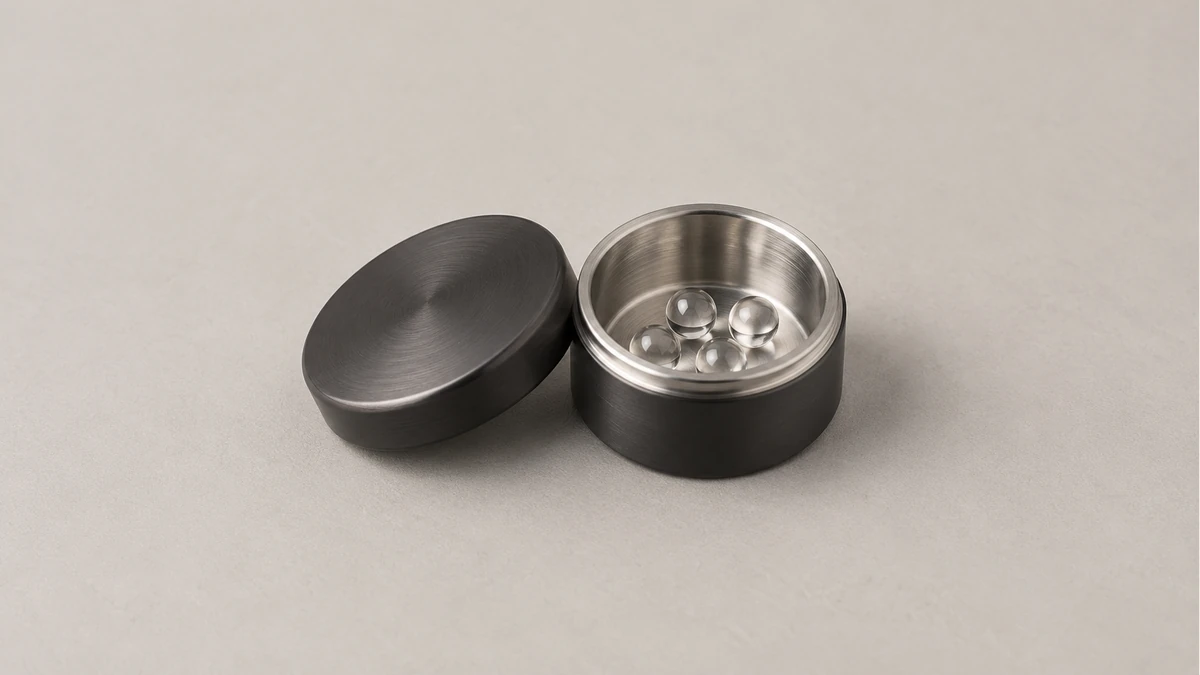
On the storage side specifically, a shallow, lidded tray kept apart from larger glass pieces is a simple way to keep a small sphere from disappearing between cushions or getting swept up with debris during cleanup. A dedicated storage approach built for small accessories is worth looking at if loose pieces keep going missing between sessions. And losing a pearl, by itself, isn’t evidence that a device is broken — it means the accessory is temporarily absent, which is a very different situation from a powered component failing outright.
📦 6.1 A Rattle Does Not Identify a Broken Part
If a carrying case makes a noise, open it over a clear contained surface and identify the loose object while the equipment is cool. A sphere loose in its storage compartment and a fragment from a larger glass part can both make a sound. Do not identify one from the noise alone. Retain the actual part information for small accessories, especially if different materials or sizes are stored in the same case. The color and outline of a loose piece may help you recognize it without proving its exact specification.
A small lidded parts pot serves a different job from the large padded compartment holding a rig. The large compartment protects and organizes the main body; it may leave many spaces where a tiny sphere can hide. Keep the pot identifiable and separate from used swabs or disposable packaging, so an accessory is less likely to be discarded during cleanup. This simple organization step remains useful whether the pearl is used regularly, kept as a spare or omitted from a chamber that permits operation without it.
🔐 7. Checking Whether a Device Actually Permits One
Before adding a pearl to any chamber, the more useful first question isn’t size — it’s permission. Does that specific device’s chamber design and documentation actually call for, or allow, a loose accessory like this at all? Dropping a small sphere into an arbitrary 510 cartridge or a dry-herb cup it was never designed for isn’t the same situation as a dab chamber built with a pearl in mind, and treating the two as interchangeable risks placing a loose object somewhere it has no clear, intended airflow path.
A large exterior body also doesn’t tell you much about what the internal chamber actually looks like. Outward size and internal chamber geometry are two different measurements, and assuming one predicts the other is part of why sizing questions get answered so inconsistently in casual conversation. A clear sphere and a colored one don’t indicate a different material formula, either — color alone isn’t a reliable way to identify what an accessory is actually made from, and guessing material from appearance is a habit worth dropping along with guessing size from outer joint diameter.
🧭 8. Confirming Permission, Then Staying Organized
So the practical path for anyone holding a small, quiet sphere and wondering what to do with it starts with that specific device’s own documentation, not with forum consensus: find out whether the chamber in question is designed to use a loose accessory like this at all, and if so, what it’s actually made from. Once that’s settled, the rest comes down to habit rather than troubleshooting — inspection only when the device is cool and separated as its instructions permit, a dedicated shallow space for it when it’s out of the chamber, and treating a cleaning pass on the accessory as a separate job from cleaning the device’s sealed body.
None of that requires guessing at a universal size or assuming that stillness or residue automatically means something has failed. It just means knowing, for the specific chamber in front of you, whether the pearl belongs there in the first place — and keeping track of it, deliberately, either way.