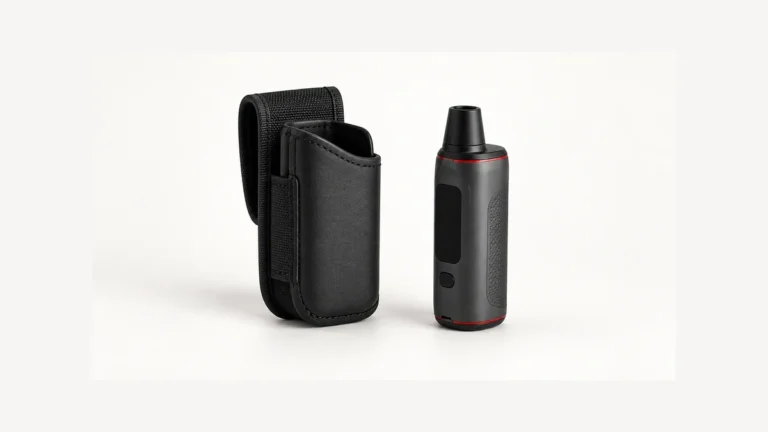
Black Friday pricing can make a mediocre device look like a steal, and it can make a genuinely good device disappear from comparison entirely because the discount banner is louder than the specification sheet. The real question isn’t “how big is the discount,” it’s “would I buy this exact hardware at full price if the countdown weren’t there.” Answering that question takes about five minutes of checking before checkout, and it’s the same five minutes every year regardless of which retailer is running the sale.
This guide is built around a repeatable evaluation process rather than a list of deals that will be gone by the time you read this. The goal is to give you a way to look at any Black Friday vape listing —this year, next year, on any site —and decide quickly whether it’s worth your money.
🧭 1. A discount is only useful on the right hardware
A percentage off a device you weren’t already planning to buy isn’t a deal, it’s a distraction. Before you look at any Black Friday listing, write down what you actually need: a replacement for hardware you already own and understand, or a new device you’ve researched outside of the sale period. If you’re shopping without a specific need in mind, the discount itself becomes the reason to buy, and that’s how people end up with chargers, batteries, or cartridges that don’t match anything else they own.
It also helps to separate “new to me” from “new model.” A device can be heavily discounted because it’s being replaced by a newer revision, not because the retailer is being generous. That’s not necessarily a problem —older hardware that’s well understood can be a reasonable buy —but you want to know which situation you’re in before you commit, not after.
🧩 2. Confirm the exact model, revision, and seller
Vape listings frequently bundle several hardware revisions under one product title, especially during high-traffic sales periods when catalog pages get reused from prior years. A model name alone doesn’t guarantee you’re getting the version with the connector, chip, or capacity you expect. Before adding anything to a cart, check the listing photos against the actual product packaging or the manufacturer’s own product page, and look for a revision number, batch code, or release year if the maker publishes one.
Seller identity matters as much as the model number. A listing that doesn’t clearly state whether it’s sold and shipped by the manufacturer, an authorized retailer, or a third-party marketplace seller leaves you without a clear line of accountability if something goes wrong. If the seller information is vague, buried, or missing entirely, treat that as a signal to slow down rather than a detail to skip past.
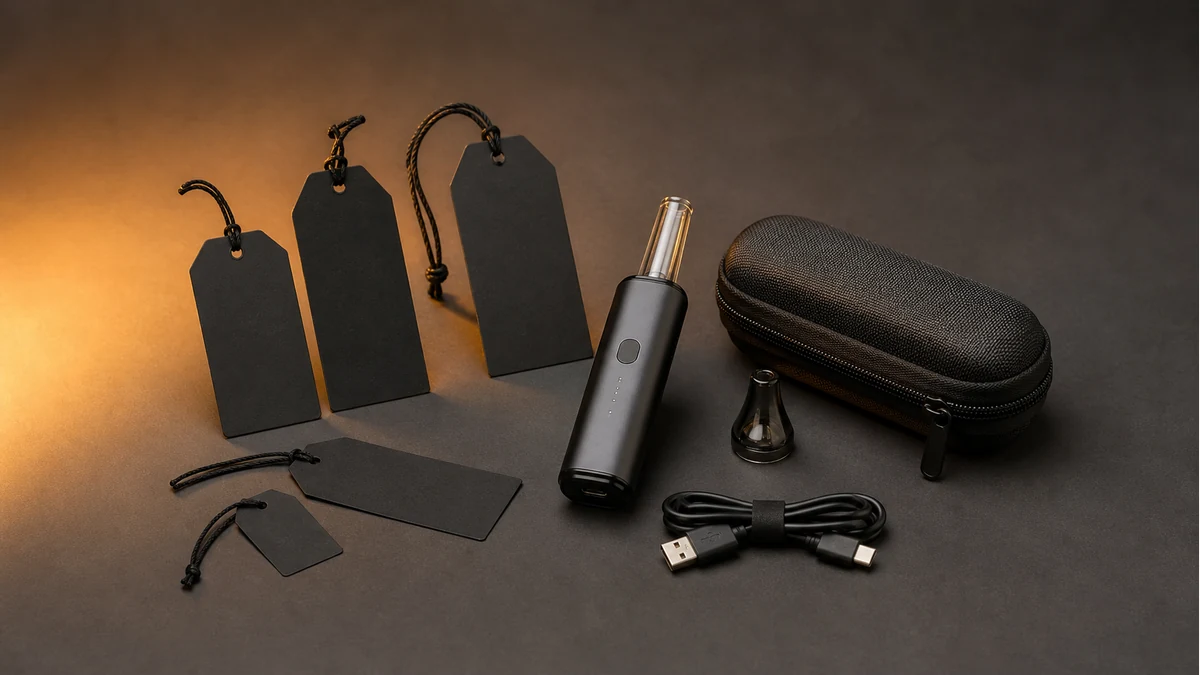
If you already own a device and are shopping for a second unit or a direct replacement, our reusable vape pen guide walks through how to identify what you actually have before you buy anything that’s supposed to match it. That step matters more during sales, when listings are optimized to move volume quickly rather than to help you compare revisions carefully.
🔍 3. Compare the full kit rather than the headline price
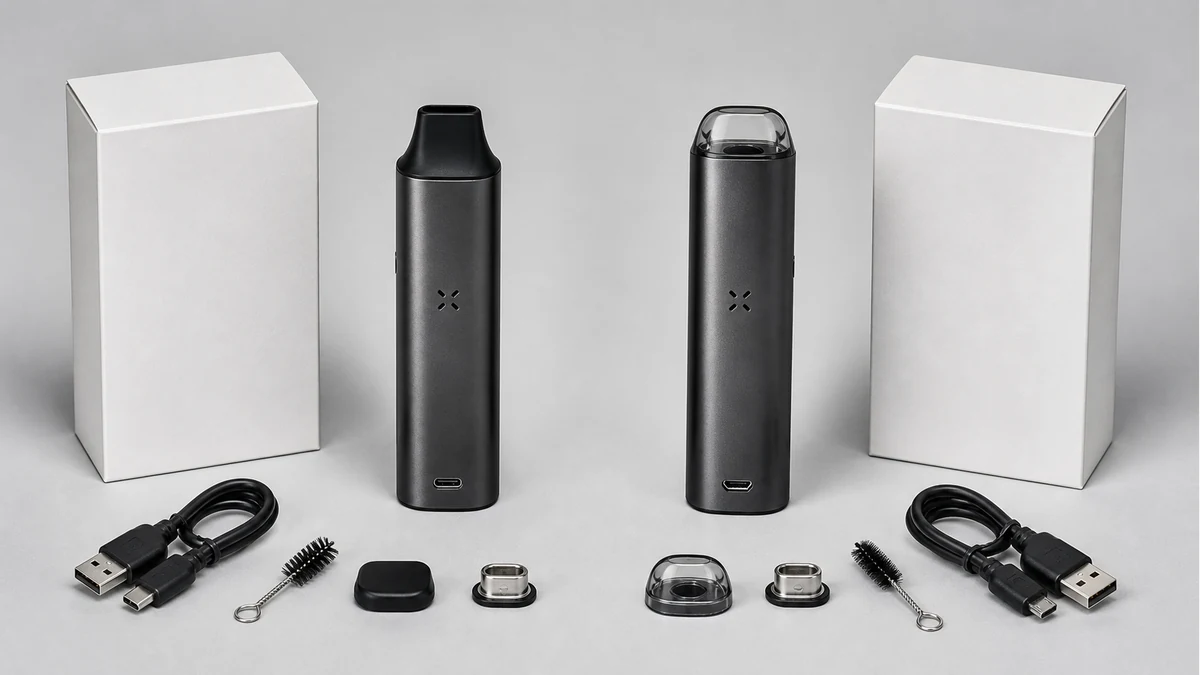
The number in the sale banner usually reflects the cheapest version of a listing, which is often the device alone with no charger, no spare parts, and sometimes no manual. Two listings advertising the same discount percentage can leave you with very different amounts of usable hardware once you check what’s actually included in the box. Read the full contents list, not just the product title, and compare it item by item against a version of the kit you’d buy at full price.
Pay attention to accessory language specifically. “Compatible with” and “includes” are not interchangeable —the first means you’d need to source the accessory separately, and the second means it ships in the box. A kit that’s missing a charging cable or an extra atomizer isn’t automatically a bad deal, but it changes the real cost once you account for buying those pieces separately at regular price.
⚙️ 4. Check replacement parts before buying the device
A device is only as useful as its ongoing part supply. Before buying anything on sale, search for the specific replacement parts that device uses —coils, atomizers, seals, mouthpieces —and confirm they’re sold separately and currently in stock somewhere, not just bundled once inside the discounted kit. A device that arrives with everything you need today but no restocking path for consumable parts becomes disposable the moment those parts wear out.
This check matters more for hardware close to end of life, since some models get discounted heavily right before a manufacturer discontinues them, which is also when replacement parts start to disappear from retailer catalogs. If you can’t find independent listings for that device’s parts, ask yourself whether you’re comfortable with the kit’s included spares being the only ones you’ll ever get.
For a broader look at which parts wear out on typical devices and how to plan around replacing them, see our vape parts guide. It’s worth reading before a sale, not during one, since part compatibility research takes longer than most checkout windows allow.
🧼 5. Treat batteries, old stock, and storage history carefully
Deep discounts on battery-powered hardware sometimes reflect the age of the stock rather than a retailer’s generosity, and older stock that’s been sitting in a warehouse doesn’t always perform like a freshly manufactured unit. Rechargeable batteries lose some capacity simply from time and storage conditions, independent of use, so a device that’s been sitting unsold for a year can behave differently than the same model bought when it first launched —even though nothing about the listing tells you that.
There’s no reliable way to judge a battery’s storage history from a product photo, so instead look at signals you can actually verify: a manufacture date on the packaging if the brand provides one, a listing that specifies current production rather than “clearance” or “final stock,” and —always —the manufacturer’s own guidance on charging and storing that specific battery type. Follow the maker’s manual for charging behavior and safe storage rather than general advice you find elsewhere, since battery chemistry and charging circuitry vary by device.
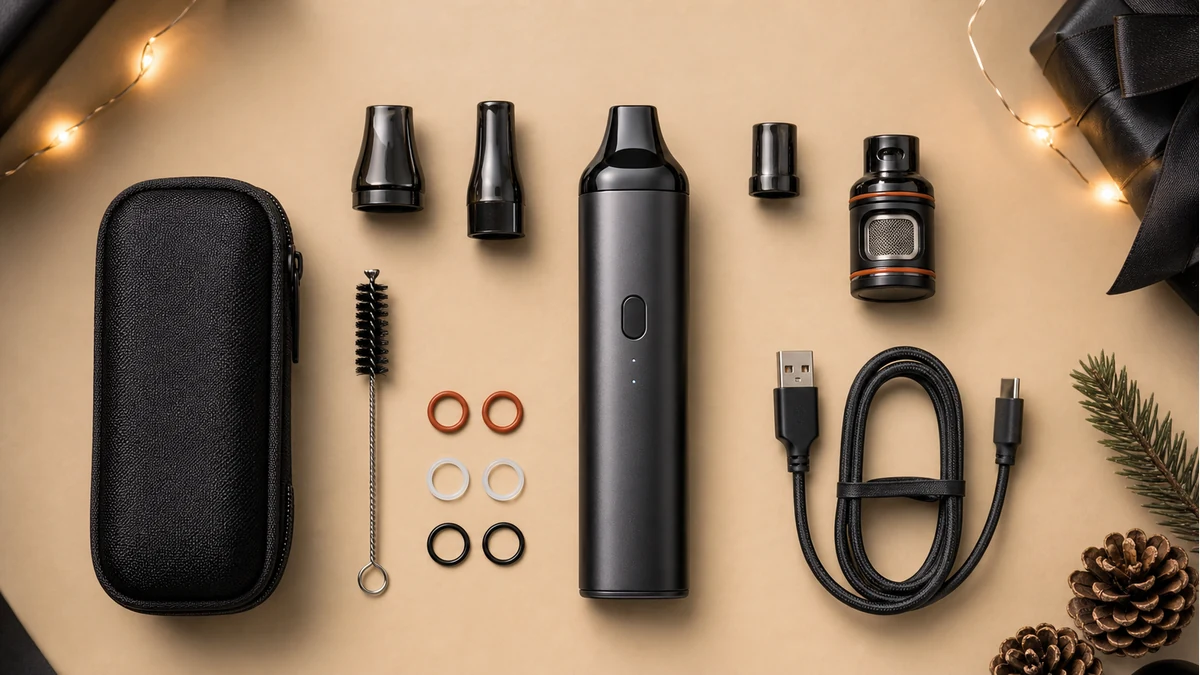
Storage conditions before you even receive the device also affect how it performs once it’s in your hands, and that’s true of the accessories around the battery too. Once you own the hardware, our vape cleaning kit guide covers how proper maintenance and storage extend the working life of a device you’ve already committed to —which matters more, not less, when you bought it during a high-volume sale period and can’t easily start over with a different unit.
🛠️ 6. Read warranty and return exclusions before checkout
Sale-period purchases sometimes carry different terms than the same product bought at full price, and those differences are usually disclosed somewhere on the listing page rather than announced up front. Before checking out, look specifically for language about “final sale,” “clearance,” or “as-is” —any of these can mean the standard return or warranty policy doesn’t apply to that particular listing, even if the product page elsewhere references a general warranty.
It’s also worth checking who handles the warranty claim: the manufacturer directly, the retailer, or a third-party marketplace seller. A claim that has to go through a marketplace seller who’s no longer active after the sale event ends is a claim that may never get resolved. If the warranty terms aren’t stated clearly on the page, that absence is itself useful information —it tells you the coverage isn’t guaranteed, whatever the discount looks like.
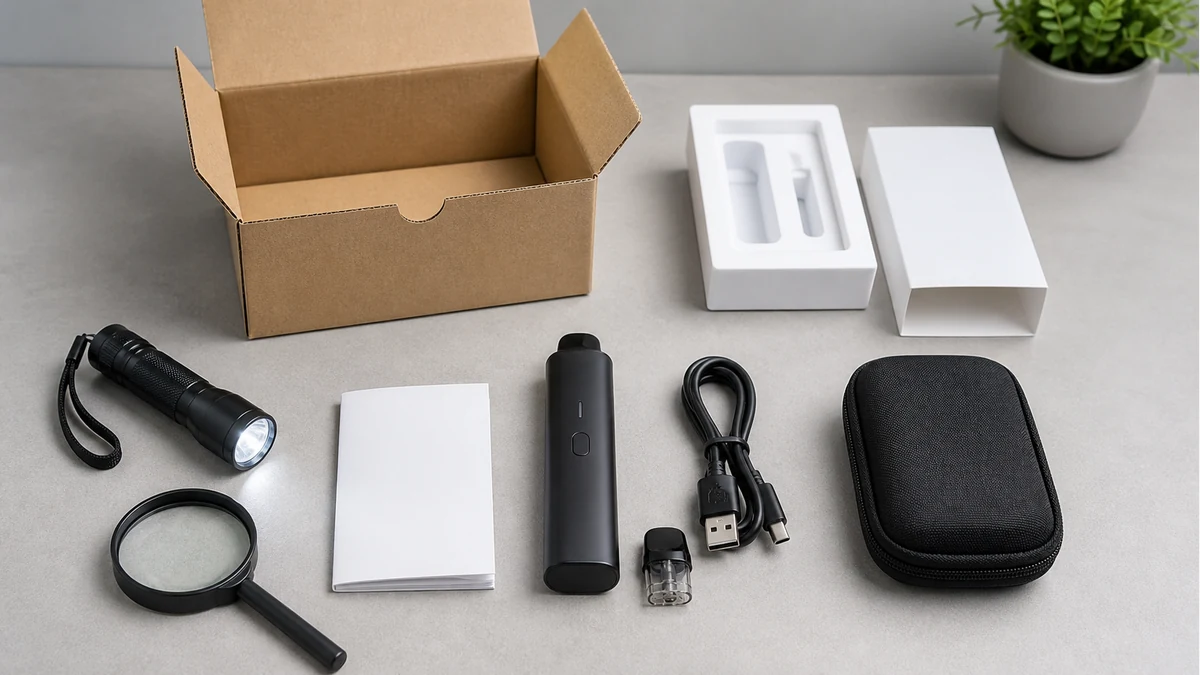
📦 6.1. Separate an old model from old inventory
A familiar model name does not tell you how long a particular unit has been stored. Seasonal clearance can include a current device in a slow-selling color, a prior revision with different components, or inventory that has spent a long time in a warehouse. Those situations carry different risks. Compare the exact model code and included accessories with the manufacturer’s current documentation, not just with a photograph in a deal post.
For devices with built-in batteries, storage history matters because the battery cannot be evaluated from the discount percentage. Avoid packages showing swelling, impact, corrosion, or liquid damage, and follow the maker’s charging instructions after purchase. A low price does not justify using damaged power hardware.
💡 6.2. Price the first replacement cycle
Before checkout, add the realistic first round of wear parts: compatible coils or chambers, seals, charging cable if it is not included, and cleaning supplies appropriate to the device. A starter kit can be cheaper at the register yet cost more to keep running if its replacement parts are proprietary, scarce, or sold only in large packs.
This check also exposes bundles padded with accessories you would not have purchased separately. Compare the price of the core device and the parts you will actually use. Treat mystery extras as having no value until their compatibility and purpose are clear.
🧭 6.3. Keep a screenshot of the complete offer
Seasonal pages change quickly. Save the product description, included-parts list, seller identity, return window, and warranty language visible at checkout. This is not about chasing a later price change; it gives you a record of which revision and accessories were promised if the delivered box differs from the listing.
Inspect the shipment before discarding packaging. Match model identifiers, count the included parts, and stop if the battery enclosure or charging port appears damaged. Contact the seller through its stated support channel instead of trying to make questionable hardware work simply because the sale period has ended.
🧩 6.4. Decide before the countdown
A short prewritten list keeps urgency from becoming the selection method: intended material, acceptable form factor, replaceable parts, charging requirements, warranty source, and total budget. If a deal fails one of those requirements, the timer does not make it a better device. Black Friday should change the price of a suitable purchase—not redefine what suitable means.
After purchase, record the first charge and setup only to catch obvious faults—not to invent performance benchmarks. If indicators, ports, or included parts do not match the manual, pause and resolve the discrepancy while the return window is still open.
✅ 7. Use a short checklist when the countdown starts
Countdown timers and low-stock counters are designed to make you decide faster than you normally would, which is exactly when a quick checklist is most useful. Before adding a discounted device to your cart, confirm four things in order: the exact model and revision matches what you researched, the kit contents are listed item by item rather than summarized, replacement parts for that device are available somewhere independent of this one sale, and the return or warranty terms are stated in plain language on the listing itself.
If any one of those four checks comes back unclear, that’s a reasonable point to close the tab rather than push through the timer. A device that fails one of these checks isn’t necessarily a bad product, but it is a purchase you’re making with incomplete information under artificial time pressure —and that combination is exactly what a genuinely good deal shouldn’t require. The same checklist works whether you’re comparing devices, batteries, or accessory kits, and it works the same way whether the sale is Black Friday, a flash sale in March, or a clearance listing you stumble on any other week of the year.