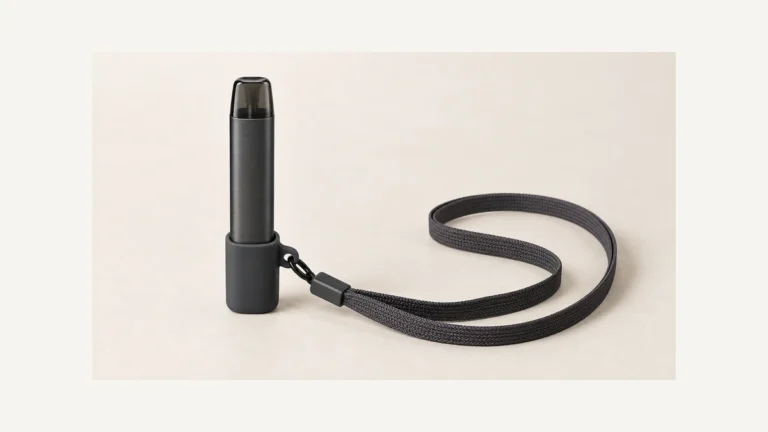
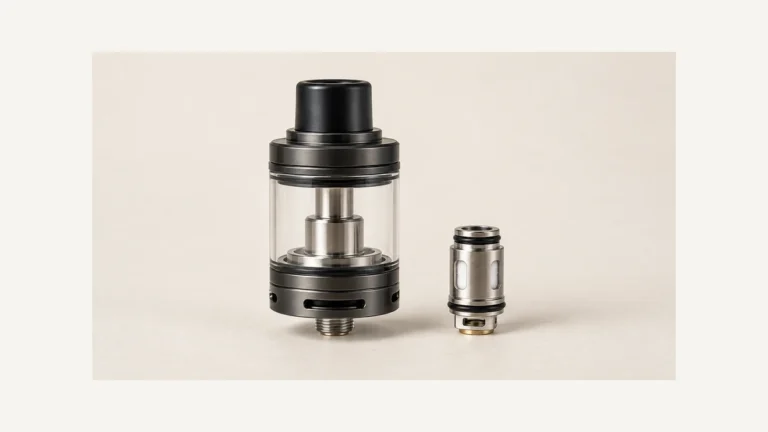
A vape pen lanyard connects a carrying strap to a device or a fitted holder. The relevant details are the connection, the complete assembly’s hanging position and access to controls. A dedicated eyelet, external ring and retaining sleeve are different arrangements. A strap does not establish that any one of them is suitable for an unrelated body, and a supplied accessory is not compulsory.
🎒 1. Why a Small Pen Needs a Deliberate Carry Plan
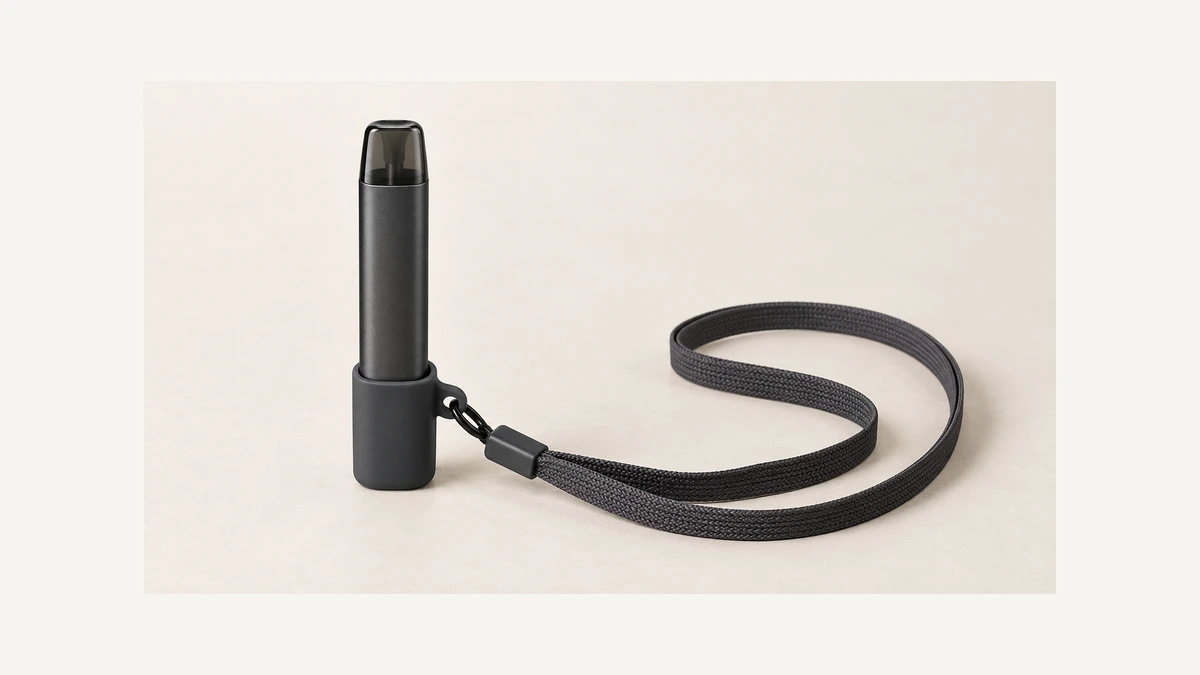
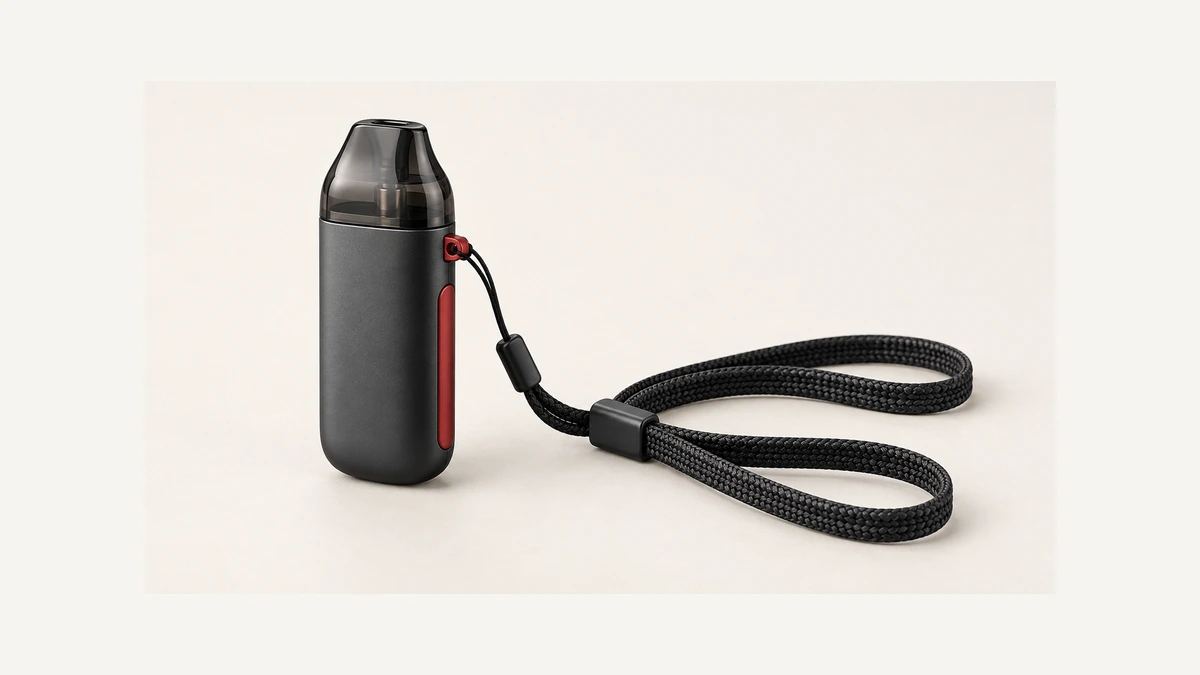
A loop around a smooth body, a fitted sleeve and a dedicated eyelet each hold the device differently. That matters when a pen has a removable mouthpiece or a tank at the top. A lanyard should use the device’s intended attachment point or a compatible holder rather than pull on a component that is meant to detach. Before considering how it looks while worn, check where the carrier holds the assembly and which controls or openings it covers.
🔗 2. Dedicated Attachment Points vs. Generic Loops
The connection at the device end is the first detail to inspect. A dedicated point belongs to the device’s construction; an external holder creates an attachment around the body. Either can be paired with a short tether or longer neck strap, but the strap does not make the attachment interchangeable. Identify the body section being held, the intended connector and the way the holder retains the device. A fit that looks snug in a photograph can still leave the wrong opening covered or place tension on a removable component.
🔎 2.1 Eyelet and Thread Loops
A dedicated eyelet or loop provides a place intended for attachment. Its opening may accept a thin cord loop rather than a large metal clip, and its construction need not be a molded hole: different bodies can use different retained features. Follow the intended attachment method instead of forcing a clasp into a small opening. The presence of an eyelet does not supply a universal load rating or guarantee drop prevention. Inspect the cord, connector and eyelet as separate parts. A frayed cord can make an otherwise intact attachment unreliable, while a damaged eyelet cannot be repaired by choosing a thicker strap.
🔎 2.2 Silicone Body Rings
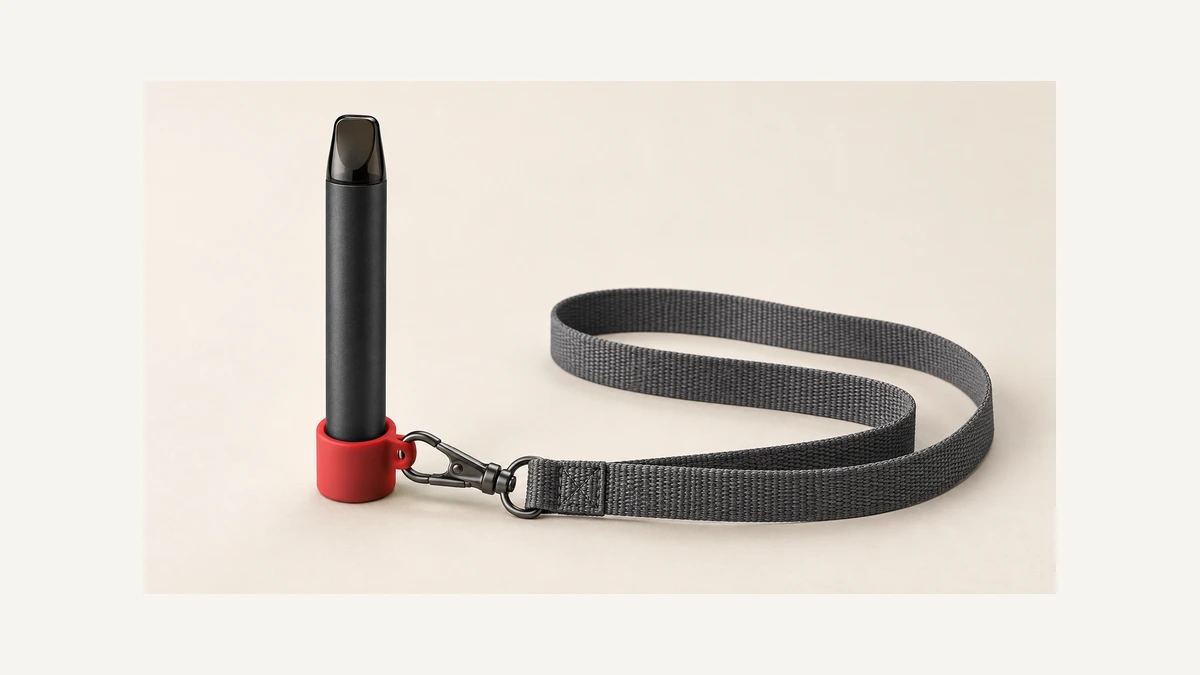
A silicone body ring creates an external attachment around a suitable part of the device. Its retention depends on the intended fit, contact surface and any locating feature rather than on a dedicated eyelet in the chassis. Diameter alone is not enough to establish compatibility: a button, taper or nearby inlet can change where the ring sits. Keep it away from removable top components unless that is explicitly the accessory’s intended design. Do not stretch a small ring over a wider assembly just because it can be forced into place. If it shifts on the body during ordinary handling, the attachment needs assessment before it is used to suspend the device.
🔎 2.3 Retaining Sleeves
A fitted sleeve surrounds more of the body than a simple ring. Some include a supporting lower section and an attachment loop or clip at the side. The cutouts need to align with the actual device, and the sleeve must retain the body without relying on the mouthpiece as a stop. A sleeve can also hide grime or damage on the exterior, so remove it for the intended inspection and care. Its coverage is not evidence of a tested drop-protection rating. A carrier intended to keep a device attached does a different job from a case intended to enclose it during storage.
🔎 2.4 Device-Specific Collars
A device-specific collar is shaped for a particular attachment arrangement, sometimes near a threaded connection. Older accessory designs mentioned in owner discussions should not be assumed to fit a current pen simply because both are narrow and cylindrical. The collar may need a particular shoulder, connector or body shape to seat as intended. An improvised ring at the tank joint can change the way parts meet or obstruct a nearby inlet. Use only the arrangement intended for the actual device and holder. A visually similar collar is not a substitute for the correct fitted part.
📍 3. Anchoring to the Body, Not the Mouthpiece
The carrier should support the intended body or attachment point. A removable mouthpiece, drip tip or cartridge has a different role and should not become an improvised suspension point. If the holder captures only the top component, the weight of the body can be carried through a connection that was not intended for that task. Inspect where the loop, sleeve or collar actually bears on the assembly. A clip around a removable cap may look secure while leaving the body unsupported. The useful question is which part would remain attached if that cap or mouthpiece were removed.
The XROS Nano manual’s component view labels a dedicated lanyard hole separately from the mouthpiece, airflow toggle and USB port. It is a short example of a purpose-built attachment location. It does not provide a strength rating for an unrelated pen holder or establish that every opening in a compact device can carry a tether.
⚖️ 4. Weight, Balance, and Hanging Angle
The complete assembly matters when judging how it hangs. A longer or heavier top component can change the balance relative to the attachment point. In an owner discussion about carrying a vape on a lanyard, one person described a heavier tank that did not hang as they wanted; another disliked the swinging movement. Those experiences identify different concerns, rather than proving a limit for every strap. Observe the whole assembled device when checking its intended carrier. A holder that fits the battery body does not, by itself, tell you how an attached tank will sit or whether exposed glass will bump nearby objects.
Battery capacity is not a direct measurement of the weight or balance of a completed pen. Nor should a battery be changed simply to alter how a device hangs. The vape pen battery guide covers the body’s electrical and compatibility questions separately. For carrying, note the actual installed components and the intended attachment point. A small pen with a tall top section may occupy more space than the holder suggests. If the complete assembly is awkward on a strap, a different carrying arrangement may be more practical than trying to restrain it with a tighter external loop.
📏 5. Body Shape and Retention
A smooth cylindrical body, a tapered body and a body with a locating shoulder offer different contact shapes. A generic ring should not be assumed to stay in the same place on all three. In a discussion of a cord-based holder, commenters asked whether it slipped, and the maker noted that its fit could change with wear.
That is an individual observation, not a knot-strength test. Inspect the actual ring or sleeve for movement, splitting or frayed attachment material. Texture alone does not guarantee retention, and an attachment should not depend on covering a button or catching behind a removable cartridge. Describe the fit on the complete device rather than transferring a success report from a different shape.
🎛️ 6. Keeping Buttons, Inlets, and Ports Clear
Look at the controls and openings after the carrier is fitted. A sleeve edge should not press a firing button, and a loop should not lie across an intended inlet. The charging port and any indicator also need their intended access. These are separate alignment checks; a clear port does not establish a clear inlet on the other side. Inspect with the device off, following its own handling instructions. Do not cut into the device body or use an electrical port as an attachment hole. If the carrier cannot retain the pen without obstructing its features, it is the wrong arrangement for that assembly.
🔓 7. Clasp vs. Breakaway: Two Different Jobs
A detachable clasp and a breakaway feature do different jobs. A conventional clip lets someone deliberately separate the strap from its attachment. A breakaway feature is intended to release under its specified conditions. A clip opening easily by hand does not establish a controlled breakaway force. If that feature matters for the intended carrying situation, rely on the accessory’s actual description and instructions. Do not add a stronger improvised connector that defeats an intended release. The clasp also deserves an ordinary condition check: a closure that no longer closes fully is a different issue from a strap that is simply longer than preferred.
🧵 8. Width, Length, and Detachable Tethers
Strap width, length and a detachable connector affect where the device rests and how easily it can be removed. A neck strap and a wrist loop are different arrangements, even when both are described as lanyards. Check the intended position with the full assembly and avoid a setup that leaves it swinging into other objects. Remove the carrying arrangement for charging when it interferes with the device’s intended resting position or cable access; use the charging instructions for the actual body. A charging lead should not become a suspension tether. Do not leave the device hanging from its USB connector just because the plug appears to hold.
🧽 9. Cleaning the Lanyard Without Touching the Mouthpiece
The holder and strap need care separate from the device. Remove them as intended and inspect the surface they were covering. Dust or residue can sit between a sleeve and the body even when the exposed exterior looks clean. Use the permitted care for the accessory material, then let it dry before reinstalling it. Do not assume every fabric strap is washable or every silicone sleeve tolerates the same solvent. The mouthpiece cleaning guide explains the separate care task for an intended removable airpath component. Washing a strap does not clean a mouthpiece, and cleaning liquid should not enter the electrical housing.
🧳 10. When a Lanyard Isn’t the Right Tool
A lanyard keeps an intended attachment close to the person carrying it; it does not enclose the mouthpiece or separate the device from surrounding objects. The pen case guide describes a different storage function. In a discussion of whether lanyards are useful, people describe both repeated misplacement and a preference for pockets or other holders. The thread is not a survey establishing an evenly divided majority. It helps identify the actual carrying problem: losing track of a small device, an unsuitable pocket, or simply not wanting to wear a strap. Choose the arrangement around that problem rather than treating the supplied accessory as compulsory.
Recheck the attachment when the installed top component changes or when the carrier is removed for cleaning. The pen may still fit inside the sleeve while a new component changes its overall length or hanging position. A shifted ring, frayed cord or damaged clasp needs its own attention. Keep that condition check separate from the question of whether a lanyard is convenient: a useful carrying idea still needs an intact, compatible connection to the actual device.
🎒 11. Check the Carrying Arrangement as a Whole
The strap can be in good condition while the holder fits poorly, or the holder can fit correctly while the clip is damaged. Look at each connection in sequence: device to holder, holder to connector, connector to strap. A decorative cord around the body is not necessarily a retention system, and a clasp attached to a small fabric tab depends on that tab remaining intact. Keep the assembly supported while inspecting it rather than testing it with a deliberate drop.
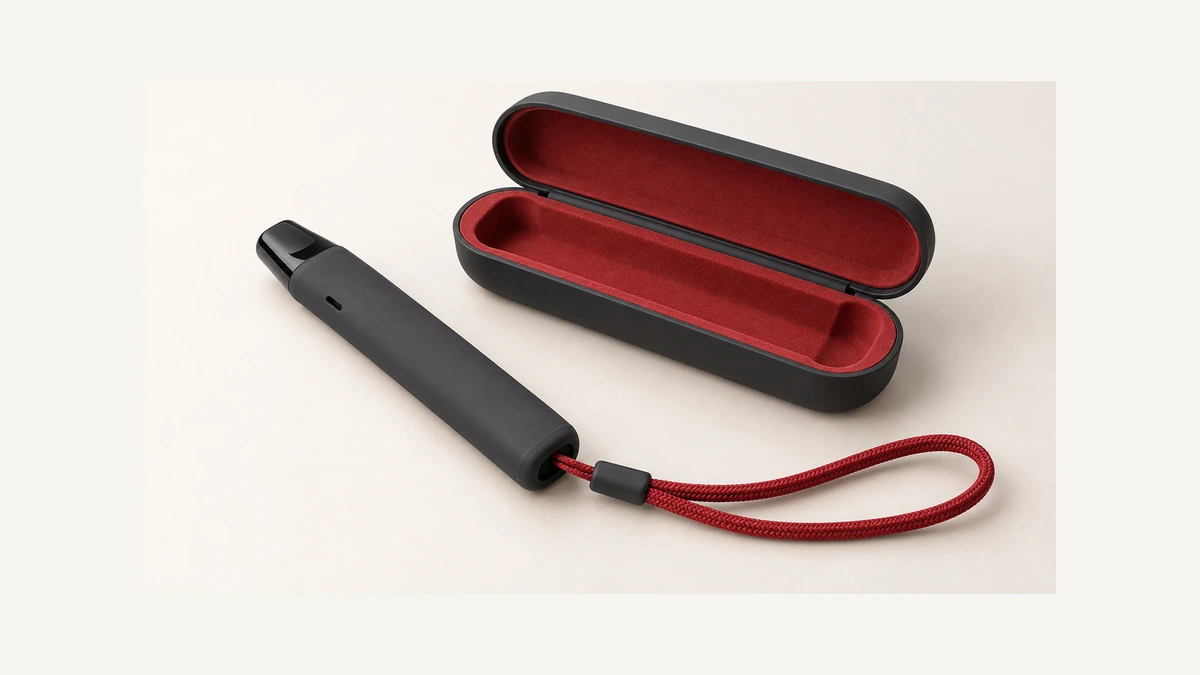
Storage after removal is another simple distinction. Put the cooled device in its intended case or clean resting place; do not leave its mouthpiece against a strap that carries external residue. Let a cleaned holder dry separately before returning it to the pen. When the parts have their own places, taking the lanyard off does not turn into another opportunity to misplace the small connector.