💧 1. Do You Put Water in a Dab Rig? The Short Answer
For most conventional glass dab rigs, yes — water is part of the design. The chamber, the downstem or percolator, and the joint are shaped around the idea that vapor passes through a small pool of water before reaching the mouthpiece. That said, “most” is not “all.” Dry rigs skip water entirely, and some electronic or nontraditional pieces are built for airflow without any liquid filtration at all. The honest answer is that device design and the manufacturer’s own instructions decide the question for any individual piece, not a blanket rule that applies to every rig on a shelf.
Before adding anything to a chamber, it helps to actually look at the piece in front of you rather than assume it works like the last one you used. Two rigs that look similar from across a room can have completely different internal pathways, and pouring water into a rig that wasn’t built to hold it is a common source of frustration.
🔍 2. Identify the Perc and Downstem Before Adding Anything
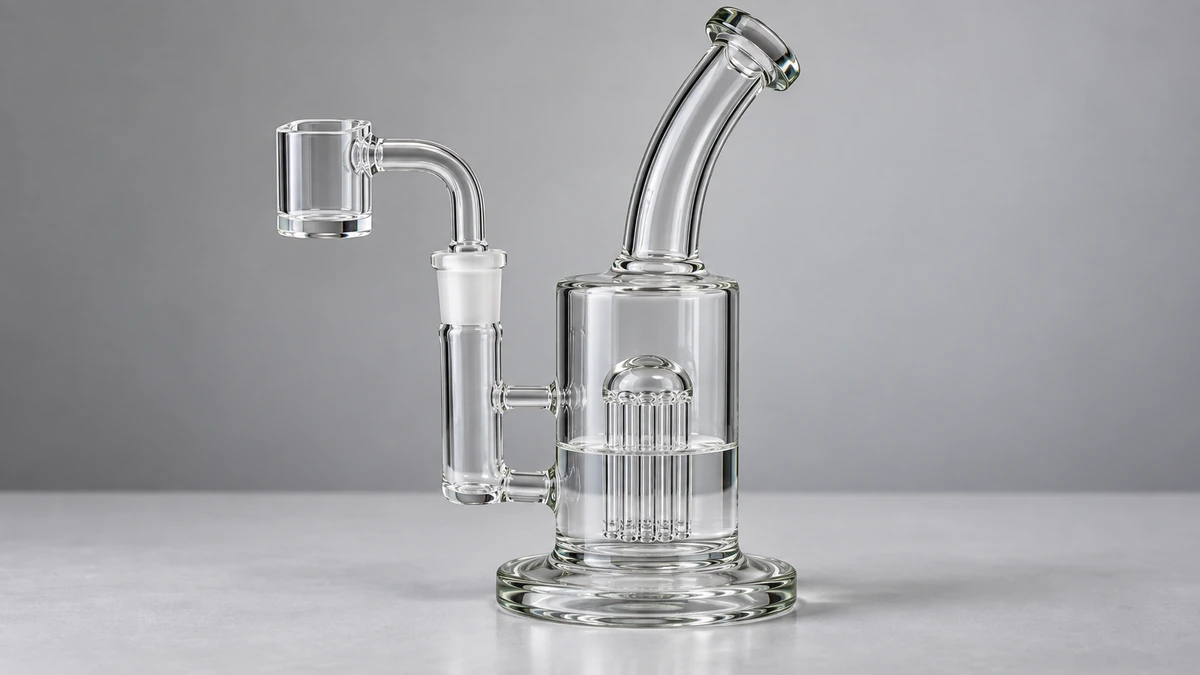
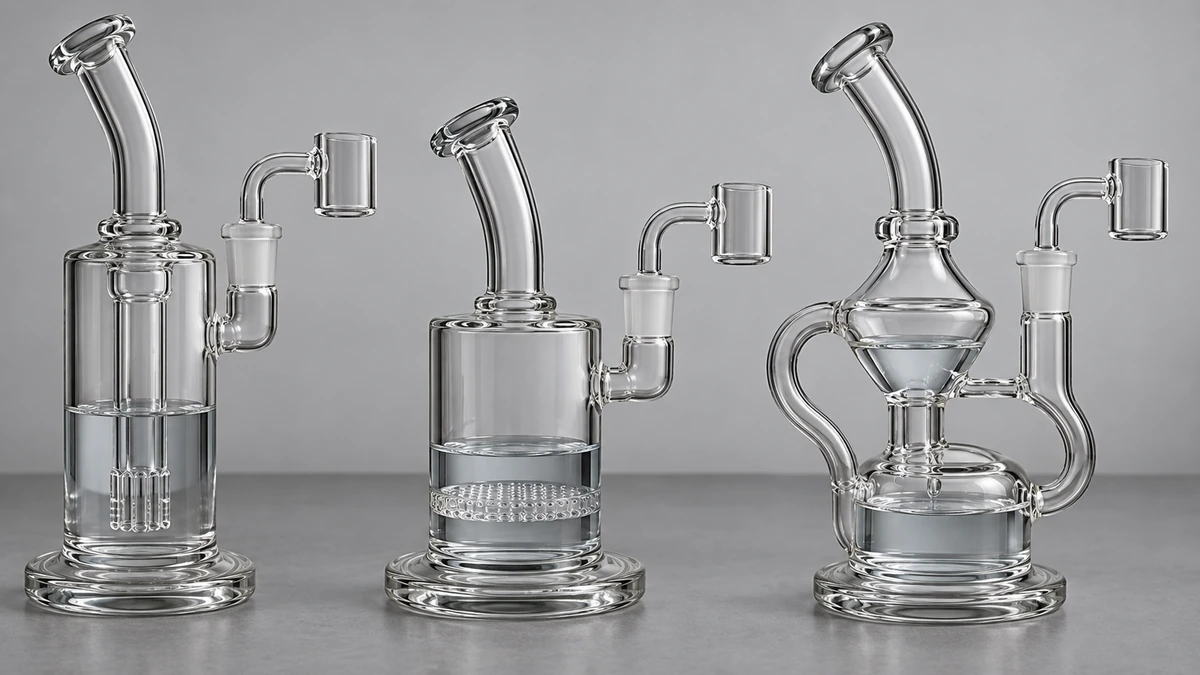
The fastest way to know whether a piece wants water is to look at how vapor is supposed to travel through it. A downstem is the tube that drops from the joint down into the base of the chamber. If that tube has slits, holes, or a diffused tip near the bottom, it’s designed to push vapor through liquid, and that’s a strong signal water belongs in the chamber. A percolator — sometimes built into the downstem, sometimes a separate chamber above it — multiplies those diffusion points, breaking vapor into smaller bubbles as it passes through.
Rigs without any submerged slits, or with a straight, unslitted tube that sits above where liquid would pool, are usually meant to run dry. Filling one of those with water rarely does anything useful and can just create an awkward puddle that doesn’t interact with the vapor path at all. If the internal geometry of a piece is unclear, the anatomy is worth reviewing in more detail — a walkthrough of components like this dab rig parts guide can make it much easier to recognize a downstem, a perc, and a functional joint on sight.
📏 3. Setting a Functional Waterline
There is no single volume of water that works across every rig — chamber shapes, perc styles, and joint angles vary too much for a universal number to mean anything. What matters more than a specific amount is where the water level sits relative to the percolator’s active openings.
🫧 3.1 Water Just Above the Active Slits or Holes
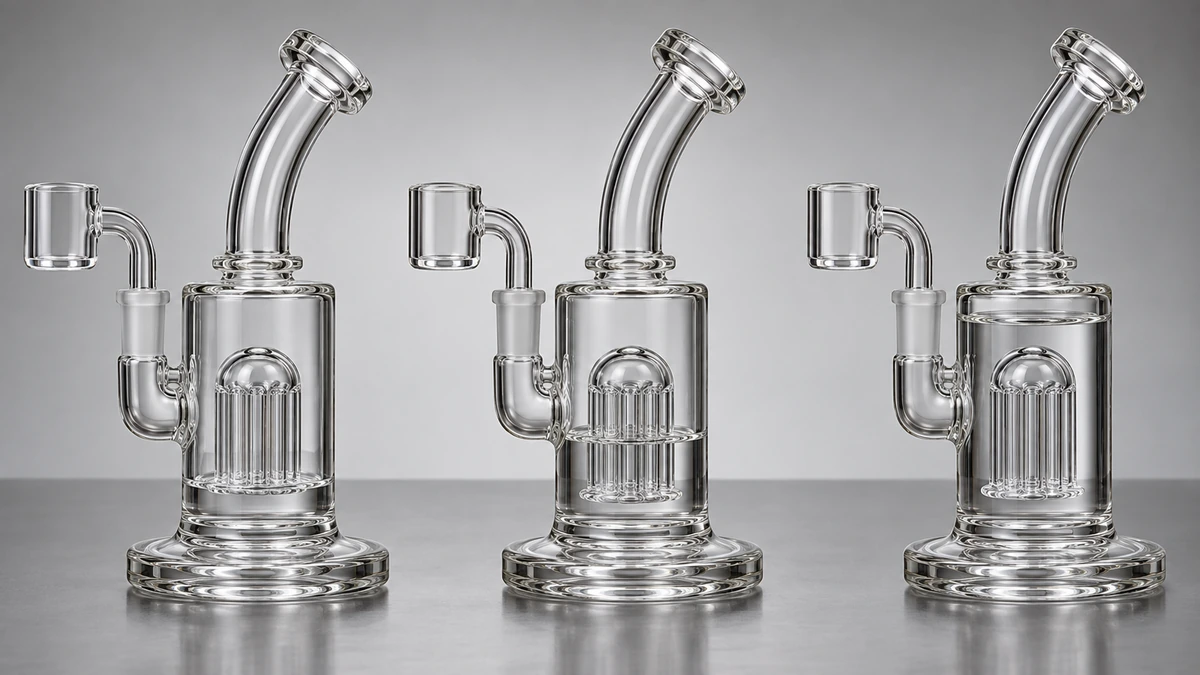
The general idea behind a functional waterline is simple: liquid should cover the slits, holes, or diffusion points on the downstem or perc, but not by very much. Just enough coverage lets vapor push through and bubble properly. If the level sits well below those openings, the water isn’t doing any filtering work. If it climbs far above them, draws get harder and the odds of pulling liquid into the mouthpiece go up. Many rigs have an etched fill line or a visibly recessed pocket in the base that marks a reasonable starting point — those markings, when present, are the most reliable reference for that specific piece.
🌬️ 3.2 Preserving Headspace Above the Waterline
Headspace is the open volume between the surface of the water and the mouthpiece. That space gives vapor room to expand, cool slightly, and travel without dragging droplets along with it. Overfilling a chamber shrinks that space and makes the piece more prone to gurgling and splashback. As a rough check, if the water level looks like it’s approaching the joint or leaving only a small gap of open glass above it, that’s usually a sign to pour some out rather than add more.
🧪 4. Testing the Draw Without Any Material
Before ever loading a nail or banger, it’s worth pulling air through an empty rig with water in it. This dry test shows how the piece behaves under draw pressure without introducing anything else into the equation. A smooth pull that bubbles evenly through the perc without gurgling loudly or spitting water upward is a good sign the level is set well.
If the draw feels unusually restrictive, or if water is audibly splashing or climbing toward the joint during the pull, that’s useful information before the piece is ever heated. Adjusting the waterline at this stage — a small pour out, or a small top-off — is far easier than troubleshooting mid-session. This test is also a good moment to check the joint connection itself, since a loose or misaligned joint can pull extra air and throw off how the water behaves even when the level is otherwise fine.
⚠️ 5. Splash and Dead-Water Symptoms
Two opposite problems tend to show up when a waterline is off, and recognizing them helps pinpoint which direction to adjust.
Splash happens when there’s too much water, too forceful a draw, or too little headspace. It shows up as water droplets reaching the mouthpiece, a wet or sputtering sound during the pull, or visible water climbing partway up the neck of the piece. The fix is almost always to remove a small amount of water and retest.
Dead water is close to the opposite issue: a waterline set so low that it barely covers the perc’s openings, or a perc design that’s become partially clogged with residue. In either case, the water sits there without doing much filtering, and the draw may feel flat or unusually easy in a way that suggests the perc isn’t being engaged. Topping off slightly, or cleaning a perc that’s built up residue over time, usually resolves it.
🔁 6. Recycler Paths and Water Behavior
Recycler rigs add a second connected chamber and a return path, so water and vapor circulate continuously between the two rather than sitting still in one pool. Because the water is actively moving through a loop while in use, these pieces are more sensitive to fill level than a simple single-chamber rig. Too little water and the recycling action barely starts; too much and the loop can choke or push liquid where it shouldn’t go.
Getting a recycler’s waterline right often takes a bit more observation than a standard rig — watching how the water moves through the loop during a dry draw test is the clearest way to see whether the level is helping or hindering that circulation. Recyclers are one of several structural variations worth understanding on their own terms, alongside straight tubes, showerhead percs, and other configurations covered in a broader look at different types of dab rigs.
🪷 7. Compact Chambers and Bubbler-Style Rigs
Smaller, more compact chambers — including bubbler-style dab pieces — hold noticeably less water than a full-size rig, and that smaller volume means fill level matters even more precisely. A splash of water that would be barely noticeable in a tall chamber can be enough to flood a compact one and cause splashback almost immediately.
These pieces are also more likely to have a shallow, wide base rather than a deep well, which changes how the waterline interacts with the percolator geometry. Because compact and portable rigs vary so much in internal shape despite their similar external size, it’s worth checking a piece-specific resource before assuming a fill amount that worked on a larger rig will translate directly — a dedicated bubbler for dabs guide covers those size-specific considerations in more depth.
🎒 8. Tilt, Transport, and Spill Prevention
Water-filled rigs are naturally sensitive to angle. Tilting a rig even moderately while it’s in use can shift the waterline enough to cause splashback, especially in pieces with less headspace or a wider chamber base. Keeping a rig upright during a draw, rather than tilting it toward the mouth, keeps the water where it belongs relative to the perc.
Transport is the other place where water causes trouble. Moving a rig with water still inside — even a short distance across a room — risks spills, and packing one for travel with water left in it is a common source of damage or mess. Emptying the chamber before moving or storing a rig, and letting it dry out between sessions, avoids most of these issues entirely.
🧽 9. Cleaning the Chamber and Perc
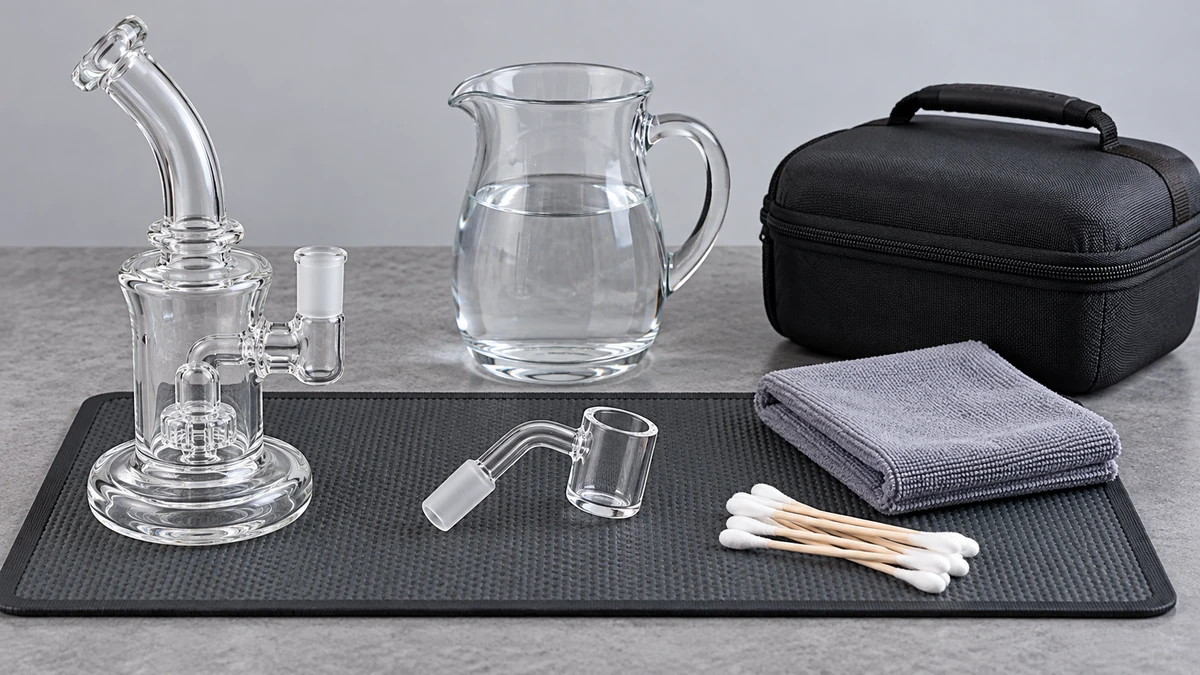
Water sitting in a chamber between sessions tends to pick up residue, and that buildup can slowly narrow or clog the slits on a downstem or perc. A perc that’s partially blocked behaves a lot like one with too little water — the draw feels off even though the fill level might be correct — so cleaning is as much a part of getting good performance as the waterline itself.
Emptying the water after each use, rinsing the chamber, and doing a more thorough cleaning on a regular basis keeps the internal pathways clear. For pieces with intricate percs or recycler loops, a gentle back-and-forth rinse helps dislodge residue from spots that are hard to reach directly. Letting the piece air dry with no standing water left inside also reduces buildup over time compared to leaving water sitting in the base.
🚫 10. Dry Rigs and Nontraditional Designs
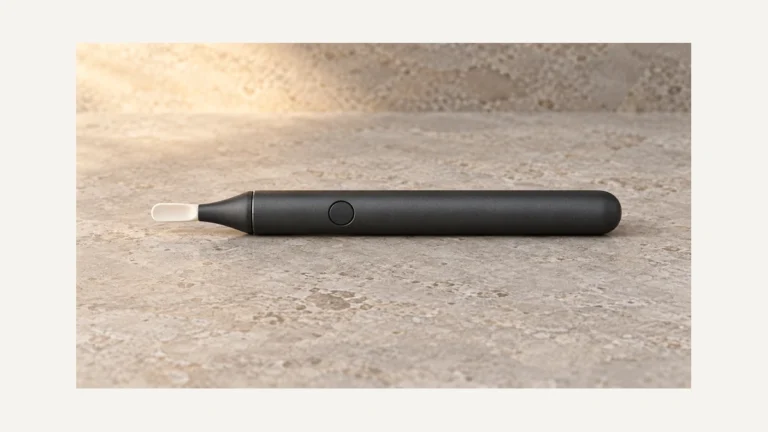
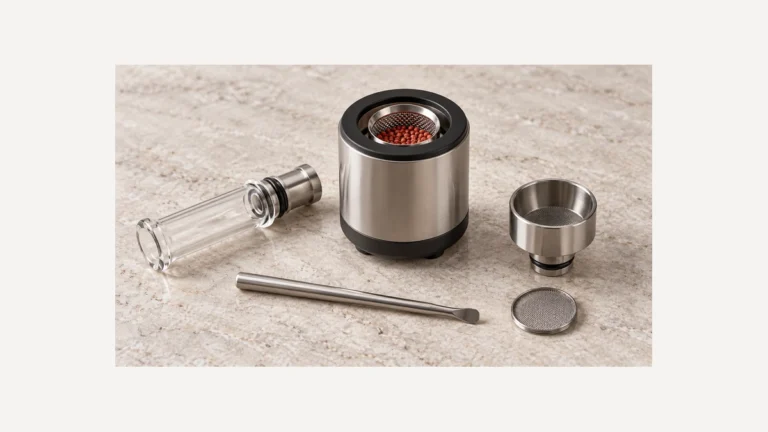
Not every rig is built around water, and forcing the question onto a piece that wasn’t designed for it doesn’t improve performance. Dry rigs route vapor straight from the joint to the mouthpiece without any liquid chamber, relying entirely on airflow and internal shape for the path vapor takes. Some electronic setups and other nontraditional designs follow the same approach, particularly when the internal engineering already accounts for airflow and cooling without a water reservoir.
Because these designs differ so much from one another, the manufacturer’s instructions are the deciding factor for any specific piece — a chamber that looks like it could hold water isn’t automatically meant to. When a rig’s design is ambiguous, checking for a downstem with submerged slits, an etched fill line, or explicit guidance from the maker is a more reliable approach than guessing based on general habits from other pieces. Understanding the range of designs out there, from traditional water-based rigs to dry and electronic alternatives, makes it much easier to tell at a glance which category a given rig actually falls into.
🧭 11. Use a Cold-Draw Waterline Check
When a dab rig is designed for water, the perc openings need to sit below the waterline while the outlet and upper chamber retain headspace. Add a small amount, draw through the unheated piece, and watch which openings bubble. This reveals the working route without relying on a generic fill measurement that may not match the chamber.
💧 11.1 Too Little and Too Much Leave Different Clues
If some perc openings remain dry or the draw sounds uneven, the waterline may be too low or the rig may be tilted. If water climbs the neck, reaches the mouthpiece, or approaches a joint during an ordinary draw, reduce the level. The useful range is often narrower in very compact chambers.
📐 11.2 Table Level Matters
Check the rig on a flat surface. An angled base changes which perc openings are submerged and can make a correct volume look wrong. Jointed accessories can also shift balance, so evaluate the assembled cold setup rather than the empty glass alone.
✅ 12. Let the Perc Answer the Question
Some pieces are dry-path designs and others are built around water filtration. Product photos, a visible perc, and maker instructions provide stronger evidence than the word “rig” by itself. If no water chamber or submerged diffuser is present, adding water may simply send liquid where it was never intended to go.