
CCELL Palm Pro vs Yocan UNI Pro: 510 Battery Housing and Adapter Design
Compare the documented receiving bays, magnetic adapters and housing controls on the CCELL Palm Pro and Yocan UNI Pro 510 batteries.

Compare the documented receiving bays, magnetic adapters and housing controls on the CCELL Palm Pro and Yocan UNI Pro 510 batteries.
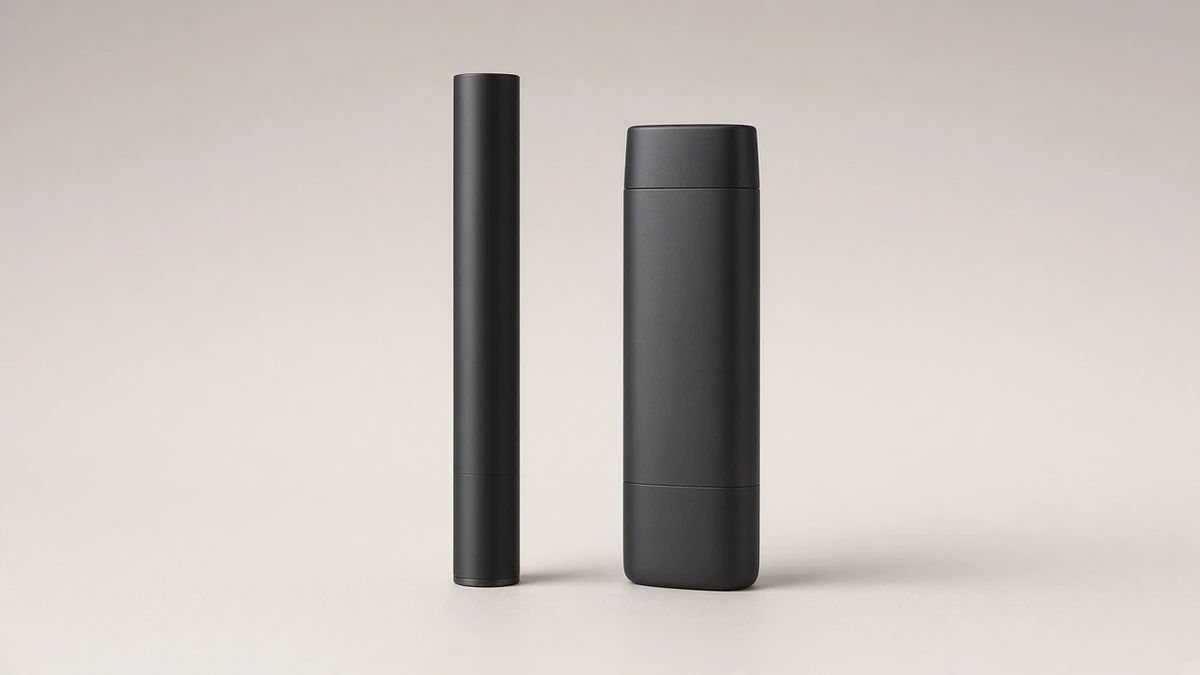
A vape device may be built around a sealed cell that is charged in place, or it may accept a removable cell the user can take out. This guide shows how to identify that power architecture on a sample and in the manual, and why a printed cell size is not, by itself, a user-swappable battery.
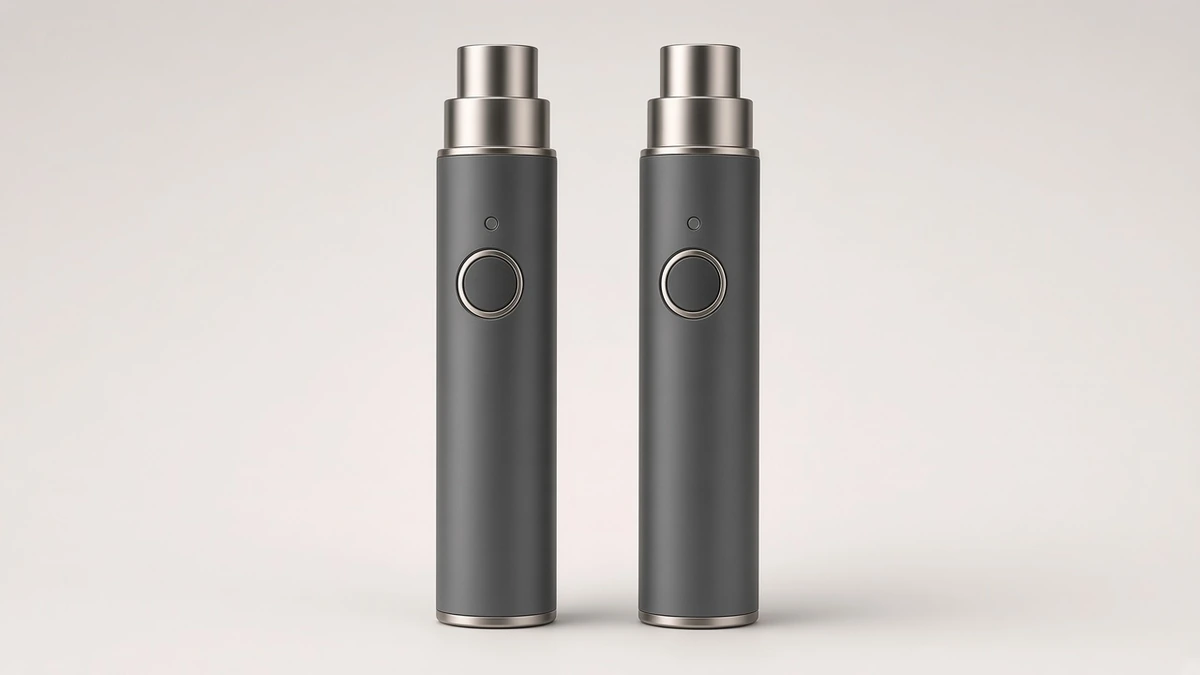
A wax pen may heat only while the button is held, or it may run a timed session after a documented sequence. This guide shows how to identify that cycle on the exact version, and why a safety cutoff during a held press is not the same thing as session mode.
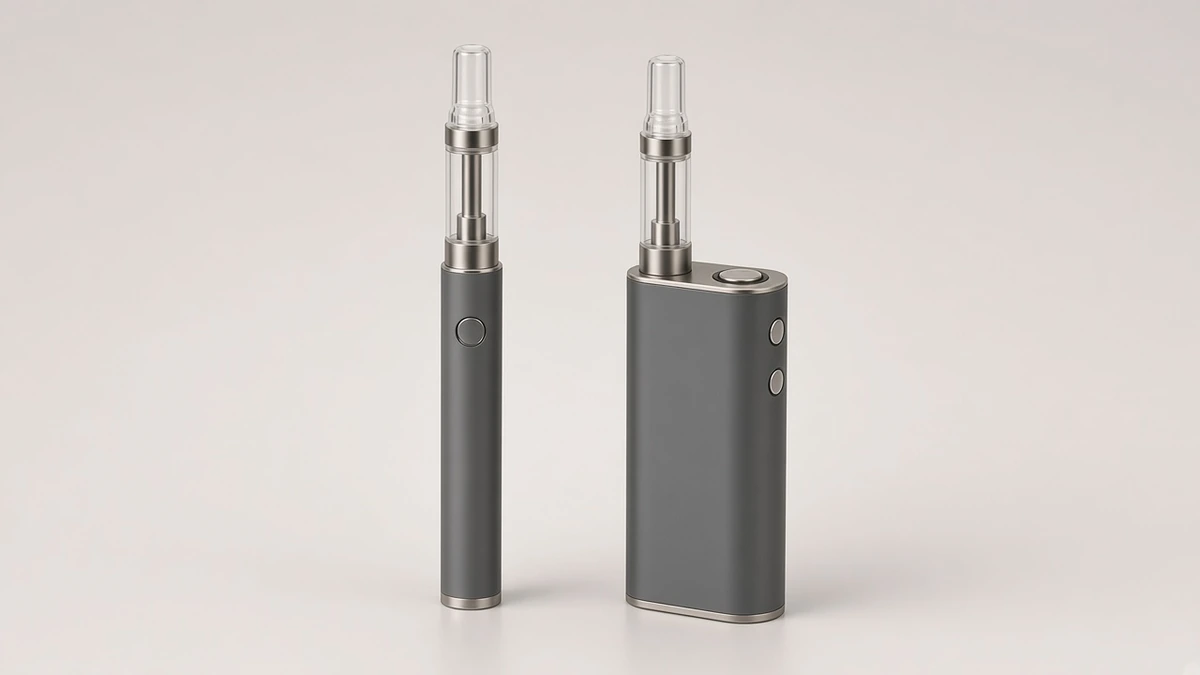
A 510 battery may put power, voltage, preheat, and lock on a single button, or it may give voltage its own keys. This guide shows how to identify the control layout on a sample and in the manual, and why a click sequence from another version does not map the board in front of you.
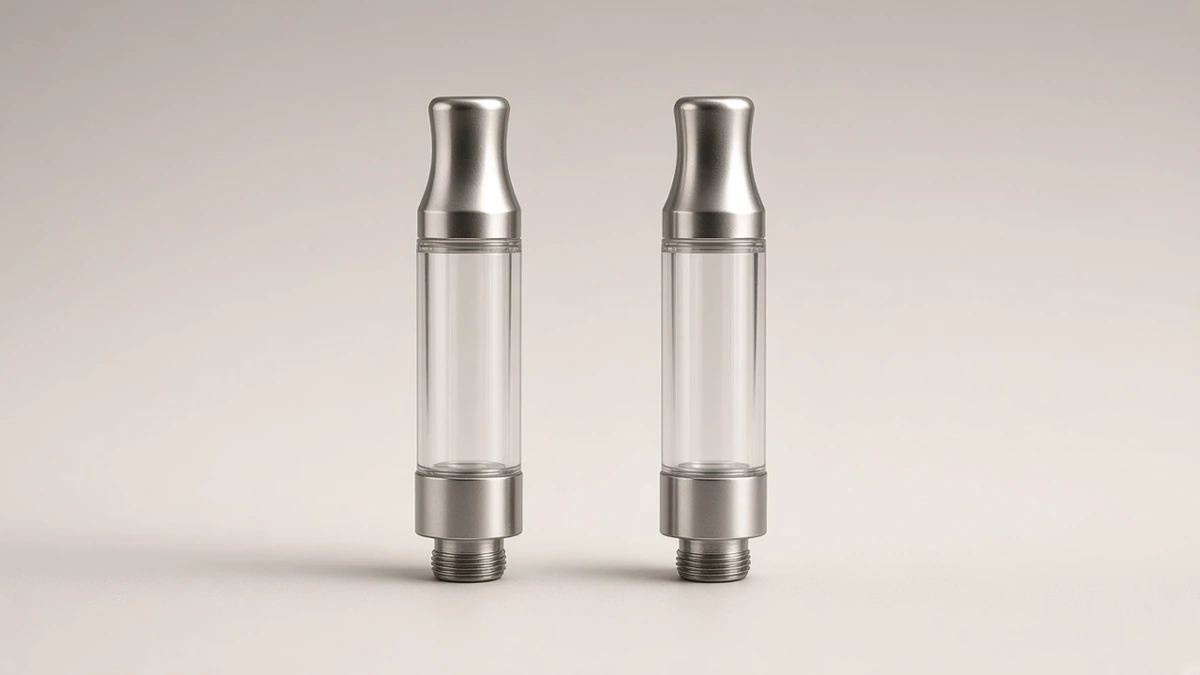
A 510 cartridge mouthpiece may be pressed on along the axis of the cart or screwed on. This guide shows how to identify the closure on a sample and a drawing, and why a press-fit top is not, by itself, a child-resistant lock or a refillable design.
As of 20 November 2026, contemporaneous news reports say a federal judge denied a temporary restraining order against the Illinois Hemp Act after a 19 November hearing, without prejudice. In Massachusetts, the Cannabis Control Commission’s 17 November meeting approved a required hemp-market study and directed staff to bring draft regulations to a 10 December meeting. This briefing separates those events from a still-pending preliminary injunction and from four regulatory models that remain options, not a selected law.
A dry herb vaporizer may be heated with a flame or torch against a cap or chamber, or it may use an electric heater powered by a battery. This guide shows how to identify that power path on a sample and in the manual, and why a removable cap is not, by itself, a flame-powered design.
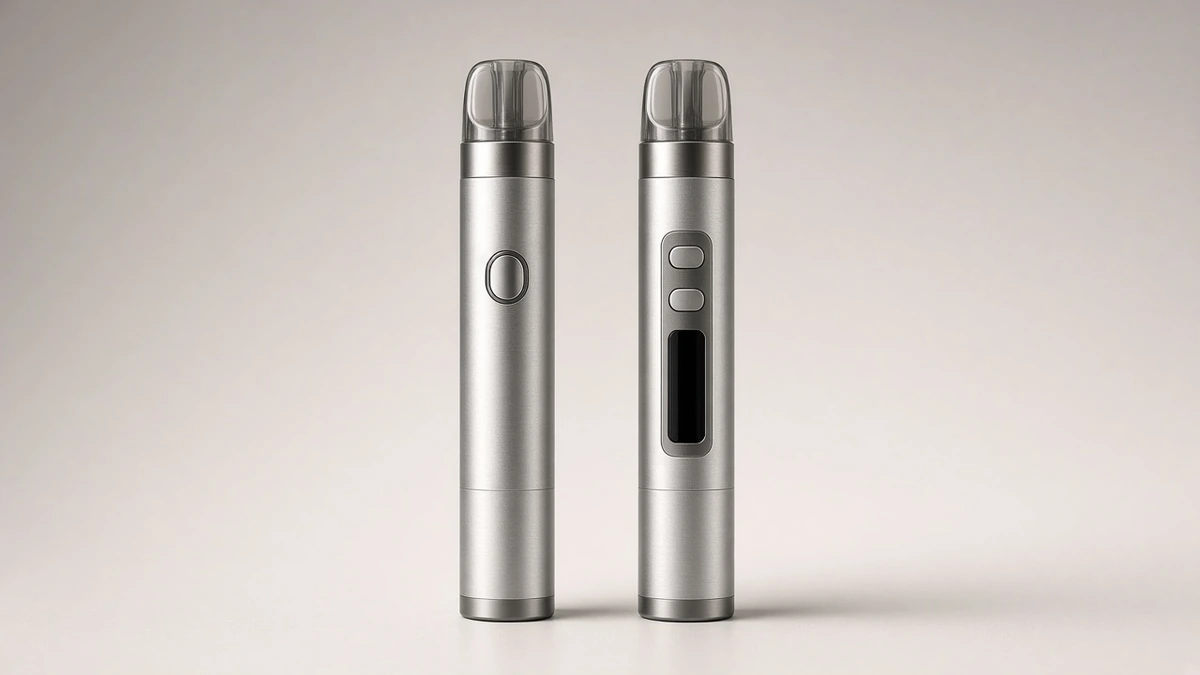
A wax pen may fire at a single documented output, or it may offer voltage or heat steps the user can change. This guide shows how to identify that control on the exact version, and why a number on a listing is not, by itself, a temperature-control system.
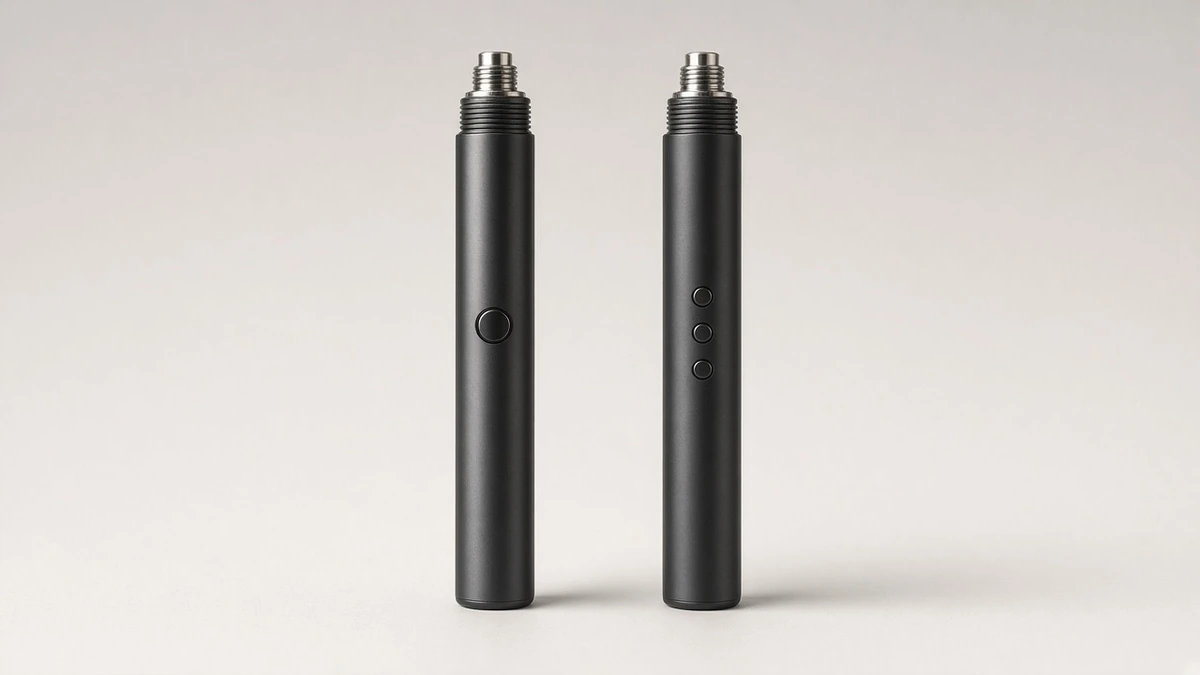
A 510 battery may run a documented preheat cycle, leave warming to a manual low voltage, or offer neither. This guide shows how to identify that warmup path on the exact version, and why a two-click habit from another battery is not a universal preheat command.
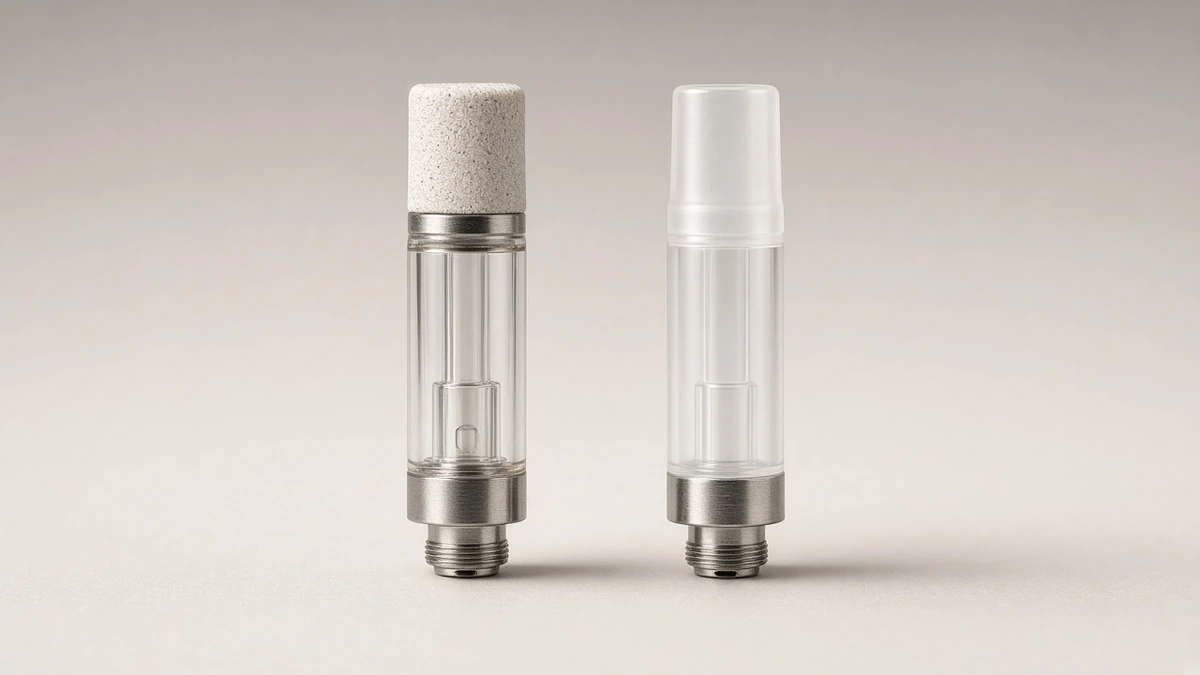
A 510 cartridge mouthpiece may be a polymer tip, a ceramic piece, or another construction. This guide shows how to identify the tip as a complete part, and why a “ceramic” label is not, by itself, a heating-core fact or a proof of fit.