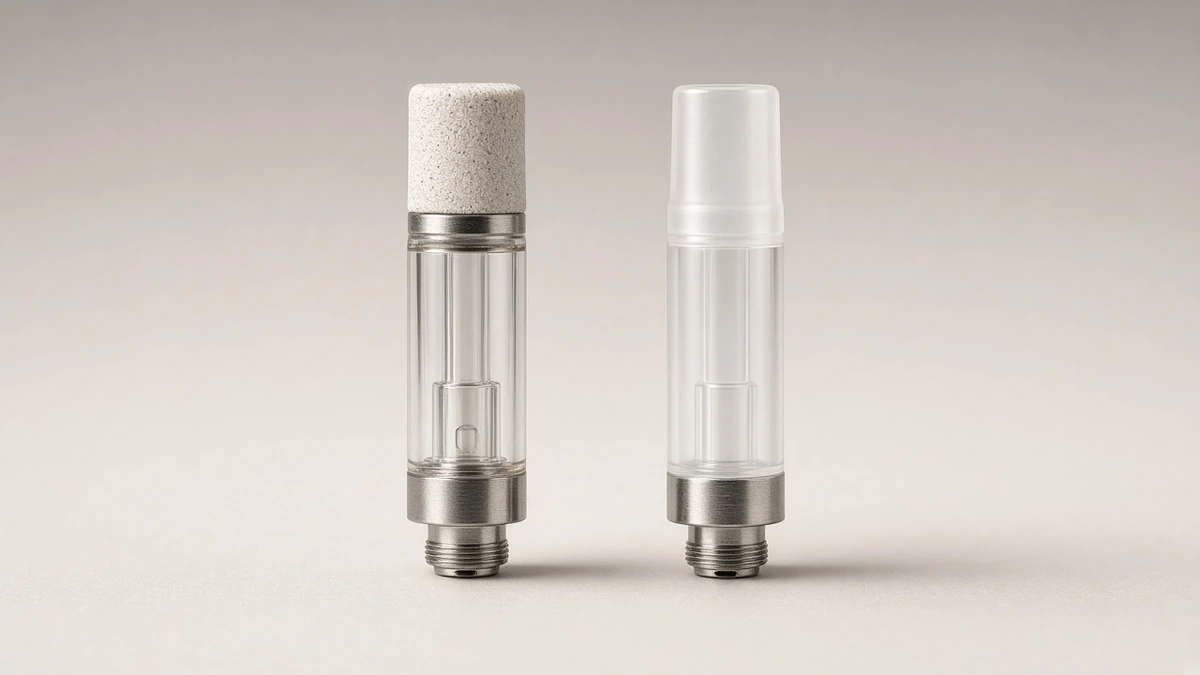
A 510 cartridge has to close at the top, and the part that closes it has a material as well as a way of seating. Those two facts are easy to collapse into one catalog word such as “ceramic tip” or “plastic mouthpiece.” They should not be. The mouthpiece is the user-facing closure at the top of the cart. Its material may be a molded polymer, a ceramic shell or tip, metal, glass, wood, or a mixed construction that uses more than one of those in the same part. How that part is designed to seat—pressed on, screwed on, or retained some other way—is a different identification.
That distinction is not the same as the heating core, and it is not the same as the tank wall. 510 Ceramic Cartridge: Material and Hardware Guide already treats “ceramic” as a label that may refer to more than one part of a cartridge. Press-Fit Mouthpiece or a Threaded Tip: How a 510 Cart Is Closed After Filling already identifies the closure family. CBD Oil Vape Pen Design: What the Mouthpiece and Seal Drawings Should Show already asks what the assembly drawing should show about the seal. This guide stays on the tip material itself: what the mouthpiece is made of, how to tell a material word from a complete construction, and what a listing photograph cannot prove.
🔎 1. Mouthpiece Material Is Not the Heating Core and Not the Closure Family
The first cut is simple. Mouthpiece material is what the top closure is made of, or what combination of materials that part uses. The heating core is the structure that vaporizes oil in the lower part of the cart. The closure family is how the mouthpiece is designed to seat on the tank. Those three identifications can live on the same cartridge, but they are not interchangeable.
Yoctek, in a public page titled “Vape Cartridge Mouthpiece Materials: Comparing Options for a Custom Project,” posted 10 September 2026 by John W and last updated 30 October 2026 on that page, states the boundary directly: do not confuse a ceramic mouthpiece with a ceramic heating core. The same page says coil ceramics sit in the oil path and drive vaporization, while a ceramic mouthpiece is a user-contact or closure part and may be a shell, a tip, or a mixed construction with polymer inserts. Those sentences are useful as a reminder that the word “ceramic” still has to name a part. They are not a specification for any particular SKU, and they are not a claim about alumina, zirconia, or any other grade.
The closure family is a separate question again. Press-Fit Mouthpiece or a Threaded Tip: How a 510 Cart Is Closed After Filling is the place to identify whether the tip is pressed on, screwed on, or retained another way. Child-Resistant Packaging or a Locking Mouthpiece: What Is Securing a 510 Cart is the place to ask what a child-resistant claim is attached to. This guide does not retell either subject. It only asks the buyer to name the mouthpiece material, and to keep that name apart from the heater and from the seating method.
🏷️ 2. A Material Label Is Not a Complete Construction
“Plastic” and “ceramic” are starting labels, not finished bills of materials. The Yoctek page cited above lists polymer, ceramic, metal, and wood as material directions for a cartridge mouthpiece, and it is explicit that a material label alone does not prove the complete mouthpiece will seat, seal, and look right on the selected 510 cartridge. The same page tells the buyer to compare constructions with drawings, grade identity, and assembly tests, not with “premium” wording.
A public industry page can also list more families than those four. S10 Labs, in “Exploring the Variety: A Guide to Mouthpiece Options for 510 Thread Cartridges,” published 12 December 2023 on that page, groups 510-cartridge mouthpiece materials as plastic, metal, glass, ceramic, and, as less common options, wood and acrylic. That list is useful as a reminder that more than one family exists. It is not treated here as a ranked preference, and the page’s wording about flavor, purity, or a “top choice” is not treated as a measured result.
Empty Vapes, in “Cartridge Mouthpiece Types Compared,” treats material as a separate choice from mouthpiece shape. That cut belongs in the brief. A duckbill, bullet, or barrel outline does not identify the resin, the ceramic construction, or the metal and finish. Record both columns: the shape, and the material construction.
If the listing says only “ceramic tip” or “plastic mouthpiece,” write that wording down and ask which surfaces, inserts, and grades the drawing actually names.
🧩 3. Polymer Tips: Grade and Oil-Contact Scope Still Have to Be Named
A molded polymer mouthpiece is common, and it is still a construction that has to be identified. Yoctek tells buyers to confirm the exact material and grade rather than accept “food-grade plastic” or a generic abbreviation without documentation. The same page gives PCTG, PC, and ABS only as examples of families that still need a trade name or grade code in the brief. Those examples are not a default resin for 510 carts, and they are not used here as a specification.
Oil-contact scope is part of that identification. The Yoctek page asks the buyer to define which mouthpiece surfaces contact oil or aerosol, and which surfaces are lips-only contact. A polymer tip can be correctly identified by resin and still fail a dimensional, cosmetic, or attachment requirement, as that page also notes. Material documentation does not replace a fit and assembly check on the exact cartridge revision.
Glass Cart or PCTG Tank: How to Identify a 510 Reservoir Material already treats the tank wall. Do not borrow a tank-material identification and apply it to the mouthpiece. The tip and the reservoir can use different materials on the same cart.
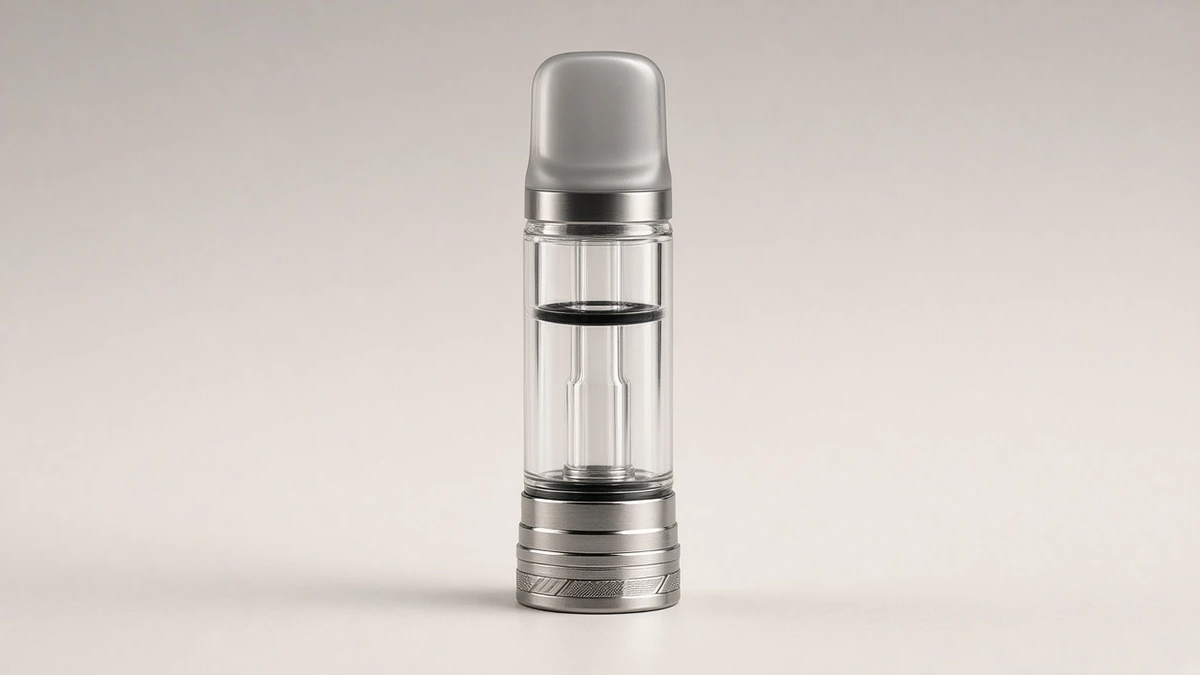
🧱 4. Ceramic, Metal, Glass, and Mixed Constructions
A ceramic mouthpiece still needs a definition of the complete part. Yoctek says ceramic can support a differentiated visual and tactile direction, but the project still has to review wall geometry, mating features, edge condition, dimensional variation, the cosmetic standard, and how load is transferred during capping and use. The same page is direct about claims: do not infer flavor or safety superiority from the mouthpiece material; those conclusions involve the complete product and require claim-specific evidence.
Metal is not a complete specification either. Yoctek tells the buyer to identify the alloy or base material, the surface treatment, coating or plating, exposed boundaries, and the relevant manufacturing process, and to confirm how the finish behaves at edges, threads, and press-fit regions. The page also notes that thermal sensation at the lip can depend on geometry, mass, device power, and use pattern, so it should be evaluated on the intended hardware rather than treated as a material constant.
Glass, wood, and mixed constructions belong in the same discipline. If a listing uses those words, ask what the drawing names: an all-glass tip, a glass insert, a wood shell with a liner, or a ceramic or metal face over a polymer interface. Vape Drip Tips: Fit, Bore and Replacement Guide already treats replaceable 510 or 810 drip tips as their own parts family. A 510 oil-cart mouthpiece that is part of the cartridge closure is not automatically that kind of interchangeable drip tip. Keep the two identifications apart.
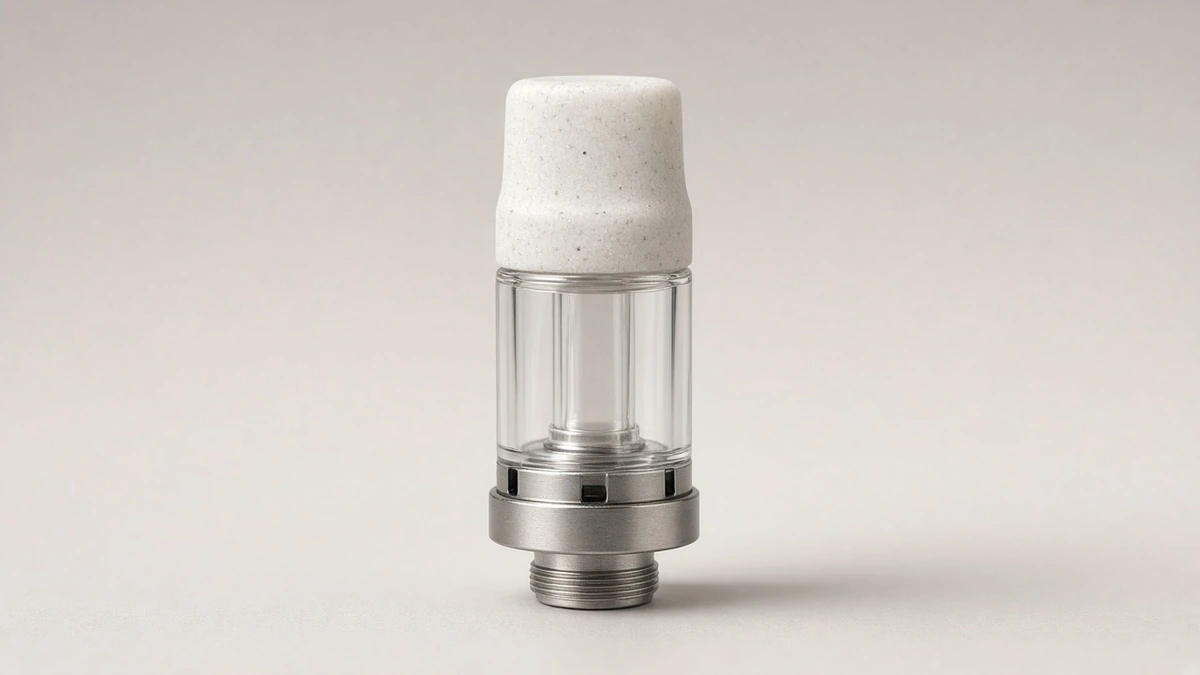
📷 5. What a Listing Photograph Can Hide
A listing photograph can support a mouthpiece-material identification if the tip is clearly visible, the construction is obvious, and the listing names the material in a way that matches the sample. Often it is not. A beauty shot can hide a polymer insert inside a ceramic or metal shell. A cropped close-up can make a coated polymer look like glass or ceramic. A single exterior view cannot show oil-contact surfaces that sit below the lip, and it cannot show the grade.
The photograph is also the wrong place to borrow a claim. A marketing image that looks “premium” does not identify the resin, the ceramic construction, or the finish. Those assignments come from the drawing, the material identification, and a seated sample of the exact version. If the listing says “ceramic mouthpiece” and shows only a closed cartridge, write both facts down and request an empty sample, a section or exploded drawing, and the grade or construction notes for the tip.
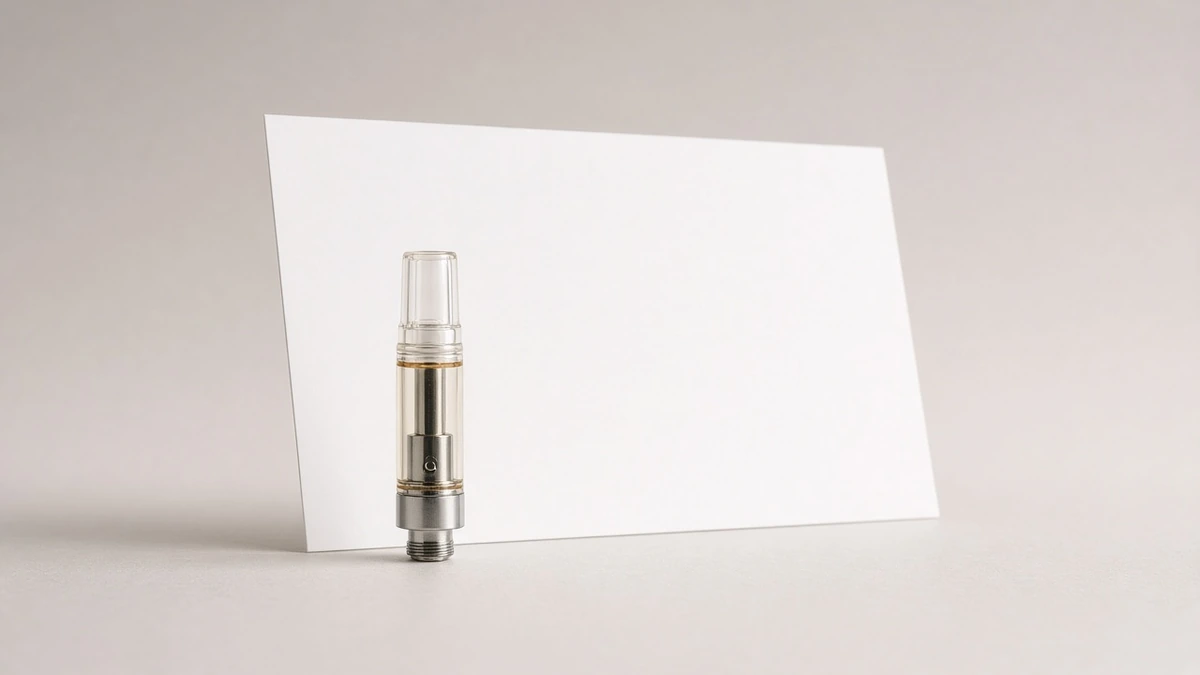
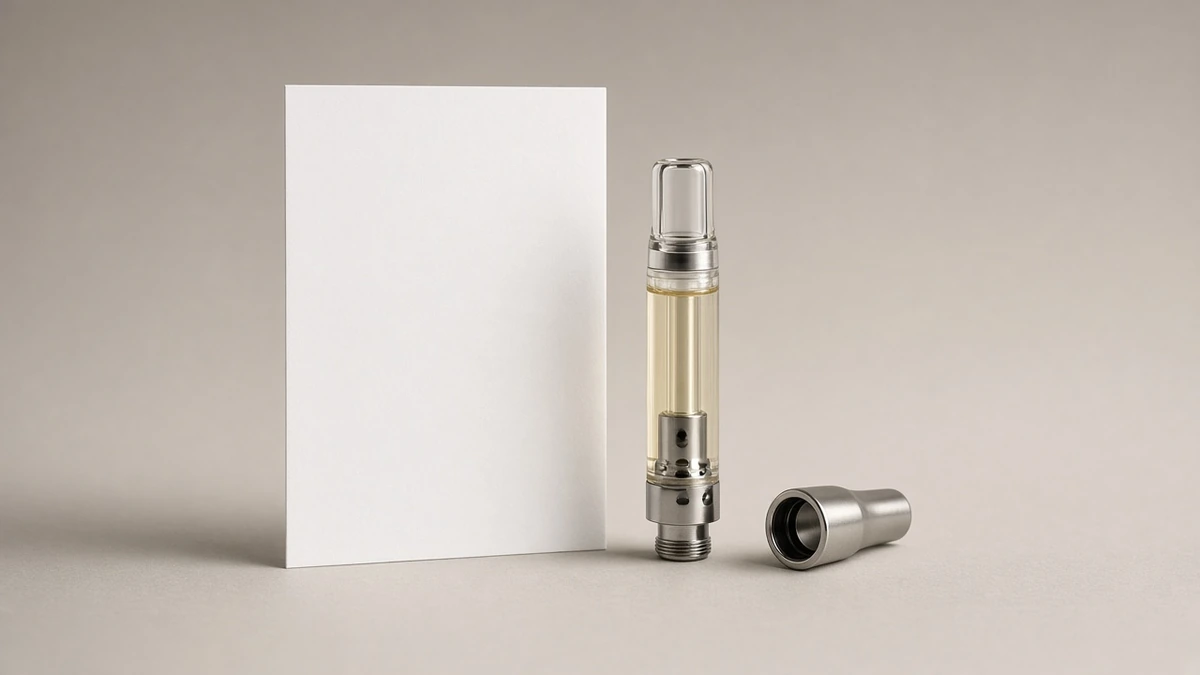
✅ 6. What to Check on a Sample, a Drawing, and a Brief
A one-line description a team can reuse should name the mouthpiece construction and keep it apart from the heater and the closure family. Example: “510-thread cartridge; mouthpiece is a polymer tip, grade to be confirmed on the drawing; closure family follows the version work instruction; ceramic in the listing refers to the mouthpiece, not to the heating core.”
On the empty sample:
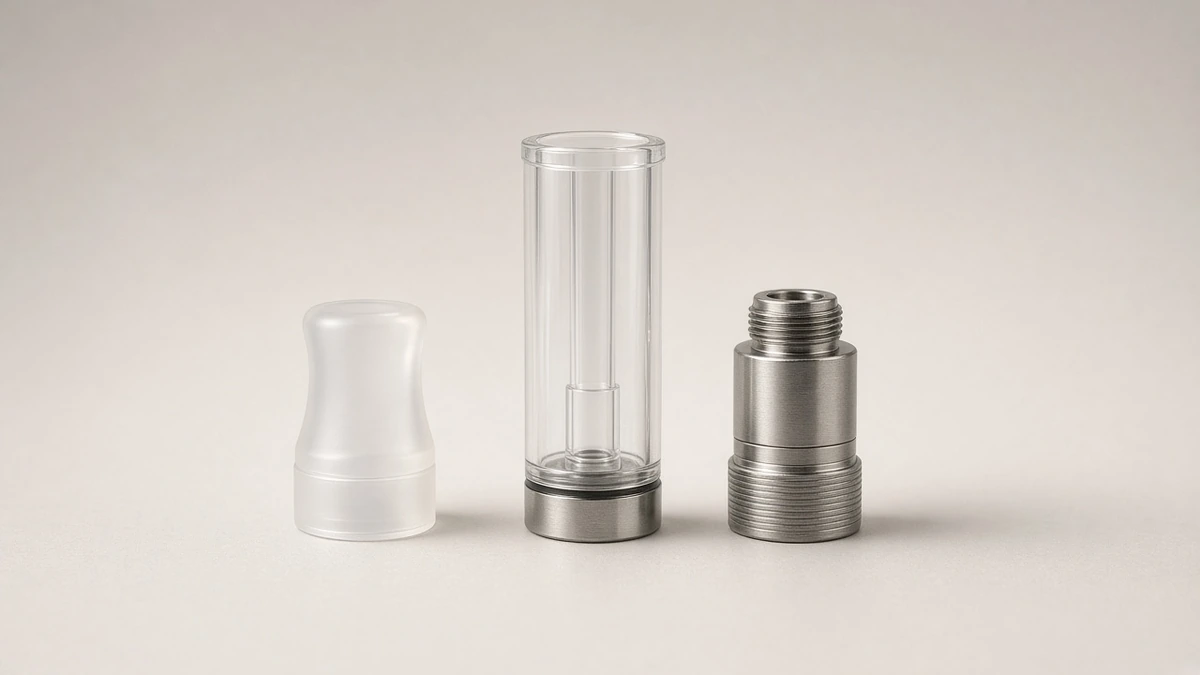
- Identify the mouthpiece as a separate part from the tank and from the 510 base.
- Record what the tip looks and feels like, including any insert, liner, or mixed construction that is visible once the part is off.
- Seat the mouthpiece only as the version instruction allows. Do not force a tip in order to “discover” the material.
- Do not treat color or gloss as a grade identification.
On the drawing and the current brief for that exact version:
- Record the material identification for the mouthpiece, including any insert or mixed construction.
- Record which surfaces are documented as oil- or aerosol-contact, and which are not.
- Record the closure family, but do not let that family stand in for the material.
- If the drawing and the sample disagree, stop and confirm the revision before writing a purchasing line.
On the listing:
- Treat “ceramic,” “plastic,” “PCTG,” “glass,” and “metal” as labels to reconcile with the sample and the drawing.
- A material option stated for a named official or education example is that page’s documentation, not a default for the next cart in the same photograph style.
Questions worth sending with a sample request:
- Which part does the word “ceramic” or “plastic” refer to on this exact version: the mouthpiece, the heating core, the tank, or more than one of those?
- What is the complete mouthpiece construction, including any insert, liner, or mixed materials?
- Which mouthpiece surfaces are documented as oil- or aerosol-contact?
- What grade or material identification belongs in the brief, beyond a generic label?
- How does the mouthpiece seat on this version, and is that closure documented separately from the material?
❓ 7. Short Answers a Brief Can Reuse
❓ 7.1 Identification Questions
What is the mouthpiece of a 510 cart? It is the user-facing closure at the top of the cartridge. It has a material construction, and it also has a way of seating. Those are separate identifications.
Does a “ceramic” label tell you the tip is ceramic? Not by itself. Yoctek’s education page cited above says a ceramic mouthpiece may be a shell, a tip, or a mixed construction, and that the same word is often used for a heating core. Name the part before you name the material.
Is a plastic mouthpiece a complete specification? No. The same page tells buyers not to accept “food-grade plastic” or a generic abbreviation without a grade, and to define which surfaces contact oil or aerosol.
Can you infer better flavor or safety from a ceramic or glass tip? Not from the material word alone. Yoctek states that flavor or safety superiority should not be inferred from mouthpiece material, and that such conclusions need claim-specific evidence for the complete product.
Is mouthpiece material the same as tank material? No. The tip and the reservoir can use different materials. Identify each one on the drawing.
Can a listing photograph settle the tip material? It can support an identification if the construction is visible and matches the sample. It often hides inserts, coatings, and grades. Confirm the construction on an empty sample and in the version drawing.