A 510 battery may have a way to warm a cartridge before a normal fire, and that warmup path is easy to confuse with ordinary voltage selection or with a click sequence borrowed from another device. It should not be. Some versions run a documented preheat cycle: a short, lower-output interval that starts from a stated control and then ends on its own or when cancelled. Some versions have no such cycle, and any gentler start is just the user choosing a lower voltage or taking a lighter first draw. Some versions have no buttoned warmup feature at all.
That distinction is not the same as the firing method, and it is not the same as the click map for power or voltage. What Does Preheating a Cart Do? A Practical Guide already treats what a preheat cycle is for, and when the exact device manual still controls. Five Clicks or Three Clicks: What a 510 Battery Sequence Is Changing already treats click counts as a version-specific map. This guide stays on the warmup path itself: whether the version has a documented preheat cycle, a manual low setting, or neither, and what a listing photograph cannot prove.
🔎 1. A Warmup Path Is Not a Firing Method and Not a Universal Click Map
The first cut is simple. A warmup path is how, if at all, the battery is designed to apply a gentler start before a normal fire. The firing method is how the battery is designed to be activated—button, draw, or both. The click map is which sequences change power, voltage, lock, or other functions on that exact board. Those three identifications can live on the same battery, but they are not interchangeable.
Button or Draw-Activated: How a 510 Battery Is Fired already separates firing methods. One Button or Separate Voltage Keys: How a 510 Battery Is Controlled already identifies the control layout. This guide does not retell either subject. It only asks the buyer to name the warmup path on the exact version, and not to treat a click habit from another battery as a command this board must obey.
A public education page can make that habit sound more universal than it is. GOTVAPE, in “How To Use A 510 Battery (Got Vape Crew Tips),” by Ian Black, published and last reviewed 29 July 2026 on that page, writes that activating pre-heat “usually” requires pressing the power button two times quickly, and that the battery will then apply low, gentle voltage for 10 to 15 seconds. That wording is useful as an example of how one widely read guide describes a preheat cycle. The word “usually” is the page’s own qualifier. It is not a survey of all 510 batteries, and it is not a specification for the next version in front of you.
🔁 2. A Documented Preheat Cycle
A preheat cycle, when the version has one, is a defined interval with a documented start and a documented behavior. The GOTVAPE how-to page cited above describes an automatic pre-heat cycle that applies a low, gentle voltage for 10 to 15 seconds to warm oil around the heating element. The same publisher’s 510 Battery Troubleshooting Guide: How to Fix Common Errors, also by Ian Black, published and last reviewed 26 October 2026, tells the reader to click the button two times rapidly “if your battery features a button,” and describes that cycle as usually 10 to 15 seconds at 1.8 V.
Those details belong to those pages. They are not a default click count, duration, or voltage for every 510 battery. The troubleshooting page is careful in one respect that belongs in a buyer’s brief: the cycle is offered only “if your battery features a button.” If the current manual for the exact version names a different start—two clicks, a dedicated control, a menu item, or something else—follow that manual. If it names a different duration or a different output, record those values as version documentation, not as industry defaults.
The buyer’s line should say whether a preheat cycle is documented, how it is started and cancelled, and what the manual says the cycle does. It should not say “two clicks, ten seconds, 1.8 V” unless that map is written for the exact version in hand.
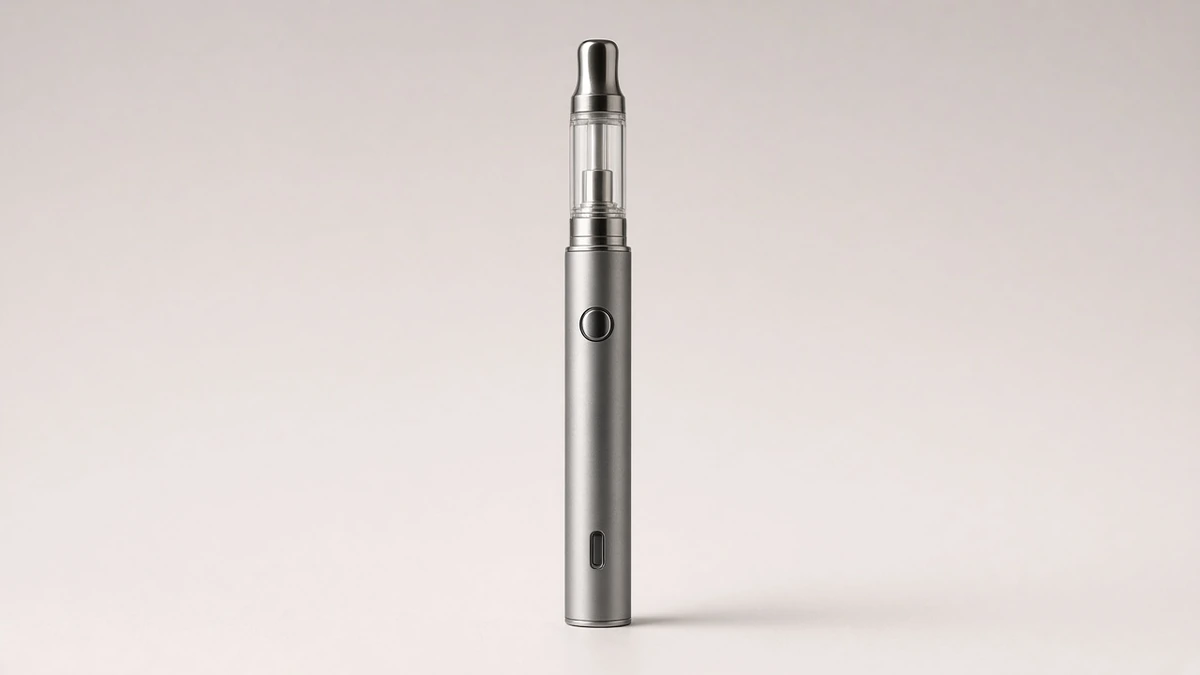
📉 3. A Manual Low Setting Is Not Automatically a Preheat
Many 510 batteries let the user change output. That control is not, by itself, a preheat cycle. Adjustable-Voltage 510 Battery: Controls and Compatibility already treats what adjustable voltage changes, and how control types differ. A user who starts on a lower step and later raises it is using the voltage control. That habit can warm a cart more gently than starting on a high step. It is still not a documented preheat cycle unless the manual names it as one.
The difference is whether the battery runs a defined warmup interval on a stated command, or whether the user is simply choosing a setting and firing normally. A long first button hold is not a preheat cycle unless the version documentation says that hold starts one. A first draw on a low step is not a preheat cycle unless the manual describes it that way. Record the control as it is written: a preheat cycle, a manual low setting, or a user habit that the board does not itself distinguish.
Do not invent a voltage ladder or a recommended starting step. If the version lists its steps, copy that list from the current manual. If it does not, do not borrow one from another battery or from an education page.
🌬️ 4. Draw-Activated Batteries and Versions With No Warmup Feature
Some 510 batteries have no buttoned preheat cycle. The GOTVAPE troubleshooting page cited above treats that case as its own path: if the battery is a buttonless auto-draw pen, that page suggests warming the cartridge by hand or in a pocket rather than starting a click-triggered cycle. That advice is the page’s method for a buttonless layout. It is not a hardware feature of every draw-activated battery, and it is not a substitute for the current manual.
A draw-activated battery may still have a button for power, voltage, or lock, as One Button or Separate Voltage Keys: How a 510 Battery Is Controlled already notes. The presence of a button does not prove that a preheat cycle exists. The absence of a button does not prove that the oil cannot be warmed by a documented method. Identify the firing method, then identify the warmup path, then read the manual for that exact version.
If the current instructions do not describe a preheat cycle or a warmup procedure, write that down. Do not add one from another model.
📷 5. What a Listing Photograph Can Hide
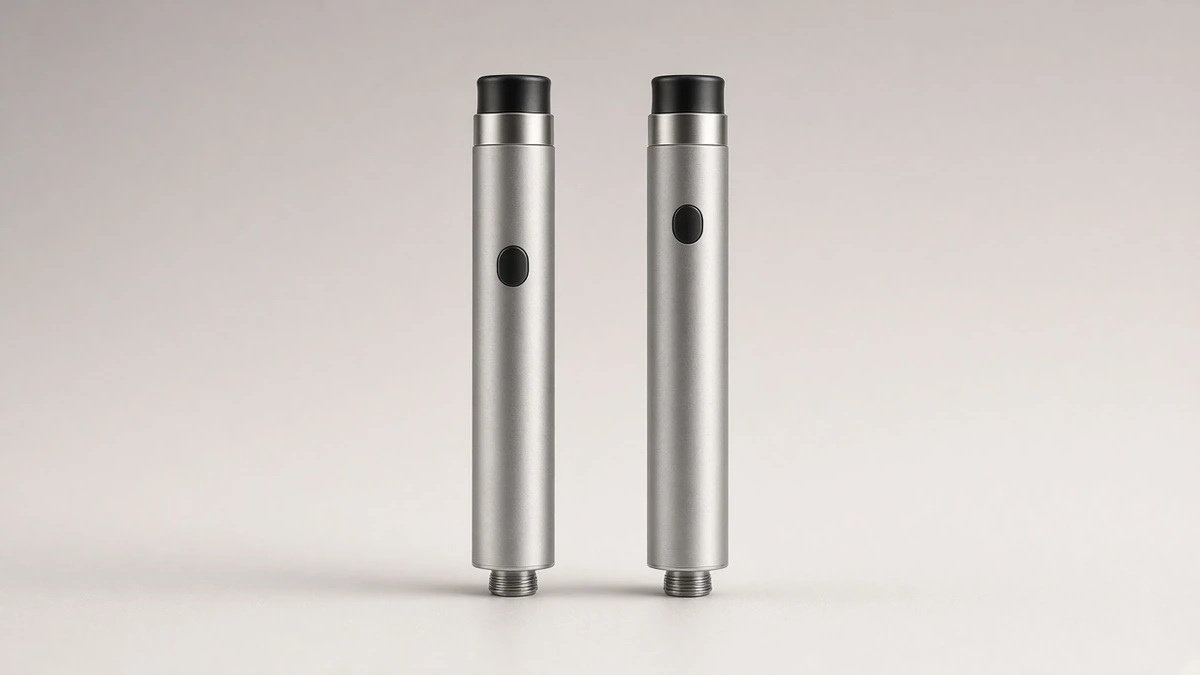
A listing photograph can support a warmup-path identification if the controls are visible and the listing text names a preheat function in a way that matches the manual. Often it is not. A beauty shot can hide a button entirely. A lit LED cannot show whether the light belongs to preheat, voltage, charging, or a fault. A catalog icon that says “preheat” does not identify the start command, the duration, or the output.
The photograph is also the wrong place to borrow a click habit. A marketing image that shows a finger near a button, or a badge that says “2× preheat,” is not the map for the board in front of you. Those assignments come from the current manual for the exact version. If the listing says “preheat” and shows only a closed pen, write both facts down and request the current instruction and a sample you can check against it.

✅ 6. What to Check on a Sample, a Manual, and a Listing
A one-line description a team can reuse should name the warmup path, not a preferred click habit. Example: “510-thread battery; documented preheat cycle started from the version manual; if no cycle is documented, warmup is a manual low setting or is not specified; do not apply another model’s two-click map.”
On the sample and in the current manual for that exact version:
- Identify the firing method and the control layout first, so a button is not mistaken for a preheat control.
- Find whether a preheat cycle is named at all.
- If it is named, record how it is started, how it is cancelled, and what the manual says the cycle does, including any duration or output that is stated for this version.
- If it is not named, record whether a manual low setting is documented, or whether no warmup path is specified.
- Do not run a borrowed click sequence in order to “discover” a preheat feature.
On the listing:
- Treat “preheat,” “2-click,” and “auto warm” as labels to reconcile with the manual.
- A cycle described on a named education page is that page’s documentation, not a default for the next battery in the same photograph style.
Questions worth sending with a sample request:
- Does this exact version have a documented preheat cycle?
- If it does, what control starts and cancels it, and what duration or output does the current manual state?
- If it does not, is a manual low setting documented as a warmup method, or is no warmup path specified?
- Is the battery button-fired, draw-activated, or both, and does that layout change how warmup is started?
- Which click sequences are reserved for power, voltage, or lock, so they are not confused with preheat?
❓ 7. Short Answers a Brief Can Reuse
❓ 7.1 Identification Questions
What is a preheat cycle on a 510 battery? It is a documented warmup interval with a stated start and a stated behavior. It is not the same thing as choosing a lower voltage and firing normally, unless the manual names that action as preheat.
Do all 510 batteries preheat with two clicks for 10 to 15 seconds? No. GOTVAPE’s how-to page cited above describes that habit as what “usually” starts a preheat cycle, and its troubleshooting page gives a 10-to-15-second, 1.8 V example only if the battery has a button. Those figures are that publisher’s documentation, not a universal map.
Is a low voltage setting the same as preheat? Not automatically. A manual low setting can be a gentler start. A preheat cycle is a defined interval the battery itself runs when the documented command is used.
What if the battery is draw-activated? Then a buttoned preheat cycle may not exist. The GOTVAPE troubleshooting page treats a buttonless auto-draw pen as a different case. Follow the current manual for the exact version.
Can a listing photograph settle the warmup path? It can support an identification if the controls are visible and the text matches the manual. It often cannot show the command, the duration, or the output. Confirm the path in the version instructions.
Is this the same subject as what preheating does to oil? No. What Does Preheating a Cart Do? A Practical Guide already treats that question. This guide only asks whether the battery in front of you has a documented warmup path, and how that path is started.