If a dab pen seems clogged, describe what changed before naming a part. A mouthpiece that feels restricted and a device that does not recognize its chamber are different observations. A reader once described a restriction that appeared only after the outer shell went back on. That timing makes the assembled shape relevant, even though it does not establish where the obstruction was.
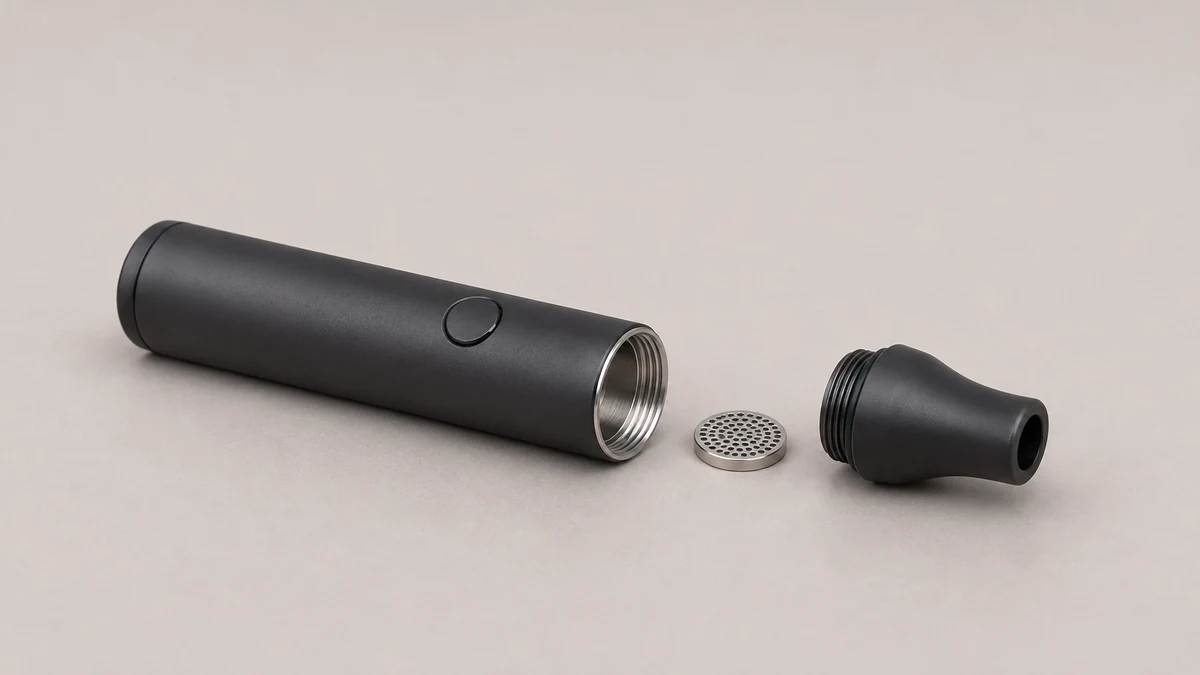
Start with the model diagram and whatever you already noticed. A photo of the cool, unpowered device can show whether a visible opening is at the mouthpiece, in a chamber cover, or beside the body. Leave the enclosed sections intact and compare only parts documented as removable. The dab pen maintenance guide covers the routine care of accessible pieces. This question is about identifying the path that connects them.
🔎 1. Two Signals That Get Confused
A report of little or no output leaves the cause open. One possibility is restricted flow through a passage. Another is that the device did not identify or power the heating assembly. A visible status indicator, if the model has one, describes a condition documented by the manufacturer. It cannot locate a narrowing in an air channel.
Keep those observations in separate sentences. Write down where a restriction was noticed, which pieces were in place, and the exact display text or light pattern you saw, if any. Then compare the indicator with that model’s documentation. If the manual does not explain it, pass the observation along as written. There is no need to repeat the fault in order to describe the circumstances under which it appeared.
📐 1.1 What a Narrowed Air Path Looks Like at Rest
With the device cool and inactive, a visible opening can be described by what occupies it. A screen may sit at a different angle from the one shown in the parts drawing. A ring may partly cover a recess in a side view. Make a note of those shapes and their locations before making a guess about what caused the change. A dark mark, a shadow, and a solid object are different observations when a photo can distinguish them.
Light from the side can reveal the outline of an accessible hole without requiring anything to enter it. A front view and a slightly oblique view also help separate a recess from a reflection. If the passage turns out of sight, stop the description at that turn. It is reasonable to record that the visible section looks open while leaving the hidden section unresolved.
🧭 1.2 What a Non-Recognition Fault Looks Like at Rest
A status light may be visible even when the reason for a restricted draw remains unclear. In an August 2020 Reddit thread, an owner reported that a pen lit up but was difficult to draw through. Replies suggested a screen, a coil, or airflow. Those guesses do not establish the cause. The useful distinction is between a light pattern someone can describe and a passage someone can locate in a drawing.
If a display uses words, record the words exactly. If a light flashes, the model reference is important because similar-looking devices can assign different meanings to an indicator. A visible contact can be shown in a photo if it is already exposed by the documented removable assembly. That photo does not establish the state of the controller or the condition of anything beneath the housing.
👃 2. Starting at the Mouthpiece Opening
The mouthpiece outlet is easy to find because it is on the outside. Its inner end may be less obvious. Some mouths open into a short cavity, and a separate piece can occupy part of that cavity. Compare the two ends of a documented removable mouthpiece with its illustration. A side photo may show the outer profile while a view from the underside identifies the opening that actually meets the rest of the device.
When a small ring is visible at the base of a mouthpiece, trace it back to its place in the diagram. It may be part of the mouthpiece or belong to a separate cover. An exterior seam is a useful landmark, especially if a replacement part was recently installed. Show the original and replacement next to their part labels when both are available. A similar outside shape leaves the depth of the opening and the inside shoulder as separate questions.
🪟 2.1 Compare the Outside and Inside Views
Imagine a small outlet that looks round from the end, with a much wider recess on the other side. The two views can make the same part look as though it has two different diameters. That can be a normal difference in shape. Photograph both ends of the documented removable mouthpiece and show which one faces the housing. The distinction helps when the manual uses one drawing to show its outer form and another to show how it sits above the cap.
🧵 3. The Chamber Inlet and the Screen Above It
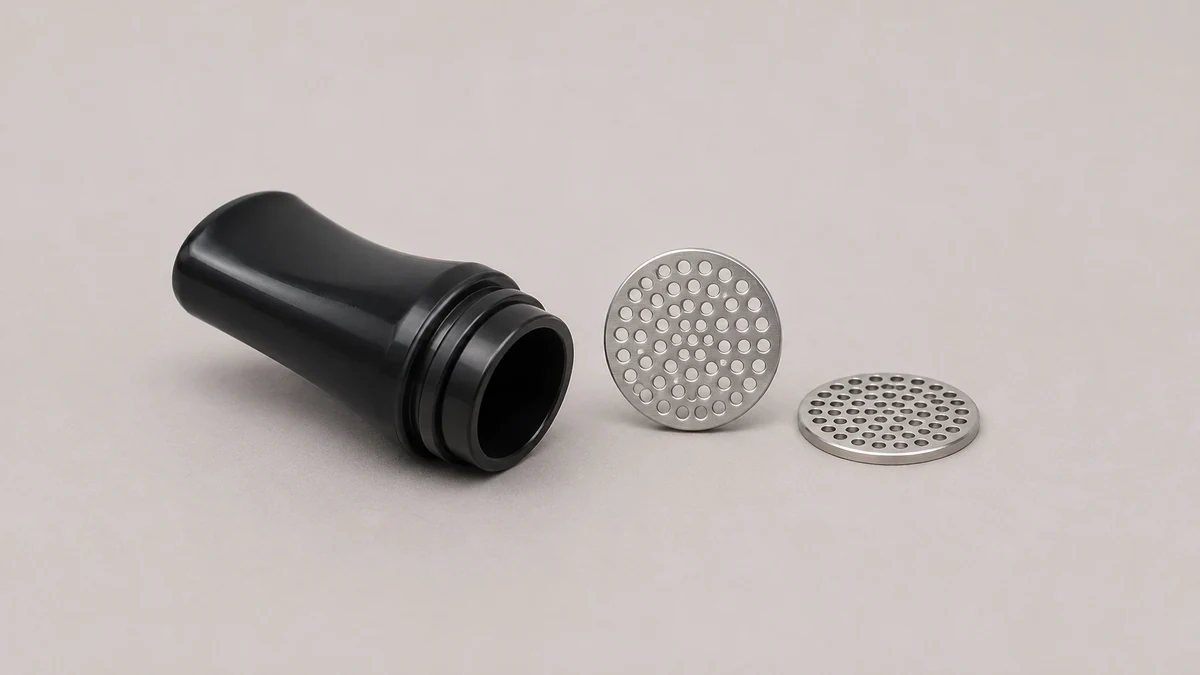
A chamber can have one opening for air entering the assembly and a different path toward the mouthpiece. A diagram may show them in different views. A perforated disc seen near the top could belong to the mouthpiece rather than to the chamber below. The guide to screens and mouthpiece mesh explains how the location of a passive screen helps identify which part it belongs to.
If the screen is already visible, describe whether it appears level and whether the whole edge can be seen. A screenshot of a parts diagram can show whether it is expected to sit in a recessed ledge or on an exposed surface. The number of holes visible in one photograph may depend on the angle. Preserve the angle in your note and avoid assigning the restriction to the screen simply because it is the first visible piece.
🪙 3.1 Screens as a Documented Removable Part
Utillian’s manual for the documented Utillian 5 version distinguishes a removable mouthpiece, an atomizer cap and an airflow ring. This example gives three separate part names. It is not a statement about every revision or about whether a mesh disc on another product can be separated. Match the diagram to the version you have and keep the screen, cover and ring under their documented names.
🕳️ 4. Passages Hidden Inside the Body
A visible slot beside the body may not reveal where it leads. In a November 2020 Reddit thread, a reader described an opening near the battery housing and asked whether it was safe to inspect the surrounding area. That is a useful boundary to identify in a diagram. An exposed surface and a passage hidden inside the housing require different types of documentation.
If a diagram does not show a connection between the slot and the chamber, name the slot by its location. For example, say that it is beside the chamber seam and below the detached mouthpiece. That wording preserves what you can see. It leaves room for the maker to identify whether it is an air inlet, part of a case seam, or a different feature. Keep enclosed electronics out of the inspection.
🗺️ 4.1 Mark Where the Drawing Stops
A cross-section sometimes ends at the outer wall of the device. A reader may see an arrow for incoming air without seeing a line for every passage. Put a mark at the last point the diagram identifies and a second mark at the outlet. If the space between those points is blank, use that as a question for support. A straight line connecting two visible holes on a photo does not establish the route the manufacturer used inside.
💬 5. Where Owners Report Noticing Resistance
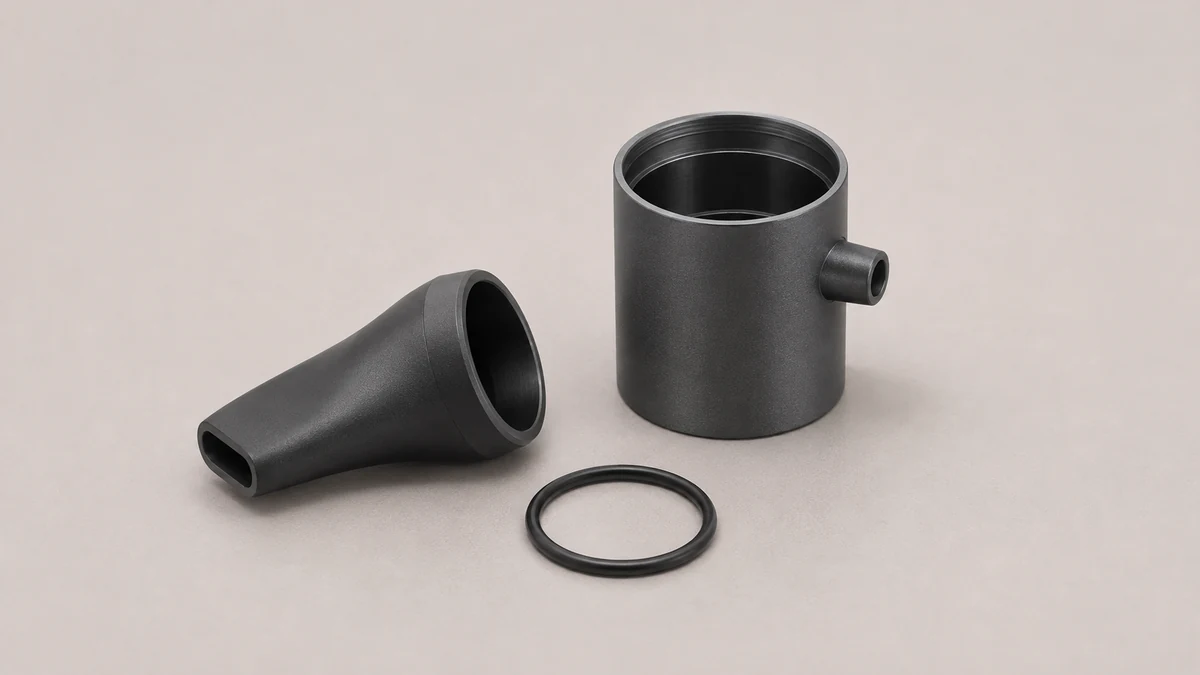
In another thread, a reader said the restriction was noticeable only with the shell installed. A picture of the separate pieces can help identify which openings are covered when the shell is in place. It cannot prove what happens inside the assembled pen. Record the configuration and include a side view. The question to ask is which openings the shell is designed to expose and which openings remain behind it.
When the report is that a new top feels different, the old top is a useful reference if it is still available. Place both cool, empty parts beside each other, with the same face up. A different recess depth or rim shape can be shown even if the packaging uses the same part name. If there is no known earlier part, the version identifier and original parts drawing give the support team a better starting point than a generic image.
🧷 5.1 A Restriction After Changing One Part
Suppose a replacement mouthpiece arrived with a small insert already in place. The new part has the same color and outside shape, yet the owner recalls that the change appeared the day it was fitted. The most useful comparison is a photograph of the old and new assemblies from below. Check the depth of the recess shown in the manual and the part numbers on their packages. If the maker supplies separate names for a short and long version, keep both references in the note. The time the symptom appeared helps identify what to compare, but it does not prove a defect in the new part.
Consider a different case in which the same top was put back on after routine care. The only new observation is that its seam no longer looks even. Show the side with the widest gap and the side opposite it. This makes the seam easier to describe without assuming that a ring moved. If a ring is visible in one photo but hidden in the other, the manual can help establish where it sits in relation to the mouthpiece and the cover.
🔓 6. Sorting Removable Parts From Sealed Housing
Part names can help establish the boundary. The dab pen accessories guide separates the parts along the air and heating paths. In the manual for the particular device, look for a drawing that shows where the manufacturer separates the pieces. A lip that looks detachable in a close photo may belong to a fixed assembly.
Where the documentation leaves an area enclosed, photograph the outside and record the unanswered question. A service diagram may identify a passage without authorizing access to it. The next useful detail is the position of the passage relative to the visible opening, not a photograph of the internals. If a visible part has already come loose, include that fact and contact the maker with the model and part name.
🧰 6.1 What a Manufacturer Manual Documents for One Version
The manufacturer’s parts list may name a complete mouthpiece while an exploded view labels a smaller ring inside it. The drawing helps a reader explain which surface looks unusual. The parts list clarifies whether the ring is treated as part of that assembly. Use the exact label where it exists, and ask about the smaller piece separately if the label only identifies the complete top.
📝 7. Recording What Was Found Before Assuming a Coil Fault
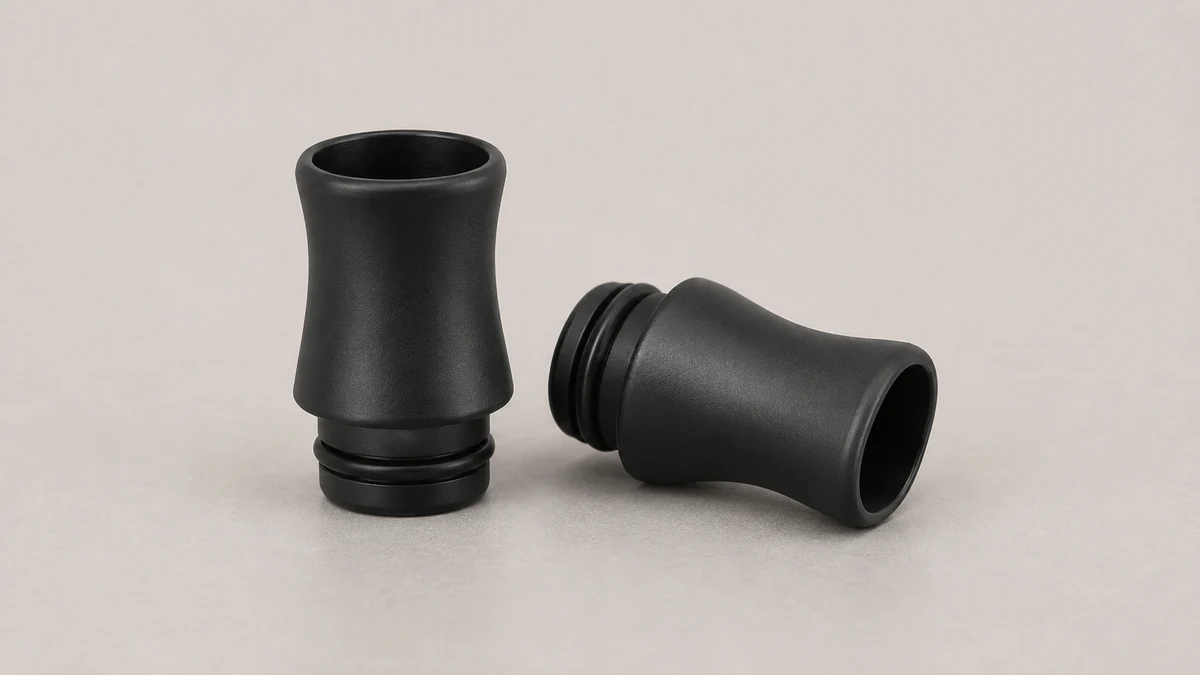
A useful service note starts with the model and its version, then describes the assembly state. For example, the mouthpiece had been put back on and the change was noticed at that point. Add what is visible now. The outlet is clear in the photo, the small ring appears tilted, or the opening beyond the cap is out of view. These are specific details that can be checked against the manufacturer’s documentation.
Keep any indicator wording with the same note. Avoid combining observations from two versions of the pen or from a replacement chamber photographed beside the old one. Give each image its own label. The person reading it can then tell whether the description applies to the top, the chamber, the body, or the whole assembly.
A drawing may call the chamber and its cover one assembly. The reader’s photograph may show the cover on the bench beside the device. In the message, use the printed assembly name and point to the actual part in the photo. This gives the support team both the manufacturer’s identifier and the specific opening at issue. It also avoids describing two unrelated observations with a single term like coil.
🧩 8. When the Manufacturer Needs Two Separate Observations
If the accessible openings appear clear, that establishes only what was visible. There may still be a concealed section of the path. A status message may also require its own explanation. Compare each observation with the relevant page in the model documentation and ask the maker about whichever boundary remains unclear.
A precise follow-up question might be whether the ring shown under the cap is the part that lines up with the opening on the body. A separate question might quote the indicator and ask what it means for the documented chamber. Put both questions in the same message if they appeared together. The response can address the named features without having to interpret the word clogged as a diagnosis.