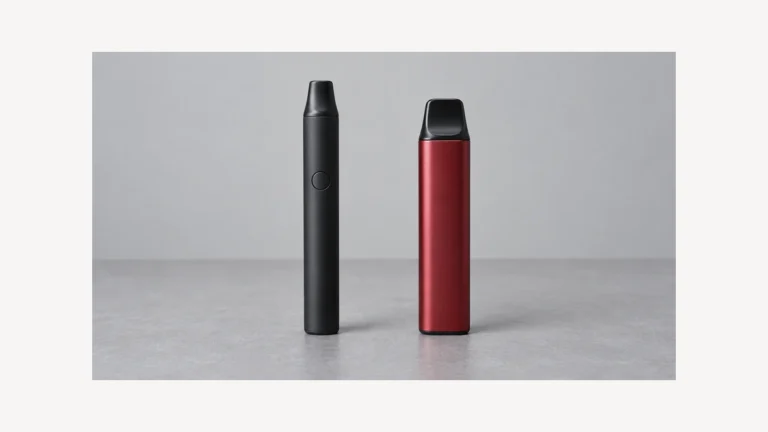
A disposable wax pen can be rechargeable without being refillable. Those words answer different questions: whether the battery can receive power, whether the chamber can be reopened, and whether any component is intended to be exchanged. A charging port answers only the charging question when the exact device instructions identify it as such. It does not make a sealed top into a refill port.
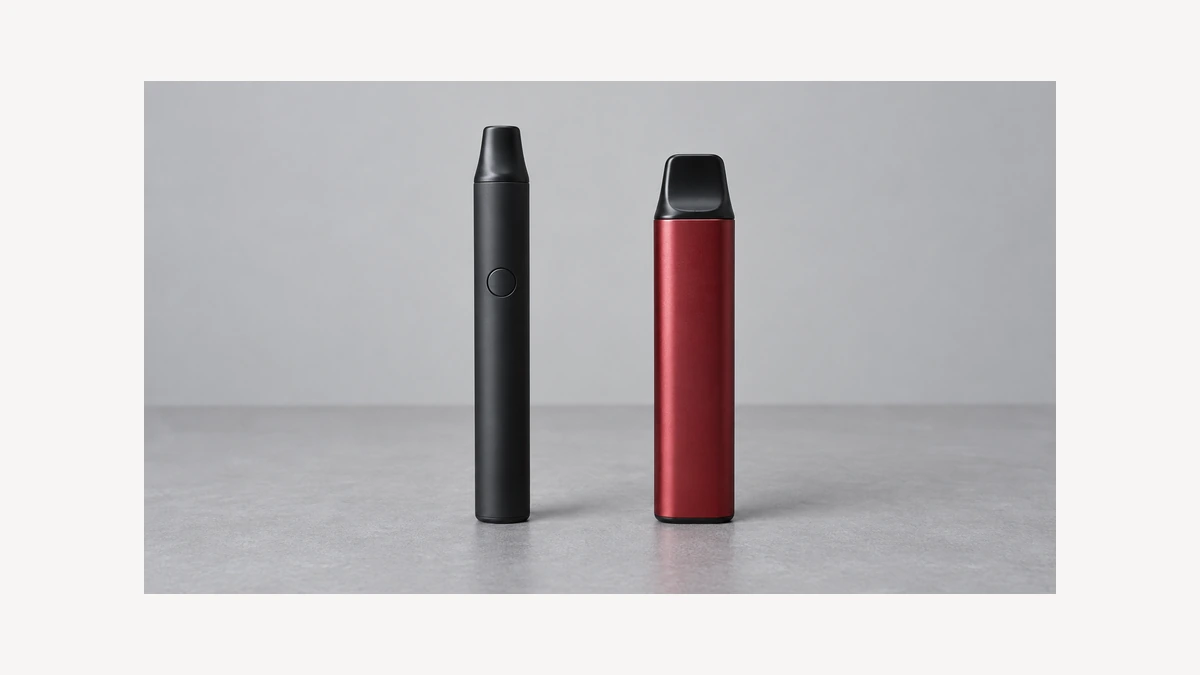
🔌 1. Why a Disposable Wax Pen Can Still Have a Charging Port
The label disposable describes the product’s intended service arrangement. It does not, on its own, identify a charging method, an opening method or a user-replaceable battery. Those details need to be established separately. A useful counterexample to the assumption that disposable means non-rechargeable appears in VPM’s own solid-extract disposable description: it lists a built-in rechargeable battery while separately offering different cap versions. That is a specific product example, not a specification for every pen bearing the same category name.
A light or an opening in the housing is not enough to fill in missing instructions. A blinking light needs the meaning assigned by that model’s manual; it is not evidence that a suitable charging method exists. If the device is not documented as rechargeable, do not try a cable that happens to fit, look for hidden contacts or open a bottom cover to make it accept power.
This exact confusion shows up in ordinary owner conversation, not just in product copy. In one owner discussion from July 2023, the original poster simply could not tell from the outside whether their existing disposable was rechargeable at all, and replies disagreed with each other about a bottom section the poster said does not unscrew on their unit. Those visible replies did not establish a verified answer. The useful distinction is that appearance and conflicting secondhand opinions do not settle what a specific device was engineered to do.
The connector name and the charging arrangement are different details too. A USB-C opening identifies a physical connector when it is documented as such; the device instructions still need to identify the intended charging equipment and conditions. If a cable supplied with another product appears to fit, that observation does not settle those conditions. An owner who has lost the original instructions can ask for the charging page for the exact version, rather than interpreting a generic disposable label as either permission to charge or proof that charging is impossible.
🧩 2. One Product Name, Two Different Hardware Families
The words wax pen do not establish a single construction. Search results for disposable wax pen include solid-extract chamber hardware and oil-style all-in-one devices. A chamber intended for a solid concentrate and a prefilled oil reservoir are different components, even if the complete devices share a pen-shaped outline. The words used in a listing do not establish that their parts or care methods are interchangeable.
Look for the specific hardware description rather than deciding from the shape of a window. The distinction is about the documented chamber or reservoir, not a visual test of the substance inside. There is no reason to open the device or transfer its contents to determine the category. If the description is unclear, ask whoever supplied the hardware to identify the exact version and provide the owner instructions.
An empty chamber photograph is also different from the configuration of a product supplied already assembled. A manufacturer may show components during production that are not intended to be separated later by an owner. A factory assembly picture is not automatically an owner disassembly diagram. Our ceramic dab pen guide discusses heater-cup care as a separate question; it should not be treated as instructions for an unidentified sealed reservoir.
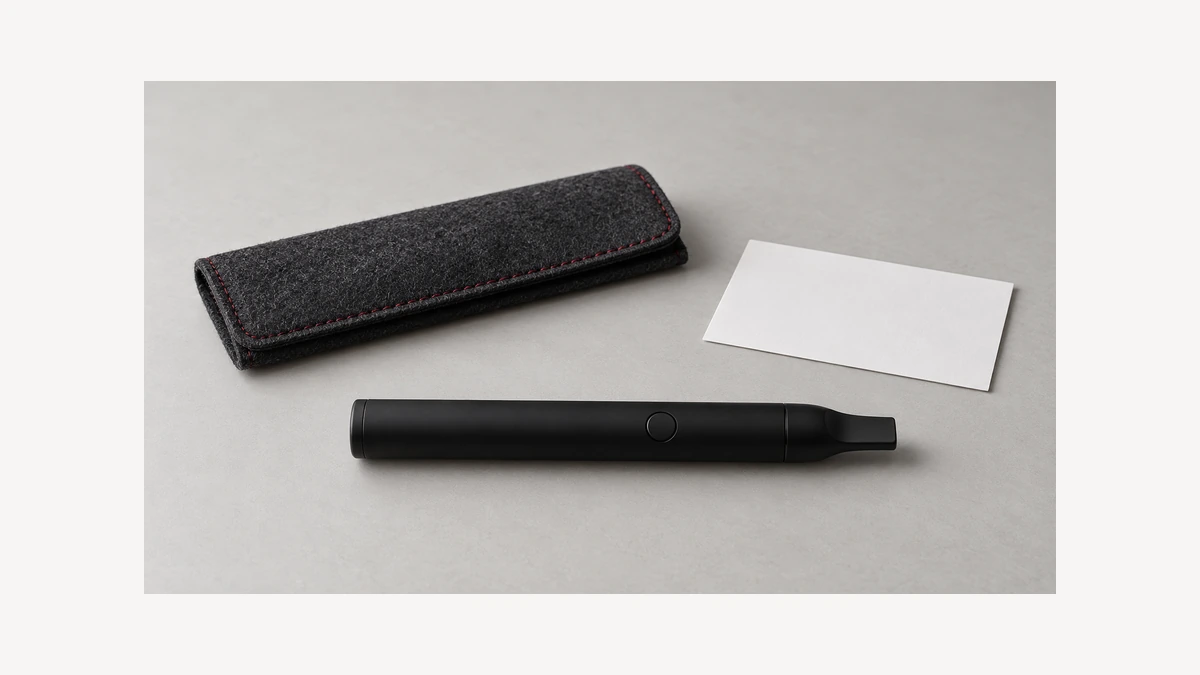
⚡ 3. Charge, Refill and Replace Are Three Independent Questions
Separate three questions. Rechargeable asks whether the device has a documented charging arrangement. Refillable asks whether its chamber or reservoir is designed for repeated access. Replaceable needs an object: is the removable part a pod, cartridge, heater assembly or battery module? Calling the whole device replaceable does not answer any of those more precise questions. Nor does a specification for one component establish the same property for the rest.
For example, a battery retained across changes of a documented removable cartridge is a different service arrangement from a complete sealed unit that is retired together. A twin-cartridge holder is different again from two reservoirs integrated inside one shell. Our guide to dual 510 battery layouts addresses that component distinction. Counting visible compartments does not identify which component an owner is meant to retain.
In a July 2020 discussion, a commenter asked why a disposable would also be rechargeable. Another reply suggested that battery energy and remaining contents might not run out together. Those are owner questions and suggestions, not a diagnosis of any particular unit. They are a reason to ask what each label means, rather than to assume all of the components share one service endpoint.
Replaceable battery can be especially ambiguous in a short description. It might refer to a complete external module designed to detach, rather than the cell sealed inside that module. Likewise, replaceable cartridge does not mean the reservoir wall, heater and seals are all individually serviceable. Name the assembly in the question. If the documentation only identifies a complete removable pod, do not extend that statement to its internal battery or heater. A component boundary shown in an illustration is useful only when its intended service role is also explained.
🔍 4. Cap Versions Explain Appearance, Not Serviceability
Different versions can matter even when a product name is unchanged. In the VPM example, the maker distinguishes a removable-cap version from a non-removable-cap version. Its own description treats rechargeability separately. That limited example is enough to show why an instruction for another version cannot be transferred just because the two look alike. It does not establish an opening method for the device in your hand.
Keep any version identifier with the support question. A retailer photograph, a friend’s cap or a video showing another unit might omit the version difference. If a cap has already been damaged or no longer aligns, describe that condition rather than trying to reproduce someone else’s opening technique. Cap access, refillability and replacement of a heater are still separate questions after the cap has been identified.
If the product arrives already capped, preserve the packaging description of the version. A removable-cap option shown elsewhere on the same product page does not establish which option was supplied. Conversely, the word disposable does not cancel an explicit, version-specific removable-part description. The two statements answer different questions; the task is to identify which documented configuration matches the existing unit, rather than choosing whichever label seems more familiar.
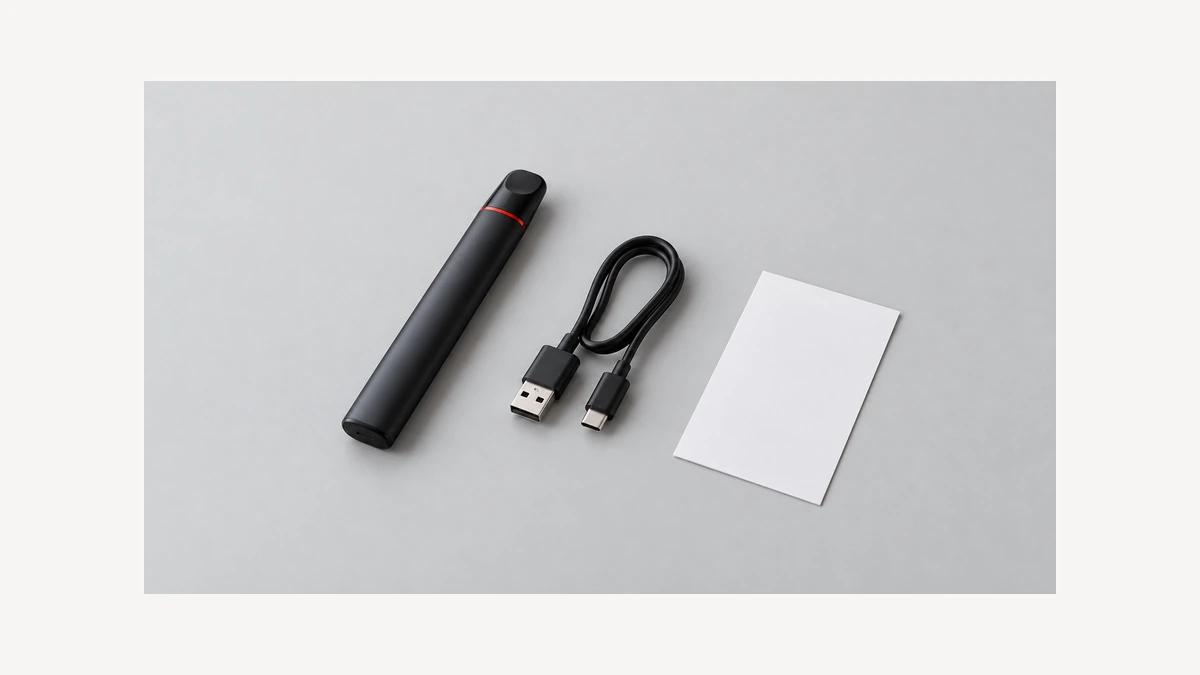
💡 5. A Working Light Doesn’t Diagnose a Dead Battery
A light and a visible reservoir do not identify the cause of a stopped device. Describe them separately: the indicator illuminated, the device did not respond as expected, and something remained visible through the window. Without that model’s diagnostic information, those observations do not establish whether the problem is in its power, control, connection or heating parts. There is no universal light pattern that settles all of those questions.
For its own oil all-in-one range, CCELL’s category FAQ says its devices are not intended for consumer reuse or hand refilling. That is a manufacturer-specific service boundary, not a claim that every disposable wax pen has that construction. In particular, the same category wording cannot override the actual charging instructions of another product.
Visible material is also not a measurement of recoverable contents or remaining service life. A photograph through a small window may not show the complete reservoir geometry. Do not turn the apparent level into a claim that the device can be restored by another charge, a different setting or opening the shell. If the device behaves abnormally, keep the question about its condition separate from the appearance of what remains inside.
🖱️ 6. A Separate-Looking Mouthpiece Isn’t Proof of a Swappable Pod
A line around a mouthpiece does not tell you whether it is an owner-removable part. A seam can mark a component boundary without providing a service opening. In a May 2025 discussion, one owner asked whether rechargeability also meant the pod could be exchanged and explicitly said they did not want to force it out. That is the useful question to preserve. The visible comment does not establish that their pod was exchangeable.
A loose mouthpiece is another condition again. The intended response depends on whether the entire top assembly, a short stem or a separate cap has moved. Our mouthpiece fit guide separates those parts. A part coming loose unexpectedly is not proof that it was designed for routine exchange, and it does not make a sealed device refillable.
Keep unexpected movement separate from designed access when describing what happened. For example, a cap that has begun to turn after a drop is a changed condition, not a newly discovered refill mechanism. A seam becoming more visible after damage is also different from a documented latch. Record the change from what was normal for that unit, without deliberately moving it further to see what happens. This gives a support technician a clearer account than treating every movable-looking surface as a user control.
🏷️ 7. Identifying What You Actually Own Before Asking for Support
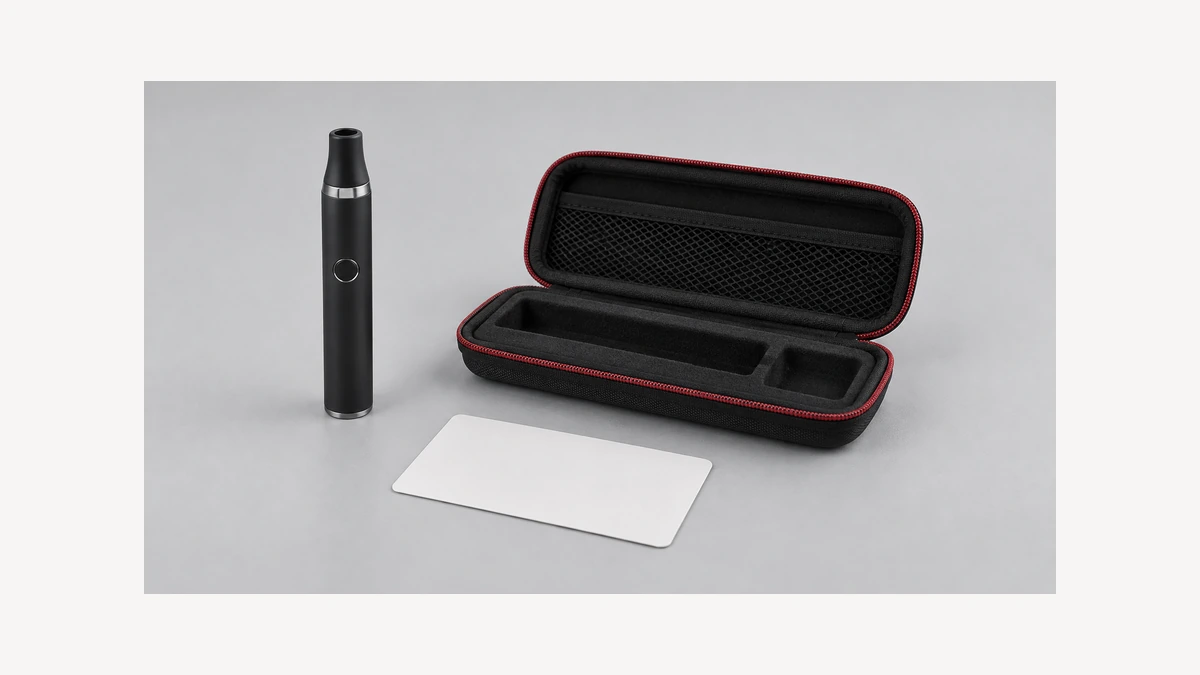
The useful identity is the exact unit and version, not the broad phrase on a search result. Keep the model name, packaging description and any owner instructions together. Existing order records can help identify the version without taking the device apart. A recognizable silhouette is not enough to establish that a different manual applies.
It is acceptable for support to need a version photograph or a marking already visible on the packaging. That request does not mean an owner should remove a cover to find an internal number. Use existing records where possible, and distinguish information you know from information you are asking the supplier to confirm. A precise question reduces the chance of receiving a routine instruction for a different configuration.
Describe the question in terms of parts: “The documentation says rechargeable, but does this version also have an owner-exchangeable pod?” is clearer than “Can I reuse it?” If the question concerns a fault, add what actually happened before you stopped using it. Do not claim that a battery failed merely because another person used that explanation for a similar-looking unit.
♻️ 8. Retiring a Disposable Wax Pen Responsibly
End-of-service questions belong to the complete device and its condition. The U.S. EPA’s consumer guidance for used lithium-ion batteries says these batteries and devices containing them should not go in household garbage or municipal recycling. It directs consumers toward appropriate collection or recycling programs and notes that not every battery is removable or user-serviceable. This is U.S. guidance, not a universal disposal rule.
Ask the relevant local program whether it accepts the actual complete device, including any remaining contents and a built-in battery. A listing for ordinary loose household batteries does not establish acceptance of a sealed vape. If the unit is damaged, tell the program that before arranging a handoff and follow the manufacturer’s specific handling guidance. Do not dismantle it or improvise a mailing plan to make it fit a collection category.
An owner with a rechargeable unit and an unfamiliar cap can therefore ask two precise questions without opening anything: which charging arrangement is documented for this version, and which parts, if any, are intended for owner exchange? If the supplier confirms that the unit is sealed and has reached its service endpoint, the next task is an appropriate complete-device collection route, rather than another attempt to turn a service boundary into a removable part.