Unexpected dry herb burning is a reason to stop and identify what happened, rather than keep running the device to see whether the next result looks better. Dark residue, loose ash-like particles and damage to the housing are different observations. None can identify the underlying fault from a photograph alone, and a low number on a display does not settle the question.
For an existing owner, the useful distinction is between what can be observed on a cool, unpowered device and what requires model-specific assessment. A description such as “the chamber looks darker” is a starting point. It becomes more useful when it says where the change appeared, whether a part had recently been changed, and whether the device showed any unusual behavior before it was switched off.
🔎 1. What Does Dry Herb Burning Describe?
The phrase gets used for several different things. One person means that a chamber wall has a dark patch. Another means loose material looked ash-like. Someone else means a plastic edge changed shape or an odor appeared to come from the housing. Those reports should not be merged into one diagnosis simply because each person uses the word burnt.
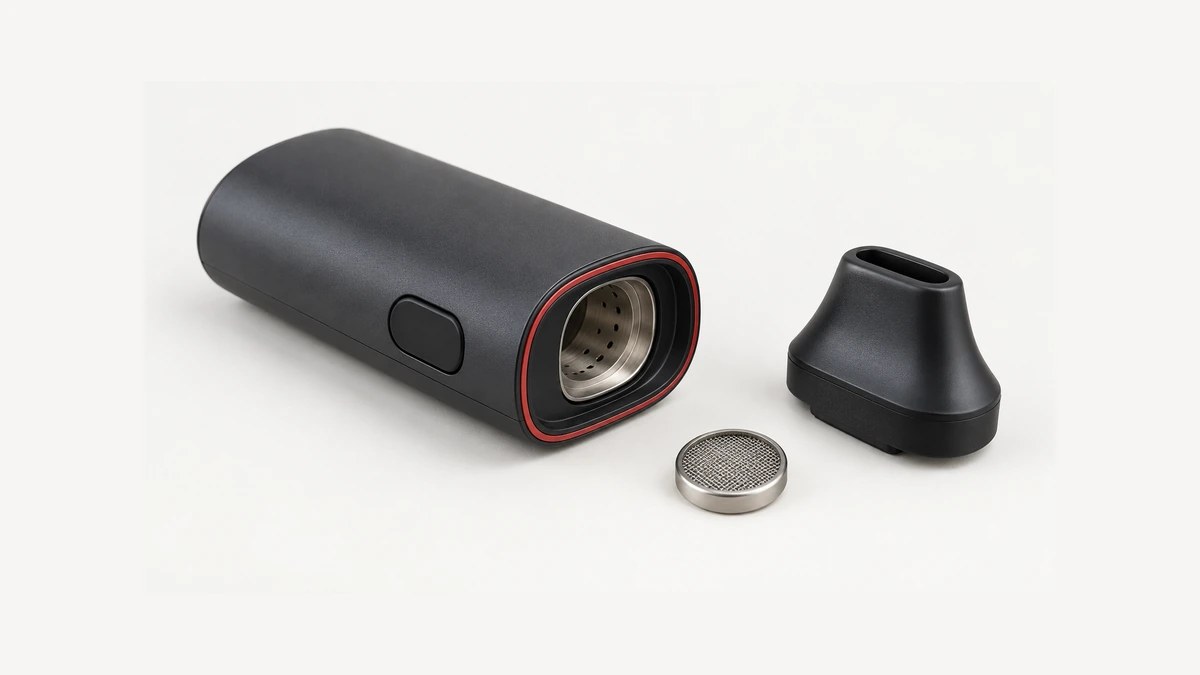
Start with location. Was the visible change on a removable screen, the chamber wall, the mouthpiece, or the outside of the powered body? A mark on one of these parts does not automatically tell us the condition of the others. Describe the location without scraping at it, reaching into the heater, or running another cycle to reproduce the observation.
Next separate appearance from interpretation. “There is a dark patch on the lower screen” reports something visible. “The thermostat failed” proposes a cause that has not been established. A technician may eventually connect the two, but keeping them separate preserves useful information and avoids directing the investigation toward a guessed explanation.
A comparison with earlier photographs can help describe a change if those photographs already exist. There is no need to create a new operating test. If the first clear record is the current condition, say so. Missing history is more honest, and more useful, than reconstructing a confident story from memory.
🧩 2. Stained Surfaces, Loose Particles and Damaged Parts
A surface mark is an observation about a surface. Its color alone cannot establish whether it is ordinary residue, damaged coating, contamination or the result of an abnormal event. Do not assume a dark chamber is harmless buildup, but do not claim that every stain proves a failed heater either. Its location, timing and the manufacturer’s instructions matter.
Loose ash-like particles raise a different question from a mark fixed to the wall. Describe what was already visible after the device cooled, without touching unknown residue or trying to identify it by inhaling, tasting or deliberately smelling it. A photo can preserve the arrangement before parts are moved for permitted servicing.
Changed geometry deserves separate attention. A warped rim, cracked insert or lifted housing seam is not just another shade of residue. Record that physical change directly. Avoid pushing the seam shut, straightening a screen or fitting an accessory over the damage to see whether the device still works. Altering it can hide the condition that needs assessment.
For example, a dark removable screen beside an otherwise intact housing produces a different incident description from a clean-looking chamber beside a deformed body. Neither example supplies a diagnosis. The point is to keep the condition of each part visible in the description, rather than let the most obvious mark stand in for the whole device.
🏷️ 3. Identify the Device Before Applying an Explanation
A pen-shaped housing does not establish the heating architecture. Nor does a product’s category name establish whether it has a regulated chamber, which component is sensed, or what an indicator represents. Identify the exact model and revision using the information already on the device or in its manual. A similar-looking device discussed online may operate differently.
The distinction between a heating method and a control mode matters here. Convection and on-demand operation answer different design questions; one should not be treated as the alternative to the other. A general description of heated air is not a troubleshooting result for a particular chamber. It cannot identify an unexpected residue pattern by itself.
Likewise, the presence of a temperature display does not tell an owner everything about the control system behind it. Read how the manual labels the number before calling it a measured chamber temperature. A selected setting, an estimated reading and an error indication are different kinds of information. The article cannot supply a missing sensor diagram for unspecified hardware.
🧷 3.1 Changed Screens and Accessories Belong in the Timeline
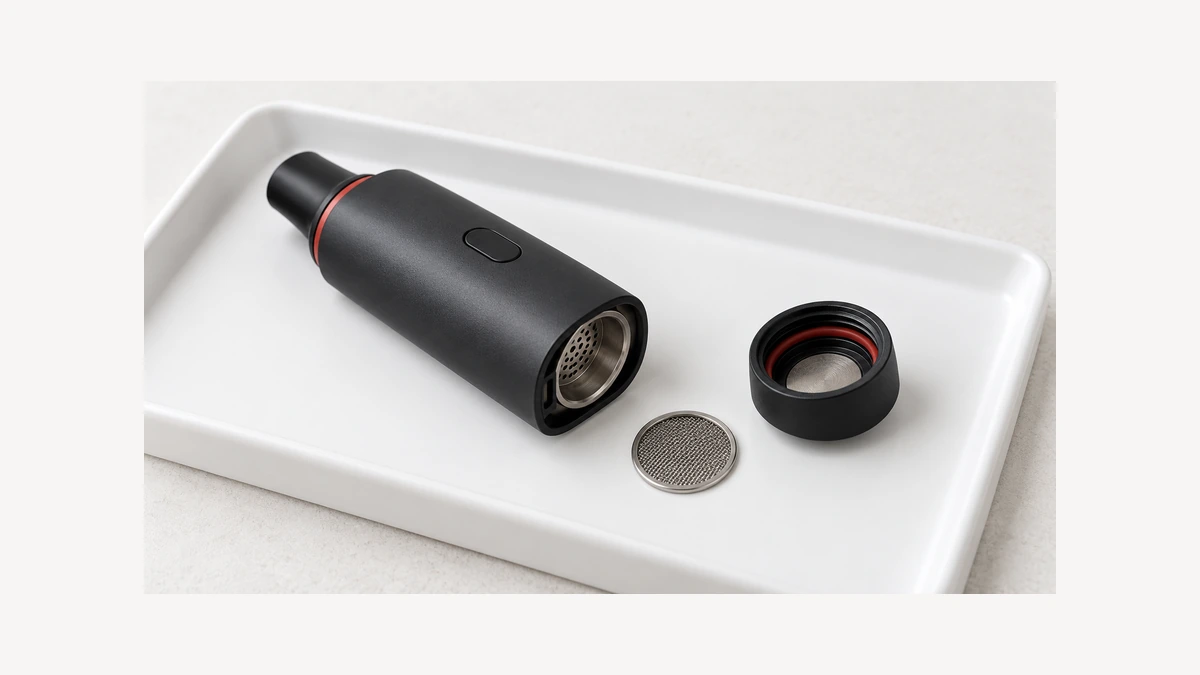
If a screen, insert, cap or other part changed recently, record the part’s identity and when it was installed. Do not conclude that the part caused the event merely because it was new. But do not omit it because it seemed to fit. Accessories can have similar outlines without sharing a documented relationship to the heater and surrounding parts.
The screen-fit explanation helps distinguish mesh, outline and seating questions. It does not make a pipe screen an approved replacement inside a powered vaporizer. Exact application matters. A photograph of the removed packaging or a part number already available is preferable to guessing its dimensions or attempting to reseat an uncertain part for another trial.
🌡️ 4. A Display Is Not a Complete Temperature History
In an April 2024 discussion, an owner described ash-like results despite a low displayed setting. The replies included a precise ignition threshold and purchasing advice. Neither is adopted here. The thread identifies a real reader concern: how to reconcile a number that looks reassuring with a physical result that does not.
A setpoint states the selected target. It is not, by itself, a record of every temperature at every location throughout the event. Without the manufacturer’s explanation of the display and sensing arrangement, an owner should not interpret it as proof that no part could have behaved unexpectedly. Equally, an unexpected mark does not prove that the displayed value was false.
Write down the value that was already observed, together with any error message or unusual indication. Preserve the distinction between “the screen showed this number” and “the entire chamber stayed at this temperature.” The first is an observation; the second would require evidence the screen alone does not provide. Do not use a household probe or improvised calibration method to fill that gap.
🧼 5. Cleaning Access Is Different From Repair Access
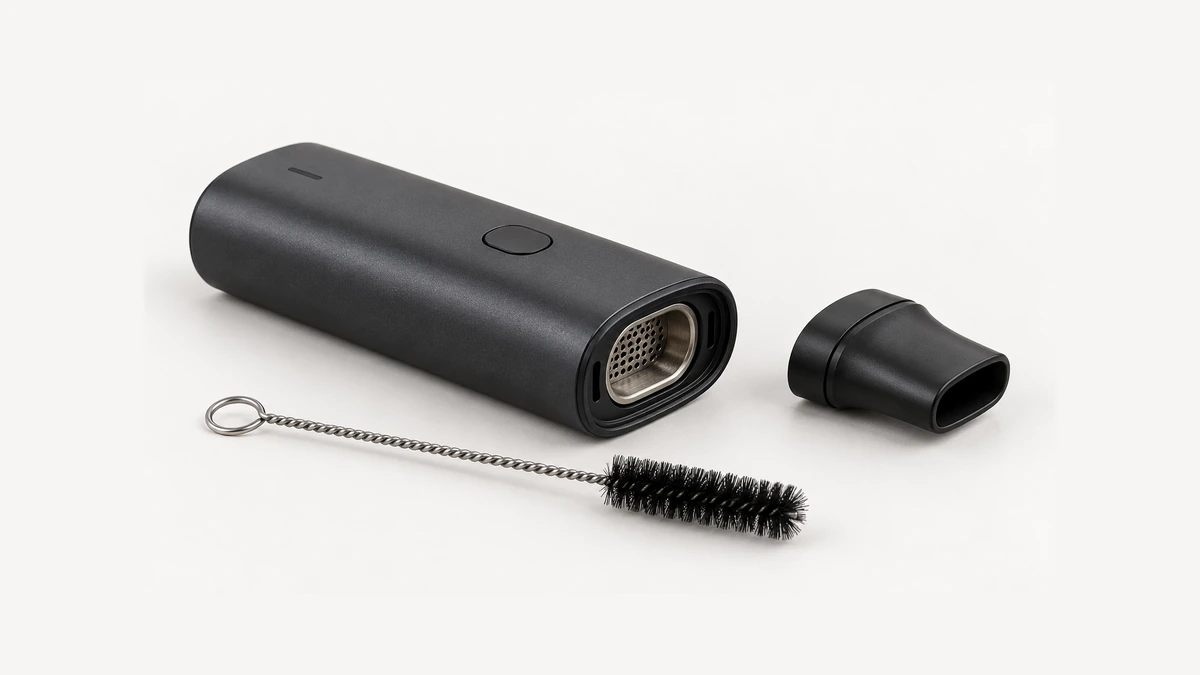
Owners often know that a mouthpiece can be removed for cleaning and assume the parts beneath it are equally accessible. That does not follow. A manual may permit routine care of one component while reserving the heater, wiring or battery housing for service. The boundary is defined by the actual instructions, not by whether a screw is visible.
For a concrete example, STORZ & BICKEL’s cleaning instructions distinguish housing care from care of removable cooling parts and screens, and call for checking parts for damage. Those are instructions for the documented assembly. They are not permission to soak another device’s powered body or apply its solvent procedure to an unidentified seal.
Do not turn an unexplained scorch incident into a general deep-cleaning project before preserving the visible condition. Cleaning may remove information without resolving the fault. Record the condition first, then follow the manufacturer’s direction about whether routine care, replacement of an identified part or service is appropriate. An unknown deposit inside a powered assembly is not a reason to flush it.
If the manual permits taking off a cold mouthpiece, that does not mean the entire heater should come apart. Keep removed items identified and separate from unfamiliar spare parts. An authorized technician should not have to infer which screen was originally present from a mixed collection of accessories. This is basic incident documentation, not a modification procedure.
🔁 6. Why Another Heat Cycle Does Not Settle the Fault
The urge to repeat the event is understandable: a second result seems as though it will provide a clear yes or no. But an owner does not need to reproduce possible burning to make the first observation credible. A device can require assessment even if the behavior has only been noticed once.
A repeated cycle is not an inspection of the sensor, heater or battery. If nothing unusual is noticed the second time, that does not establish that the original condition was harmless. If the same thing happens, it adds another exposure without necessarily identifying the cause. The question is the present condition of the hardware, not whether a worrying result can be made consistent.
Do not add another variable by changing accessories, experimenting with controls or using an adapter suggested in a comment. That changes the arrangement under discussion. A clear record of the original event is easier to assess than a sequence of undocumented alterations. Keep the unit unpowered while its condition and permitted service route are clarified.
🛠️ 7. A Real Hardware Example Has a Narrow Scope
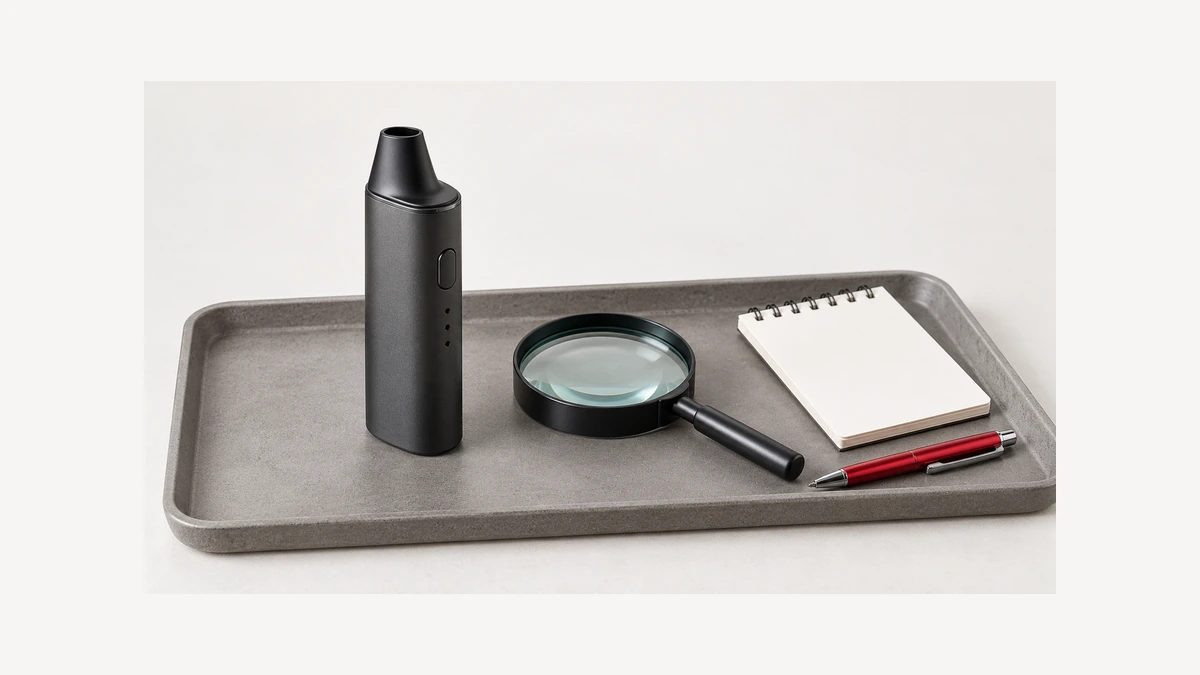
The Tinymight 2 troubleshooting page identifies a specific scenario in which an accessory can displace a screen onto the heater and cause a short associated with sudden overheating and scorching. This is a manufacturer-described issue for that layout. It is not a general diagnosis for every vaporizer, and this article does not reproduce the page’s internal repair procedure.
The example matters because it shows why “lower the number” is not an adequate explanation of every incident. A physical relationship between components can be relevant, and only the correct documentation can identify which relationship. It does not follow that every screen is misplaced, that an owner should reach into a heater, or that moving an insert would clear a device for use.
Look for a troubleshooting entry that actually matches the model and reported condition. A familiar word such as scorch is not enough if the page describes another assembly. Save the source and explain which observation seemed related when requesting service. Leave the diagnosis open when the available documentation does not establish it.
⚠️ 8. Separate Battery Warning Signs From Residue Questions
The NFPA’s lithium-ion battery guidance identifies excessive heat, changed shape, leaking, unusual odor or noises as reasons to stop using the battery; an active dangerous event calls for emergency help. Do not approach, move or dismantle a hot, smoking or swollen device to improve a photograph. Personal safety takes priority over collecting a record.
For a cool, stable device already switched off, a short incident note can describe the model, visible location of the change, existing display observations and any recently changed part. Add whether a fall, liquid exposure or charging issue preceded it if that is known. Keep uncertainty explicit. “I did not see an error message” is different from claiming no fault existed.
The related battery handling guide addresses the broader electrical-safety issue. For this chamber-specific question, leave the device unpowered and use the manufacturer’s service instructions to determine what happens next. A clearer report helps that assessment; a reassuring color chart, another heat cycle or an improvised repair cannot replace it.