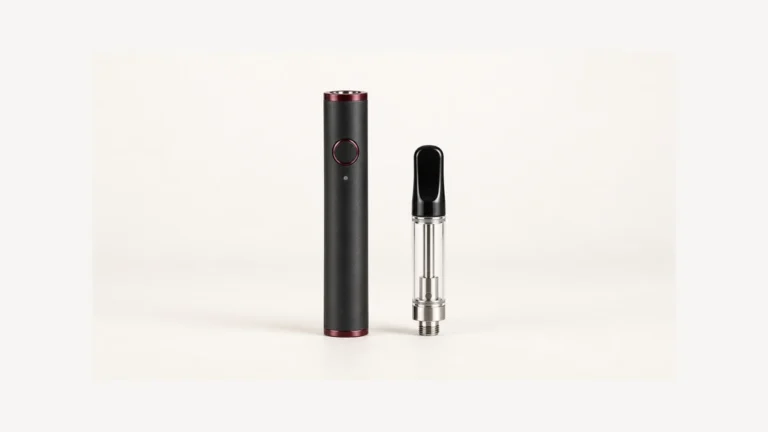
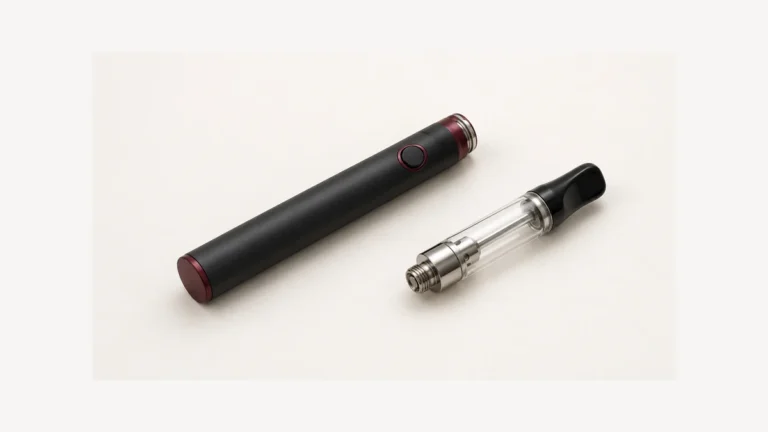
A dual chamber vape can contain two reservoirs in one housing without providing two independently replaceable cartridges. That distinction matters when an owner reports that one side has stopped responding despite a charged indicator. A battery light is not a diagnosis of each chamber. Before treating two visible windows as two interchangeable units, identify the actual reservoir layout and the meaning of the device’s own side labels.
🔍 1. Two windows do not tell the whole architecture
Devices marketed loosely as “2-in-1” cover a wide range of internal layouts, from two independent removable cartridges to a single molded body with two sealed reservoirs built in. People reading descriptions of an existing device can encounter a 2-in-1 vape pen framing before confirming which internal layout they’re actually holding, and that gap matters once a fault shows up on only one side rather than both.
A pair of windows can show two viewing areas; a pair of lights can identify two indicated states. Neither arrangement, on its own, tells you whether there are two removable cartridges, two integrated reservoirs or another internal arrangement. The visible front panel is a useful place to locate features, but it is not an internal circuit diagram. The exact documentation supplies the missing relationships.
🧩 2. An integrated dual chamber vape differs from two removable carts
Here, integrated dual chamber means two reservoirs within one device assembly. A dual cartridge vape pen instead accommodates separate cartridge units. Both can be called dual in casual discussion, but the word refers to different boundaries. Confirm whether the documentation identifies user-removable cartridges or a sealed reservoir assembly; do not infer removability from two matching outlines.
That boundary changes the appropriate support question. A unit with an integrated reservoir is not automatically a platform on which the owner can swap the two sides. Even with removable cartridges, an interchangeable appearance is not permission for a powered test. Report the observations already available and let the actual documentation or support process determine any further check. A sealed housing should not be opened to make it resemble the other architecture.
Cilicon, a components manufacturer, describes one of its own integrated designs as using two ceramic heating cores paired with separate internal air paths inside a single sealed body, according to its product listing. That description supports the existence of this architecture as one real approach among several; it says nothing about how every integrated dual-chamber device is built, how well any given unit isolates airflow between sides, or how the two paths perform over extended use.[1]
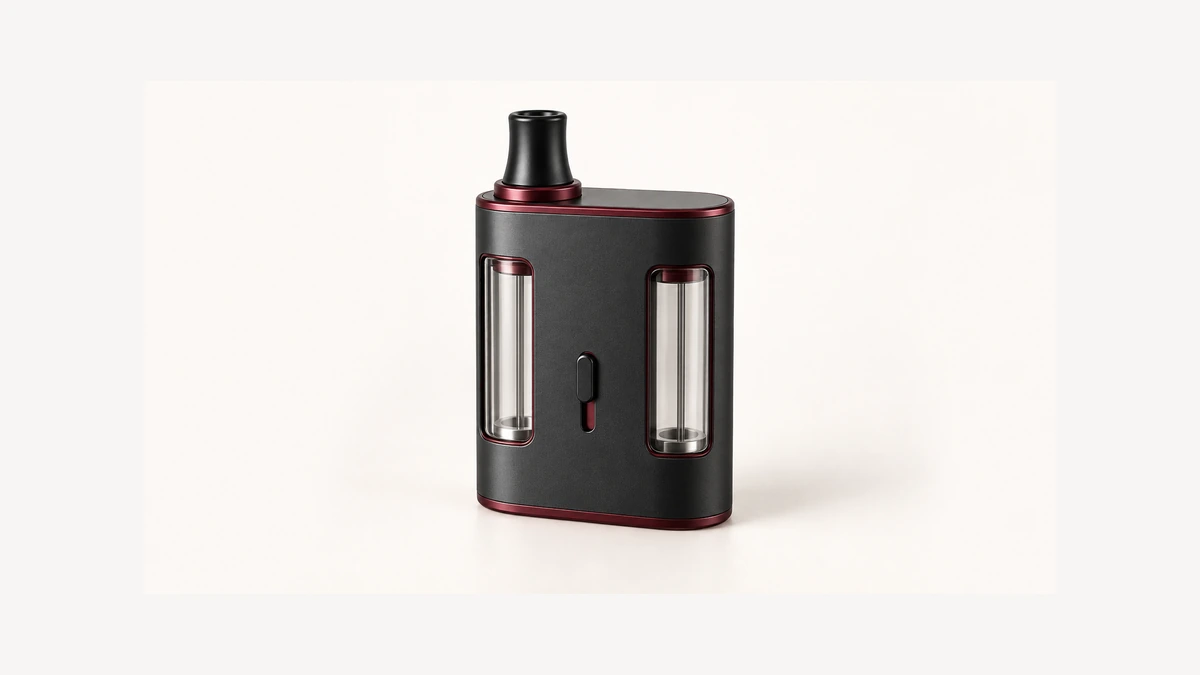
The useful nouns are reservoir, heater, airflow path, selector, power source and mouthpiece. Each names a different function. A reservoir holds contents; a heater receives electrical power; an airflow path connects openings; a selector indicates or controls a choice as defined by the design. These functions can share a housing without sharing every internal component. Their exact arrangement has to come from the maker’s drawing or description.
Greentank, another components supplier, describes one of its own products as built around dual reservoirs within a shared housing, according to its own product page. As with the Cilicon description above, this is one manufacturer’s account of its own design and does not establish how reservoir separation, leak resistance, or cross-chamber contamination risk behaves across the wider dual-chamber category.[2]
Keep those functions separate when reading a fault report. A visible level belongs to a reservoir observation. A colored light belongs to an indicator observation. A response missing on one reported side belongs to the behavior the owner noticed. Combining all three into the single phrase dead chamber can hide which evidence is actually available and which conclusion is still unconfirmed.
The distinction is similar to a cabinet with two compartments and a cabinet holding two removable boxes. Both present a pair of spaces from the front, but the boundary you can remove differs. This analogy explains the naming problem only; it does not establish how a particular vaporizer is assembled or whether any divider is user-accessible. In hardware documentation, look for a parts diagram that names the removable item rather than relying on the silhouette.
💡 4. What an indicator identifies and what it cannot
Imagine opening an instruction leaflet after noticing two colors on a device. One paragraph describes charging; another describes a chamber indicator. The same small area of the housing may be involved in both descriptions, but the timing and context matter. A color noticed while a cable was attached should not automatically be interpreted using a paragraph about side identification. Record the state you already observed rather than activating the unit repeatedly to generate a new pattern.
If the manual identifies a light as a battery-charge indicator, that indication concerns the battery state it is specified to report. It does not independently prove that both heaters, all internal connections and each airflow path are functioning. A dual 510 battery discussion addresses a different removable-cartridge platform; its controls and display meanings must not be imported into a sealed dual-reservoir unit simply because both names contain dual.
A charged indication and an unresolved one-sided fault can therefore coexist. The first statement is about what the indicator reports; the second is about a previously noticed symptom. Neither cancels the other. Read each against the exact manual before declaring the battery defective, the side empty or a heater failed. The aim is a narrower, more accurate description, not an improvised electrical diagnosis.
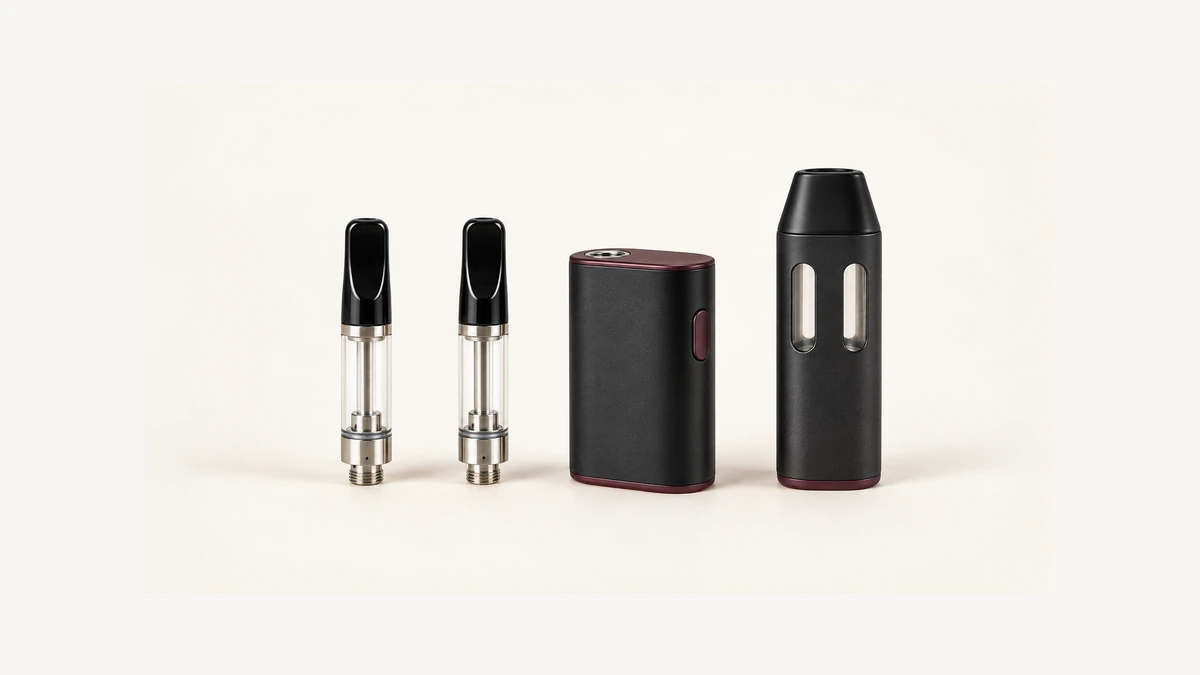
Color names need the same care. A photograph showing a blue light records blue at that moment. It does not prove which reservoir a blue label refers to unless the unit instructions connect them. Keep the leaflet and the photographed orientation together. A response from another owner whose version uses a different marking scheme may sound helpful while answering a different question.
🧭 5. One side reported as failed is a narrower observation
In one Reddit discussion, an owner distinguished a side identified by one color from the other side and reported a missing response despite charging. Elsewhere, a discussion about the same general category contained both obstruction complaints and accounts without that complaint. These are useful questions to investigate, not controlled comparisons. They do not establish a common cause, a failure rate or whether two reported units contain identical hardware.
For an individual report, separate the observation from its interpretation. The indicator changed but the familiar response was absent is different from the heater is broken. An owner can accurately describe the first without knowing the second. The point is not to minimize the fault; it is to avoid promising a repair path based on a component that has not been inspected. A side-specific symptom can matter even when its cause remains unresolved.
A side reference also needs a viewpoint. Left when the control faces the camera is right when the back faces the camera. Use the printed chamber identity if the unit provides one, or describe the photographed face explicitly. This avoids a support conversation in which two people discuss opposite sides while using the same word. It does not require operating the selector; the physical label and the existing photograph are enough to establish which area the report concerns.
⚖️ 6. Unequal visible levels are not instructions to rebalance
Different visible levels do not, by themselves, establish either normal operation or a fault. You do not know the starting levels, the documented reservoir shape or the history from the current view alone. A window can show part of a compartment while concealing another part of its outline. Treat a photograph as a view of the stated area at a stated time, rather than a complete inventory measurement.
Two reservoirs described as separate are not two ends of a container the owner should try to equalize. A difference in the windows is not an instruction to move contents between sides. If a visible condition seems inconsistent with the documentation, retain a photograph and ask the maker to interpret it. Do not open, refill, invert, warm or manipulate the unit in an attempt to make the levels match.
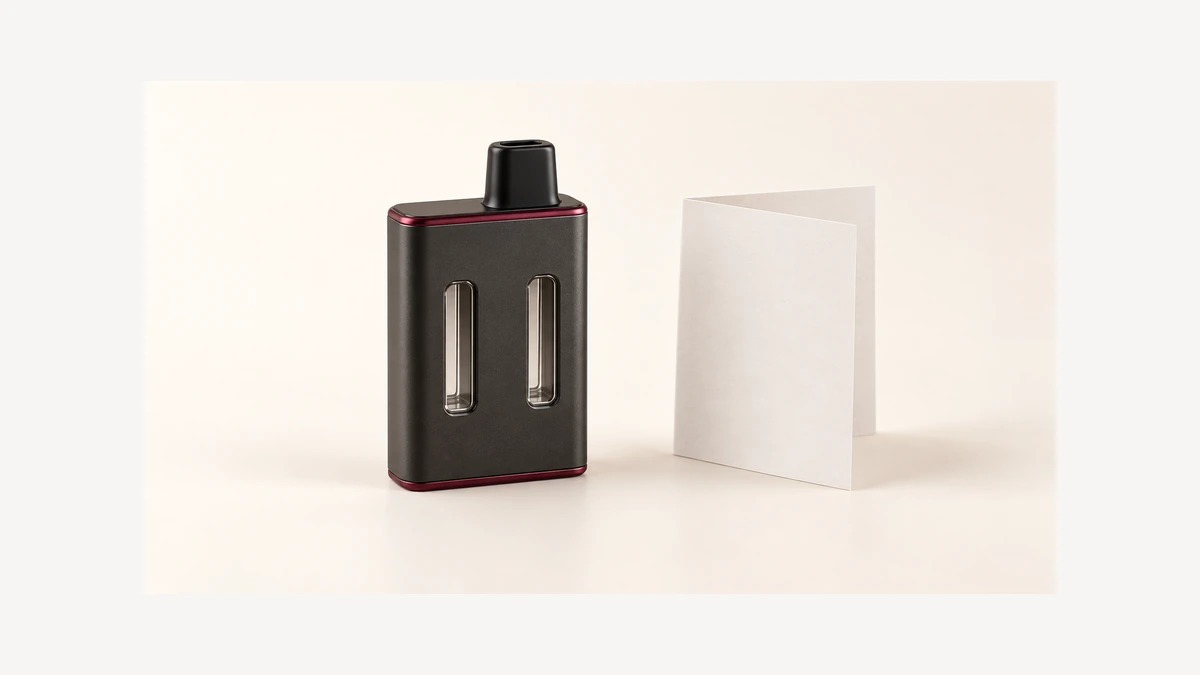
A useful window photograph includes the whole inactive device, not only a close crop of two liquid lines. The full view preserves which face is shown and where the window sits relative to the mouthpiece and control. Photograph only when safe without operating or manipulating a malfunctioning unit. It is fine to leave an uncertain area undescribed rather than label every dark shape a bubble, a partition or a blocked heater.
⚠️ 7. An unexpected hot pocket is a malfunction to stop
One discussion raised an additional concern: the owner noticed unexpected heat in a pocket and also believed the contents had moved between chambers. Those are two reported observations, not a verified chain of causes. The account does not prove that orientation caused a partition failure or that the apparent level change explains the heat. Unexpected heating deserves attention independently of the owner’s theory about the reservoirs.
Do not keep using or charging a malfunctioning device to see whether a different side behaves better. Follow its stated malfunction and battery-safety instructions, and seek the appropriate service advice. Do not handle a hot or damaged unit merely to photograph it, and do not apply external heat as a repair experiment. The comparison between reservoirs can wait; a clear record of the already observed event is more useful than another attempt to reproduce it.
📋 8. Keep the exact device and side identity for support
A brief comparison keeps the physical boundary clear without turning it into a test procedure:
| Question | Distinction |
|---|---|
| Where is the boundary? | Integrated: Reservoirs within the documented device assembly. Removable: Separate cartridge units in a host. |
| What confirms part access? | Integrated: Exact maker documentation, not a visible seam. Removable: Specified cartridge interface and removal method. |
| What identifies a side? | Integrated: Actual unit labels and indicator definitions. Removable: Actual cartridge and socket identities. |
When seeking support, use the exact model identity and the side labels printed on that unit or defined in its leaflet. State whether the reported change concerned a light, a visible window, an unexpected temperature or another already noticed response. Include when the change was first noticed and any earlier damage or care. Do not invent a left-versus-right reference if the device was photographed from different sides; explain the orientation.
Preserve the packaging or part identity that came with the device while the issue is assessed. A product family name alone may not identify its internal revision or indicator instructions. Leave a failed integrated assembly out of service rather than treating the apparently unaffected side as a workaround. The next appropriate action is the specific support or service path for that unit, not a forced opening of its sealed reservoirs.
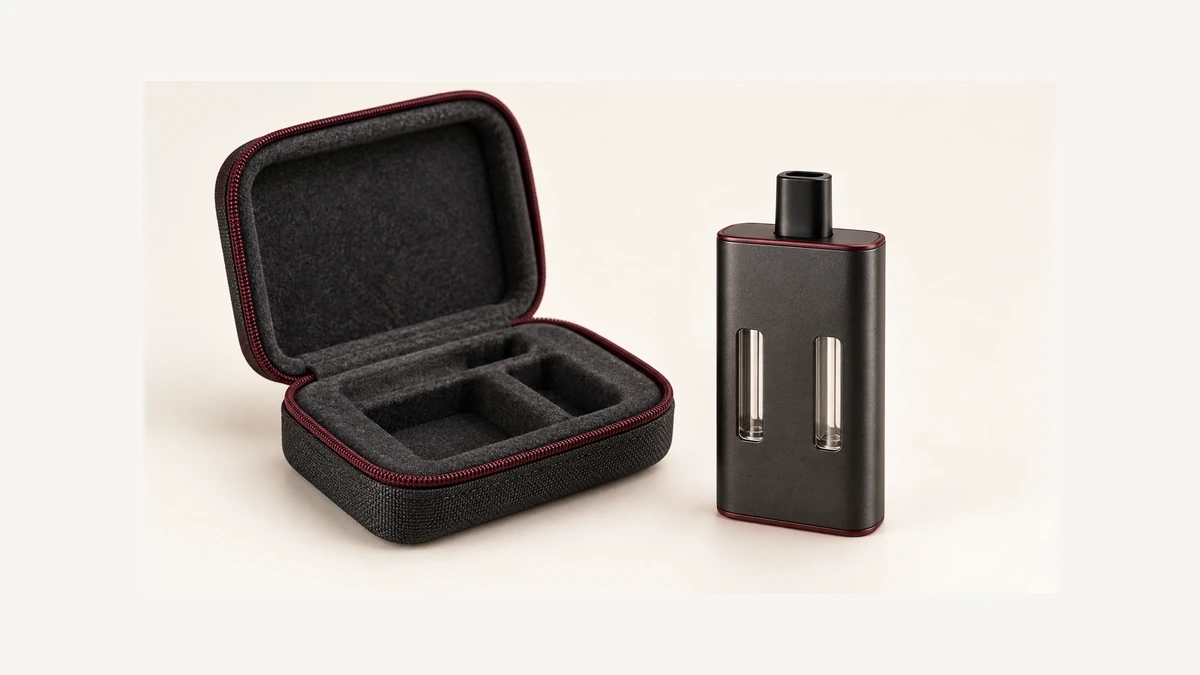
For example, compare two service messages. The first says that the dual unit is dead. The second identifies the exact device version, the label of the side involved, the indicator already seen during the event and when the familiar response changed. The second does not solve the fault, but it lets support ask a relevant next question without assuming the owner has two separate cartridges to remove.