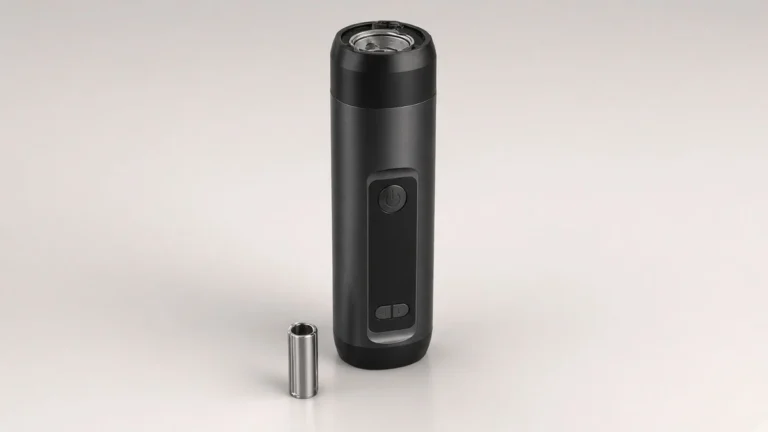
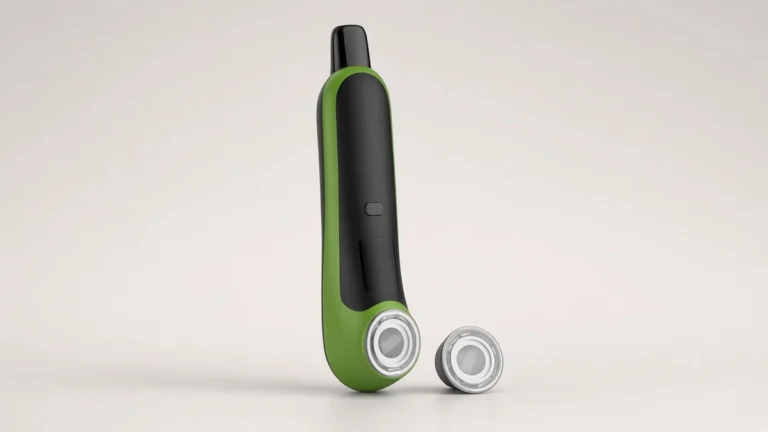
An empty 510 cartridge is not finished once oil is in the tank. The version may include a removable fill plug, often a small silicone or rubber stopper, that is designed to close the fill opening. It also has a mouthpiece that seats on the tank when the cart is closed. Those two parts are easy to collapse into a single catalog phrase such as “press-fit tip,†“sealed after filling,†or “ready to fill.†They should not be. The fill plug is a distinct part that closes, or temporarily closes, the fill opening. The mouthpiece is the tip that seats on the cart and completes the top of the assembly. A brief that names only a closure family, or only an “includes plug†note, is incomplete if it does not say which part does which job, and in what order.
That distinction is not the same as where the cart is designed to be filled, and it is not the same as how the mouthpiece is designed to seat. Center Airway or the Fill Opening: Where a 510 Cart Is Designed to Be Filled already identifies the fill opening and the airway that must stay clear. Press-Fit Mouthpiece or a Threaded Tip: How a 510 Cart Is Closed After Filling already identifies the mouthpiece closure family. Fill Line or Headspace: What a 510 Cart Leaves Empty After Filling already treats the intended fill height and the remaining empty volume. This guide does not retell those subjects. It stays on two after-fill parts that still have to be named on their own: the fill plug, the mouthpiece, and what a listing photograph cannot prove.
🔎 1. The Fill Plug and the Mouthpiece Are Not the Same Part
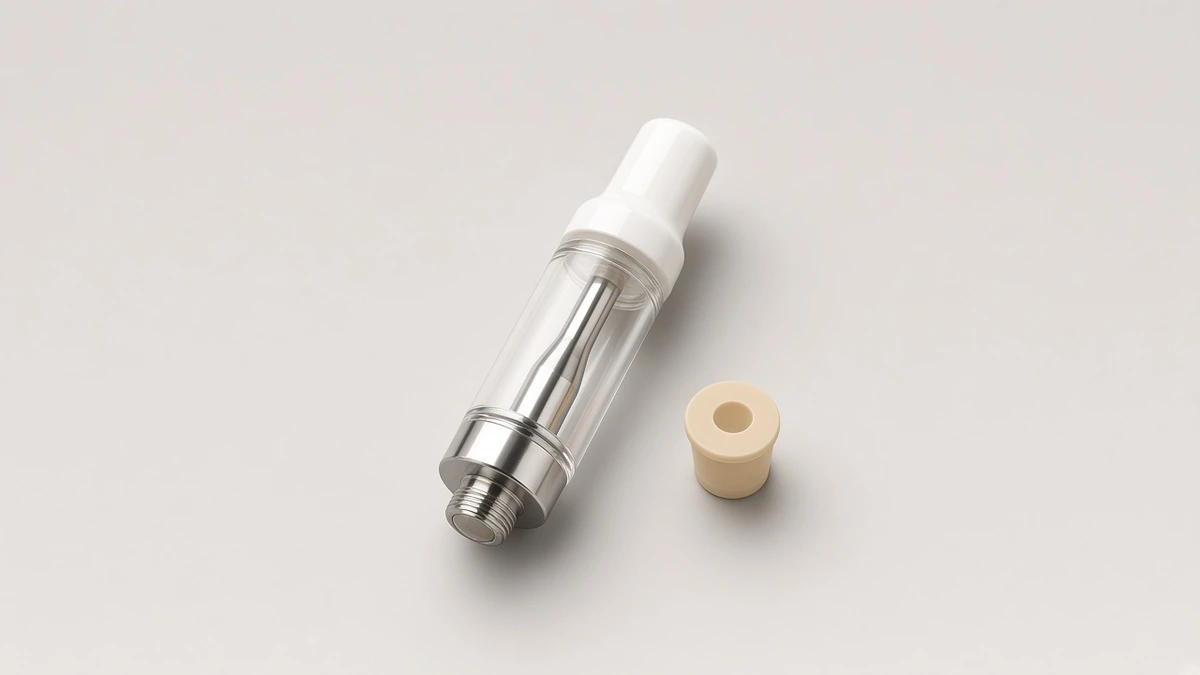
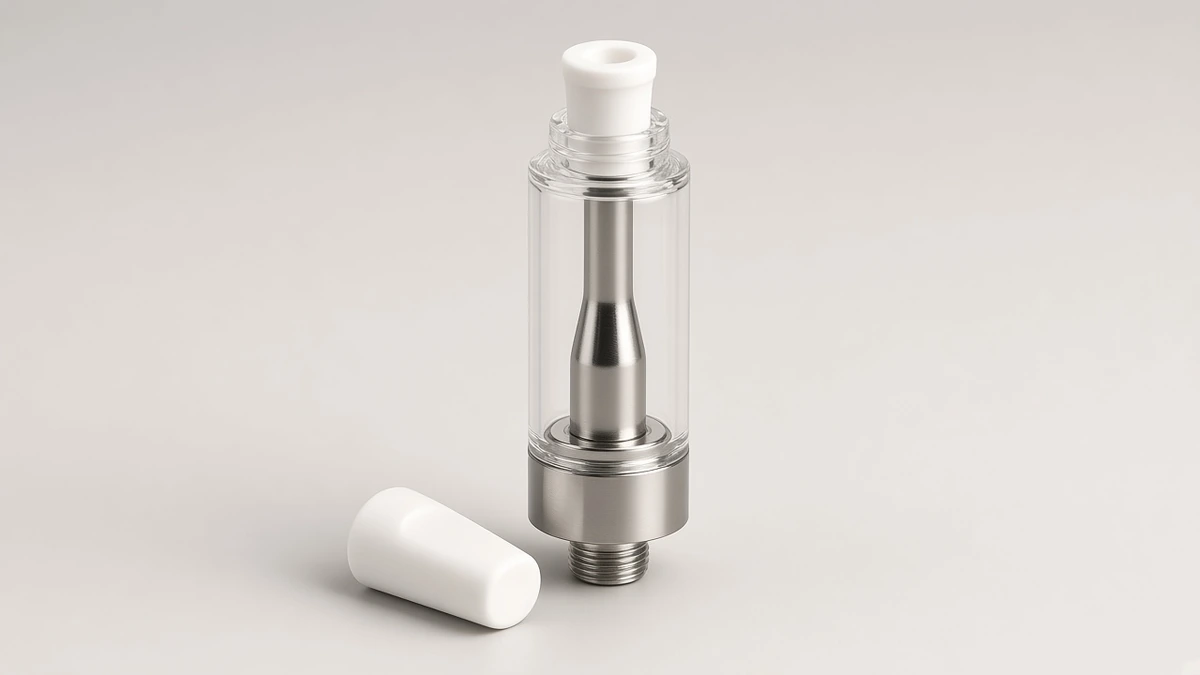
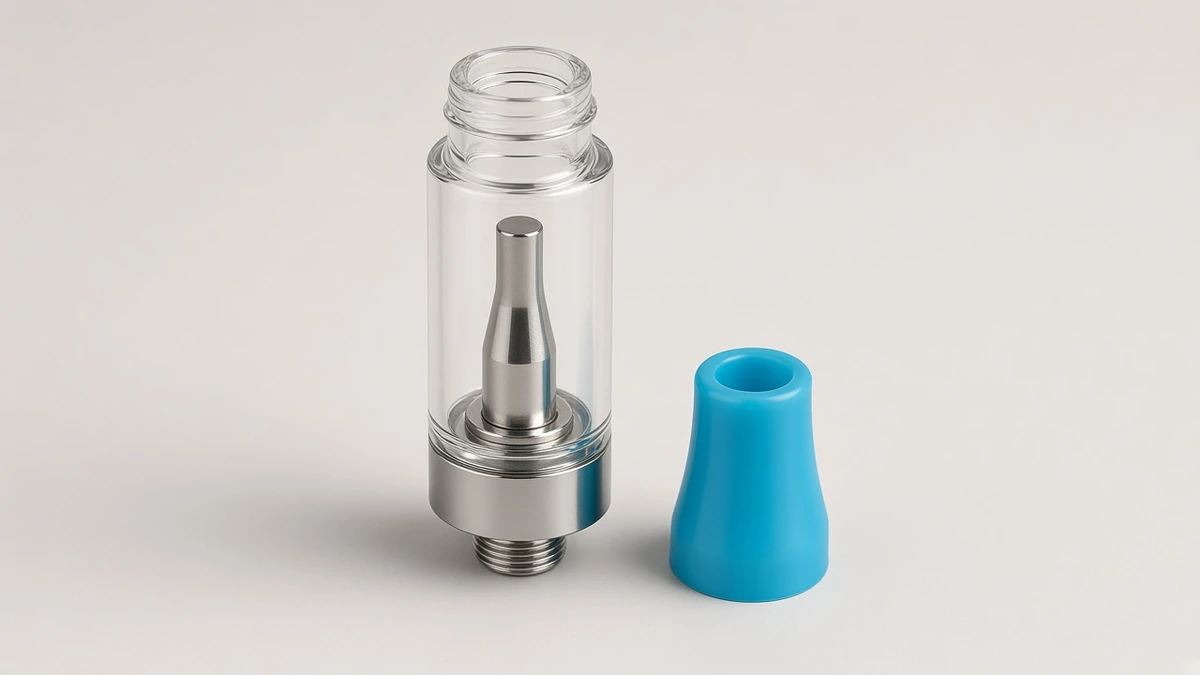
The first cut is simple. A fill plug is a removable stopper the version treats as the part that closes, or temporarily closes, the fill opening after oil is dispensed. It may be silicone, rubber, or another documented material, and it may sit in the reservoir opening, under the mouthpiece, or in another documented location. The mouthpiece is the tip that seats on the tank and forms the top of the finished cart. One part closes the fill opening. The other part is the tip a user draws through, and the part the closure family describes. They can both be present on the same cart, and they can be omitted or substituted independently.
A “press-fit tip†label does not identify a fill plug. A photograph of a seated mouthpiece does not prove that a plug is present under it, or that a plug is supposed to be removed before the tip is seated. A cart can ship with a loose plug in the box and still require the mouthpiece as the finished closure. It can also be designed so the mouthpiece alone closes the tank, with no plug in the bill of materials. Do not assign both parts from one closure phrase.
The fill opening is a third identification again. Center Airway or the Fill Opening: Where a 510 Cart Is Designed to Be Filled already treats where oil is supposed to enter. The opening is not the plug, and it is not the mouthpiece. This guide does not retell that subject. It only asks the buyer to write the plug and the mouthpiece as their own lines, including whether both are used and in what order.
ðŸ·ï¸ 2. A “Ready to Fill†Label Is Not a Complete After-Fill Specification
“Ready to fill,†“includes silicone plug,†“press-fit tip,†and “screw-on mouthpiece†are starting labels, not finished after-fill specifications. Closure family tells you how the tip is designed to seat. It does not tell you whether a separate plug is part of the version, where that plug sits, whether it stays in the cart after the mouthpiece is seated, or whether it must be removed first. Two carts can share a press-fit mouthpiece and still differ on the plug.
A “sealed after filling†or “leak-proof tip†claim is also incomplete on its own. Sealing has to be reconciled with the exact parts on that version. Press-Fit Mouthpiece or a Threaded Tip: How a 510 Cart Is Closed After Filling already identifies how the top is designed to seat. That family is useful context, not a substitute for naming the plug. Ceramic Mouthpiece or a Plastic Tip: What Sits on Top of a 510 Cart already identifies the tip material. Tip material is not a plug. Child-Resistant Packaging or a Locking Mouthpiece already treats a different closure question. A locking mouthpiece is not proof that a fill plug is present or absent.
If the listing says only “plug included†or “close after filling,†write that wording down and ask which part closes the fill opening, whether the plug remains under the seated mouthpiece, and which revision the drawing actually names. Do not treat a photograph of a finished cart as proof of a plug, and do not treat a mouthpiece family as a plug specification.
🧩 3. Identifying the Fill Plug on a Sample and a Drawing
An empty sample and the version packing list are the right place to look for a fill plug. Some carts arrive with a small stopper already in the fill opening. Others pack the plug beside the cart, or in a bag of extras. Some versions have no plug at all, and the mouthpiece is the only documented after-fill closure. Record which of those is true, and record where the plug is designed to sit.
A dust cap, a base-thread cover, or a mouthpiece shipping cap can look like a fill plug even when the drawing uses a different part for the fill opening. Do not assume that every small silicone piece in the box is the fill plug. Empty 510 Thread Cartridge: Hardware Fit Guide already treats empty-cart hardware. An empty sample is usually the cleaner place to confirm the parts that will be used after filling, before oil hides the opening.
If you only have a finished, filled retail cart and no packing list, you may not be able to see a plug under the seated mouthpiece. Record that limit. Ask for the bill of materials and the after-fill instruction before a plug is written into a filling brief as present, absent, or left in place.
📠4. The Mouthpiece Still Has to Be Named as the Finished Closure
Once the plug is recorded, the mouthpiece still has to be named as the finished top of the cart. The drawing or the filling instruction should say whether the mouthpiece is seated over a plug that stays in place, whether the plug is removed before the tip is seated, or whether the mouthpiece alone closes the tank. A “includes plug†note leaves that order out. A “press-fit†or “threaded†label is not, by itself, an after-fill sequence.
The mouthpiece is also the part the closure family describes. Press-Fit Mouthpiece or a Threaded Tip: How a 510 Cart Is Closed After Filling already treats how the tip seats. This guide does not retell that family. It only asks the buyer not to treat the tip and the plug as interchangeable parts, and not to assume that seating the mouthpiece proves the plug’s job is done, or unnecessary.
If the drawing and the sample disagree—if a sample includes a plug and the drawing omits it, or if a filling instruction says to remove the plug and a packed unit has no plug—stop and confirm the revision before the after-fill sequence is treated as approved. Fill line and headspace remain different identifications and are not settled by the plug or the mouthpiece alone.
📷 5. What a Listing Photograph Can Hide
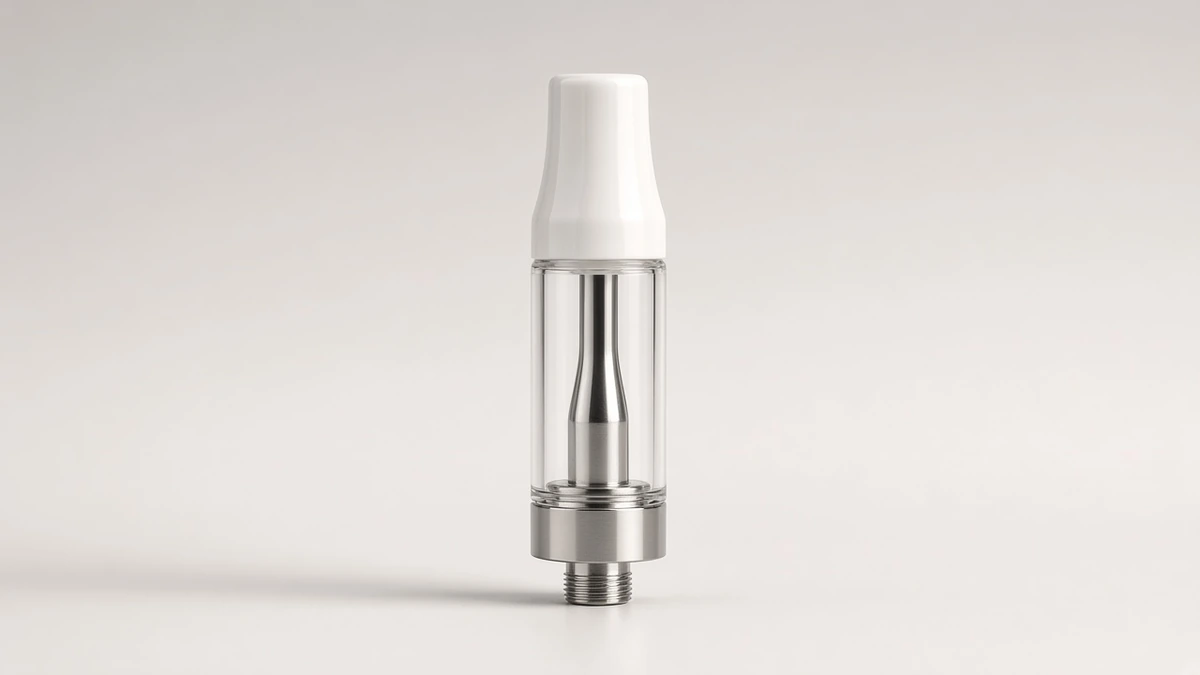
A listing photograph can support an after-fill identification if the plug is shown as a separate part, the mouthpiece is shown seated or unseated, and the instruction names the order those parts are used. Often it is not. A beauty shot of a finished cart can hide a plug under the tip, or hide the fact that no plug is included. A rendered cart may show a tip in place and a loose stopper that does not belong to that revision.
The photograph is also the wrong place to borrow a closure claim. A marketing image that says “press-fit seal†or “includes silicone plug†does not identify both parts or the sequence. Those assignments come from the drawing, the packing list, and a sample of the exact version. If the listing says “ready to fill†and shows only an assembled cart, write both parts down and request the documented plug, the mouthpiece closure, and the order in which they are used.
✅ 6. What to Check on a Sample, a Drawing, and a Brief
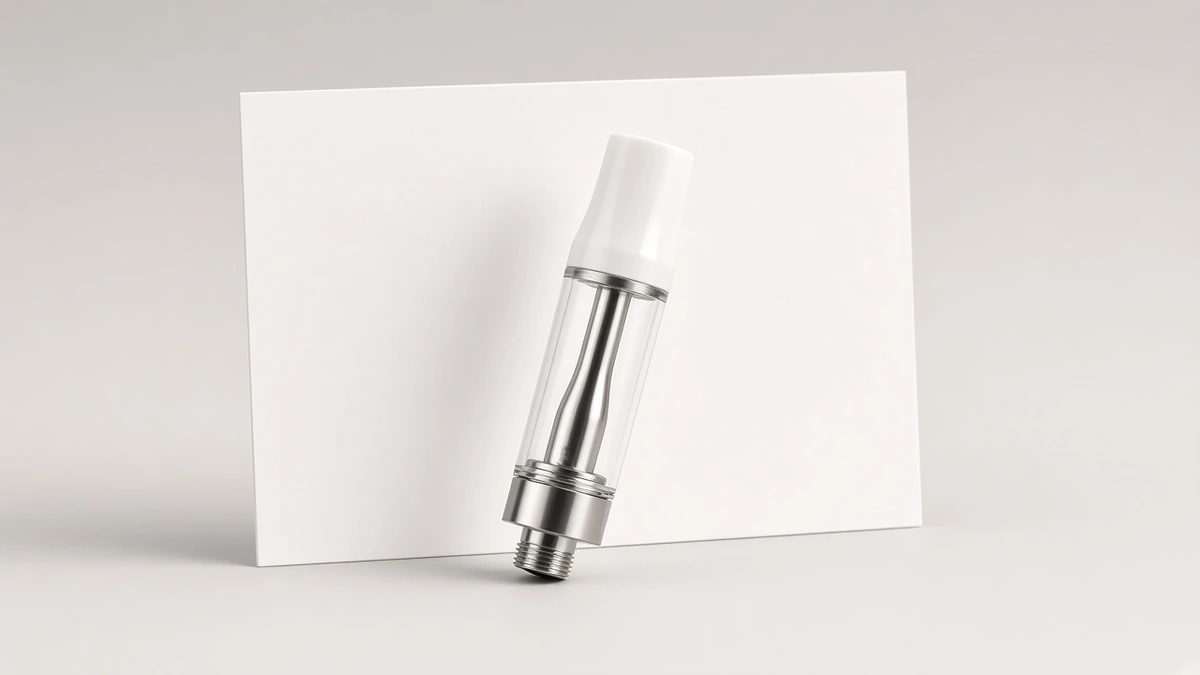
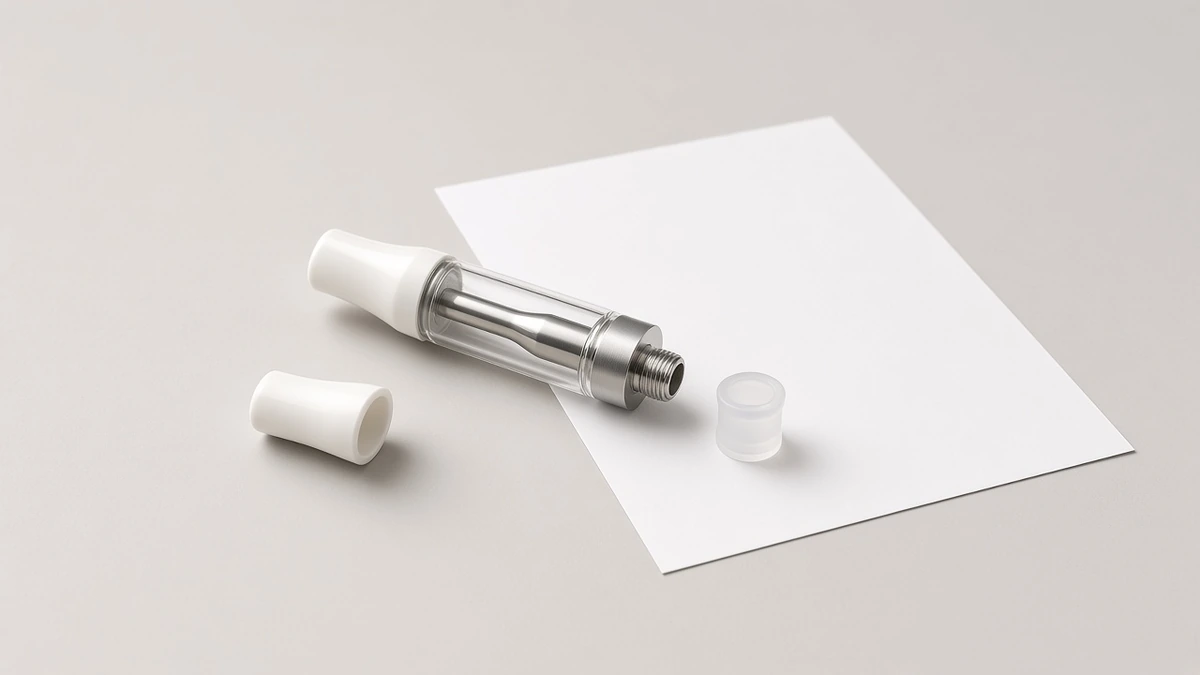
A one-line description a team can reuse should name both parts and should keep those parts apart from the fill opening and from the mouthpiece closure family. Example: “510-thread cartridge; fill plug and mouthpiece as named on the version drawing or filling instruction, including the order in which they are used; fill-opening location and mouthpiece closure family are documented separately.â€
On the sample:
- Look for a small stopper already in the fill opening, packed beside the cart, or absent from the unit, and record which of those is true.
- Do not treat a dust cap, a base-thread cover, or a shipping cap as the fill plug until the drawing or packing list names that part.
- Seat or unseat the mouthpiece only as the version instruction allows, and record whether a plug remains under the tip, is removed first, or is not part of the version.
- Record the mouthpiece style on that version, because the finished closure is still the tip, even when a plug is also present.
On the drawing and the current brief for that exact version:
- Record whether a fill plug is part of the bill of materials, where it sits, what happens to it after the mouthpiece is seated, and the revision.
- Keep fill-opening location, closure family, tip material, fill line, and headspace in separate lines.
- If the drawing and the sample disagree, stop and confirm the revision before writing an after-fill sequence.
On the listing:
- Treat “ready to fill,†“includes plug,†“press-fit tip,†and “sealed after filling†as labels to reconcile with the two parts and the order they are used.
- A plug shown for a named catalog example is that page’s documentation, not a default for the next cart in the same photograph style.
Questions worth sending with a sample request:
- Does this exact version include a fill plug, and where is that plug designed to sit?
- Is the plug removed before the mouthpiece is seated, or does it remain under the finished tip?
- If no plug is included, does the mouthpiece alone close the fill opening after oil is in the tank?
- Which revision do the quotation and the sample cover, and do both after-fill parts match that revision?
- If the listing mentions a press-fit or threaded tip, which plug, if any, is actually specified for that project?
â“ 7. Short Answers a Brief Can Reuse
â“ 7.1 Identification Questions
What is a fill plug on an empty 510 cart?
It is a removable stopper the version treats as the part that closes, or temporarily closes, the fill opening after oil is dispensed. It may already sit in the opening, it may be packed beside the cart, or the version may have no plug at all.
Is the fill plug the same part as the mouthpiece?
No. The mouthpiece is the tip that seats on the tank and finishes the top of the cart. The plug, when it is part of the version, is a separate part that closes the fill opening. They have to be identified separately, including the order in which they are used.
Does a “press-fit tip†or “ready to fill†label complete the after-fill specification?
No. Closure family and a ready-to-fill claim are starting labels. They do not, by themselves, say whether a plug is included, where it sits, or whether it stays in place after the mouthpiece is seated.
Can a cart include a fill plug and still require the mouthpiece as the finished closure?
Yes. Many versions use both parts, in a documented order. Naming the plug does not identify the mouthpiece, and seating the mouthpiece does not, by itself, prove what happened to the plug.
Is the fill opening the same thing as the fill plug?
No. The fill opening is where oil is supposed to enter the tank. The plug is a part that may close that opening after the fill. They have to be identified separately.
Can a listing photograph settle both parts?
It can support an identification if the plug is shown as a separate part, the mouthpiece is shown clearly, and the named order matches the sample and the drawing. It often hides a plug under a seated tip, or hides the fact that no plug is included. Confirm both parts on a sample and in the version documentation.