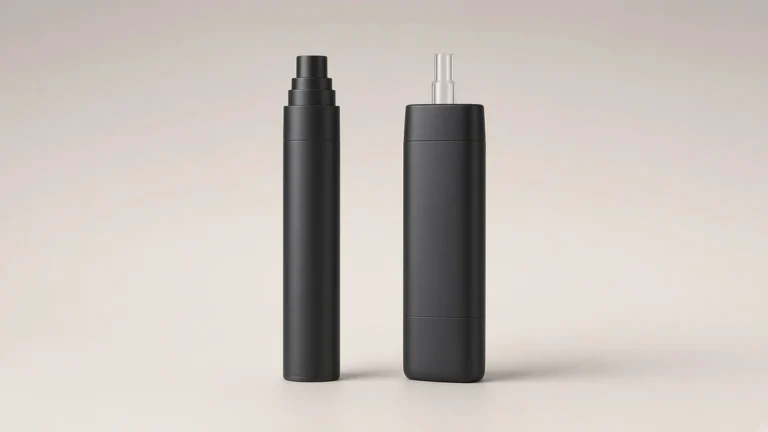
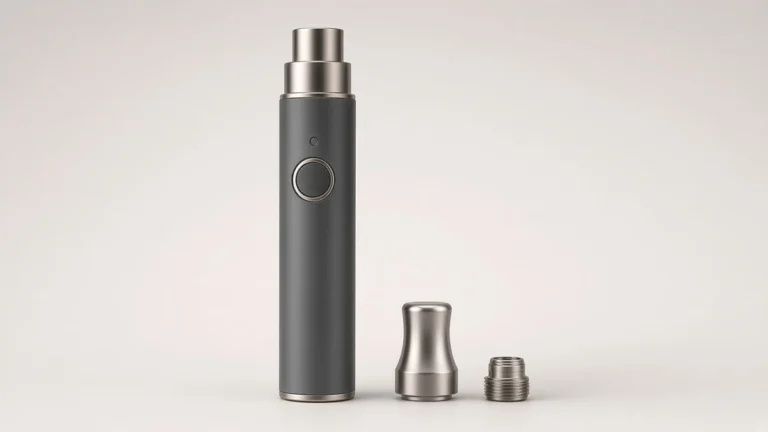
A 510 cartridge has to receive oil into a reservoir, and it also has to keep a separate path open for air and vapor. Those two jobs are easy to collapse into one opening. They should not be. On a typical empty cart, the reservoir sits around a center channel. The designated fill opening leads into that reservoir. The center airway is the path that must stay clear. A needle, pipette, or machine nozzle that enters the wrong opening can put oil where airflow is supposed to travel, or leave residue on a sealing surface that later has to close.
That distinction is not the same as the 510 thread, and it is not the same as the mouthpiece closure. Empty 510 Thread Cartridges: Match the Oil Path Before Filling already walks through the reservoir, the center air tube, and the intakes as hardware to inspect before anyone assumes an empty cart will behave as expected. This guide stays on the fill path itself: where the version is designed to receive oil, what must be kept clear, and what a listing photograph cannot prove. Two cartridges can share a 510 base and still use different fill openings, different headspace, and different closure instructions.
🔎 1. The Fill Opening Is Not the Center Airway and Not the 510 Thread
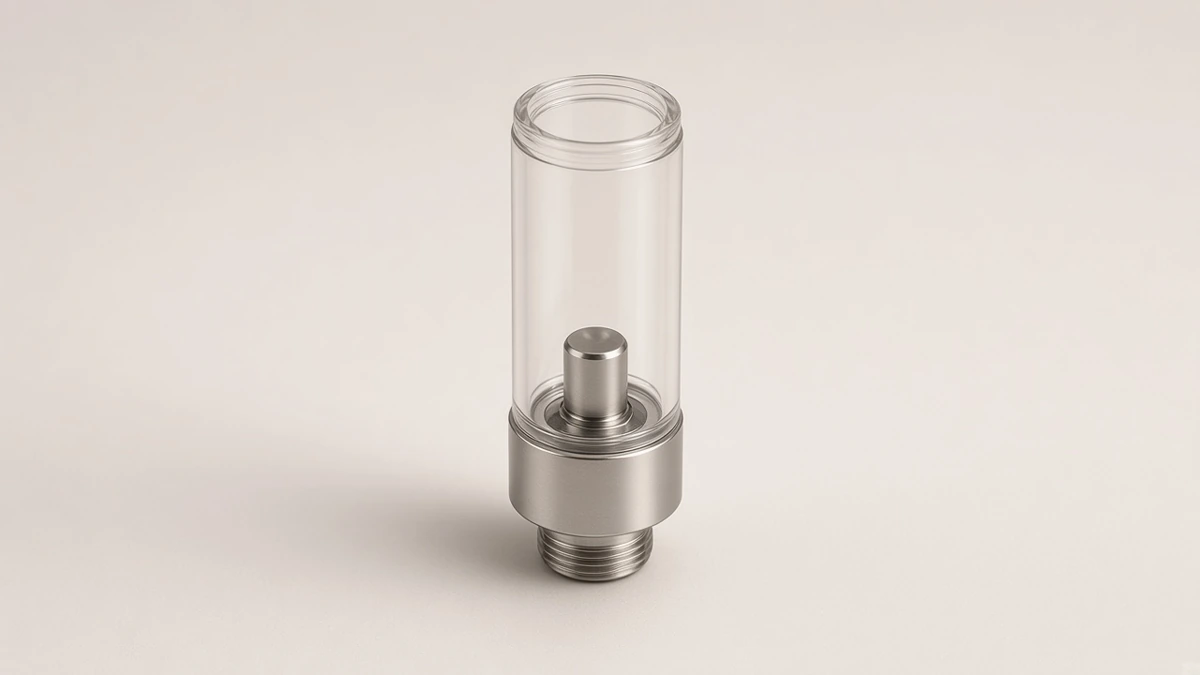
The first cut is simple. The fill opening is where oil is supposed to enter the reservoir. The center airway is the channel that must remain unobstructed so the cart can draw. The 510 thread is the connector that later meets a battery. Those three identifications can live on the same cartridge, but they are not interchangeable.
ILEVA, in a public production page titled “How to Fill Empty Vape Cartridges: 510 and Refill Basics,” dated 9 April 2026 on that page, states this directly: “510” describes the thread that connects the cartridge to the battery, not the way it is filled or closed. The same page notes that two 510 cartridges can use different fill openings, headspace requirements, and mouthpiece closures, so the steps still need the instructions for the exact model. Those sentences are useful as a reminder that thread identity does not identify the fill path. They are not a specification for any particular SKU, and they are not treated here as a measured fill result.
Air inlets are a different question again. Bottom Inlet or Side Inlet: Where a 510 Cartridge Is Designed to Draw Air already treats intake location as its own identification. Postless or Center-Post Cart: What the Center Channel Actually Is already treats the center channel as a construction fact. The present guide does not retell either subject. It only asks the buyer to name the fill opening before oil is introduced, and to keep that opening apart from the airway and from the thread.
🛢️ 2. First Fill Is Not a Refill
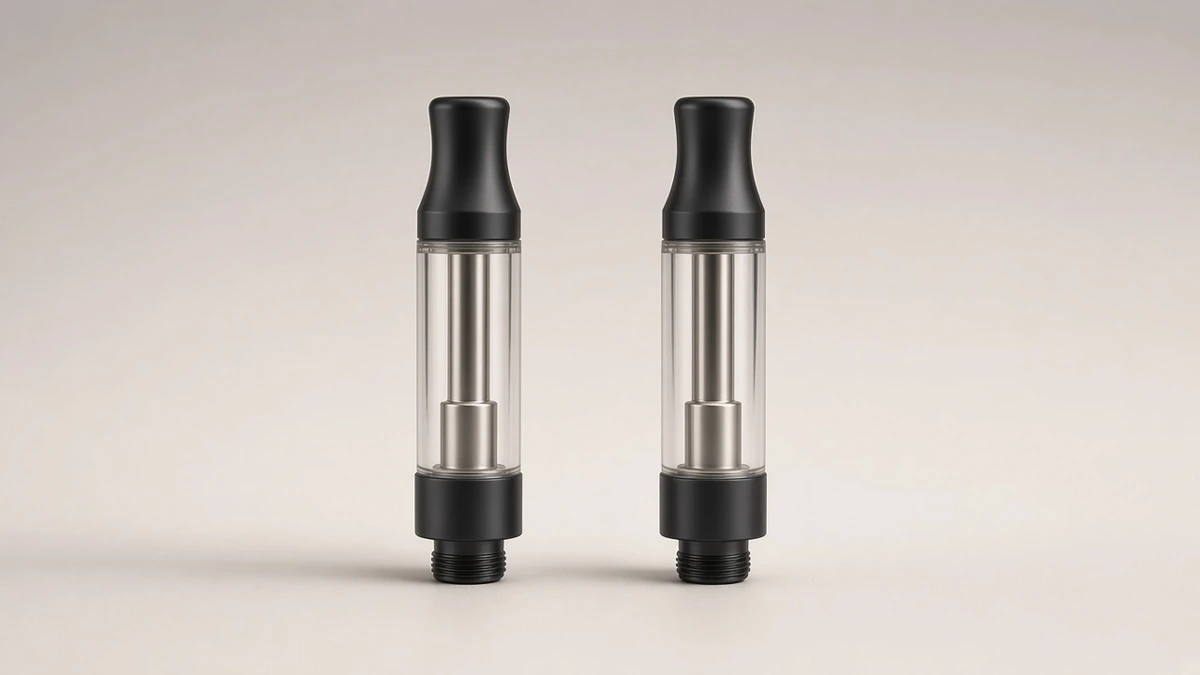
Filling a new, unused cartridge and reopening a cartridge that has already been closed are two different tasks. A first fill puts oil into an empty cart before the mouthpiece is installed for the first time. A refill means opening a unit that has already been used, then adding oil again. The ILEVA page cited above writes its workflow for first fills, and it treats refilling as an option only when the exact model is documented as reusable.
That is the same boundary already drawn, for hardware durability, in Refillable Vape Cartridges: The Hardware Details Behind Leaks, Clogs, and Short Service Life. This guide does not retell seal wear, reuse limits, or when to retire a cart. It only asks a buyer not to treat a fill-path description as a refill policy. A screw-on mouthpiece can often be removed more easily than a press-fit top, but ILEVA is explicit that ease of opening is not the final answer on reuse. Press-Fit Mouthpiece or a Threaded Tip: How a 510 Cart Is Closed After Filling is the place to identify the closure family. Child-Resistant Packaging or a Locking Mouthpiece: What Is Securing a 510 Cart is the place to ask what a child-resistant claim is attached to.
If the supplier’s current instructions do not support reopening, stop there. Do not use a fill-opening identification to justify prying a top off a used unit.
🎯 3. Where the Needle or Dispense Tip Is Meant to Go
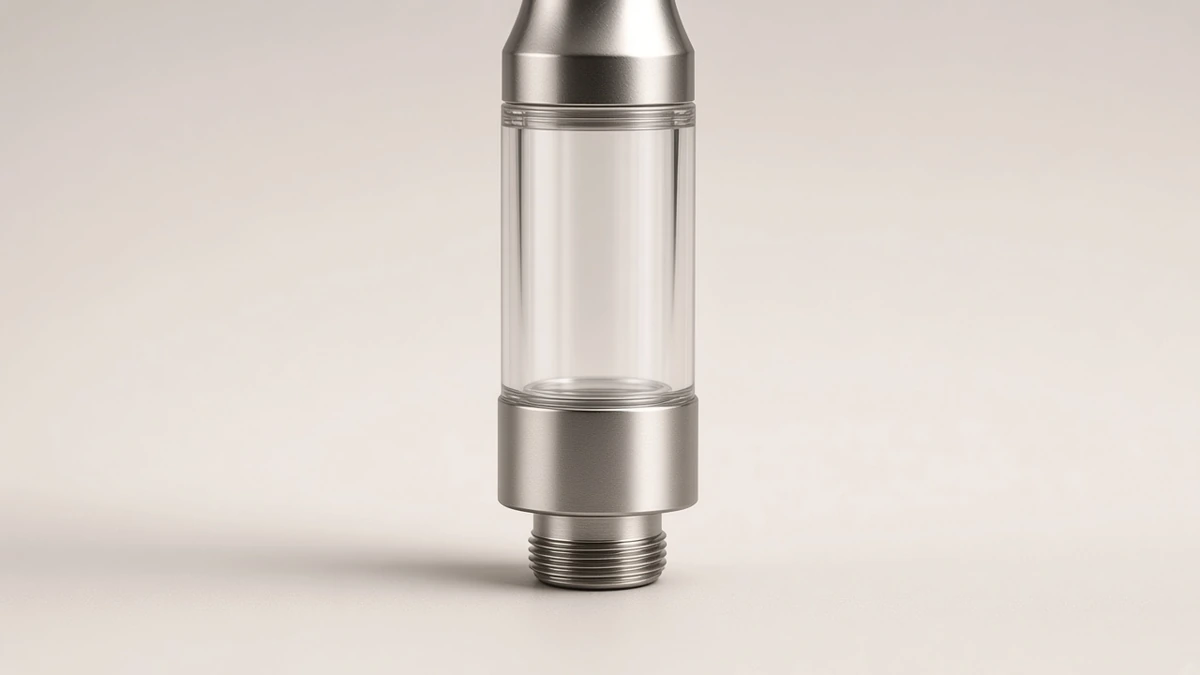
On many 510 cartridges, the useful fill target is a gap: the space between the tank wall and the center post or chimney, reached through the designated fill opening after the mouthpiece is off, or through whatever opening the drawing marks. The ILEVA page instructs the operator to insert a blunt-tip needle through the designated fill opening without contacting the center airway, heating structure, seals, or finished sealing surfaces. A caption on that page states the geometry in one line: position the filling needle in the gap between the glass tank wall and center post, not in the center airway.
That sentence is a placement rule for the family of carts the page is describing. It is not a claim that every reservoir is glass, and it is not a gauge, temperature, or volume specification. The same page says the correct depth and position depend on the model, and that a single needle gauge should not be treated as universal. Follow the drawing or work instruction for the exact version. If the version is postless, or uses a different tank material, the opening may look different; the identification task is still the same: name the designated fill opening, and name the airway that must stay clear.
A syringe with a blunt-tip needle is, on that ILEVA page, a tool that offers more placement control than a dropper or free-pouring. The page does not treat free-pouring as a general alternative. Tool choice is not the architecture. A machine nozzle can still enter the wrong opening. The buyer’s brief should record the opening and the keep-clear path, then record the tool the work instruction actually names.
📏 4. Headspace and Closure Are Part of the Fill Path
Filling does not end when oil is in the tank. The mouthpiece still has to seat. ILEVA tells the operator to leave the clearance or headspace specified for the exact cartridge and mouthpiece assembly, and to confirm before production that the mouthpiece stem or seal can reach its final position without displacing oil into the center airway or onto the sealing interface. Those points belong to the fill path because a correctly aimed needle can still leave the cart in a state that the closure cannot finish cleanly.
This guide does not invent a headspace volume, a hold time, or a capping force. Those values, when they exist, come from the model’s current instructions. Press-Fit Mouthpiece or a Threaded Tip: How a 510 Cart Is Closed After Filling already separates snap-fit, press-fit, and screw-on as closure families. The fill-path question here is only whether enough reserved space and a clean sealing surface remain for that closure to be completed as documented.
Oil on the center airway or on the closure interface is, in ILEVA’s wording, an exception to evaluate before any final cleaning is performed. Record it as an exception. Do not treat a wipe as proof that the fill path was followed.
📷 5. What a Listing Photograph Can Hide
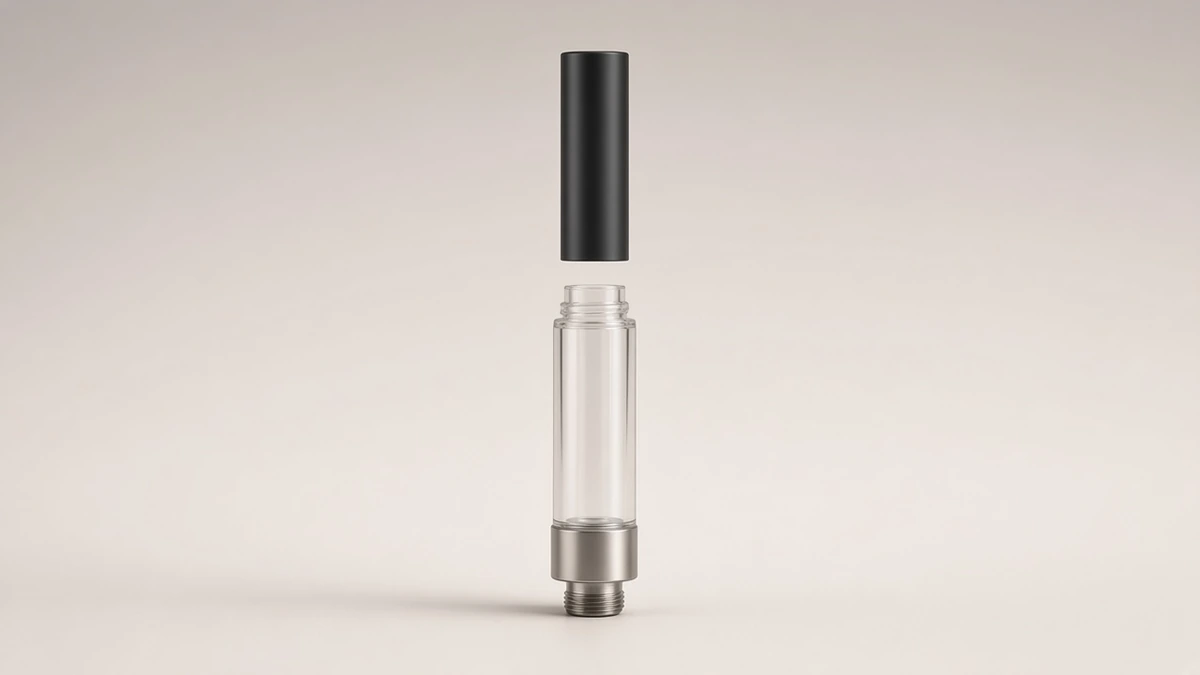
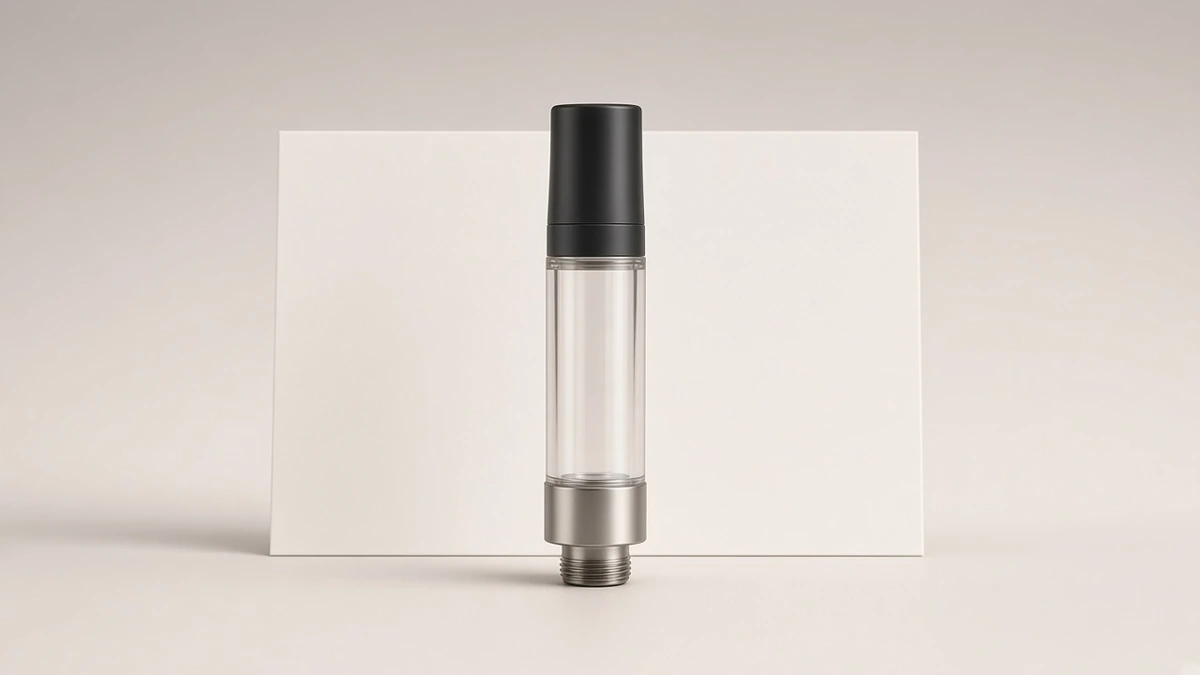
A listing photograph can support a fill-path identification if the mouthpiece is off, the center channel is visible, and the designated opening is marked or obvious. Often it is not. A beauty shot with the tip installed hides the reservoir gap entirely. A top view can make the airway look like the place to pour. A cropped cutaway can omit the seal the mouthpiece has to reach.
The photograph is also the wrong place to borrow a process. A marketing image that shows a syringe near a cart does not identify the opening, the keep-clear path, or the headspace. Those assignments come from the drawing and the work instruction for the exact version. If the listing says “easy fill” and shows only a closed cartridge, write both facts down and request an empty sample and a marked drawing.
✅ 6. What to Check on a Sample, a Drawing, and a Work Instruction
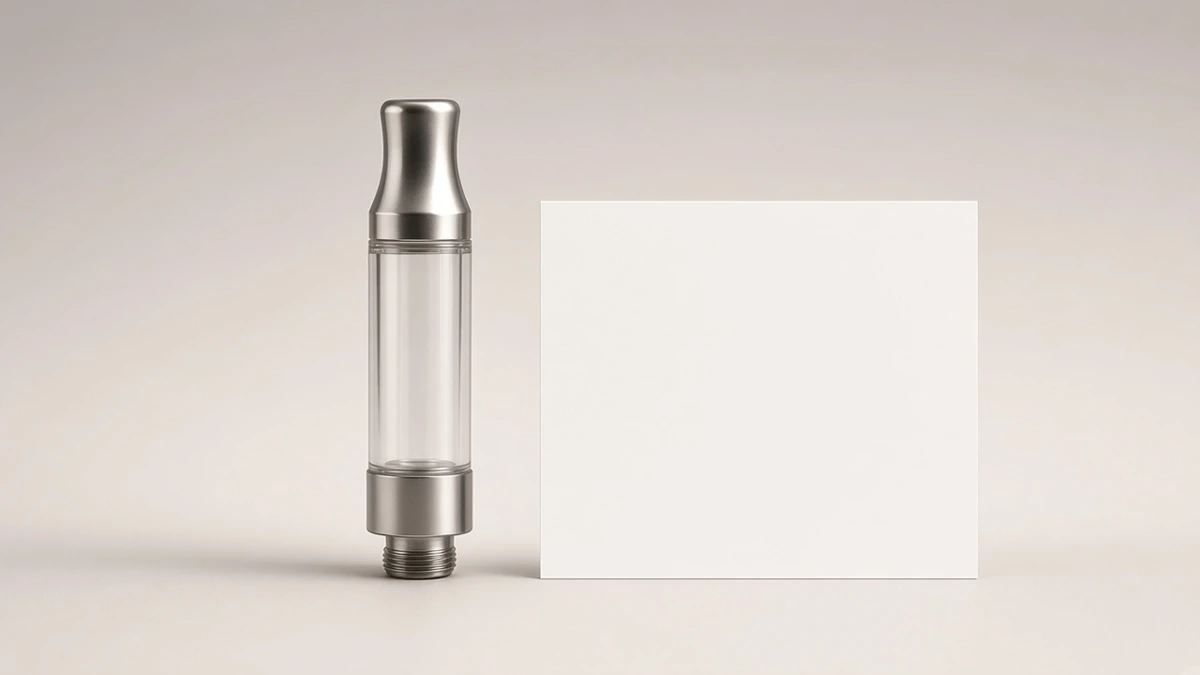
A one-line description a team can reuse should name the fill opening and the keep-clear path, not a preferred needle habit. Example: “510-thread cartridge, first fill with mouthpiece off; designated opening is the reservoir gap between the tank wall and the center post; center airway must stay clear; closure and headspace follow the version work instruction.”
On the empty sample:
- Identify the center airway or center post, and the reservoir around it.
- Find the designated fill opening with the mouthpiece off, or as the drawing marks it.
- Confirm that a compatible blunt tip can enter that opening without scraping the airway, the tank, or a seal.
- Do not introduce oil in order to “discover” the path.
On the drawing and the current work instruction for that exact version:
- Record where oil is supposed to go, and what must remain clear.
- Record the specified headspace or clearance, if one is stated, and the closure family that follows the fill.
- Record whether the workflow is a first fill, and whether reopening is documented at all.
- If the drawing and the sample disagree, stop and confirm the revision before writing a brief.
On the listing:
- Treat “510,” “easy fill,” and “refillable” as labels to reconcile with the sample and the instructions.
- A fill method stated for a named official or education example is that page’s documentation, not a default for the next cart in the same photograph style.
Questions worth sending with a sample request:
- Where is the designated fill opening on this exact version?
- What path must remain clear of oil during filling?
- Is this workflow a first fill with the mouthpiece off, or some other documented method?
- What headspace or clearance does the current instruction require before the mouthpiece is seated?
- Is reopening after the first closure documented for this model, or only a first fill?
❓ 7. Short Answers a Brief Can Reuse
❓ 7.1 Identification Questions
Where is a 510 cartridge designed to be filled? Through the designated fill opening into the reservoir. On many versions that opening is the gap around the center post, reached with the mouthpiece off. The center airway is not the fill target.
Does a 510 thread tell you how the cart is filled? No. The thread describes how the cart meets a battery. Two 510 carts can use different fill openings, different headspace, and different closures.
What happens if oil enters the center airway? The ILEVA education page cited above says oil entering the airway can obstruct airflow, and residue on sealing surfaces can interfere with closure integrity. Treat that as a reason to keep the path clear, not as a measured defect rate for a particular SKU.
Is a first fill the same as a refill? No. A first fill goes into a new, unused cartridge before the mouthpiece is installed for the first time. A refill requires a model that is documented as reusable.
Can a listing photograph settle the fill path? It can support an identification if the opening and the airway are visible. It often hides both. Confirm the path on an empty sample and in the version drawing.
Is a blunt-tip syringe required? Only if the version work instruction says so. ILEVA treats a blunt-tip needle as a more controlled tool than free-pouring, and it does not treat one gauge as universal. The architecture is the opening, not the brand of syringe.