🧩 1. The name describes a category, not one parts diagram
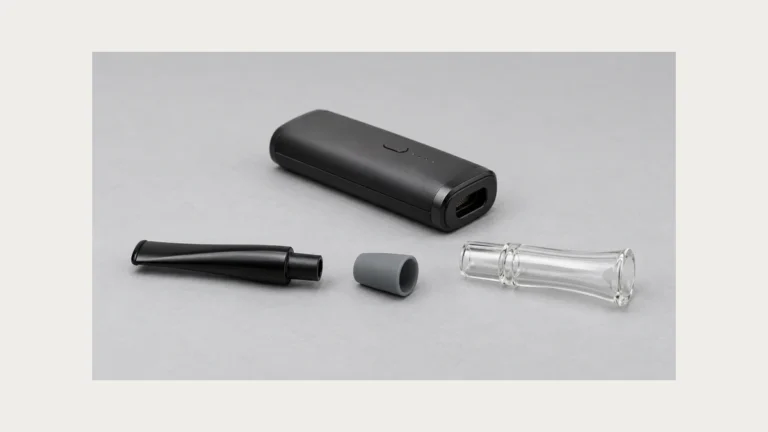
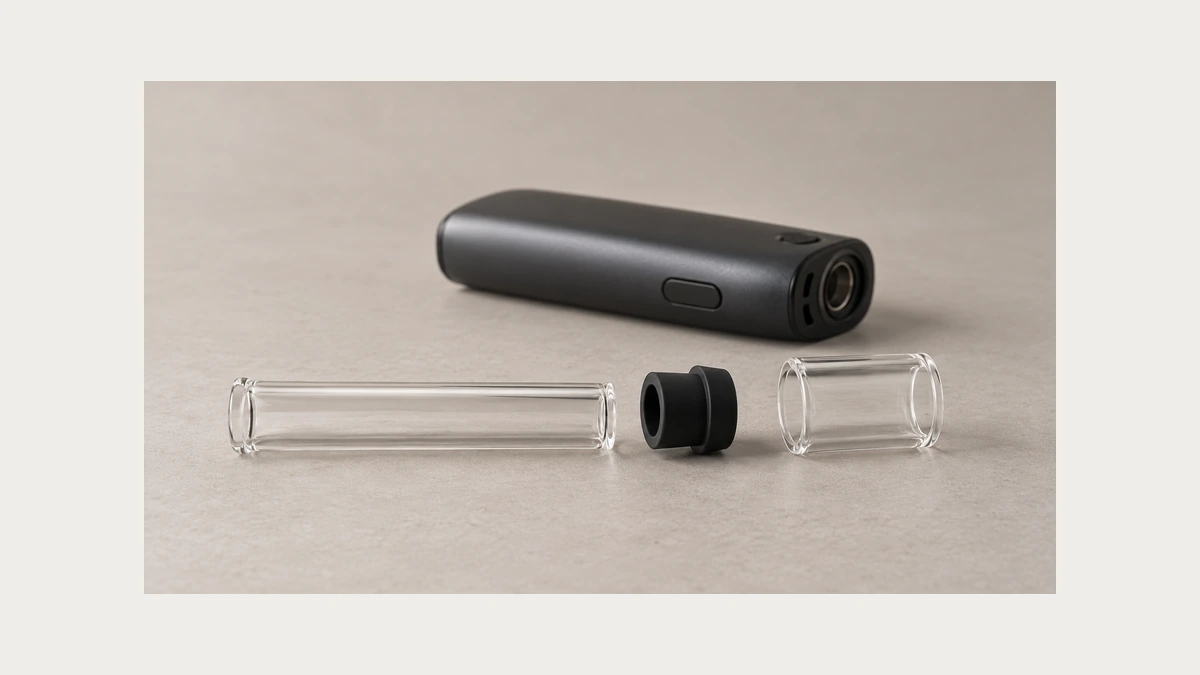
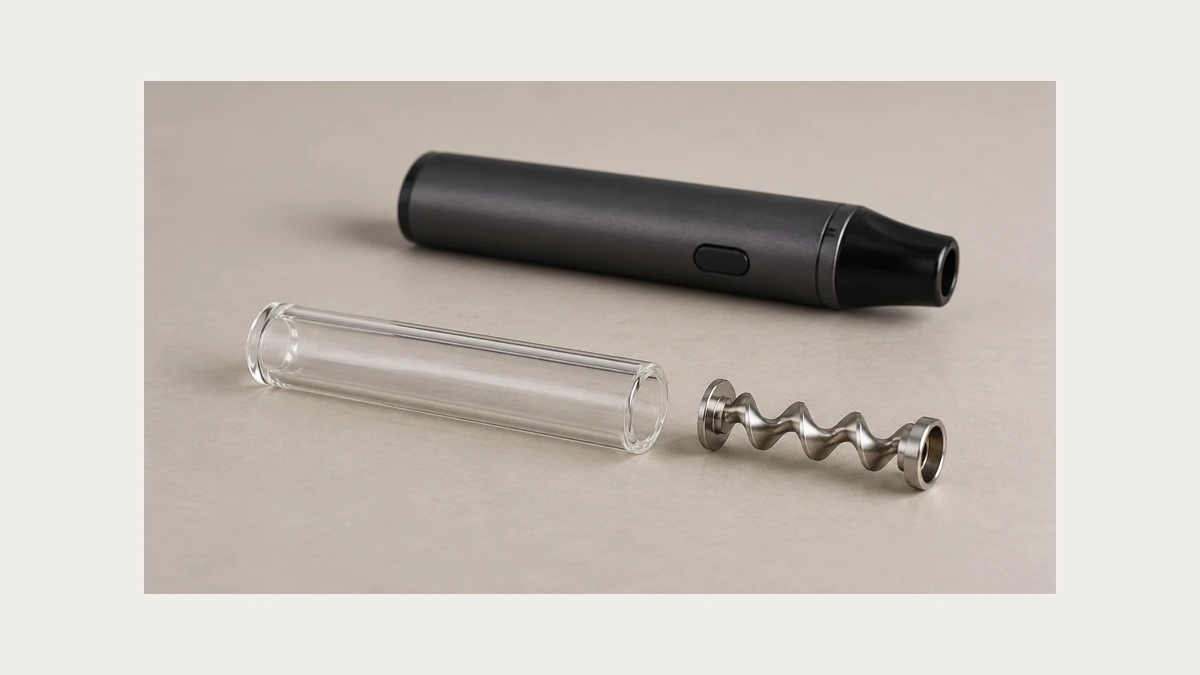
A glass blunt can look like a simple transparent tube until its owner needs to identify a stuck end, a loose seal or a separate insert. The category name does not supply a parts diagram. A sliding glass mouthpiece and a separate metal spiral inside a glass tube are different arrangements. Those differences affect which surfaces can be seen and which care instructions belong to which part. Start with the existing cool, empty hardware and its actual documentation before comparing somebody else’s cleaning routine.
In a discussion about glass blunt maintenance, one owner describes tiny openings becoming difficult to reach; another says their version comes apart in two pieces and is easy to clean. These are individual accounts, not a verdict on the whole category. They explain why a useful question needs a description of the tube, mouthpiece and separate seal. A photograph of one construction cannot establish how another is intended to come apart.
The terminology can be especially confusing when a listing calls the whole object a pipe, the outer section a chamber and the narrow end a stem. Those words are not a guarantee of a particular construction. In a parts question, pairing the word with a location helps: outer glass chamber, inner glass mouthpiece, separate spiral or flexible ring at the overlap. That description lets somebody distinguish a missing end piece from a missing insert without guessing from a category photograph. It also keeps a removable accessory from being mistaken for an integral section of glass.
🧩 2. Sliding glass and spiral inserts leave different surfaces accessible
In a sliding-glass arrangement, one hollow glass section overlaps another. The overlap, outer opening and mouthpiece end are separate surfaces. A spiral-insert arrangement adds a shaped component inside the glass, with ridges and spaces that differ from a straight tube. These descriptions identify possible layouts; they do not authorize removal of a particular component. Compare the actual parts diagram before treating an overlapping edge, decorative line or formed shoulder as a removable joint. A part that looks like one seen in a video may belong to a different assembly.
In another glass blunt discussion, a reader asks whether the pictured design matches their twist-style version. A separate commenter alleges a moving component cracked; the account does not identify a metal spiral as the broken part or establish why it broke. Keep those distinctions when describing a fault. The bong mouthpiece guide covers another glass interface, but its dimensions and replacement rules do not transfer to a smaller overlapping tube. Shared vocabulary does not make the parts interchangeable.
Outside diameter is only one description of overlapping glass. The insertion length, shoulder shape and seal position also belong to that assembly. Two tubes can appear equally wide while having different ends. If a part has gone missing, describe the opening it belonged to and preserve the remaining original pieces. Do not substitute an unrelated clear adapter merely because it nests inside the opening. A similar outline does not establish the correct relationship between the components.
🔍 3. A dark tube and a blocked mouthpiece are separate observations
A dark patch on a transparent wall and an opening that appears obstructed are different observations. A broad wall can show a film while a much smaller opening is partly hidden by residue. Conversely, a clear exterior does not reveal every surface inside an assembled end piece. Describe the location you can actually see: along the tube, at the overlapping lip, beside a seal or inside the mouthpiece opening. None of these observations requires an operating test, and none alone identifies the material or cause of a mark.
In a third discussion, a reader asks about cleaning difficulty. The owner praises disassembly and an included brush, while another commenter mentions a clogged mouthpiece. Those reports do not establish that the same brush fits every opening. A wire handle passing through an opening does not prove that its brush head will pass. An inaccessible surface remains inaccessible until the maker identifies a permitted way to reach it; it is not a reason to enlarge a hole or force a tool through.
A mark remaining after the maker-approved care process is a useful fact to record. It should not automatically be relabeled as dirt requiring a stronger treatment. A photograph may not separate a surface film from a scratch, embedded mark or edge defect. Keep visibly damaged parts out of use and ask about the exact area. Repeatedly scraping the same narrow edge adds another variable and makes the original condition harder to describe. The next useful evidence is the maker’s assessment of that part, not another schedule copied from comments.
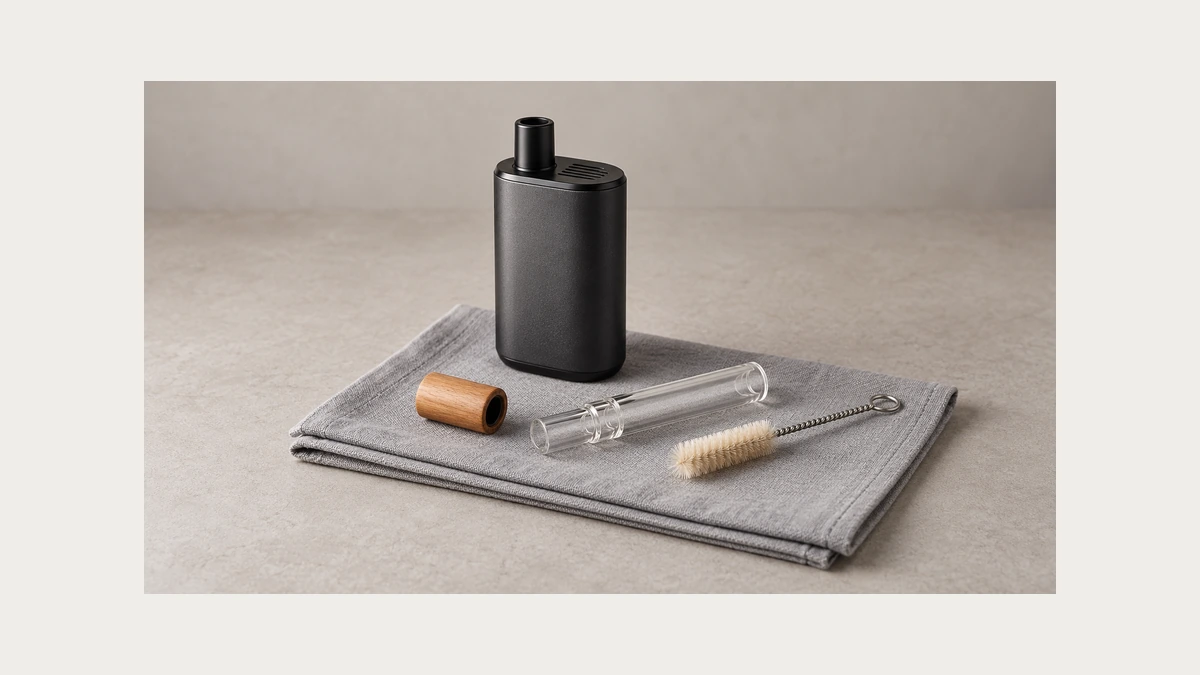
Two maker descriptions show why glass is only part of the care question. GRAV describes its own glass mouthpiece and chamber joined by a silicone grommet. Separately, 7pipe’s learning center distinguishes metal and wood mouthpieces and prohibits soaking its Gen-2 natural wood mouthpiece in water, alcohol or cleaning solution. These are limited examples from specific makers, not instructions for an unidentified tube or seal.
An instruction headed glass cleaning may refer only to a detached glass part. Read which component it names and whether the mouthpiece, seal or protective sleeve is included. Keep those distinctions when organizing tools. A brush that reaches a broad tube may not reach a smaller opening, and a cloth intended for an exterior does not define an interior cleaning method. The broader vape cleaning kit guide explains why tools should follow the actual device. It does not authorize a solvent for a different assembly.
A small seal also needs its own identity after permitted disassembly. Several dark rings in the same tray may look alike while belonging at different openings. Keep each with its documented assembly rather than mixing them by color. An exterior sleeve, an end cap and a grommet between glass sections have different positions even when all are flexible. Recognizing where each belongs is more useful than treating every flexible piece as one generic rubber part with one generic care method.
🔧 5. Sticking is a reason to identify the joint before applying force
When a part becomes resistant, locate the change before suggesting a cause. Is the mouthpiece caught at an overlapping glass edge? Is a separate seal visibly folded at one side? Is the insert no longer positioned as shown in the maker’s diagram? These are descriptions, not diagnoses. They do not establish that residue caused the change or that more force is appropriate. Stop experimenting if the documented removal method no longer works. A formed shoulder is not necessarily a seam, and a dark band seen through glass is not necessarily a removable ring.
For a service question, retain a side view and an end view of the resistant area without moving it further. A narrow view can hide how far the inner part overlaps the outer tube; a side view can hide the shape of the opening. Together, they describe the problem more clearly than the phrase stuck glass. Keep displaced or visibly damaged parts out of the assembly while their identity is unresolved. Do not assign a failure mechanism from another owner’s cracked component when the condition and construction of your own part remain unknown.
A change noticed after storage needs the same care in description as one noticed after cleaning. An end might now sit at an angle, a cap might be difficult to remove, or a loose component might be found beside the tube. Note when the change was first observed without assuming storage caused it. Do not bend a projecting end back into line. A before photograph or the original diagram may show that the apparent angle was intentional, or it may reveal a difference worth sending to service. The observation comes before the explanation.
🧷 6. Caps and cases can press on exposed ends
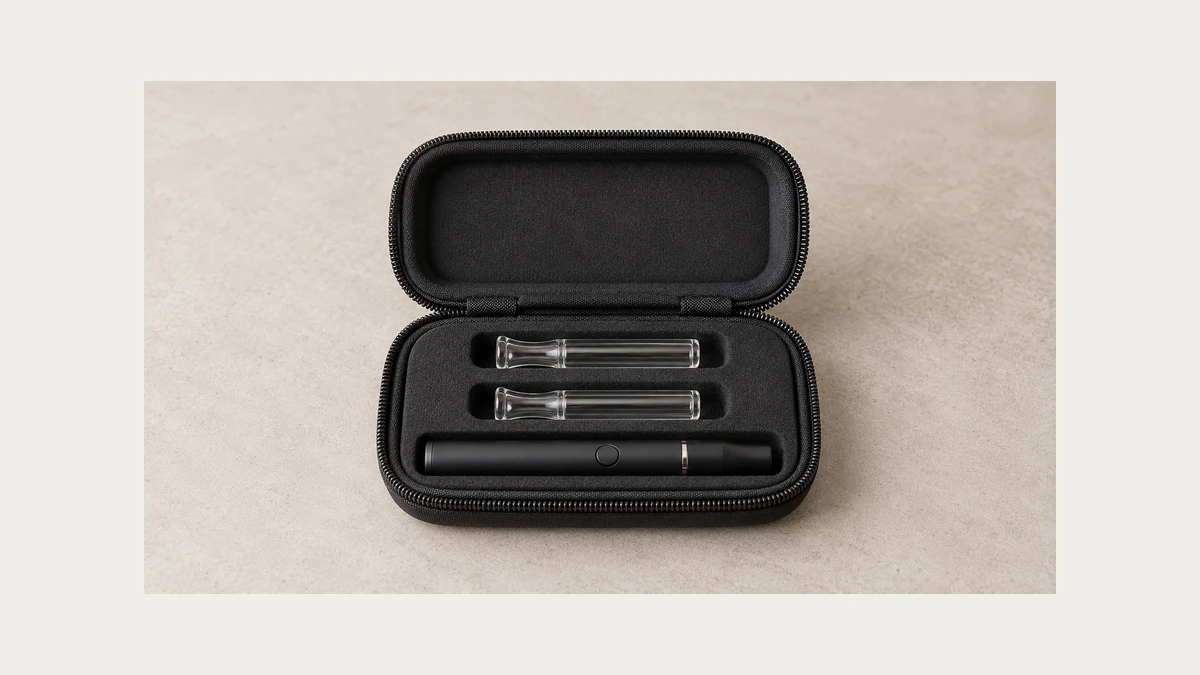
Storage creates other contact points. An exposed tube end may meet a cap, a padded slot or a pocket inside the lid. A case can surround a device while still pressing its longest end sideways. Look at the complete outline, including a protruding mouthpiece, rather than only the central chamber. A cap intended for one opening should not be forced over another shoulder because its apparent diameter or color looks similar. Neither a small case nor a snug cover supplies a verified protective rating.
Drying and enclosure are separate steps. Follow the actual care information before closing a cover over a cleaned component; an opaque cap also hides the surface beneath it. The bong caps guide discusses this distinction for larger openings. Here the useful observation is whether the cover sits on its intended surface and whether the case closes without pressure against the end. A closed cover does not establish an airtight or odor-proof seal, and it does not resolve an unidentified mark underneath.
Check the case layout again when a component changes. A longer replacement mouthpiece can reach the case wall even if the main tube occupies the same slot. A thicker sleeve can crowd a neighboring compartment. These are changes in the space around the object, not proof that the new part is compatible or that the old case has failed. Keep loose components from becoming pressure points beside glass, and leave the closure open if it needs force to close over the present arrangement.
🏷️ 7. A useful service question names the part that changed
A service description can distinguish three conditions otherwise bundled together as clogged: visible residue at an opening, a part that no longer detaches by the permitted method, and a component with a visible crack or missing section. Name the specific part and what changed before proposing a cause. The words tube, insert, seal and mouthpiece describe different surfaces even when the complete object looks like one piece. Keeping that identity clear avoids asking for a solution to the wrong joint.
For example: the glass mouthpiece overlaps the larger tube; the dark seal is still present, but the mouthpiece no longer separates as shown in the manual. That identifies a location and a change for the maker to investigate. Add photographs without moving the resistant part further, and keep the original components recognizable in separate protected spaces. The next step is information for that particular assembly, rather than another routine copied from a different glass blunt.
Keep the history short enough that the key fact remains visible. The current component, the location of the change and the last permitted care step are usually more informative than an account of every other design discussed online. If the original paperwork is missing, say so and provide the complete object’s identifying details. Avoid presenting an unknown part as a particular glass type, wood species or seal material based on appearance. Accurate uncertainty helps a manufacturer identify the assembly; a confident but incorrect material label can lead the conversation toward the wrong care instructions.