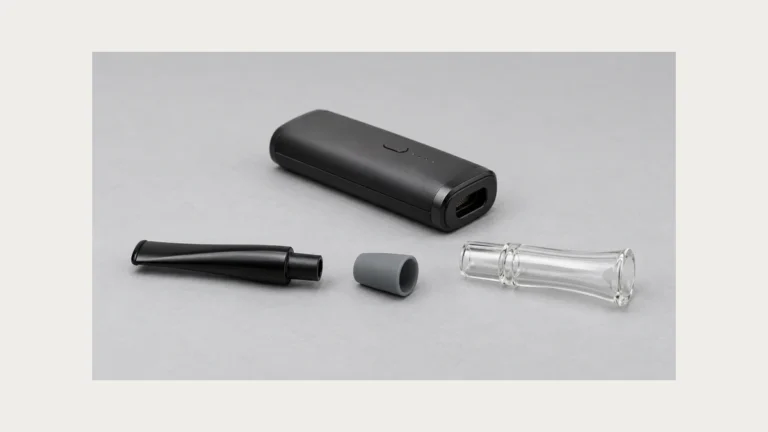
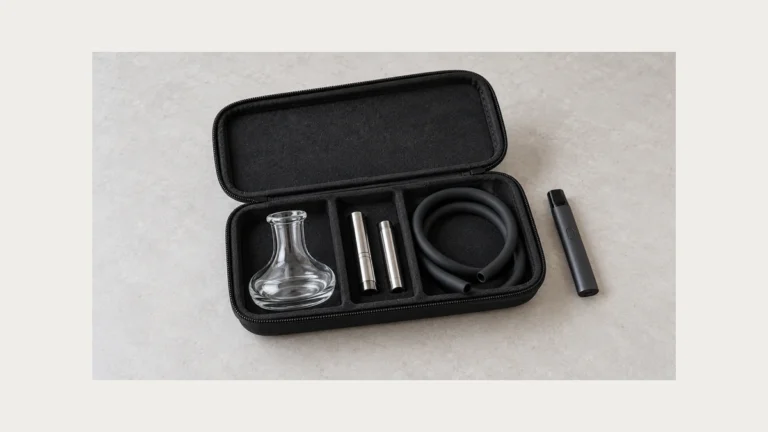
A magnetic bowl piece sounds like a single, well-defined accessory, but the phrase covers more than one kind of hardware, and the differences matter when an owner is trying to understand what they are actually holding. Before cleaning, storing, or describing a fault in one of these pieces, it helps to separate what is visibly true about the geometry from what is only a guess.
🧲 1. Magnetic can describe two very different connections
Magnetic may describe retention within a split housing, a connection between components or a separate accessory nearby. Those are different jobs. A bowl opening along its own seam is not automatically attached magnetically to the glass below it. Likewise, an outside magnet used with a cleaning pad is a tool, not one half of the bowl. The bong cleaning magnet guide concerns that separate tool. Identify which part the magnet belongs to before comparing its care or fit information.
In a discussion about an unidentified magnet, commenters suggested a lighter holder, a matching bowl connection and a cleaning accessory. The visible exchange does not confirm an identification. A photograph of a magnet alone cannot decide among those jobs. Its location, surrounding housing and original parts information matter. Do not convert one confident reply into a confirmed answer.
This distinction becomes especially useful when the owner inherited hardware without packaging. An embedded disc on the outside of a body, a split visible through a bowl and a loose magnetic cleaning puck should not be grouped as one system. The maker may identify their jobs separately, or the identity may remain unresolved. State that uncertainty rather than improvising an attachment. The owner does not need to operate the device or bring a loose magnet close to every component to describe where the original part was found.
🔀 2. The split seam is not the joint underneath
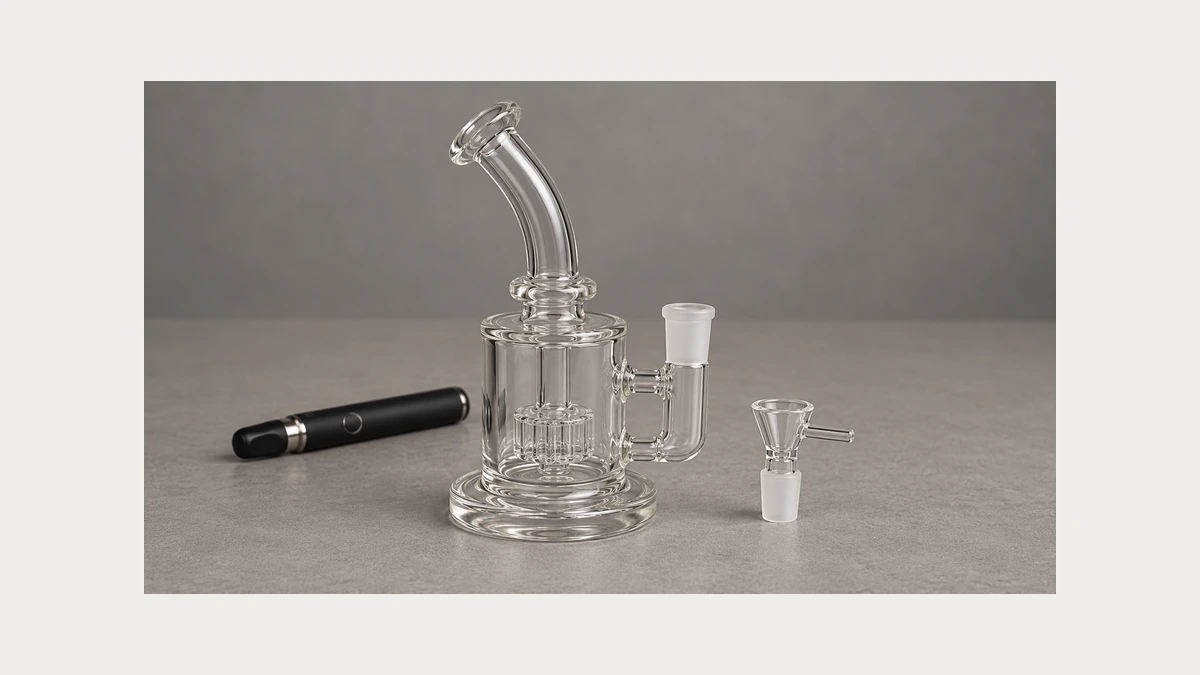
The seam where a housing separates and the lower fitting connecting it to another component are different interfaces. The first can explain access to the interior; the second identifies the connection with the device below. That lower connection may use a tapered socket or another documented fitting. It is not necessarily magnetic because the housing above it is. The bowl-piece joint guide explains why diameter and connection type need their own identification. No single joint type follows from the category name.
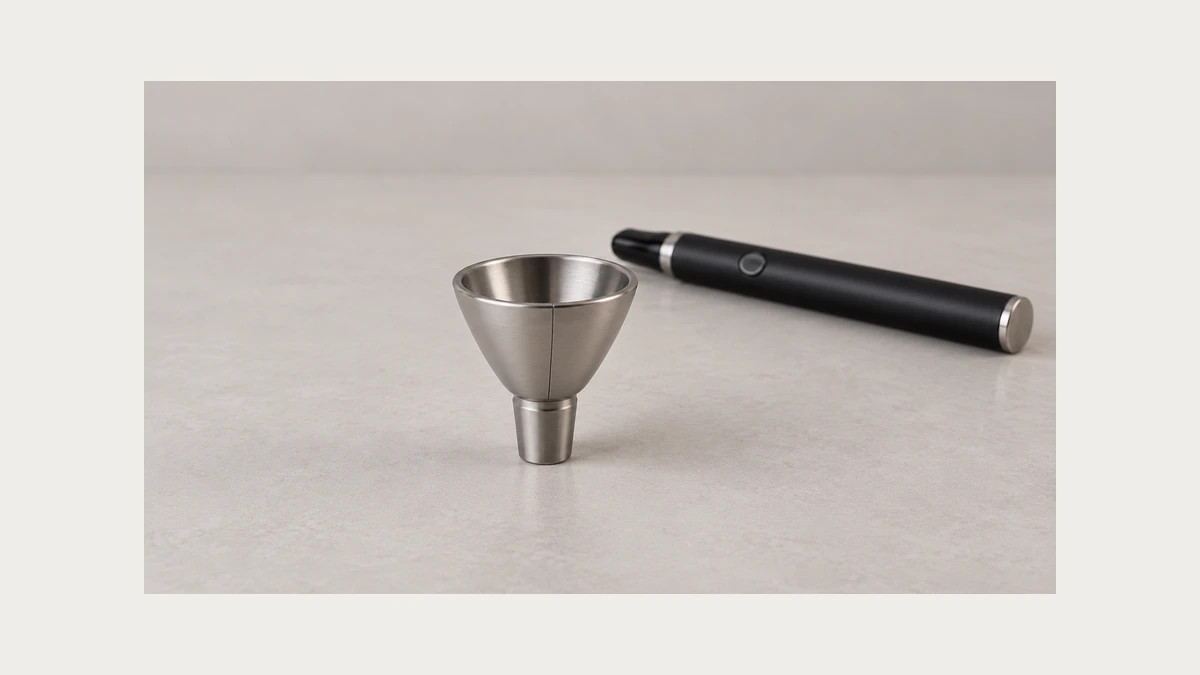
As a specific construction example, Bowlz describes its magnetic breakaway bowl as splitting in half to expose the internal channel. This supports the distinction between a housing seam and internal access. It does not establish universal dimensions, retention strength, cleaning permissions or temperature limits for other bowls.
Consider an intact housing above a visibly cracked glass socket. Pressing the housing halves together does not change the socket. Conversely, a lower fitting appearing seated does not establish that the upper housing contains its original matching parts. The two interfaces can be documented separately on cold, empty hardware without operating it. A side view shows the housing seam and lower fitting together; a separate end view can clarify the opening. Keep the orientation consistent so the reader does not mistake a different viewing angle for a changed part.
🔍 3. Mating faces explain why residue at the edge matters
Mating faces are the surfaces intended to meet when the documented halves are together. A visible piece of debris between those surfaces can interrupt their contact at that location. This does not diagnose every uneven seam: a raised edge, misplaced component or incorrect matching half could also need service attention. Describe what is visible without forcing the parts together. A thin exterior stain and a separate object trapped between the faces are different observations, and neither measures the magnet’s remaining strength.
In a thread built around a creator’s own promotion of this style of bowl, readers asked whether cleaning the piece repeatedly loosens the magnetic hold over time, and whether residue collecting at that seam line is something to expect with routine use. Those are reasonable, open questions about wear at a mechanical interface. No answer in that thread establishes a cause, and nothing here supports a claim about how many cleanings a given seam tolerates. The only fact an owner can rely on without guessing is the shape of the faces themselves, which is visible, not a conclusion about why any particular seam loosens.
The pattern of a gap can make a description clearer. It may be a narrow line around the housing, a wedge-shaped opening at one end or a local gap beside an insert. Record what is already visible. Do not insert a blade to measure it or sand the faces to make them look flush. A deliberate clearance and an unintended opening can look similar in an isolated photograph. Compare with the maker’s image of that same assembly, rather than another generation or a similarly colored accessory.
👆 4. A click does not prove a flush seam or a secure lower joint
If parts make a click when they meet, the sound is a cue that something moved into contact. It does not identify which surfaces touched or certify the lower connection. One edge can meet while an opposite edge remains visibly apart. A housing can also close while its lower fitting sits detached on the table. Follow the actual handling instructions rather than using shaking, pulling against glass or drop tests to prove a connection.
This same distinction came up in a thread responding to a redesigned version of a magnetic bowl, where commenters asked whether the new housing actually differed from earlier versions in construction, or only in exterior appearance, and asked for real dimensions or evidence rather than product photography. The point those readers were making — that a changed look is not the same as a changed interface — applies just as well to the click an owner hears when closing the two halves. A sound is not a measurement, and judging fit from a click alone substitutes a sensory cue for an actual check of the seam and the joint below it.
A polished band or decorative groove may sit close to the true split while belonging to another surface. Readers in the redesign discussion asked whether the change was structural or cosmetic. Keep that question open until documentation answers it. A new exterior finish is insufficient evidence of a revised joint; a revised parts drawing might identify a change difficult to see from outside. Neither establishes that halves from two versions can be interchanged. Retaining the original pair is more useful than testing whether unrelated pieces attract each other.

🧽 5. Cleaning access is different from permission to soak every part
A split housing offers access to surfaces that otherwise sit inside the assembled component. That visible access does not answer whether a coating, seal or retained small part may be immersed. Keep the difference clear between being able to see a surface and being authorized to put the whole assembly in a particular liquid. A manufacturer’s instruction naming a removable glass insert does not necessarily include its surrounding housing.
Magnet grade, retention method and finish cannot be reliably identified from color or a circular recess. Do not assume a particular adhesive or bare metal underneath. Ask about the exact component if the care information is unclear. Another owner’s solvent routine is not evidence that an unidentified housing uses the same materials. No general soaking time, cleaner concentration or heat treatment follows from the words magnetic bowl piece.
Describe care-related changes in a factual sequence: the component, the maker-permitted method and the observation afterward. A pale patch beside a retained disc is more specific than claiming the cleaner ruined the magnets. The latter assigns an unverified mechanism. If the finish lifts or a retained part becomes loose, stop the cleaning experiment and preserve the details for service. Another owner’s successful routine on differently constructed hardware does not resolve that uncertainty. Avoid repeating a treatment simply because the visible change was not expected.
🔧 6. Loose inserts and missing magnets are service problems
A visibly displaced retained disc, missing small part or loose insert is a concrete service issue. It differs from a housing simply feeling different when it closes. Neither establishes a cause without more information. The older creator thread includes a question about whether a handle attachment exists; it does not demonstrate handles falling off. Keep a question about a design feature separate from a report of a failure.
A separate screen or insert can also be confused with the closure. The metal bowl parts guide distinguishes the joint, screen and insert. Identify each from the actual parts information rather than assuming every small circular item is a magnet. Keep displaced components separate and retain a photograph of where they were found. Gluing in a similar-looking disc or substituting another magnet creates a changed assembly instead of resolving the original fault.
Storage should preserve the matching relationship. Two halves can share a color or outline without sharing locating features, channel shape or retention positions. Keep each original pair in its own protected space rather than combining loose parts from several accessories. A small parts tray can retain a displaced insert without letting it roll against glass. This is organization of an unresolved assembly, not authorization to refit it or a claim of tested protection from a particular case. A photograph taken before permitted disassembly also preserves the original arrangement.
📦 7. Keep the two halves together when describing the fault
For service, photograph the complete accessory and the relevant connection, not just a loose disc isolated from its housing. A view of the matching halves identifies which surfaces belong together. A view of the lower fitting identifies whether the complaint concerns that interface instead. Leave a resistant part in its present state rather than detaching it further to imitate an exploded diagram.
An actionable description might say that the housing halves meet at one edge but leave a gap at the opposite edge, while the lower fitting appears unchanged. Another might say the housing seam appears unchanged but the whole lower fitting moves in its socket. Those observations direct attention to different locations. Keep the original parts identifiable and out of use while a loose or damaged connection remains unresolved. Naming the actual interface gives service more to investigate than declaring that the magnet has failed.
Keep a missing feature separate from a failed feature as well. If a photograph shows a handle and the current accessory has none, first establish whether it is the same model and version. The absence alone does not prove breakage. Record any visible empty mounting location without proposing a home repair. Service can then distinguish a different design from a missing component. Old promotional photographs are particularly poor substitutes for an actual current parts reference, because they may show prototypes, earlier versions or accessories presented separately.