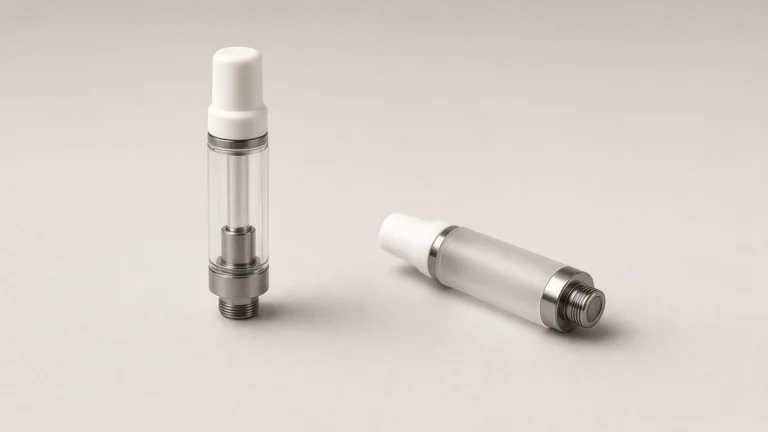
A 510 cartridge listing often leads with a capacity phrase such as “1 ml,” “2 ml,” “0.5 g,” “1-gram,” or “2-gram.” Those phrases are easy to treat as the same number in a different unit. They should not be. A milliliter figure is a volume: it names how much space the tank, or a documented fill volume, is specified to hold. A gram figure is a mass: it names a fill-weight target for oil. Volume and mass are different quantities. A brief that writes only “2-gram cart,” or only “1 ml,” is incomplete if it does not say which quantity the figure is, and whether the other quantity is documented at all.
That distinction is not the same as how high the oil is supposed to sit after filling, and it is not the same as the leftover empty volume in the tank. Fill Line or Headspace: What a 510 Cart Leaves Empty After Filling already treats the intended fill height and the remaining empty volume. Empty 510 Thread Cartridges: Match the Oil Path Before Filling already treats reservoir design and usable geometry. Glass Cart or PCTG Tank: How to Identify the Reservoir Material already identifies the reservoir wall. This guide does not retell those subjects. It stays on two capacity figures that still have to be named on their own: the gram label, the milliliter volume, and what a listing photograph cannot prove.
🔎 1. The Gram Label and the Milliliter Volume Are Not the Same Figure
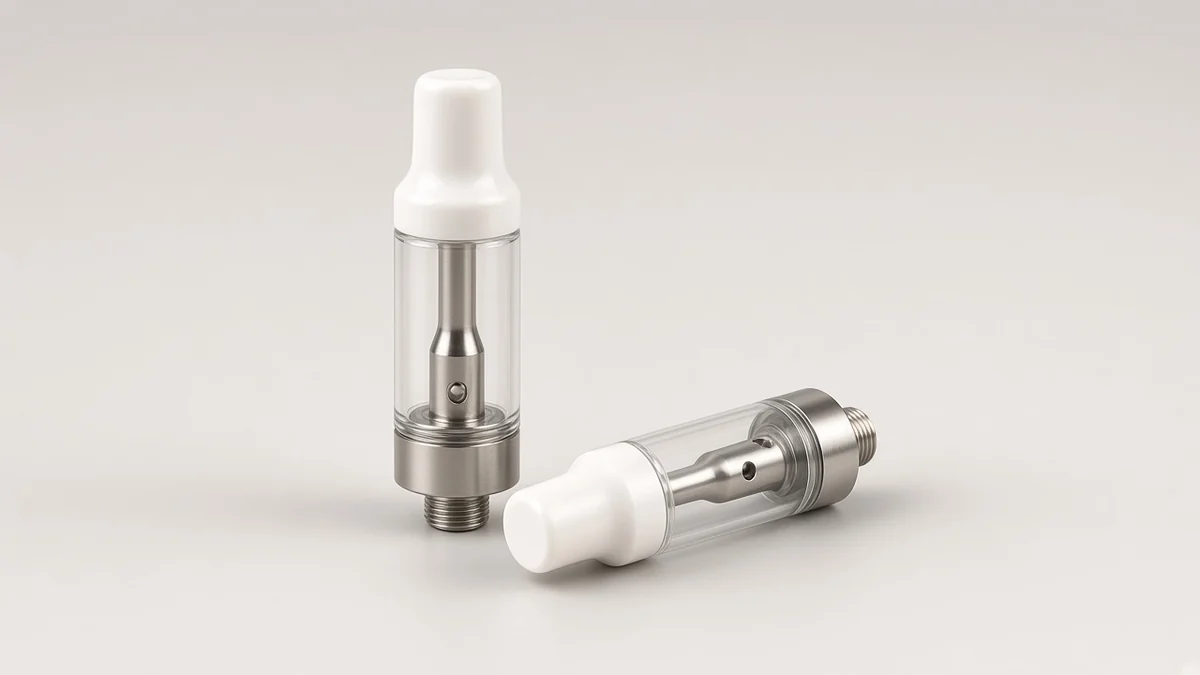
The first cut is simple. A milliliter volume is a volume figure the version treats as the tank’s specified capacity, or as a documented fill volume, measured in milliliters. A gram label is a mass figure the version treats as a fill-weight target for oil, measured in grams. One names space. The other names weight. They can both appear on the same cart, and they can be omitted or substituted independently.
A “2-gram” label does not identify a milliliter tank volume. A “1 ml” label does not identify a fill weight. A photograph of a taller tank does not prove either figure. Two carts can share a similar outline and still differ on the volume that is actually specified, the fill weight that is actually targeted, or both. Do not assign both figures from one capacity phrase.
The fill line and the remaining headspace are a third identification again. Fill Line or Headspace: What a 510 Cart Leaves Empty After Filling already treats how high the oil is supposed to sit, and how much empty volume is supposed to remain. Those observations are not a milliliter rating, and they are not a gram rating. This guide does not retell that subject. It only asks the buyer to write the volume figure and the mass figure as their own lines, including which of them the drawing actually names.
🏷️ 2. A “2-Gram” or “1 ml” Label Is Not a Complete Capacity Specification
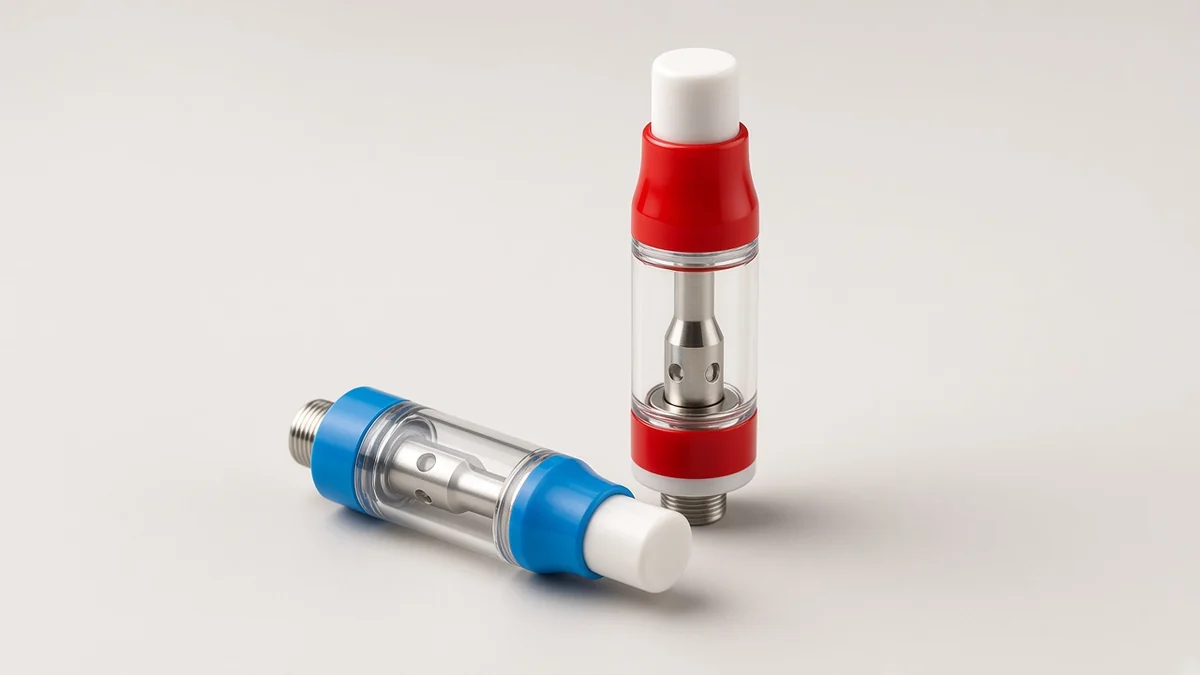
“1 ml,” “2 ml,” “1-gram,” “2-gram,” and “half-gram” are starting labels, not finished capacity specifications. A milliliter claim tells you that someone is talking about volume. It does not tell you whether the number is the geometric tank volume, a documented usable fill volume, or a marketing shorthand for a different figure. A gram claim tells you that someone is talking about mass. It does not tell you the tank volume, the oil that was assumed, or whether a volume figure exists at all. Two carts can share a “2-gram” label and still differ on the milliliter volume that is actually drawn.
A volume figure does not become a mass figure on its own. Mass and volume are related only through the density of a specific oil, and through the fill method used on that version. Density is a property of the oil in front of you, not a universal cart constant. Do not convert a milliliter label into grams, or a gram label into milliliters, by borrowing a density from another oil, another cart, or a rule of thumb. If a project needs both figures, write the volume from the drawing or the measured tank, write the fill-weight target as its own line, and keep the oil’s documented density, if one is supplied for that project, on a third line.
Cart Outer Diameter or Overall Height: What a 510 Cart Has to Clear already treats clearance dimensions. A taller or wider cart is not a capacity figure. 510 Cartridge or All-in-One: What Stays With the Battery When the Oil Is Gone already treats a different product family. An all-in-one’s fill claim is not a substitute for naming the cart’s volume and mass figures. If the listing says only “2-gram” or only “1 ml,” write that wording down and ask which quantity it is, whether the other quantity is documented, and which revision the drawing actually names.
🧩 3. Identifying the Milliliter Volume on a Sample and a Drawing
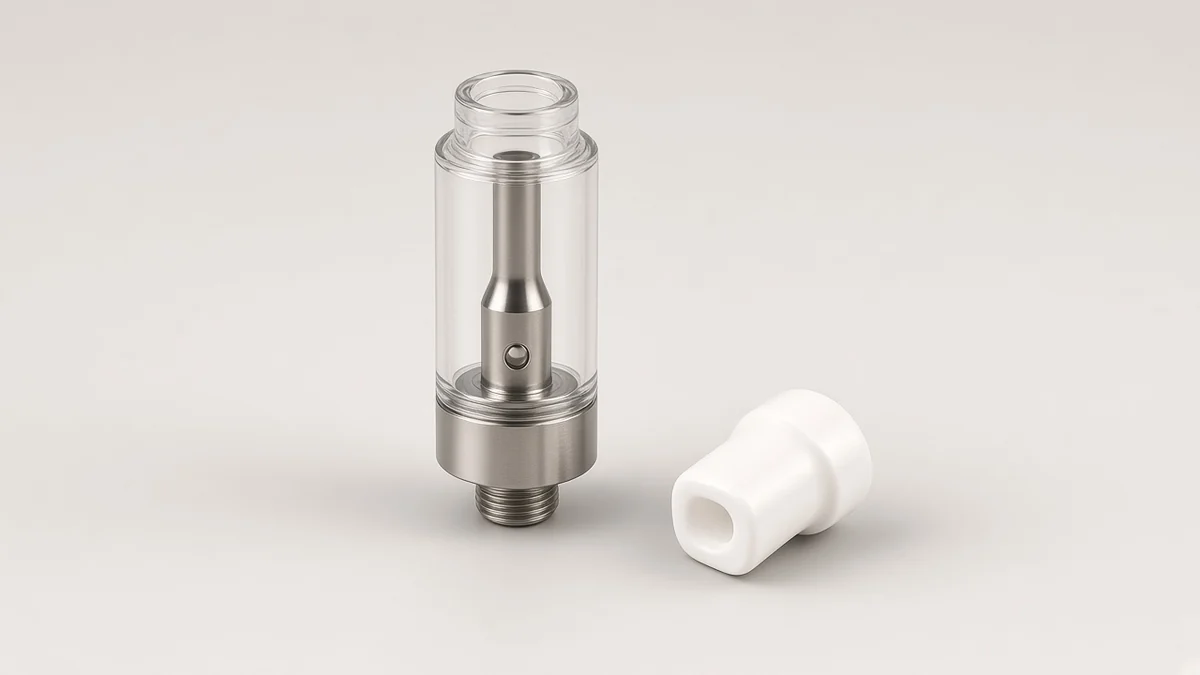
The version drawing is the right place to look for a milliliter volume. The drawing may name a tank volume, a fill volume, or both. Record the exact wording, the unit, and the revision. If the drawing shows an internal volume or a fill line with a milliliter callout, write that callout down. Do not replace it with a gram phrase from the catalog title.
An empty sample can support that identification, but it cannot invent the number. Empty 510 Thread Cartridges: Match the Oil Path Before Filling already treats reservoir design and usable geometry, including the difference between a nominal capacity and the space that can actually be filled. This guide does not retell that geometry. It only asks the buyer not to treat a visible tank, a taller body, or a “2 ml style” nickname as the documented milliliter volume. If you need a volume figure and the drawing does not name one, ask for it. Do not estimate milliliters from a photograph.
If you only have a finished, filled retail cart, you may be able to see oil in the tank and still not know the specified volume. Record that limit. Ask for the drawing and the named milliliter figure before a volume is written into a filling brief as 1 ml, 2 ml, or any other value.
📐 4. The Gram Label Still Has to Be Named as a Fill-Weight Figure
Once the milliliter volume is recorded, or recorded as absent, the gram label still has to be named as a mass figure, or recorded as not specified. A fill-weight target is a statement about how much oil, by mass, the version is supposed to hold or receive. It is not a tank volume. It is not proved by the height of the oil in a beauty shot, and it is not proved by a milliliter callout on the drawing.
If the catalog says “2-gram” and the drawing says “2 ml,” those are still two facts. They may be used together on the same project, but one does not replace the other. If only a gram label is present, write it as a mass claim and ask whether a milliliter volume is also documented. If only a milliliter volume is present, write it as a volume claim and ask whether a fill-weight target is also required for that oil.
Do not settle the gram figure by converting the milliliter volume with an assumed density. If a filling brief needs a mass target, that target has to be documented for the oil and the version in front of you. Fill Line or Headspace: What a 510 Cart Leaves Empty After Filling already treats how high the oil is supposed to sit after the fill. A fill line is still not a gram rating. If the drawing and the catalog disagree—if one says 2 ml and the other says 2-gram without naming both—stop and confirm the revision before either figure is treated as approved.
📷 5. What a Listing Photograph Can Hide
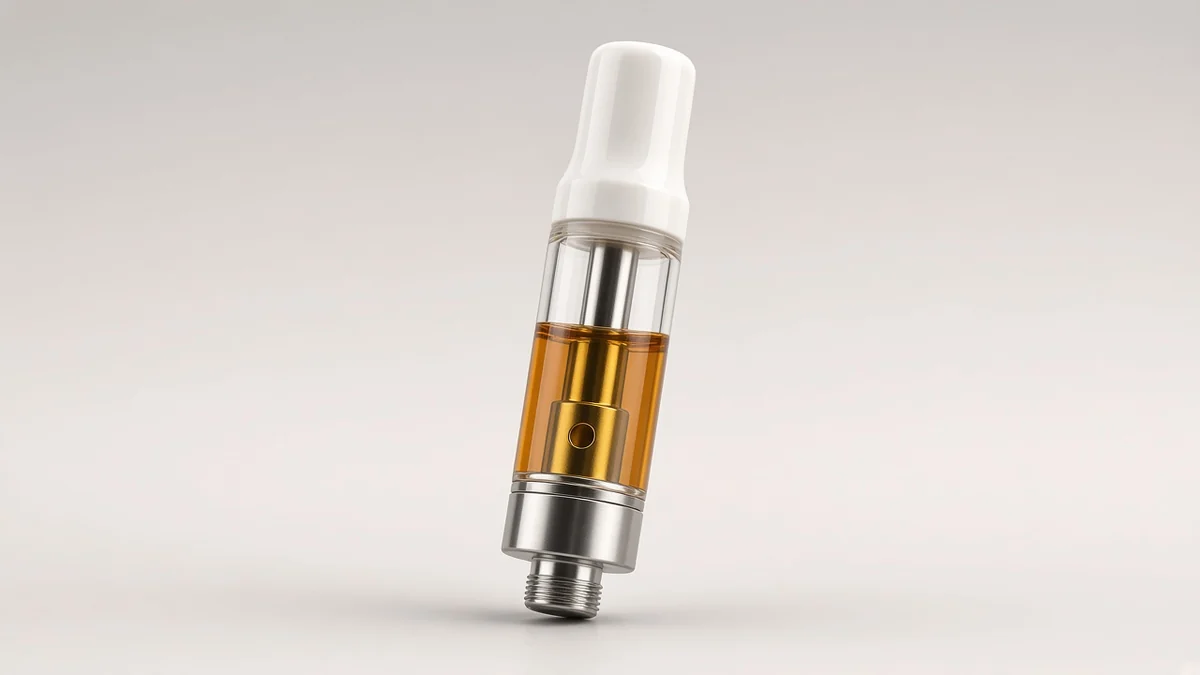
A listing photograph is a poor place to finish a capacity specification. A taller tank can look like a “2-gram” cart and still have a different documented volume. A shorter tank can be photographed at a close distance and look larger than it is. Oil in the reservoir can hide the empty geometry, and an empty tank can hide the fact that no milliliter figure was ever named. A blank or cropped label area can also hide whether the catalog is using grams, milliliters, or both.
The photograph is also the wrong place to borrow a conversion. A marketing image that says “2 ml 2-gram” does not prove that those two figures are documented for your revision, and it does not prove the density or the fill method that would relate them. Those assignments come from the drawing, the filling instruction, and a sample of the exact version. If the listing says only “2-gram” and shows a clear tank, write both quantity types down and request the documented milliliter volume and the documented fill-weight target.
✅ 6. What to Check on a Sample, a Drawing, and a Brief
A one-line description a team can reuse should name the two figures and should keep them apart from fill line and headspace. Example: “510-thread cartridge; milliliter tank or fill volume and gram fill-weight target as named on the version drawing or filling instruction; fill line and headspace are documented separately.”
On the sample:
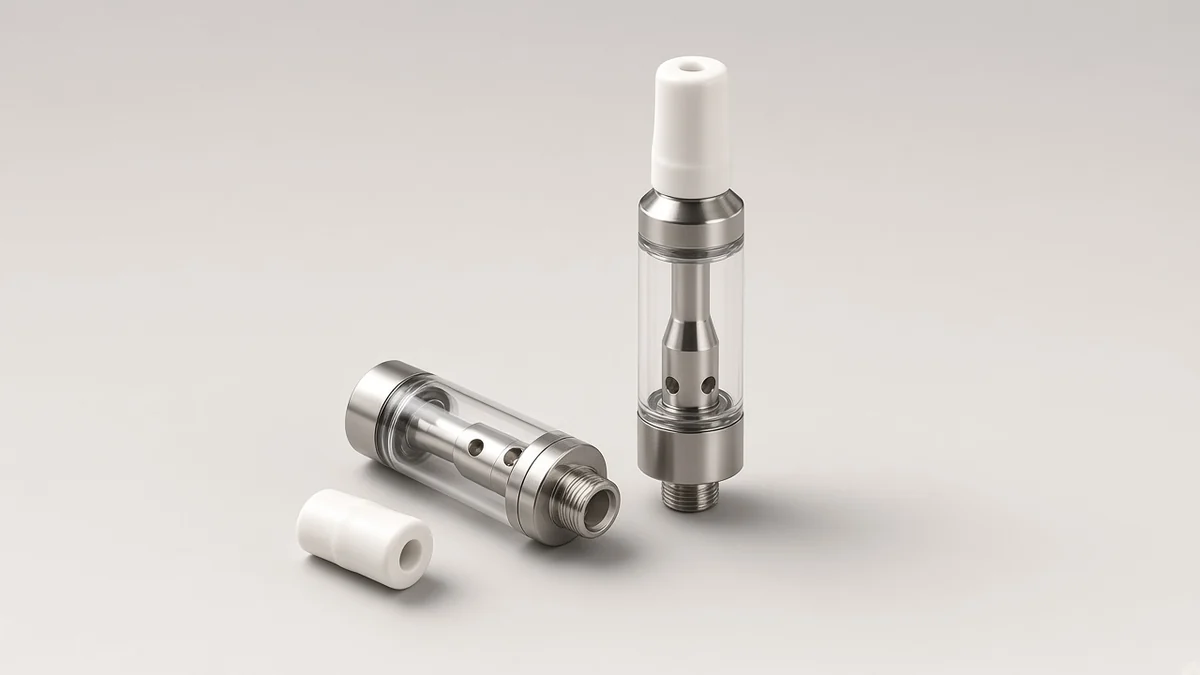
- Look at the tank as hardware, not as a proof of a number, and record whether any volume or mass marking is actually present on the part.
- Do not treat a taller body, a wider tank, or a “2-gram style” outline as a milliliter volume or a fill weight.
- Compare an empty sample with the drawing when you need to confirm that the tank in hand is the revision the volume figure belongs to.
- Record that a filled sample can hide empty geometry, and that an empty sample cannot invent a gram target.
On the drawing and the current brief for that exact version:
- Record the milliliter figure, if one is named, including whether it is a tank volume or a fill volume, and record the revision.
- Record the gram fill-weight target, if one is named, as its own line, not as a renamed milliliter figure.
- Do not convert one figure into the other with an assumed oil density.
- If the drawing and the catalog disagree, stop and confirm the revision before writing a capacity specification.
On the listing:
- Treat “1 ml,” “2 ml,” “1-gram,” and “2-gram” as labels to reconcile with the two quantity types.
- A volume or mass figure shown for a named catalog example is that page’s documentation, not a default for the next cart in the same photograph style.
Questions worth sending with a sample request:
- What milliliter volume does this exact version specify, and is that figure a tank volume or a documented fill volume?
- What gram fill-weight target, if any, is specified for the oil that will be used?
- If the listing uses only a gram label, is a milliliter volume also documented on the drawing?
- If both figures appear, which revision do they belong to, and is any density or fill method documented for that project?
- Do the quotation, the drawing, and the sample all use the same capacity figures?
❓ 7. Short Answers a Brief Can Reuse
❓ 7.1 Identification Questions
What is a milliliter volume on a 510 cart?
It is a volume figure the version treats as the tank’s specified capacity, or as a documented fill volume, measured in milliliters. It names space, not the mass of the oil.
Is a gram label the same fact as a milliliter volume?
No. A gram label is a mass figure: a fill-weight target for oil. A milliliter volume is a volume figure. They have to be identified separately, including which of them the drawing actually names.
Does a “2-gram” or “1 ml” label complete the capacity specification?
No. Those phrases are starting labels. They do not, by themselves, say whether the number is a volume, a mass, both, or a shorthand for a different figure, and they do not identify fill line or headspace.
Can a milliliter volume be converted into grams from the cart alone?
Not from the cart, and not from a borrowed density. Volume and mass are related only through the density of a specific oil and the fill method used on that version. If a project needs both figures, each one has to be documented.
Is the fill line the same thing as the capacity figure?
No. The fill line is how high the oil is supposed to sit after filling. Headspace is the empty volume that remains. Neither one replaces a milliliter volume or a gram fill-weight target.
Can a listing photograph settle both figures?
It can support an identification if the named units are visible, they match the drawing, and the sample is the same revision. It often hides the unit, compresses the tank, or treats a gram nickname as a volume. Confirm both figures on a sample and in the version documentation.