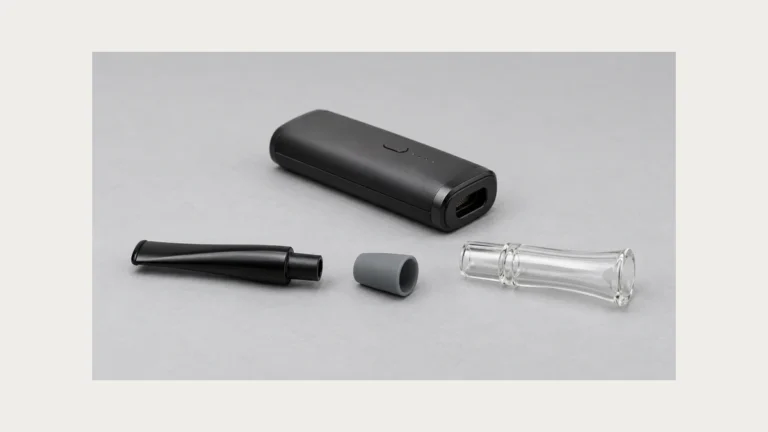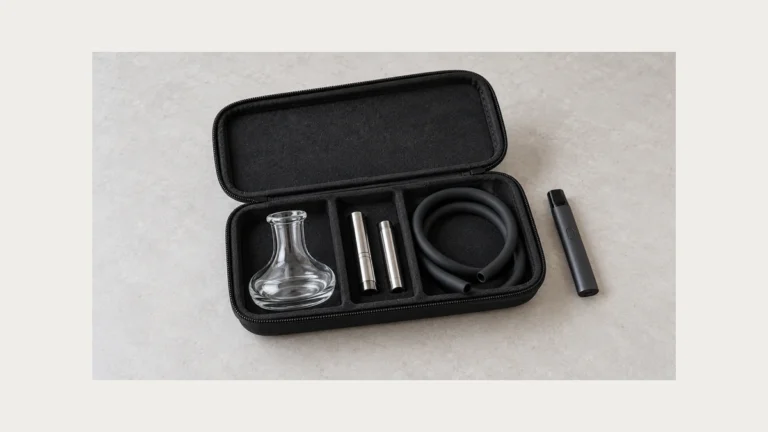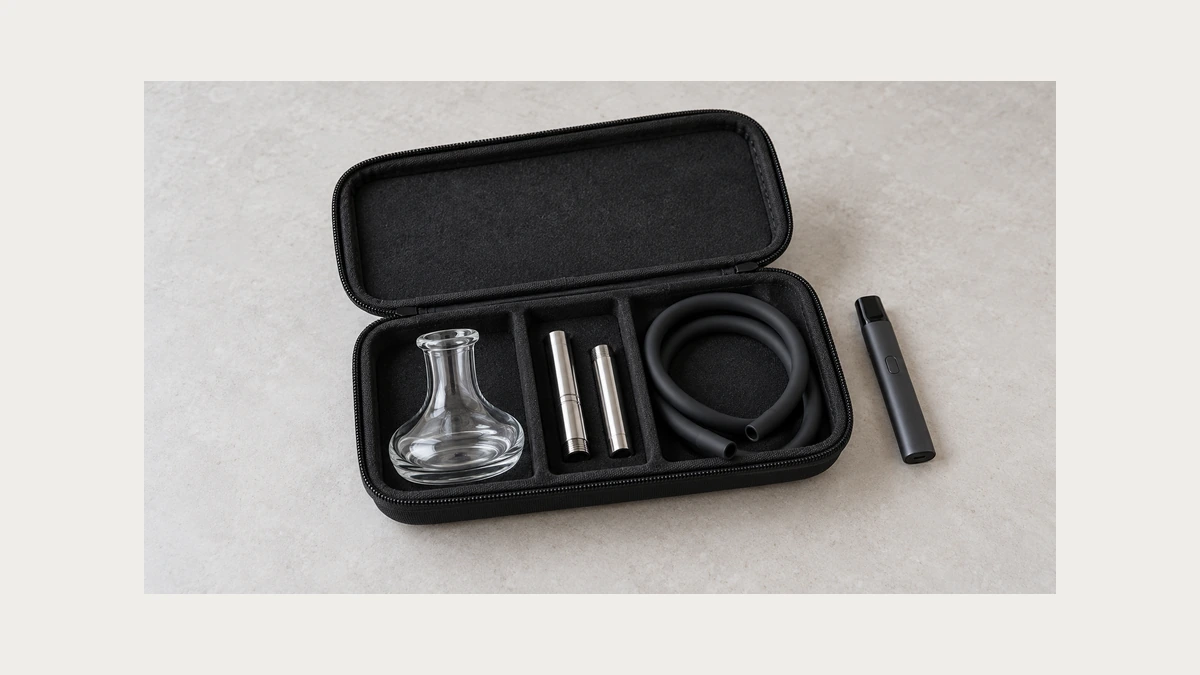
🎒 1. Start with the parts that actually need their own space
A hookah case can look spacious while leaving one component awkwardly placed. The vase or base has a broad outline, the rigid stem has a long one, and a disconnected hose occupies a different shape again. Once the equipment is cool, empty and dry, these pieces need to be considered separately. Some stems have manufacturer-authorized detachable sections; others retain their full length. Side ports, tray edges and rigid handles can project beyond the main body. A case that surrounds the assembled silhouette does not necessarily give every detached piece an appropriate place.
None of these items is interchangeable in storage terms, and a case description that only lists one external footprint does not answer the question an owner actually has. The useful question is not whether a hookah fits in a box, but whether each separate shape has a compartment sized for it specifically, with enough padding that a glass piece is not resting directly against a metal fitting or against another piece of glass.
It helps to preserve a simple parts map of the existing layout. A photograph of the open case can show which vase occupies the broad compartment, which stem sections belong in the long space and where the hose ends rest. This is especially useful when several small seals are present. Keep the map specific to the current equipment, rather than treating a maker’s display photograph as an inventory of what every owner needs. An empty compartment does not need to be filled, and an extra part does not become compatible because a spare slot happens to accept it.
📏 2. Outside dimensions are not the vase compartment
An outside length, width and height describe the closed case, not each space inside it. Walls, dividers, lining and lid fittings occupy part of that envelope. A wide vase can meet a divider even though its overall height looks small enough. A long stem may fit the case length while being too wide at a side fitting. Keep the relevant dimensions attached to the part and compartment they describe. An outside measurement cannot be treated as the usable height of every interior pocket.
One MYA case listing illustrates this distinction by publishing separate outside, inside glass-space, inside stem-space and inside side-space dimensions. That is an example of compartment-specific information, not a universal layout or a protection rating. The same point matters when a vase changes: the hookah base replacement guide discusses neck and connection differences. A replacement that joins the existing stem still need not occupy the same space in the old case.
In a case-layout discussion, an owner says an earlier case was not deep enough for their base without laying it on its side. Other replies ask about dimensions and part numbers. The account does not establish that either orientation is approved for another vase or that the resulting layout passed an impact test. It identifies a useful reader problem: a case’s broad external outline can conceal a restrictive interior depth.
A compartment can have more than one restrictive dimension. A vase neck may fit through the opening while the widest part of its body cannot sit below the divider. Conversely, the body may sit comfortably while the neck projects into a lid pocket. Record the outline in its actual orientation, including the broadest shoulder and any fixed fitting. Measuring a single circular opening does not describe the whole vase. This is why a shape drawn from the actual part is more useful than assuming every base with the same connection occupies the same volume.
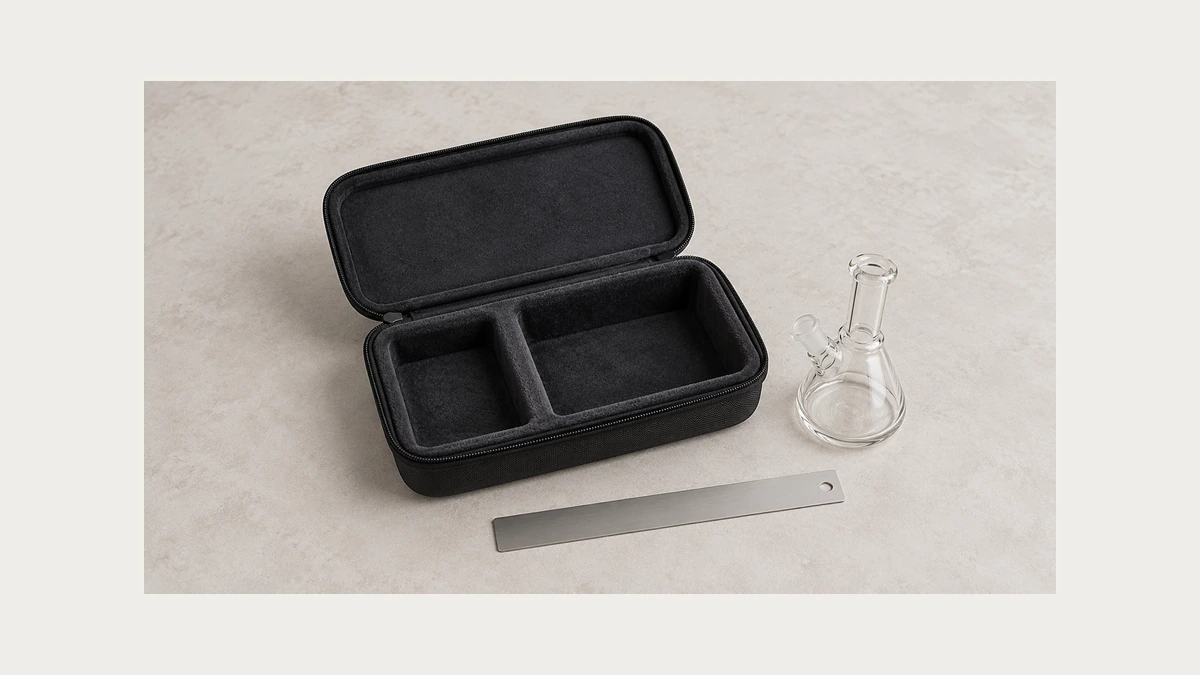
🧵 3. The longest stem section can decide the layout
Once the vase compartment is settled, the next constraint is usually the stem, because it is the longest rigid dimension in the whole kit. A one-piece stem sets a fixed minimum length for its compartment; a stem that separates into two or three threaded sections can be packed shorter, but only if the case actually has a slot sized for the shorter sections rather than one long channel built around an assumption of a single piece. Side arms — the smaller ports that branch off a stem for additional hose connections — add a second axis to this problem, since a stem with fixed side arms occupies width as well as length, while one with side arms that detach can lie flatter.
Disassembly changes the outline only where the hardware permits it. In an owner’s case-fit discussion, a reply asks whether the side arms fold or unscrew; the owner confirms that their particular arms unscrew. That answer belongs to that design. Do not assume another side arm is removable because a line or collar is visible. Check the actual manual before attempting separation, and leave resistant or fixed parts in place. The case must accommodate the permitted arrangement, rather than requiring the hardware to be forced into a shorter one.
Length also needs a defined starting and ending point. Measuring only the central stem tube leaves out a fixed end fitting; measuring a detached section as though it included its neighbor can overstate the space needed. Use the complete permitted storage outline. If a tray is stored separately, its diameter belongs to its own location rather than being counted as stem width. These simple distinctions can explain why two owners with similar overall hookah heights report very different case arrangements.
🧳 4. Lid clearance includes pockets and protruding fittings
A compartment can match the footprint of a component while leaving too little clearance above it. An inside-lid pocket filled with accessories occupies space over the base tray. A long fitting may reach that pocket before the surrounding case edges meet. Tray rims, rigid hose handles, the vase neck and any fixed side projection deserve attention in the same way. Their height should be considered in the orientation actually permitted for storage. A flat plan view of an empty compartment cannot show every contact point created when a lid moves toward it.
A careful check of the cool, empty layout is useful, but forcing a latch or compressing the equipment is not a fit test. If the lid meets a part before the case edges meet, identify that contact and keep the closure open. Also look for a component bridging two padded areas with its narrow end against a divider. The surrounding lining may look soft while that particular end still lacks clearance. This observation identifies a layout issue without claiming the case can protect the component in a fall.
A lid pocket changes when its contents change. A pocket that lies flat while empty may bulge over the vase compartment once a rigid handle or spare connector is inside it. The base tray has not changed, but the space above it has. Keep a photograph of the complete open layout with the pocket contents identified, rather than only the case shell. If a new contact point appears, compare the pocket contents before assuming the vase has moved or the main compartment needs alteration.
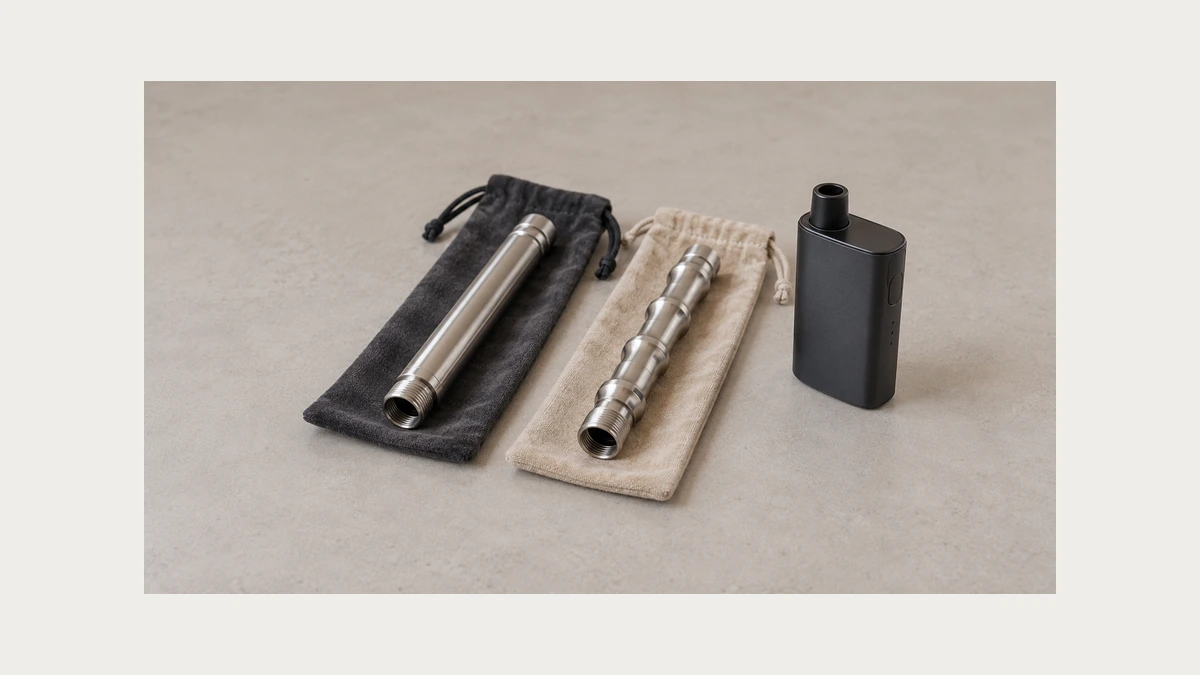
🤲 5. Hoses and small parts should not become pressure points
Flexibility does not make the hose a filler for leftover gaps. The flexible hose, an outer decorative sleeve and a rigid handle are distinct components; the hookah tube guide explains those terms. They should not be treated as three interchangeable hose types. Keep the hose within its maker-permitted storage shape and away from pressure against a vase neck or exposed fitting. Do not force a tighter coil to obtain lid clearance. If a rigid handle is detachable only under specific instructions, the case layout should follow those instructions.
Small parts need identifiable storage as well. A loose seal in a shared pocket can become difficult to match to its original opening. A hard fitting beside glass can create an unwanted contact point even though the whole kit appears to fit. Use the existing compartments so that original components remain recognizable and do not sit across fragile edges. A pocket or elastic loop is not automatically suitable for every small part; check the position in the actual layout rather than assuming a dedicated-looking space guarantees compatibility.
Hose ends deserve their own place on the parts map. The flexible middle can lie below a divider while a rigid connector projects above it. Another layout may leave the hose body separate but allow its handle to rest against the vase. These are different contact problems, even though both get described as the hose not fitting. Name the part that meets the wall or lid. Do not disconnect a handle simply because another owner’s superficially similar hose separates there; verify the permitted construction of the present one.
🧹 6. Dry empty hardware and a clean interior are separate tasks
The case is a storage enclosure, not a substitute for the equipment’s care instructions. Put away only cool, empty, dry hardware, and follow the maker’s permitted drying method before enclosure. The lining has its own care requirements too. A removable washable cover and a fixed padded divider should not be assumed to tolerate the same treatment. If the interior is damp or dirty, resolve that separately before returning clean parts. Closing the lid hides the contact surfaces; it does not establish that the equipment or lining has finished drying.
The dab rig case guide covers another equipment layout, with a glass body and separate accessories around it. The transferable idea is to preserve space around fragile projections. The dimensions are not transferable. A hookah kit may have a separate vase, long rigid sections, broad tray and flexible hose, each occupying a different compartment. A small glass-rig case should not be treated as a hookah-case specification merely because both contain glass. Work from the present components rather than the name of the bag.
Inspect the empty interior before blaming the hardware for a new pressure point. A shifted divider, an accessory left inside a lid pocket or an unrelated object under the lining can change the available space. Record the visible change without cutting, removing or reshaping fixed padding. The case may have instructions for adjustable dividers, but that permission should be verified rather than inferred from a seam. Keep an unresolved interior obstruction separate from a supposed change in the equipment’s dimensions.
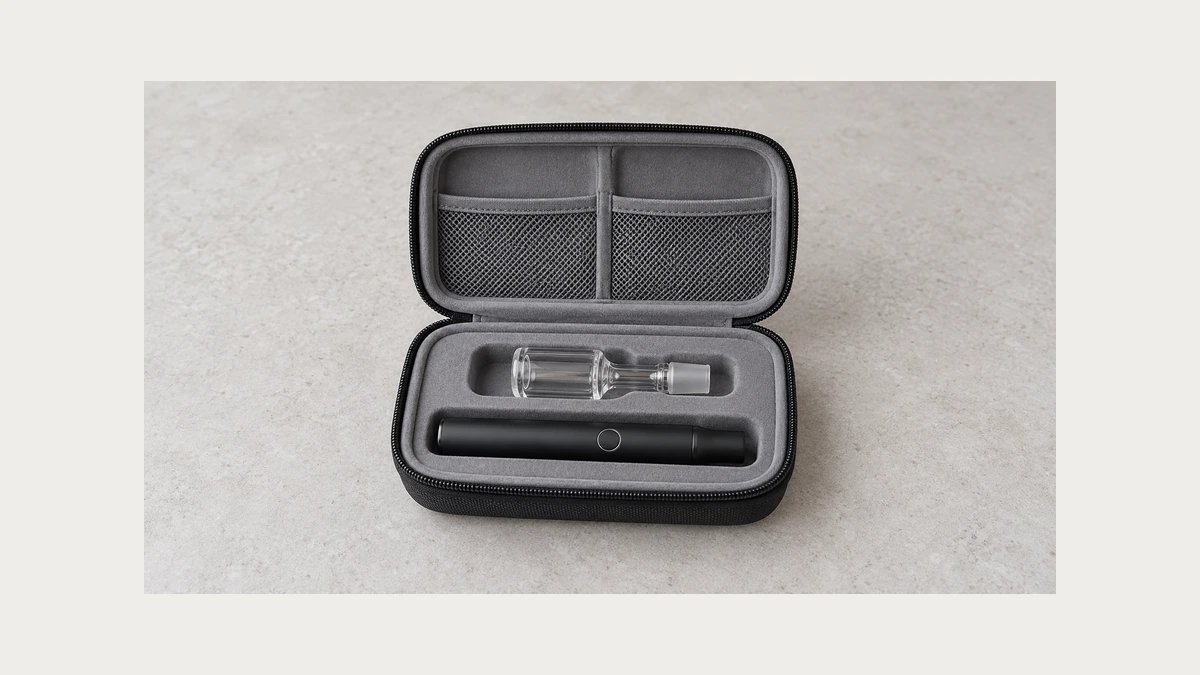
🔁 7. When the same case stops fitting the same equipment
A familiar case can stop accommodating a familiar kit after one component changes. In a compact-kit discussion, the owner describes accessory space adding to the total packed height. Later replies discuss changes in the accessories. This is one owner’s arrangement, not a required equipment list or a performance recommendation. The relevant point is that an apparently compact main body does not represent every item that will occupy the case. A taller bowl, longer handle or differently shaped fitting changes the layout even when the vase remains the same.
When a familiar arrangement no longer closes freely, compare the present components with the earlier layout. Identify the changed part, the affected compartment and the first point of contact with the lid. A different vase may fit its stem while crowding the glass compartment; a different handle may project into an area that previously remained empty. Keep the case open while resolving the contact. The useful decision is where the present layout needs more clearance, rather than whether the old case once held a similar collection.