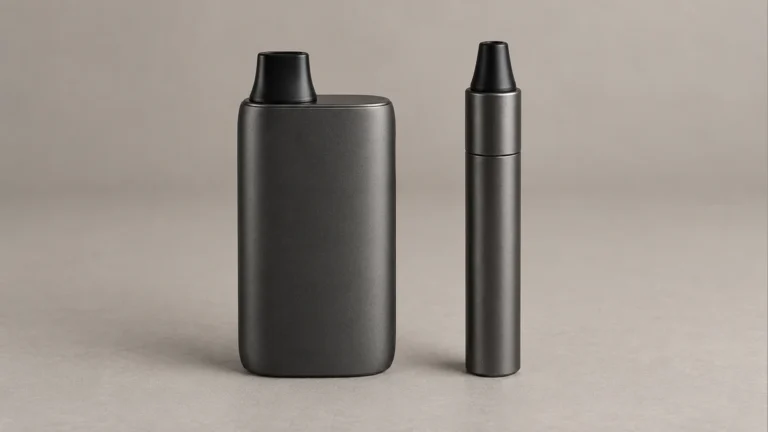
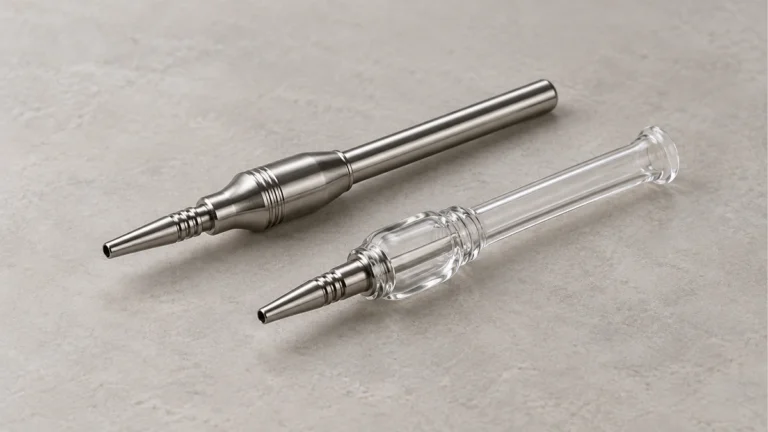
Refillable does not mean infinitely reusable, and it does not mean one cartridge fits every device on the market. That distinction trips up more people than any other part of vapor hardware, because “refillable” sounds like a permanent solution when it is really a maintenance commitment with a shelf life. A refillable vape pen cartridge is built around seals, a coil, and a fill port that all degrade at their own pace, and pretending otherwise is how people end up with leaks, flooding, or a cartridge that tastes burnt long before the oil is gone. This guide walks through the mechanical realities that actually determine whether refillable hardware performs well: fit, fill technique, seal condition, and the point where retiring a cartridge is simply the smarter move than trying to nurse it along.
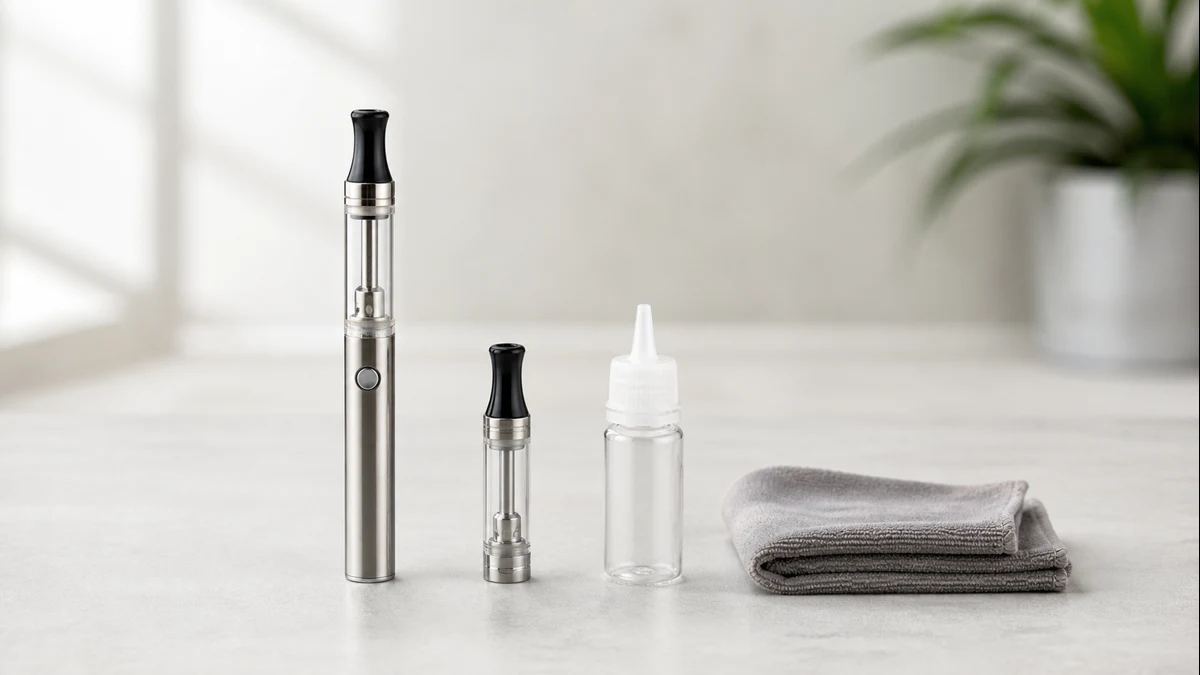
📏 1. Oil-to-Hardware Fit: Why “Refillable” Isn’t “Universal”
The first mismatch people run into has nothing to do with filling technique. It’s that the cartridge, coil, and oil weren’t designed as a matched set in the first place. Refillable hardware is engineered around an assumed viscosity range and a particular wicking material, and when the oil going in falls outside that range, the hardware struggles no matter how carefully it’s filled. This isn’t a formulation lesson — it’s simply a reminder that “refillable” describes the mechanical ability to add oil, not a guarantee that any oil will behave the same way inside any cartridge.
🧩 1.1 Viscosity Sets the Ceiling on Performance
Thicker oils move slowly through wicking channels, which is exactly what causes dry hits on one end of the spectrum and pooling on the other. A cartridge designed for a thinner fill can flood quickly if it’s loaded with something viscous, because the wick can’t draw material away from the coil fast enough to keep pace with airflow. This is one of the most common threads in casual online discussion among refillable-pen users: the same cartridge behaves completely differently depending on what’s loaded into it, and the hardware often gets blamed for what is actually a viscosity mismatch. Reading the cartridge’s intended use case, rather than assuming universal compatibility, avoids most of this friction before it starts.
🧩 1.2 Thread Type and Cartridge Style Still Matter
Beyond the oil itself, physical fit is its own variable. Most consumer cartridges use a 510 thread connection, but “510” describes the threading standard, not the internal geometry, coil style, or airflow design — two 510 cartridges can thread onto the same battery and still perform completely differently. For a closer look at how thread standards, coil placement, and airflow channels interact, AOVAPE’s 510 cartridge guide breaks down the mechanical side in more depth. The practical takeaway here is simple: match hardware to its intended oil type and don’t assume a cartridge that worked well with one fill will behave identically with another.
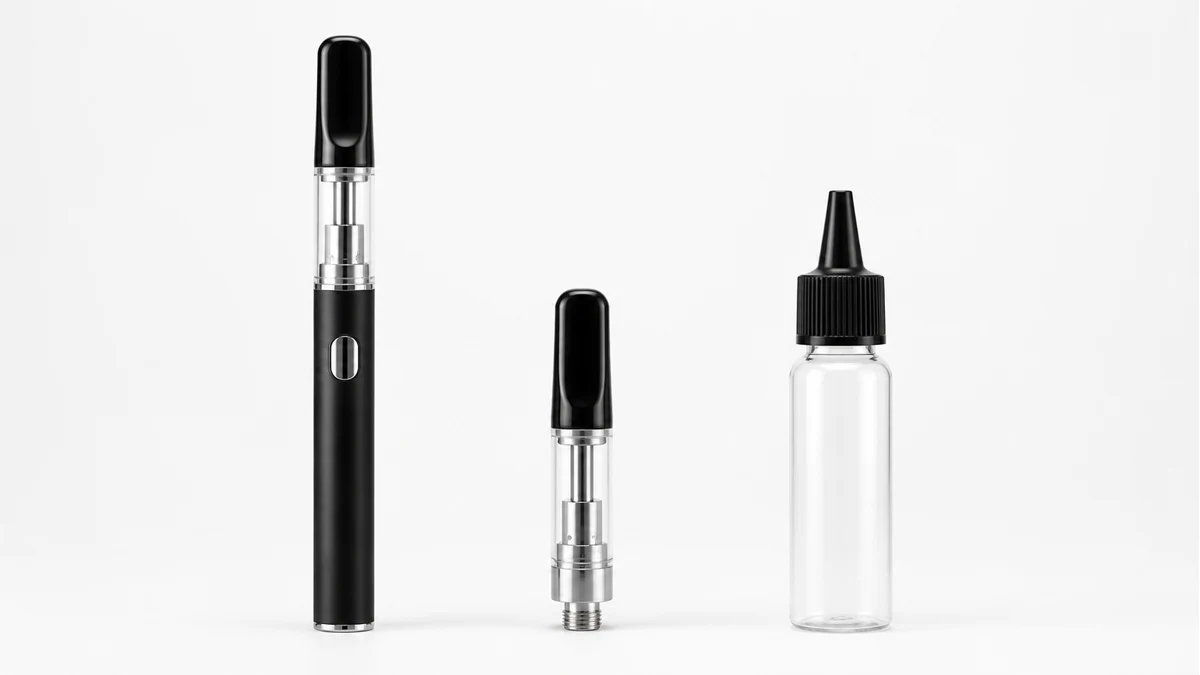
🧼 2. Fill Port, Headspace, and the Physics of a Clean Fill
Once fit is settled, the next variable is how the oil actually gets into the cartridge. This is where small, almost boring details — port size, fill speed, headspace — end up mattering more than people expect.
🧩 2.1 Top-Fill vs. Bottom-Fill Design
Refillable cartridges are generally built as either top-fill or bottom-fill designs, and the difference isn’t cosmetic. Top-fill designs expose the fill port near the mouthpiece end, which is usually easier to access but requires more care to avoid oil pooling around the airflow path near the top. Bottom-fill designs route oil in from below the coil assembly, which can reduce the chance of flooding the mouthpiece but demands a steadier hand since the port sits closer to the coil itself. Neither layout is inherently better — the design just determines what kind of error is easiest to make, so it’s worth knowing which one you’re working with before the first fill.
🧩 2.2 Headspace Is Not Wasted Space
Filling a cartridge all the way to the rim feels efficient, but it removes the small air gap that oil needs to settle and that vapor needs to travel through without turbulence. That gap — headspace — also gives the oil room to expand slightly with temperature changes rather than pushing out through the seams. Overfilling is one of the most frequently mentioned frustrations in online cartridge discussions, usually described as oil seeping out almost immediately after a fill. Leaving a small buffer near the top isn’t cutting corners; it’s accounting for how liquids behave inside a sealed chamber.
🧩 3. Seals, O-Rings, and Where Leaks Actually Start
Leaks get blamed on “bad cartridges” constantly, but in refillable hardware the seal system is almost always the real point of failure, not the tank body itself.
🧩 3.1 Seal Wear Happens Gradually, Then Suddenly
Rubber and silicone seals compress every time a cartridge is disassembled for refilling, and that compression doesn’t fully reverse. Early on, a seal might look fine but no longer sit flush the way it did out of the package. Over multiple fill cycles, that small loss of tension is what eventually lets oil migrate past the seal instead of staying contained. It’s worth inspecting seals for visible flattening, cracking, or a shiny compressed ring before assuming a leak is a filling mistake rather than a hardware issue.
🧩 3.2 Inlet Position Affects More Than Airflow
The air inlet — the small hole or set of holes that lets air enter the cartridge during a draw — also plays a role in leak prevention that’s easy to overlook. If the inlet sits too close to where oil naturally pools during storage or transport, oil can migrate into the airflow path itself, which shows up as leaking from the mouthpiece or a gurgling sound during use. This is less about a flaw in any one design and more about matching how the cartridge is stored to where its inlet sits, which is covered further in the storage section below. For readers comparing coil and wicking materials that influence how oil interacts with these internal channels, AOVAPE’s quartz coil vs. ceramic comparison is a useful companion reference.
🧰 4. Center-Post Flooding and Coil Saturation
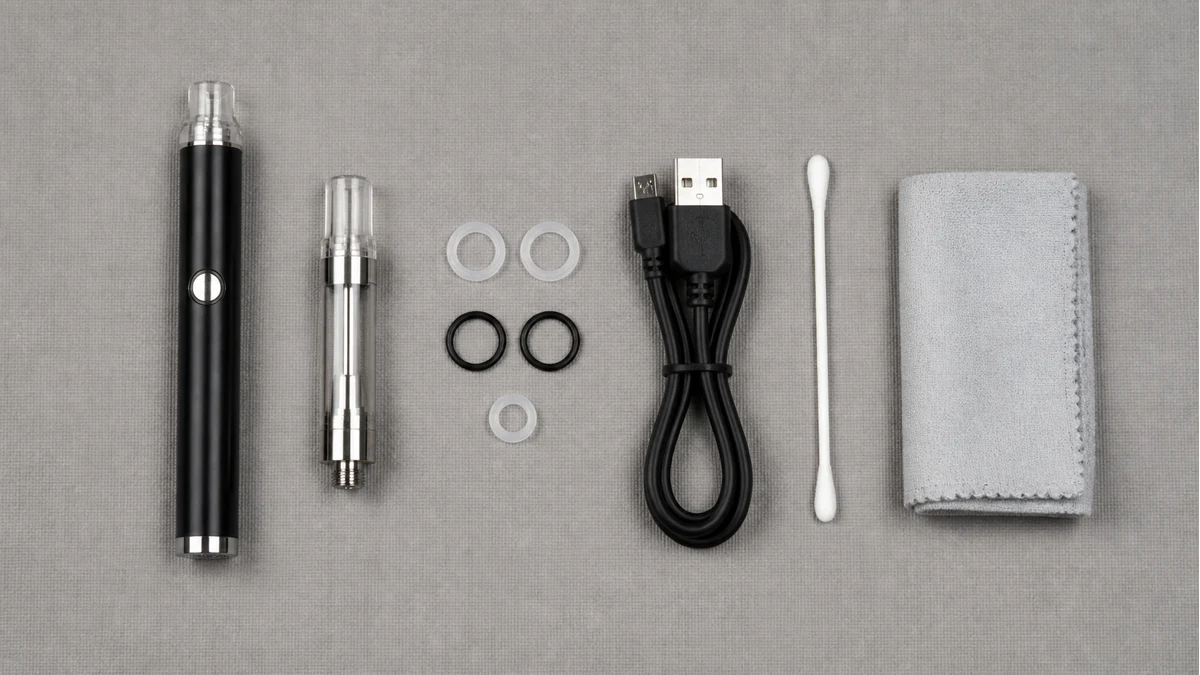
Flooding is the issue that generates the most confused troubleshooting, because it can look like a leak, taste like a burnt hit, and produce a gurgling sound all at once — but it starts in one specific place.
🧩 4.1 What’s Actually Happening at the Center Post
Many refillable cartridges route airflow through a center post that runs through the middle of the coil assembly. When oil oversaturates the wick faster than the coil can vaporize it, excess liquid can seep into that center post and get pulled directly into the airflow path. The result is a wet, gurgling draw and sometimes oil reaching the mouthpiece — not because the cartridge is leaking externally, but because the internal airflow channel has become the path of least resistance for liquid oil. Understanding this mechanism is genuinely useful background for anyone comparing atomizer designs, and AOVAPE’s explainer on how an atomizer works covers the coil-and-wick relationship in more detail.
🧩 4.2 Fill Pace and Rest Time Reduce the Risk
Flooding is most common right after a fill, particularly when oil is added quickly or when the cartridge is used immediately without letting the wick fully saturate first. Giving a freshly filled cartridge a short rest period before the first draw allows the wick to absorb oil evenly rather than relying on airflow suction to pull it through unevenly. This single habit — patience before the first pull — comes up repeatedly in casual troubleshooting discussions as the difference between a clean first draw and an immediate gurgle.
📏 5. Battery Fit and Storage Habits That Extend Hardware Life
Even a perfectly filled, perfectly sealed cartridge can underperform if it’s paired with the wrong battery or stored carelessly, so this section is really about the two variables outside the cartridge itself.
💬 5.1 Battery Compatibility Is a Fit Question Too
A 510 thread connecting properly doesn’t guarantee the battery and cartridge are a good match — voltage output and the cartridge’s coil resistance both factor into how much heat reaches the oil. A mismatch can produce several warning signs: weak vapor production, uneven heating, or oil that isn’t fully vaporizing before it reaches the mouthpiece. For battery selection and charging practices, AOVAPE’s battery and charger guide is a useful reference, and CCELL’s own documentation on battery and cartridge pairing illustrates how manufacturers think about matching output to coil resistance. On the safety side, the U.S. Consumer Product Safety Commission’s guidance on high-energy batteries is worth reviewing for anyone handling lithium-based vape batteries, since general battery-handling precautions apply here as much as they do to any small rechargeable device.
🧩 5.2 Orientation and Temperature During Storage
How a cartridge is stored between uses affects both leak risk and coil longevity. Storing cartridges upright reduces the chance of oil migrating toward the mouthpiece or inlet holes, and avoiding extreme heat — a car dashboard in summer being the obvious example — prevents oil from thinning unpredictably and seeping past seals that are rated for normal use, not elevated temperatures. Neither of these is a strict rule so much as a way of keeping the variables from section 3 (seal integrity) and section 1 (viscosity) from working against each other.
📌 6. When to Retire Refillable Hardware
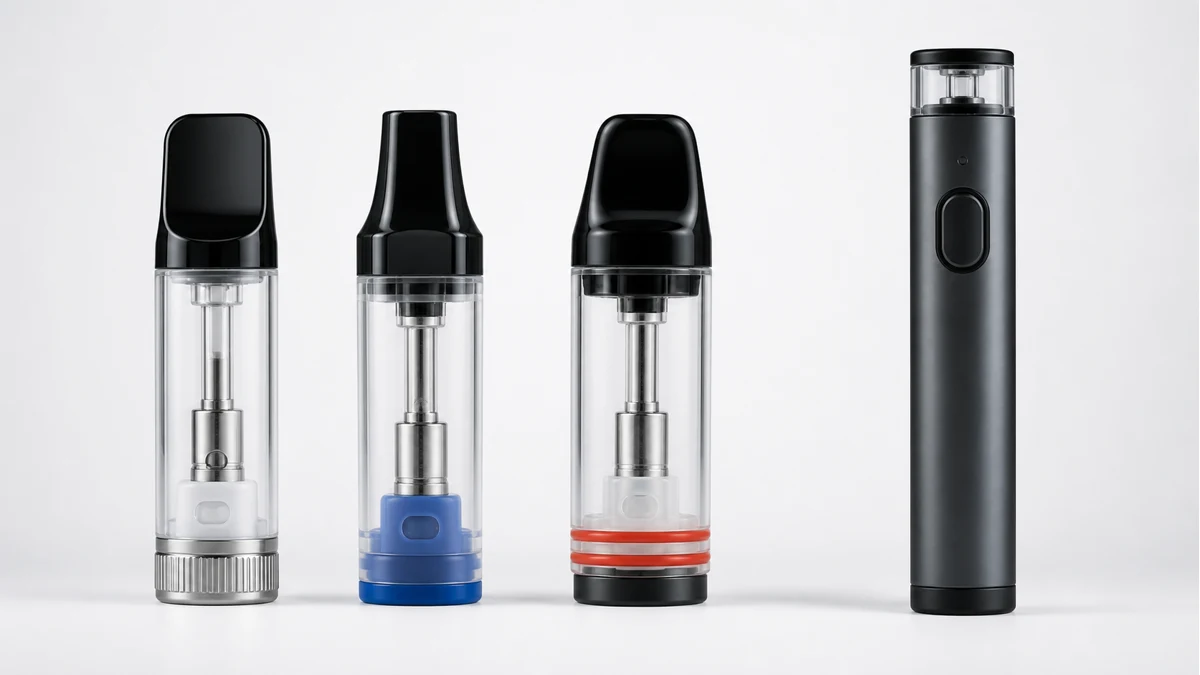
Every refillable cartridge has a practical endpoint, and recognizing it early prevents the frustrating cycle of troubleshooting a problem that’s actually just wear. A cartridge that’s approaching the end of its useful life tends to show more than one symptom at once — not just an occasional leak, but leaking combined with a persistently burnt taste and a coil that feels like it heats unevenly even at a resistance and power setting that worked fine before.
| Signal | Likely Still Usable | Time to Retire |
|---|---|---|
| Seals | Firm, seated flush, no visible flattening | Cracked, flattened, or leaving oil residue after wiping |
| Flavor | Clean taste consistent across the fill | Persistent burnt or metallic taste after cleaning attempts |
| Draw | Smooth, no gurgling at normal pace | Regular gurgling or wet pops regardless of fill technique |
| Coil color/residue | Even coloring, minor residue | Heavy dark buildup that doesn’t clear after normal use |
None of these symptoms alone is a verdict — a single burnt hit can just mean the wick needed a rest, and one leak might be an overfill rather than a worn seal. But when two or more of these show up together and persist across fills, the coil and wicking material have likely reached the point where refilling is masking wear rather than solving it. For a broader look at how coil and wick components fit into the larger hardware picture, AOVAPE’s vape parts overview is a useful reference for identifying which component is actually failing.
❓ 7. Frequently Asked Questions
🧩 7.1 Can a refillable cartridge be refilled indefinitely?
No. Seals compress, wicking material saturates unevenly over time, and coil residue builds up with repeated use, all of which eventually degrade performance regardless of how careful the filling technique is.
🧩 7.2 Is a gurgling sound always a sign of a leak?
Not necessarily. Gurgling is more often a sign of center-post flooding or a fill that hasn’t had time to settle into the wick, though persistent gurgling across multiple fills can point to a worn seal or saturated coil.
🧩 7.3 Does a higher-voltage battery fix flooding or dry hits?
Not reliably. Voltage affects how much heat reaches the coil, but flooding and dry hits are usually rooted in fill technique, oil viscosity, or wick saturation — adjusting voltage without addressing those factors can just trade one problem for another.
🧩 7.4 Why does the same cartridge model perform differently with different oils?
Cartridges are built around an assumed viscosity range and wicking behavior. Oils outside that range can wick too slowly or too quickly, which changes how the coil heats and how likely the cartridge is to flood or leak.
The most useful thing to take away from all of this is that refillable hardware rewards attention, not just careful shopping. Fit determines whether a cartridge and battery work well together, filling technique determines whether the first draw is clean, and seal condition determines how long that performance lasts. When leaking or flooding shows up, the fix usually isn’t a different oil or a different battery setting — it’s identifying which of these mechanical variables actually shifted. And when a cartridge starts showing worn seals, persistent burnt flavor, and uneven heating together, replacing it is the more practical choice over continuing to troubleshoot hardware that’s simply reached the end of its usable life.
📚 8. Sources
- U.S. Consumer Product Safety Commission — High-Energy Batteries safety guidance
- CCELL — M3B Plus battery documentation