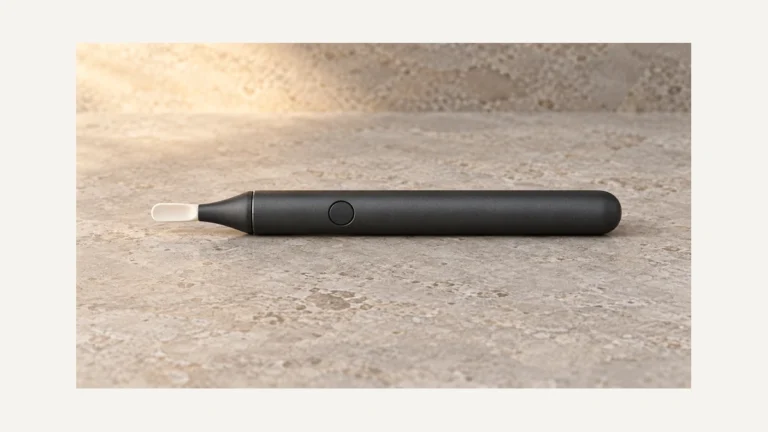
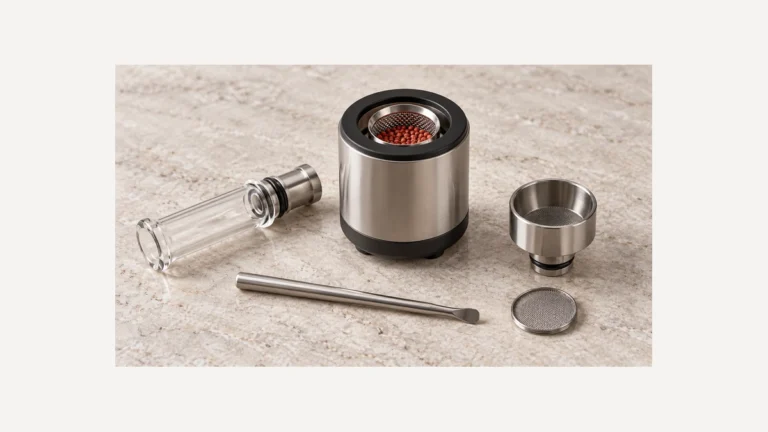
A seahorse dab pen is an electric nectar-collector style device: instead of loading concentrate into a cup-shaped chamber, it uses a heated tip at the end of the device and a tube that leads to the mouthpiece. That difference in geometry explains what people mean by “tip,” “coil,” and “air path” when they talk about a Lookah Seahorse Pro Plus. It does not make every replacement part interchangeable, and the exact model manual still matters.
🧭 1. The short answer: a tip-based pen, not a loading chamber
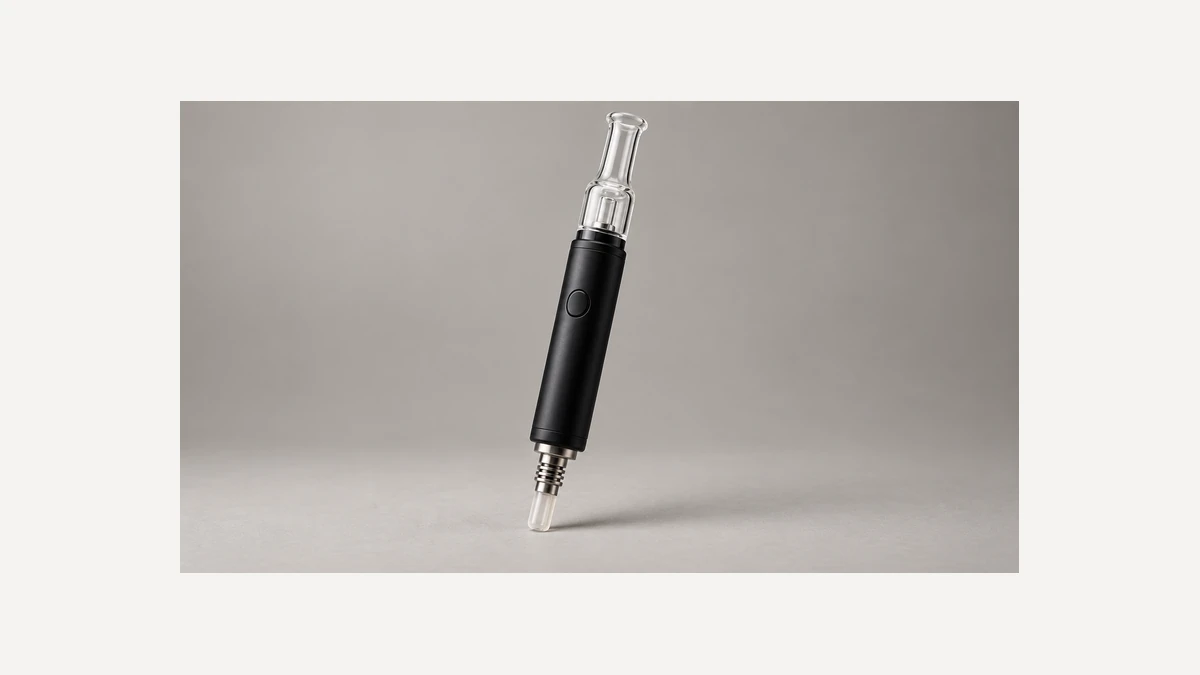
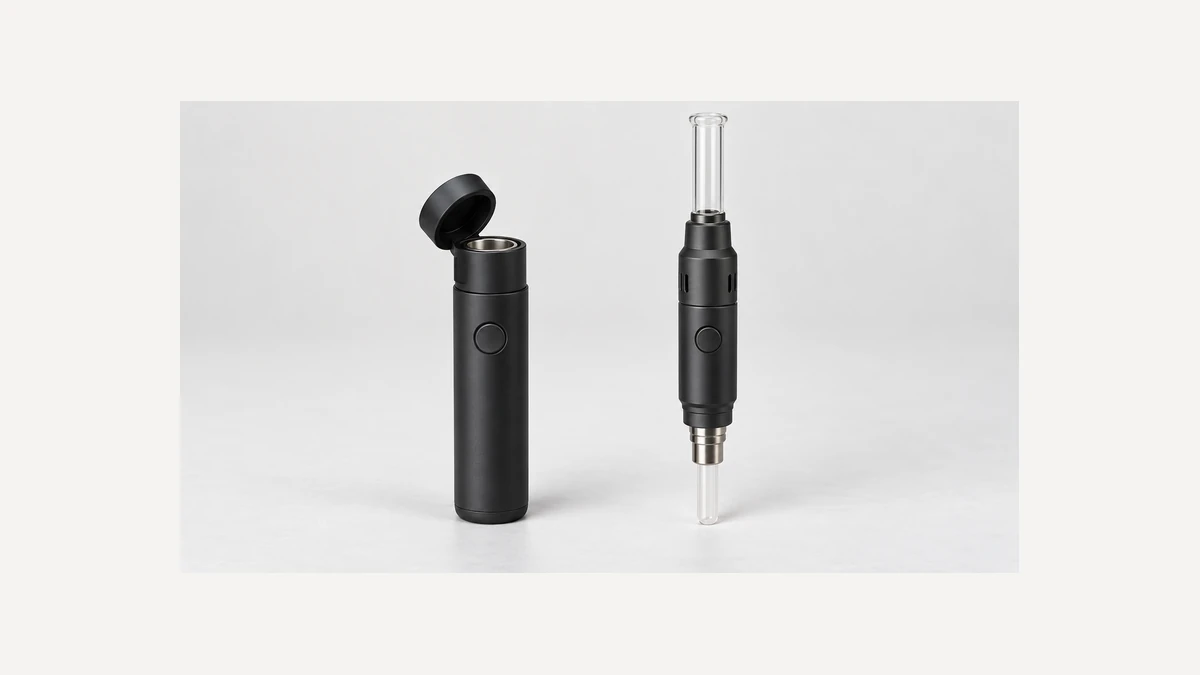
The quickest way to identify a seahorse-style dab pen is to look at the material interface. A chamber pen has a small cup or bowl that holds material inside the device. An electric nectar collector puts a heated tip at the end of the airflow path. The tip, battery body, and mouthpiece form one handheld assembly, but the external shape and parts are model-specific.
Lookah describes the Seahorse Pro Plus as an electric nectar-collector dab pen and lists a Type V quartz tip coil, a glass-tube vapor path, three voltage settings, and a 650mAh battery. Those are manufacturer-listed details for that model, not universal specifications for every seahorse dab pen. The Lookah product page is the source to check for current model details.
🔍 2. How the exposed tip differs from a chamber wax pen
In a chamber-style wax pen, the material sits in a cup or chamber. The heater is arranged around or beneath that space, and vapor leaves through a separate opening toward the mouthpiece. In a nectar-collector layout, the working tip is exposed at the end of the body. The material does not sit in a built-in loading cup; the device’s tip and airflow path meet at the outside end.
That changes what the user sees and what a replacement part looks like. A chamber insert is shaped to fit inside a cup. A collector tip is an end attachment that also meets the material. Neither label describes every device’s internal construction. For a broader look at the two hardware paths, see AOVAPE’s guide to electric dab pens and wax chambers.
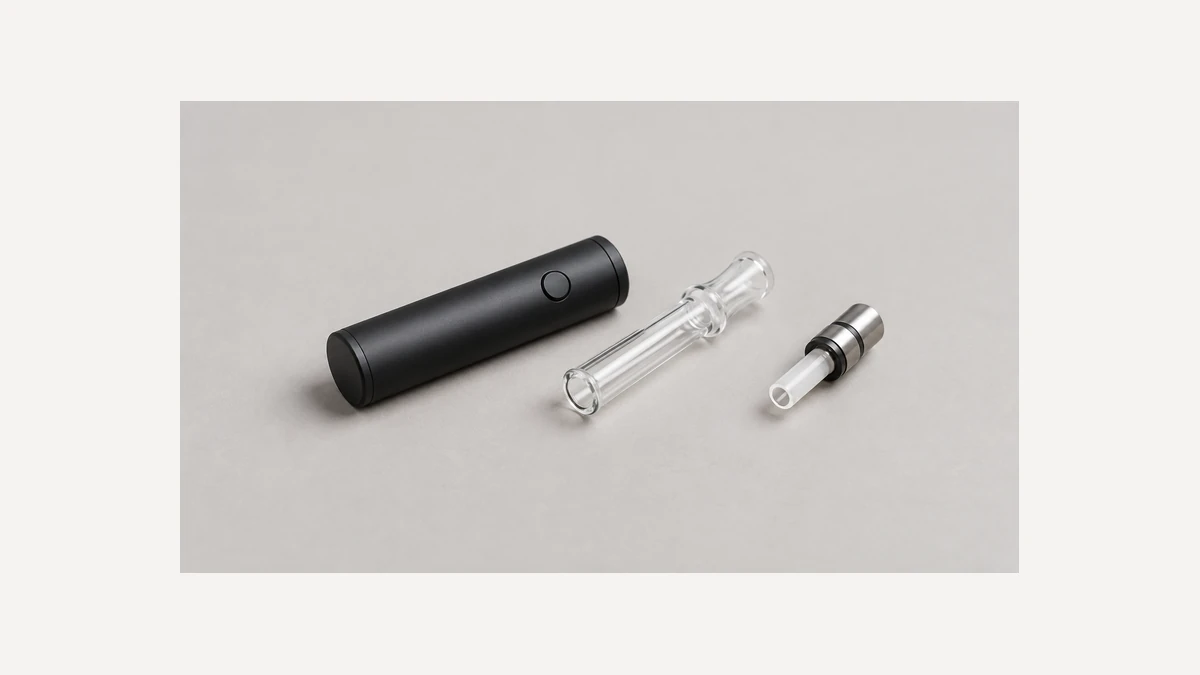
🧩 2.1 Why “dab pen” and “nectar collector” can describe the same device
“Dab pen” is often used broadly for portable concentrate hardware. “Nectar collector” describes a more specific arrangement: a narrow heated end meets the material while the user draws through a tube. An electric nectar collector combines that familiar collector layout with a powered heater. The two phrases overlap in everyday searches, but they do not mean that every dab pen has an exposed tip.
⚙️ 3. What “coil” means on a Seahorse Pro Plus
On a product listing, “coil” may name the removable heater-and-tip assembly rather than invite a guess about the wire or heating element hidden inside it. Lookah calls the Pro Plus attachment a “Type V” quartz tip coil. The published page identifies the external tip and its role, but it is not a complete engineering drawing of the internal heater.
That distinction is useful because people often imagine every vape coil as the same kind of wound wire. In practice, product names can refer to a replaceable module or tip assembly. The word alone does not establish its resistance, power range, service life, or compatibility. Those details must come from documentation for the exact device and generation.
🧪 3.1 A coil label is not a compatibility chart
A part can look similar and still differ in its connector, seating depth, electrical contact, dimensions, or intended power. Do not assume that a generic 510 label, a similar-looking tip, or the shared word “Seahorse” makes two parts interchangeable. Confirm the exact model name and version against the manufacturer’s current parts information. AOVAPE’s overview of dab pen accessory categories explains why tips, chambers, mouthpieces, and adapters should be treated as separate parts.
🌬️ 4. The glass tube is part of the air path
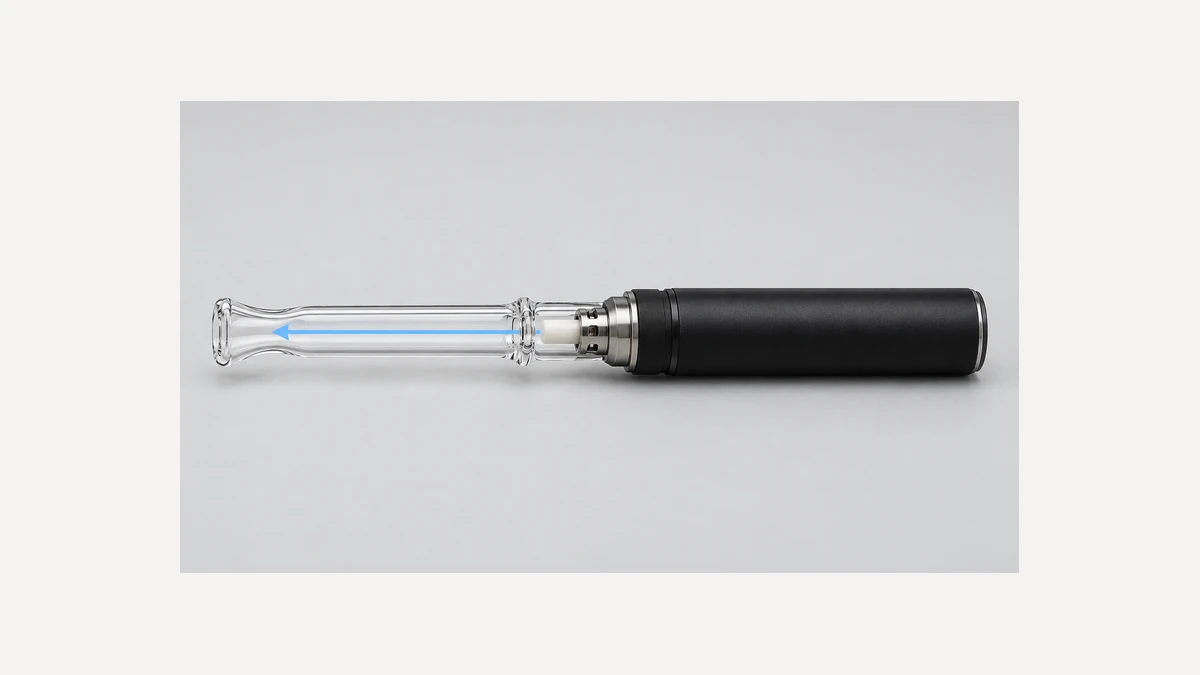
After vapor forms at the heated end, it has to travel to the mouthpiece. On the Seahorse Pro Plus, the manufacturer describes a glass-tube vapor path. That visible tube is not the heater: it is the route between the working end and the mouthpiece. A clear tube also makes the path easier to see, but seeing a path does not reveal every internal connection or prove how a different model is assembled.
Collector-style devices and chamber pens can therefore look similar at a glance while directing air differently. When diagnosing a fit or airflow question, identify the specific tip, tube, mouthpiece, and connection points in the manual instead of inferring the route from a product photo. The mini nectar collector guide covers how collector form factors change the visible hardware layout.
🧭 5. Why vapor may appear after the tip is lifted
People sometimes notice a visible plume after a heated tip has moved away from material. That observation alone cannot tell you whether the device is still actively heating, whether aerosol already in the path is exiting, or whether residue on a hot surface is contributing. The answer depends on the device’s operating mode and the moment the plume is observed; appearance is not a reliable diagnostic code.
This question appears in real community discussions: one Seahorse owner asked about vapor that continued after lifting the tip; another discussion asks how portable pens differ for rosin; a third describes an electric nectar collector as a distinct portable format. These posts are useful evidence of what confuses readers, not proof of what a heater is doing. The rosin-pen discussion and electric nectar collector thread reflect individual users’ experiences, not technical specifications.
If the device’s behavior does not match its documented modes, rely on its own manual or manufacturer support rather than extrapolating from a forum comment or from another model. This is especially important when the question concerns a control sequence, a fault indicator, or whether a component is still energized.
🧼 6. Cleaning and replacement depend on the exact parts
A removable glass tube, mouthpiece, and heater tip are different components, and the manufacturer may give each one different handling instructions. Do not assume that a cleaning method appropriate for glass is appropriate for a heater assembly or a battery body. Follow the instructions for the exact model and part, and let those instructions—not a generic “vape coil” rule—set what can be removed, cleaned, or replaced.
Maintenance questions are common in collector-style threads; one discussion describes cleaning as a recurring concern, while other users ask about the tip, airflow, or replacement parts. That is a useful reminder to look at service access when comparing device layouts, not evidence for any promised lifespan or cleaning interval. For the role of cases and separate tools, see AOVAPE’s guide to wax pen kit components.
✅ 7. What to check before identifying a Seahorse coil
Start with the full model name, version, and the part’s own label. Then compare the maker’s current product page or manual for the tip type, connection, listed accessories, and approved maintenance steps. If the documentation does not confirm a detail, treat it as unknown rather than inferring it from appearance.
In short, a seahorse dab pen is best understood as an electric nectar collector with an exposed working tip and a defined path to its mouthpiece. “Coil” may name the whole replaceable tip module; it does not tell you the assembly’s hidden design or prove compatibility. Once those distinctions are clear, the device is easier to identify—and much harder to confuse with a chamber wax pen or an oil-cartridge battery.