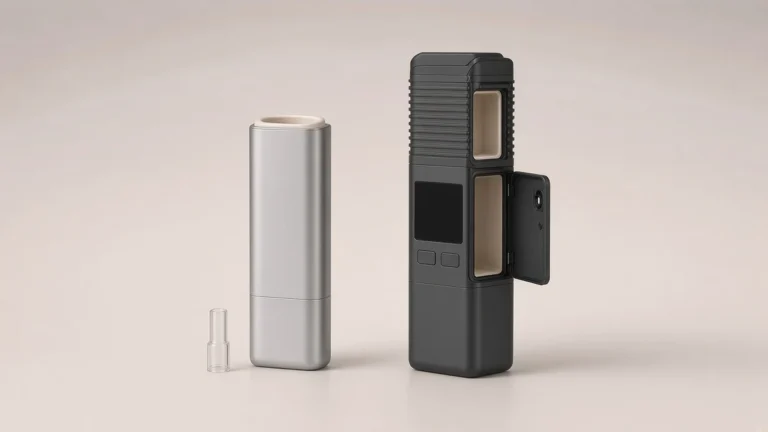
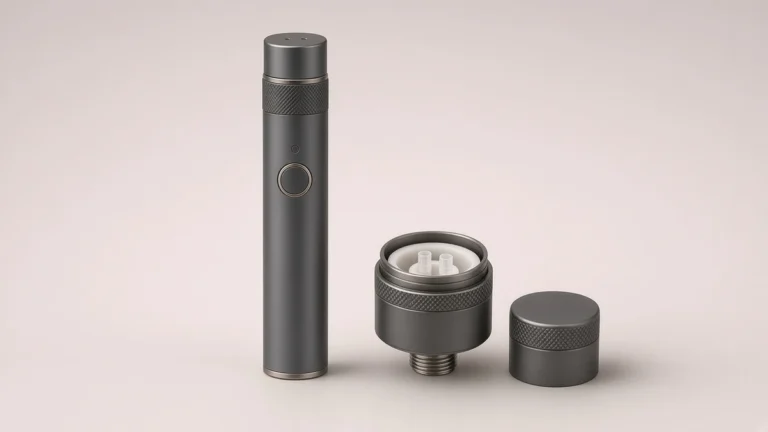
A wax pen has to move air through a concentrate chamber. That air may enter from the cap or top of the chamber, or it may enter through openings at the base of the chamber. Those two arrangements are easy to collapse into a single catalog phrase such as “airflow holes” or “improved airflow cap.” They should not be. Top airflow is an entry path that starts above the load. Bottom airflow is an entry path that starts at the base of the chamber. A brief that names holes without saying which family they belong to is incomplete.
That distinction is not the same as which part comes off before loading, and it is not the same as a clog in an already-built path. Coil Cap or the Mouthpiece: What Comes Off a Wax Pen Before Loading already identifies the part you remove to reach the chamber. Dab Pen Clogged? Locate the Air Path Before Calling It a Coil Fault already treats a blocked path as a diagnostic question. This guide stays on the designed entry family: top, bottom, or a documented combination, and what a listing photograph cannot prove.
🔎 1. Top Airflow and Bottom Airflow Are Not the Same Entry Family
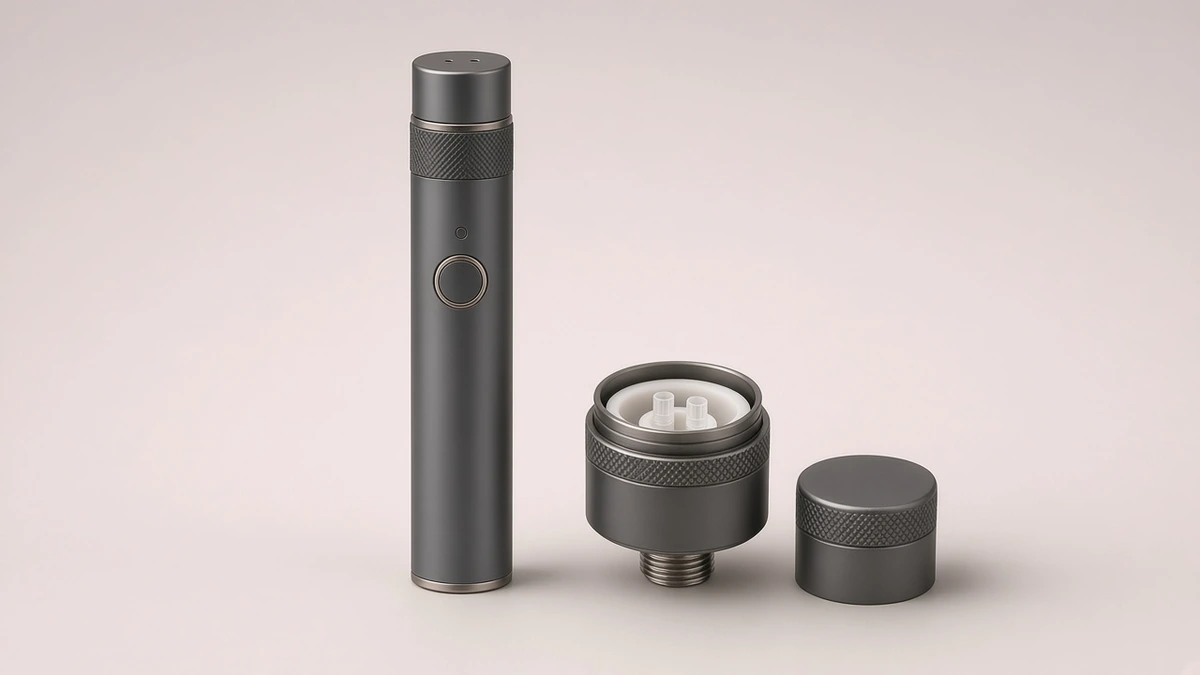
The first cut is simple. Top airflow means the chamber is designed to take in air from openings in the cap, lid, or another part above the load, and to move that air down to the concentrate and then out through the mouthpiece path. Bottom airflow means the chamber is designed to take in air through openings at the base of the cup or atomizer, usually below or beside the heater, and to move that air up through the chamber.
A hole that is visible on a cap may be a top inlet, a mouthpiece bore, or only a styling opening. A hole at the base may be an air inlet, a drain, or a window onto the heater. Do not assign either job from a silhouette. Coil Cap or the Mouthpiece: What Comes Off a Wax Pen Before Loading is the place to identify the cap or mouthpiece as a part. This guide does not retell that subject. It only asks the buyer to name how air is supposed to enter once that part is in its working position.
The heater construction is a separate question again. Electric Dab Pens for Wax: Follow the Chamber, Power, and Airflow already treats chamber, power, and airflow as an overview. A quartz or ceramic heater label does not identify the air-entry family, and an air-entry family does not identify the heater.
🏷️ 2. An “Airflow Cap” Label Is Not a Complete Path Specification
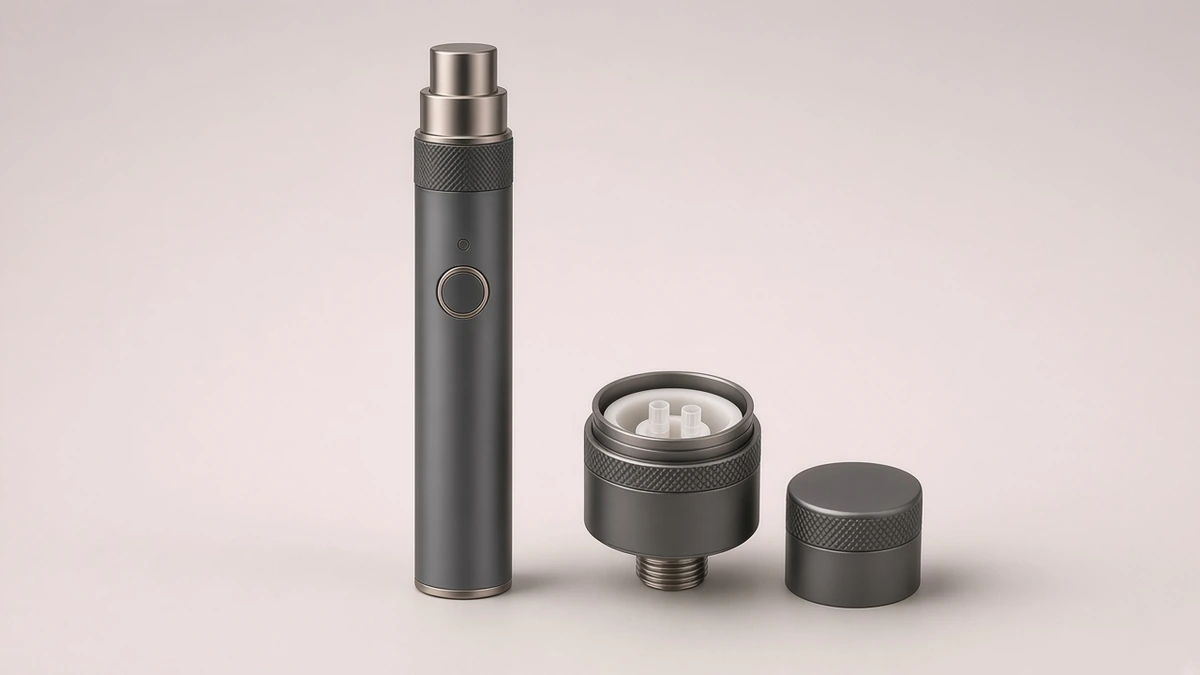
“Airflow cap,” “side holes,” “bottom vents,” and “improved airflow” are starting labels, not finished path specifications. A cap can have holes and still not be a top-airflow design if those holes are only decorative, or if the intended path still starts at the base. A base can show openings and still not be a bottom-airflow design if those openings are covered when the chamber is assembled.
A “510 wax atomizer” or “dedicated wax pen” label is also incomplete as an airflow identification. 510 Wax Atomizer or a Dedicated Wax Pen: What the Power Unit Is Built For already identifies whether the listing is an attachment or a complete device. The power-unit identity does not tell you where air enters the chamber. If the listing says only “better airflow,” write that wording down and ask which family, which openings, and which revision the drawing actually names.
Do not treat a clog complaint as a substitute for this identification either. Dab Pen Clogged? Locate the Air Path Before Calling It a Coil Fault is the place to trace a blocked path. This guide only asks what path the version is designed to present when it is clean and correctly assembled.
🧩 3. Identifying Top Airflow on a Sample
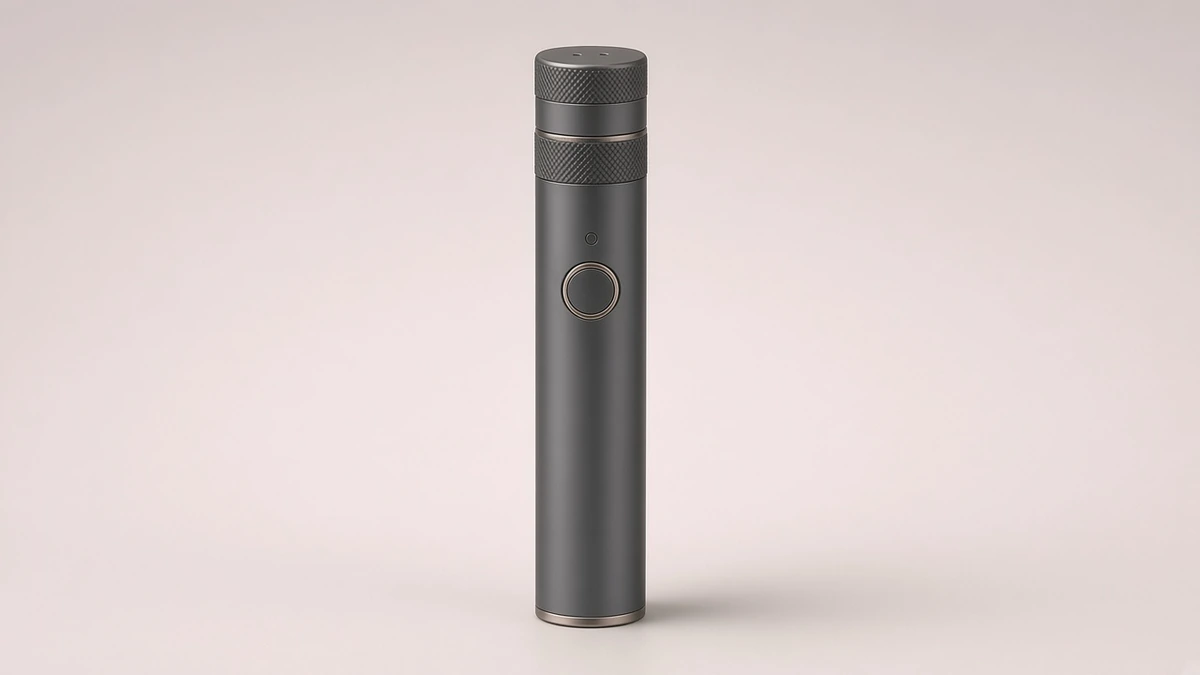
An assembled sample, with the cap or mouthpiece in the position the version uses during a session, is the right place to look for a top-entry path. Look at the cap, lid, or top collar for openings that are designed to let air in above the load. Then look at how those openings communicate with the chamber when the cap is seated. Record the openings as a top-airflow fact only if the documentation, or a clear path on the sample, supports that job.
A mouthpiece bore is not automatically a top inlet. The bore is the exit the user draws through. Top inlets are the openings that let air into the chamber from above. If you cannot tell the two apart on the sample, write that down and check the drawing or an exploded view before calling the version a top-airflow design.
If the cap has to come off to load the chamber, put it back before you judge the path. The loading position and the working position are not always the same. A cap that is off the device cannot show you how air is supposed to enter during use.
📐 4. Bottom Airflow Still Has to Be Named, or Ruled Out
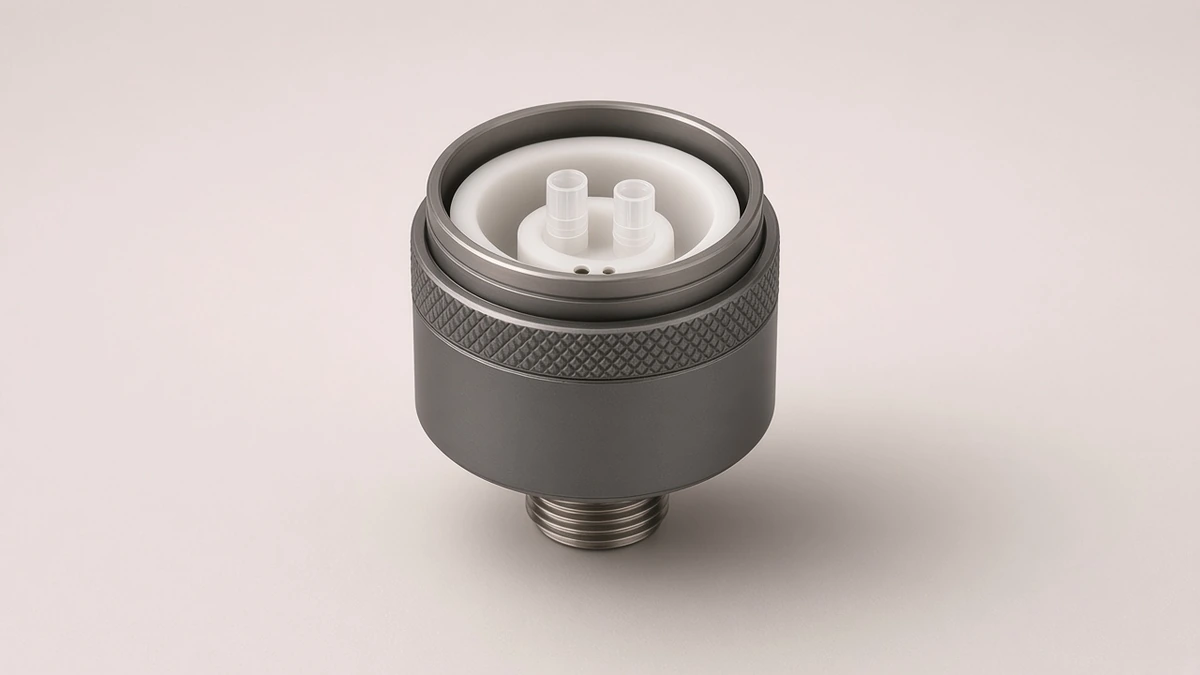
Once the top of the chamber is recorded, the base still has to be checked. Look at the cup or atomizer from below and from the side, with only the parts removed that the version work instruction allows. Record any openings at the base that are designed to let air into the chamber, and record whether those openings remain open when the chamber is installed on the power unit.
Do not borrow a bottom-airflow description from another atomizer that happens to share a cup shape or a “quartz coil” label. Two chambers can look similar and still use different entry families. If the version uses both top and bottom openings, the drawing should say so. If it uses only one family, the drawing should say that too.
If the drawing and the sample disagree—if you find base openings and the brief calls the chamber top-airflow only, or if a cap is described as the air path and the cap has no working inlets—stop and confirm the revision before the part is treated as approved. Fixed Fire or a Heat Setting: How a Wax Pen’s Output Is Controlled already identifies how output is controlled. Control family is not an air-entry family.
📷 5. What a Listing Photograph Can Hide
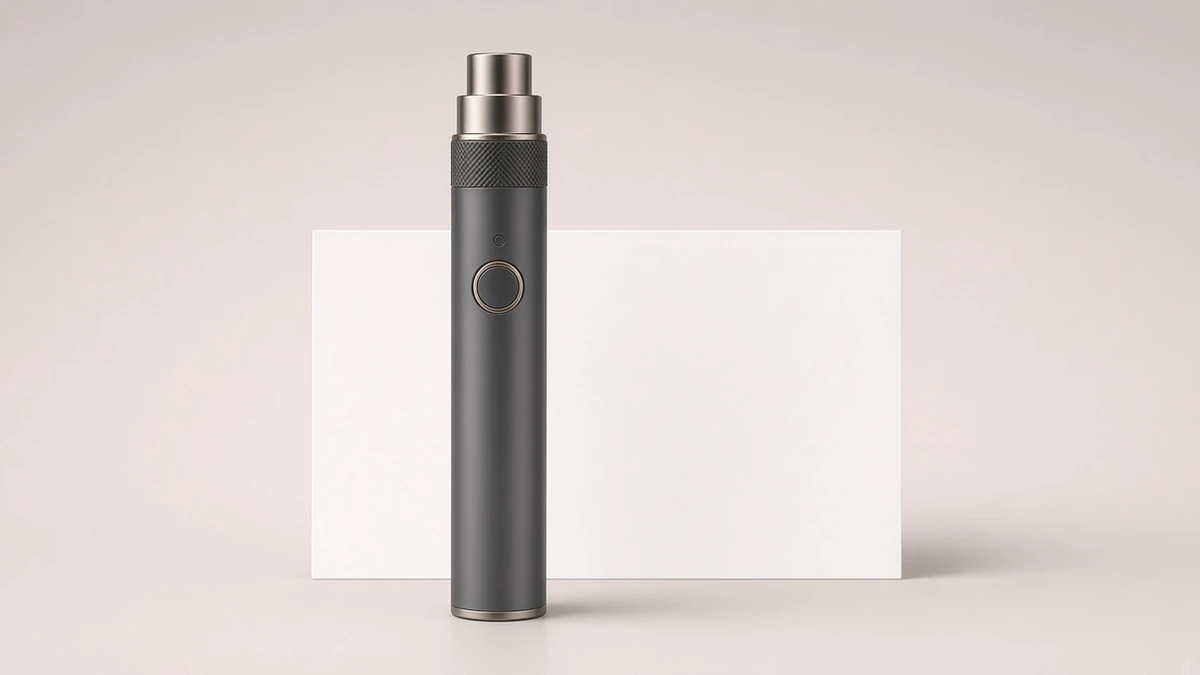
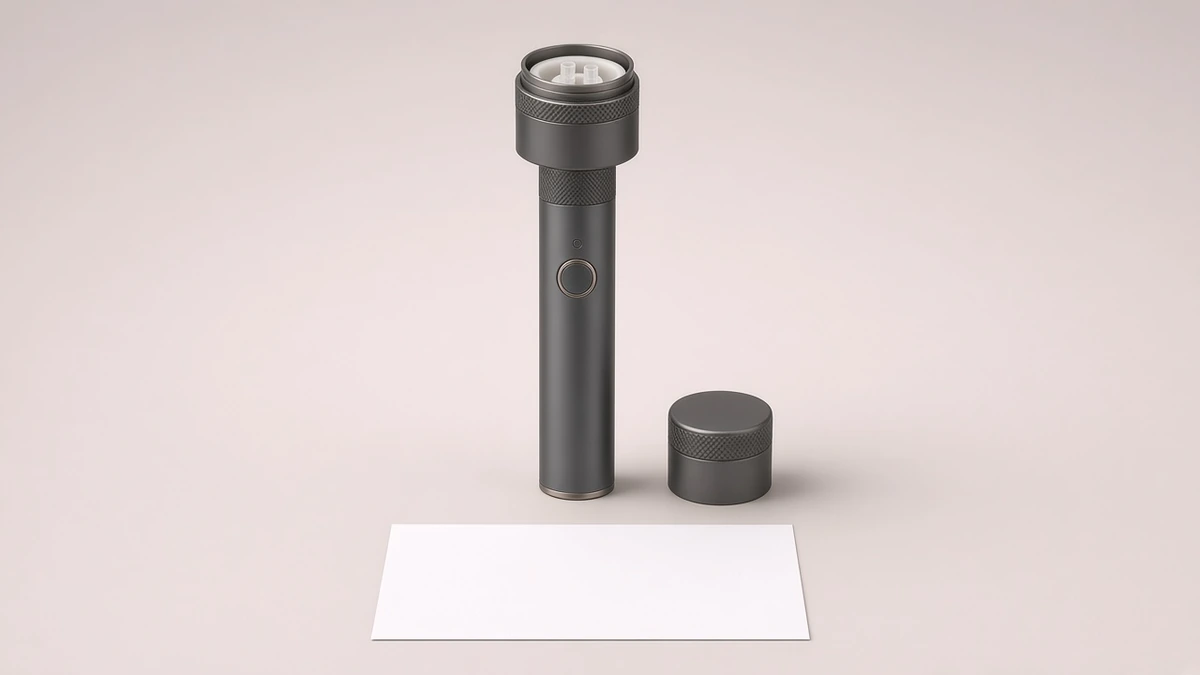
A listing photograph can support an airflow-family identification if the cap and the chamber base are both visible, the openings are in sharp focus, and the listing names the family in a way that matches the sample. Often it is not. A beauty shot of a closed pen can hide the cap inlets and the base completely. A cropped hero image can show a ring of holes without saying whether they sit on the cap, on the cup, or on a decorative sleeve. A rendered cutaway may show a path that is not the revision in the quotation.
The photograph is also the wrong place to borrow a performance claim. A marketing image that says “bigger clouds” or “no more clogs” does not identify top airflow or bottom airflow. Those assignments come from the drawing and from an assembled sample of the exact version. If the listing says “airflow cap” and shows only a three-quarter view of a closed device, write that wording down and request a cap-on and cap-off view, a base view, and the path callout.
✅ 6. What to Check on a Sample, a Drawing, and a Brief
A one-line description a team can reuse should name the entry family and should keep that fact apart from the removable cap and from clog diagnosis. Example: “Wax pen chamber; air entry is top airflow, bottom airflow, or both, as named on the version drawing; the removable cap and the heater construction are documented separately.”
On the sample:
- Assemble the cap or mouthpiece in the working position before judging the path.
- Look for openings in the cap, lid, or top collar that are designed to let air in above the load.
- Look for openings at the base of the cup or atomizer that are designed to let air in from below, and check whether they remain open when the chamber is installed.
- Do not treat a mouthpiece bore, a drain, or a decorative slot as an inlet until the drawing supports that job.
On the drawing and the current brief for that exact version:
- Record the air-entry family: top, bottom, or both.
- Record which parts present the openings.
- Keep heater material, power-unit identity, and output control in separate lines.
- If the drawing and the sample disagree, stop and confirm the revision before writing a purchasing line.
On the listing:
- Treat “airflow cap,” “bottom vents,” “side holes,” and “improved airflow” as labels to reconcile with the sample and the drawing.
- An airflow-family description stated for a named catalog example is that page’s documentation, not a default for the next chamber in the same photograph style.
Questions worth sending with a sample request:
- Does this exact chamber version take in air from the cap or top, from the base, or from both?
- Which parts present those openings, and do they remain open in the working, assembled position?
- Is the mouthpiece bore separate from the top inlets, and does the drawing show both?
- Which revision of the chamber and cap does the quotation cover, and does the sample match that revision?
- If the listing mentions fewer clogs or stronger airflow, which entry family is actually specified for that project?
❓ 7. Short Answers a Brief Can Reuse
❓ 7.1 Identification Questions
What is top airflow on a wax pen chamber?
It is an entry path that takes air in from openings in the cap, lid, or another part above the load. A hole in a cap is not automatically a top-airflow design until that job is confirmed.
What is bottom airflow?
It is an entry path that takes air in through openings at the base of the cup or atomizer. Those openings still have to remain open when the chamber is installed.
Does an “airflow cap” label complete the specification?
No. The cap may present the inlets, or it may only close the chamber. The brief still has to name the entry family and the parts that present the openings.
Is this the same question as what comes off before loading?
No. The removable cap or mouthpiece is a different identification. Put that part back in the working position before you judge the air path.
Is a clog the same thing as the airflow family?
No. A clog is a blockage in a path that is already supposed to exist. Identify the designed family first, then treat a blockage as a separate diagnostic question.
Can a listing photograph settle the entry family?
It can support an identification if the cap and the base are visible and match the sample and the drawing. It often hides one side of the chamber, or shows holes without saying which part they belong to. Confirm the family on an assembled sample and in the version documentation.