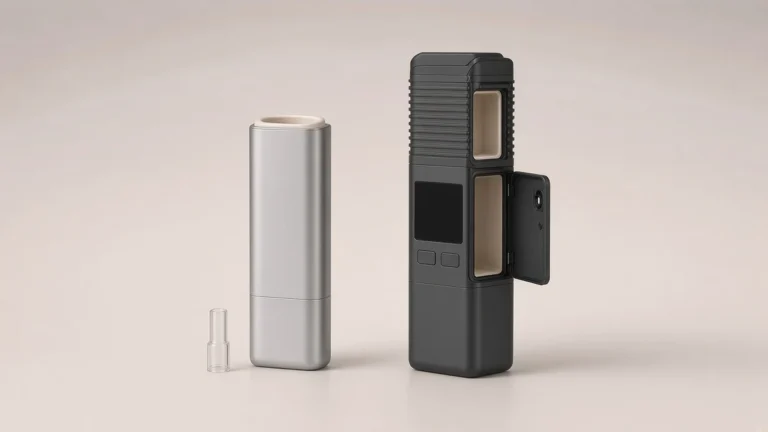
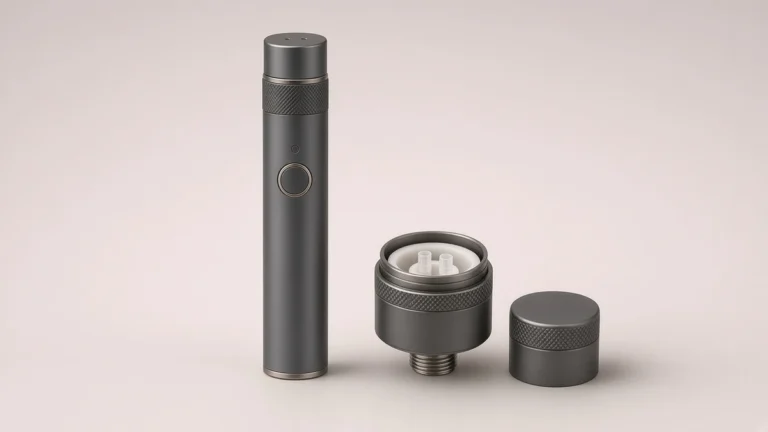
A 510 battery and a 510 cartridge have to share an air path once the cart is seated. Air may enter through openings in the battery well or collar, through inlets on the cartridge base, or through both. Those openings are easy to collapse into a single catalog word such as “airflow holes” or “breathable well.” They should not be. Well air holes belong to the battery. Cart inlets belong to the cartridge. A brief that names holes without saying which part presents them is incomplete.
That distinction is not the same as where the cartridge’s own inlets are placed, and it is not the same as how the battery is fired. Bottom Inlet or Side Inlet: Where a 510 Cartridge Is Designed to Draw Air already identifies inlet location on the cart. Button or Draw-Activated: How a 510 Battery Is Fired already identifies the firing method. This guide stays on the seated air path: whether air enters through the battery well, through the cart, or through both, and what a listing photograph cannot prove.
🔎 1. Well Air Holes Are Not the Same Thing as Cart Inlets
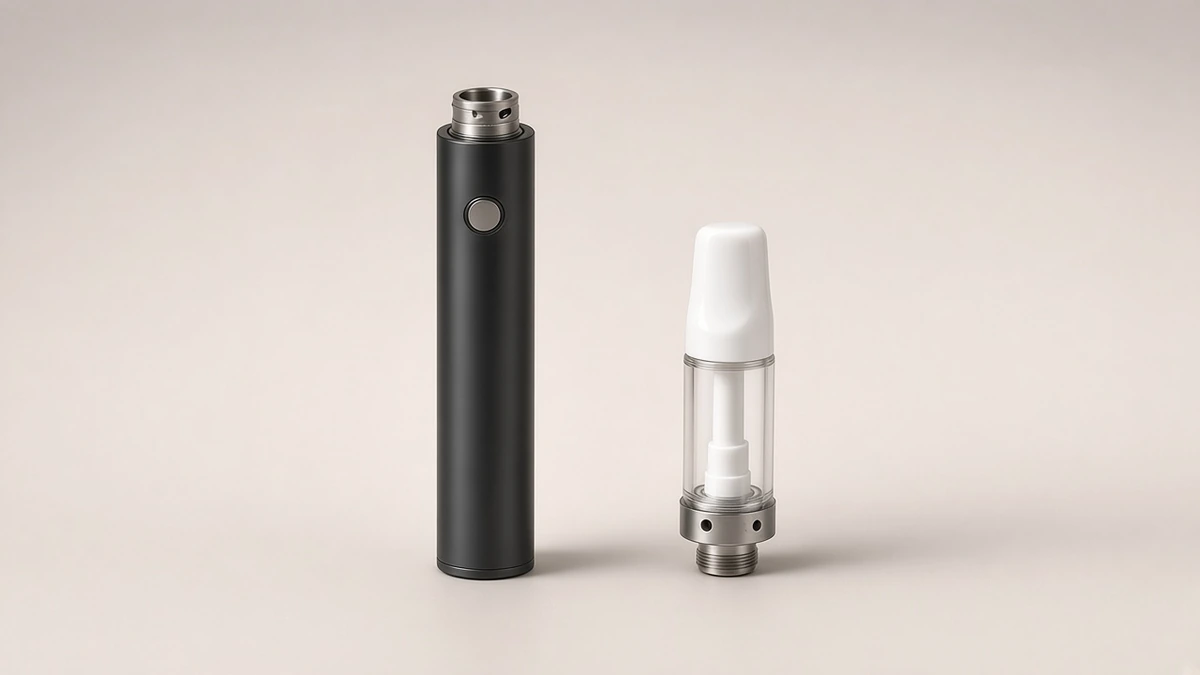
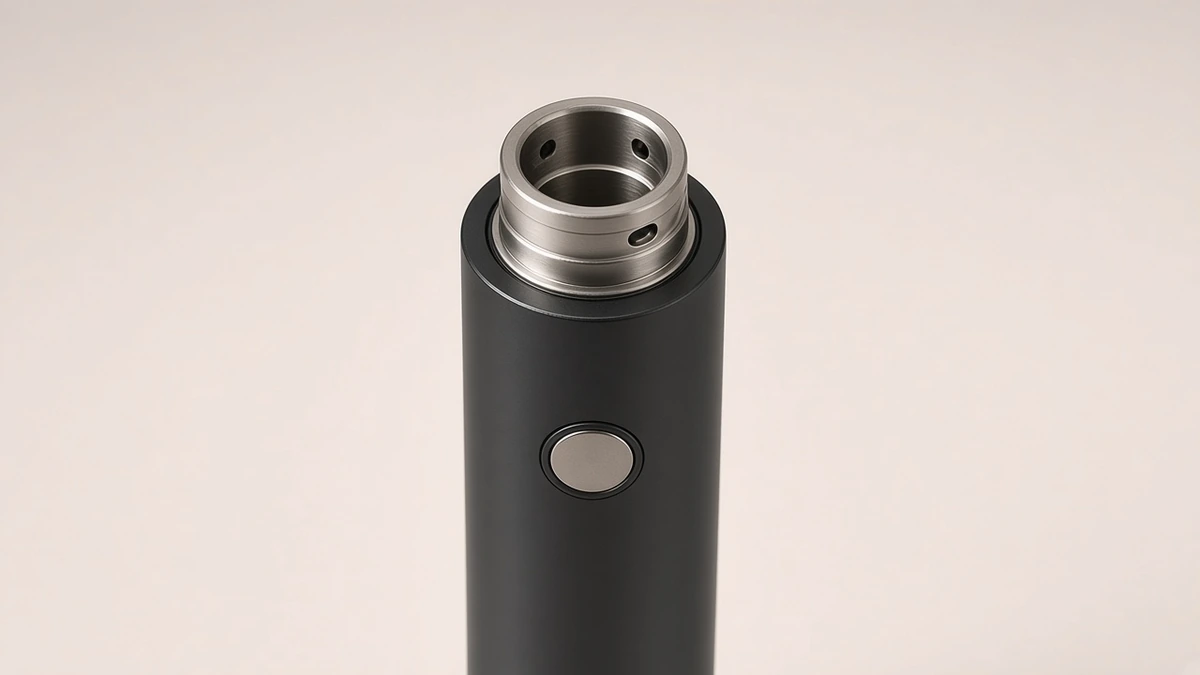
The first cut is simple. Well air holes are openings in the battery—usually in the 510 well, a collar, or a bay wall—that are designed to let air reach a seated cartridge. Cart inlets are openings on the cartridge itself that are designed to let air enter the cart. Both can be present on the same setup. One does not identify the other.
A hole that is visible around a 510 connection may belong to the battery, to the cart, or to a gap that is not an intended inlet at all. Do not assign it a job from a silhouette. Bottom Inlet or Side Inlet: Where a 510 Cartridge Is Designed to Draw Air is the place to identify where the cart is supposed to take in air. This guide does not retell that subject. It only asks the buyer to name which part is doing the work when the cart is on the battery.
Draw activation is a separate question again. Draw-Activated 510 Batteries: What the Airflow Switch Actually Detects already treats the airflow switch. A sensor that detects a draw is not the same identification as the openings that let air in. Name the firing method, then name the air path.
🏷️ 2. An “Airflow Holes” Label Is Not a Complete Path Specification
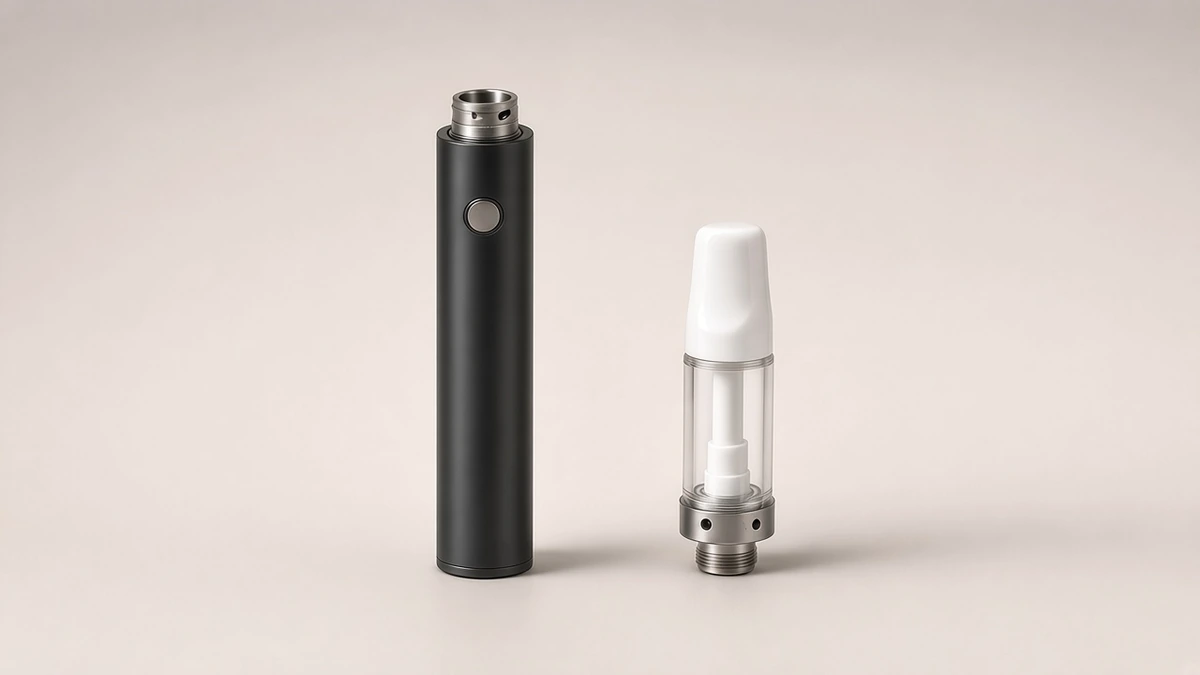
“Airflow holes,” “breathable well,” “open collar,” and “side vents” are starting labels, not finished path specifications. The label does not tell you whether the openings are on the battery, on the cart, or on both. It does not tell you whether those openings still function after the cart is seated, or whether a bay wall covers the cart’s own inlets.
A “draw activated” or “auto-draw” claim is also incomplete as an air-path identification. The firing method can be button, draw, or both, and still leave the entry path unspecified. If the listing says only “improved airflow,” write that wording down and ask which openings, on which part, the drawing actually names. Do not treat a comfort claim as a substitute for that identification.
Vape Airflow Explained: Tight Draws and Airflow Controls already treats airflow as a general subject. Drop-In Bay or an Exposed 510 Post: How a Cartridge Meets the Battery already identifies whether the cart sits in a bay or on an exposed post. Neither page is retold here. A drop-in bay can hide or uncover cart inlets; that is a reason to check the seated path, not a reason to treat the bay style as the path itself.
🧩 3. Finding Openings on the Battery Well
A sample battery, without a cart seated, is the right place to look for openings that belong to the well, the collar, or the bay. Look at the 510 well from above and from the side. Record any openings that are designed to let air reach a seated cart, and record where they sit: in the floor of the well, in a collar, in a bay wall, or somewhere else the version documentation names.
Not every recess in a well is an air hole. A molding mark, a drain, a decorative slot, or a gap around a 510 thread may look like an inlet and not be one. If an opening is painted over, taped, or otherwise closed on the sample in front of you, record what you see and check the drawing before writing a purchasing line.
The body shape can change how easy those openings are to see, but it does not identify them. Pen Body or a Box Battery: How a 510 Battery Is Shaped already identifies pen-style and box-style bodies. A slim pen can have well openings, and a wider box can have none that remain open after a cart is seated. Name the body, then name the air path.
📐 4. The Cart’s Own Inlets Still Have to Be Named
Once the battery openings are recorded, the cartridge’s own inlets still have to be named, and the two have to be checked together. Seat the cart only as the version work instruction allows. Look at whether the cart’s inlets remain open, are partly covered by the well, or are fully enclosed. If the battery is supposed to supply the only air path, the drawing should say so. If both paths are intended, the drawing should say that too.
Do not borrow an inlet description from another cart that happens to share a tank outline or a “bottom intake” label. Bottom Inlet or Side Inlet: Where a 510 Cartridge Is Designed to Draw Air is the place to identify the cart inlets on their own. This step only asks whether those inlets still work once the cart is on this battery.
If the drawing and the seated sample disagree—if the cart inlets are covered but the brief assumes they remain open, or if the well has no openings and the cart inlets cannot take in air—stop and confirm the revision before the combination is treated as approved. A blocked path is a fit problem, not a reason to invent a new inlet.
📷 5. What a Listing Photograph Can Hide
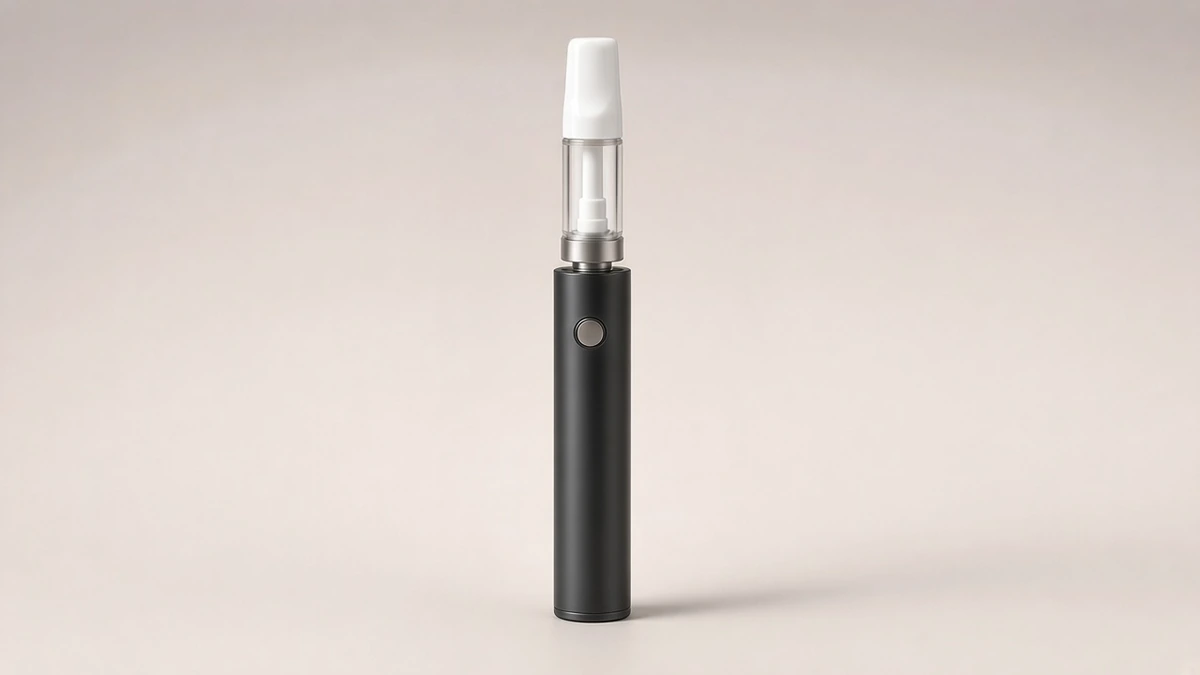
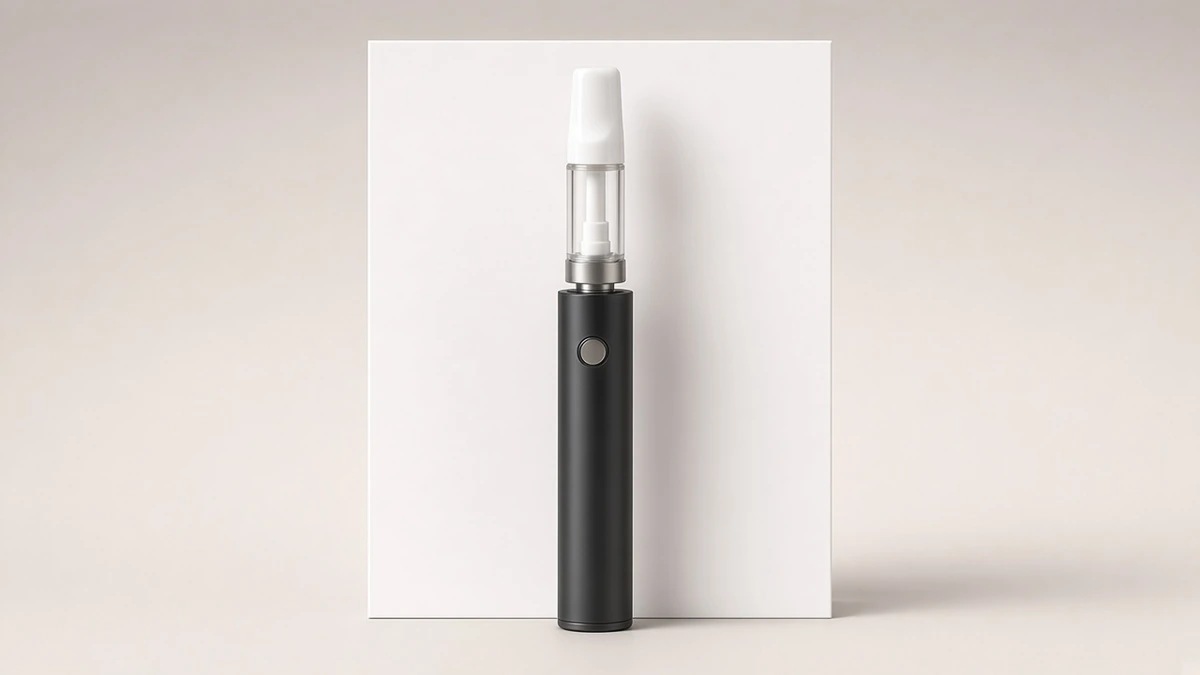
A listing photograph can support a path identification if the well is clearly visible, the openings are in sharp focus, and the listing names which part presents them in a way that matches the sample. Often it is not. A beauty shot of a battery with a cart already seated can hide the well floor completely. A cropped close-up can show a slot that is only a styling line. A rendered cutaway may show a path that is not the revision in the quotation.
The photograph is also the wrong place to borrow a performance claim. A marketing image that says “smooth airflow” or “no more tight pulls” does not identify well air holes or cart inlets. Those assignments come from the drawing and from a seated sample of the exact versions. If the listing says “airflow holes” and shows only a closed device, write that wording down and request an unseated view of the well, a view of the cart inlets, and the path callout for the combination.

✅ 6. What to Check on a Sample, a Drawing, and a Brief
A one-line description a team can reuse should name which part presents the openings and should keep that fact apart from firing method and from inlet location on the cart alone. Example: “510-thread battery; seated air path is through openings in the well, through the cartridge inlets, or through both, as named on the version drawing; cart inlet location and firing method are documented separately.”
On the sample:
- Inspect the empty well, collar, or bay for openings that are designed to let air reach a seated cart.
- Record where those openings sit, and do not count decorative recesses as inlets.
- Seat the intended cartridge only as the version instruction allows, and check whether the cart’s own inlets remain open.
- Record whether the intended path is the battery openings, the cart inlets, or both.
On the drawing and the current brief for that exact version:
- Record which part presents the air openings, and whether both parts are intended to work together.
- Keep cart inlet location, firing method, and body shape in separate lines.
- If the drawing and the seated sample disagree, stop and confirm the revision before writing a purchasing line.
On the listing:
- Treat “airflow holes,” “breathable well,” “open collar,” and “improved airflow” as labels to reconcile with the sample and the drawing.
- An air-path description stated for a named catalog example is that page’s documentation, not a default for the next battery in the same photograph style.
Questions worth sending with a sample request:
- Does this exact battery version use openings in the well, collar, or bay to let air in, and where are those openings?
- Once the intended cartridge is seated, do the cart’s own inlets remain open, or is the battery supposed to supply the path?
- Is the intended path the battery openings, the cart inlets, or both?
- Which revisions of the battery and the cart does the quotation cover, and does a seated sample match that combination?
- If the listing mentions draw activation, which air path is actually specified for that project?
❓ 7. Short Answers a Brief Can Reuse
❓ 7.1 Identification Questions
What is a well air hole on a 510 battery?
It is an opening in the battery well, collar, or bay that is designed to let air reach a seated cartridge. It is not, by itself, an inlet on the cart.
What is a cart inlet in this context?
It is an opening on the cartridge itself that is designed to let air enter the cart. Whether that inlet still works after the cart is seated is a separate fact.
Does an “airflow holes” label complete the specification?
No. The brief still has to say which part presents the openings, and whether the cart inlets remain open once the cart is seated.
Is a draw-activated battery the same identification as the air path?
No. Draw activation is the firing method. The openings that let air in still have to be named on the battery, on the cart, or on both.
Does a drop-in bay automatically block cart inlets?
Not automatically. A bay can hide, partly cover, or leave inlets open. Check the seated combination against the drawing instead of assuming a blockage from the bay style alone.
Can a listing photograph settle the air path?
It can support an identification if the openings are visible and match the sample and the drawing. It often hides the well floor, the seated inlets, and the revision. Confirm the path on a seated sample and in the version documentation.