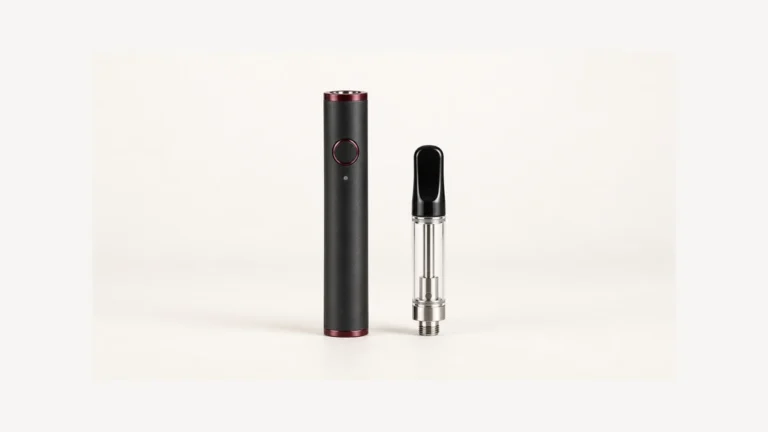
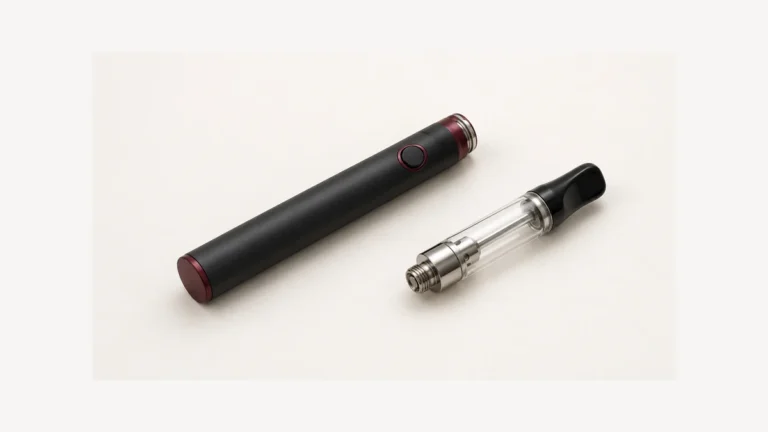
A vibrating cart battery may use an intentional tactile signal, but a new buzz should not be declared normal until it matches the exact device instructions. The important distinction is between a documented cue, a familiar cue that has disappeared and an unexpected vibration that continues at rest. Haptic feedback describes the interface. It does not identify the battery chemistry, confirm a dose or explain an unfamiliar fault on its own.
📳 1. An Intentional Tactile Cue Can Feel Surprising
An owner accustomed to a light-only interface can be surprised by a tactile cue on another device. In a Reddit discussion about vibrating cartridge hardware, some commenters liked the feedback while others disliked the sensation or did not understand its purpose. That disagreement is useful context for the question. It does not prove that all vibration is intentional or that an unfamiliar device has a particular accessibility feature.
A design feature can be unfamiliar without being defective, and a familiar-looking housing can develop a fault. The manual is what connects a specified signal to a specified event. If that connection is missing, it is better to leave the meaning unresolved than to assign it from the way a phone or another vaporizer behaves. A change in the device’s own established pattern is especially useful information to retain.
📳 2. A Vibrating Cart Battery Sends a Signal, Not a Diagnosis
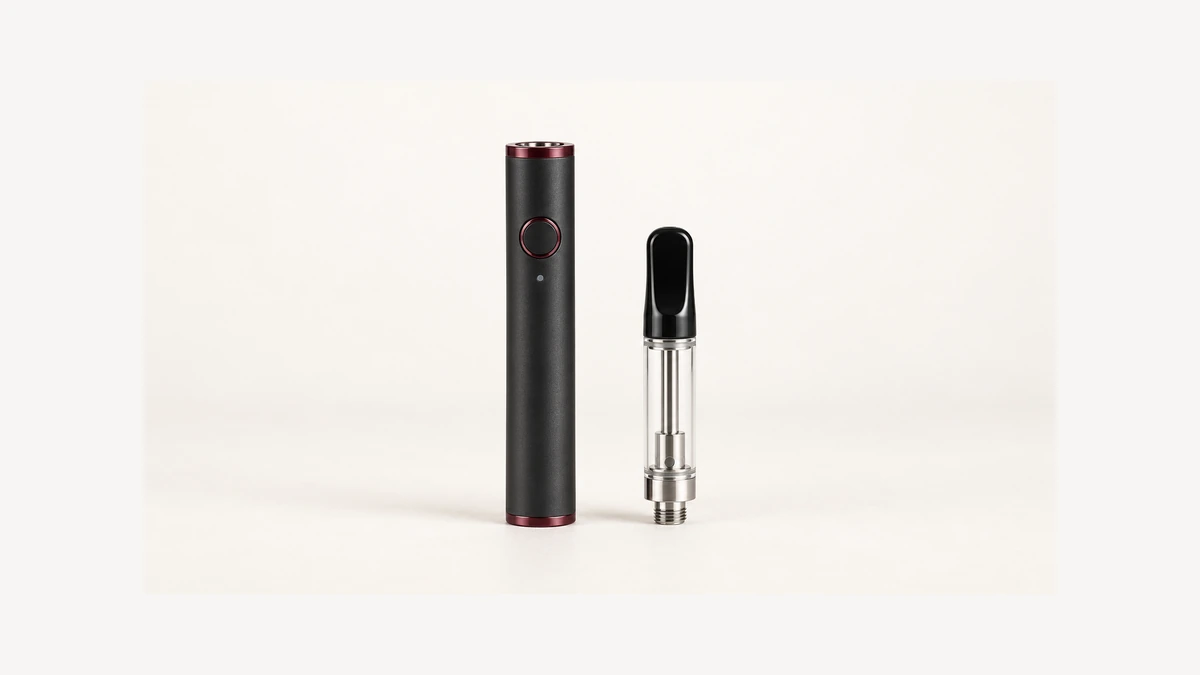
The phrase vibrating cart battery combines a power-device name with a tactile feature. It does not name a special type of cell. In an intentional haptic interface, electronics command an actuator to produce a sensation. That sensation can communicate a status defined by the designer, but it is not itself a sensor measuring the cartridge, its contents or the condition of every internal component.
Haptic feedback, as an engineering term, refers to exactly this kind of deliberate tactile signal, and the components that produce it are well documented outside the vaping world. Texas Instruments’ product page for the DRV2605L haptic driver describes chips built specifically to run small ERM motors or LRA actuators and to play back programmed vibration effects. That page only confirms that hardware capable of producing varied, intentional vibration patterns exists and is commercially available — it says nothing about which actuator, if any, a particular vape uses, and nothing about what any specific pulse is supposed to mean on that device.
The distinction is easiest to see in an ordinary notification analogy. A phone can vibrate to announce a message, a timer or an incoming call; the same actuator does not measure all three events. Its software decides which sensation accompanies each event. This analogy explains why a vibration needs a definition. It does not imply that a cartridge device has phone-like settings, the same actuator or the same warning behavior.
Haptic feedback and an audible buzz are related descriptions only when the actual device documentation connects them. A person might feel a pulse in the hand, hear a faint sound on a hard surface or notice both. Describe the sensation and sound separately. A recording of noise does not establish that the cell itself is vibrating or identify a loose motor. The external housing gives you an observation point, not a view of the internal source.
🔧 3. The Pattern Belongs to the Actual Device Manual
A tactile message gets its meaning from the particular device’s control logic. Airo’s own FAQ, for example, describes a pulse confirming activation on its cartridge system and separately defines its own pulse messages. This documents one maker’s interface. It does not establish pulse counts, meanings or settings for AOVAPE hardware or another cartridge battery. Do not transfer a remembered code from one device to another.
This is also why interface signals are worth reading as a set rather than in isolation. A screen, an LED, and a haptic pulse are often three ways the same device reports the same handful of states — power on, activation, low battery, fault. Cross-referencing what a display is doing alongside a longer guide to how vape screen and light patterns are organized can make it easier to tell whether a buzz is one signal among several consistent ones, or an outlier that doesn’t match anything else the device is showing.
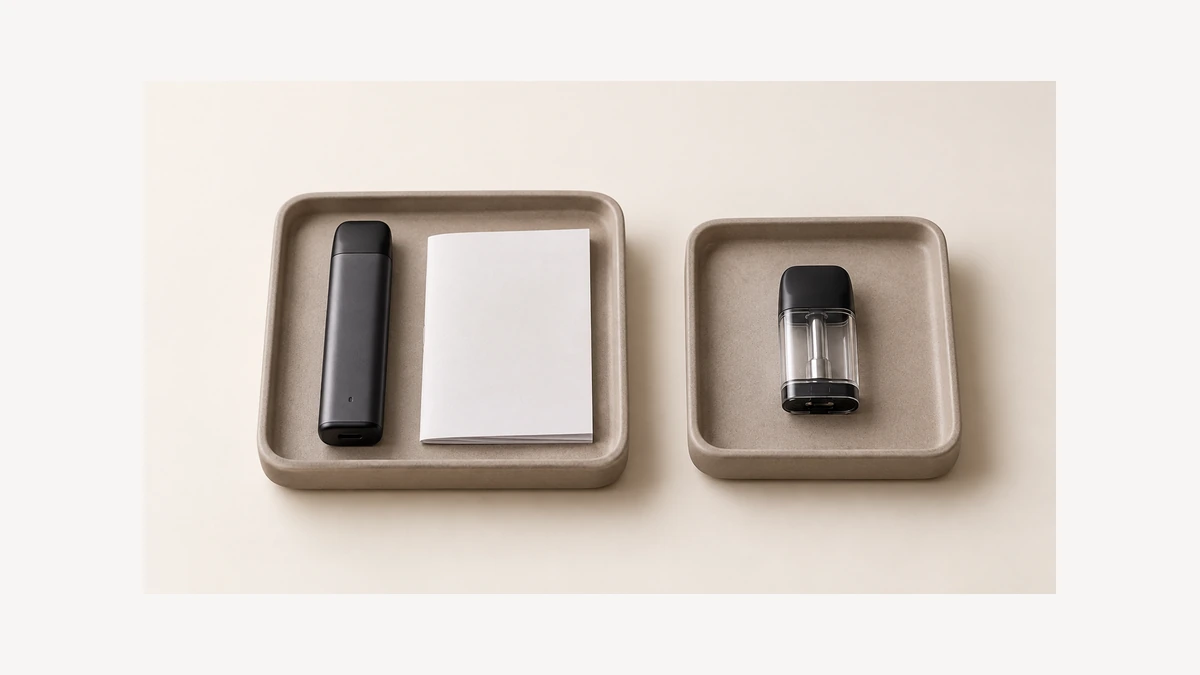
Timing belongs in the definition as much as the count. A pulse already observed when a cable was connected is not automatically the same message as one noticed when the device shut down. If you did not count a sequence at the time, say that rather than reconstructing an exact code from memory. There is no need to activate a malfunctioning unit to obtain a cleaner count for an informal online diagnosis.
💧 4. A Vibration Does Not Measure Contents or Dose
Some forum comments speculate that vibration moves liquid or clears an obstruction. The existence of haptic feedback does not establish those effects. A manufacturer’s performance claim would require evidence appropriate to that claim; an actuator specification only documents the actuator or driver. Neither a commenter liking the sensation nor a person reporting an emptier cartridge is a controlled comparison proving a mechanical benefit.
A tactile pattern could communicate a status measured elsewhere if the device was designed to do so. That is different from the vibration itself measuring a quantity. Without the exact documented relationship, a buzz cannot be used to infer contents delivered, a particular heater temperature or a dose. Keep the meaning within the manufacturer’s stated scope; do not convert the pattern into a draw timer or an effects guide.
The same separation applies to remaining battery life. A device may be designed to announce a low-charge state with a particular cue, but the strength of a vibration alone is not a calibrated runtime reading. A pulse that feels weak cannot be translated into minutes remaining without documented support for that relationship. Nor does a pulse that feels strong establish that the cartridge heater is healthy. Use the defined indicator meaning, not an invented scale based on how the sensation feels.
🔇 5. When a Familiar Cue Goes Missing
A familiar cue going missing raises a narrower question than a device showing no response at all. An owner may already have noticed a display or indicator responding while the expected pulse was absent. Record that combination without running the device again to prove another function still works. A broader no-response-after-charging problem has a different scope from one missing tactile signal.
Useful details include when the pulse was last noticed, whether the change was sudden or intermittent and any prior drop, care event or documented settings change. Those details do not diagnose a motor or a loose mount. Do not tap, strike or open the housing to see whether vibration returns. An anecdote that a knock restored another person’s cue is not a service instruction for your device.
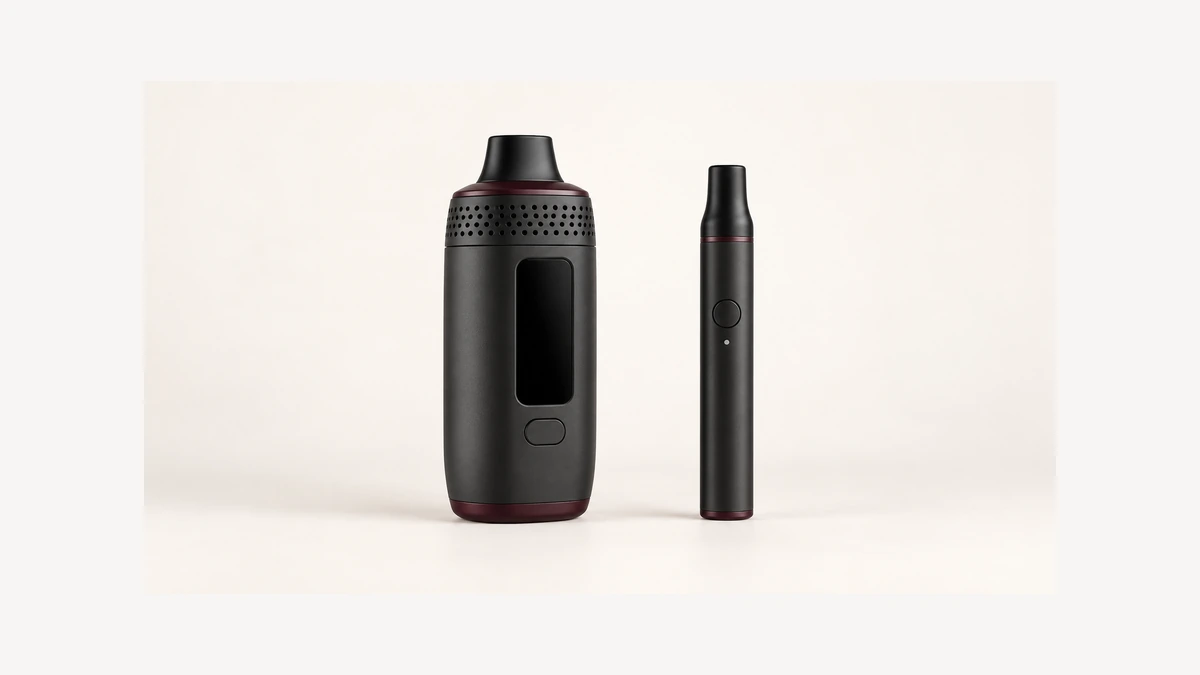
Compare two histories. In one, the cue was absent after the owner intentionally disabled a documented setting. In another, it vanished after a fall and remained absent with the displayed setting unchanged. The histories suggest different questions for support, but neither identifies an internal component from outside. Keep the cause open while preserving the sequence of events; the second case should not be explained away simply because the first had a menu setting.
🚨 6. When Buzzing Is New or Does Not Stop
The opposite scenario — a vibration that wasn’t there before, or one that starts and doesn’t stop when the device isn’t being actively used — sits in a different category from a missing cue. A short, consistent pulse tied to activation is a known design pattern; a continuous hum, an unprompted buzz while the device is idle, or a pulse that keeps escalating isn’t something documented as a standard tactile cue by any source referenced here. This is the point where the reasonable step is to stop using the device rather than keep testing it to see what triggers the behavior or how long it lasts.
That means no test firing to “see if it happens again,” no extended draws to check whether the buzzing changes, and no attempt to open the housing to inspect the motor or wiring directly. A device manual is the right place to check whether the manufacturer documents a fault state that includes vibration, and a support contact is the right channel if the behavior continues or the manual doesn’t address it. The goal at this stage is accurate observation, not troubleshooting the hardware by hand.
⚙️ 7. What a Setting Can and Cannot Establish
If the exact manual offers an app or menu setting for tactile feedback, that setting is relevant. Some hardware offers no such control. A setting shown as on records the requested configuration, not independent confirmation that every part of the signal path is working. A remembered setting on a previous device does not establish the same option on the current one, and a continuous unexplained buzz should not be normalized by searching menus indefinitely.
A documented settings check or reset has a limited purpose. If it does not resolve the issue, that result does not prove which hardware part failed or that software was uninvolved. Keep the result with the symptom history for support. The cartridge battery overview explains the broader device categories; it cannot supply a universal reset, a warranty outcome or a motor-repair procedure.
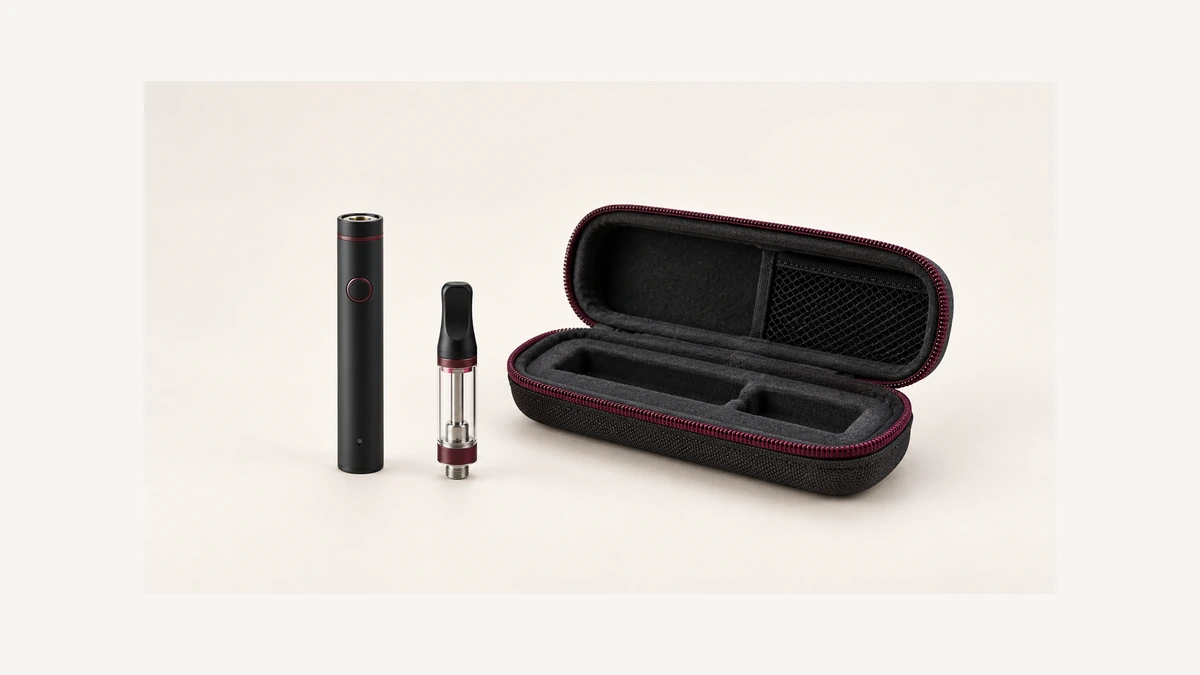
A setting may also belong to an associated app version or a different product in the same family. Before looking for a missing control, match the displayed device identity to the instructions that describe it. If the app cannot identify the unit or the manual does not list tactile settings, leave that difference unresolved for support. Installing unrelated software or borrowing another model’s reset sequence adds uncertainty instead of confirming what the current device is configured to do.
📝 8. Keep the Signal History Useful Without Opening the Device
Keep a simple account of what was already noticed: the device identity, when the expected cue changed, the accompanying visible indication and whether charging or another documented state was involved. A loss of tactile feedback and a new vibration at rest are different reports. Leave a malfunctioning unit out of service and follow its specific support instructions. Opening the shell, removing the actuator or bypassing a connection would change the system before its unexplained behavior has been assessed.
A photograph can preserve the device version and the visible indicator, while a written note preserves the tactile observation the photograph cannot show. Do not claim that a silent video proves there was no vibration; the recording may not capture what was felt. Likewise, an audible hum in a recording does not locate its source inside the housing. Tell support what you felt, what you heard and what you could see as separate observations.
There is no need to make the report technically elaborate. A note that the old brief pulse is now absent, while a particular light was already observed during the same event, communicates more than an unsupported motor-failure label. If the device instead began buzzing unattended, lead with that change. These are different starting points, and keeping them distinct helps the service conversation proceed without asking the owner to run extra tests on hardware whose behavior is already unexplained.