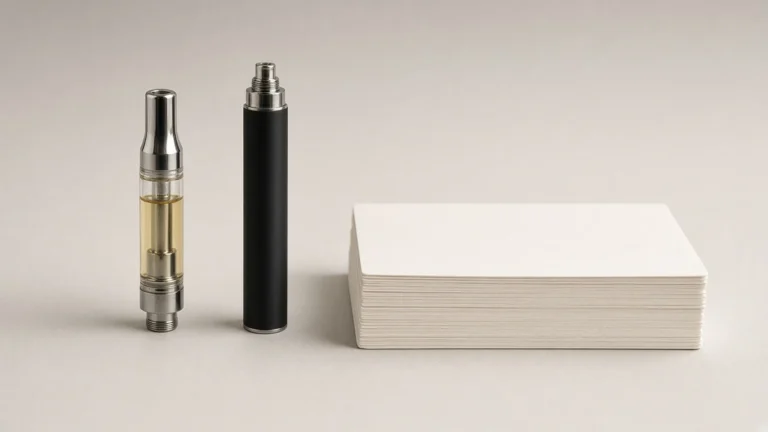
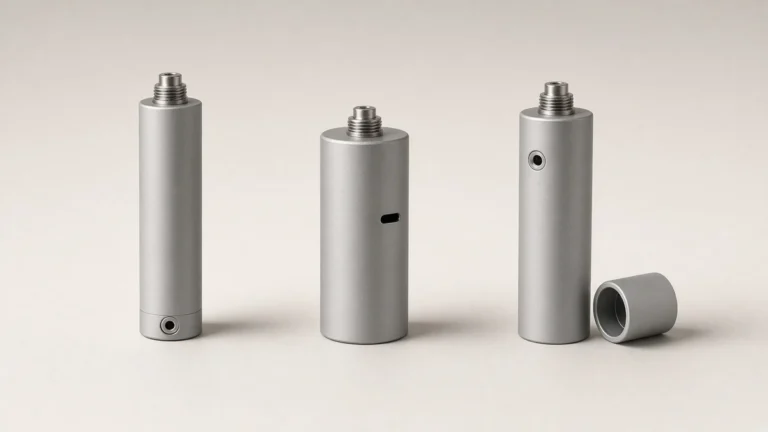
A 510 cartridge has to draw air from somewhere before aerosol can reach the mouthpiece. That intake is not always in the same place. On some cartridges, the intended inlets sit at the base, near the battery connection. On others they sit on the side wall, or higher up, near the mouthpiece. The outline of the cart can look the same in all three cases. The useful identification is where the designer put the holes or slots that are meant to admit air.
That distinction matters when a licensed brand inspects a sample, reads a drawing, or pairs a cart with a battery. A correctly threaded 510 connection can still leave the intake covered if a battery well, a sleeve, or an adapter sits over a bottom inlet. A listing photograph taken from the side may not show the base at all. Public education pages already separate bottom, side, and top intake as architecture labels. Those labels are not, by themselves, measurements of draw tightness, flavor, or leak rate. The rest of this guide keeps those claims apart so a buyer can confirm the intended inlet on the exact version.
🔎 1. Inlet Location Is Not Draw Feel or a Clog Diagnosis
The first cut is simple. Where a cartridge is designed to take in air is a layout question. How the finished device feels on a draw, and whether a particular unit is clogged, are different questions. They may be related in use, but they are not settled by naming the inlet.
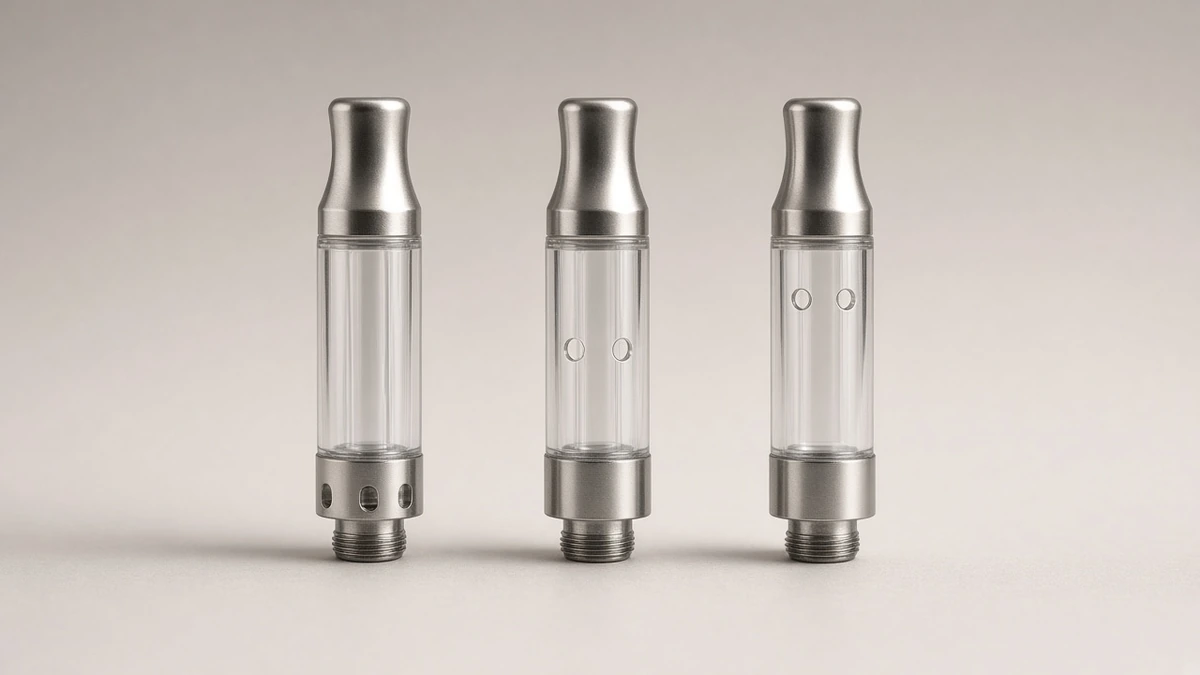
S10 Labs, in a public education page titled "Do Different Cannabis Cartridges Have Different Airflows?," describes three intake arrangements in architectural terms: bottom airflow, in which air enters through holes or slots at the bottom of the cartridge, near the battery connection; top airflow, in which intake holes are located near the mouthpiece; and side airflow, in which intake holes sit on the side of the cartridge. The same page notes that some cartridges have adjustable airflow. Those sentences are useful as public definitions of where air is meant to enter. They are not a specification for any particular SKU, and they are not treated here as measured results.
The same caution applies to language that often travels with those definitions. Characterizations of a smoother draw, more efficient vaporization, more intense flavor, denser vapor, or cooler vapor are the publisher's descriptions, not measurements opened for this guide. Aperture-size flavor claims and material-quality claims belong in the same unused column. A buyer who needs a performance statement should ask for a test method and a report on the exact version, not infer one from an inlet label.
Smoke Cartel's compatibility guide puts airflow design on the list of checks a buyer should make before assuming a 510 cart and a 510 battery will work together. That is a compatibility point, not a performance grade. The rest of this article follows that kind of check: identify the intended intake, then confirm that the intended battery leaves it open.
This is also not a troubleshooting tree for a cart that already appears to have an open draw and still does not fire. That problem is covered separately in Why Is My Cart Not Hitting Even Though Airflow Is Open?. General device airflow, including rings, sliders, and fixed inlets on a complete vaporizer, is covered in Vape Airflow Explained: Tight Draws and Airflow Controls. The center channel inside a postless or center-post reservoir is a different identification, treated in Postless or Center-Post Cart: What the Center Channel Actually Is. The present guide stays on the exterior and near-base question: where is this cart designed to draw air?
⬇️ 2. Bottom Inlets Near the 510 Connection
On a bottom-inlet cartridge, the intended intake is at the base. S10 Labs describes that arrangement as air entering through holes or slots at the bottom of the cartridge, near the battery connection. Smoke Cartel's compatibility page tells a reader to look at the base of the cartridge and notes that some carts have bottom airflow holes, while others have top airflow. Both descriptions point a buyer to the underside of the cart, around the 510 thread, not only to the center contact pin.
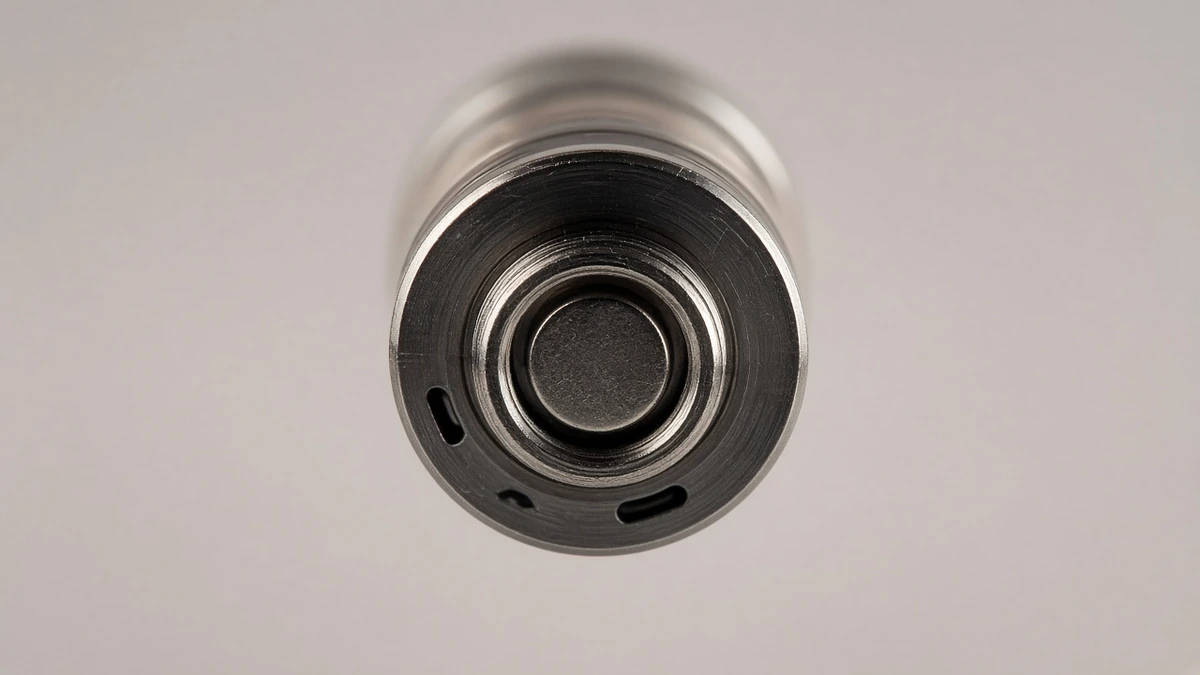
Those openings are easy to miss if the only view is a three-quarter marketing photograph. They are also easy to confuse with the electrical face. The threaded ring and the center pin are the connection. The inlets, if they are at the bottom, are separate openings in the base or in the lower assembly. An empty sample, turned so the underside is visible, is the straightforward way to see whether those openings are present on the version in hand.
Bottom placement has a practical consequence that does not require a performance claim. Once the cartridge is threaded onto a battery, the base may sit inside a well, against a shoulder, or under a sleeve. The inlets that were visible on the loose cart can disappear from the airstream without the thread failing to seat. That fit question is taken up in section 5. The identification step is earlier: are the intended inlets actually at the base on this version?
↔️ 3. Side Inlets on the Cartridge Wall
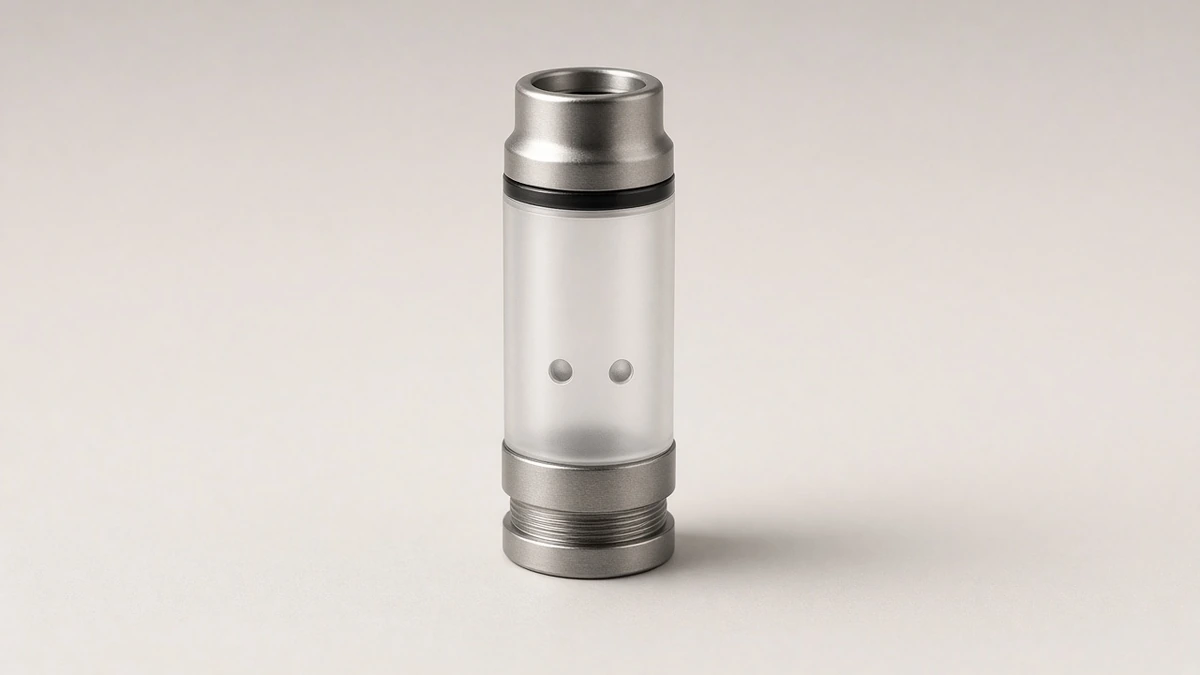
Side inlets sit on the wall of the cartridge rather than on the 510 face. S10 Labs describes this arrangement as intake holes on the side of the cartridge. The useful observation is location, not a promised temperature or flavor result.
A side inlet may remain visible after the cart is seated, especially if the battery well is shallow and the holes sit above the rim. It may also be covered by a sleeve, a magnetic shell, or a deep recess, depending on the battery and any adapter in use. Visibility on a loose cart is therefore not the same fact as clearance on the intended host. The side wall still has to be checked in both states: off the battery, and after a test fit.
A drawing should mark those holes as intakes if that is what they are. Not every opening on a lower assembly is an air inlet. Some features are seams, windows, or hardware joints. If the listing says "side airflow" and the sample shows a slot on the wall, the buyer still needs the drawing, or a supplier mark-up, to confirm that the slot is the designed intake and not an unrelated opening.
⬆️ 4. Top or Mouthpiece Inlets
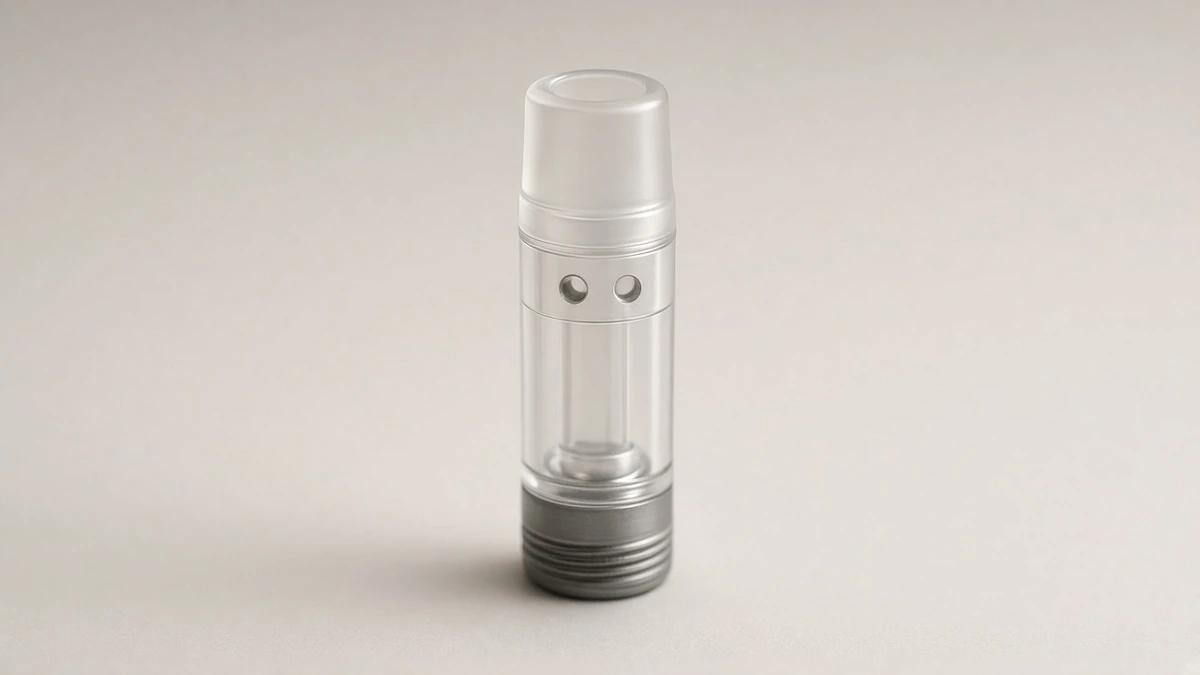
Top airflow, in S10 Labs' architectural description, places the intake holes near the mouthpiece, with air traveling down over the heating element before reaching the mouthpiece again as aerosol. That is a path description. It is not treated here as evidence that the draw will be tighter, looser, or more flavorful than a bottom-inlet cart.
The intake near the mouthpiece is also not the same opening as the mouthpiece outlet. One is where ambient air is meant to enter the cartridge. The other is where aerosol leaves. On some designs those features are close together and can be mistaken for each other in a small photograph. A buyer should ask the supplier to mark both on a drawing of the exact version, and should confirm the same features on an empty sample.
Because top inlets sit high on the body, they are less likely to be covered by a typical battery well than bottom inlets are. That is a clearance observation, not a recommendation. A sleeve, a mouthpiece cover, or a travel cap can still obstruct a high inlet. The check remains the same: identify the intended openings, then confirm they stay open in the configuration that will actually be used.
🔋 5. A Battery Well Can Block a Bottom Inlet After the Thread Seats
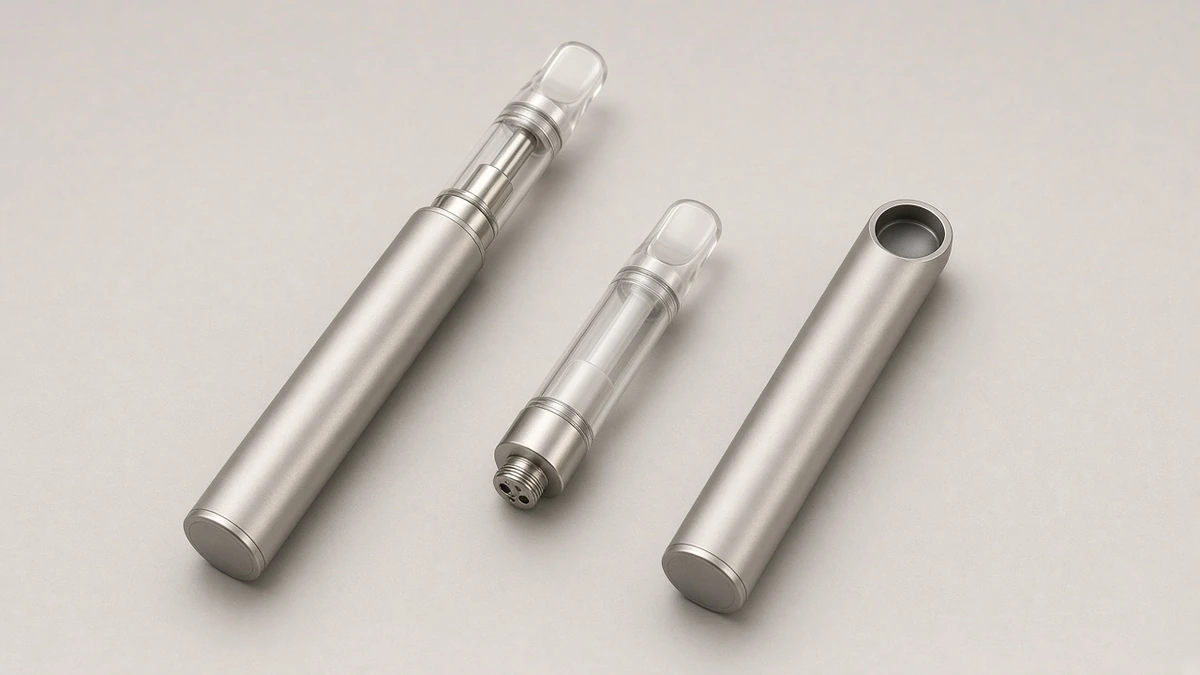
A 510 thread can seat cleanly and still leave the cart unable to draw if the intake is covered. Smoke Cartel states the compatibility point directly: "A battery that blocks the cart's airflow holes will prevent you from taking a draw." The thread is one check. Inlet clearance is another.
The usual obstruction is a recessed well, a close-fitting sleeve, or an adapter that surrounds the cartridge base. Bottom inlets are the most exposed to that geometry, because they sit at the connection the well is built to receive. Side inlets can be caught by the same hardware if they sit low on the wall. The buyer cannot assume that a cart which draws freely in open air will draw the same way after it is installed.
Diameter and well depth already matter when a longer or wider cartridge is paired with a pen-style battery. That fit question, including airflow clearance in a recessed bay, is covered in 2-Gram Cart Batteries: Capacity Changes Fit Before It Changes Power. This guide does not repeat that discussion. It only notes the inlet-specific consequence: if the intended openings are at the base, a well that covers the base can close the designed intake even when the electrical connection looks correct.
A magnetic adapter, a plastic sleeve, or a decorative shell should be included in the same test fit if it will ship with the device. The check is not whether some battery in the workshop leaves the holes open. The check is whether the intended battery and the intended accessories leave them open.
📷 6. What a Listing Photograph Can and Cannot Show
A listing photograph can be helpful, and it can also hide the exact feature a buyer needs to see. A side-on pack shot often crops or shadows the underside of the base, which is where bottom inlets sit. A tightly cropped mouthpiece image may show a hole without making clear whether it is an intake, an outlet, or a gap in a press-fit joint. A filled reservoir can make internal paths harder to read, but inlet location is an exterior-architecture question first; a filled tank is not a substitute for an empty sample.
The words on the listing have the same limit. "Bottom airflow," "side airflow," and "top airflow" are useful only if they are treated as claims to verify on the exact version. They do not prove that the holes in a photograph are the designed intake, and they do not prove that those holes will remain open on the buyer's battery. Adjustable airflow, where it is claimed, should be identified as a separate control, with the moving part named on a drawing, not assumed from a slot that happens to be visible.
A photograph also cannot show clearance inside a well the photographer did not use. Even a clear image of base holes on a loose cart leaves the battery-fit question unanswered. The working set is a photograph plus an empty sample plus a drawing plus a test fit on the intended host.
✅ 7. What to Check on a Sample, a Drawing, and a Test Fit
A short inspection sequence will usually settle the identification without turning the inlet into a performance claim:
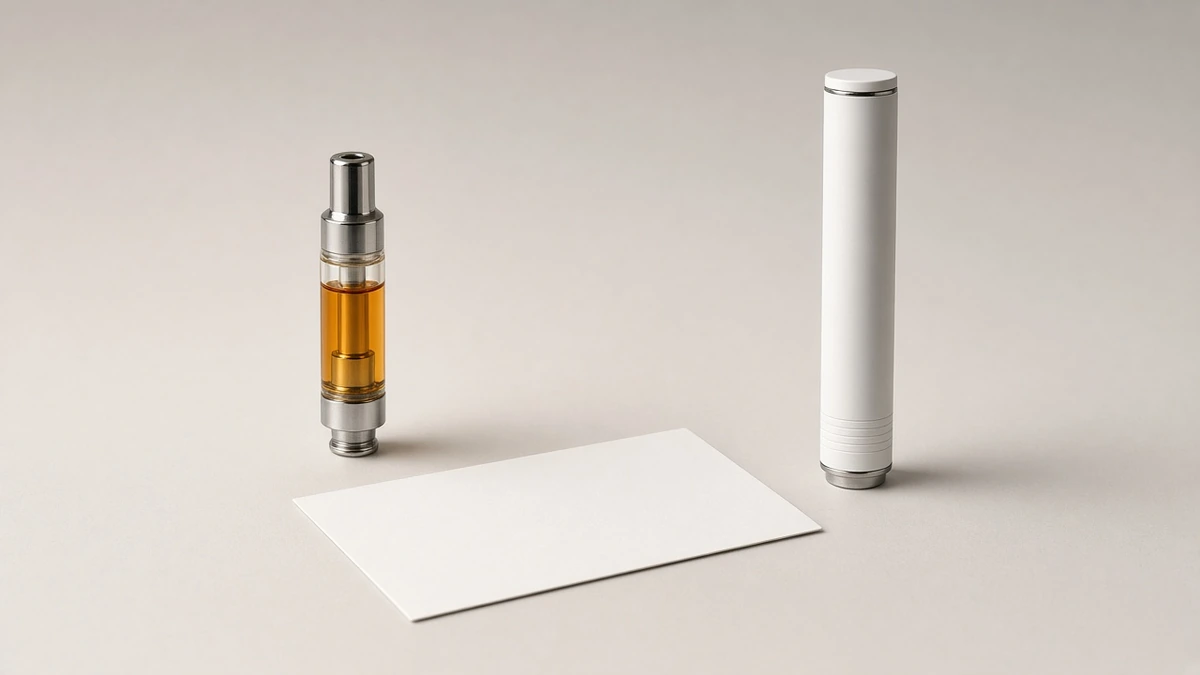
- On an empty sample: Turn the cart so the underside, the side wall, and the mouthpiece area can each be seen. Mark, for internal notes, where openings actually appear. Do not treat the 510 center pin as an inlet.
- On the drawing: Ask the supplier to mark the intended air inlets on a cross-section or an exterior view of this exact version, and to distinguish those inlets from the mouthpiece outlet and from unrelated seams.
- On the intended battery: Thread the empty cart on, including any sleeve or adapter that will ship with the device. Confirm that the marked inlets remain unobstructed after the thread seats.
- On the listing: Treat "bottom," "side," and "top" airflow as labels to reconcile with the sample and the drawing, not as results.
- On a separate line: The oil path, the fill path, and mouthpiece closure for storage are different checks, covered in Empty 510 Thread Cartridges: Match the Oil Path Before Filling. Do not collapse those paths into the inlet-location note.
A one-sentence description a team can reuse should name the inlet location and the fit check, not a preference. Example: "510-thread cartridge, bottom inlets at the base around the connection; inlets remain open on a test fit with the intended recessed-well battery and sleeve." Or: "510-thread cartridge, side inlets on the tank wall as marked on the supplier drawing; clearance confirmed above the well rim on the intended battery."
Questions worth sending with a sample request:
- Please mark the intended air inlets on a drawing of this exact version, and say whether they are at the base, on the side wall, or near the mouthpiece.
- Please distinguish those inlets from the mouthpiece outlet and from any other openings on the lower assembly.
- If the inlets are at the base, what well depth or sleeve on the intended battery would cover them?
- If airflow is described as adjustable, which part moves, and how is that control documented?
- Which statements in the listing are inlet-location descriptions, and which would require a test report?
❓ 8. Short Answers a Brief Can Reuse
❓ 8.1 Identification Questions
Where does a 510 cartridge draw air? Through intended inlets that may sit at the base near the 510 connection, on the side wall, or near the mouthpiece. The outline of the cart does not, by itself, identify which arrangement is present.
Is inlet location the same thing as how the cart will feel on a draw? No. Location is a layout fact. Draw feel, flavor, and leak behavior are separate claims and need their own evidence.
If the cart threads onto the battery, are the inlets necessarily open? No. A well, sleeve, or adapter can cover bottom or low side inlets after the thread seats. Clearance has to be checked on the intended host.
Can a listing photograph settle inlet location? It can support an identification if the relevant face is visible, but it often hides the base or a high mouthpiece intake. Confirm the openings on an empty sample and a marked drawing.
Is a top inlet the same opening as the mouthpiece? No. A top or mouthpiece inlet is where air is designed to enter. The mouthpiece opening is where aerosol leaves. They can sit close together and still be different features.
Does this guide replace an oil-path or "not hitting" check? No. Oil-path and fill-path pairing, and troubleshooting a cart that has airflow but does not fire, are separate identifications. Inlet location is only where the cart is designed to take in air.