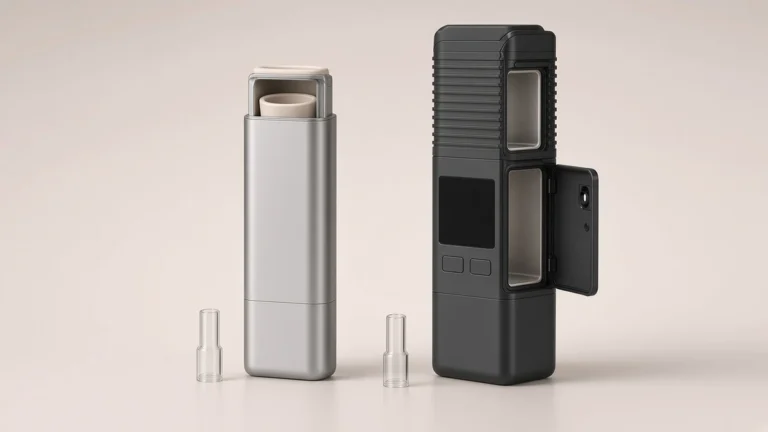
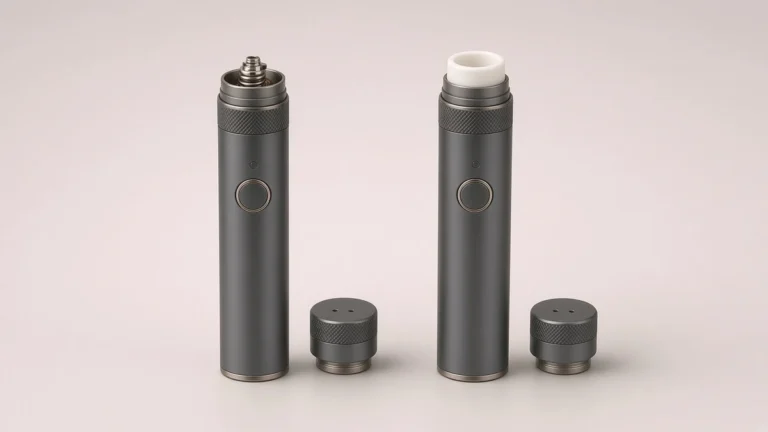
A 510 cartridge has to do more than catch the thread. On many batteries the cart also has to enter a well, a sleeve, or a bay, and then sit at a documented height relative to the rim. That seated position is easy to collapse into a single catalog phrase such as “510 compatible,” “fits most carts,” or “works with 2-gram tanks.” It should not be. A flush seat means the cart base meets the well or rim the way the version intends, usually so the body does not stand proud of the opening. A proud cart means the base has stopped short, or the body stands above the rim, even if the thread has started to engage. A brief that names only thread compatibility is incomplete.
That distinction is not the same as the battery’s connection architecture, and it is not the same as the cartridge’s outer diameter or overall height. Drop-In Bay or an Exposed 510 Post: How a Cartridge Meets the Battery already identifies the connection family. Cart Outer Diameter or Overall Height: What a 510 Cart Has to Clear already treats the two cart clearance dimensions. This guide stays on the seating outcome itself: whether the seated cart sits flush, stands proud, and what a listing photograph cannot prove.
🔎 1. A Flush Seat and a Proud Cart Are Not the Same Outcome
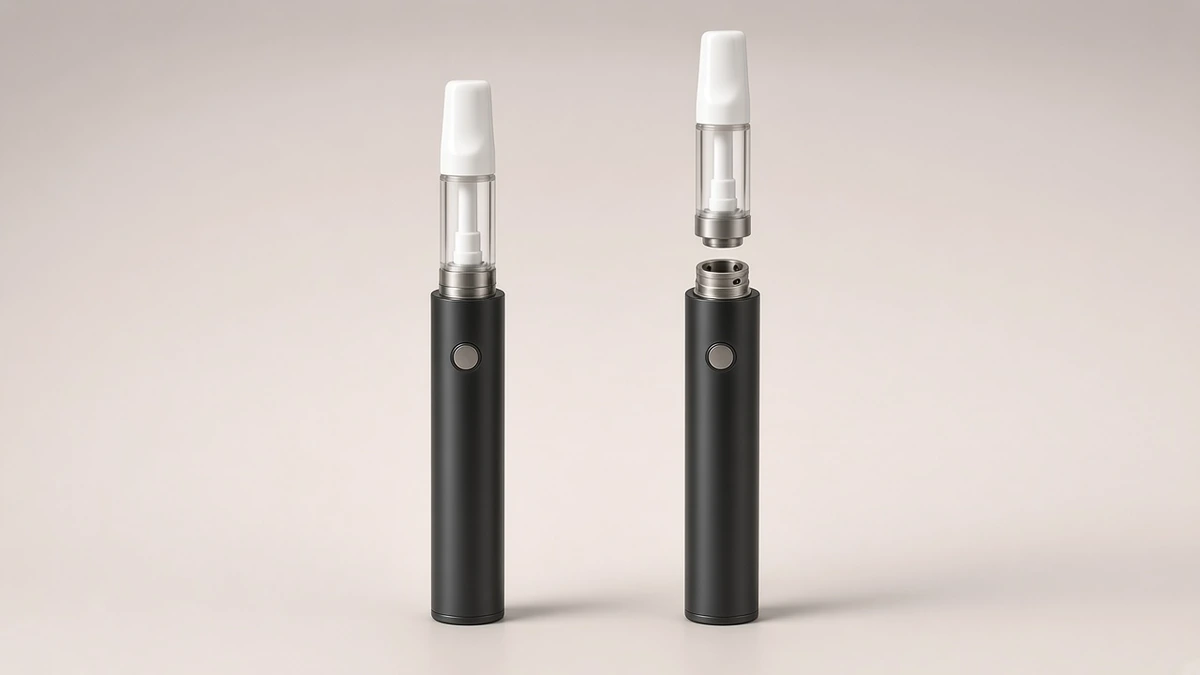
The first cut is simple. A flush seat is the documented result when the cartridge is fully received by that battery version: the base has entered the well or reached the post as intended, and the body sits at the height the design treats as seated. A proud cart is the opposite outcome: the cartridge stands above the rim, or the base has not reached the intended depth, even if some thread is engaged. One fact tells you the intended seated position. The other tells you that the cart has not arrived there. They are two readings of the same meeting point, and they can fail independently of a “510 thread” label.
A “fits concealed batteries” or “works in a drop-in bay” label does not identify a flush seat. A photograph of a cart standing in a box battery does not identify how far the base actually entered. A cart can share a 510 thread and still sit proud if the well is shallower than the base, if a flange or ring hits the rim early, or if the cart body is wider than the well opening. Do not assign a flush seat from thread compatibility alone.
Connection architecture is a third identification again. Drop-In Bay or an Exposed 510 Post: How a Cartridge Meets the Battery already treats whether the battery uses a bay or an exposed post. Pen Body or a Box Battery: How a 510 Battery Is Shaped already identifies the body family. Those facts are useful context. They are not a substitute for the seated height on the exact version.
🏷️ 2. A “510 Compatible” Label Is Not a Complete Seating Specification
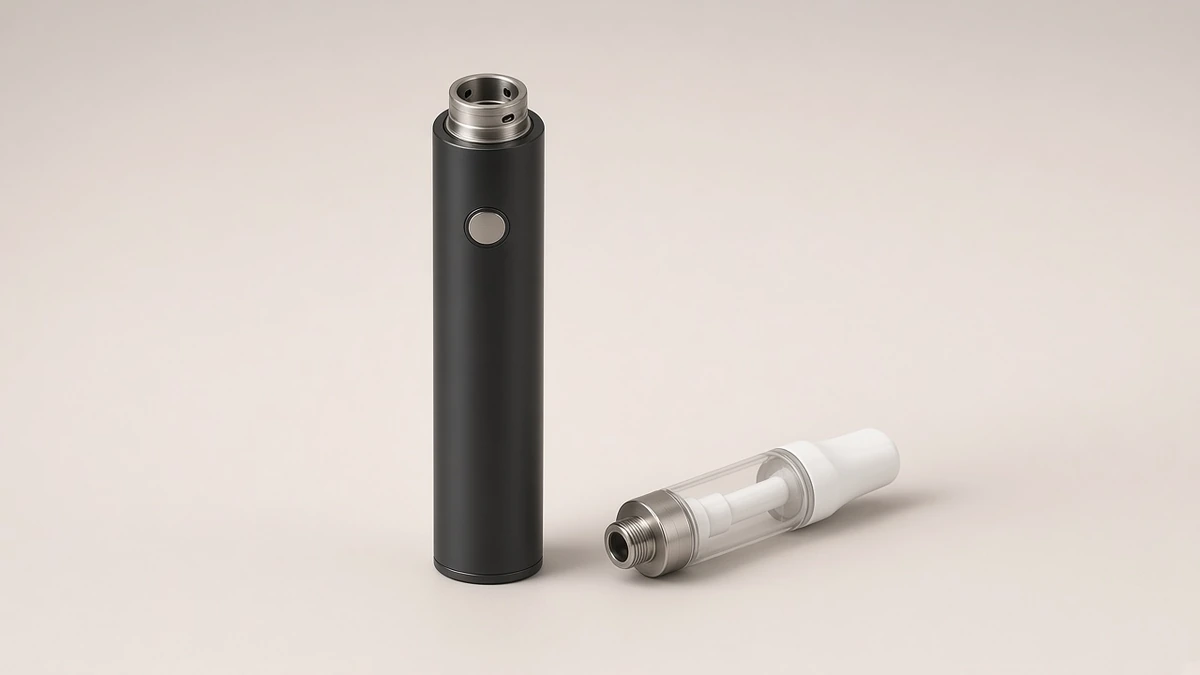
“510 compatible,” “fits most carts,” and “works with 2-gram tanks” are starting labels, not finished seating specifications. Thread compatibility tells you that the connection family is 510. It does not tell you how deep the well is, how tall the cart base is, whether a sleeve or magnet ring changes that depth, or whether the seated cart will sit flush with the rim. Two batteries can share a 510 label and still differ in well depth, rim shape, and the seated height they actually allow.
A “fits 2-gram carts” claim is also incomplete on its own. Capacity-related fit has to be reconciled with the exact cart and the exact well. 2-Gram Cart Batteries: Capacity Changes Fit Before It Changes Power already treats larger carts as a fit problem. This guide does not retell that capacity subject. It only asks the buyer to write the seating outcome—flush or proud—as its own line, alongside the cart’s diameter and height.
If the listing says only “deep well,” “universal fit,” or “flush design,” write that wording down and ask which seated height, which well depth, and which cart revision the drawing actually names. Do not treat a photograph of a seated-looking cart as a flush seat, and do not treat a 510 label as well depth.
🧩 3. Checking a Flush Seat on a Sample
A battery sample and a cart sample of the exact versions in the brief are the right place to check the seated position. Thread the cart on as the version intends, without forcing it past a stop. Then look at the meeting point: does the base sit at the rim or well floor the way the documentation describes, or does the cart stand proud of the opening? Record the outcome, and record which cart and which battery revision you used.
A magnet ring, a decorative collar, or a cart protector can change how far the base enters even when the thread is the same. Cart Protector: Rings, Sleeves and the Glass They Leave Exposed already treats those add-on parts. If the project will ship a ring, a sleeve, or a magnetic adapter, check the assembled seat, not only the bare cart on a bare post. 510 Thread Magnetic Adapter: Fit and Troubleshooting already treats magnetic adapters. This guide does not retell that hardware. It only asks the buyer not to borrow a flush seat from a test that left those parts off.
If the cart starts to thread and then stops, do not force it to “make it flush.” A proud stop can mean the well is shallower than the base, the body is wider than the opening, or a flange is hitting the rim. Write down the stop and confirm the two versions before the pair is treated as approved.
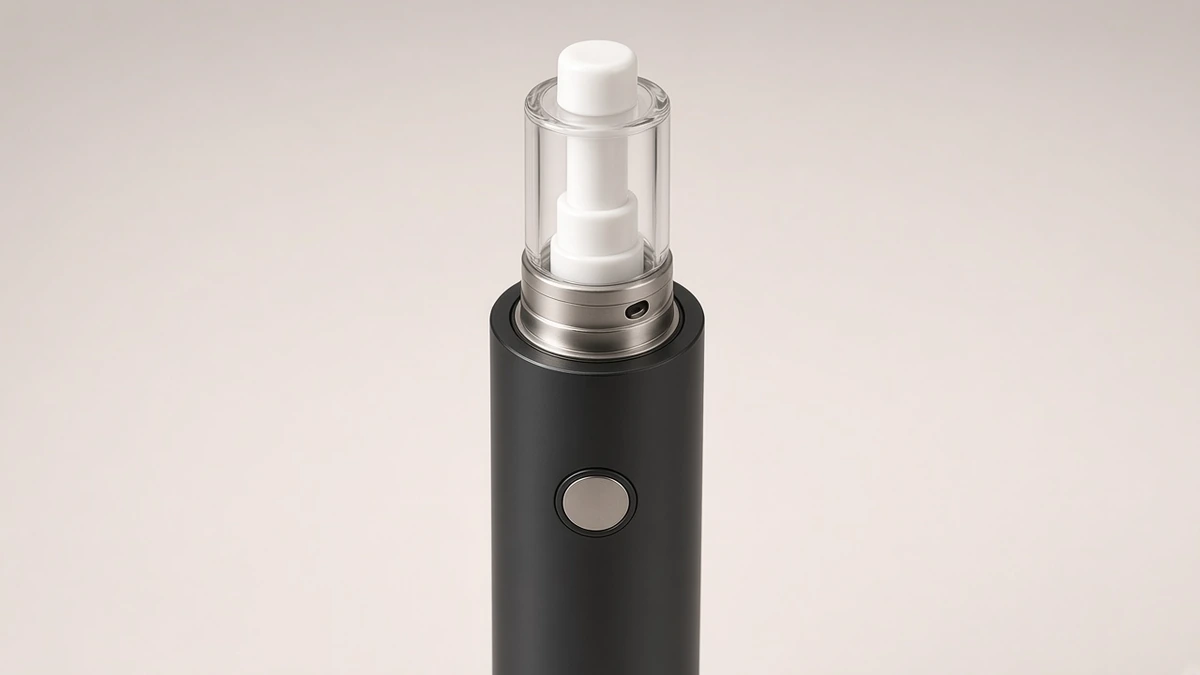
📐 4. A Proud Cart Still Has to Be Explained
Once a proud sit is observed, it still has to be explained on the exact parts, not guessed from a catalog family. The cart may be too wide for the well, too tall in the base, or fitted with a ring the well was not drawn for. The battery well may be shallower than the cart base, or the rim may be smaller than the flange. Cart Outer Diameter or Overall Height: What a 510 Cart Has to Clear already tells the buyer to name those two cart dimensions. A proud seat is often the visible result of one of those mismatches, but the seating outcome still has to be recorded as its own fact.
An exposed-post battery can also show a proud or a flush relationship, even without a deep well: the cart base may sit against a shoulder, or it may stop on the thread before the intended contact is made. Well Air Holes or Cart Inlets: Where a 510 Battery Lets Air In already treats the air path in a well. Air openings are not well depth. Do not treat a photograph of holes in the collar as proof that the cart will sit flush.
If the drawing and the sample disagree—if the listing shows a flush cart and the sample sits proud, or if a well revision has changed the depth—stop and confirm both revisions before the pair is written into a purchasing line. Thread family remains a different identification and is not settled by the seated photograph alone.
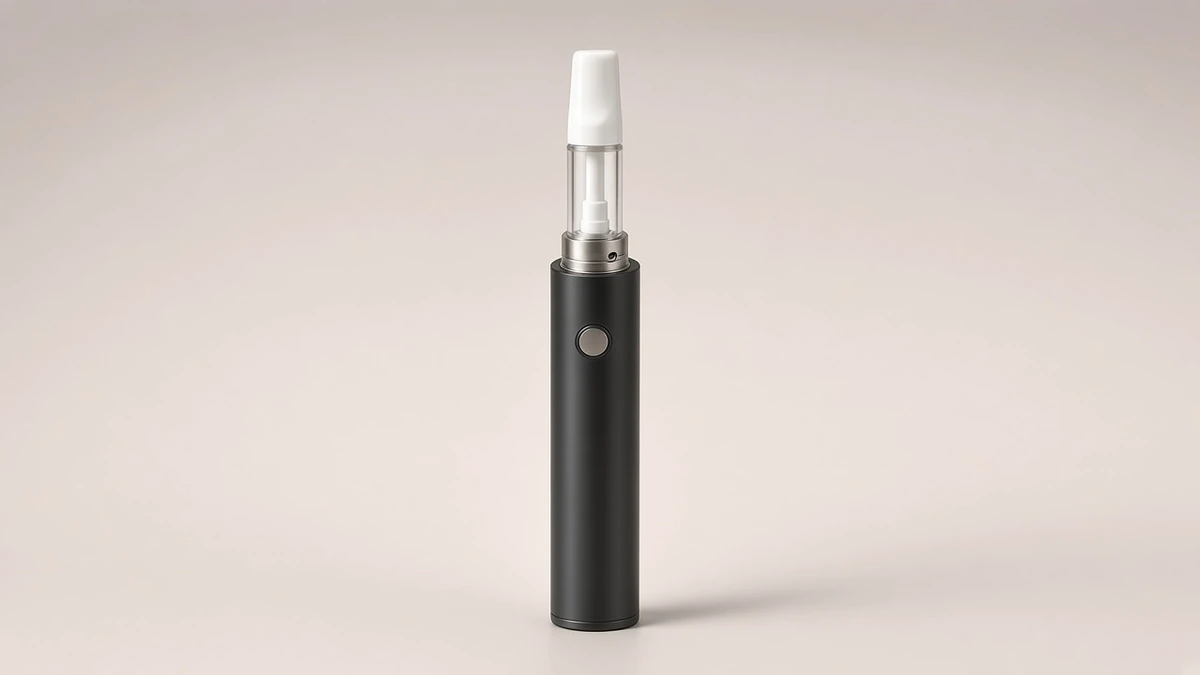
📷 5. What a Listing Photograph Can Hide
A listing photograph can support a seating identification if the cart is shown square to the camera, the well or rim is visible, and the seated height matches a sample of the same versions. Often it is not. A beauty shot can hide the rim behind a hand-free angle, or crop the base so a proud sit cannot be read. A rendered device may show a flush cart that is not the revision in the quotation.
The photograph is also the wrong place to borrow a fit claim. A marketing image that says “fits all 510 carts” or “designed for 2-gram tanks” does not identify a flush seat. Those assignments come from the drawing and from a paired sample of the exact battery and the exact cart. If the listing says “flush fit” and shows only a closed box with the tip visible, write the claim down and request the well depth, the intended seated height, and a sample pair.
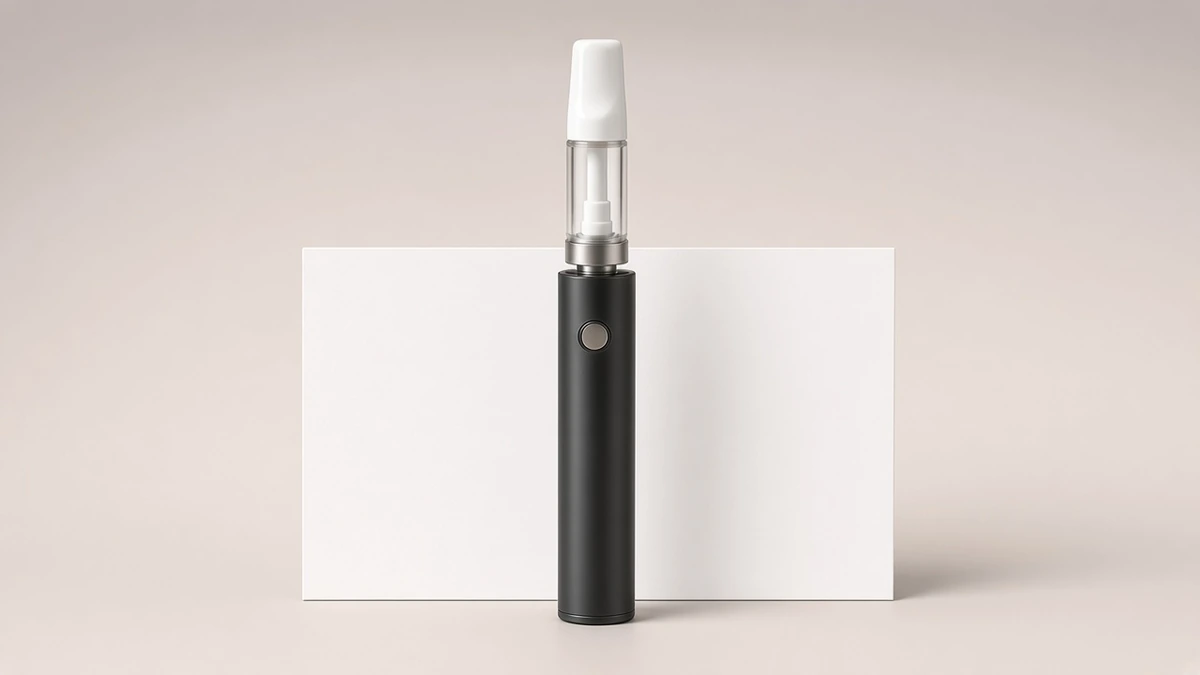
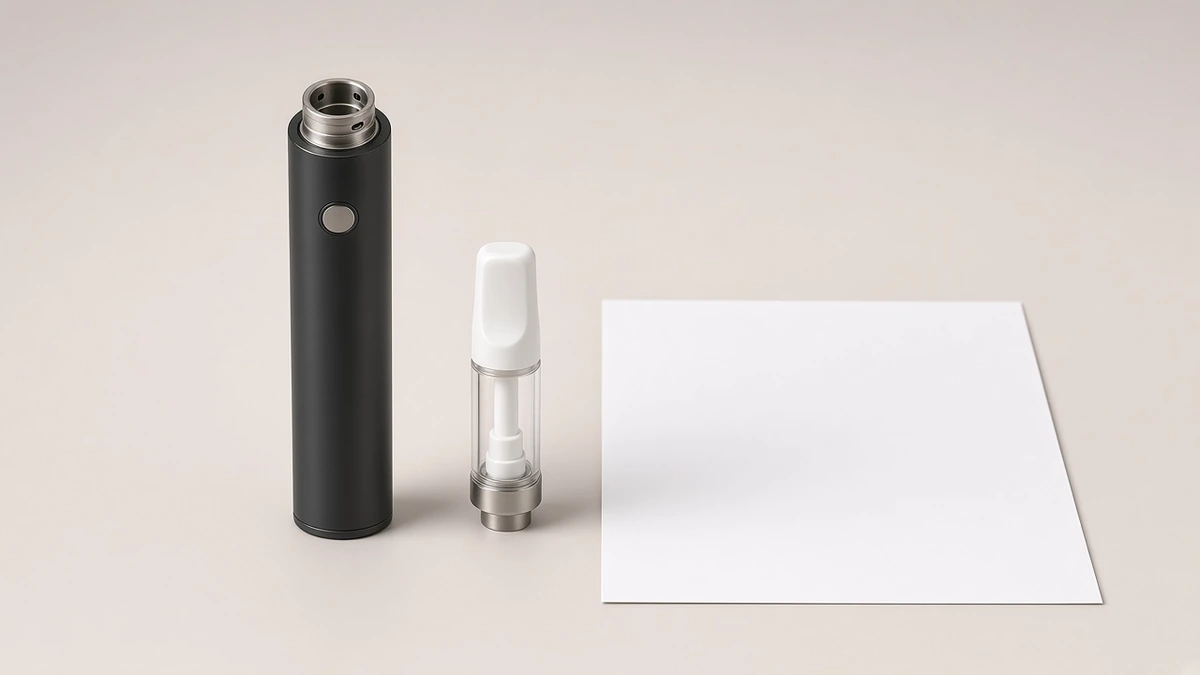
✅ 6. What to Check on a Sample, a Drawing, and a Brief
A one-line description a team can reuse should name the seating outcome and should keep that fact apart from thread family, bay architecture, and cart clearance dimensions. Example: “510-thread battery and cartridge pair; seated position flush or proud as confirmed on the exact versions; well or post architecture, cart outer diameter, and overall height are documented separately.”
On the sample:
- Thread the specified cart onto the specified battery as the version intends, without forcing it past a stop.
- Record whether the cart sits flush with the documented rim or shoulder, or stands proud of the opening.
- If a ring, sleeve, magnet adapter, or protector will ship with the pair, repeat the check on the assembled parts.
- If the cart stops before a flush seat, record where it stops and do not force the thread.
On the drawing and the current brief for that exact version:
- Record the intended seated height, the well or shoulder that defines it, and the cart revision used in the check.
- Keep thread family, bay or exposed-post architecture, cart outer diameter, and overall height in separate lines.
- If the drawing and the sample disagree, stop and confirm both revisions before writing a purchasing line.
On the listing:
- Treat “510 compatible,” “fits most carts,” “fits 2-gram tanks,” and “flush design” as labels to reconcile with a seated sample.
- A seated height shown for a named catalog example is that page’s documentation, not a default for the next battery in the same photograph style.
Questions worth sending with a sample request:
- On this exact battery version, where is the cart supposed to sit relative to the well rim or shoulder?
- Which cart revision was used to document that seated height, and does the sample match it?
- If a magnet ring, sleeve, or protector is part of the project, is the flush seat documented on the assembled pair?
- If the cart sits proud on the sample, which dimension or stop is responsible?
- If the listing says “510 compatible,” what seated outcome has actually been confirmed?
❓ 7. Short Answers a Brief Can Reuse
❓ 7.1 Identification Questions
What is a flush seat on a 510 battery?
It is the documented seated position in which the cartridge is fully received by that battery version, usually so the base meets the well, rim, or shoulder as intended rather than standing above it.
What is a proud cart?
It is the outcome in which the cartridge stands above the rim, or the base has not reached the intended depth, even if some 510 thread is engaged.
Does a “510 compatible” label complete the seating specification?
No. Thread family is one fact. The seated position—flush or proud—is a separate fact, and it has to be confirmed on the exact battery and the exact cart.
Can a cart thread on and still sit proud?
Yes. The thread can start to engage while a flange, a wide body, a shallow well, or an add-on ring stops the base before the intended seat.
Is a drop-in bay the same thing as a flush seat?
No. A bay is a connection architecture. A flush seat is the seated height on a specific pair. A bay can still leave a cart proud if the well and the cart do not match.
Can a listing photograph settle the seated position?
It can support an identification if the rim is visible and the seated height matches a sample of the same versions. It often hides the base or shows a rendered flush cart. Confirm the outcome on a paired sample and in the version documentation.