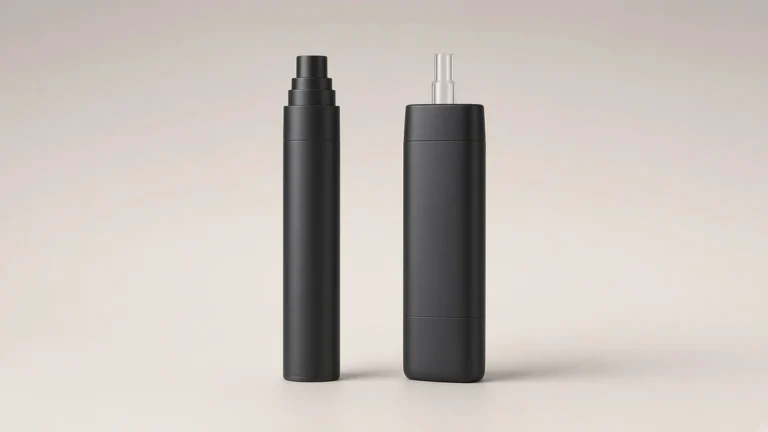
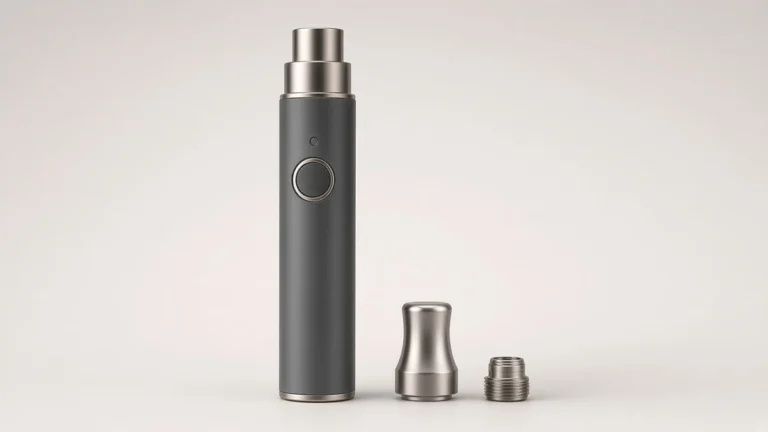
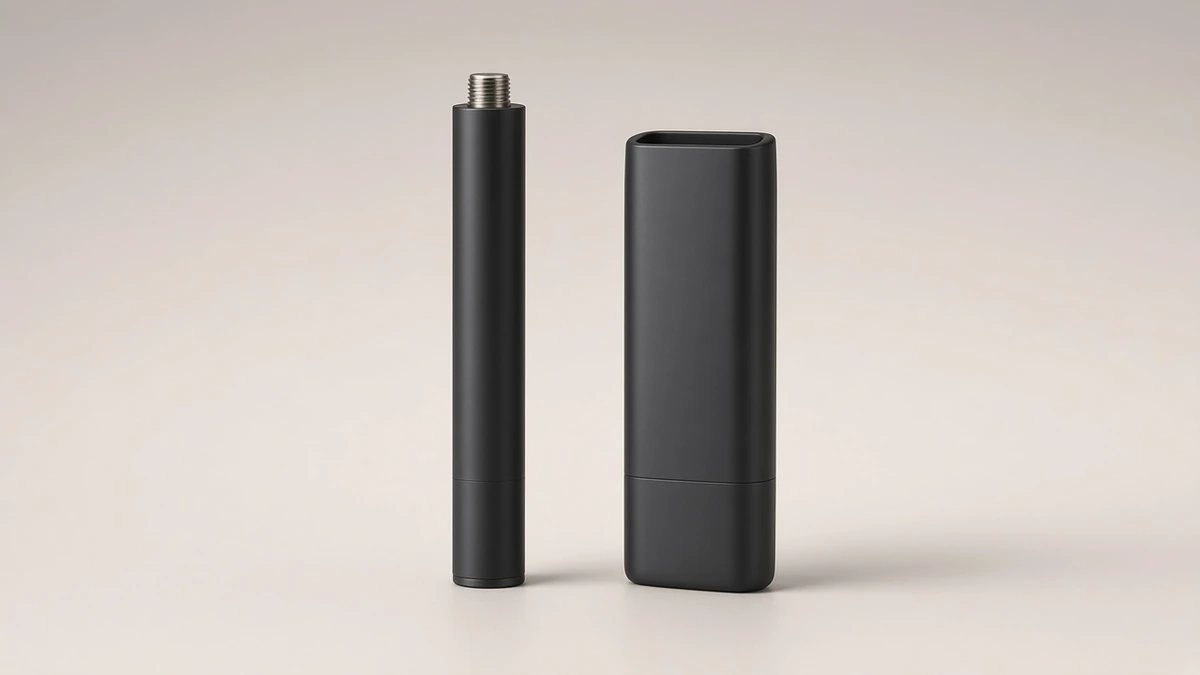
A 510 battery has to meet a cartridge at a threaded connector, and that meeting is not always in the open. On one common layout, the 510 post sits on the top rim of a pen, fully visible, and the cartridge threads directly onto it. On another, the connector sits inside a recessed chamber or well. The cartridge is inserted into that bay, sometimes after a magnetic adapter is threaded onto the cart, until the contacts meet. Two batteries can both be described as “510,” and still present the cartridge in completely different ways.
That distinction is easy to collapse into a fit complaint about a wide or tall cart. It should not be, at least not as the first identification. 2-Gram Cart Batteries: Capacity Changes Fit Before It Changes Power already treats diameter, bay depth, and contact reach as measurement questions for a larger cartridge. CCELL Palm Pro vs Yocan UNI Pro: 510 Battery Housing and Adapter Design already compares two named housings. The present guide stays on the architecture itself: does this version present an exposed 510 post, or does it receive the cart in a drop-in bay? A magnetic ring is part of some bay systems, but the ring is not the bay.
🔎 1. Meeting Architecture Is Not Thread Compatibility and Not Adapter Identity
The first cut is simple. How the cartridge is presented to the battery — on an exposed post, or down into a chamber — is a meeting-architecture question. Whether the 510 thread and the center contact actually complete is a connector question. Whether a magnetic adapter is required, and whether that adapter fits, is an adapter-identity question. Those three identifications can live on the same sample, but they are not interchangeable.
510 Atomizer Connectors: Contacts, Insulators, and Fit already treats the threaded ring, the center pin, and the insulator as the interface itself. 510 Thread Magnetic Adapters: Fit, Contact, and Troubleshooting already treats the adapter as its own part. This guide does not retell pin travel, insulator condition, or adapter troubleshooting. It only asks the buyer to name the architecture before borrowing a seating habit from a different body.
Got Vape, in a public education page titled “510 Battery Troubleshooting Guide: How to Fix Common Errors,” by Ian Black, published and last reviewed 26 October 2026, draws the same family distinction in troubleshooting language. That page contrasts concealed drop-in batteries, whose chamber has to accept the cartridge body, with an open-top pen battery on which “the 510 threads sit completely exposed on the top rim.” Those sentences are useful as a named industry description of the two architectures. They are not a specification for any particular SKU, and they are not treated here as measured widths, voltages, or blink codes. The page’s diameter bands and error-code tables stay on that page.
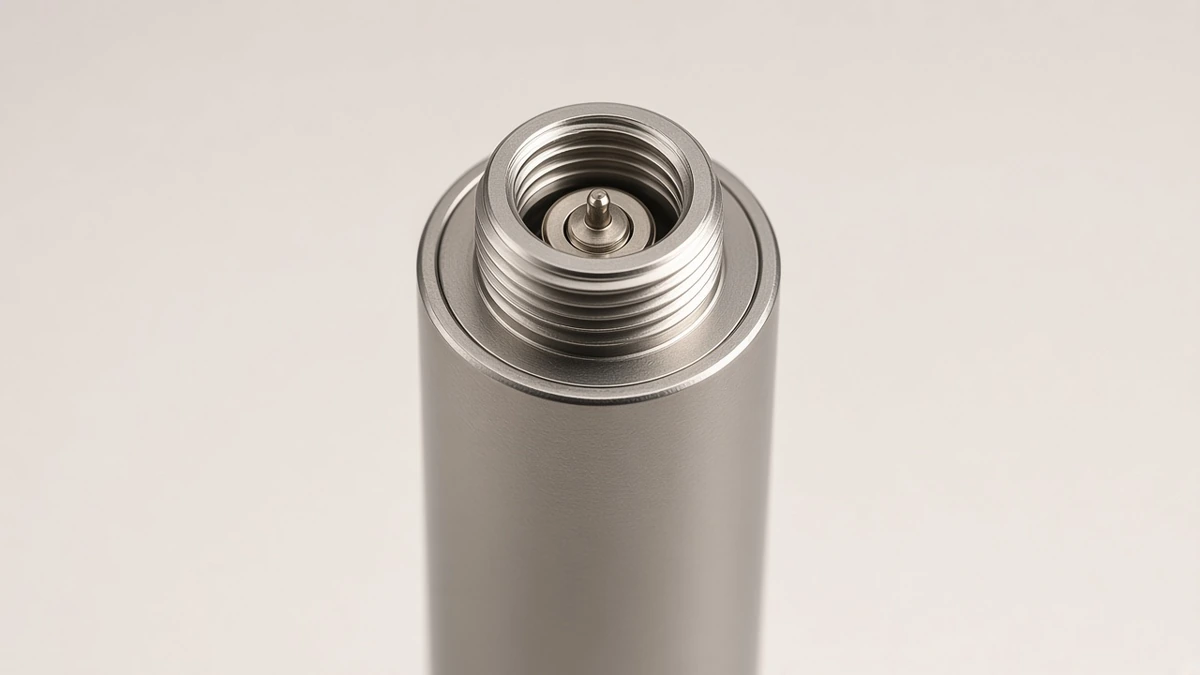
🔌 2. Exposed 510 Posts: The Cart Threads Onto a Visible Connector
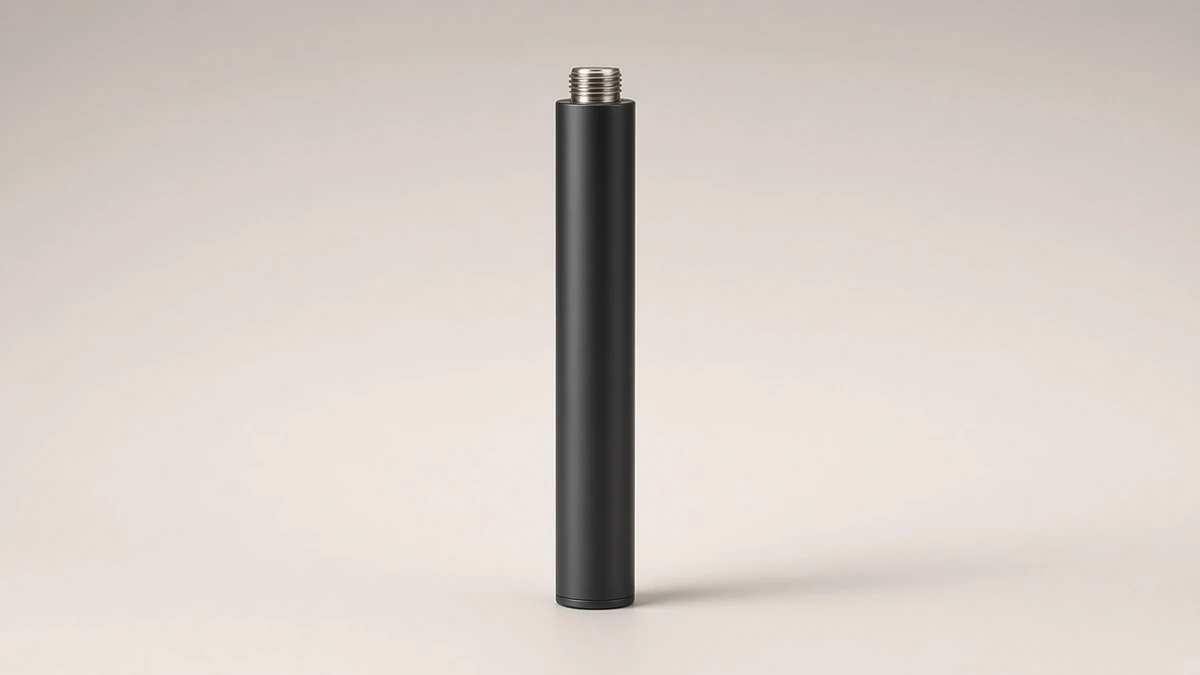
On an exposed-post layout, the 510 connector is visible at the top of the battery. The cartridge threads onto that post until the contacts meet. There is no surrounding chamber that has to clear the tank diameter before the thread can start. The useful identification is modest: the post is in the open, the cart seats by rotation on that post, and any cover, if there is one, is not the primary receiving well.
This architecture still has limits. A tall cartridge will stand above the battery. A wide tank may look awkward, but it is not usually stopped by a surrounding well. Bottom inlets can still be blocked if the cart is tightened against a flat top plate, which is already discussed in Bottom Inlet or Side Inlet: Where a 510 Cartridge Is Designed to Draw Air. The Got Vape page cited above also warns, in general troubleshooting terms, that overtightening a cart can close base air slots against the battery top; that is a seating-depth issue on an exposed post, not a reason to rename the architecture.
An exposed post is also not a finding that the battery is a slim pen. Box-style bodies, side-by-side 510 batteries, and flip or folding designs can still present a 510 connection in different ways. Name the connector’s location first, then name the body style, rather than assuming that “pen” means exposed and “box” means a bay.
📥 3. Drop-In Bays: The Cart Has to Reach a Connector Inside a Chamber
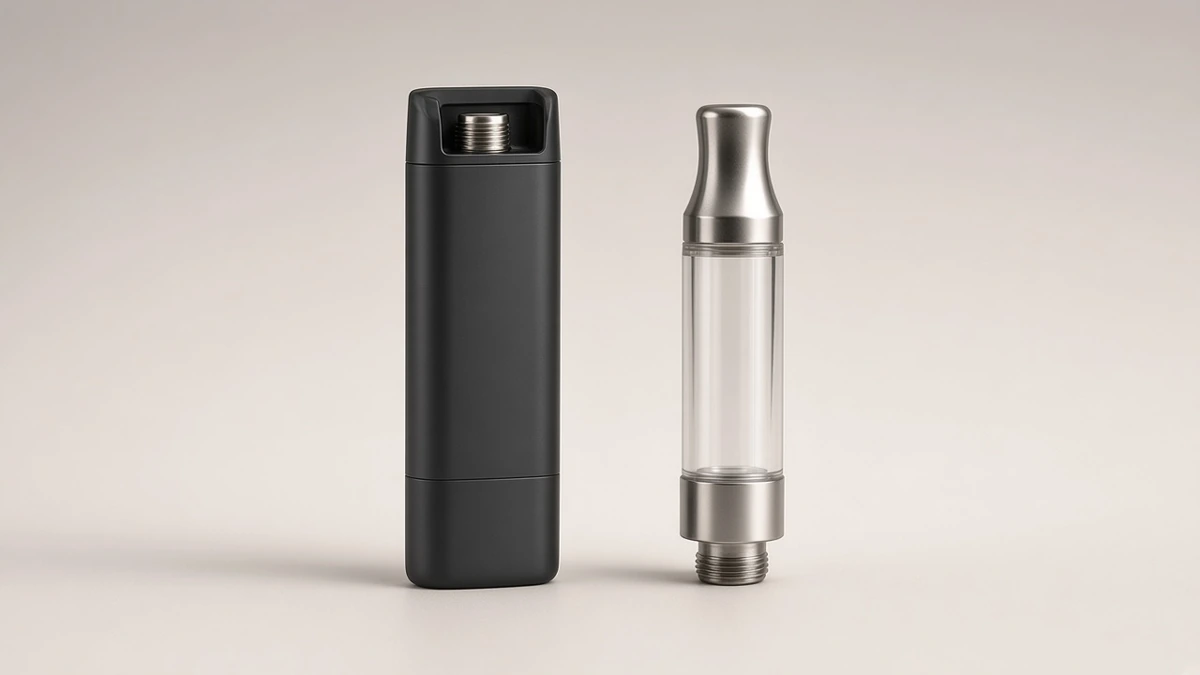
On a drop-in bay, the 510 connection sits inside a recess. The cartridge body has to enter that chamber far enough for the thread, a magnetic contact, or both to meet the battery’s connector. If the cart is stopped by the chamber wall, the mouthpiece opening, or a cover before it reaches that connector, the meeting is incomplete, even if the cart would thread normally on an exposed post.
The Got Vape troubleshooting page cited above treats this as a reason to verify a concealed drop-in battery’s chamber opening against the cartridge body, and notes that a tank which cannot reach the base pin will not complete the connection. That is an architecture observation. It is not a table of millimetre limits, and it is not a verdict on any 2-gram listing. When the question becomes measured diameter, height, or spring-pin reach, return to 2-Gram Cart Batteries: Capacity Changes Fit Before It Changes Power rather than inventing a default opening size here.
A drop-in bay may hide the cart completely, hide only the tank, or leave the mouthpiece proud of the housing. Concealment is a result of the housing, not a second architecture. 510 Cartridge or All-in-One: What Stays With the Battery When the Oil Is Gone is the place to ask what remains when the oil is gone. This guide only asks whether the cart is received in a well.
🧲 4. A Magnetic Adapter Is Not the Bay
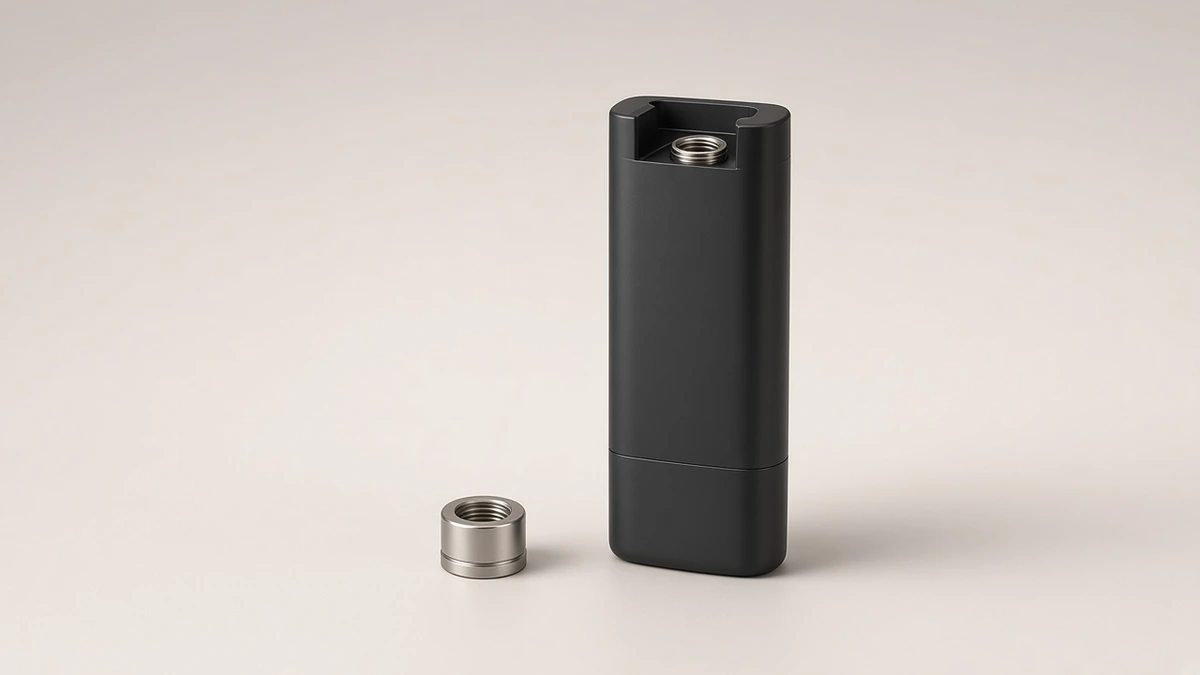
Many drop-in batteries do not ask the cartridge to thread into the well. Instead, a magnetic 510 adapter is threaded onto the cart, and the cart is then inserted until the adapter meets a magnetic contact in the bay. The official Yocan page titled “How to use Yocan Uni Pro?,” opened for this research at yocan.com, is a named example of that sequence, not a map for other boards. That page instructs the user to attach the 510 thread adapter to the cartridge and insert it into the device, and it states that the height and width of the chamber can be adjusted to fit the cartridge. It also lists a magnetic 510 thread adapter among the product’s features. Those sentences are useful as a layout illustration: this version uses an adapter plus a receiving chamber. They are not a specification for any other 510 battery, and they are not treated here as a performance result.
The adapter and the bay have to be named separately. A cart can thread onto an exposed post with no adapter at all. A bay can receive a cart with a threaded well and no magnet. A magnetic adapter on the wrong cart, or a cart in a bay without the adapter the manual requires, is an adapter-identity problem already covered in the magnetic-adapter guide. Do not describe a missing adapter as a failed bay, and do not describe a tight chamber as a bad magnet.
🎛️ 5. An Adjustable Chamber Still Needs the Version Manual
Some bay-style batteries include a documented way to change the chamber opening or the seated height. The Yocan Uni Pro how-to cited above is one official example of width and height adjustment on that product. An adjustable chamber does not make the architecture “universal,” and it does not replace the manual. The buyer should still record that the version is a drop-in bay, that adjustment exists if it does, and which jobs the manual assigns to each control.
Do not import another model’s diameter range, length cutoff, or adapter SKU into this brief. If the listing says “fits most carts” and shows a closed housing, write both facts down and reconcile them on a sample. The housing comparison already published for two named products is the place for product-to-product bay and adapter detail. This guide only asks that an adjustment feature be recognized as part of the architecture, not as a promise that every cart will seat.
📷 6. What a Listing Photograph Can Hide
A listing photograph can support an architecture identification if the 510 post, or the open bay, is visible and unobstructed. Often it is not. A closed cover can hide a well entirely. A side view of a slim pen can hide the fact that the cart sits in a recess. A marketing image that already has a cart installed cannot show whether that cart was threaded onto an exposed post or dropped in with an adapter.
The photograph is also a poor place to judge clearance. A chamber that looks wide in a three-quarter view may still stop a particular tank before the connector engages. A cart that looks seated may be held by the mouthpiece opening and not by the 510 contact. Confirm the architecture on the sample, with the cart out, and in the version manual.
✅ 7. What to Check on a Sample, a Manual, and a Listing
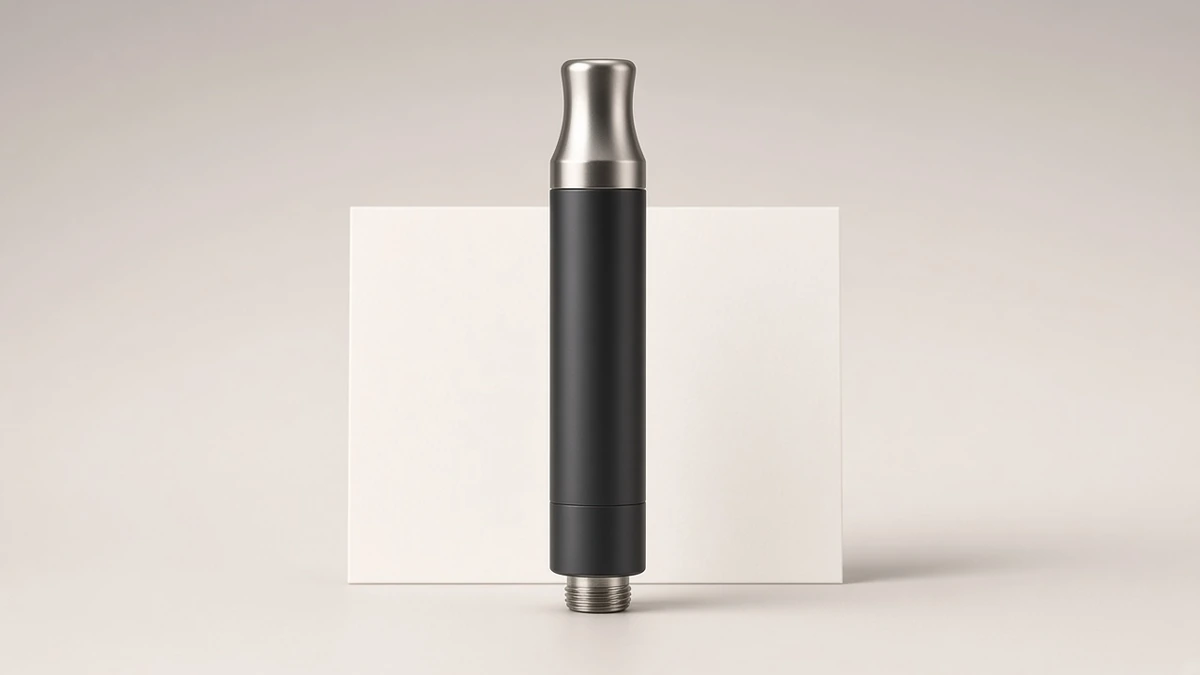
A one-line description a team can reuse should name the meeting architecture and any adapter the manual requires. Example: “510-thread pen battery, exposed post on the top rim; cart threads directly onto the post; no receiving well.” Or: “510-thread box-style battery, recessed drop-in bay; version manual requires a magnetic 510 adapter on the cart before insertion; chamber width and height are adjustable on this version.”
On the sample:
- With no cartridge installed, look at the top: is the 510 post visible on the rim, or does a chamber lead down to a connector?
- Note any cover, slider, or mouthpiece opening that the cart must pass.
- If an adapter is present in the kit, keep it with the battery until the manual assigns it.
- Do not force a cart into a well in order to “discover” the limit.
On the manual for that exact version:
- Record how the cart is supposed to meet the battery: direct thread, drop-in, or drop-in after an adapter is installed.
- If the chamber is adjustable, record which control changes width or height, as that version documents it.
- If the manual and the sample disagree, stop and confirm the revision before writing the brief.
On the listing:
- Treat “universal 510,” “hidden cart,” “drop-in,” and “fits most tanks” as labels to reconcile with the sample and the manual.
- A chamber adjustment described on a named official how-to is that product’s documentation, not a default for the next box-style battery.
Questions worth sending with a sample request:
- Is the 510 connector on this version an exposed post, or does it sit inside a bay?
- If there is a bay, does the cart thread into the well, or is a magnetic adapter required first?
- What body diameters and seated heights has this version actually been checked against?
- If the chamber is adjustable, which control does the current manual assign to width or height?
- Which statements in the listing are architecture descriptions, and which would require the version manual to interpret?
❓ 8. Short Answers a Brief Can Reuse
❓ 8.1 Identification Questions
How does a 510 cartridge meet the battery? Either by threading onto an exposed 510 post, or by being received in a recessed drop-in bay, sometimes after a magnetic adapter is installed. The 510 label names the connector family, not the architecture.
If the battery is a slim pen, is the post always exposed? Not necessarily. Name the connector’s location on the sample. Body style and meeting architecture are separate identifications.
If a cart will not seat in a bay, is the thread wrong? Not automatically. The cart body may be stopped by the chamber before the connector can meet. Measure that as a fit question, and keep it apart from thread identity.
Is a magnetic adapter the same thing as a drop-in bay? No. The adapter is a part that may be required by a bay system. Some bays do not use one. Some exposed posts never need one.
Does an adjustable chamber make every cart compatible? No. An official how-to that describes width and height adjustment documents that version. It is not a shared specification.
Can a listing photograph settle the architecture? It can support an identification if the post or the open bay is visible. A closed housing or a pre-installed cart often hides the meeting. Confirm it on the sample and in the version manual.