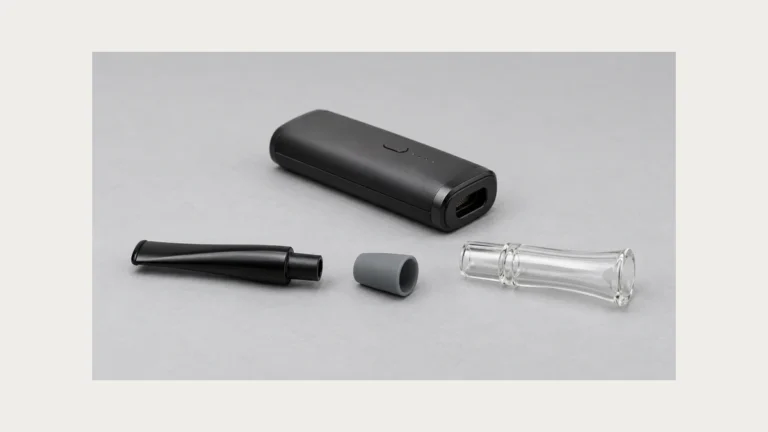
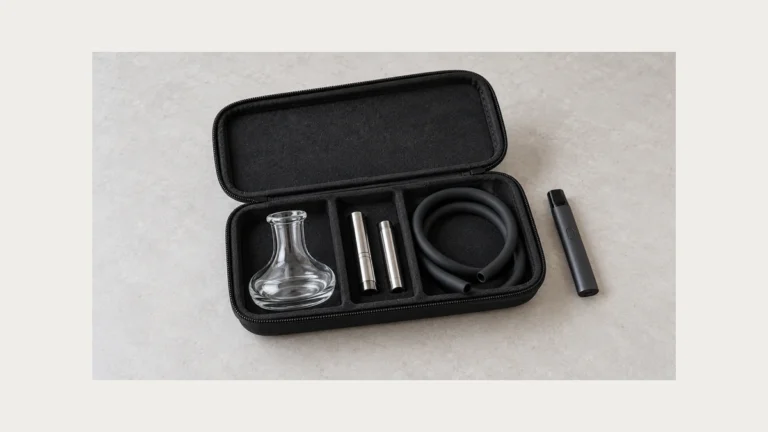
Pipe mouthpiece can mean the end of a complete removable stem, a separately replaceable bit or a cover that slips over an existing tip. Those are different objects. The distinction becomes important when the tip cracks, a joint loosens or a replacement listing gives a number without naming the surface it measures. Identify the existing cool, empty hardware before interpreting that number. The question is which component needs attention, rather than which accessory shares the word mouthpiece in its title.
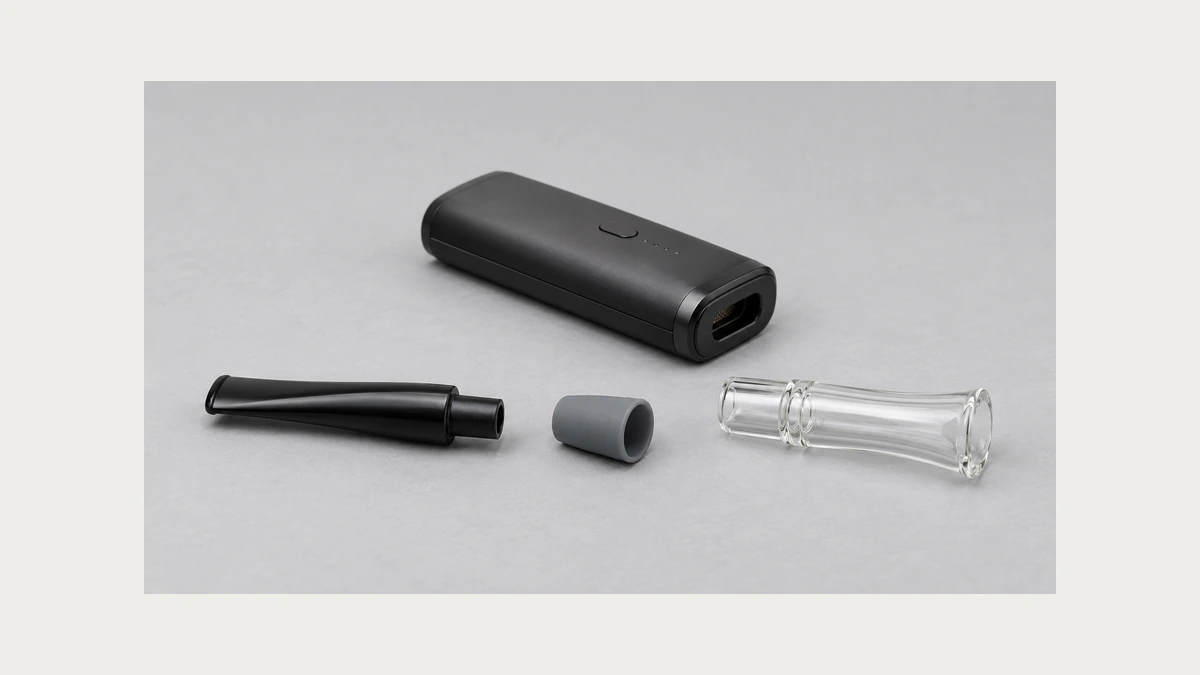
🔍 1. A mouthpiece can mean the bit, the whole stem, or just a cover
On a traditional pipe, stem commonly names the length extending from the shank toward the mouth end. Bit can name the mouth-end portion, while some accessory listings use bit for a complete replacement stem. Where there is a tenon-and-mortise connection, the tenon is the projecting insertion end and the mortise is its receiving opening in the shank. A cover sits over an existing tip; it does not supply that insertion end. Follow the actual parts description where a design uses a separate replaceable end piece. Everyday vocabulary alone cannot establish that something detaches.
None of these three require one another to be damaged for the other to be fine, which is the source of a lot of crossed wires when a problem gets described as “my mouthpiece is loose” without saying which of the three is meant.
A simple example separates these names. An owner finds a soft sleeve in a drawer and calls it a spare mouthpiece. If it is only a cover, it still requires an intact underlying tip and says nothing about the connection at the other end of the stem. Another owner has a complete stem with a narrow projection at one end. That is a different replacement scope even if both objects are short and black. Describing the visible ends avoids relying on the loose terminology of an old package or listing.
📌 2. Locate the moving joint before naming the fault
In a loose-stem discussion, the first reply asks whether the owner means the mouthpiece connection or the shank-to-bowl joint, then gives advice for the latter. The owner clarifies that the mouthpiece is loose. The thread does not establish that the shank joint was meant to detach or that gluing was appropriate; the useful point is the initial misunderstanding. Name which side of which joint moves. A cover sliding on a tip, a stem moving at its insertion end and a shank moving at the bowl are separate observations. Do not transfer a proposed fix from one to another. The vape mouthpiece guide covers a different group of top assemblies and seals; its connection rules are not a traditional pipe-stem specification.
Record where the movement begins, rather than moving the assembly repeatedly to demonstrate it. A gap at the stem-to-shank interface belongs in a different photograph from a crack near the tip. If a decorative band also moves, describe that separately instead of treating it as proof that the tenon is loose. The repairer can then distinguish adjacent components. Repeated bending, pulling or twisting adds another variable to the condition and is unnecessary for documenting a visible fault.
The words loose and removable should also remain separate. Removable describes what the maker designed the component to do under stated conditions. Loose describes an observed change or unwanted movement. A removable stem can still have a fit problem, and a fixed section should not be tested as though it were a removable one. If the owner no longer has the original diagram, say which section appears to move without assigning it a removable-part name. That gives service room to identify the assembly before suggesting handling instructions.
📏 3. A filter number is not a universal tenon size
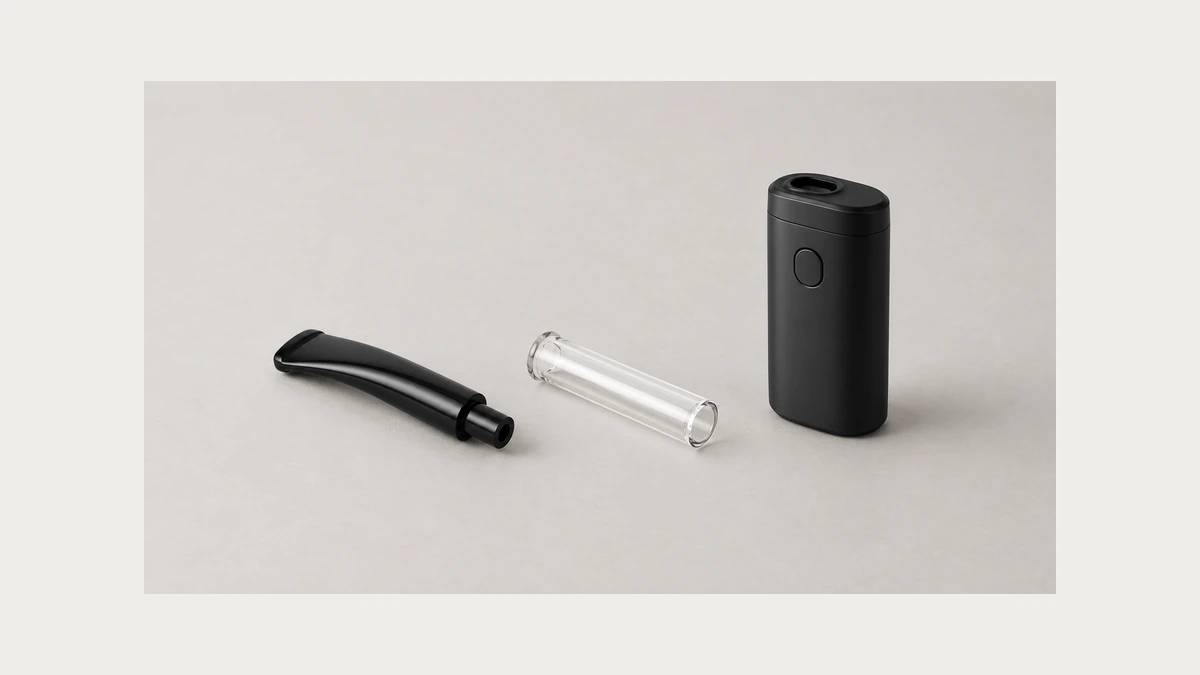
A Missouri Meerschaum regular filter-bit listing says those particular bits fit its filtered pipes and accommodate a 6 mm filter. That number names filter accommodation in that product description. It is not a universal tenon diameter. This specific maker-described replacement also shows why the blanket assertion that every pipe stem must be custom made is too broad. Compatibility still belongs to the stated product family, not every pipe with a similar-looking end.
In a replacement-stem question, the reader asks whether millimeters at the inserted end are enough to identify a replacement. The replies discuss different fitting arrangements and mouth-end styles. They do not provide a universal measurement rule, and their historical prices and service times are not current instructions. A useful description names what the number measures: outside tenon diameter, receiving opening, filter accommodation or overall stem length. Precision without a named measurement point can still refer to the wrong surface.
Numbers also need a reference orientation. Overall length might describe a detached stem including its insertion end, or an exposed length after assembly; those are not identical measurements. A bent profile can add height outside the axis used for a length figure. If the listing does not define the measurement, ask for clarification rather than forcing a match. A nominal filter size remains a filter description even when the number happens to resemble an opening measured somewhere else on the pipe.
A close photograph needs scale and context, but a measuring tool is not a probe. A number taken from an accessible exterior can be described as an approximate outside measurement without inserting anything into the bore or forcing a tool between parts. State which surface was measured and which dimensions remain unknown. A repairer may need the original pipe to establish the fit; a photograph and one number need not settle it. Keeping those limits clear prevents a precise-looking figure from being treated as a complete replacement specification.
🧰 4. A tip cover does not substitute for a cracked stem
Another owner reports a crack at the mouth end and asks about replacement or repair. The visible replies include criticism of the maker and home modification suggestions, neither of which resolves the component’s identity. Keep the distinction clear: a tip cover is an external accessory, not a repair for the structural material below it. It does not make a cracked stem intact or establish that the damaged part can remain in service. The bong mouthpiece guide concerns a different glass lip and opening. A chip in integral glass and a crack in a removable stem are different service scopes, even when both are described as mouthpiece damage.
A cover can hide the edge the owner needs to describe. If its removal is permitted and it separates normally, document the existing condition without pulling against a cracked tip. If the cover is stuck or the damage makes handling uncertain, leave the assembly as it is and ask about that condition. Do not slide another sleeve over it to demonstrate a supposedly improved fit. The question is whether the underlying component is intact, not whether a different accessory can conceal its surface.
📐 5. Shoulder, tenon, and bit taper describe different geometry
The insertion end, shoulder and outer profile describe different geometry. A stepped tenon has a narrower section and a transition toward the wider stem body. Other documented fittings use a different shape, so a visible shoulder must not be treated as mandatory. Likewise, an intentional gap should not be diagnosed as a fault without reference to the actual design. A gradually narrowing outer stem and a stem with an abrupt profile change can occupy different spaces around the shank and holder. Do not confuse a material name with a shape, or call a threaded connection a military mount simply because it differs from a plain insertion fit. Identify the maker’s named connection instead of assigning it a mechanism by appearance.
Keep the original stem with its original pipe when seeking fitting information. A loose group of similar stems loses the relationship that identifies which one previously belonged to which shank. Photograph the full profile as well as the insertion end. Note any original identifying mark without guessing its meaning. A replacement part can share an exterior color and broad shape while differing at the connection, so the complete outline is useful information but is not a compatibility certificate.
The storage space can reveal a different mismatch from the connection itself. A longer stem may project beyond a holder even if its documented insertion end belongs to that pipe. A bent profile may meet the back of a display cabinet sooner than a straight one. These surrounding clearances are worth recording separately, because changing the stand does not correct a loose tenon and changing the tenon does not create room in a cabinet. Identify which relationship is being discussed before attributing every fit problem to the mouthpiece.
🧼 6. Cleaning identity follows material and assembly, not habit
Cleaning information needs the same part identity. A direction for a detached stem is not necessarily a direction for the bowl, a separate cover or a decorative band. Dark color alone does not identify acrylic, vulcanite, propionate or another material. Keep the component’s documented material and care method together. If that information is missing, avoid trying solvents, heat or abrasive reshaping to discover what the part tolerates. Storage also has its own contact points: the tobacco pipe holder guide explains bowl cradles and stem supports. A stand’s support geometry is separate from whether the stem’s insertion end fits its shank.
If a fit change was first noticed after cleaning, describe the sequence without concluding that one chemical or one material caused it. Record the actual component treated, the permitted method followed and the visible change. A pale surface mark, a new gap and a crack are different observations. Do not use sanding, heating, tape, wax or glue to make the connection appear unchanged while the cause remains unresolved. Those interventions change the part that a repairer is being asked to evaluate.
🗂️ 7. What a repairer actually needs to know
For a repair question, name the moving interface, the visible damage and the original component. Include the complete pipe and a view of the affected area without forcing apart a resistant joint. State whether the tip is integral with the stem or documented as a separate part, rather than assuming it from a line in the finish. A precise description of the present hardware lets the repairer identify the relevant service scope. Keep the damaged or loose assembly out of use while that question remains unresolved.
A useful message might say that the original complete stem moves at its insertion end while the mouth-end tip appears intact. A different message might say the connection appears unchanged but a crack is visible near the tip. Neither description needs an operating test or a claim about the material. Add whether a loose cover is present, and keep it identified separately. The repairer now has a location, a component and a condition to investigate, rather than a request built around the ambiguous word mouthpiece.