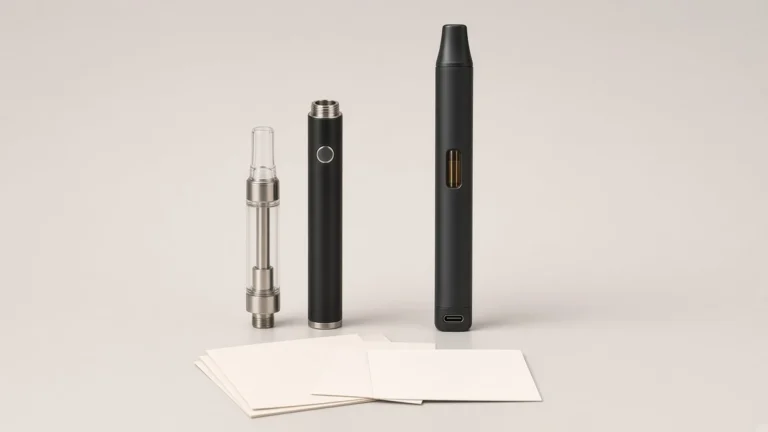
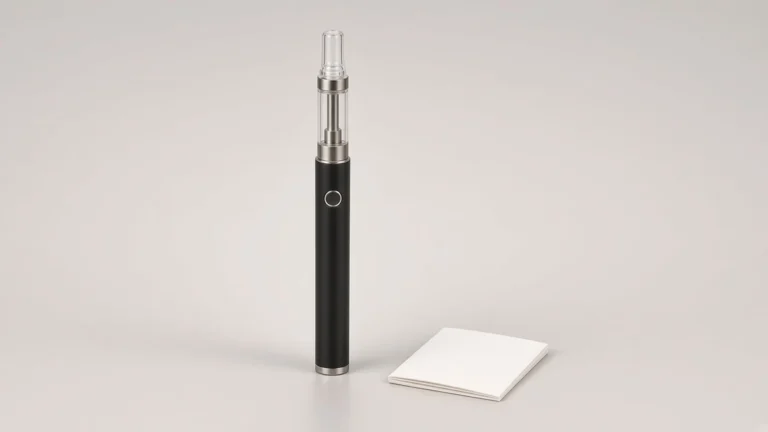
A 510 battery may fire from a button, from a draw, or from both. Catalog language does not always keep those methods apart. "Auto" may mean inhale activation, or it may only mean that a setting changes without a menu. A visible button may be the control that starts the power cycle, or it may only turn the battery on, change a voltage, or start a preheat while a draw does the firing. Two batteries that share a similar outline can therefore ask the user to do different things with the same cartridge.
That distinction matters before a licensed brand writes an instruction card or accepts a listing as complete. The useful evidence is the manual or official product page for the exact version, plus a sample check that follows those instructions, not a habit copied from another pen. The rest of this guide separates button-activated firing, draw-activated firing, and combination units, and it shows how to verify the method in a listing, a photograph, and a sample. It does not retell how an airflow sensor is built; that ground is already covered in AOVAPE's draw-activation guides.
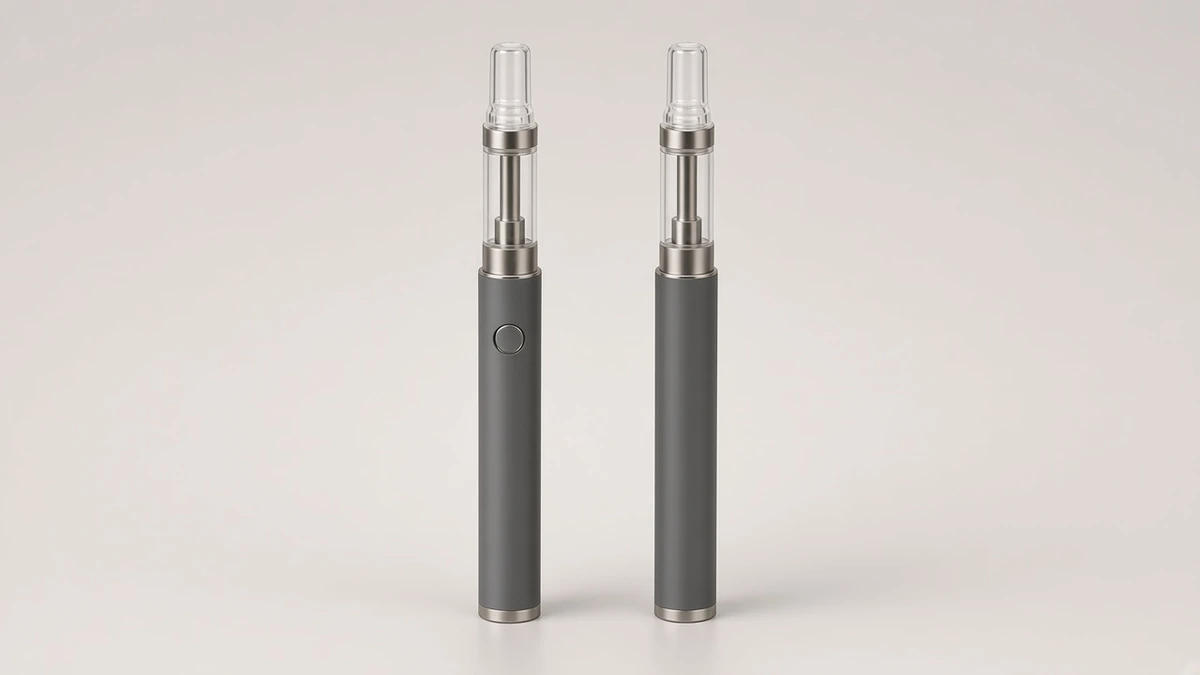
🔎 1. "Auto," "Button," and "Draw" Are Labels, Not a Complete Identification
Public education pages already define the two basic methods by what starts the normal power cycle, not by the outline of the pen. 71 Oil's 30 September 2026 comparison says a button-activated battery "requires a manual press to activate the cartridge," while a draw-activated or auto-draw battery "normally activates when it detects airflow or a pressure change during a draw." Neither format, the same page says, is universally better. Leafly's anatomy of a 510-threaded oil vape pen, last updated 24 September 2026, uses the same split in shorter form: some pens have a power button that the user presses when they want to inhale; others are draw-activated and switch on whenever the user inhales. Eaze's older how-to on oil-cartridge pens is just as direct: "All models are different; some require the press of a button, while others will automatically turn on when you begin to draw." Those sentences are useful as public definitions. They are not a specification for any particular SKU.
The listing word "auto" does not finish the job. On some pages it is a synonym for inhale activation. On others it is only a shorthand for a setting that changes without a screen, or for a battery that does not need a separate power-on ritual the writer remembers. 71 Oil also notes that a 510 connection "does not determine whether the battery is button-activated, auto-draw, fixed-output, or adjustable." The thread answers a fit question. The firing method is a separate line.
🧩 1.1 Three Questions to Write on Separate Lines
When a listing, a quote, or a sample note uses one word to cover the controls, write the questions out separately:
- What starts the normal power cycle? Does the user hold a button, take a draw, or follow a documented choice between those methods?
- If a button is present, what does it do? Does it fire the cartridge, or does it only control power, output, preheat, or status?
- What is "auto" standing in for? Is the listing naming inhale activation, an automatic timeout, an automatic setting change, or something the writer has not defined?
A "yes" on the presence of a button does not fill in the first line. A battery can have a button and still be inhale-activated for ordinary use. Cilicon's 22 August 2026 button-battery guide states the point plainly: "A button on a 510 battery does not always perform the same function," and "the presence of a button does not prove that the device is manual-fire."
🔘 2. Button-Activated Firing: The Press Starts the Cycle
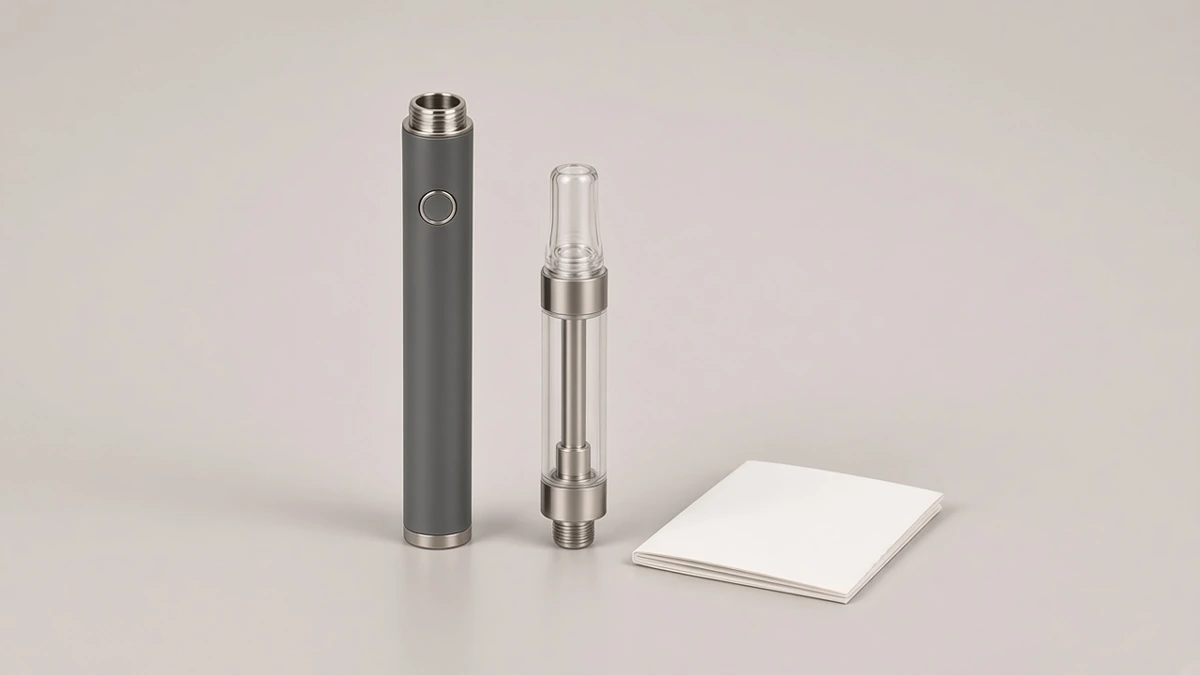
On a manual-fire, button-activated battery, the physical control is what starts the normal power cycle for a compatible cartridge. 71 Oil says that on many designs, "the user holds the button during activation," and that the exact operation depends on the battery model. Hamilton Devices' education page, dated 24 July 2023 and 22 June 2026 on the live page, describes the same daily use: after the battery is turned on, the user vapes "by puffing gently on the mouthpiece of the connected cartridge while holding the fire button," then releases the button when the puff is done. Cilicon's table uses the same test: on a manual-fire battery, the button "controls power and activates the cartridge," and heating is started by holding the button while taking a gentle draw.
The same button may also carry other jobs. 71 Oil notes that some models use multi-click sequences for "power, lockout, voltage selection, or preheat," and that those sequences are not standardized, so "a five-click rule should not be treated as universal." Leafly describes five-click on and off as something button pens "often" use, designed to help prevent accidental activation. Those statements explain why a power or lock sequence appears on many manuals. They do not identify the firing method by themselves, and they do not make any one count a shared language. How to read a version-specific click map is a separate task, treated on its own terms in the travel-lock guide already published as Travel Lock or Voltage Lock: What a 510 Battery Manual Is Describing.
A buyer verifying a manual-fire unit should be able to point to a sentence that says, in substance, that the user holds the button to activate the cartridge. If the manual only says "press the button" without saying whether that press is a fire, a power-on, or a setting change, the firing method is still unconfirmed.
🌬️ 3. Draw-Activated Firing: The Draw Starts the Cycle
On a draw-activated battery, the normal power cycle begins with inhalation, not with a held fire button. 71 Oil groups the usual names together: draw-activated, auto-draw, inhale-activated, or buttonless. The battery "normally begins its power cycle when a built-in sensor detects the airflow or pressure change created during a draw." That removes the need to hold a firing button during ordinary activation. Hamilton describes daily use in the same order: charge the battery, connect a cartridge, then "vape by puffing gently on the mouthpiece of the connected cartridge."
This guide does not repeat the sensor construction already covered in Draw-Activated 510 Battery: Airflow Sensor Guide, Buttonless Vape Pen: How Draw Activation Works, and Auto-Draw 510 Battery: Airflow and Compatibility. The identification question here is narrower: does the documentation say that a draw is what starts heating?
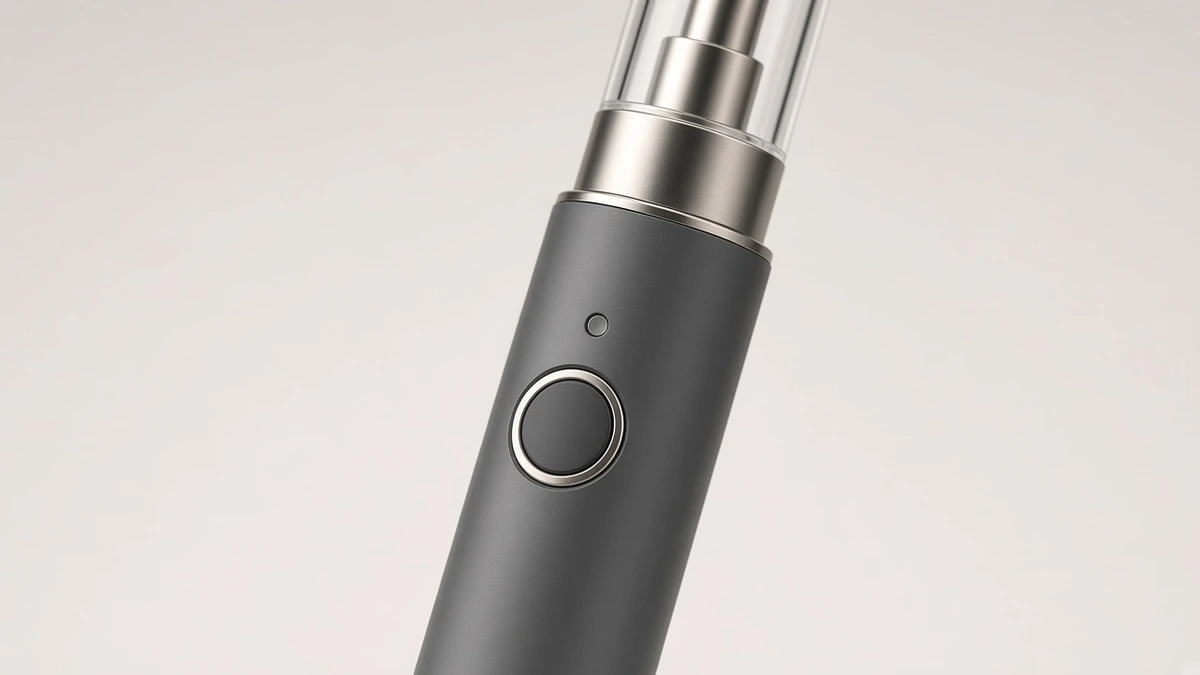
"Draw-activated" also does not mean "no controls." 71 Oil is explicit that auto-draw "does not automatically mean 'no settings.'" Some draw-activated batteries include a separate button, dial, or other control for voltage, preheat, or status functions "while still using inhalation for normal activation." A compact battery with no obvious fire button is a clue, not a complete identification. A compact battery with a small button may still be inhale-activated for ordinary use. The label on the box has to be checked against the operation section of the manual, not against the silhouette.
🔁 4. Combination Units: A Button Can Be Present Without Being the Fire Control
The third group is the one listings most often underspecify: units that support more than one method, or that place a button on a battery whose ordinary firing is still a draw. Cilicon's table names two patterns that a buyer should look for in a manual.
The first is a control-button, inhale-activated battery. The button "controls power, output, or other settings," and heating is activated by inhaling through the cartridge after the battery is ready. Cilicon's example, from the same page, is the Cilicon FLEXA 510 Battery, listed as "Click to Power On; Inhale to Vape." The button is part of the interface. The fire method, on that listing, is still a draw. A buyer who tells a customer to hold the button on such a unit is writing the wrong instruction.
The second is a dual-activation battery, which "supports more than one operating method." The user has to follow the selected mode and the model instructions. Hamilton notes that many batteries with manual fire buttons also have auto-draw modes, and that a manual 510 battery may offer the ability to toggle between button-activated and draw-activated vaping modes. That is a reason to look for a mode line in the manual. It is not a claim that every button battery has a draw mode, or that every draw battery has a hold-to-fire option.
🧩 4.1 Hold, Draw, or a Documented Choice
Named official pages show how specific the wording can be. The G Pen 510 Original help page instructs the user, on that product, to "hold button or breathe in to activate." The same page also documents click sequences for power, voltage, and preheat. For that version, the fire method is a documented choice: hold or draw. A different G Pen 510 page, or a different brand's manual, may not offer that choice. Copying the G Pen sentence onto another SKU would invent a method the second manual never stated.
📷 5. What a Listing and a Photograph Can and Cannot Show
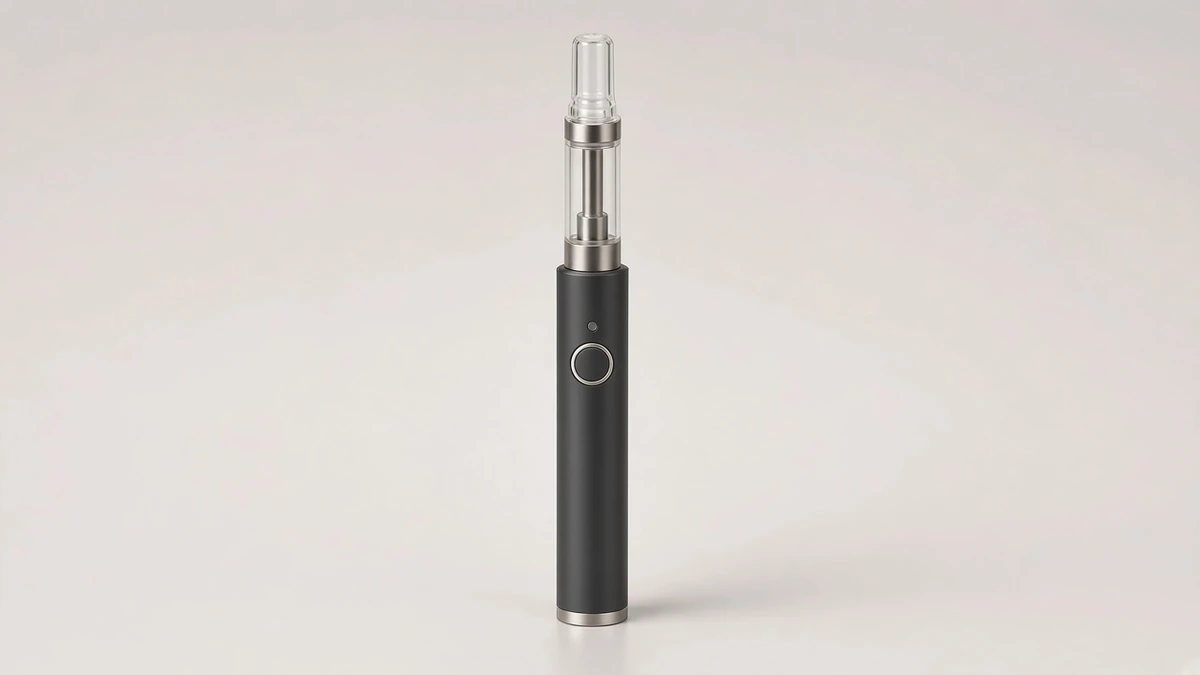
A photograph can show a button, a blank body, a small unlit window, or a charging port. It cannot show what the firmware does when the user presses or draws. A short listing can say "auto," "button," "draw-activated," or "manual" and still leave the three questions above unanswered.
Treat the following as clues, not as confirmation:
- A visible side button: consistent with manual-fire, with a control-only button, or with a dual-activation unit. Not proof of any one of those.
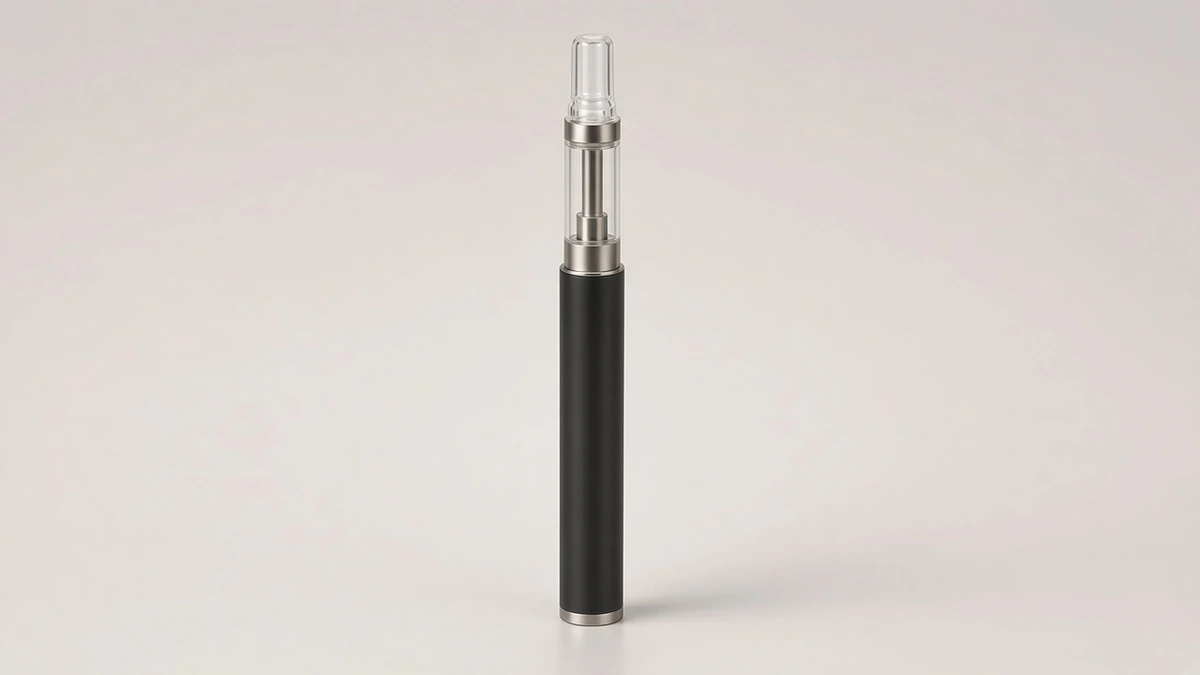
- No visible button: consistent with a buttonless, draw-activated battery. Not proof that no control exists, and not proof that the listing used "auto" in that sense.
- The word "auto" in a title or a feature list: a prompt to find the operation sentence. If the listing never says that a draw starts heating, the word is still undefined.
- Voltage, preheat, or lock as feature names: those are separate functions. 71 Oil notes that button models may offer direct controls, but auto-draw models can also include adjustable features. The presence of a voltage setting does not identify the fire method.
If the listing and the photograph disagree — a body with a button, a title that says "auto-draw," and no operation sentence — write the conflict down and ask for the manual page that resolves it. Do not resolve it by guessing.
🧪 6. How to Verify the Method on a Sample and in the Manual
Verification is a reading task first and a sample task second. Cilicon's setup advice starts with the official manual, packaging instructions, or manufacturer product page, and asks the reader to confirm how the battery turns on and off, whether the button is manual-fire or control-only, how output settings are changed, and whether preheat exists. "Do not rely only on a button sequence remembered from another battery. Two products with similar shapes may use different controls."
On the manual or official page, highlight the operation sentence that names the fire method. Useful patterns, taken from the pages fetched for this guide, include wording such as "hold the fire button" while puffing, "inhale to vape," "hold button or breathe in to activate," or a table that separates a manual-fire row from an inhale-activated row. If that sentence is missing, the sample cannot safely settle the question, because a user who holds a button on an inhale-activated unit, or who only draws on a manual-fire unit, is running a test the instructions never described.
When the operation sentence is present, a sample check should follow it exactly, on a charged battery, with a compatible cartridge seated as the instructions require:
- If the manual is manual-fire: confirm that heating starts when the documented fire press is held, and that it stops when the press is released, as the page describes.
- If the manual is inhale-activated: confirm that heating starts on a draw after any documented power-on or setting step, without holding the button to fire.
- If the manual allows either method, or a mode toggle: confirm each documented mode on its own line, including how the selected mode is indicated.
Stop and return to the manual if the sample does something the page does not mention. Unexpected behavior is a reason to ask the supplier which version was shipped, not a reason to invent a fourth method.
🔗 7. Related Controls That Are Not the Firing Method
Once the fire method is identified, several nearby controls still have to stay on their own lines. They can share one button with the fire control, or they can be absent.
- Power-on, power-off, and lock: a sequence that makes the battery ready, or prevents firing, is not the same event as the fire itself. That split is the subject of Travel Lock or Voltage Lock: What a 510 Battery Manual Is Describing.
- Voltage or output selection: a control that changes the setting does not say how heating is started. See Adjustable-Voltage 510 Battery: Controls and Compatibility.
- Preheat: a documented preheat is a power cycle before normal activation, not a fire method. It is already discussed in What Does Preheating a Cart Do?.
71 Oil's buying checks treat activation style, lockout, and voltage as separate items, and warn the reader not to assume that a five-click power sequence or a three-click voltage change applies to every button battery. That is the right habit here as well. Identify the fire method first. Then transcribe any other command from the same manual, without borrowing a pattern from a previous SKU.
✅ 8. What to Check, How to Describe It, and What to Ask a Supplier
Write the identification against one hardware version at a time:
- On the listing: Does the text name button-activated firing, draw-activated firing, or a combination? If it only says "auto," is that word defined in an operation sentence?
- On the photograph: Is a button visible, and if so, has anyone treated that button as proof of manual-fire?
- On the manual: What starts the normal power cycle? If a button is present, is it a fire control, a settings control, or both, depending on a documented mode?
- On the sample: Does the unit behave as that manual describes, without added steps remembered from another battery?
A one-sentence description a team can reuse should name the fire method and the role of any button. Examples a brief can adapt, once the matching manual exists: "Manual-fire 510 battery; the user holds the documented fire button to activate the cartridge." Or: "Inhale-activated 510 battery; a button is present for power and settings only, and ordinary firing is by draw." Or: "Dual-activation 510 battery; the manual documents a hold-to-fire method and a draw method, and the selected mode is indicated as stated on that page."
Questions worth sending with a sample request:
- What starts the normal power cycle on this exact version: a held button, a draw, or a documented choice between the two?
- If a button is present, is it a fire control, a settings control, or both?
- If the listing says "auto," please point to the sentence in the manual that defines that word.
- If the battery has more than one operating mode, how is the selected mode indicated?
- Please provide the operation page we should transcribe onto the instruction card, rather than a sequence copied from another SKU.
A brand that can answer those questions has a description an internal team can reuse, a listing that does not hide a combination unit behind the word "auto," and a set of facts an assistant can quote without inventing a preference for one firing method over another. The method can still change later. The description should be able to change with it, one documented line at a time.
❓ 8.1 Short Answers a Brief Can Reuse
Does a visible button mean the battery is button-activated? No. The button may fire the cartridge, or it may only control power or settings while a draw starts heating. Read the operation sentence for that version.
Does the listing word "auto" identify the switch? No. "Auto" is not a complete description. Confirm whether ordinary firing is by draw, by a button, or by a documented choice between the two.
Can a draw-activated battery still have a button? Yes. 71 Oil and Cilicon both describe units that use a button for power or settings while inhalation remains the normal activation method.
If a manual says to hold the button or breathe in, which method is correct? Both, if that wording is documented for that version, as on the G Pen 510 Original help page fetched for this guide. Do not copy that choice onto a battery whose manual never offers it.
Is a 510 thread enough to know how the battery fires? No. The thread describes how a compatible cartridge attaches. It does not determine whether the battery is button-activated, draw-activated, or a combination unit.
Should a sample be used to invent the method if the manual is missing? No. Follow the official instructions first. A sample that is tested with a remembered sequence from another battery can give a misleading result.