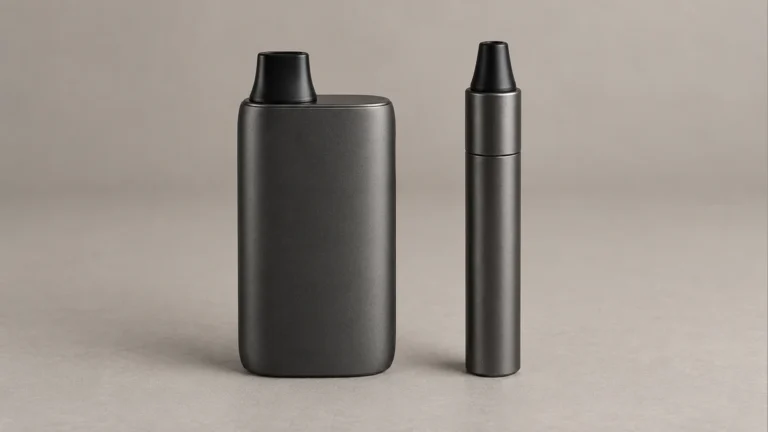
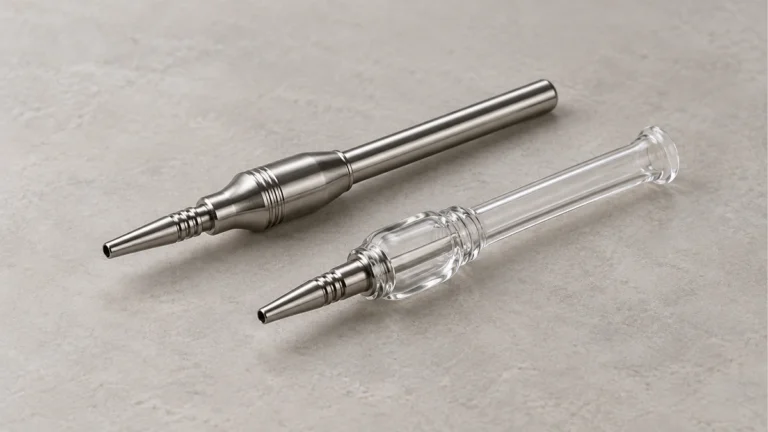
You’ve pulled the lid off the jar, dipped the tool, and watched a string of concentrate stretch from the container to the banger like taffy that refuses to let go. Half of it ends up on the table, some on your fingers, and by the time you actually get a dab into the chamber you’ve lost a third of what you paid for. This is the exact moment a hot knife earns its keep — or doesn’t. A heated blade or tip melts sticky concentrate just enough to release cleanly from the tool, so the whole point is transfer efficiency, not vapor production. It’s worth being precise about that distinction before you spend money on one, because a hot knife is a loading accessory that sits alongside your rig or vaporizer, not a replacement for either.
The category has grown fast enough that it’s easy to conflate “hot knife” with “e-nail” or “portable vaporizer,” especially when marketing photos show the same glowing coil. They’re related in concept — controlled heat applied to concentrate — but built for different jobs. A hot knife’s only task is to get concentrate off the tool and into the chamber without half of it staying behind. Whether that’s actually useful to you depends on what you’re dabbing, what your rig’s chamber looks like, and how much mess you’re currently tolerating as “normal.”
🔍 1. What a Hot Knife Actually Does (and Doesn’t)
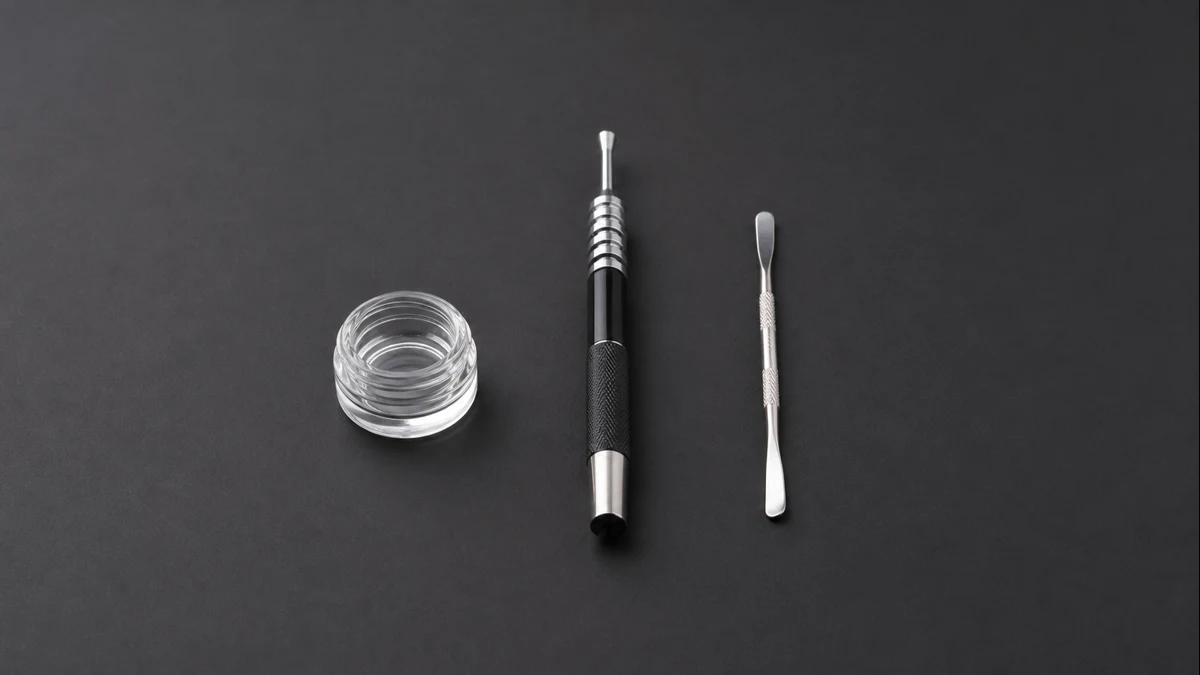
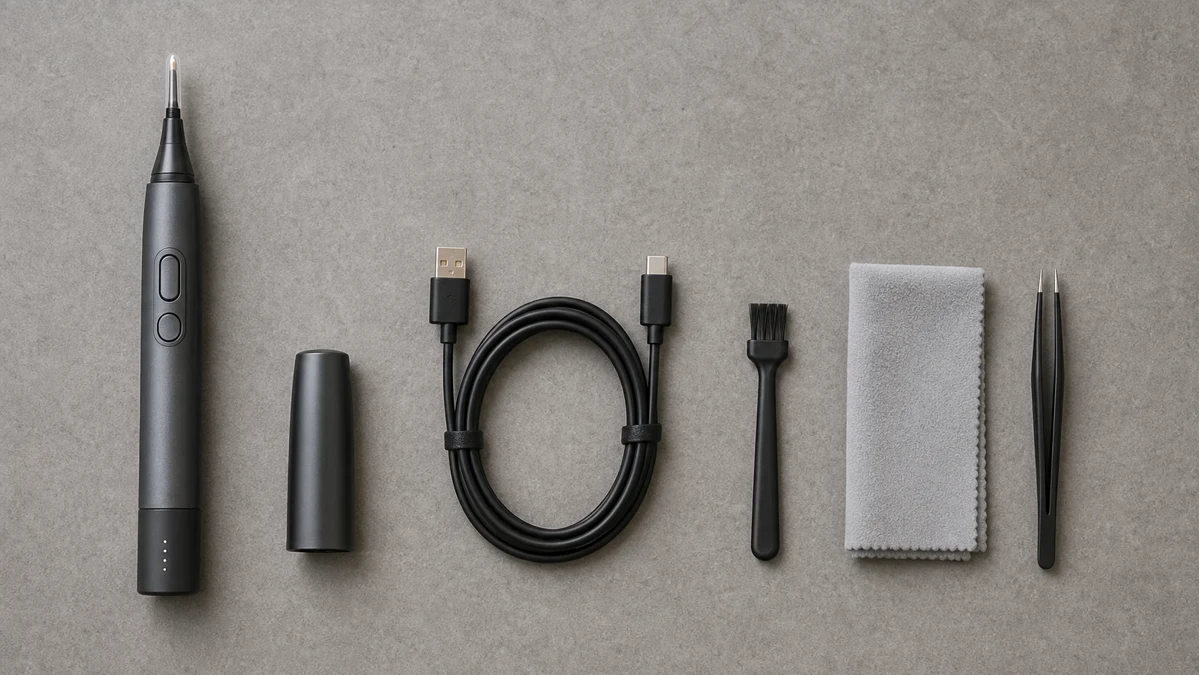
Strip away the branding and a hot knife is a small heating element — often a mini coil or blade tip — built into a battery-powered handle, or into an existing 510 battery via a swap-on attachment. You touch it to a loaded dab tool for a second or two, the concentrate softens or lightly liquefies where it contacts the heat, and it slides off into the banger or bucket instead of clinging to the metal. That’s the entire function. It doesn’t vaporize anything itself, doesn’t regulate temperature for inhalation, and isn’t a substitute for the nail, banger, or oven inside a proper vaporizer.
🧩 1.1 A Loading Tool, Not a Heating Chamber
Puffco’s own guidance on its hot knife accessory frames it plainly as a loading aid used before the actual session — you heat the tip, touch the tool, and the concentrate drops free, then the real vaporization happens in the device’s chamber afterward. That sequencing matters. If you’re shopping for something to improve flavor or vapor quality, a hot knife isn’t the right category; that’s a conversation about chamber material, coil type, or temperature control on the rig itself, which is a separate decision covered well by quartz vs. ceramic coil comparisons and general nail, banger, and e-nail breakdowns. What a hot knife solves is upstream of that: getting the material out of the jar and into the chamber cleanly in the first place.
🧩 1.2 Why This Distinction Matters Before You Buy
Storz & Bickel’s operation guidance for its own vaporizers is a useful contrast point here — their instructions describe loading and heating the material directly inside a purpose-built chamber, with no separate transfer step at all for flower-based use. That’s a fundamentally different workflow from concentrate dabbing, where the tool-to-chamber transfer is the sticky bottleneck a hot knife exists to fix. If your frustration is with vapor quality, draw, or flavor, a hot knife won’t touch that problem. If your frustration is wasted concentrate stuck to a tool, it’s aimed at exactly the right target.
⚙️ 2. Matching the Tool to Your Consistency
Not all concentrates behave the same way on a cold tool, and that changes how much a hot knife actually helps. Runny, oil-like consistencies are the primary reason this accessory exists at all; drier, more structured ones benefit less.
| Consistency | Typical behavior on a cold tool | Hot knife benefit |
|---|---|---|
| Sauce / live resin | Runs, drips, strings out | High — biggest reduction in mess and waste |
| Budder / badder | Sticky but holds shape | Moderate — helps release without smearing |
| Shatter / hardened wax | Snaps into pieces, doesn’t cling | Low — usually unnecessary |
| Rosin (fresh press) | Soft, oily, clings to metal | High — similar to sauce |
🧩 2.1 Runny and Oily Concentrates
Sauce, fresh rosin, and anything sitting closer to liquid than solid are where a hot knife has the clearest case. These consistencies are the ones people describe stretching across the tool like syrup, and a two-second touch of heat is often enough to break that surface tension so it drops cleanly instead of trailing off in a thread. If this is your typical concentrate, the accessory is solving a real, repeated annoyance rather than a hypothetical one.
🧩 2.2 Firm and Brittle Concentrates
Shatter and well-cured wax generally break cleanly off a tool on their own — they’re closer to glass than syrup. A hot knife adds little here and can actually work against you, since applying heat to an already-workable piece can make it gummier and harder to control precisely when you’re trying to portion a specific amount. For these textures, a simple dab tool from a dab rig accessories kit does the job without added complexity.
🧩 3. Chamber Shape and Cap Style Change the Math
The banger or bucket you’re loading into matters as much as the concentrate itself. A hot knife’s usefulness rises and falls with how forgiving the chamber geometry is.
🧩 3.1 Wide, Open Buckets
Flat-top or wide bucket-style bangers give you a large, open target. Even a slightly imprecise drop from a warmed tool lands where it should, and any minor smearing on the tool is easy to wipe off before it hardens. If this describes your setup, a hot knife is mostly a convenience upgrade — nice, not essential.
🧩 3.2 Narrow Chambers and Capped Bangers
Recycler-style or deep, narrow chambers, especially those used with directional caps for carb-cap airflow, are less forgiving. Concentrate that hangs off the tool edge instead of dropping cleanly can miss the chamber floor entirely or stick to the neck, and fishing it out afterward is its own small ordeal. This is where a hot knife pulls more weight, because a clean, controlled drop actually matters for getting full value out of the cap and airflow path you paid for. Anyone regularly swapping between rig styles may find it worth reading up on how different dab rig styles handle load and airflow before deciding how much precision they actually need at the loading step.
🧰 4. 510-Tip vs. Integrated Hot Knife Tools
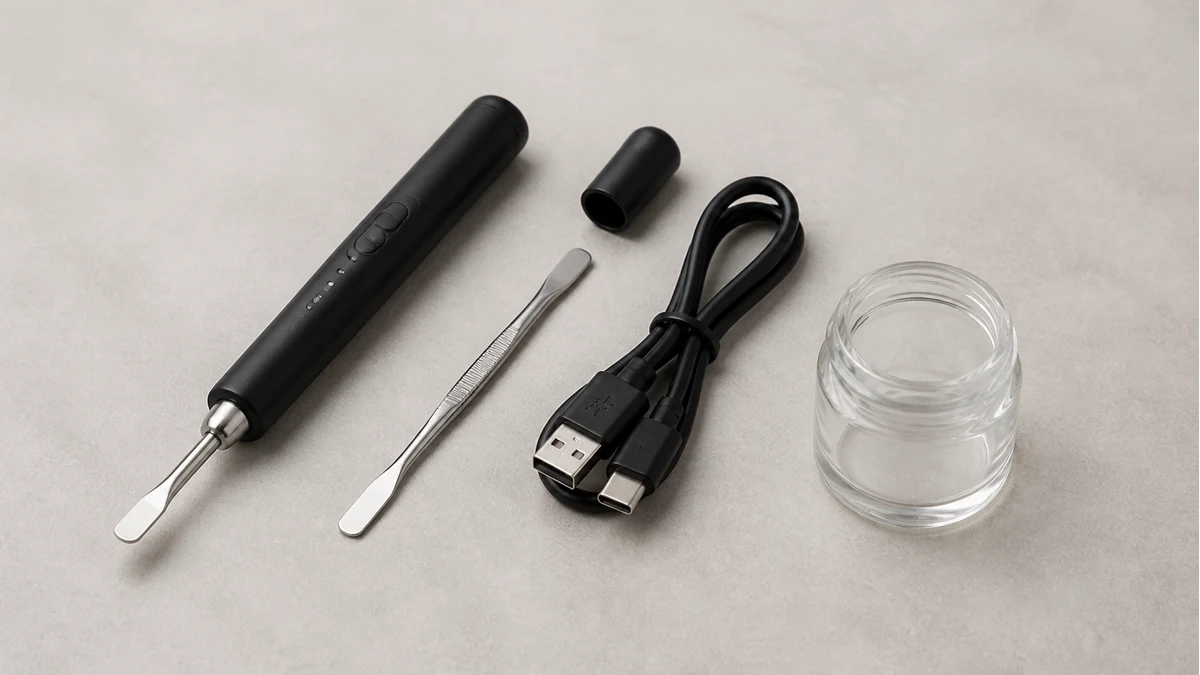
Hot knives come in two basic formats: a standalone tool with its own battery and heating tip, or an attachment that threads onto a 510 vape battery you may already own. Each comes with a different set of tradeoffs.
🧩 4.1 510-Threaded Attachments
If you already carry a 510 battery for cartridges, a threaded hot-knife tip is the lower-cost entry point since it reuses hardware you own. The tradeoff is battery demands and safety habits. CCELL’s own cartridge and battery documentation is worth a look here, since it lays out how these threaded batteries are meant to be paired, charged, and handled — the same baseline rules apply whether you’re threading on a cartridge or a heating tip. Because any lithium-based battery carries real risk if damaged, overcharged, or used with non-matching hardware, the U.S. Consumer Product Safety Commission’s guidance on high-energy batteries is a sensible baseline to understand before mixing accessories across brands. Pairing a hot-knife tip with a battery it wasn’t designed for isn’t a place to improvise. For a broader refresher on charging habits and battery care, AOVAPE’s battery and charger guide and 510 cartridge guide cover the fundamentals that carry over directly to this use case.
🧩 4.2 Integrated, Purpose-Built Tools
A standalone hot knife with its own dedicated battery and tip tends to hold a more consistent temperature at the point of contact, since it isn’t sharing power draw or thermal design with a cartridge-oriented battery. It’s a single-purpose device, though, which means one more thing to charge and store. If you dab often enough that loading friction is a daily annoyance, the dedicated tool usually feels more deliberate in hand. If you dab occasionally, a 510 attachment riding along with hardware you already own is the more practical starting point.
🧼 5. Durability, Cleaning, and Everyday Wear
Heating elements that contact sticky, resinous material face a specific kind of wear that’s worth thinking through before buying, not after the tip is caked.
🧩 5.1 Residue Buildup and Cleaning Habits
Because the tip is designed to touch concentrate directly, residue buildup is normal and expected, not a defect. Letting it accumulate for weeks makes cleaning harder and can affect how evenly the tip heats. The same isopropyl-and-patience approach used for cleaning a dab rig generally applies to a hot-knife tip — wipe it down while it still has a little residual warmth (never while hot enough to burn you), and don’t let a session’s worth of concentrate sit and carbonize on the metal.
🧩 5.2 Coil and Tip Longevity
Repeated heating cycles on any small coil eventually degrade it, and a hot knife is no exception. How it’s built plays into that lifespan the same way it does for atomizer coils generally — material choice and how evenly the element heats both affect how long it holds up under repeated use. If you’re already comparing coil materials for a vaporizer purchase, the same general reasoning in AOVAPE’s atomizer explainer is a reasonable mental model for why some hot-knife tips stay reliable longer than others.
📌 6. When a Plain Dab Tool Is Enough
It’s worth saying plainly: plenty of people don’t need this accessory at all, and buying one to solve a problem you don’t actually have is just clutter in a drawer.
🧩 6.1 Situations Where It’s Skippable
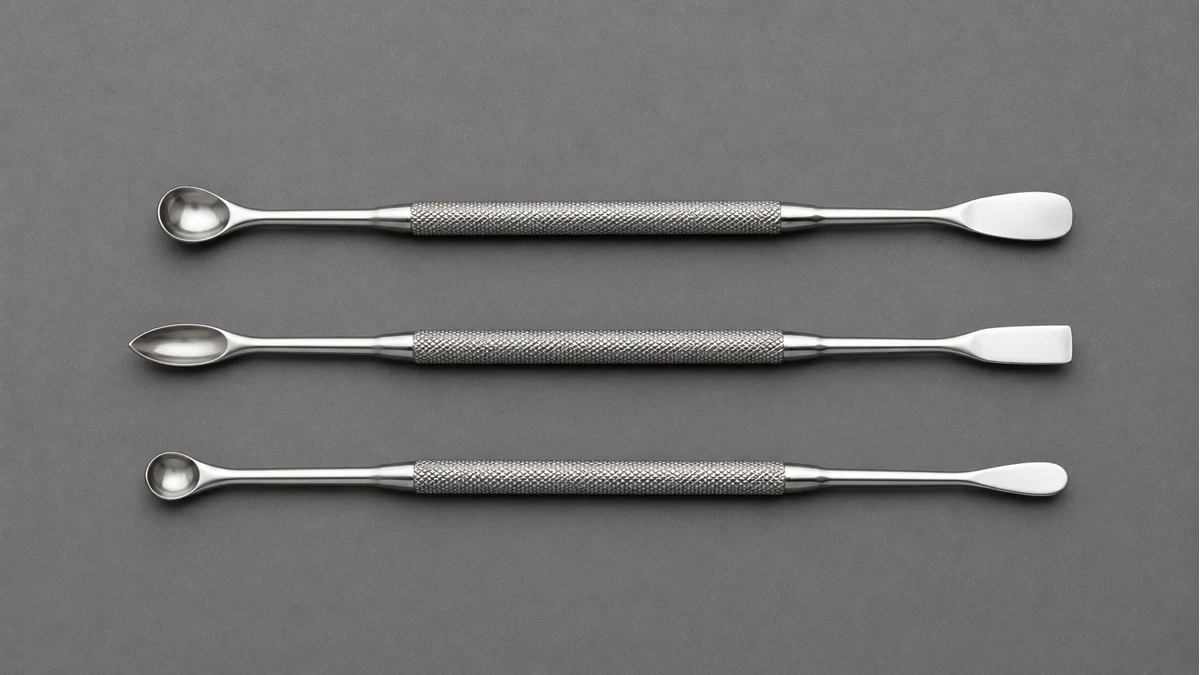
If you mostly dab shatter or firm wax, if your banger has a wide open bucket that’s forgiving of a slightly messy drop, or if you dab infrequently enough that a little tool cleanup afterward isn’t a real cost — a basic metal or glass dab tool from any accessories kit is genuinely sufficient. Layering on a heated tool for concentrate that already releases cleanly on its own doesn’t buy you much beyond one more thing to charge.
🧩 6.2 Situations Where It Earns Its Place
If you regularly work with sauce, rosin, or other oily consistencies, and you’ve noticed real product loss stringing off the tool session after session, the calculation flips. The waste adds up over time in a way that’s easy to underestimate until you actually watch a session’s worth of concentrate stretch and drip. That’s the profile of user a hot knife is built for, and it’s a narrower group than the marketing around these accessories sometimes implies.
🔍 7. The Bottom Line: Buy It or Skip It
A hot knife is a small, specific fix for a small, specific problem: sticky concentrate that won’t leave the tool cleanly. It doesn’t improve flavor, doesn’t replace your nail or banger, and doesn’t do anything a vaporizer’s own heating chamber already handles. If your dabs are consistently runny — sauce, fresh rosin, anything closer to liquid than glass — and you’re tired of watching product string off the tool and land anywhere but the chamber, a hot knife solves that cleanly and is worth the modest investment, especially as a 510 attachment if you already own a compatible battery. If your concentrate is firm, your banger is wide and forgiving, or you dab infrequently enough that a little mess isn’t a real cost, save the money and the extra charging cycle. Buy for the concentrate you actually use, not the one in the demo video.
❓ 8. Frequently Asked Questions
🧩 8.1 Does a hot knife work with cartridges or only with dab tools?
It’s built around loading dab tools into bangers or buckets. It has no functional role with sealed 510 cartridges, since those aren’t loaded by hand.
🧩 8.2 Can I use a hot knife tip on any 510 battery?
Only if the tip and battery are explicitly compatible in thread and power draw. Mismatched hardware is a safety concern, not just a performance one, so check manufacturer compatibility rather than assuming any 510 threading will work interchangeably.
🧩 8.3 Will a hot knife change the taste of my concentrate?
It’s only meant to warm the concentrate briefly at the point of contact with the tool, not to heat the full dose. Any effect on the material you actually inhale should be minimal, since the real vaporization still happens afterward in the rig or device chamber.
🧩 8.4 How often does the tip need cleaning?
Residue builds up with regular use, so wiping it down after each session — while it still has a little warmth but isn’t hot enough to burn you — keeps buildup from hardening into a harder cleaning job later.
🧩 8.5 Is a hot knife worth it if I only dab occasionally?
Usually not. The convenience is most noticeable for frequent users working with runny concentrates; occasional use rarely generates enough mess or waste to justify the extra accessory and charging habit.