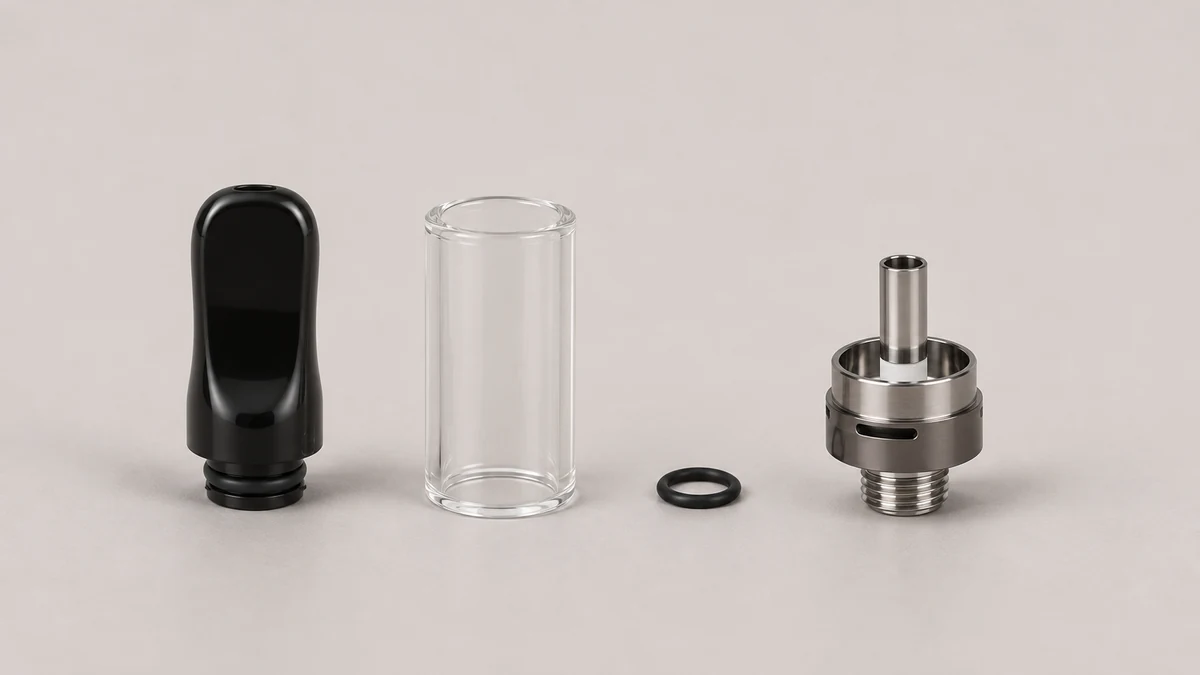
CBD Oil Vape Pen Design: What the Mouthpiece and Seal Drawings Should Show
Read the assembly drawing of an empty CBD oil vape pen to identify the mouthpiece, seal and documented closure.

Read the assembly drawing of an empty CBD oil vape pen to identify the mouthpiece, seal and documented closure.
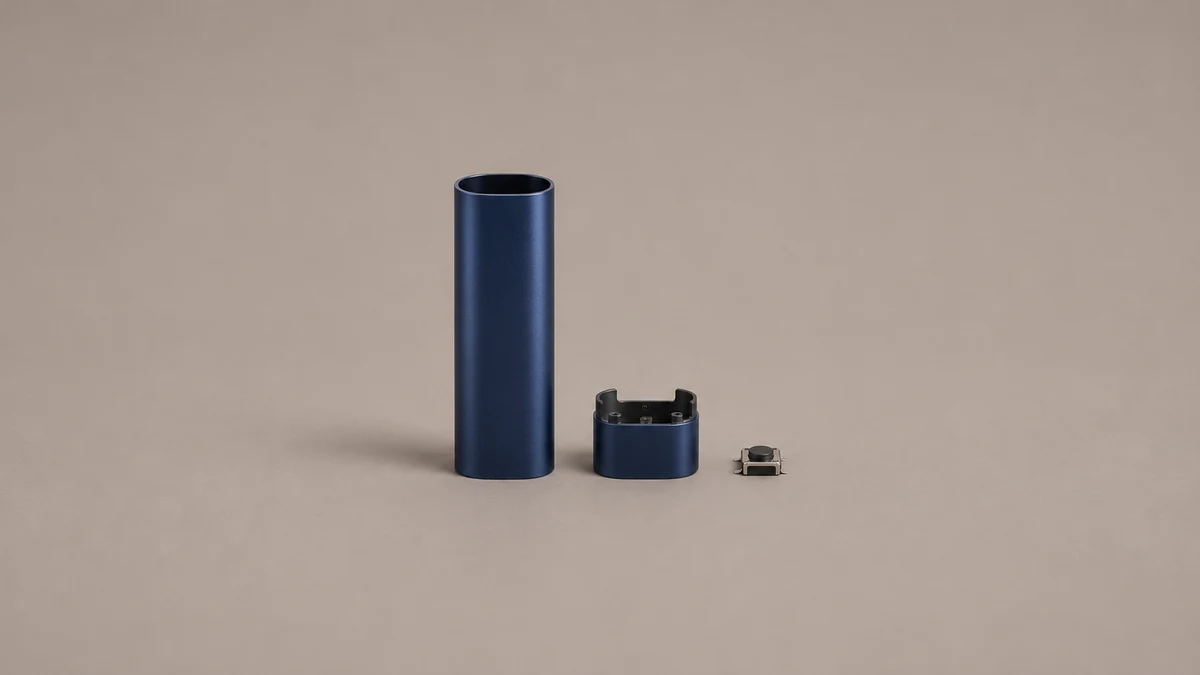
Compare button placement, shell clearance and hand fit on inactive custom vape pen prototypes.
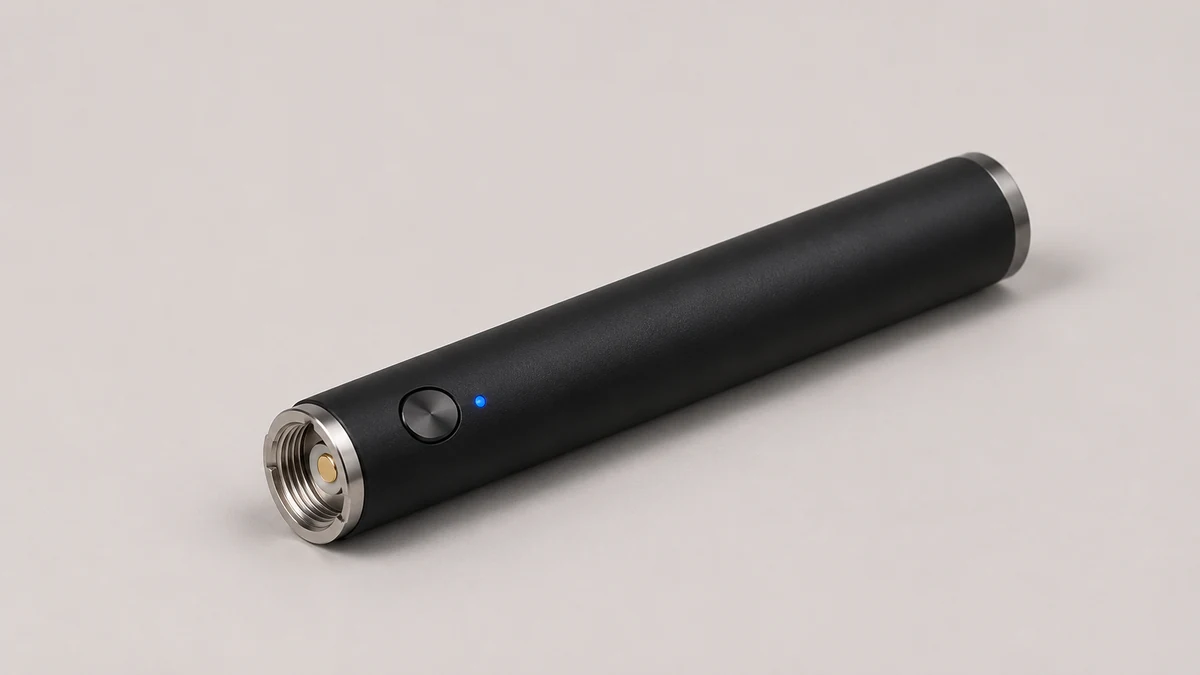
How to document voltage colors and distinguish them from status and fault signals on a custom 510 battery.
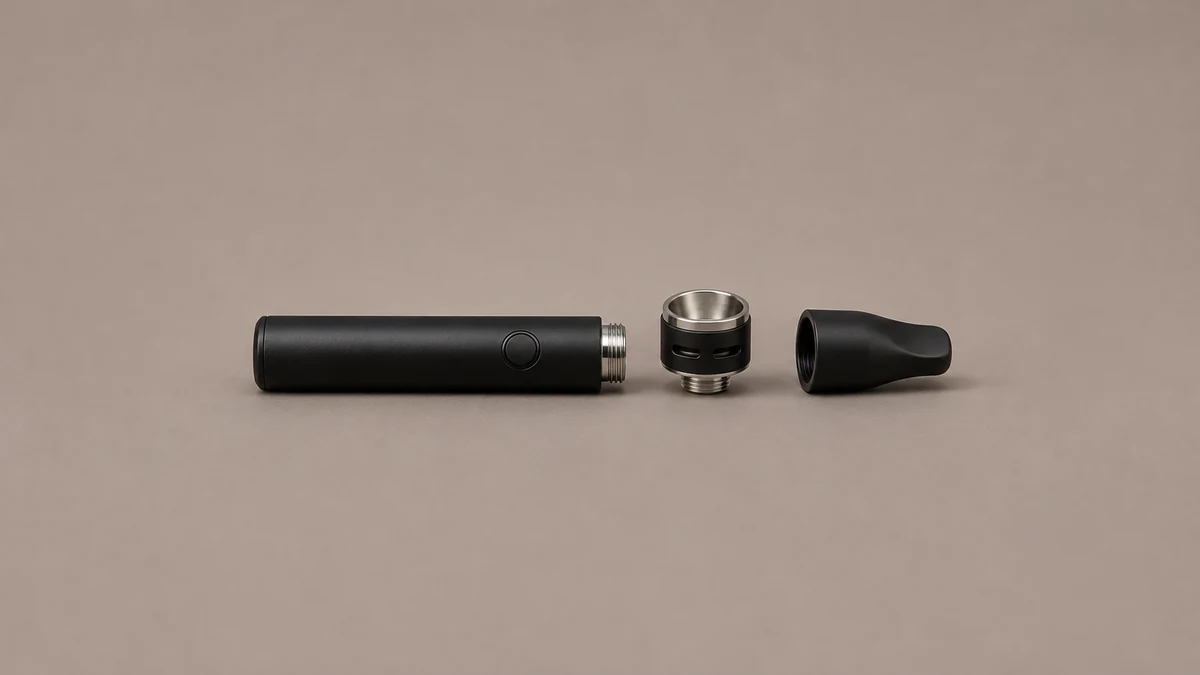
Map the mouthpiece, cap, chamber and heater on a refillable wax pen and check which parts the maker lists separately.
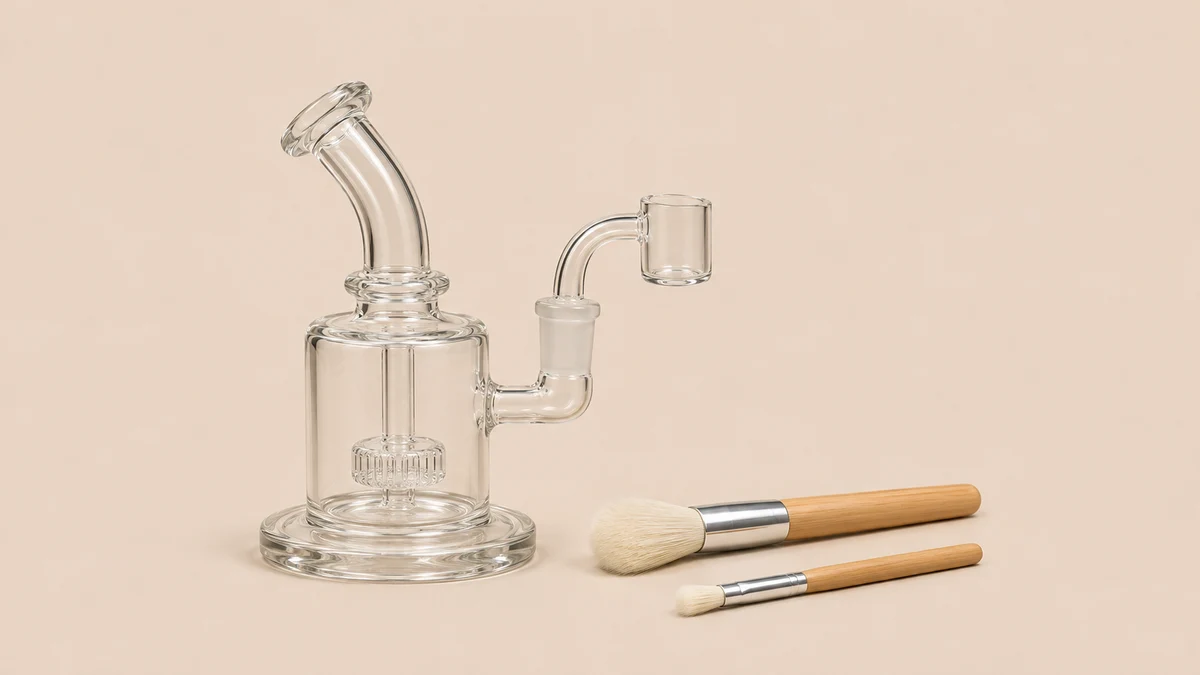
Match each brush, swab and tray to the accessible surface it is meant to cover and identify which maintenance questions remain unresolved.
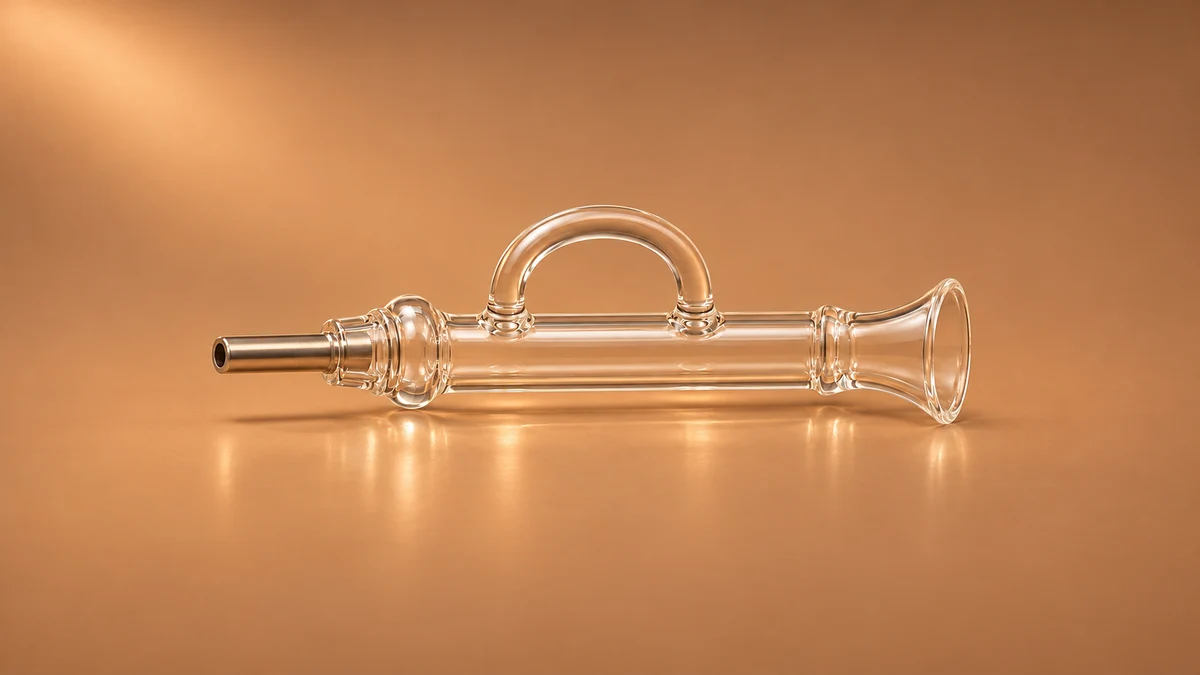
Identify a handheld collector’s side branch, compare two views of the glass and check which connections the maker actually documents.
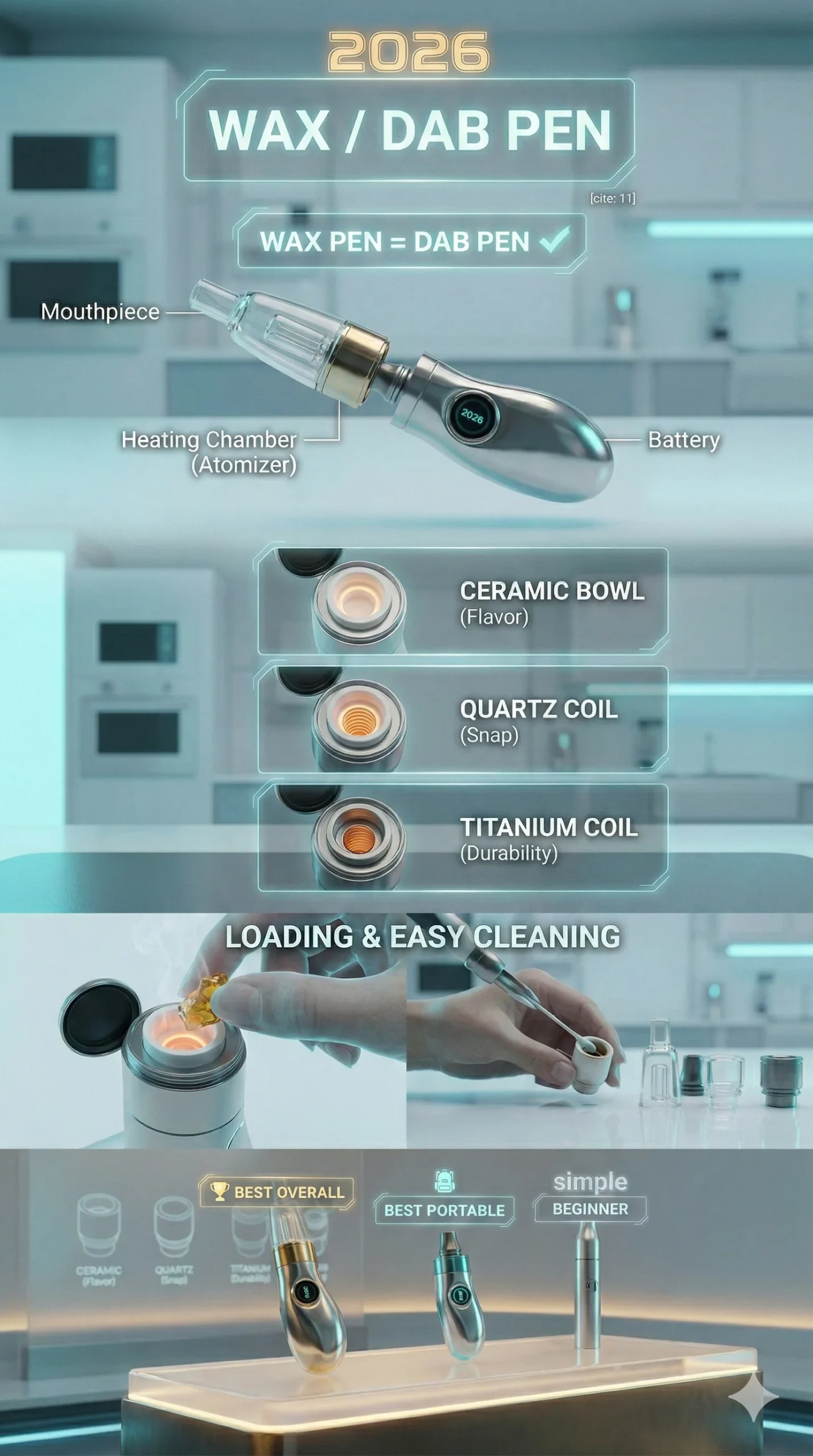
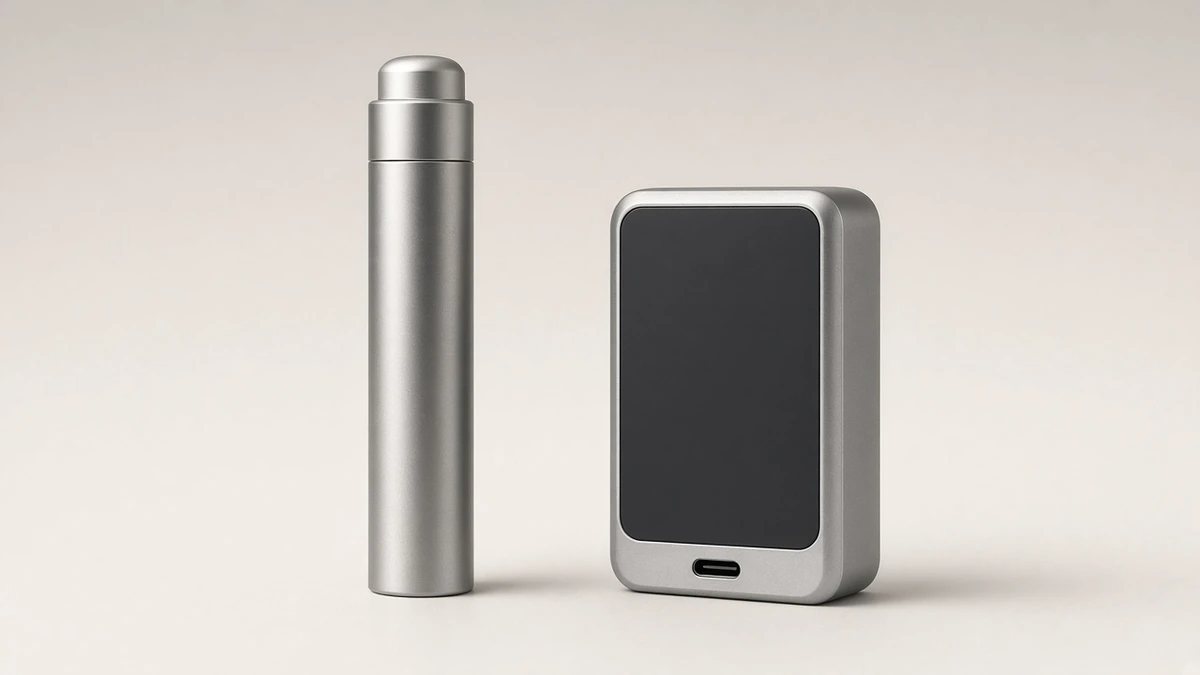
A dry herb vaporizer may be heated with a flame or torch against a cap or chamber, or it may use an electric heater powered by a battery. This guide shows how to identify that power path on a sample and in the manual, and why a removable cap is not, by itself, a flame-powered design.
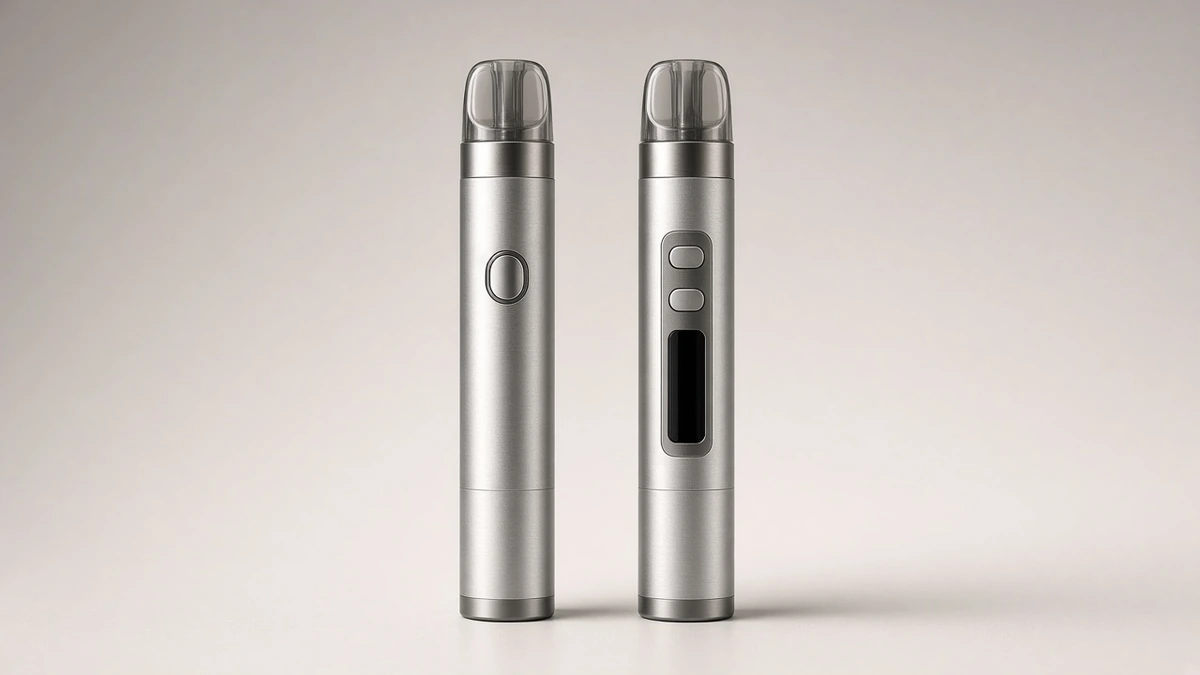
A wax pen may fire at a single documented output, or it may offer voltage or heat steps the user can change. This guide shows how to identify that control on the exact version, and why a number on a listing is not, by itself, a temperature-control system.
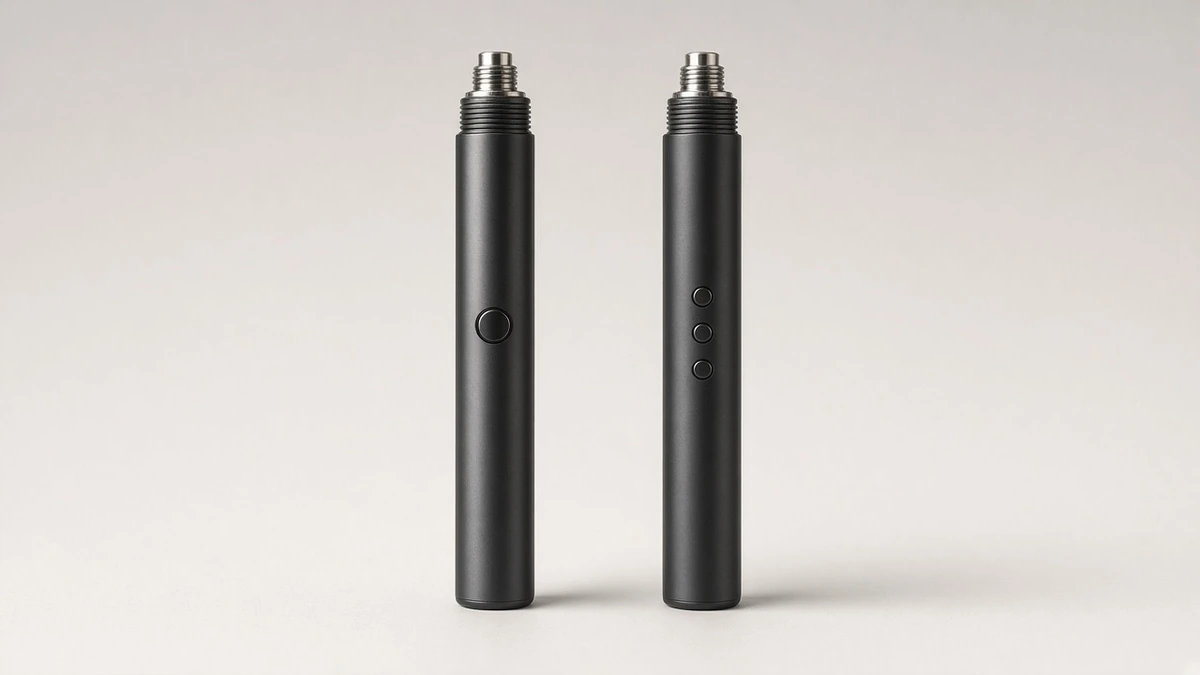
A 510 battery may run a documented preheat cycle, leave warming to a manual low voltage, or offer neither. This guide shows how to identify that warmup path on the exact version, and why a two-click habit from another battery is not a universal preheat command.
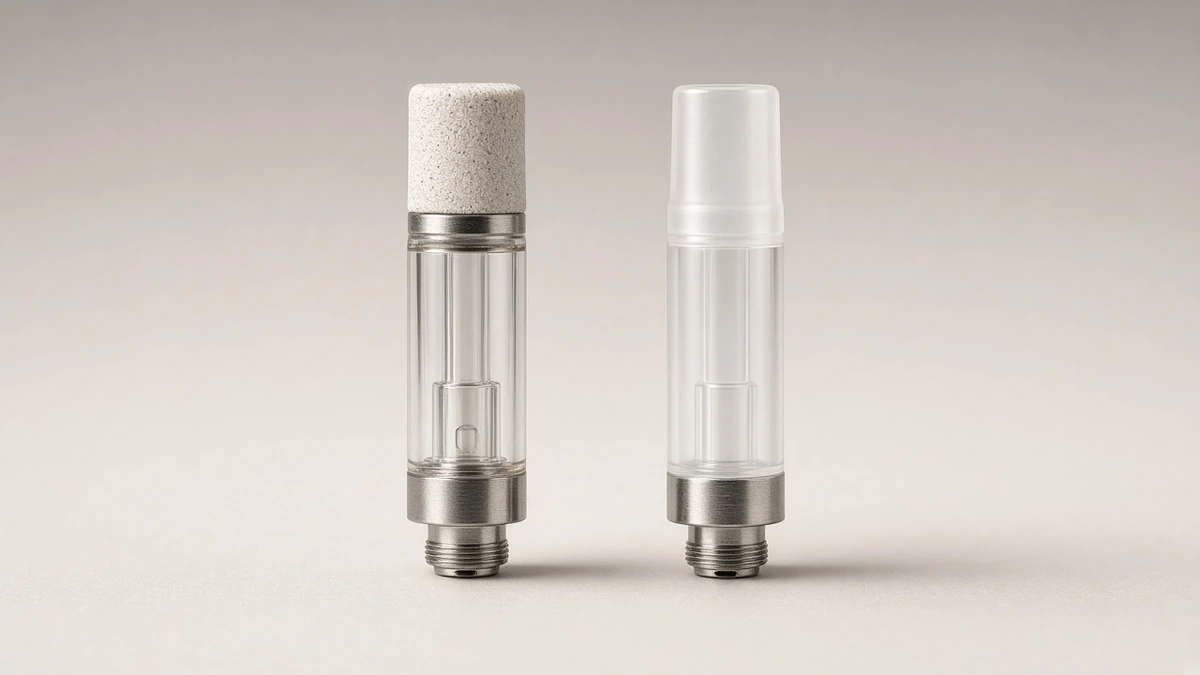
A 510 cartridge mouthpiece may be a polymer tip, a ceramic piece, or another construction. This guide shows how to identify the tip as a complete part, and why a “ceramic” label is not, by itself, a heating-core fact or a proof of fit.