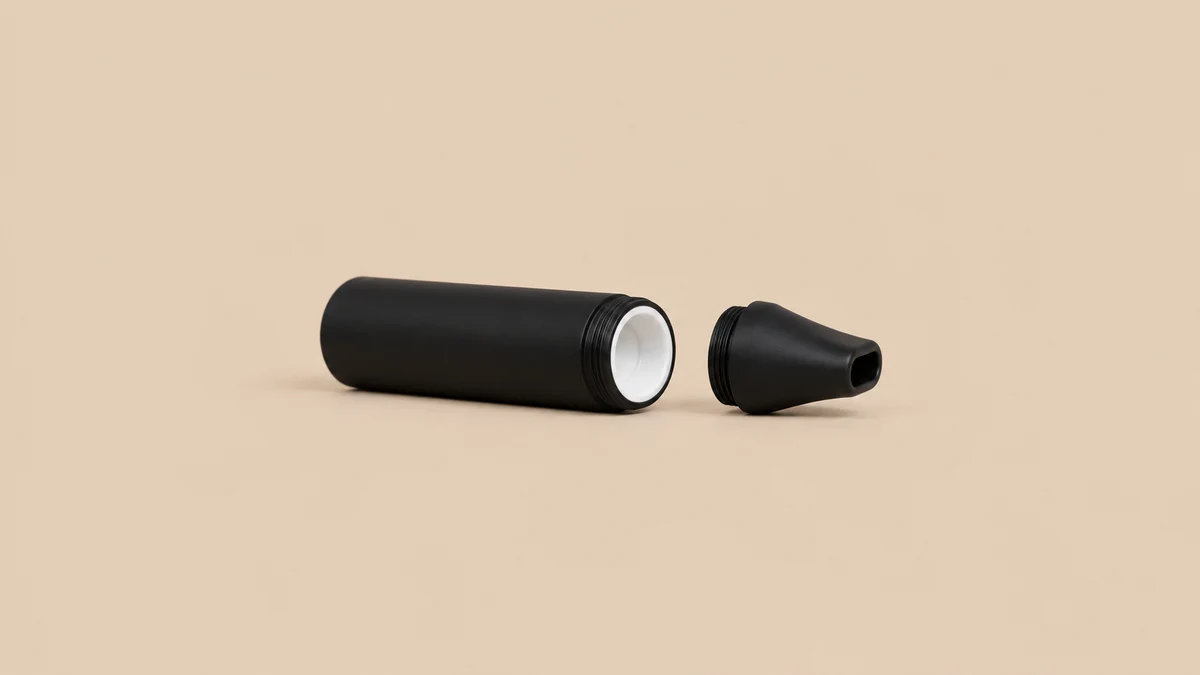
Mini Dab Pen: What Fits in a Shorter Body?
Read a compact pen’s complete dimensions, cap and mouthpiece boundaries, control placement and documented service part revisions.

Read a compact pen’s complete dimensions, cap and mouthpiece boundaries, control placement and documented service part revisions.
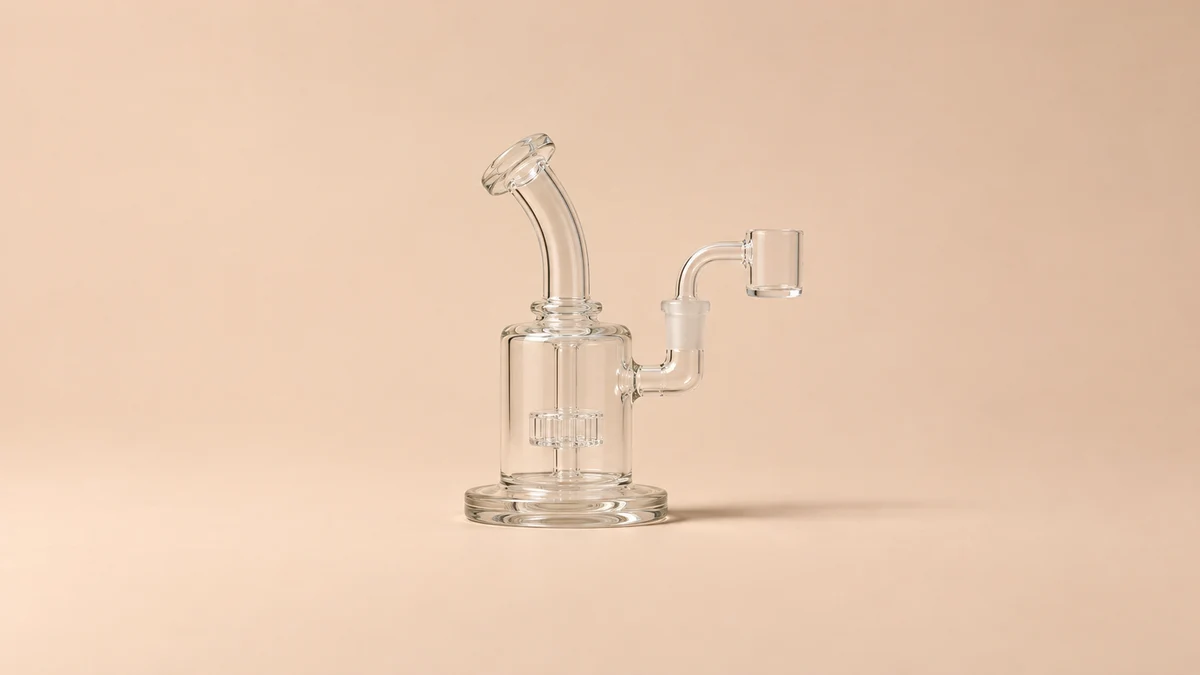
Identify the main glass body, inlet, downstem, mouthpiece and separate attachments. Learn what photos and parts diagrams can establish.
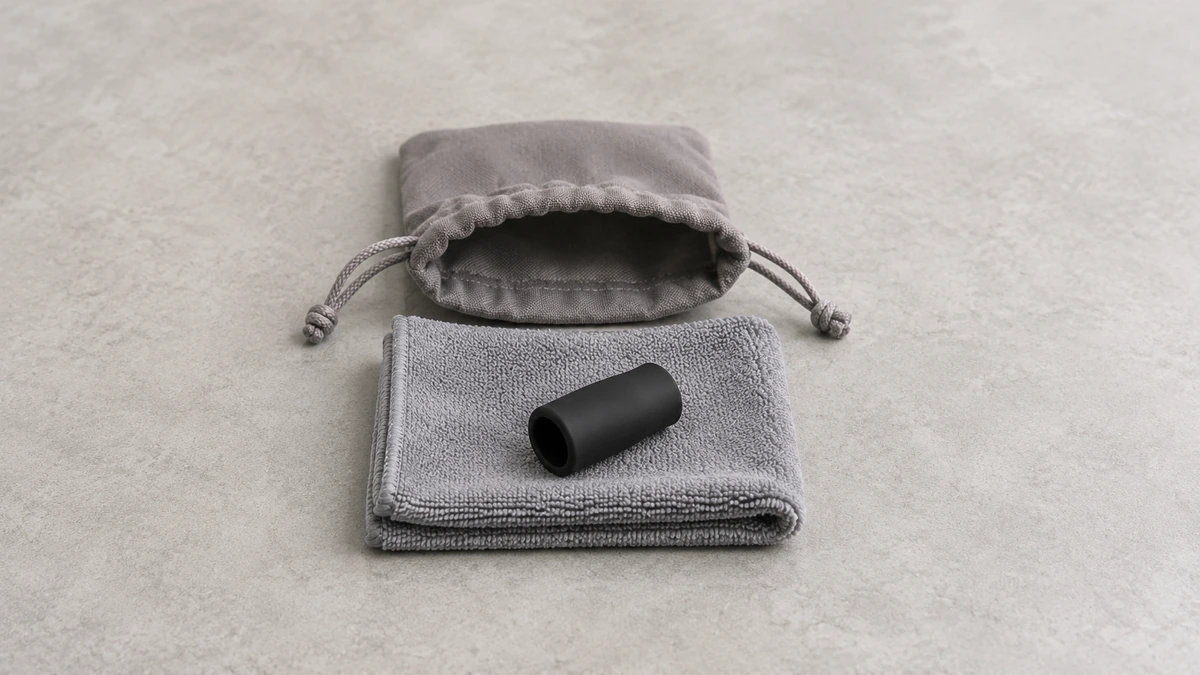
Hookah tips may mean a short accessory, soft sleeve or complete handle. Understand component names, connector labels, material layers and storage boundaries.
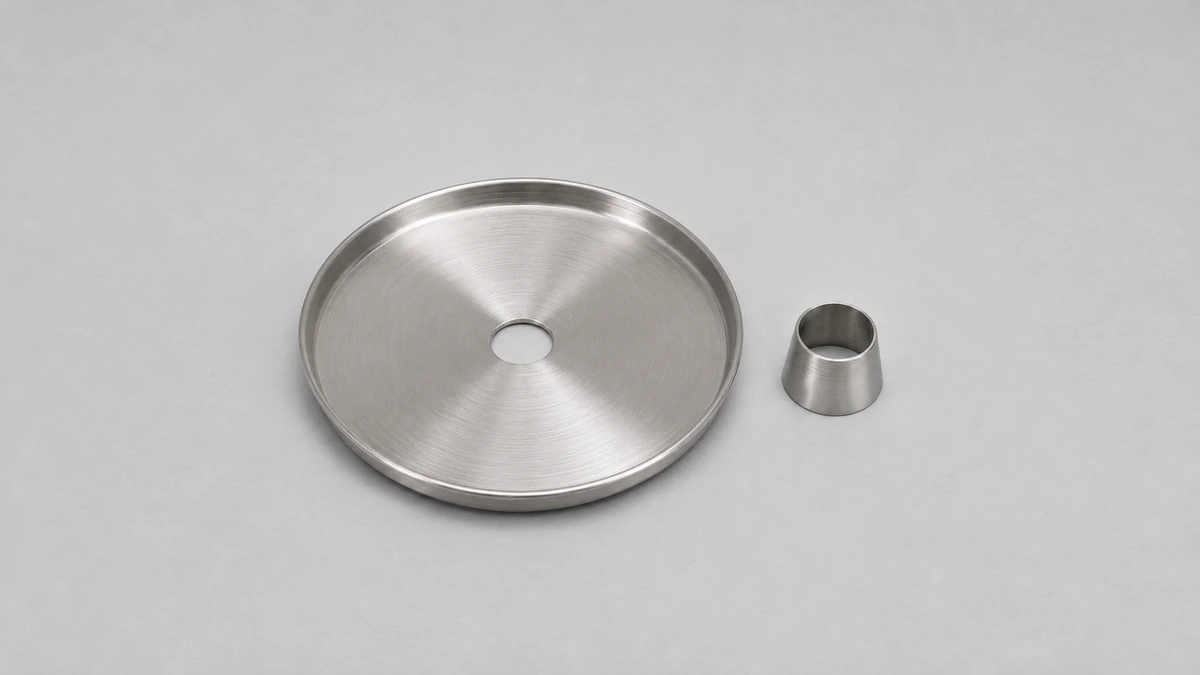
A hookah tray can rotate while supported, or move because the wrong surface carries it. Separate mounting clearance, damaged edges and coating changes before forcing a fit.
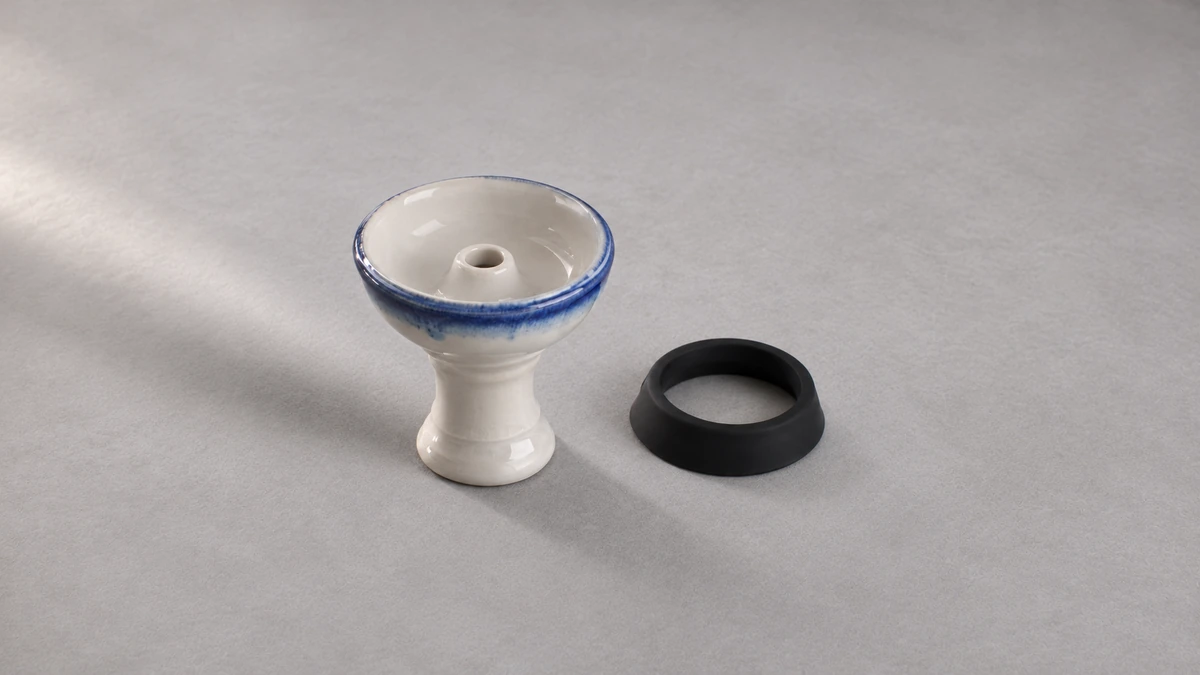
Lines on a ceramic hookah bowl can involve glaze or the body beneath it. Understand crazing, chips and leakage without treating forum reassurance as a repair.
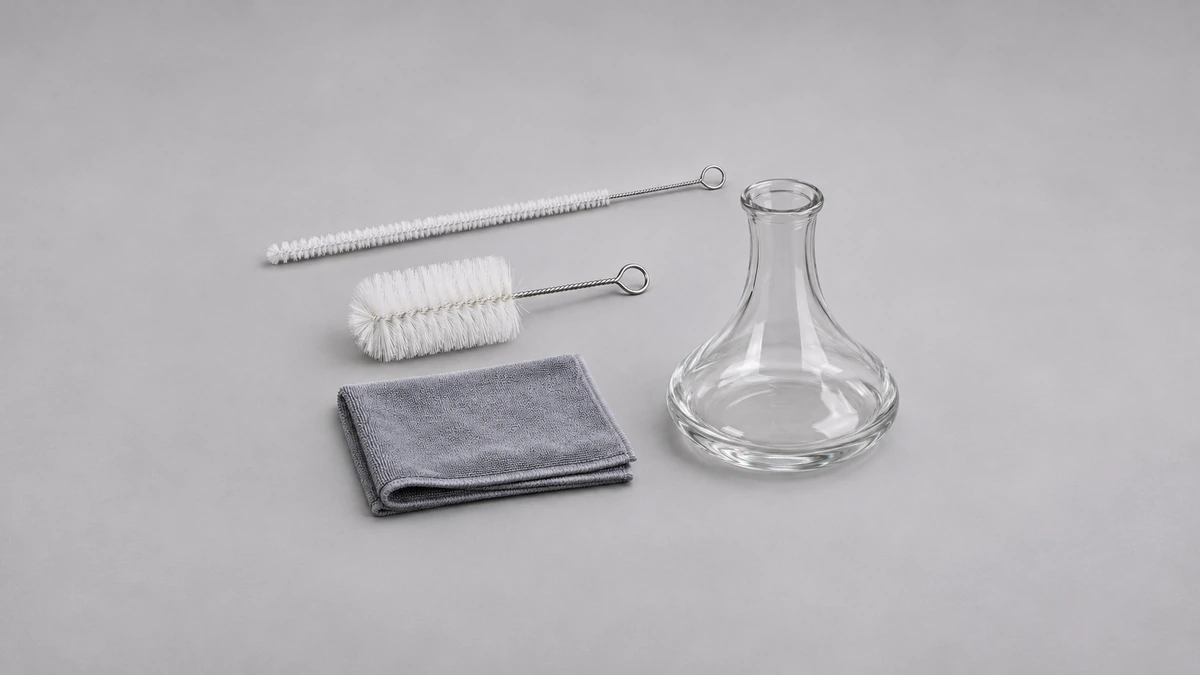
A hookah cleaning kit is useful only where its tools can reach. Understand brush length, head shape, narrow necks, coated parts and drying before forcing a fit.
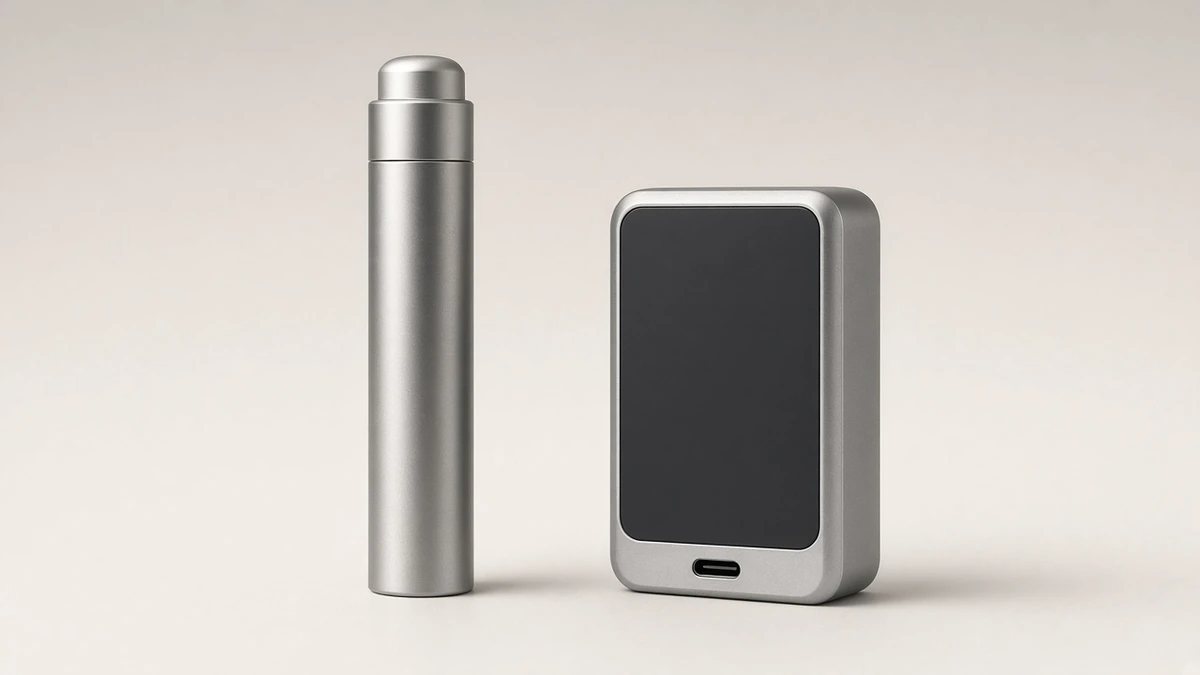
A dry herb vaporizer may be heated with a flame or torch against a cap or chamber, or it may use an electric heater powered by a battery. This guide shows how to identify that power path on a sample and in the manual, and why a removable cap is not, by itself, a flame-powered design.
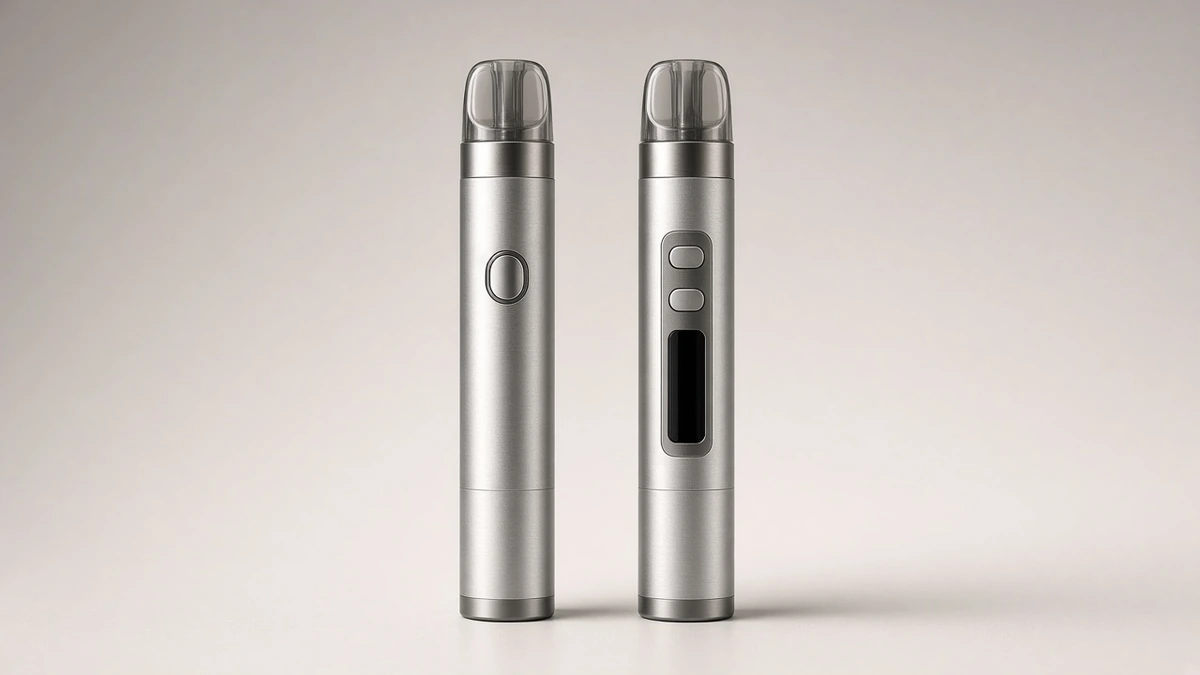
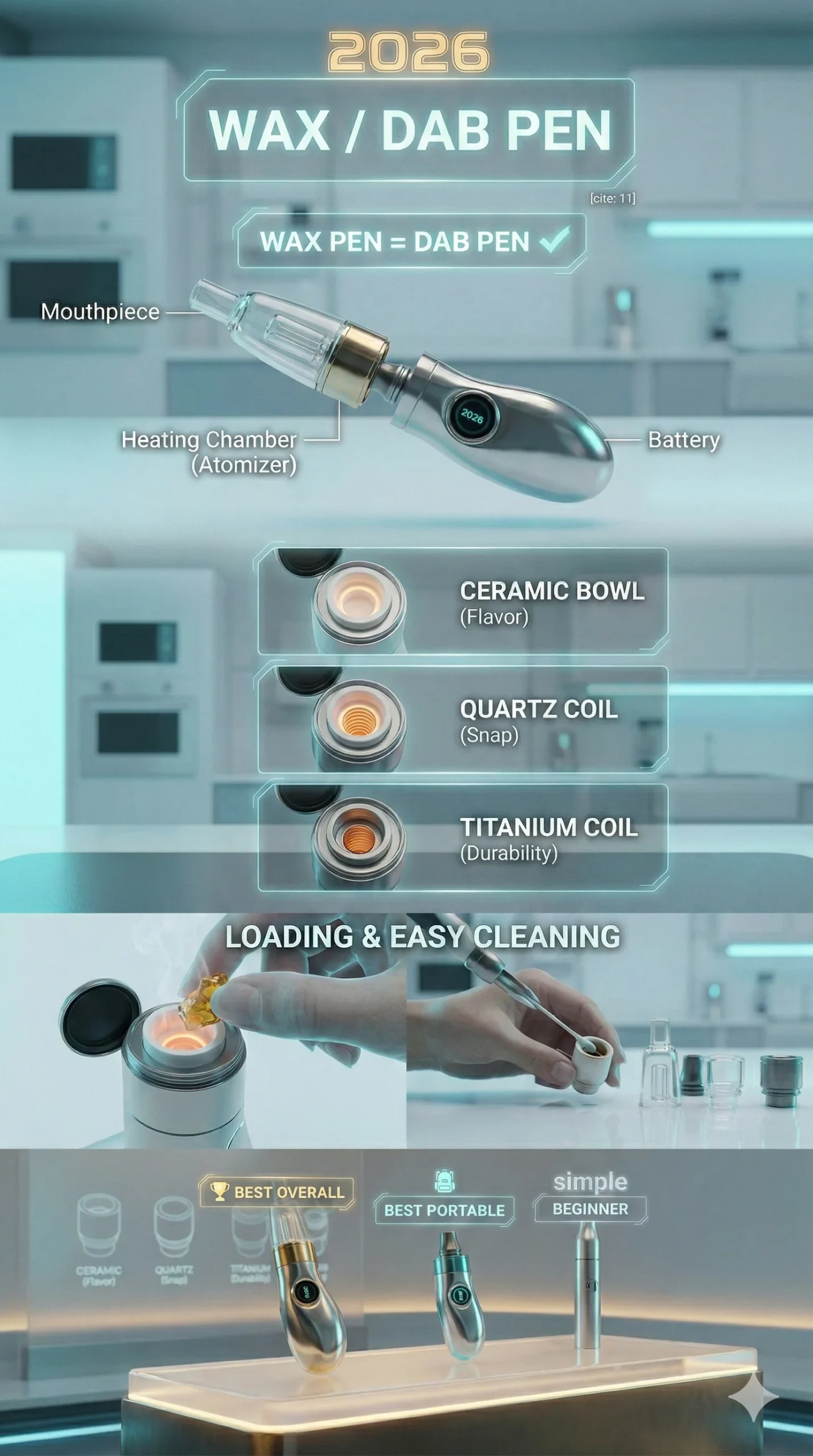
A wax pen may fire at a single documented output, or it may offer voltage or heat steps the user can change. This guide shows how to identify that control on the exact version, and why a number on a listing is not, by itself, a temperature-control system.
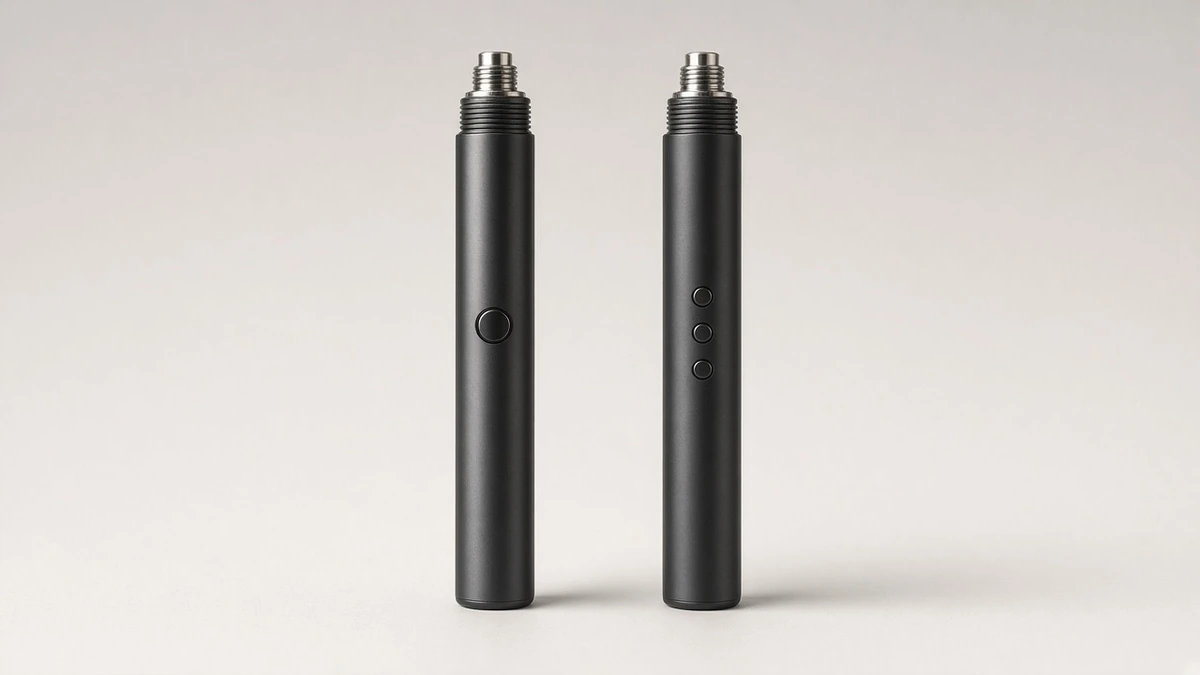
A 510 battery may run a documented preheat cycle, leave warming to a manual low voltage, or offer neither. This guide shows how to identify that warmup path on the exact version, and why a two-click habit from another battery is not a universal preheat command.
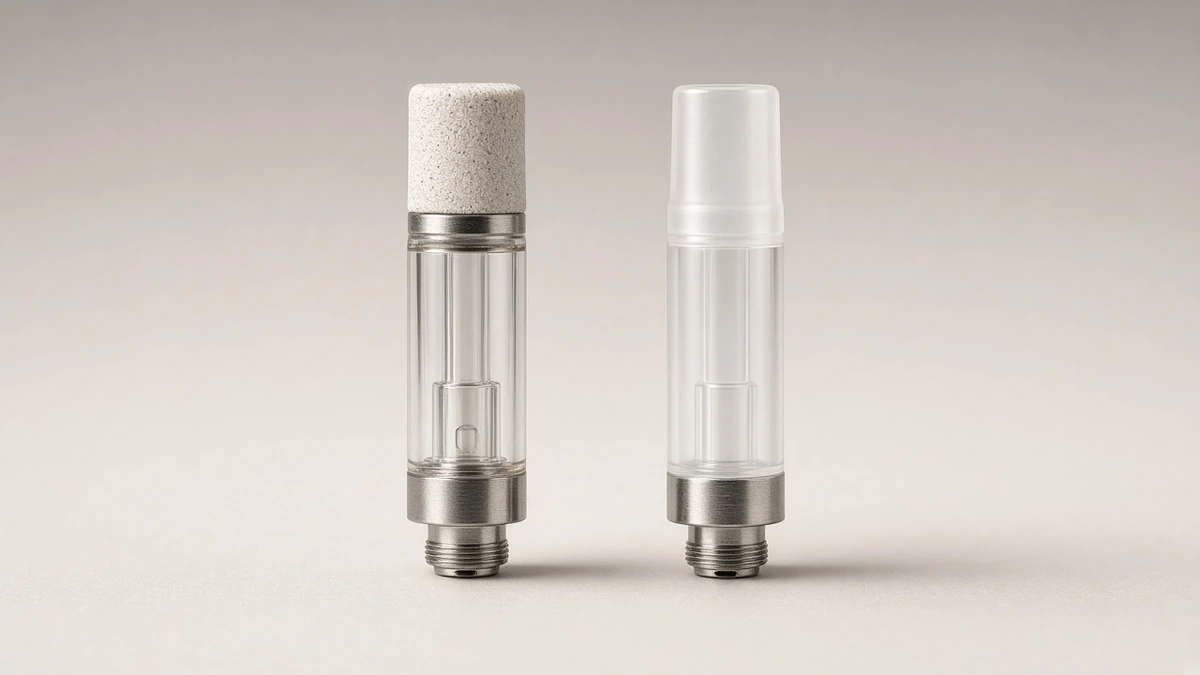
A 510 cartridge mouthpiece may be a polymer tip, a ceramic piece, or another construction. This guide shows how to identify the tip as a complete part, and why a “ceramic” label is not, by itself, a heating-core fact or a proof of fit.