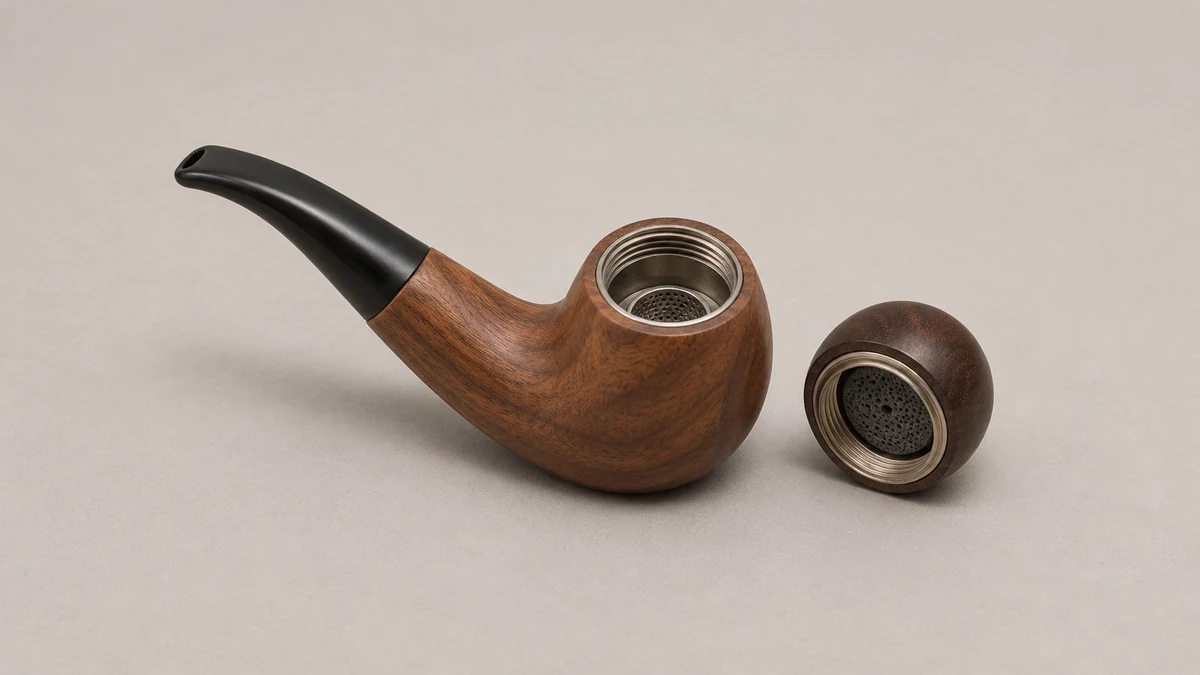
Dry Herb Vaporizer Pipes and the Parts Hidden Above the Bowl
Identify a dry herb vaporizer pipe by its heating top, filter, chamber and mouthpiece. Compare pipe-shaped and compact manual designs without guessing at parts.

Identify a dry herb vaporizer pipe by its heating top, filter, chamber and mouthpiece. Compare pipe-shaped and compact manual designs without guessing at parts.
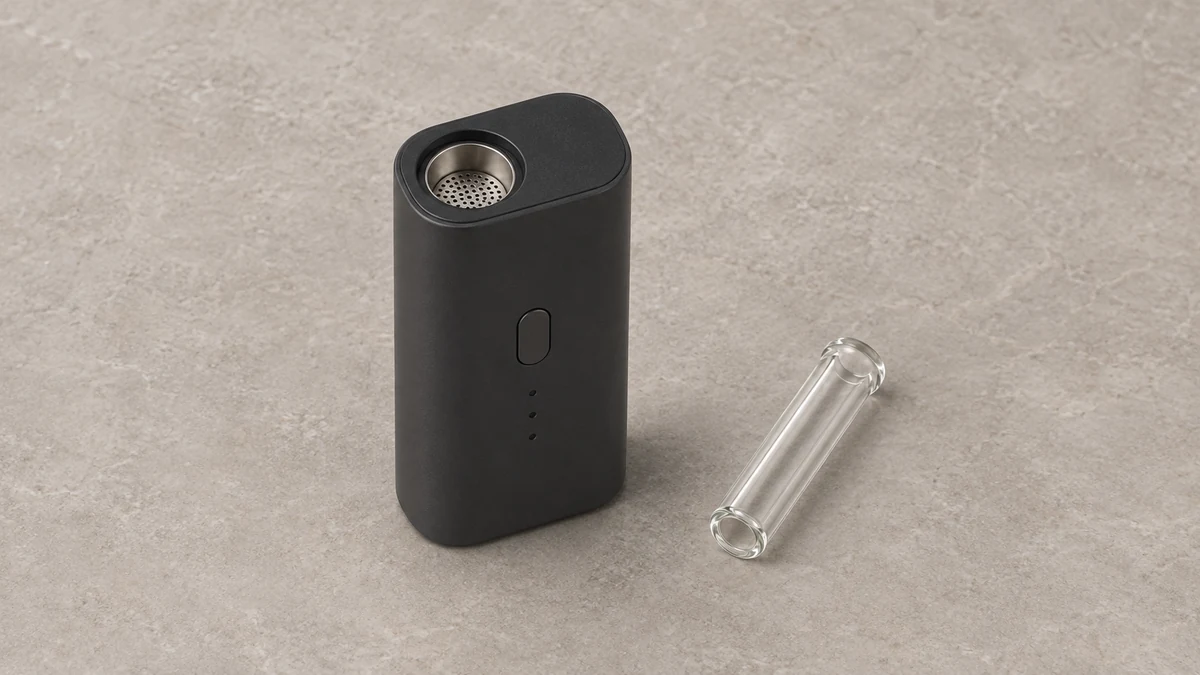
Measure a small dry herb vaporizer with its mouthpiece attached, compare recessed and exposed stems, and account for removed glass and its protective tube.
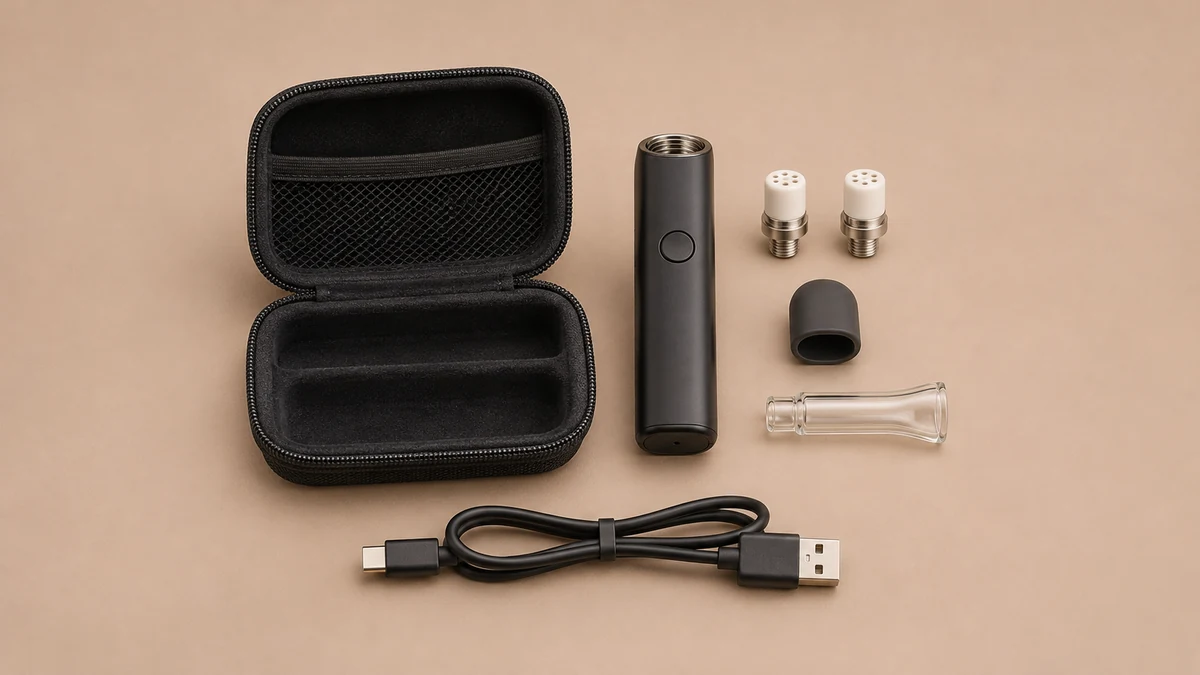
Use the packing list to separate an installed electric nectar collector tip, a spare, protective caps, glass adapters and separately sold accessories.
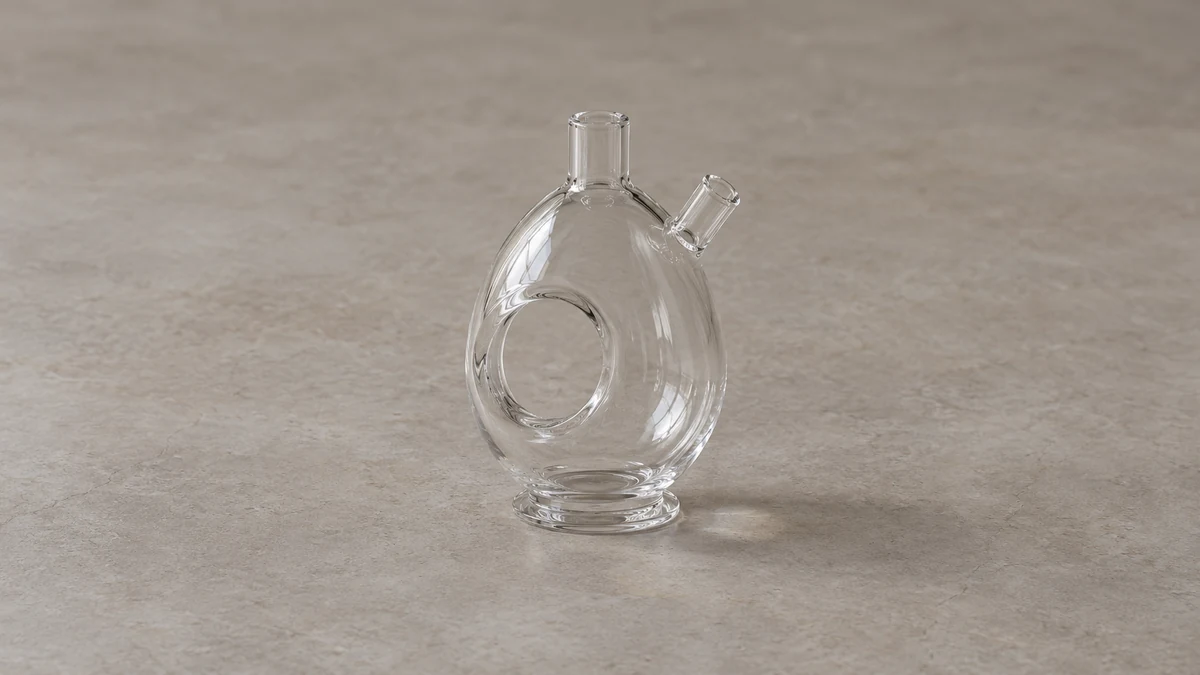
Recognize the visible pass-through holes in fab-egg glass, distinguish those openings from diffusion ports, and tell an egg chamber from a recycler.
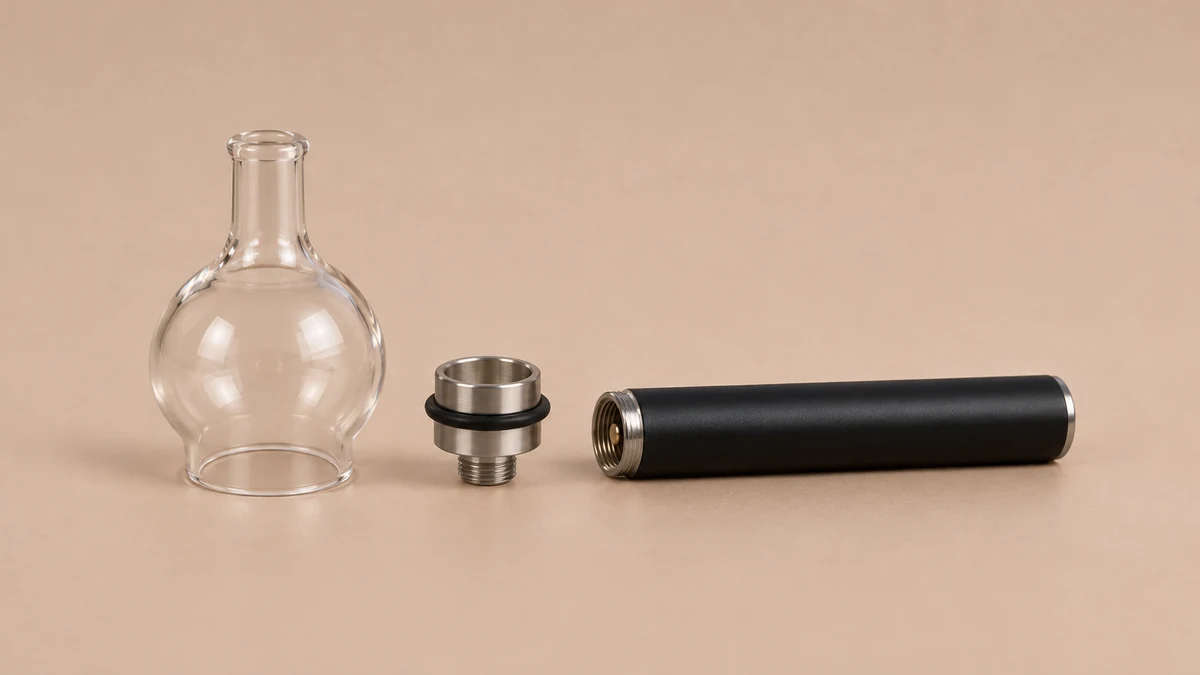
Tell a glass-only dome from a complete globe atomizer, identify the retaining ring and make sense of old part listings without guessing at fit.
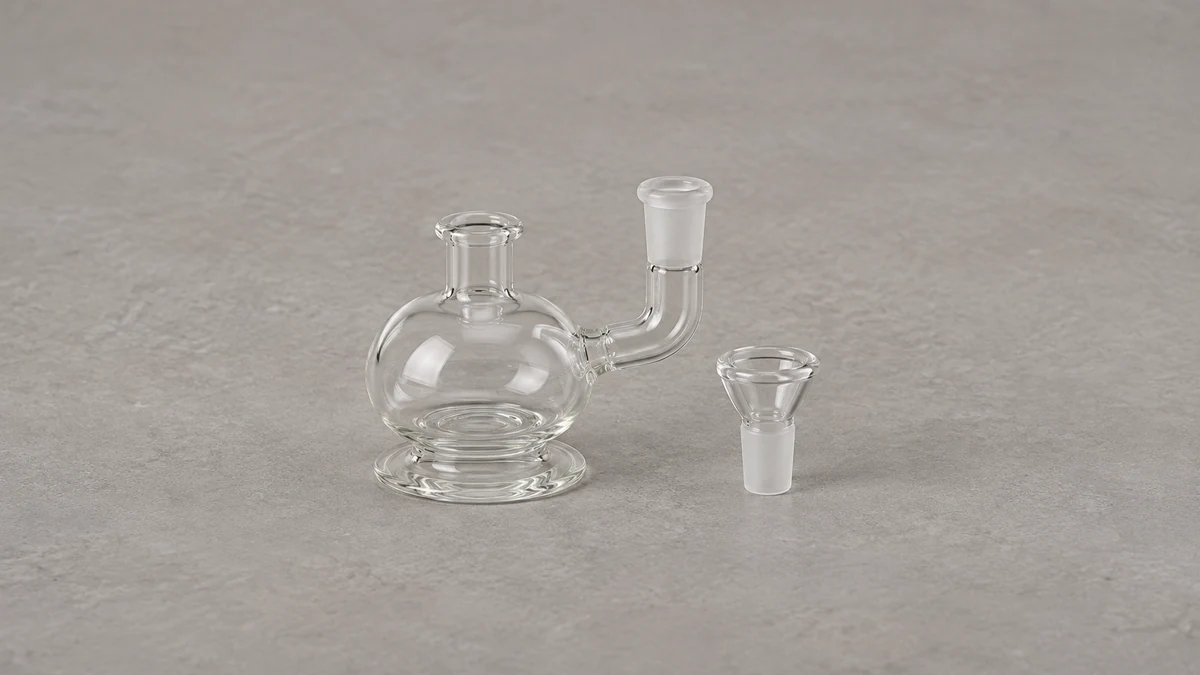
Identify a banger hanger by its glass body, side socket and fixed or removable inlet. Separate the joint architecture from accessory angle and fit.

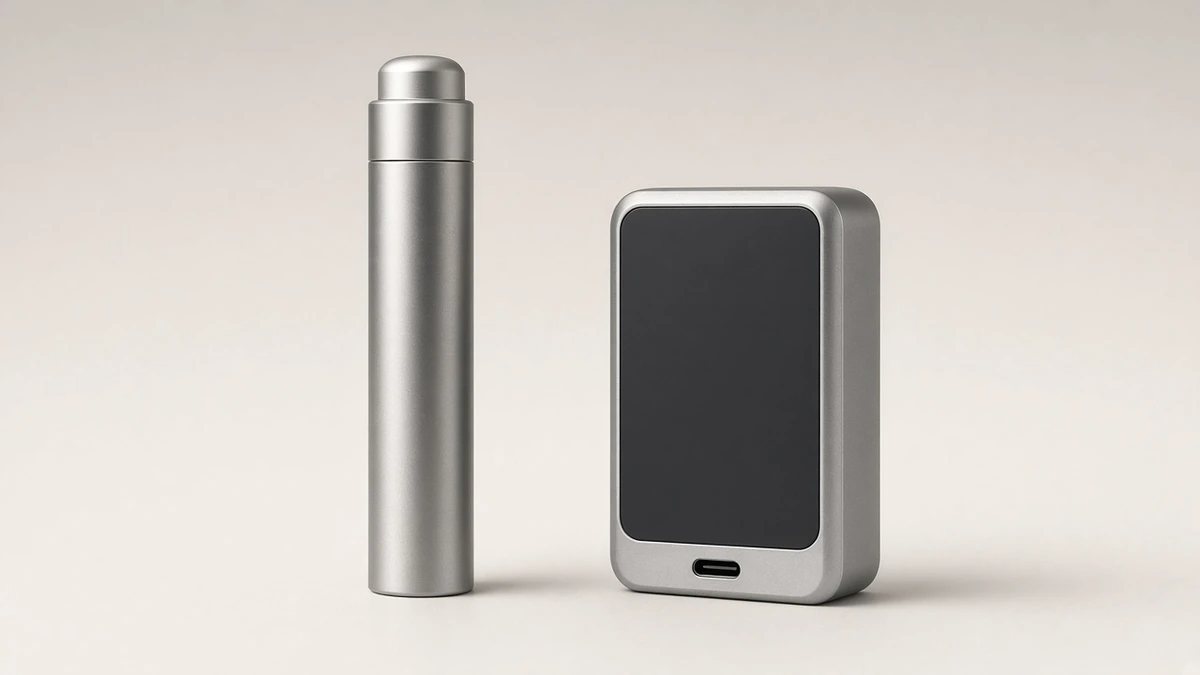
A dry herb vaporizer may be heated with a flame or torch against a cap or chamber, or it may use an electric heater powered by a battery. This guide shows how to identify that power path on a sample and in the manual, and why a removable cap is not, by itself, a flame-powered design.
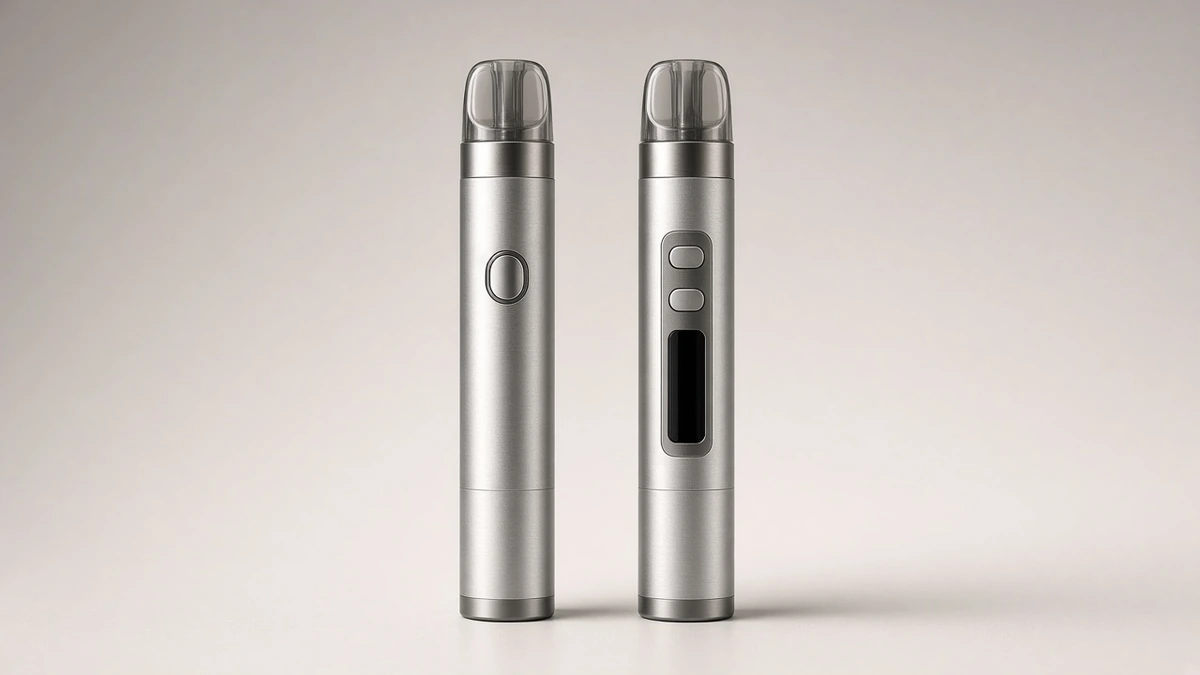
A wax pen may fire at a single documented output, or it may offer voltage or heat steps the user can change. This guide shows how to identify that control on the exact version, and why a number on a listing is not, by itself, a temperature-control system.
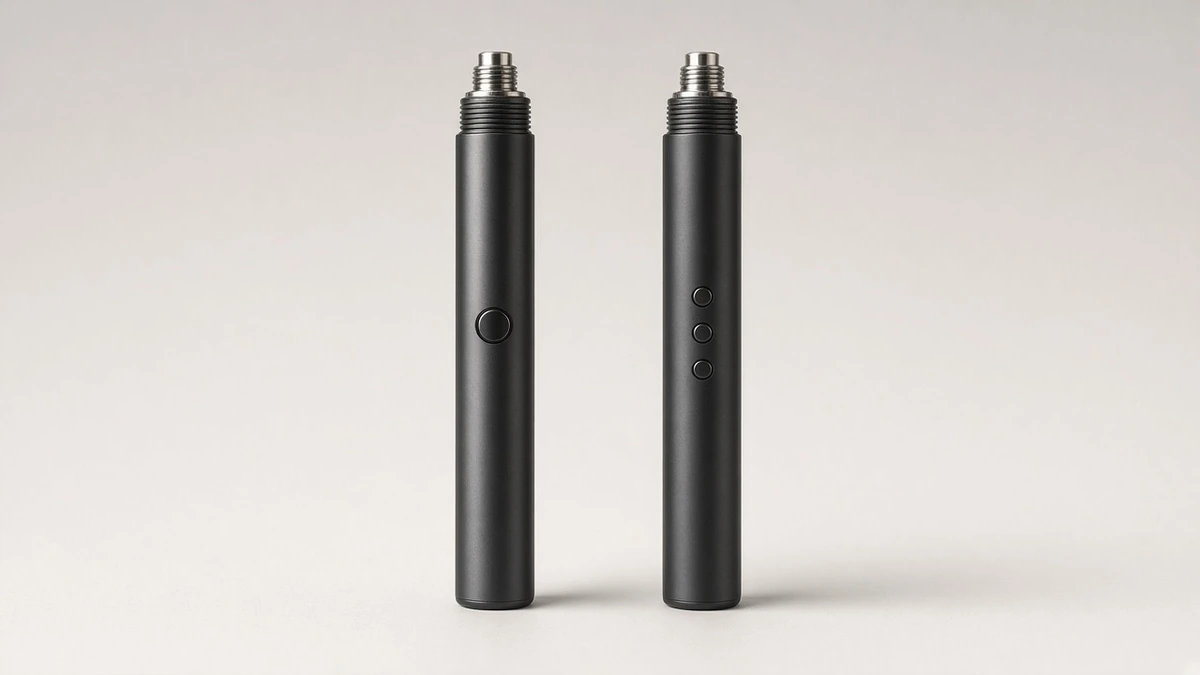
A 510 battery may run a documented preheat cycle, leave warming to a manual low voltage, or offer neither. This guide shows how to identify that warmup path on the exact version, and why a two-click habit from another battery is not a universal preheat command.
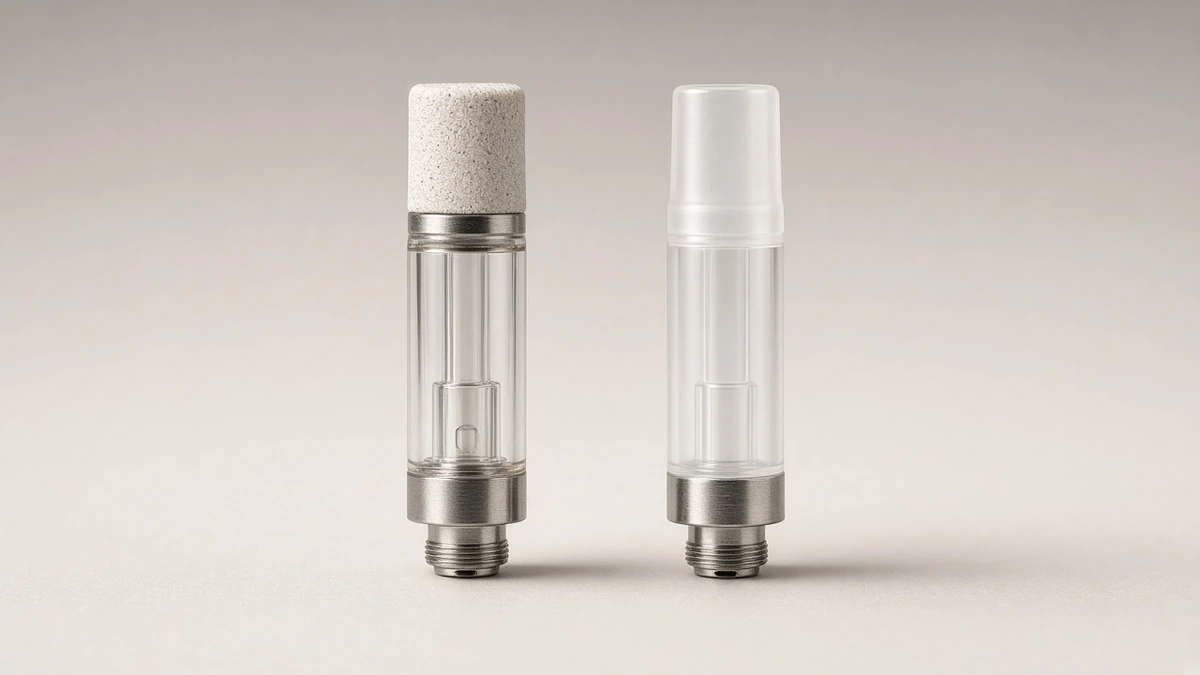
A 510 cartridge mouthpiece may be a polymer tip, a ceramic piece, or another construction. This guide shows how to identify the tip as a complete part, and why a “ceramic” label is not, by itself, a heating-core fact or a proof of fit.