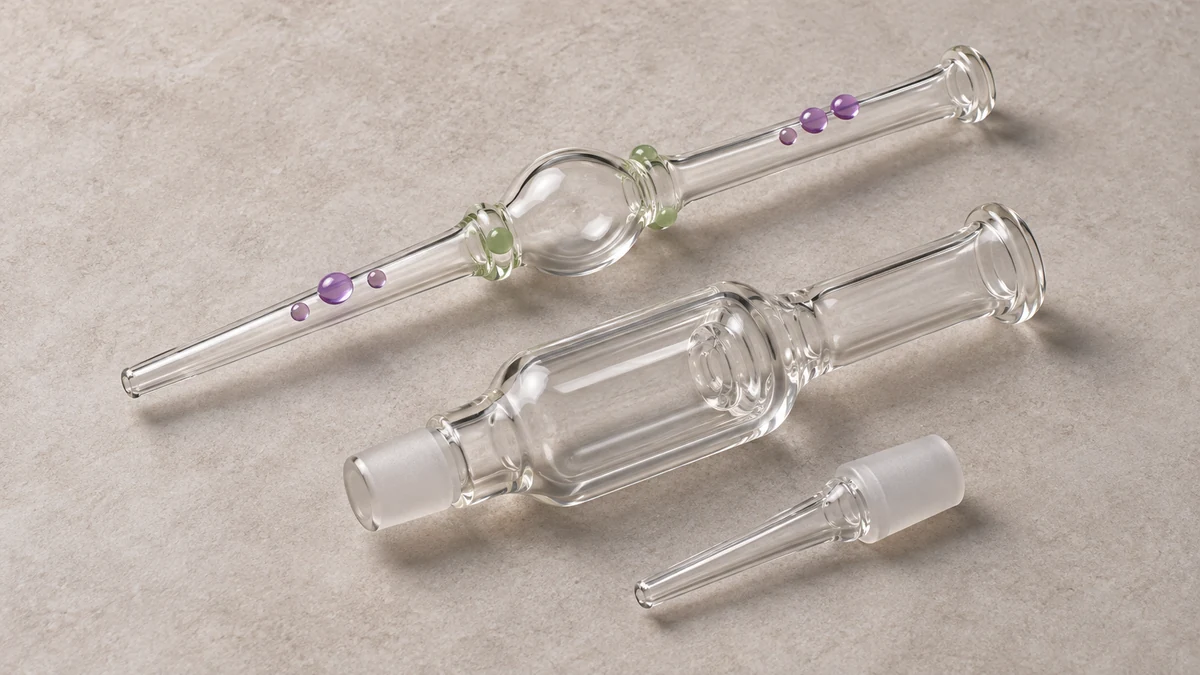
Hand-Blown Glass Nectar Collectors: Fixed Tips and Detachable Joints
Read a hand-blown nectar collector’s tip, joint shoulders, retaining clip, and decorative glass to identify which parts can be replaced.

Read a hand-blown nectar collector’s tip, joint shoulders, retaining clip, and decorative glass to identify which parts can be replaced.
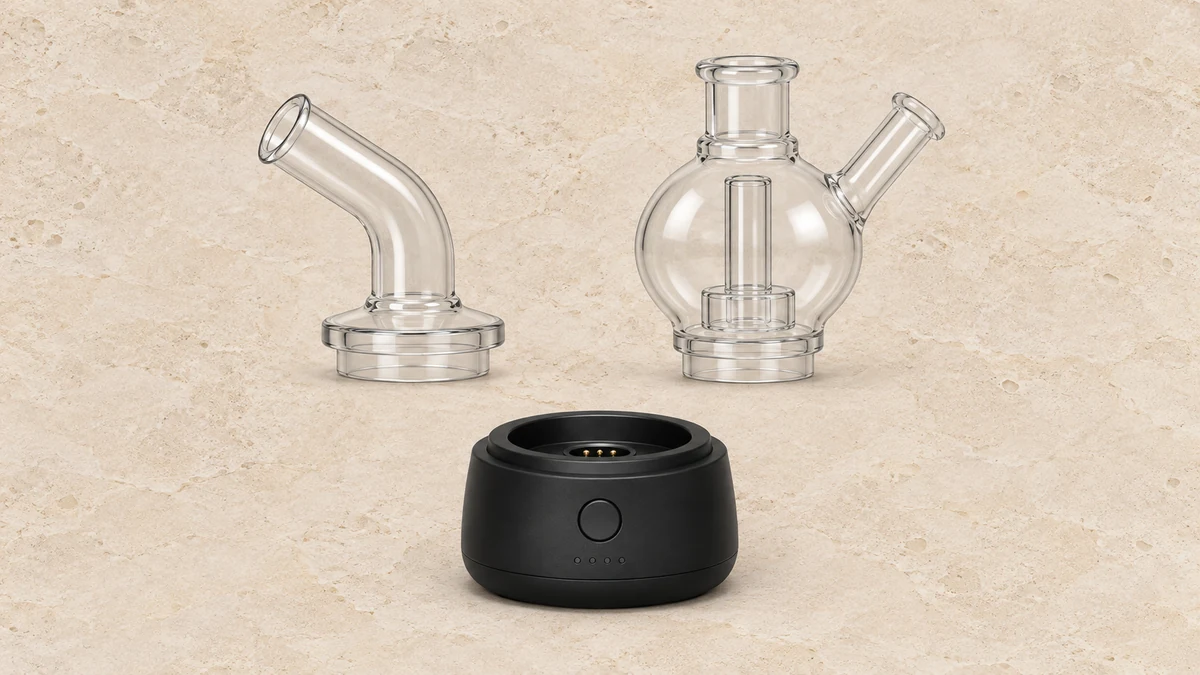
Identify a dedicated dry top, distinguish it from an empty water chamber, and check the glass seat, inlet position, and storage clearance.
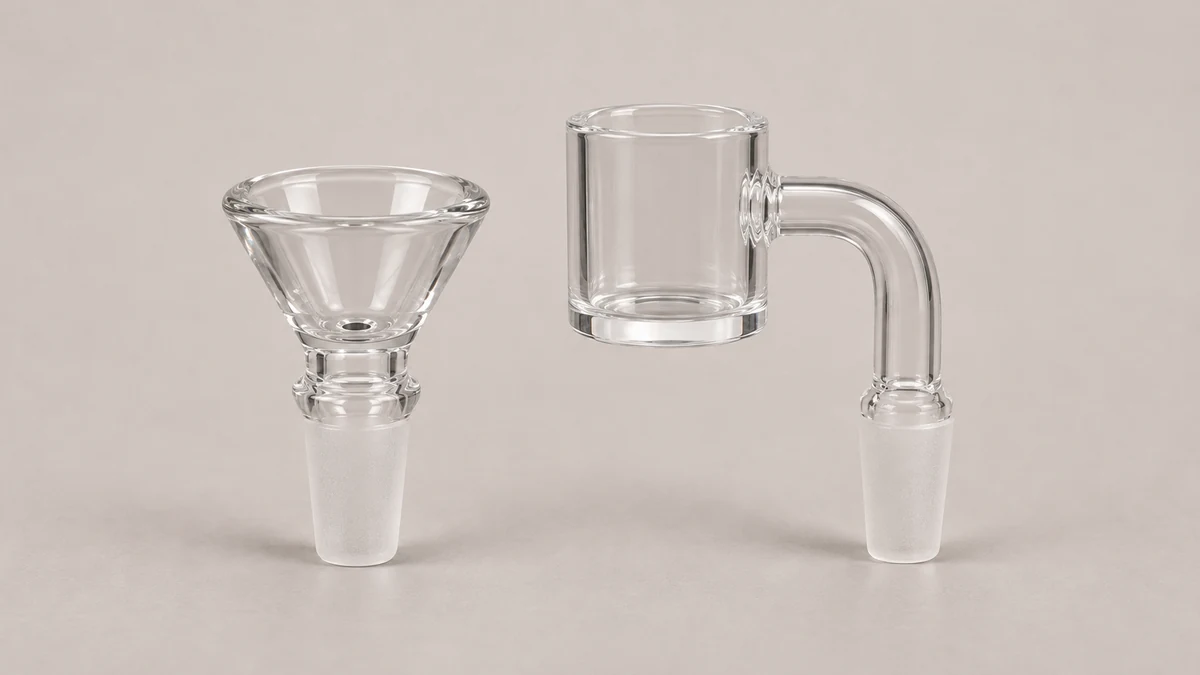
Use the outlet, side arm and base to distinguish a glass slide bowl, a quartz banger, a removable insert, and a cap in parts photos.
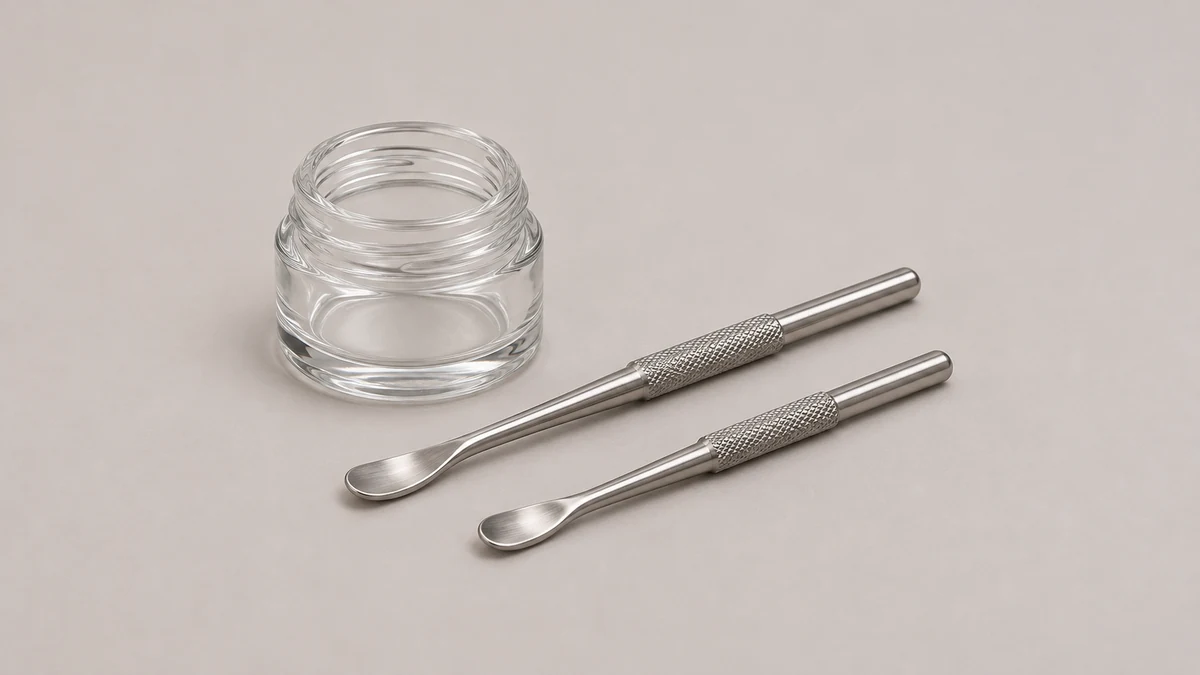
Compare compact tool tip width, working reach, grip position, and case fit with the openings and profiles of empty hardware.
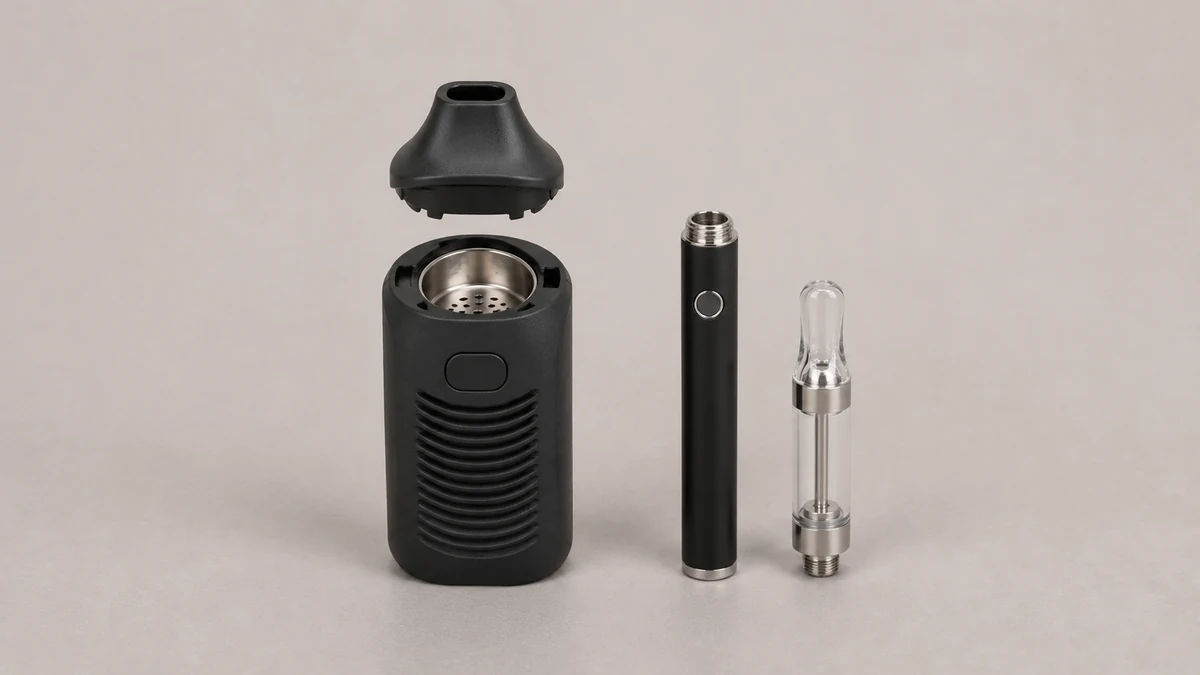
Compare a dry herb vaporizer oven with a cartridge reservoir and heater, then identify which parts belong to the device and which travel with the cartridge.
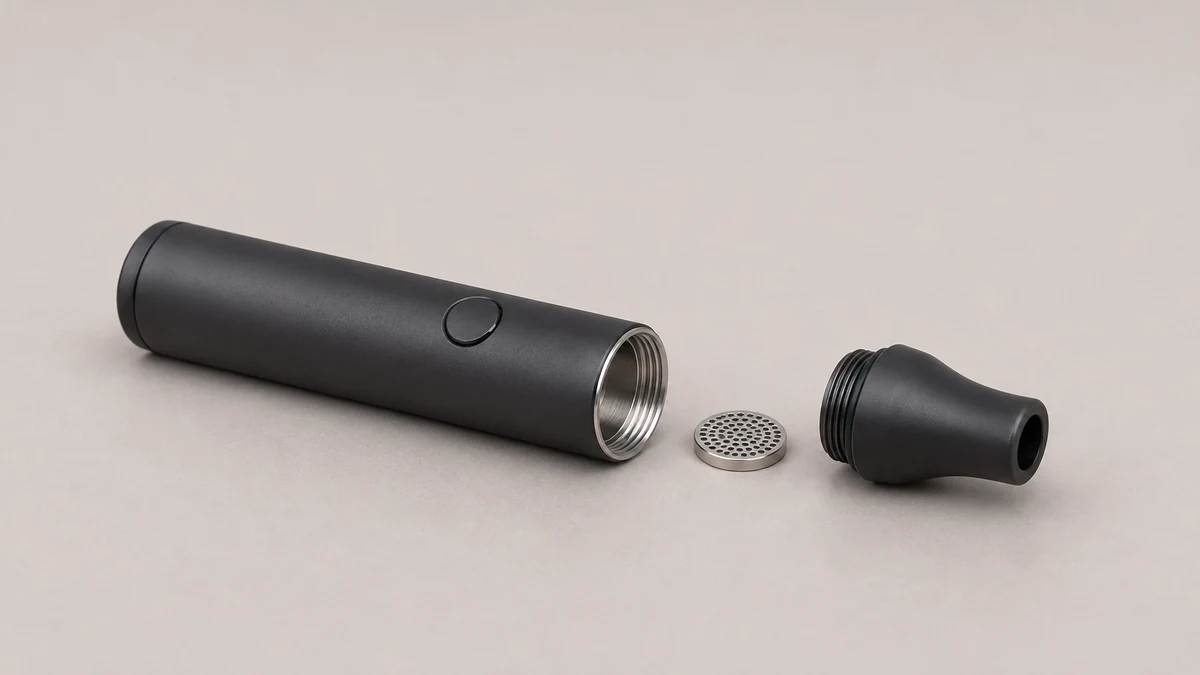
Tell a blocked mouthpiece or air inlet from a chamber, contact, or recognition problem using model documentation and visible hardware cues.

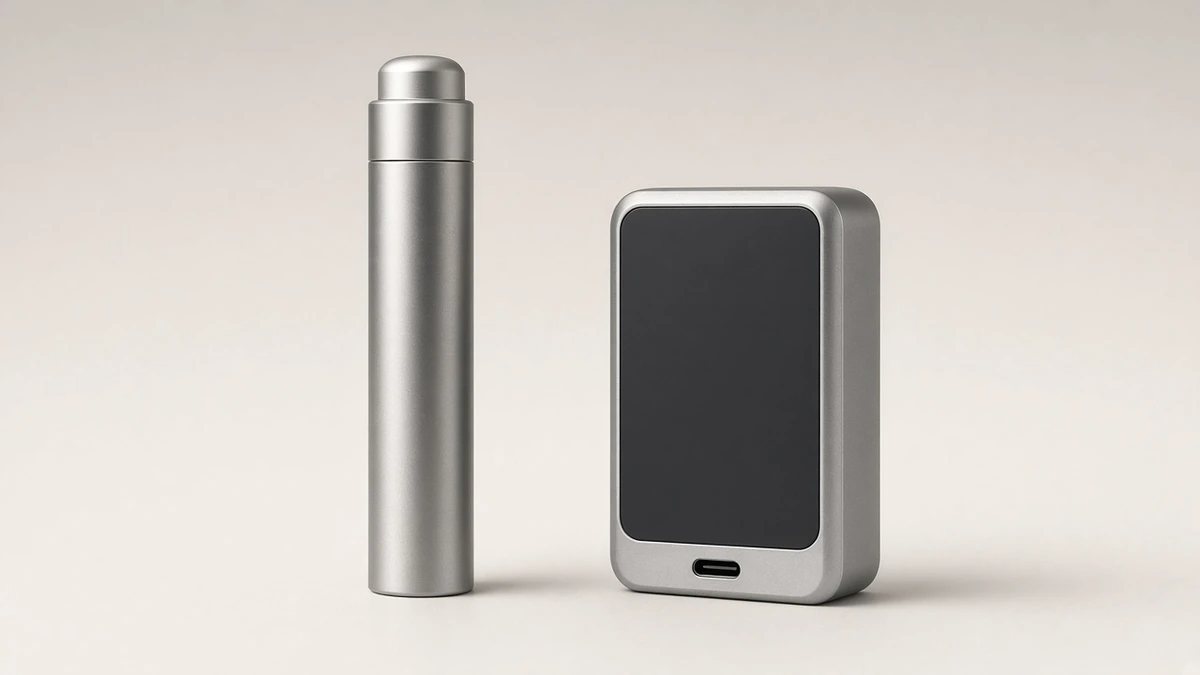
A dry herb vaporizer may be heated with a flame or torch against a cap or chamber, or it may use an electric heater powered by a battery. This guide shows how to identify that power path on a sample and in the manual, and why a removable cap is not, by itself, a flame-powered design.
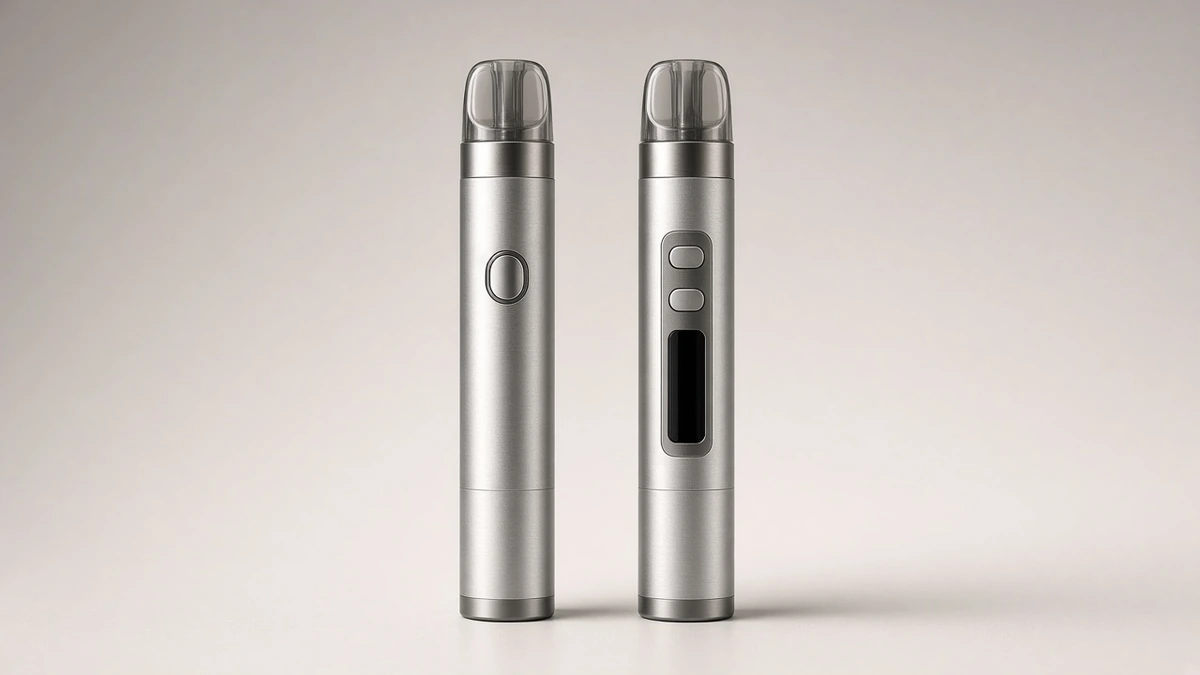
A wax pen may fire at a single documented output, or it may offer voltage or heat steps the user can change. This guide shows how to identify that control on the exact version, and why a number on a listing is not, by itself, a temperature-control system.
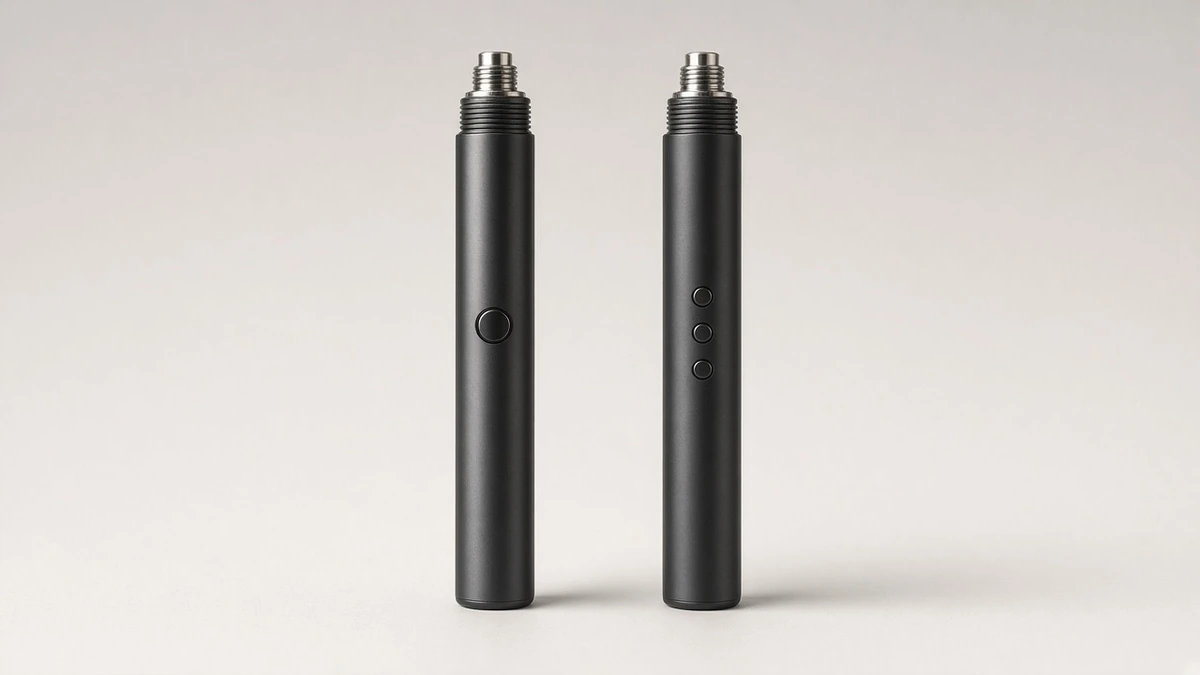
A 510 battery may run a documented preheat cycle, leave warming to a manual low voltage, or offer neither. This guide shows how to identify that warmup path on the exact version, and why a two-click habit from another battery is not a universal preheat command.
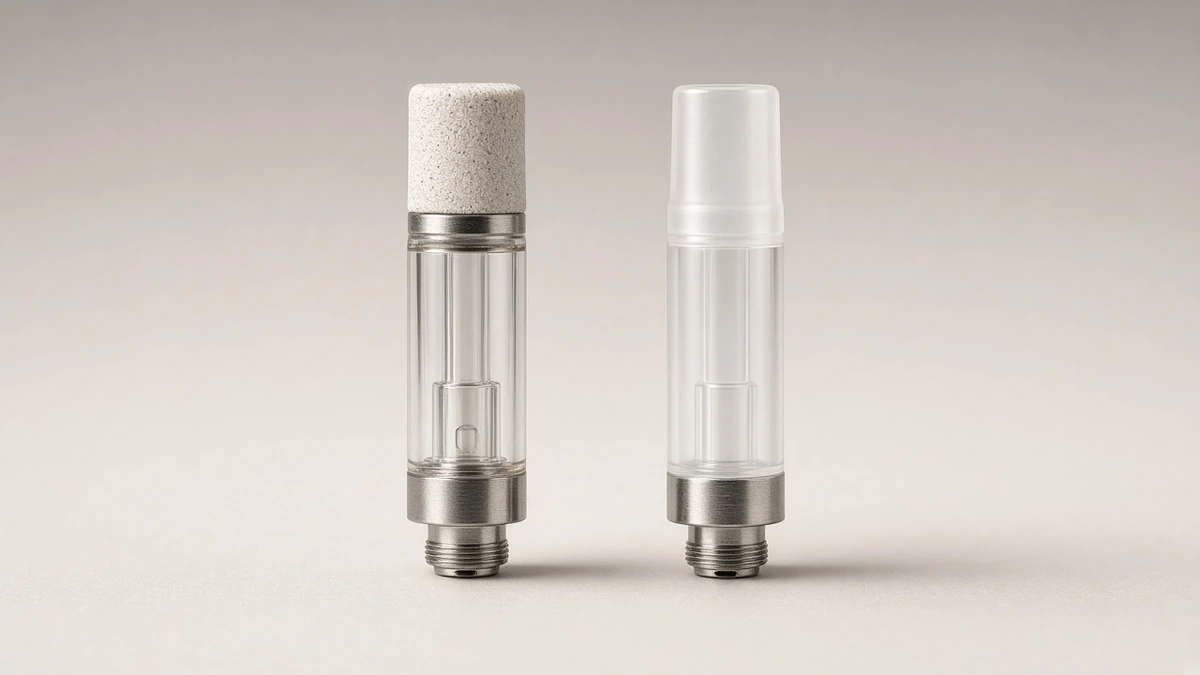
A 510 cartridge mouthpiece may be a polymer tip, a ceramic piece, or another construction. This guide shows how to identify the tip as a complete part, and why a “ceramic” label is not, by itself, a heating-core fact or a proof of fit.