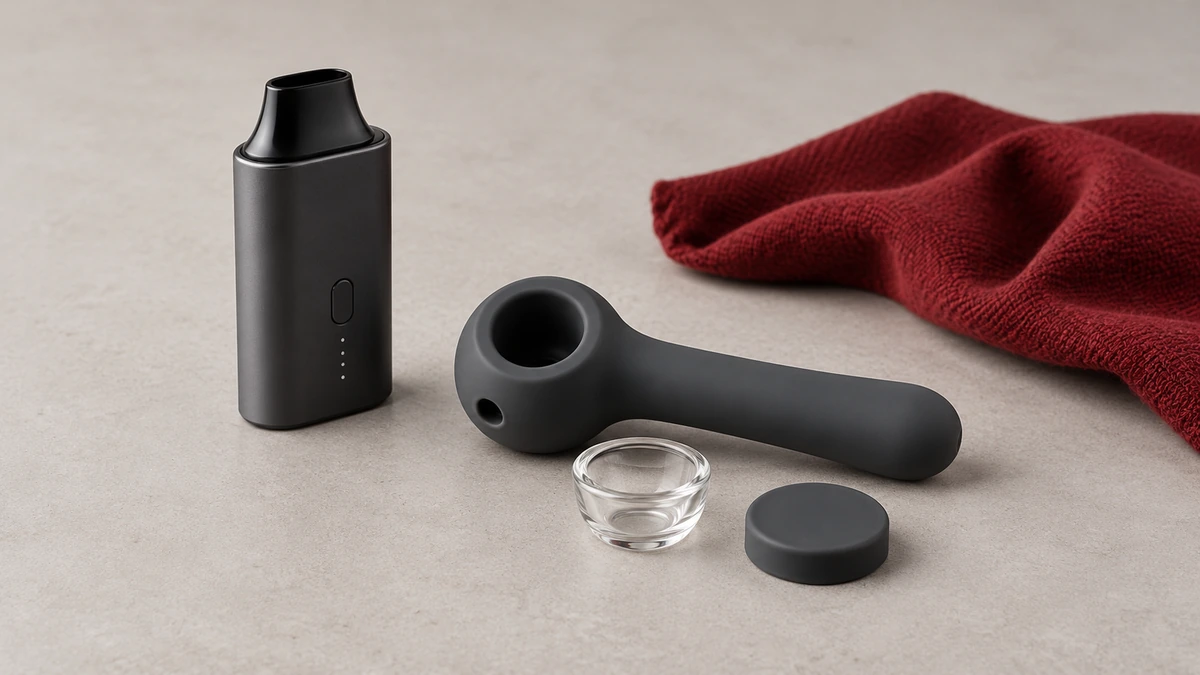
Silicone Pipe With Glass Bowl and Lid: Which Part Does the Lid Cover?
Identify the lid on a silicone pipe with a glass bowl: a bowl cover, underside compartment and removable insert have different fit and cleaning questions.

Identify the lid on a silicone pipe with a glass bowl: a bowl cover, underside compartment and removable insert have different fit and cleaning questions.
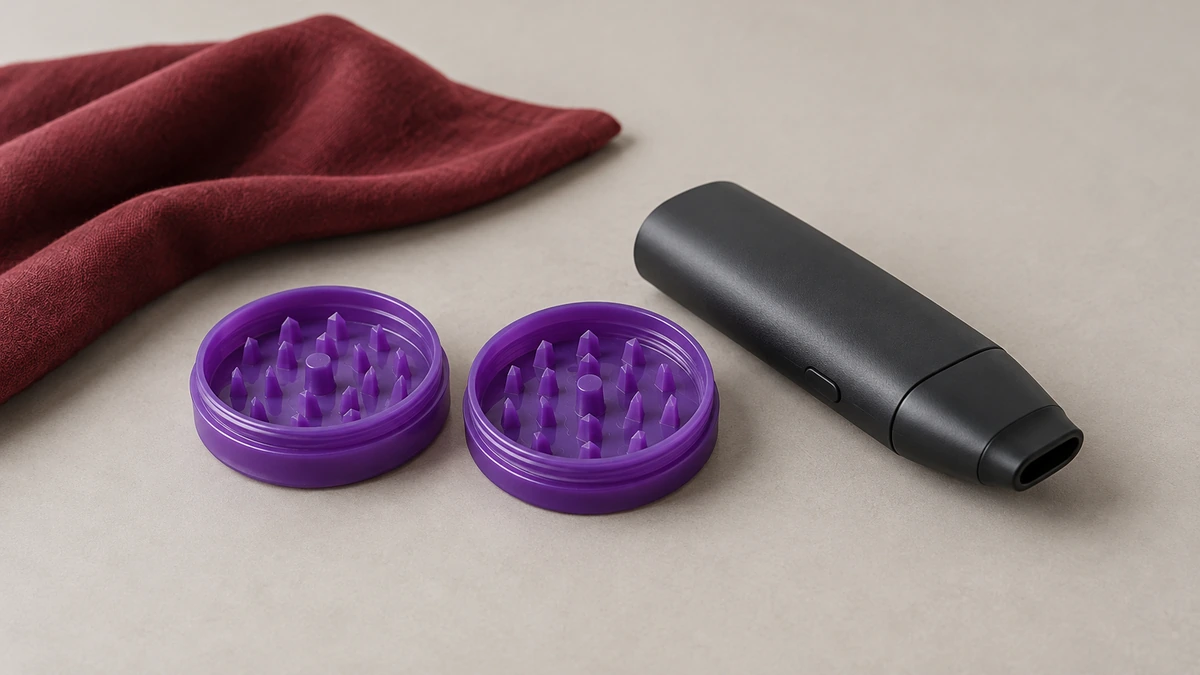
A purple plastic grinder can have several different constructions. Separate sticky seams, damaged teeth and unknown finishes before deciding how to clean it.
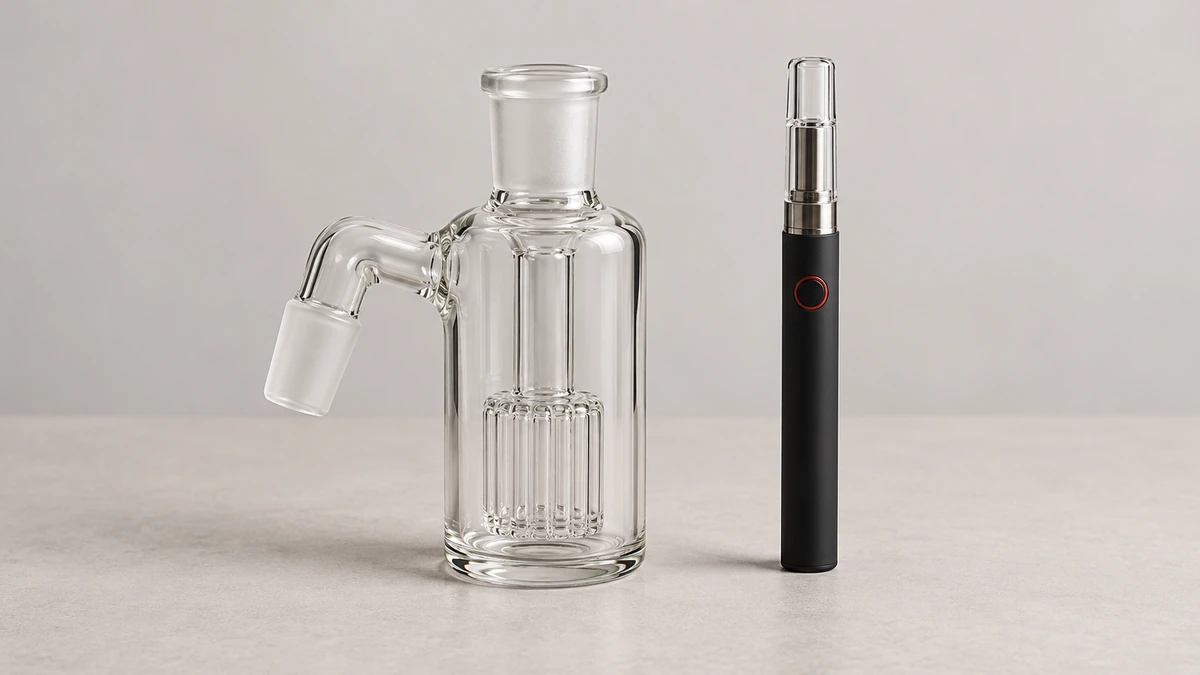
Identify what a bong filter attachment actually is, where it connects, why matching joints can still collide, and how removable parts change cleaning access.
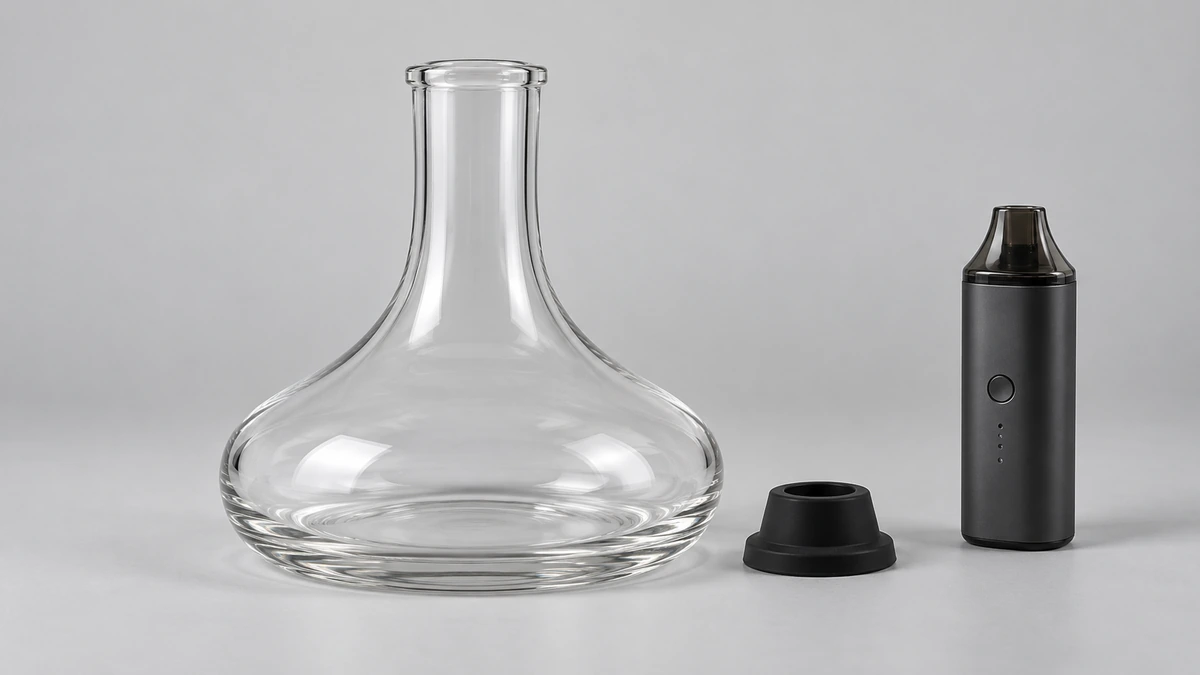
Identify a hookah base connection before checking replacement glass: grommets, threaded collars, quick locks, neck dimensions and clearance are separate questions.
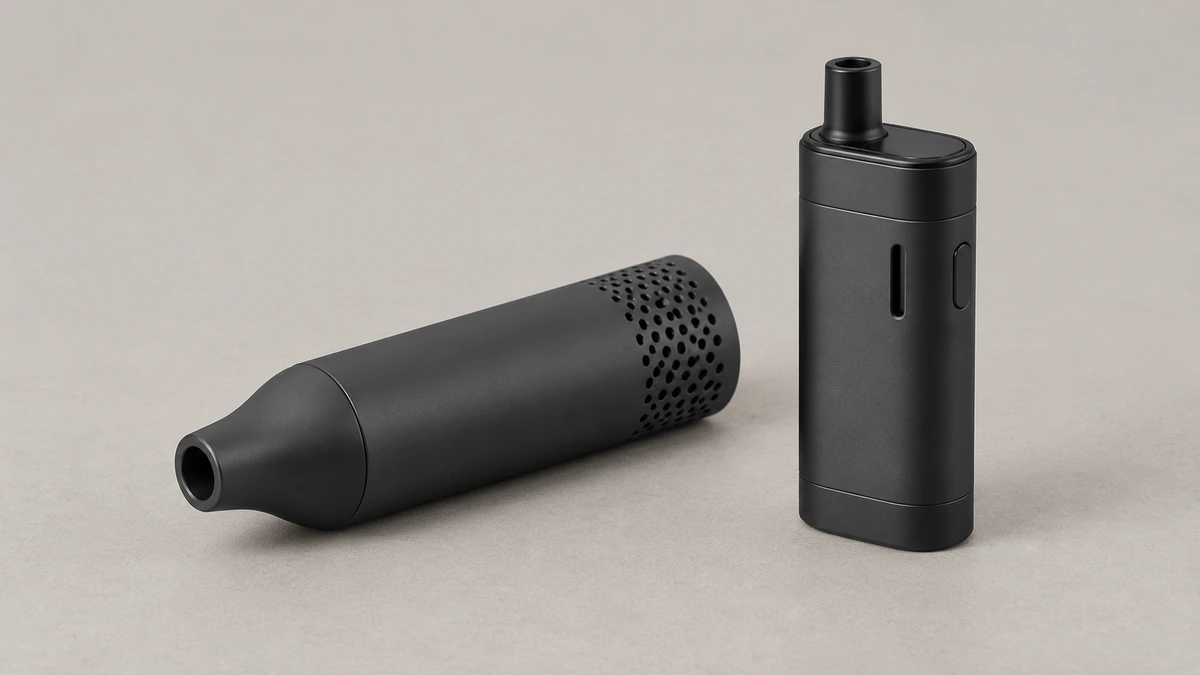
Separate a handheld smoke filter’s washable housing from its filter media, understand sealed and replaceable designs, and recognize the limits of odor claims.
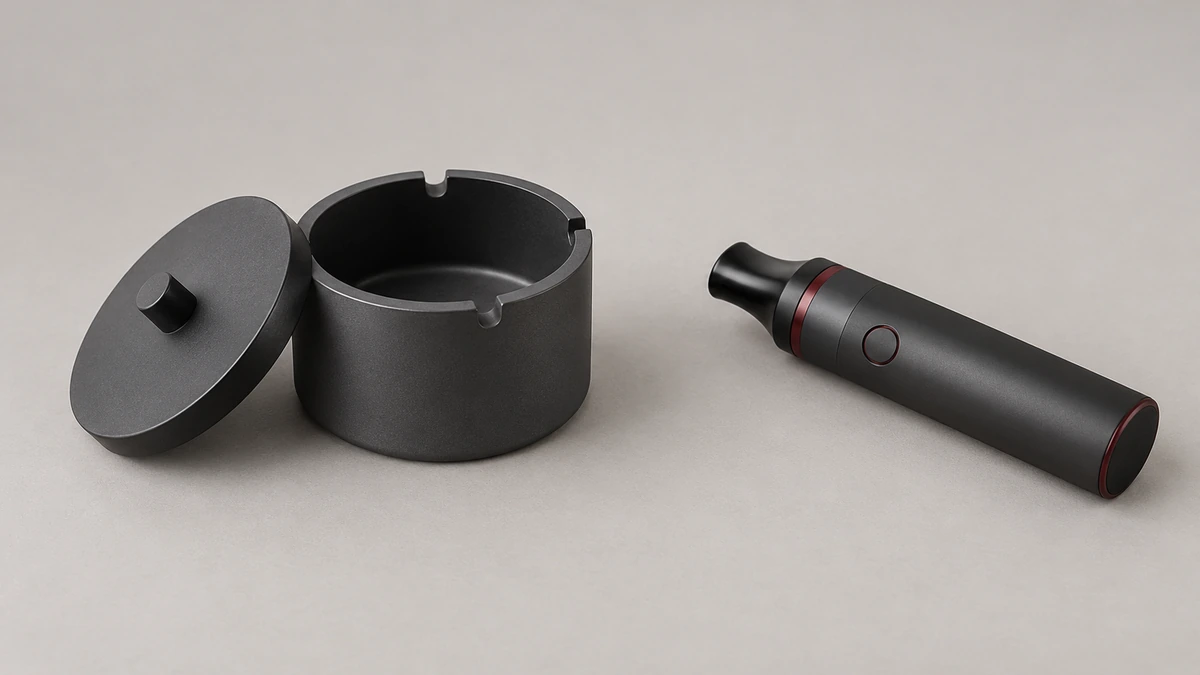
Understand open, covered and spinner ashtrays, sticky lid rims, removable parts and cleanup boundaries without confusing them with clean accessory trays.
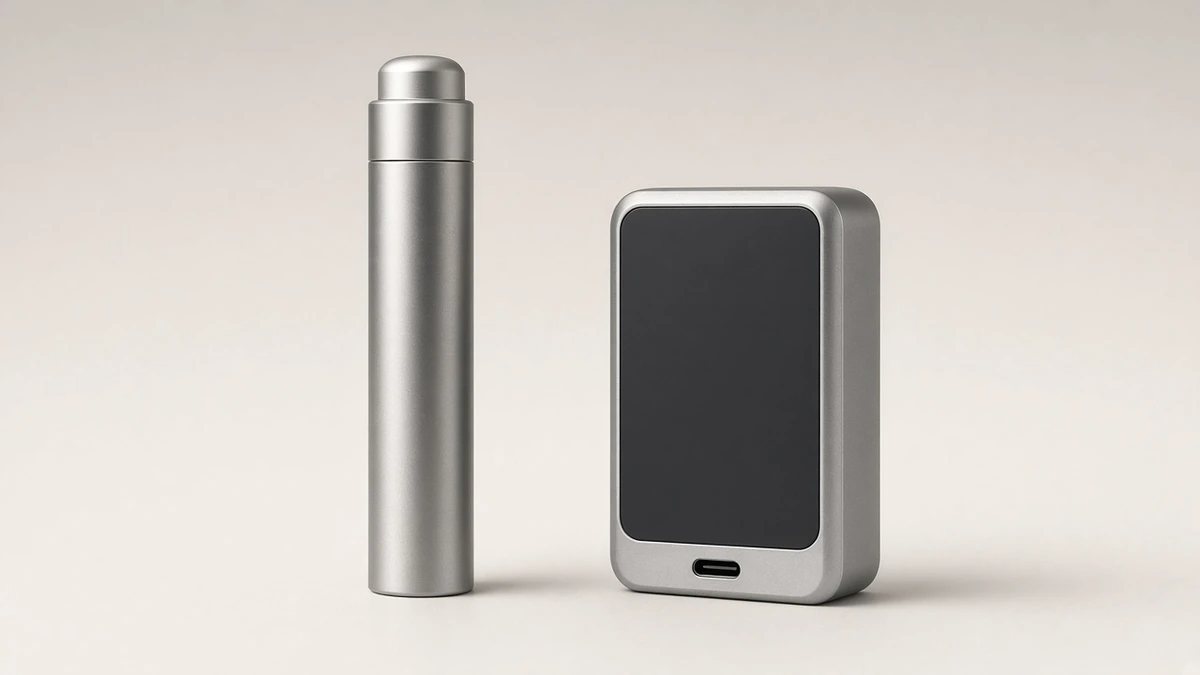
A dry herb vaporizer may be heated with a flame or torch against a cap or chamber, or it may use an electric heater powered by a battery. This guide shows how to identify that power path on a sample and in the manual, and why a removable cap is not, by itself, a flame-powered design.
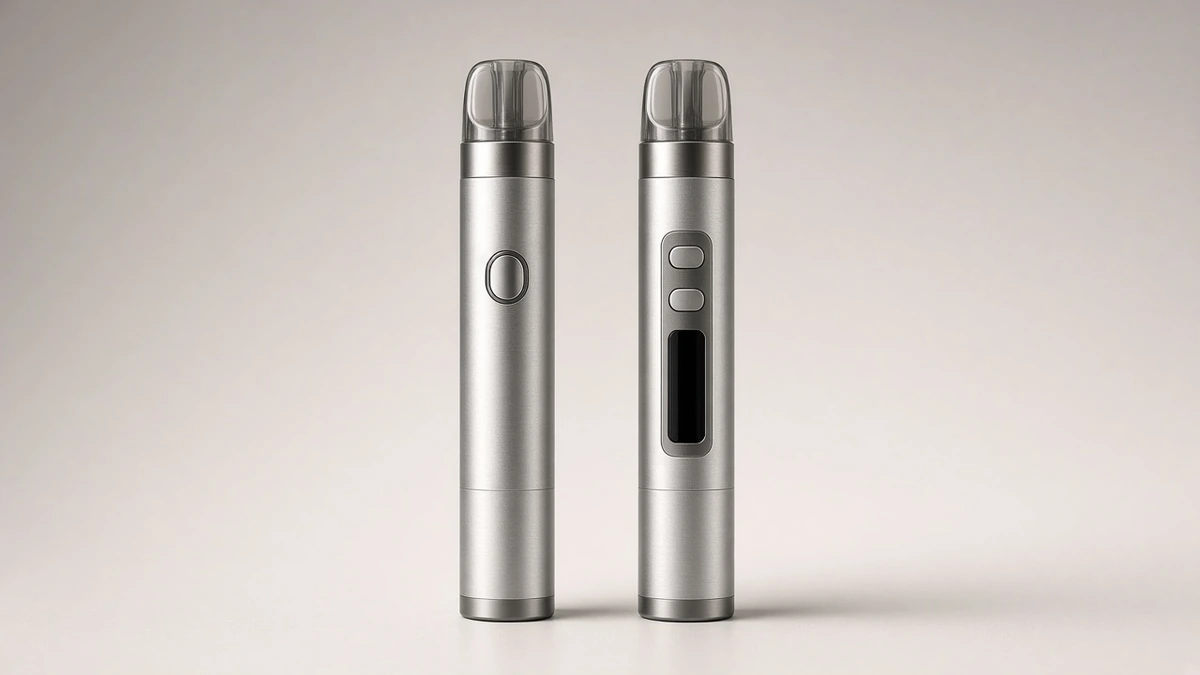
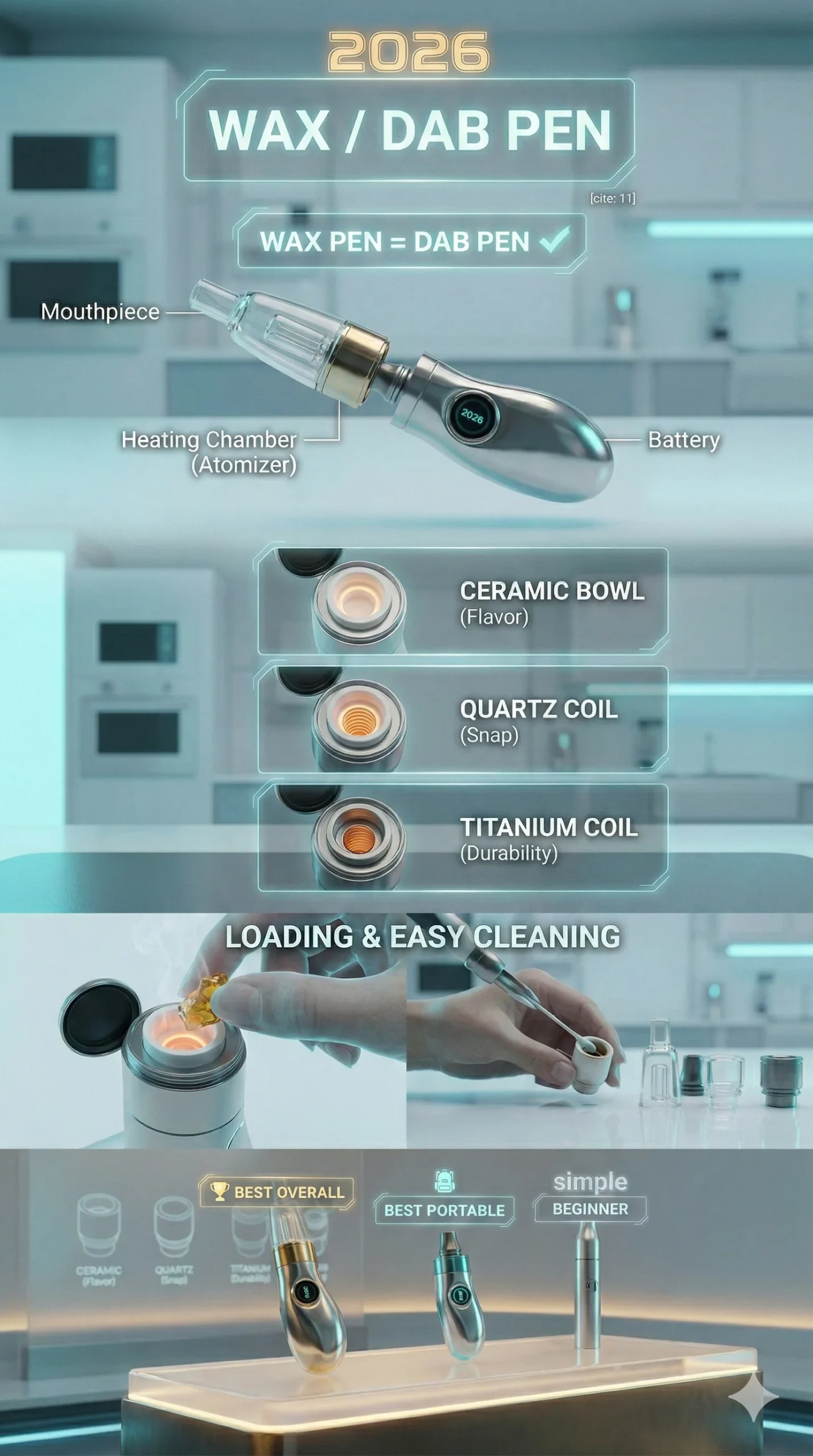
A wax pen may fire at a single documented output, or it may offer voltage or heat steps the user can change. This guide shows how to identify that control on the exact version, and why a number on a listing is not, by itself, a temperature-control system.
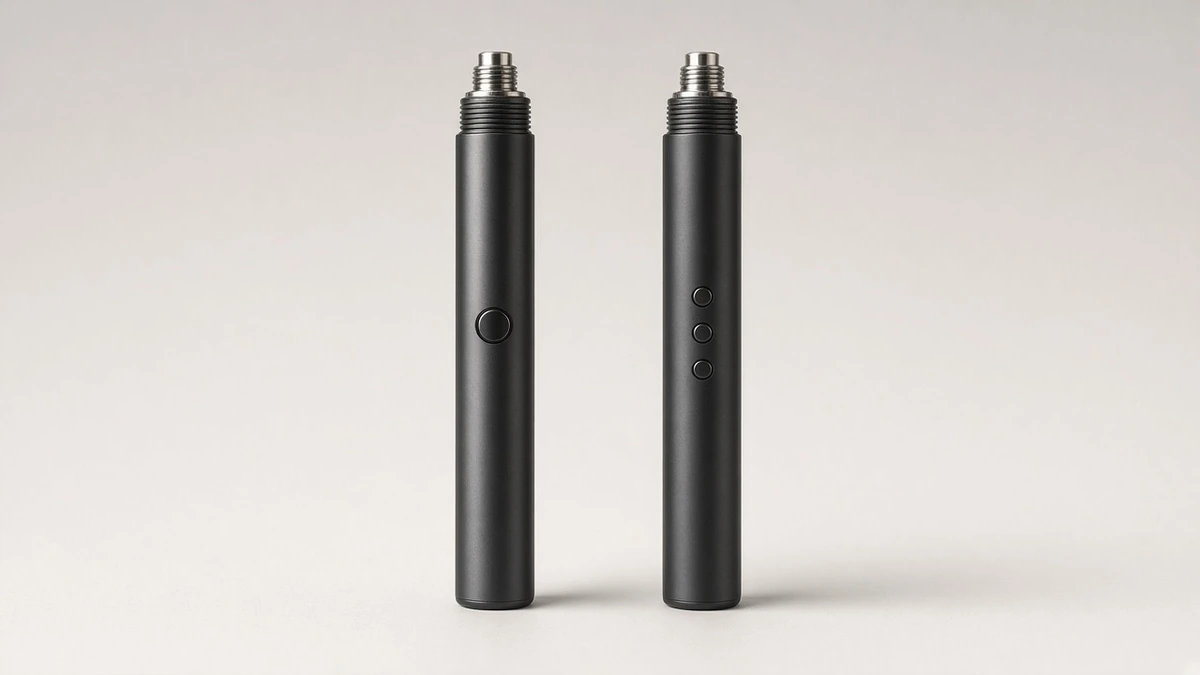
A 510 battery may run a documented preheat cycle, leave warming to a manual low voltage, or offer neither. This guide shows how to identify that warmup path on the exact version, and why a two-click habit from another battery is not a universal preheat command.
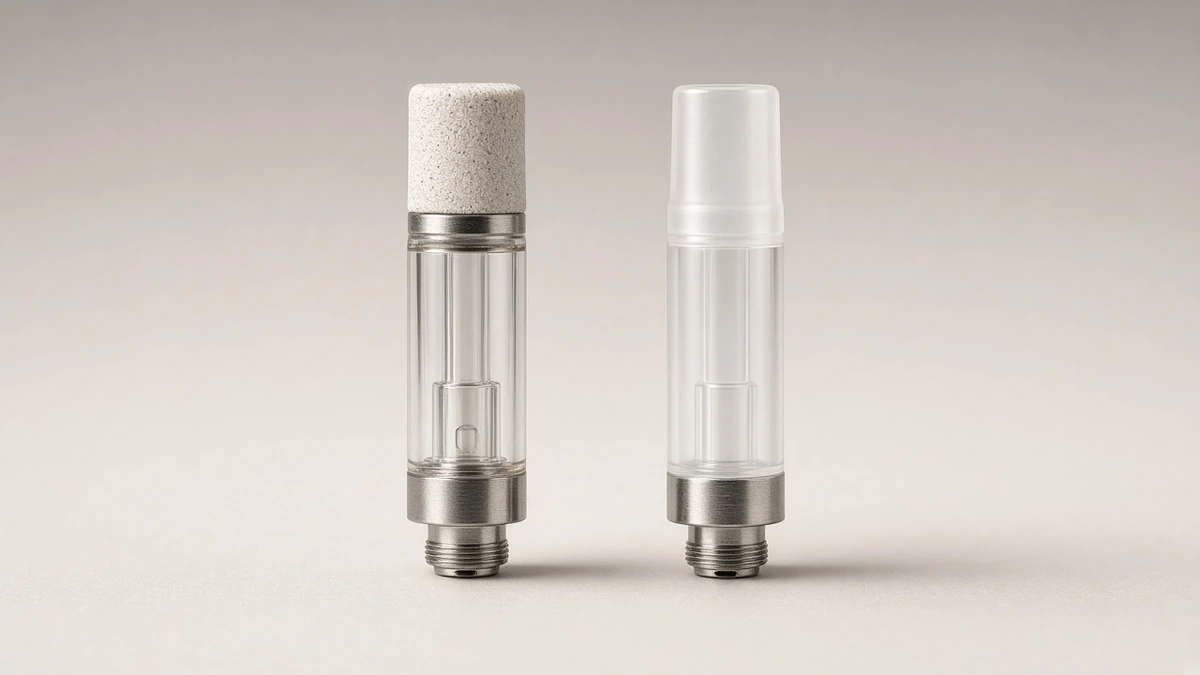
A 510 cartridge mouthpiece may be a polymer tip, a ceramic piece, or another construction. This guide shows how to identify the tip as a complete part, and why a “ceramic” label is not, by itself, a heating-core fact or a proof of fit.