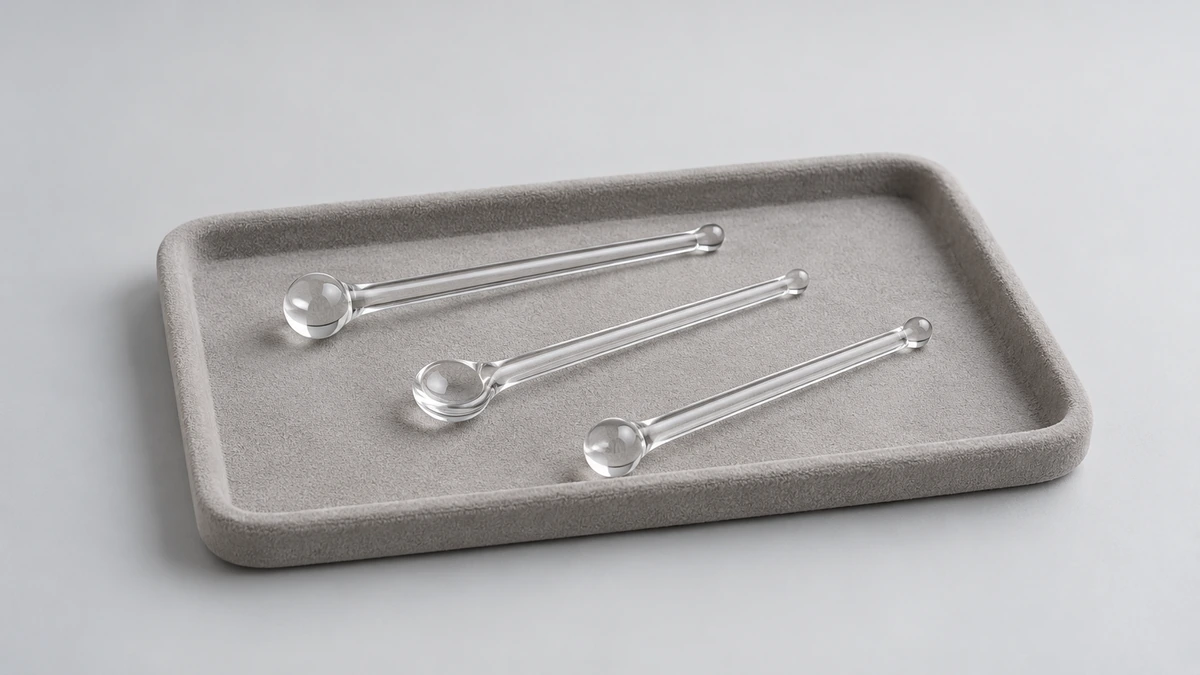
Glass Dabber: Rounded Tips, Surface Marks and Separate Storage
Identify a solid glass dabber, describe visible surface changes and separate its storage needs from unsupported claims about color or material.

Identify a solid glass dabber, describe visible surface changes and separate its storage needs from unsupported claims about color or material.
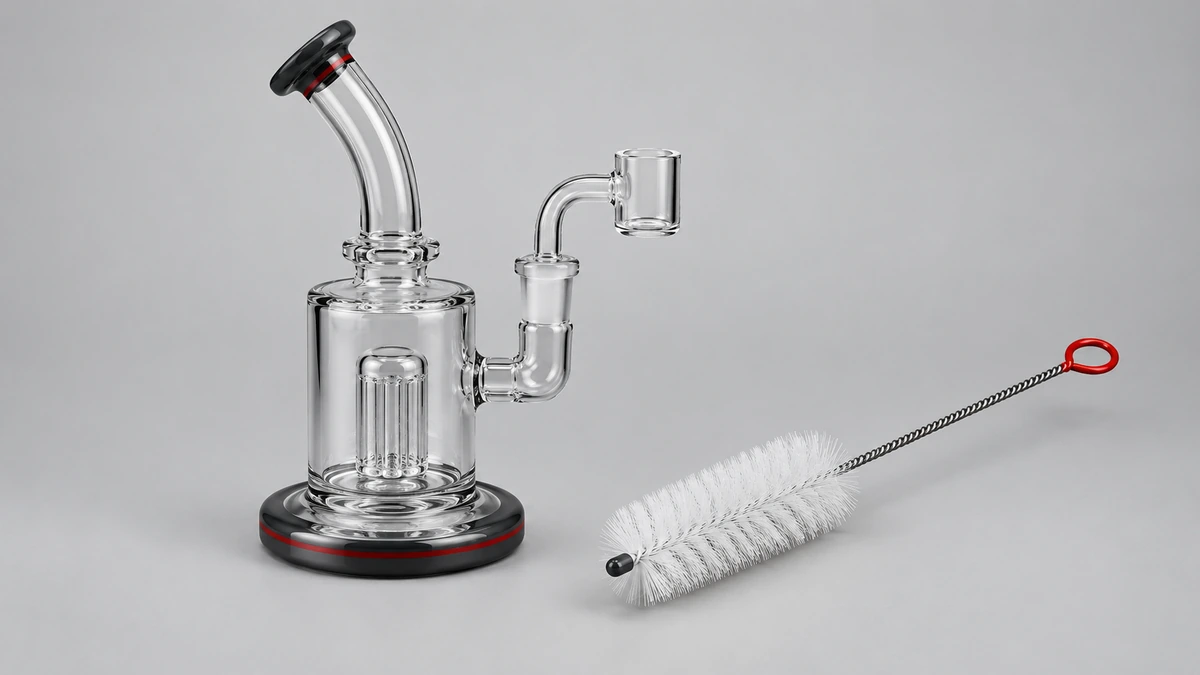
Understand why a brush can enter a bong yet miss the chamber. Identify head dimensions, fixed obstructions, tool wear and questions for the maker.
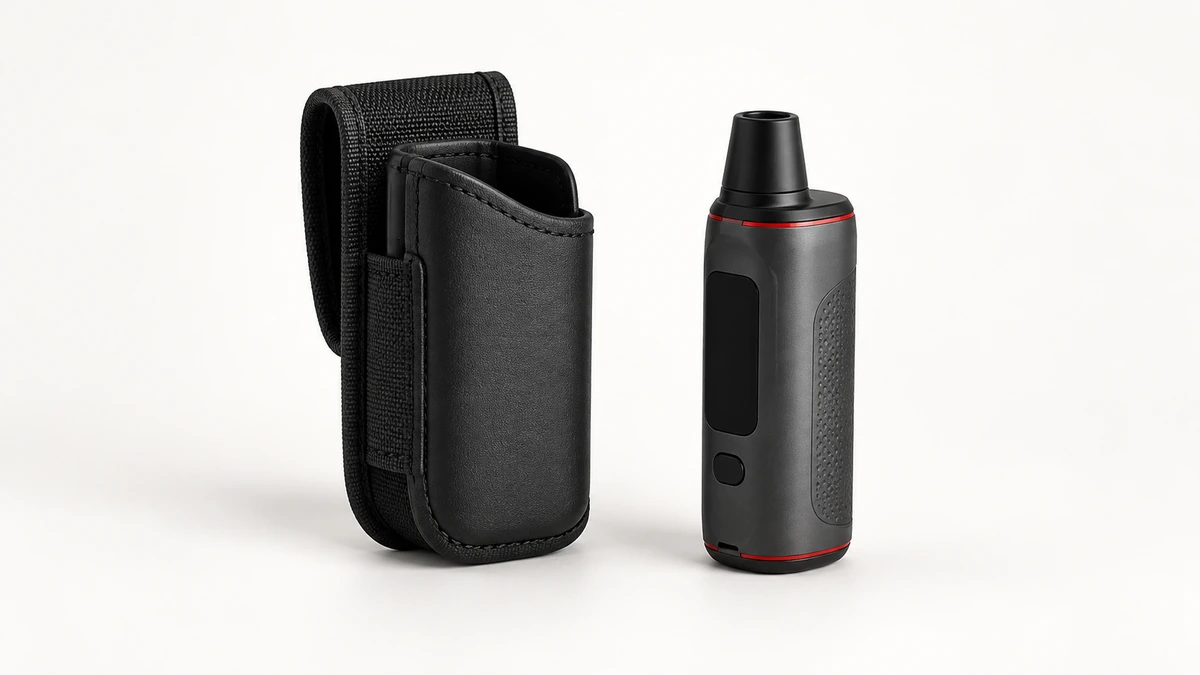
Understand vape holster belt attachments, pocket dimensions, flap contact and separate care without assuming a dust seal or approved charging enclosure.
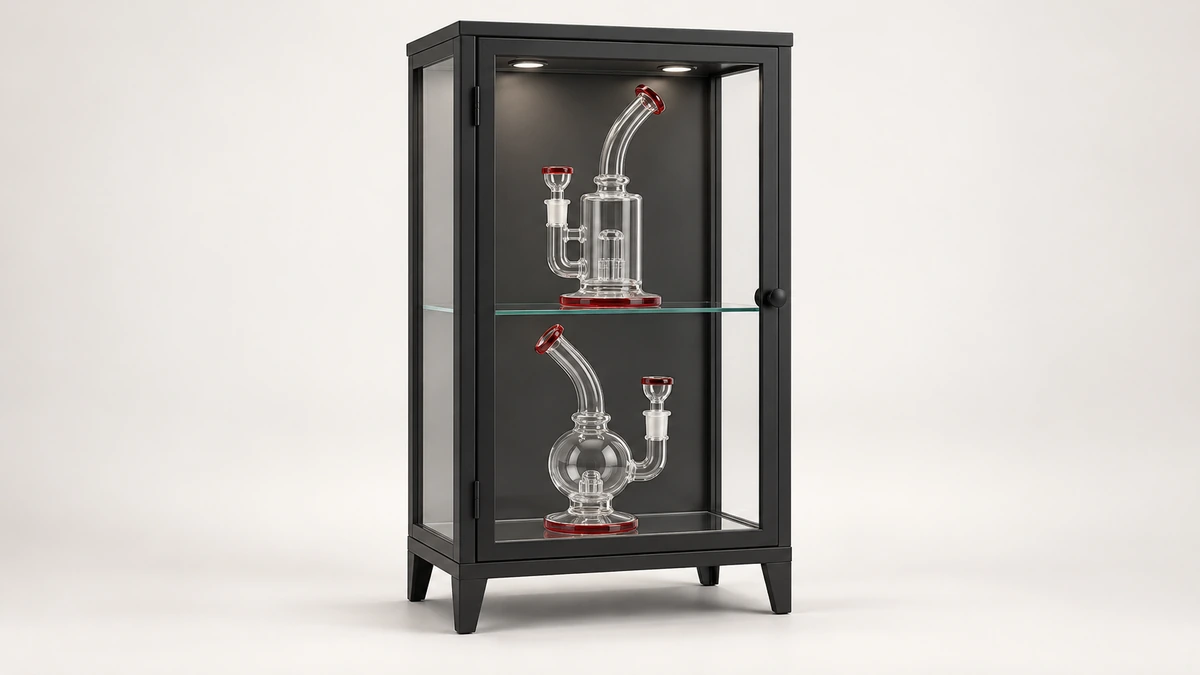
Plan a display case for bongs around shelf limits, door access, separate small parts and dry storage, with cabinet-specific instructions kept distinct.
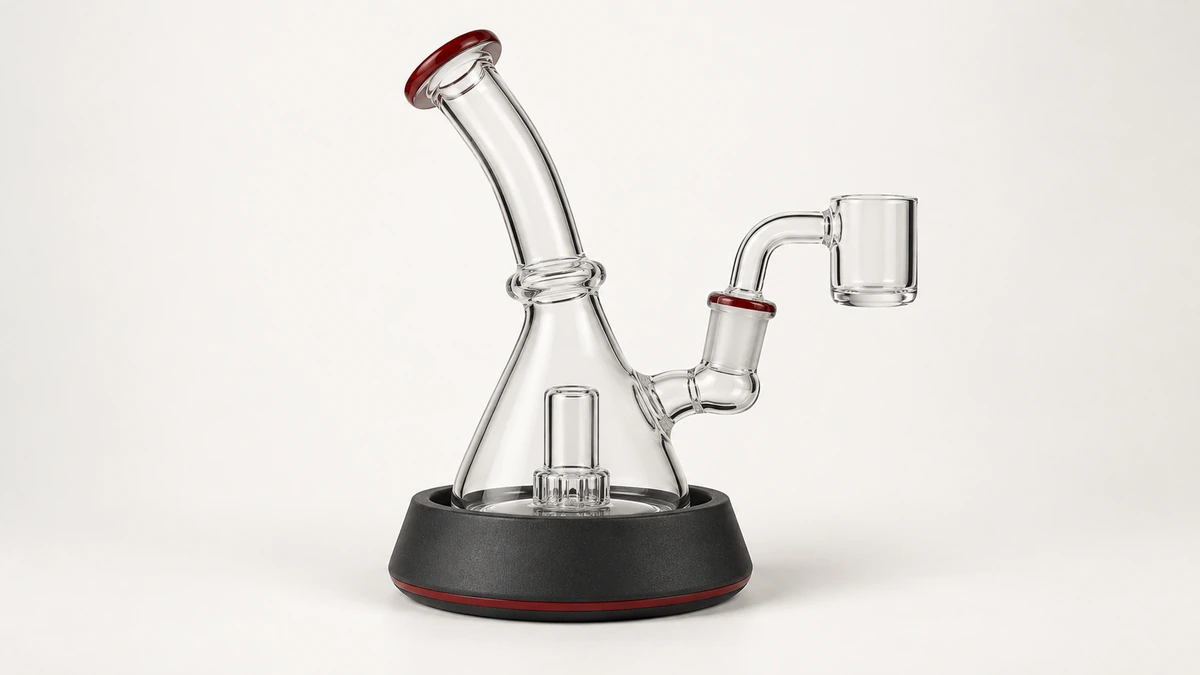
Understand bong holder base fit, support points, table clearance and separate fitting storage without assuming a stand prevents every knock or fall.
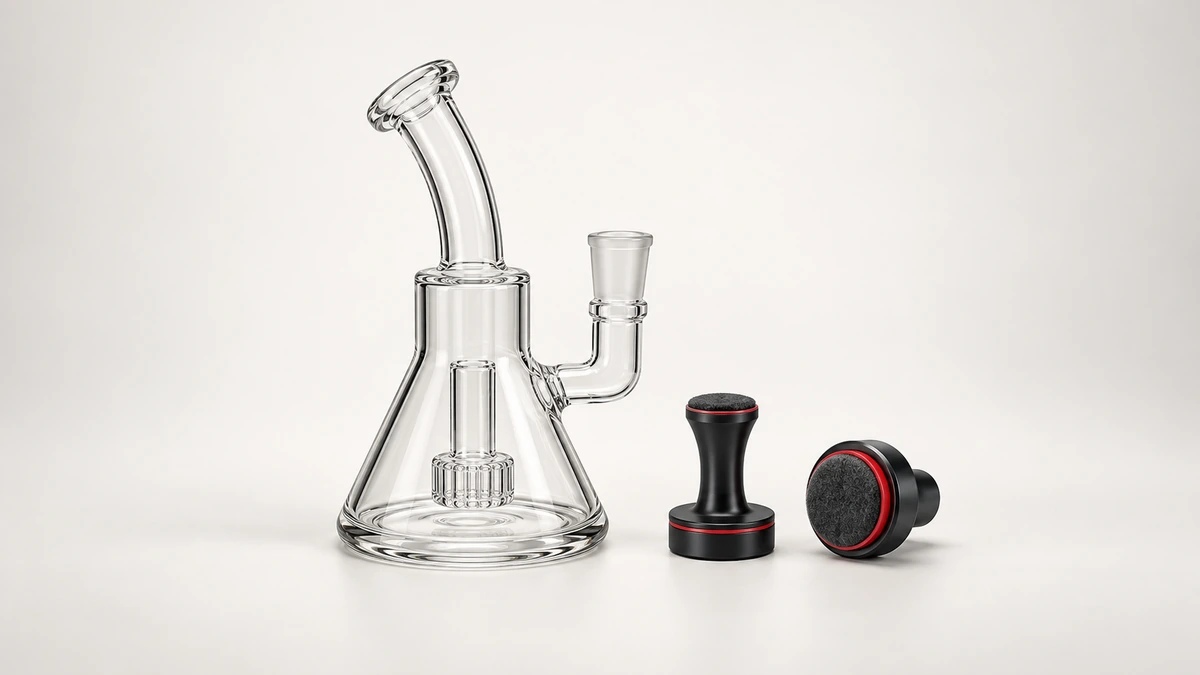
A bong cleaning magnet needs a clear route in and out. Understand inner pads, chamber restrictions, separate tool care and persistent glass marks.

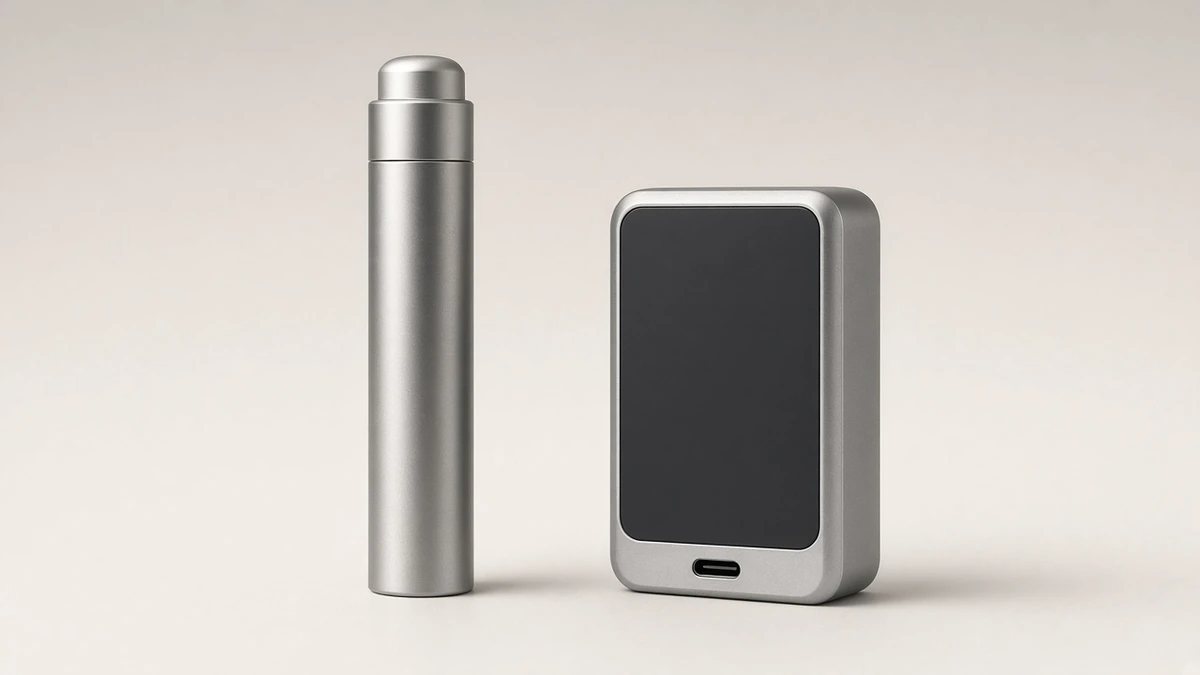
A dry herb vaporizer may be heated with a flame or torch against a cap or chamber, or it may use an electric heater powered by a battery. This guide shows how to identify that power path on a sample and in the manual, and why a removable cap is not, by itself, a flame-powered design.
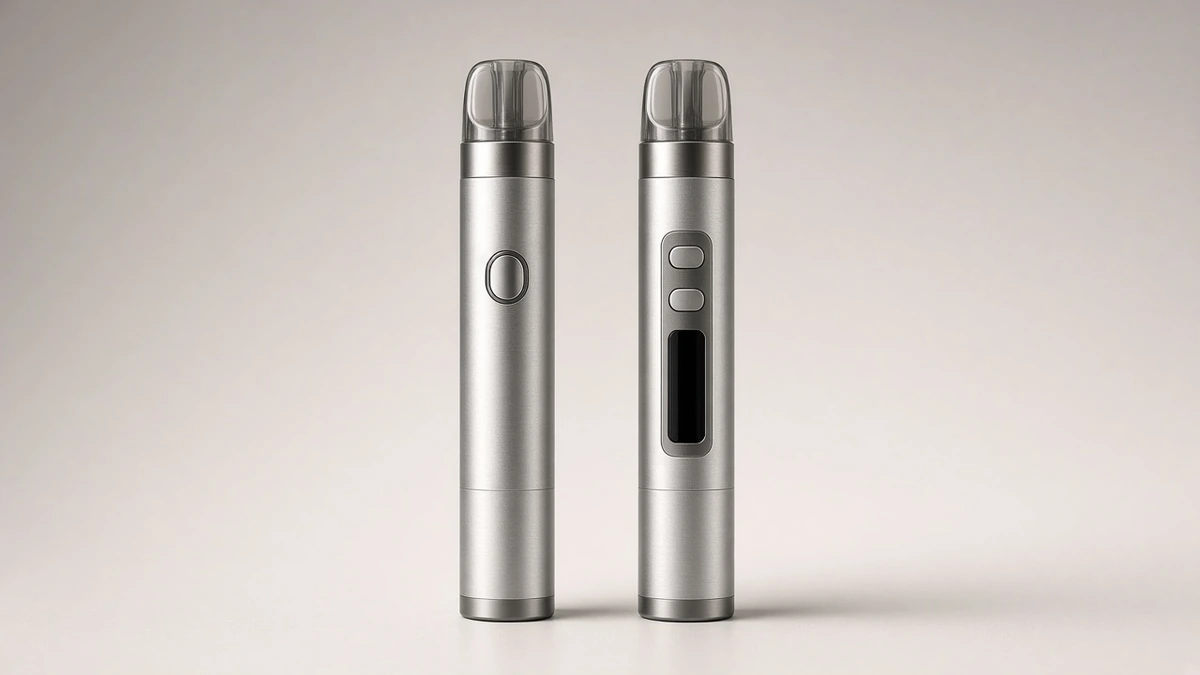
A wax pen may fire at a single documented output, or it may offer voltage or heat steps the user can change. This guide shows how to identify that control on the exact version, and why a number on a listing is not, by itself, a temperature-control system.
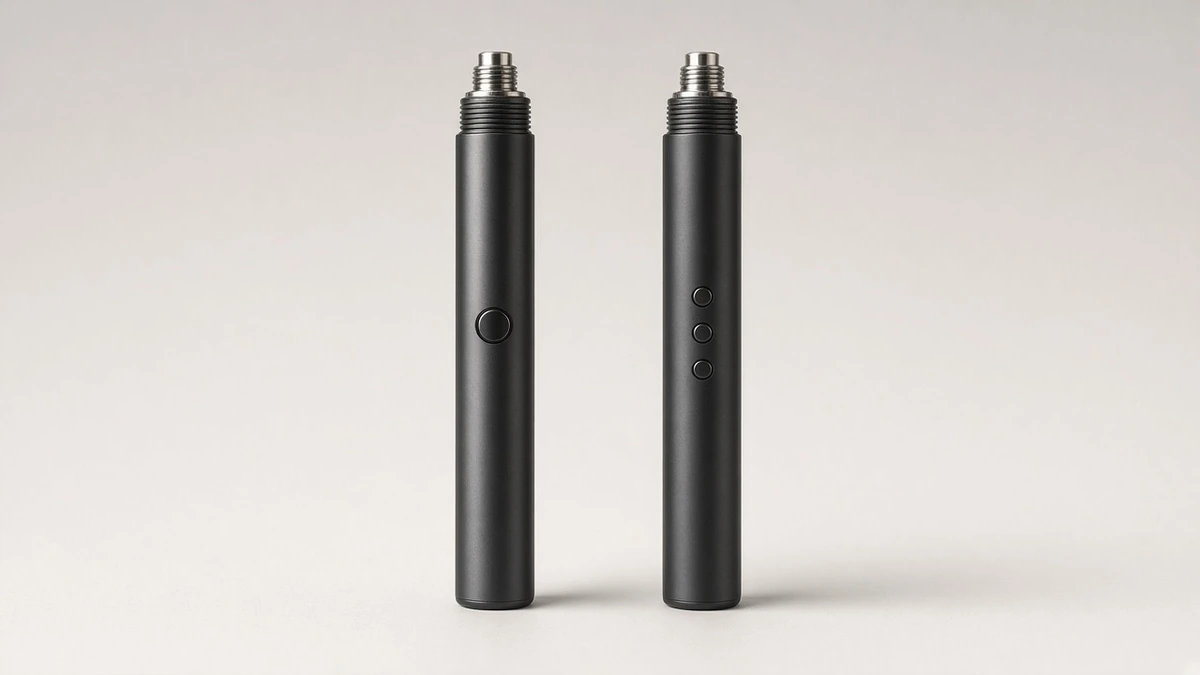
A 510 battery may run a documented preheat cycle, leave warming to a manual low voltage, or offer neither. This guide shows how to identify that warmup path on the exact version, and why a two-click habit from another battery is not a universal preheat command.
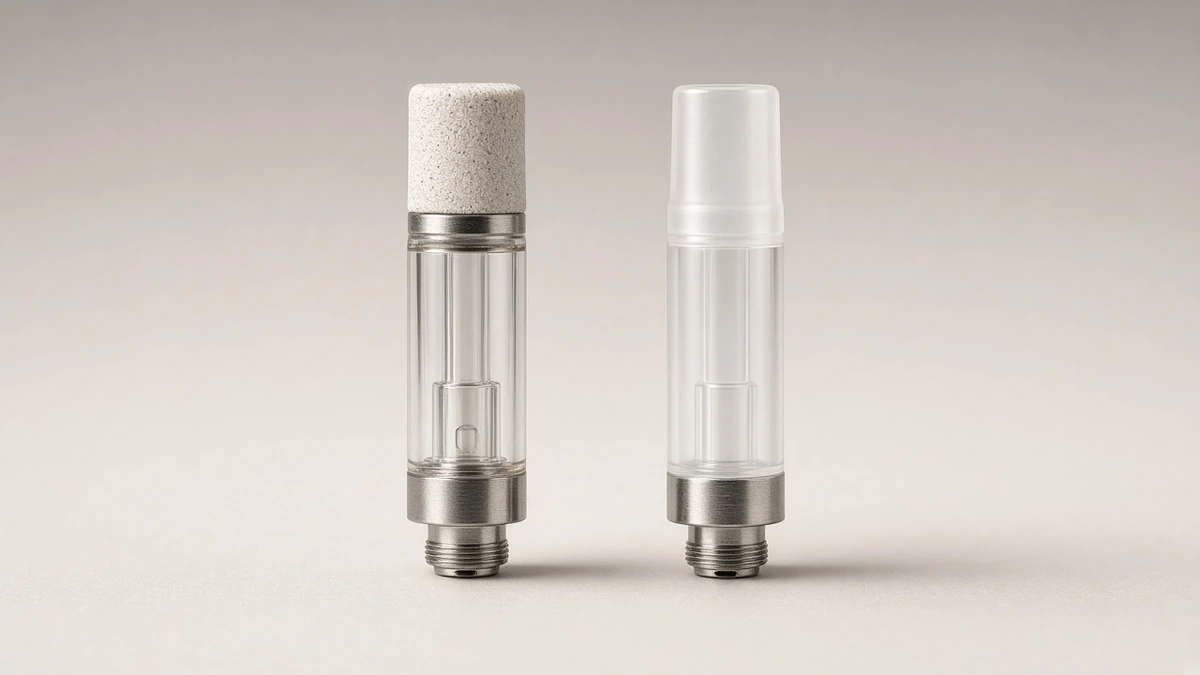
A 510 cartridge mouthpiece may be a polymer tip, a ceramic piece, or another construction. This guide shows how to identify the tip as a complete part, and why a “ceramic” label is not, by itself, a heating-core fact or a proof of fit.