
Dual Chamber Vape: Separate Reservoirs and One-Sided Faults
Distinguish an integrated dual chamber vape from two removable cartridges. Understand reservoir windows, side labels and the limits of a shared charge indicator.

Distinguish an integrated dual chamber vape from two removable cartridges. Understand reservoir windows, side labels and the limits of a shared charge indicator.
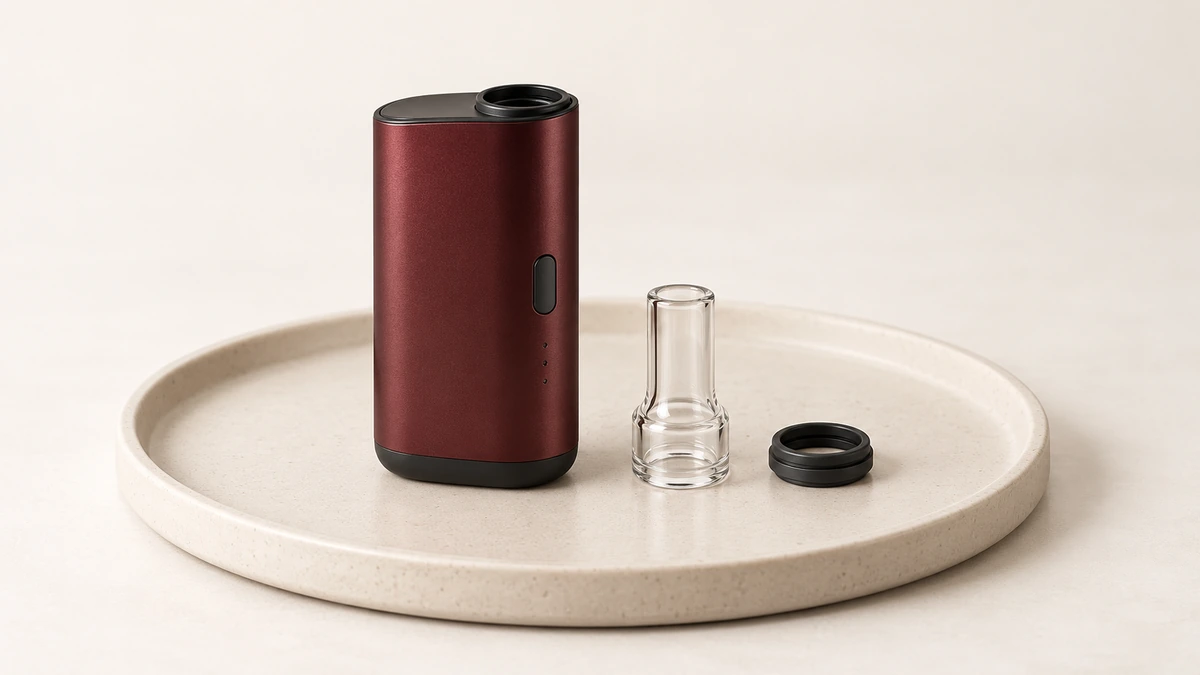
Locate movement in a vape mouthpiece: short stem, sealing ring, carrier or complete top. Understand replacement identity and when a changed fit needs service.
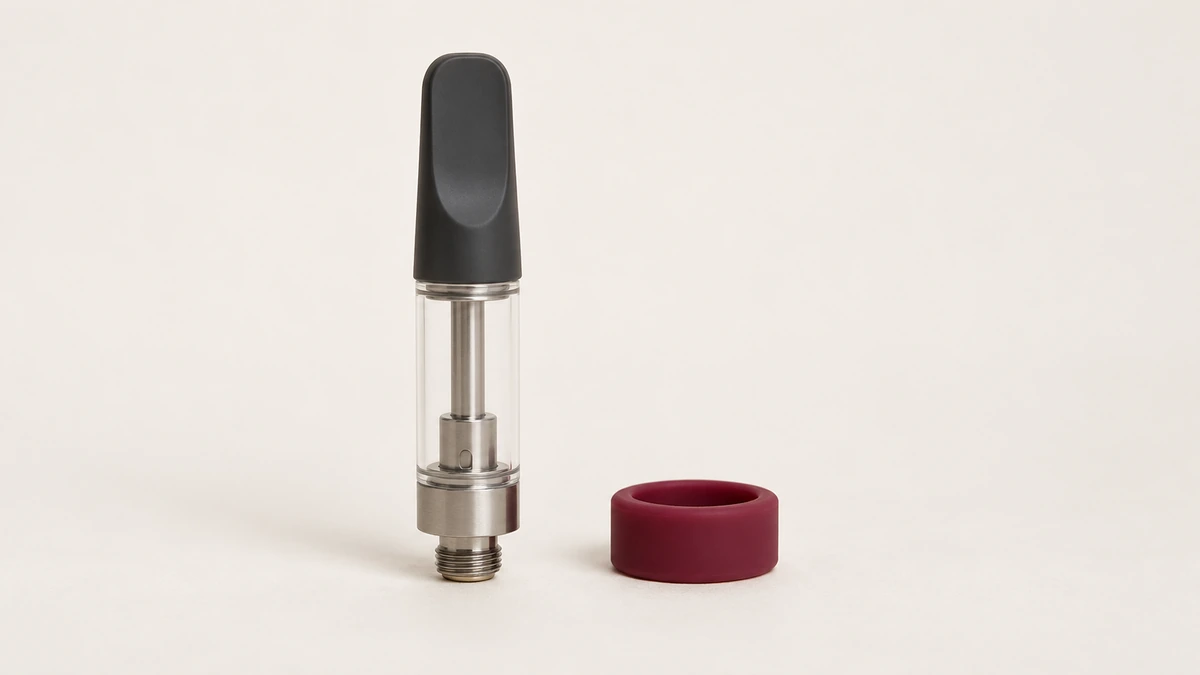
Distinguish a cart protector ring, sleeve, end cap and storage case. See what remains exposed, how added thickness changes clearance, and why a cover is not a repair.
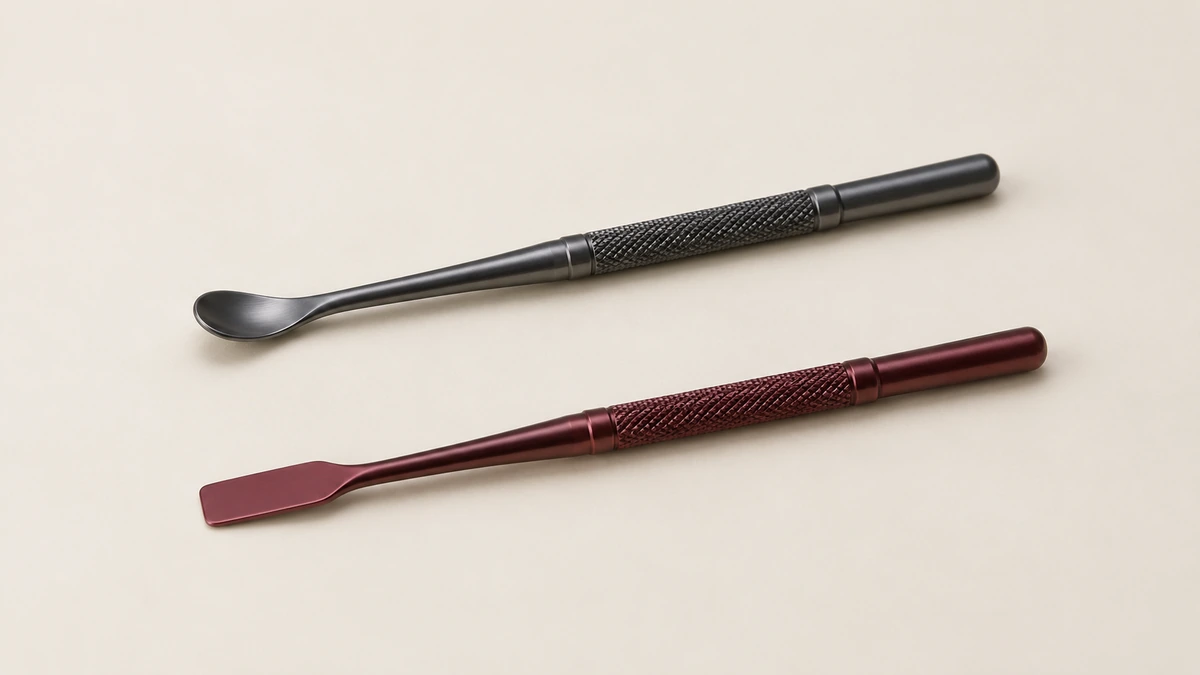
Identify a dab scoop by both end shapes, distinguish a curved cavity from a flat scraper, and keep unknown tools separate from confirmed accessories and care instructions.
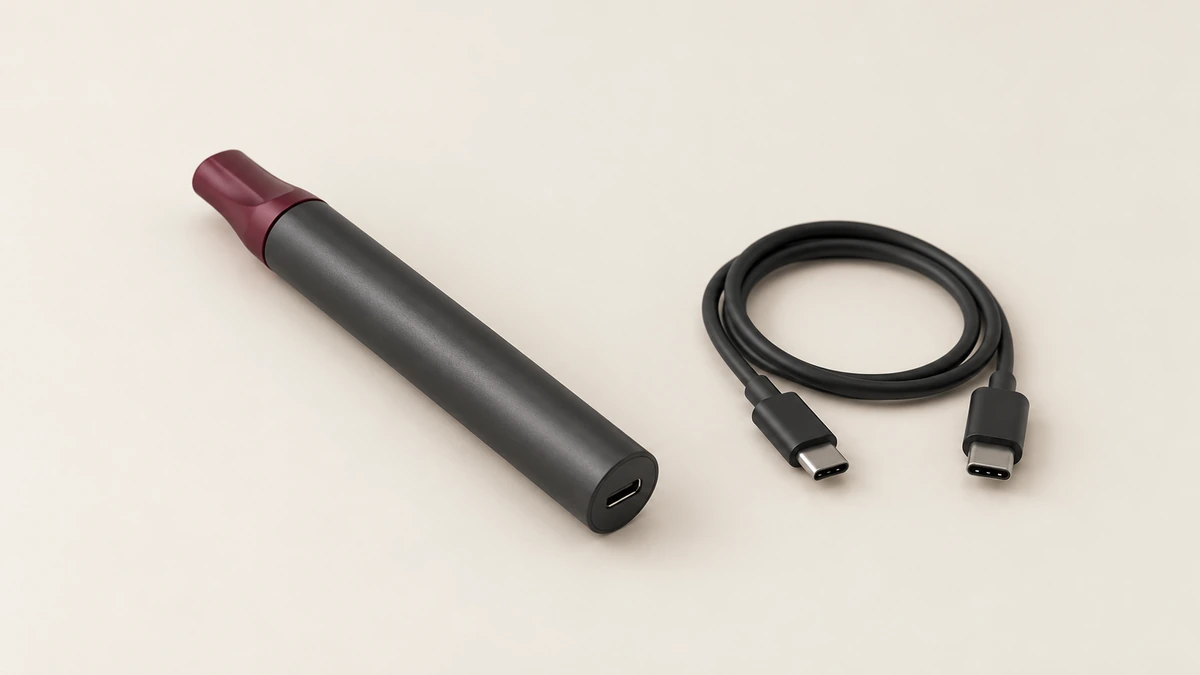
Separate a USB-C socket, cable plug and carrying-case opening before treating a charging fault as lint. Understand where a cleaning tool does not establish permission.

Identify the difference between a resin-decorated grinder lid and cast working parts, what a photo can show, and how to describe visible wear to the maker.
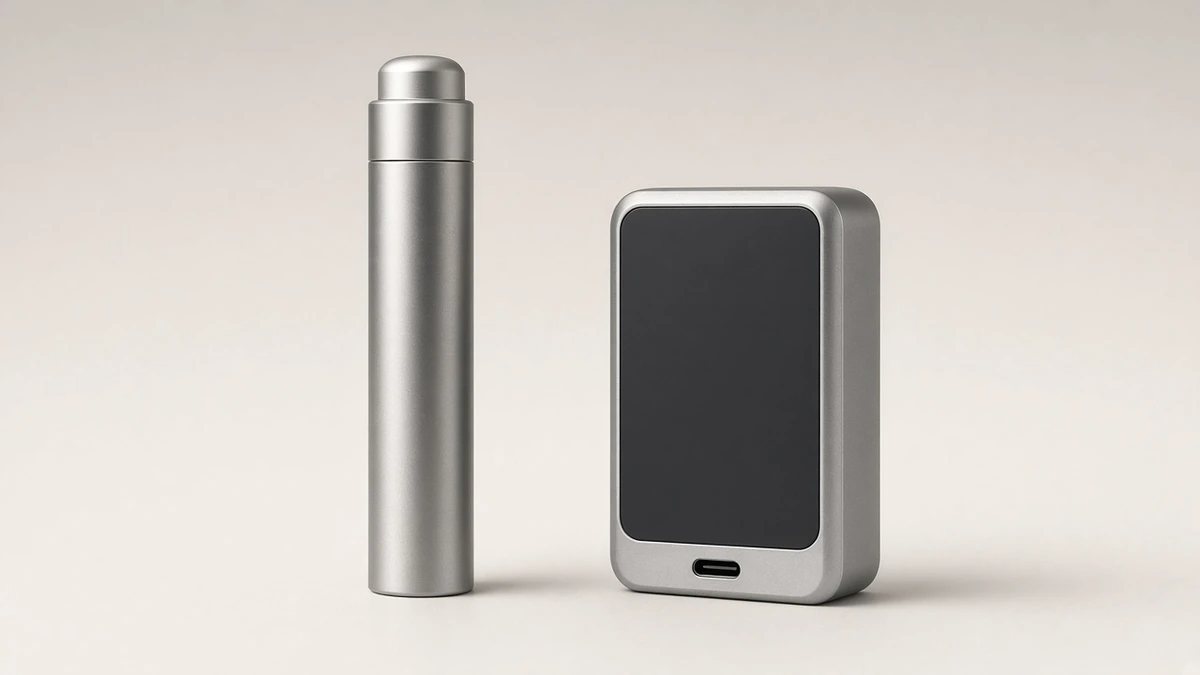
A dry herb vaporizer may be heated with a flame or torch against a cap or chamber, or it may use an electric heater powered by a battery. This guide shows how to identify that power path on a sample and in the manual, and why a removable cap is not, by itself, a flame-powered design.
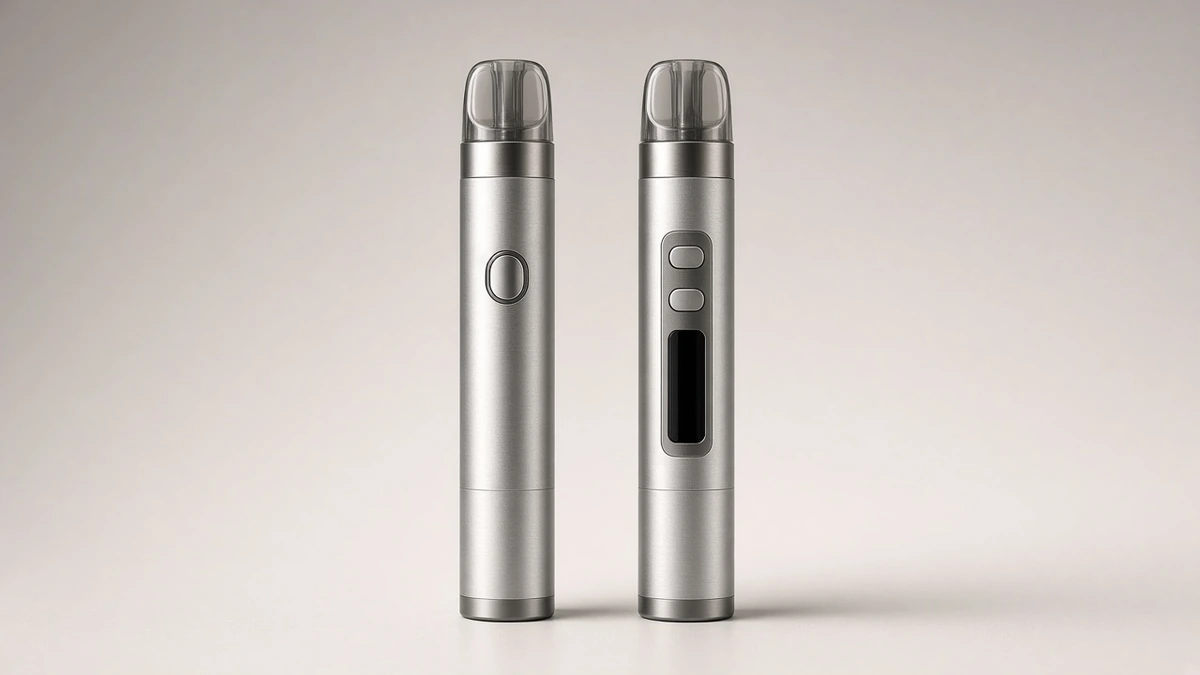
A wax pen may fire at a single documented output, or it may offer voltage or heat steps the user can change. This guide shows how to identify that control on the exact version, and why a number on a listing is not, by itself, a temperature-control system.
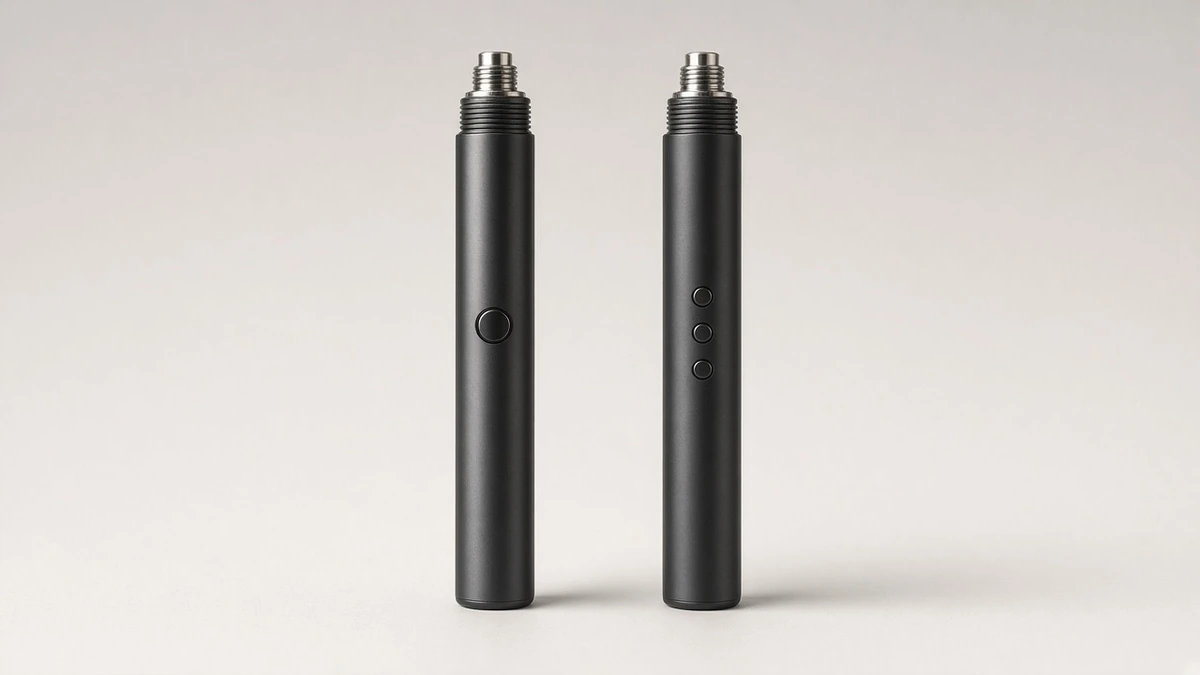
A 510 battery may run a documented preheat cycle, leave warming to a manual low voltage, or offer neither. This guide shows how to identify that warmup path on the exact version, and why a two-click habit from another battery is not a universal preheat command.
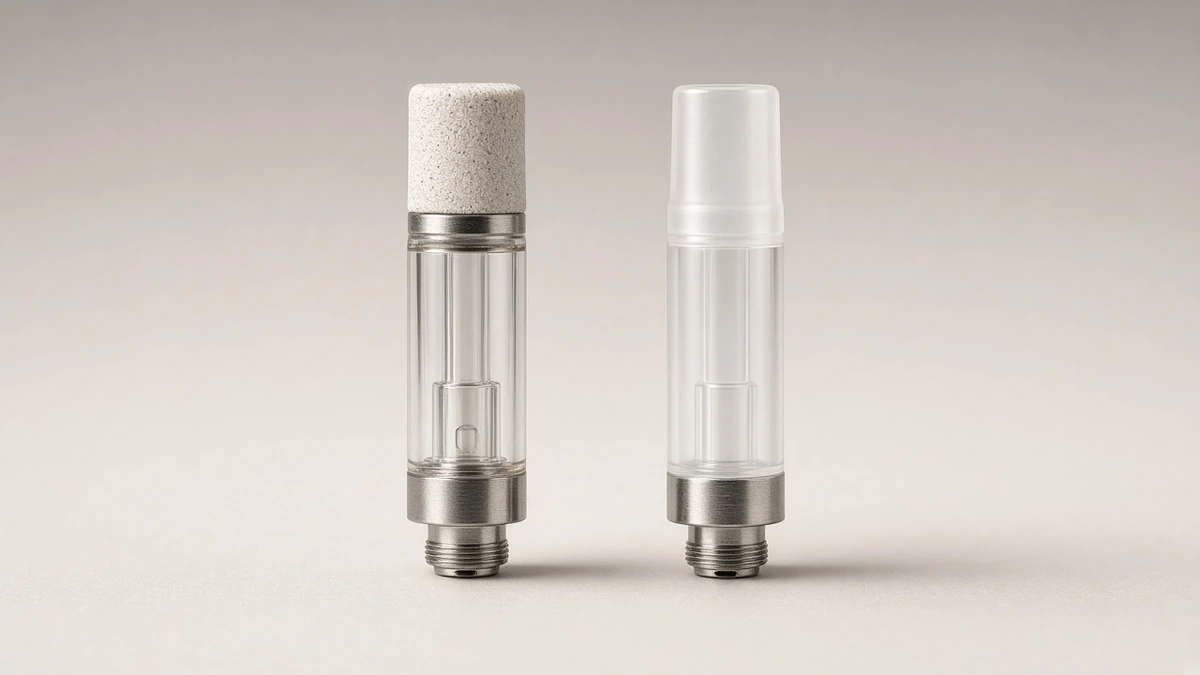
A 510 cartridge mouthpiece may be a polymer tip, a ceramic piece, or another construction. This guide shows how to identify the tip as a complete part, and why a “ceramic” label is not, by itself, a heating-core fact or a proof of fit.