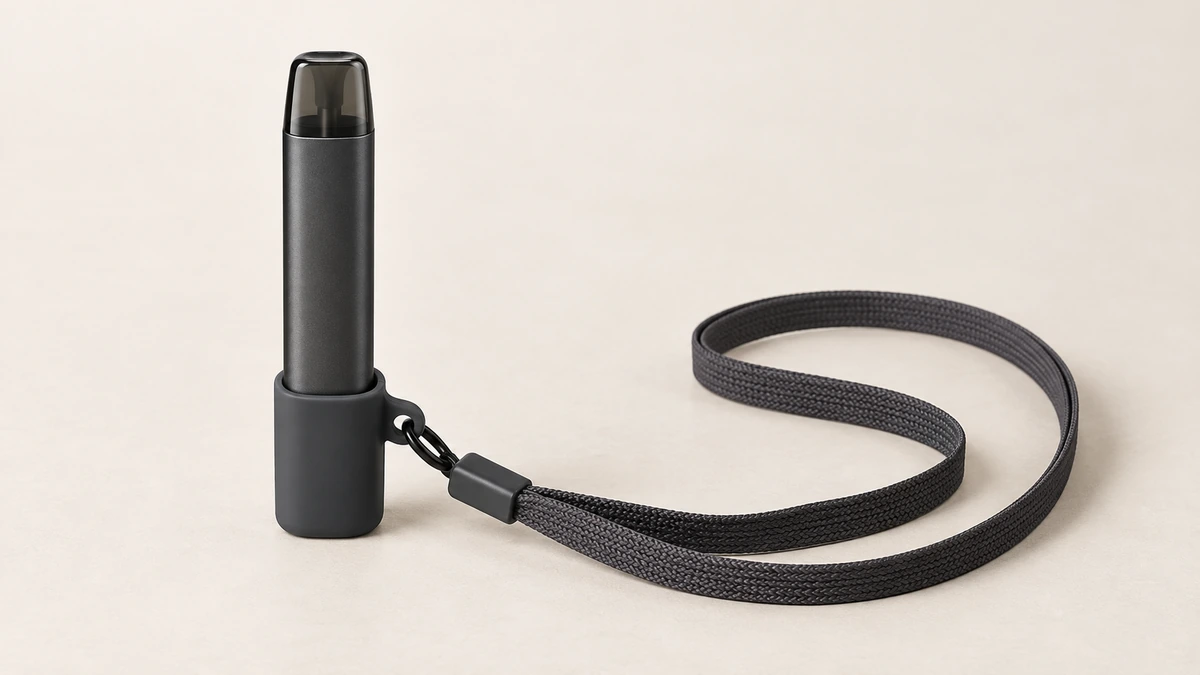
Vape Pen Lanyard: Fit, Balance and Everyday Carry
Explore vape pen lanyard eyelets, body rings and sleeves. Check fit, balance, accessible controls and cleaning, plus when a case is the better carry option.

Explore vape pen lanyard eyelets, body rings and sleeves. Check fit, balance, accessible controls and cleaning, plus when a case is the better carry option.
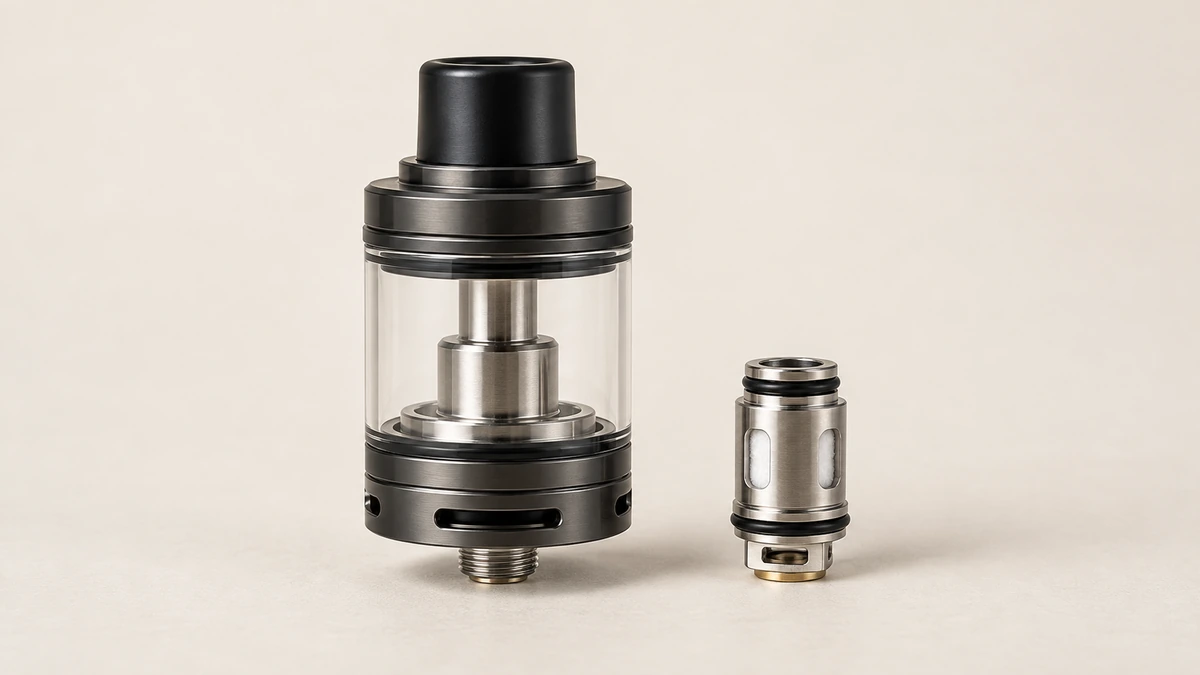
Understand a 510 thread tank’s reservoir, chimney, coil, seals and mouthpiece. Learn how replacement parts, cleaning and reassembly differ from a sealed cart.
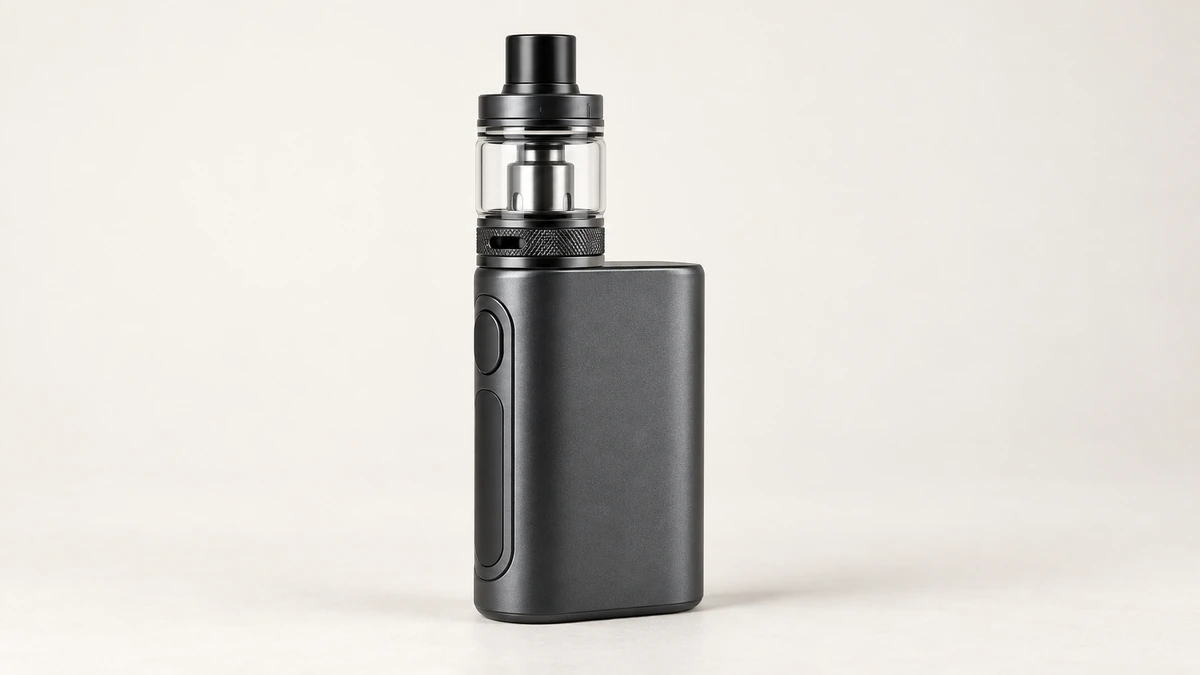
Get vape airflow explained through the inlet, coil channel and mouthpiece. Learn why an open control can still feel tight and what to inspect when it changes.
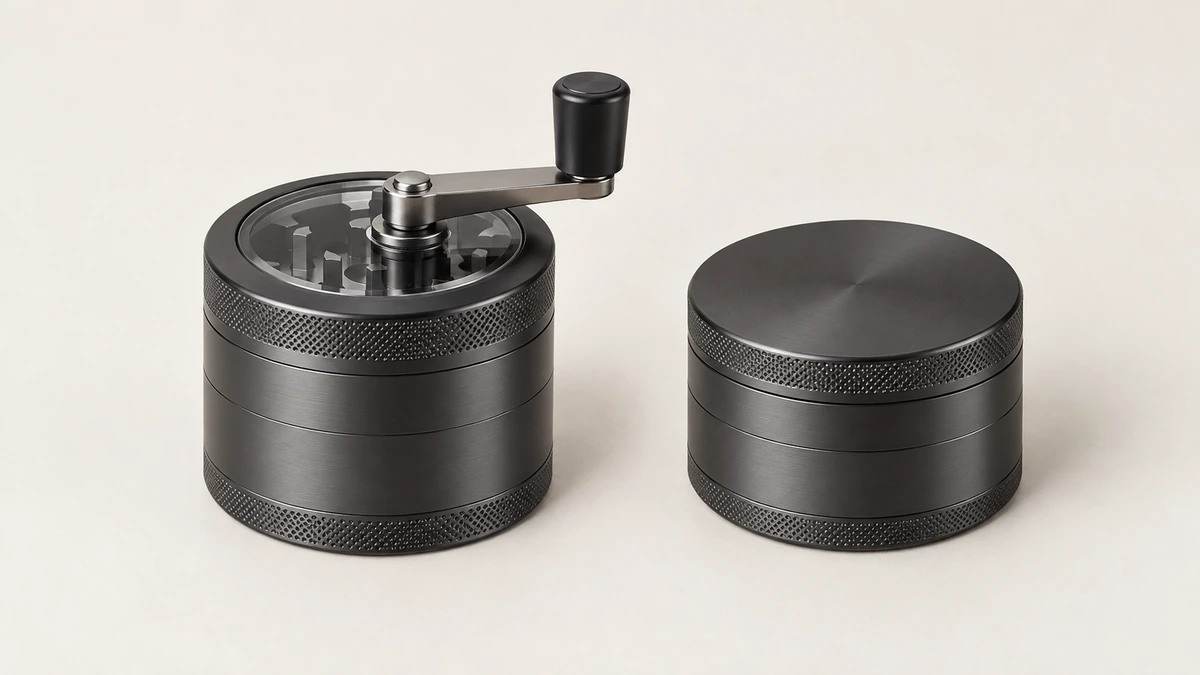
Explore how a handle herb grinder changes grip and turning motion. Understand crank knobs, slipping drives, jams, cleaning access and practical storage.
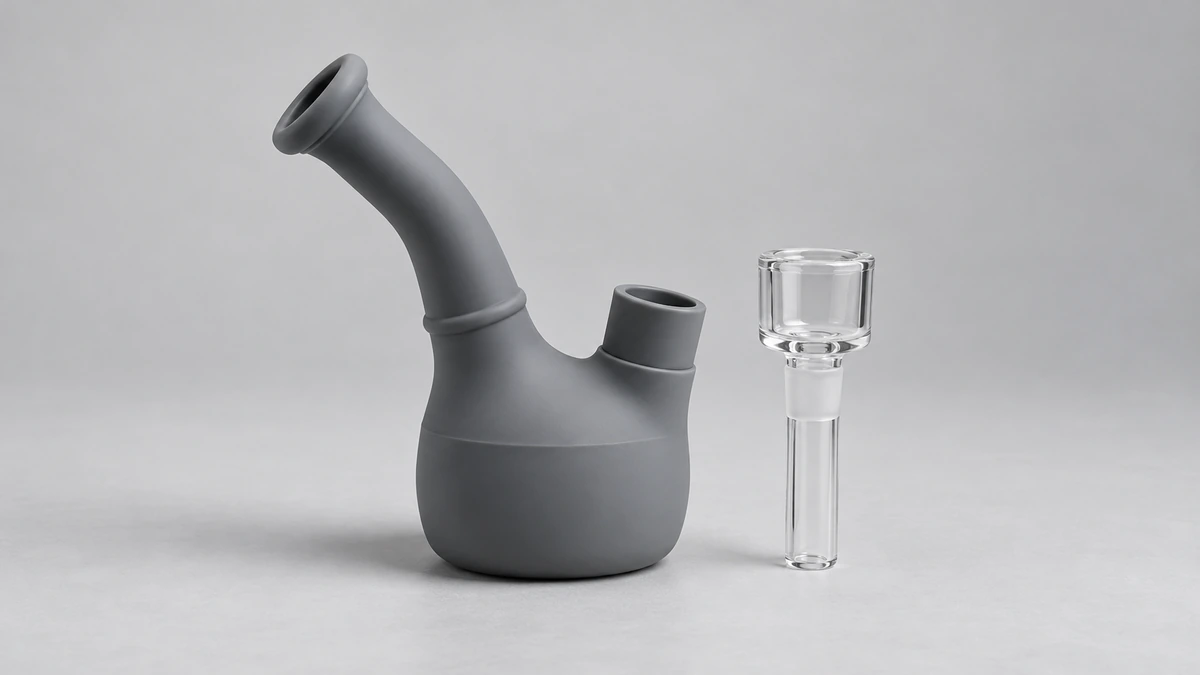
Follow the parts of a silicone bubbler to understand removable seams, insert identity, drying instructions and an odor that persists after rinsing.
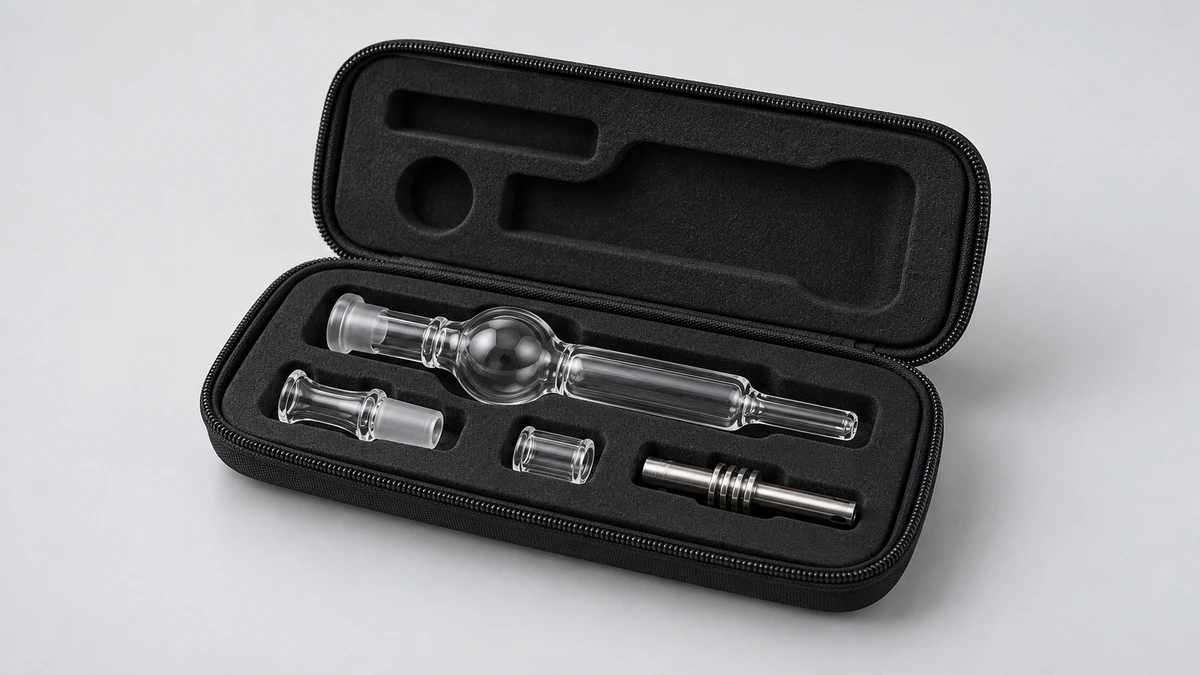
Identify the parts in a nectar collector case, compare their packed outlines and recognize loose tips, missing recesses and obstructed lid clearance.

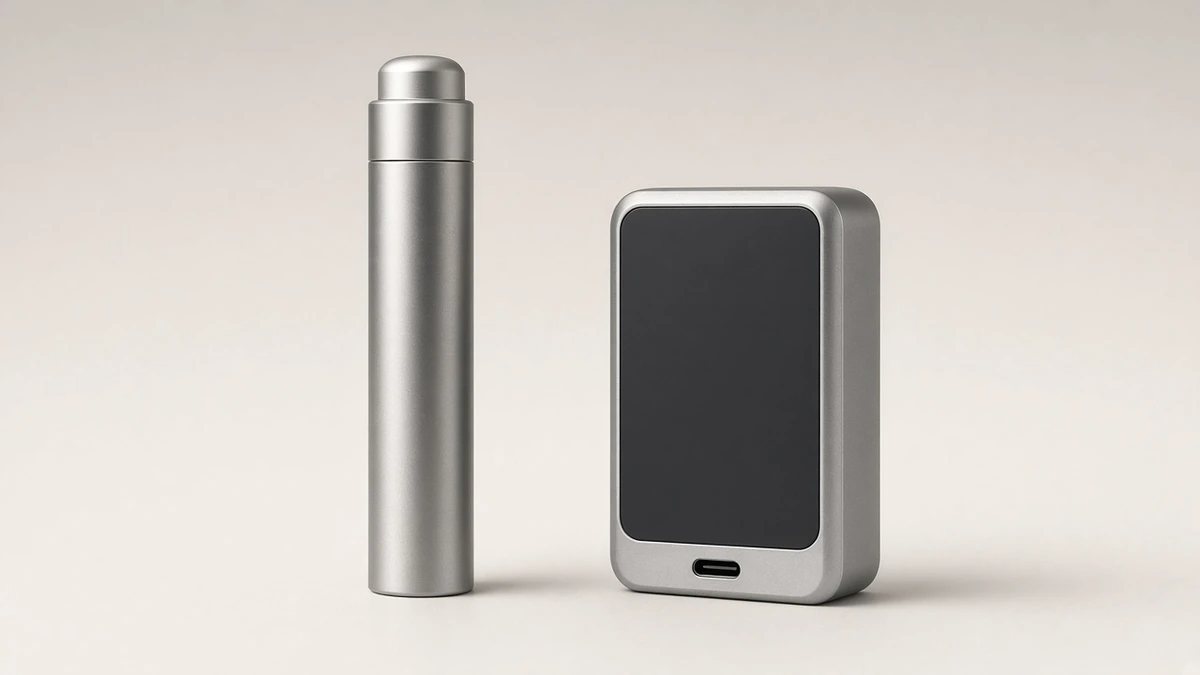
A dry herb vaporizer may be heated with a flame or torch against a cap or chamber, or it may use an electric heater powered by a battery. This guide shows how to identify that power path on a sample and in the manual, and why a removable cap is not, by itself, a flame-powered design.
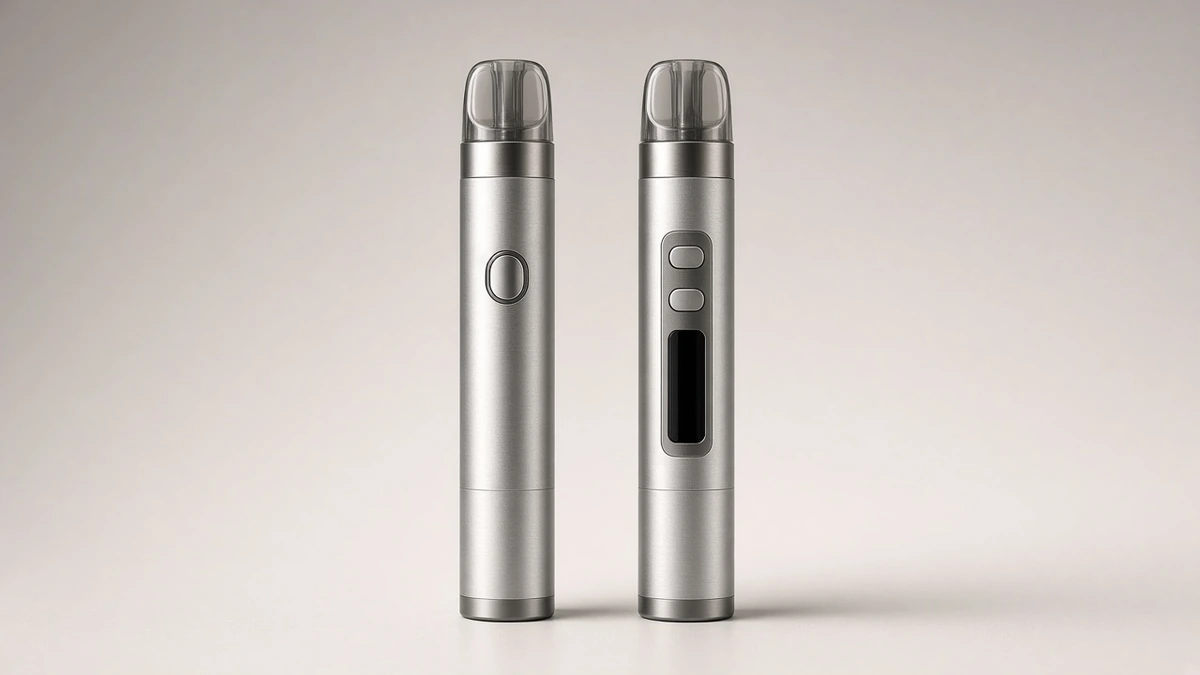
A wax pen may fire at a single documented output, or it may offer voltage or heat steps the user can change. This guide shows how to identify that control on the exact version, and why a number on a listing is not, by itself, a temperature-control system.
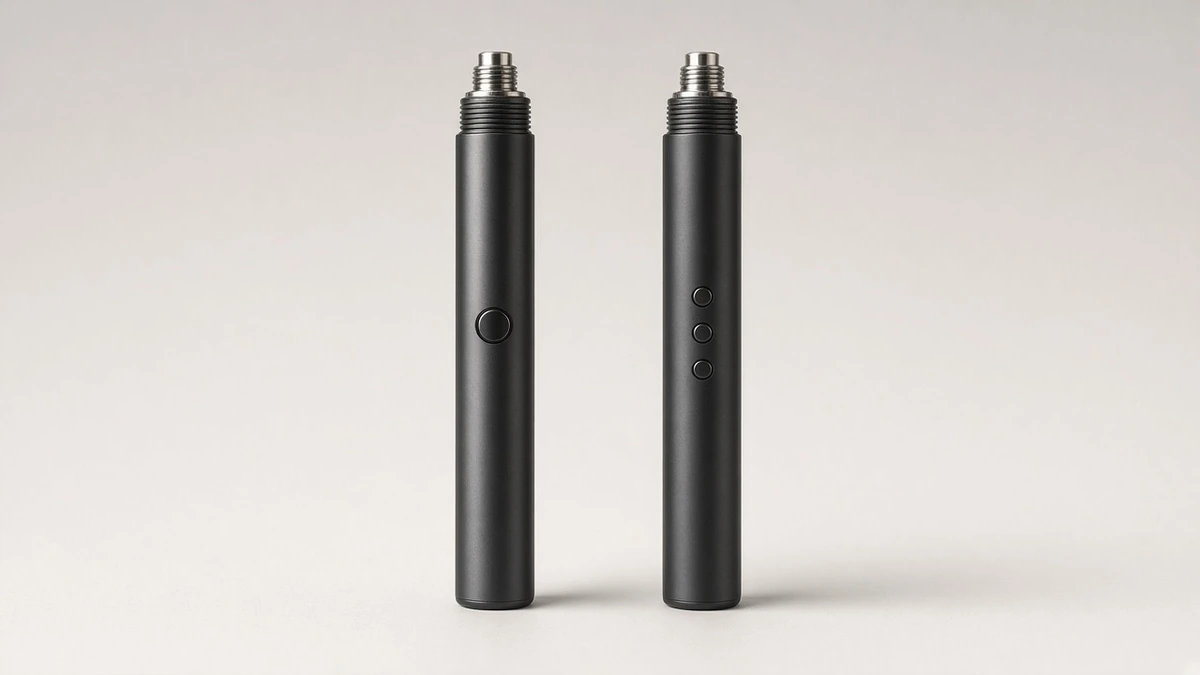
A 510 battery may run a documented preheat cycle, leave warming to a manual low voltage, or offer neither. This guide shows how to identify that warmup path on the exact version, and why a two-click habit from another battery is not a universal preheat command.
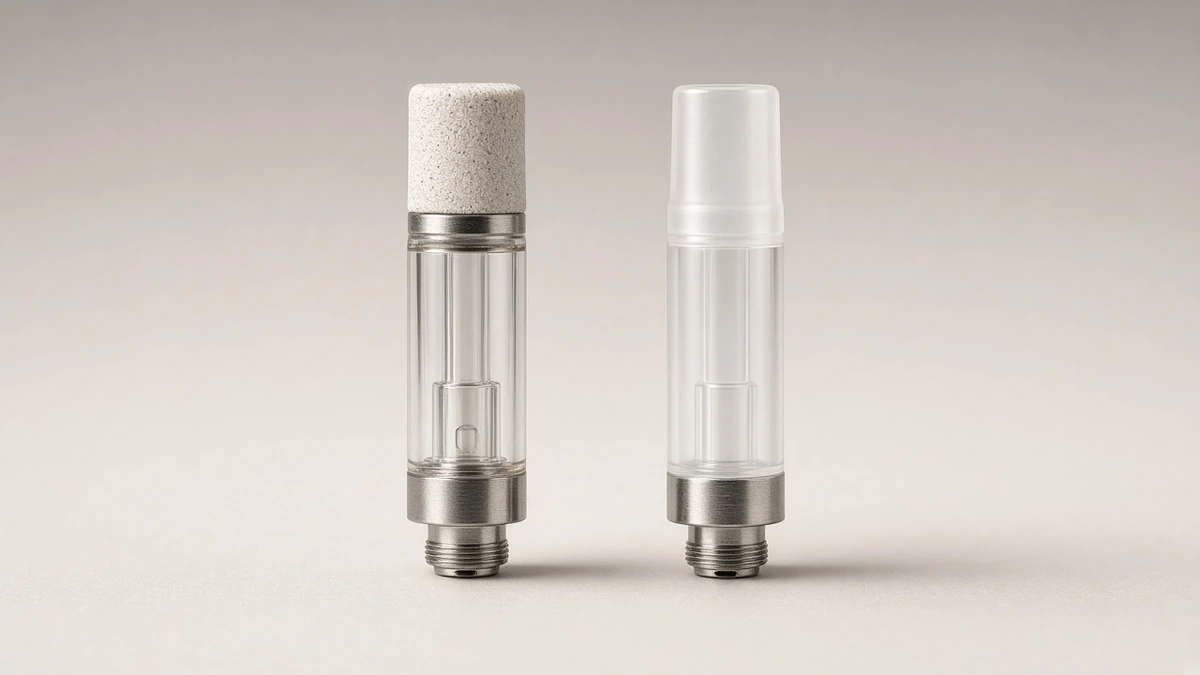
A 510 cartridge mouthpiece may be a polymer tip, a ceramic piece, or another construction. This guide shows how to identify the tip as a complete part, and why a “ceramic” label is not, by itself, a heating-core fact or a proof of fit.