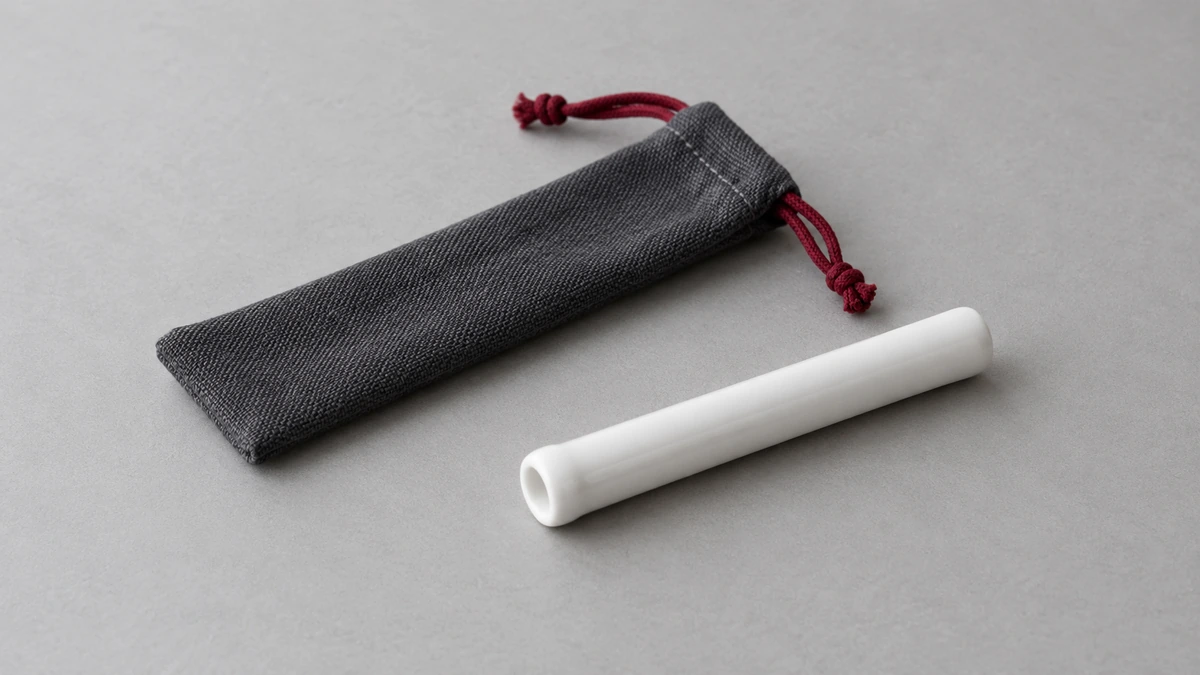
Ceramic One Hitter: Dark Ends, Chipped Rims and Case Fit
Distinguish a dark end from a changed rim on a ceramic one hitter. Consider finish changes, narrow-tool clearance and separate care for its wooden case.

Distinguish a dark end from a changed rim on a ceramic one hitter. Consider finish changes, narrow-tool clearance and separate care for its wooden case.
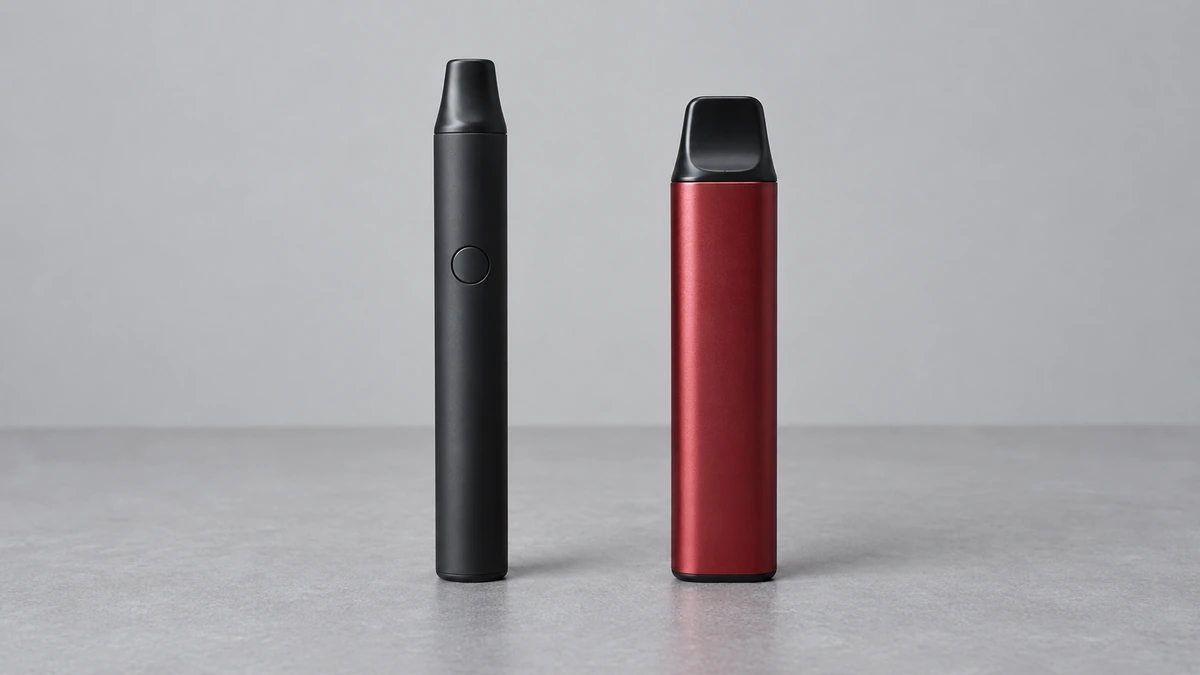
A disposable wax pen may recharge without being refillable. Distinguish its chamber, cap version and replaceable parts before assuming it can be opened.
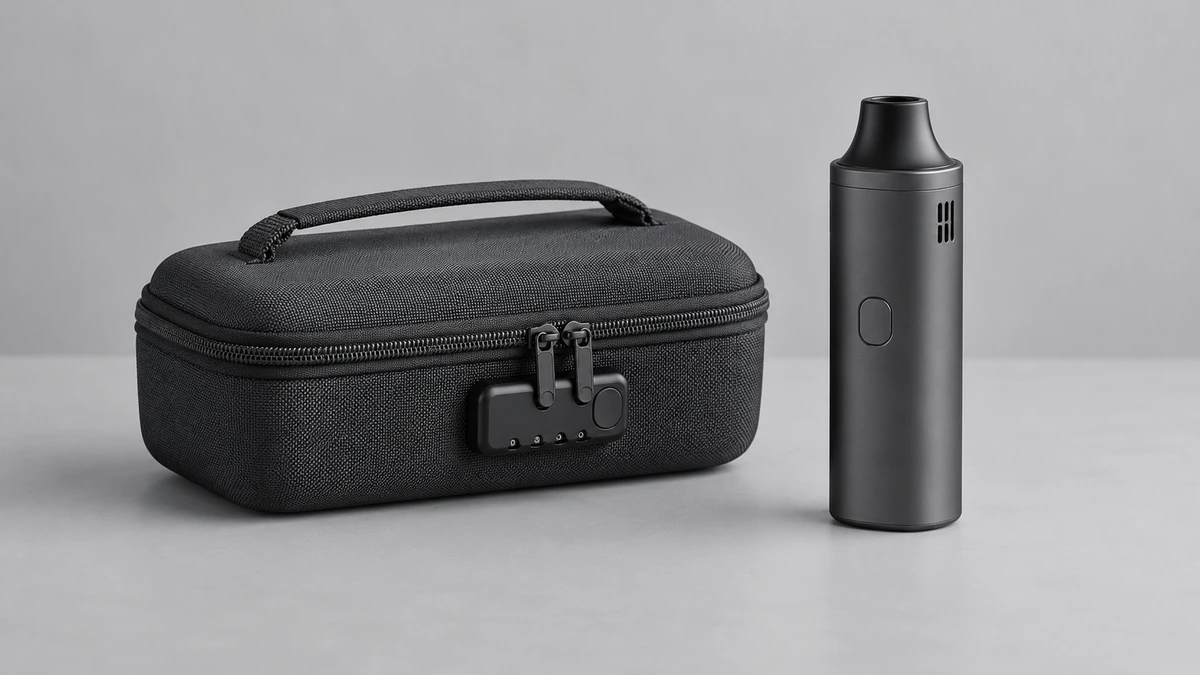
Understand a smell proof bag with lock: distinguish zipper tabs, inner closures, known-code checks and damaged seams without guessing reset or repair methods.
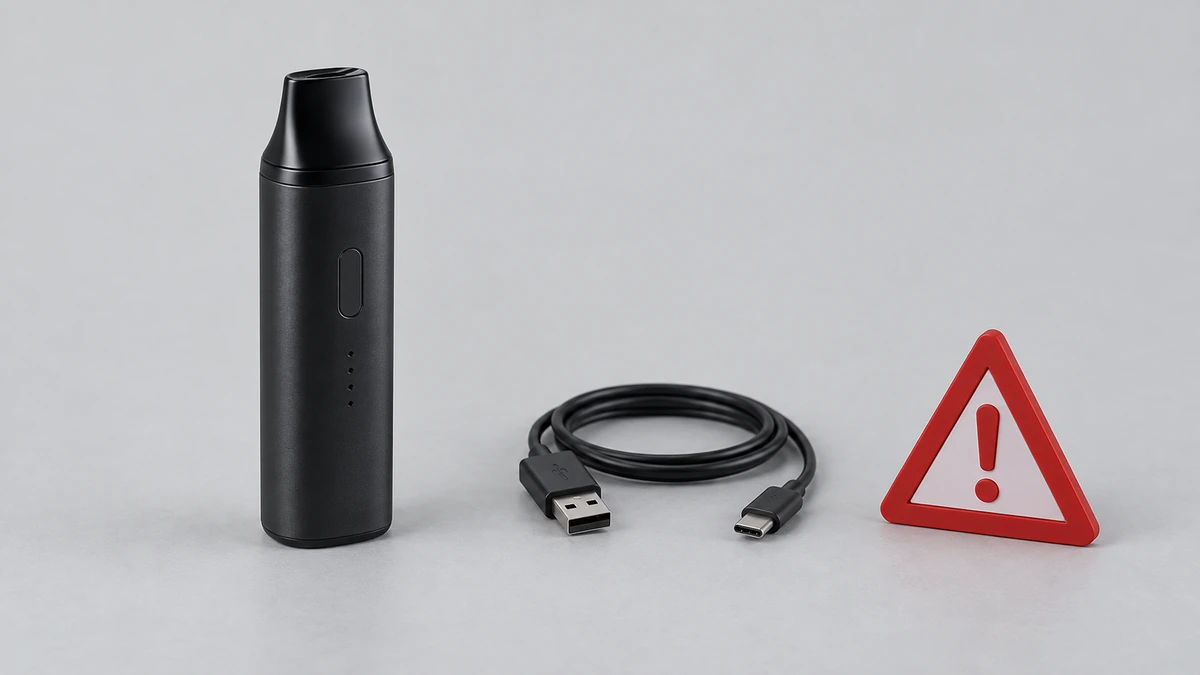
Unexpected e-cigarette overheating calls for stopping use and recognizing warning signs. Learn what to report and how to seek qualified handling guidance.

Understand a vibrating cart battery as a tactile interface. Separate documented pulses, a missing familiar cue and unexplained buzzing without guessing fault codes.
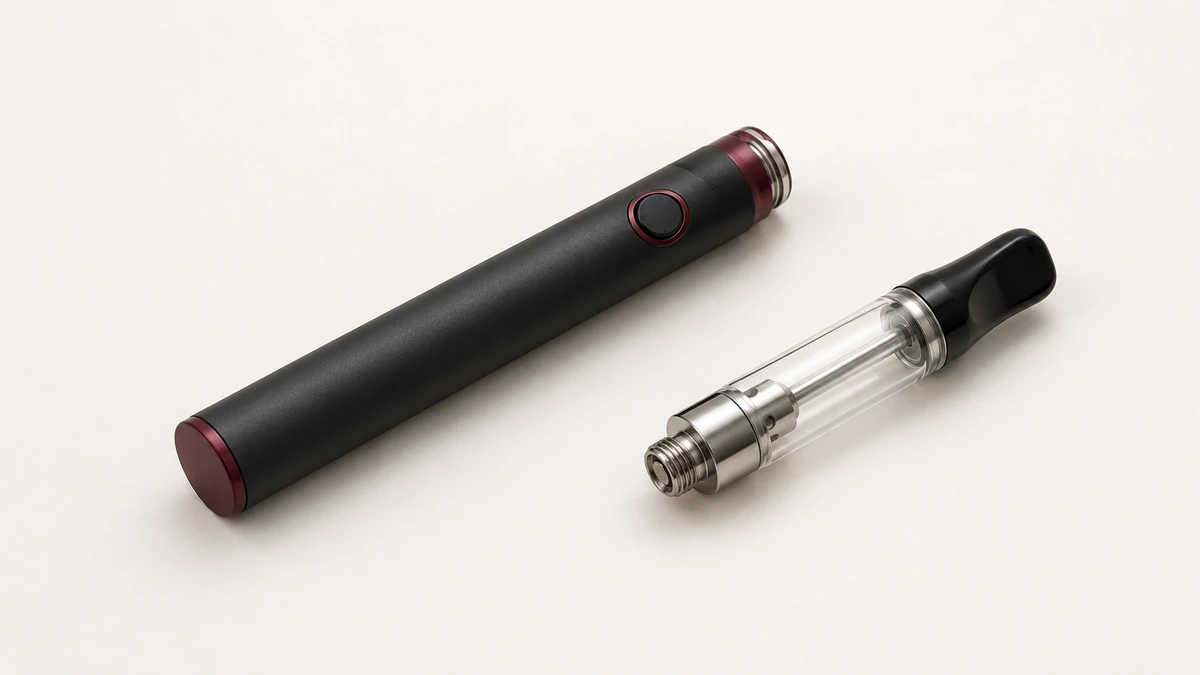
When a cart will not unscrew from its pen, separate the mouthpiece, cartridge base, adapter and battery socket before force turns a stuck joint into damage.

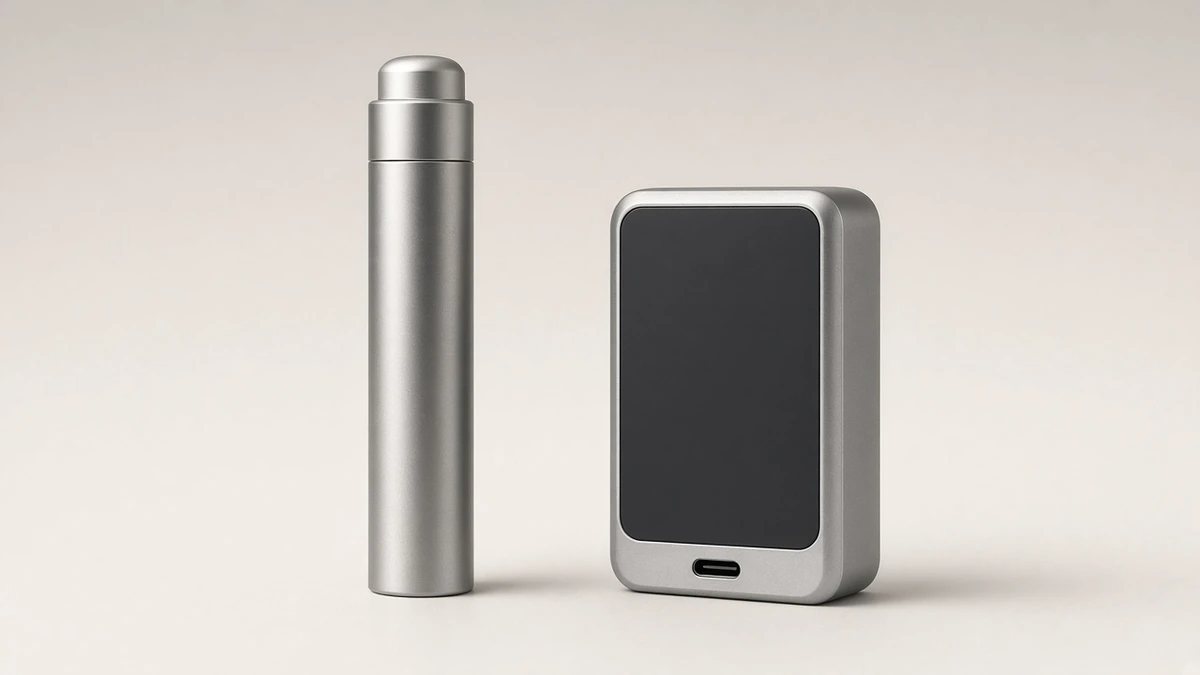
A dry herb vaporizer may be heated with a flame or torch against a cap or chamber, or it may use an electric heater powered by a battery. This guide shows how to identify that power path on a sample and in the manual, and why a removable cap is not, by itself, a flame-powered design.
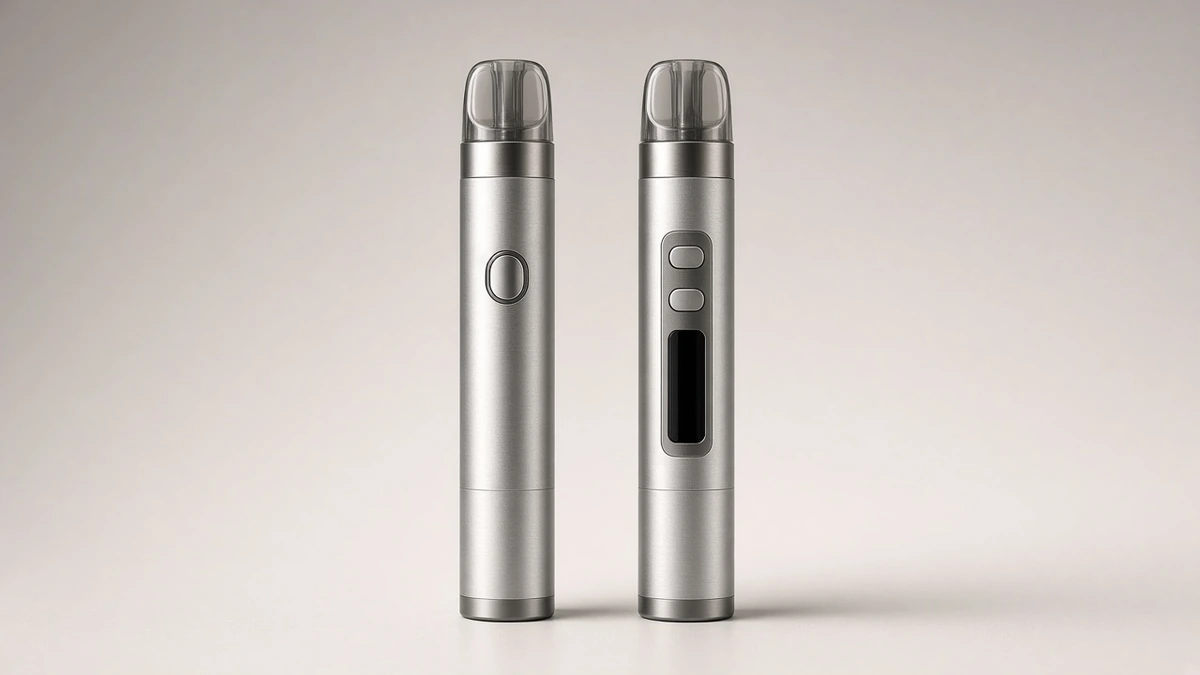
A wax pen may fire at a single documented output, or it may offer voltage or heat steps the user can change. This guide shows how to identify that control on the exact version, and why a number on a listing is not, by itself, a temperature-control system.
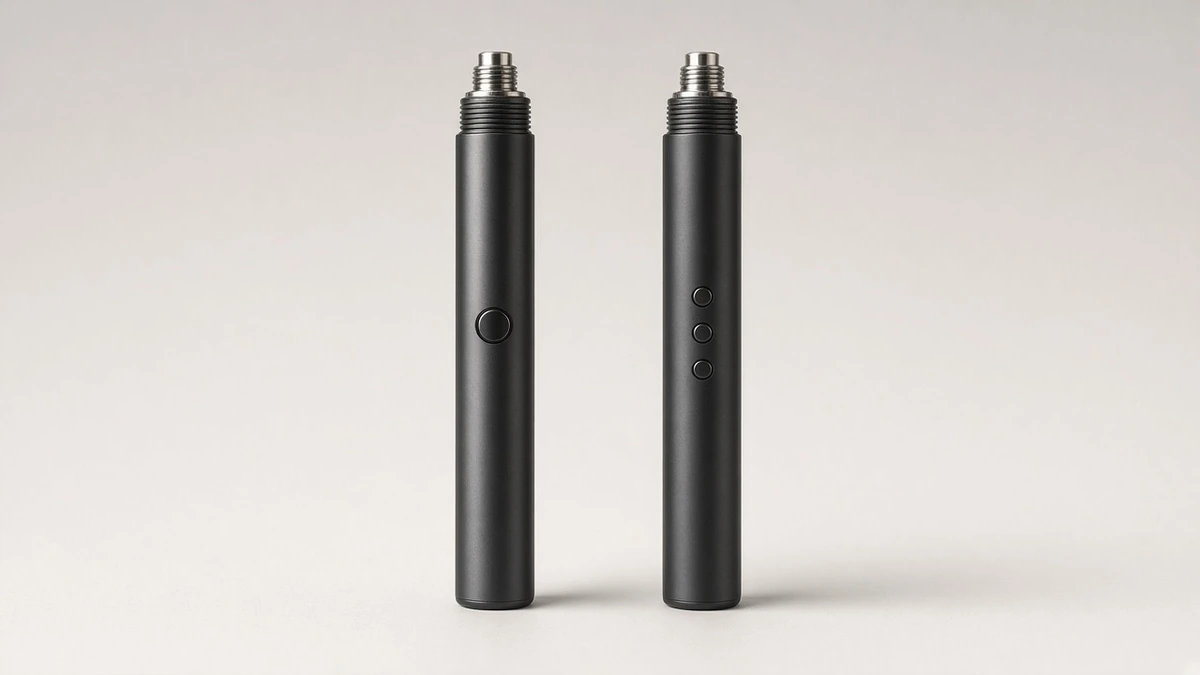
A 510 battery may run a documented preheat cycle, leave warming to a manual low voltage, or offer neither. This guide shows how to identify that warmup path on the exact version, and why a two-click habit from another battery is not a universal preheat command.
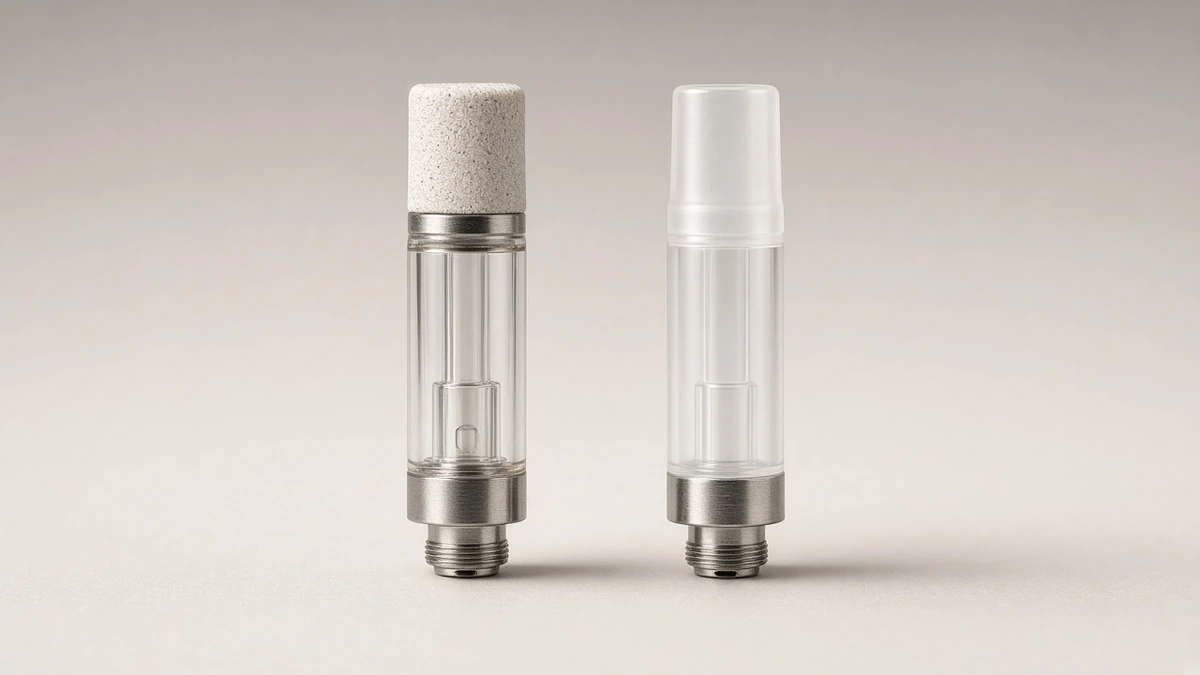
A 510 cartridge mouthpiece may be a polymer tip, a ceramic piece, or another construction. This guide shows how to identify the tip as a complete part, and why a “ceramic” label is not, by itself, a heating-core fact or a proof of fit.